Introduction (6. Chemical Reactions)
Chemical reactions are happening all around us, all the time, yet they vary enormously in how fast they proceed, whether they can be reversed, and how electrons are transferred between species. Chapter 6 brings together three ideas that are fundamental to understanding how reactions behave: reaction rates, equilibrium, and redox chemistry.
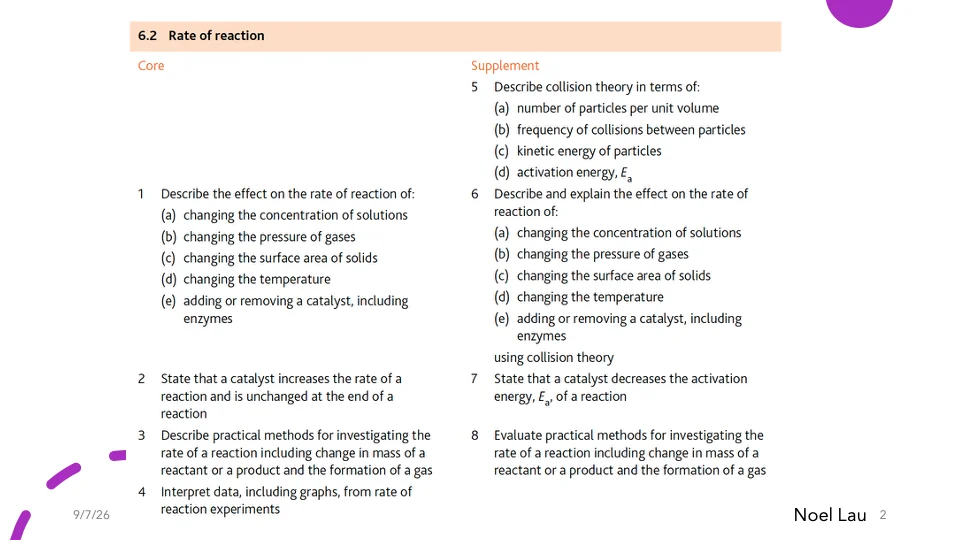
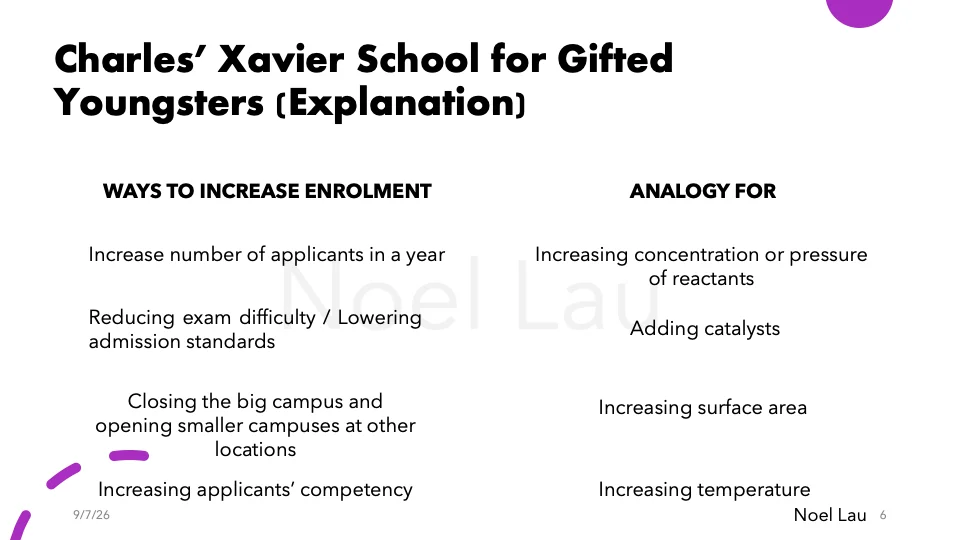
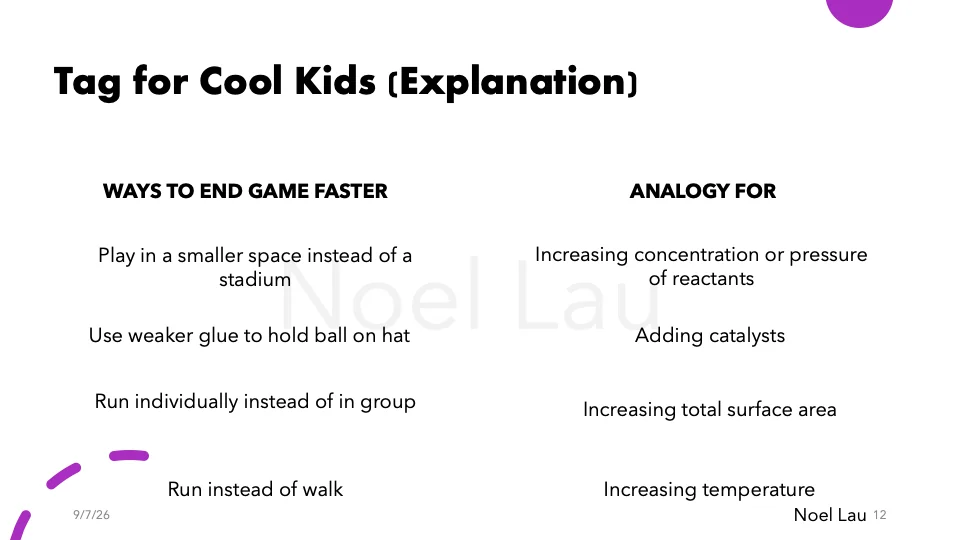
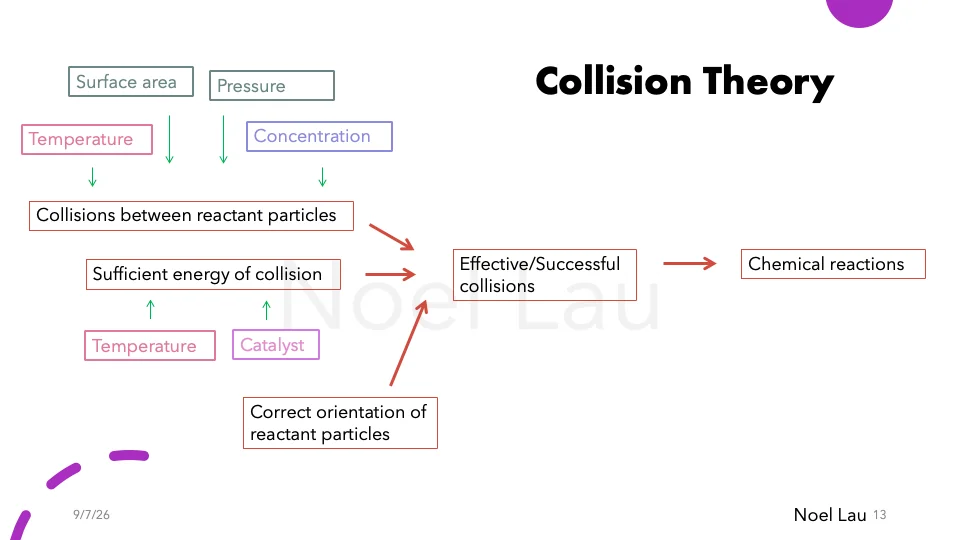
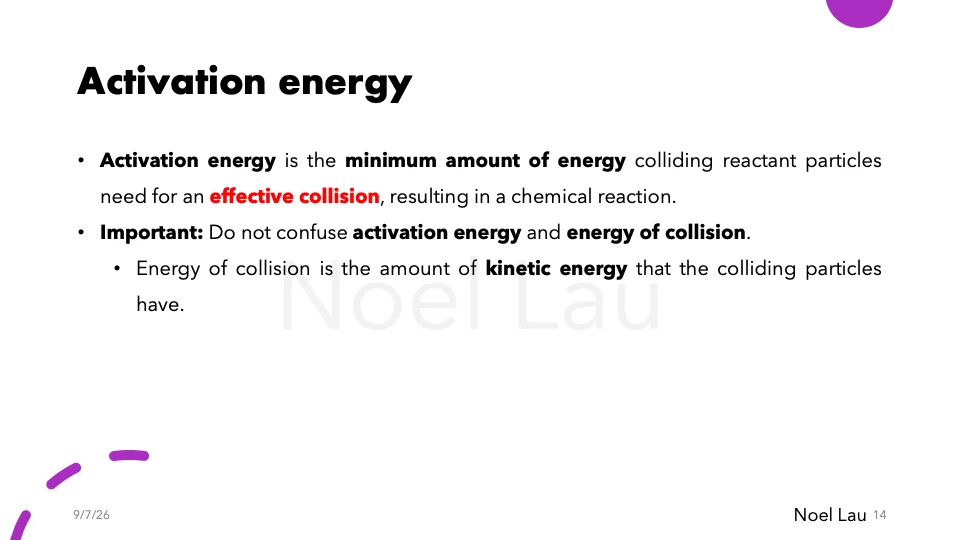
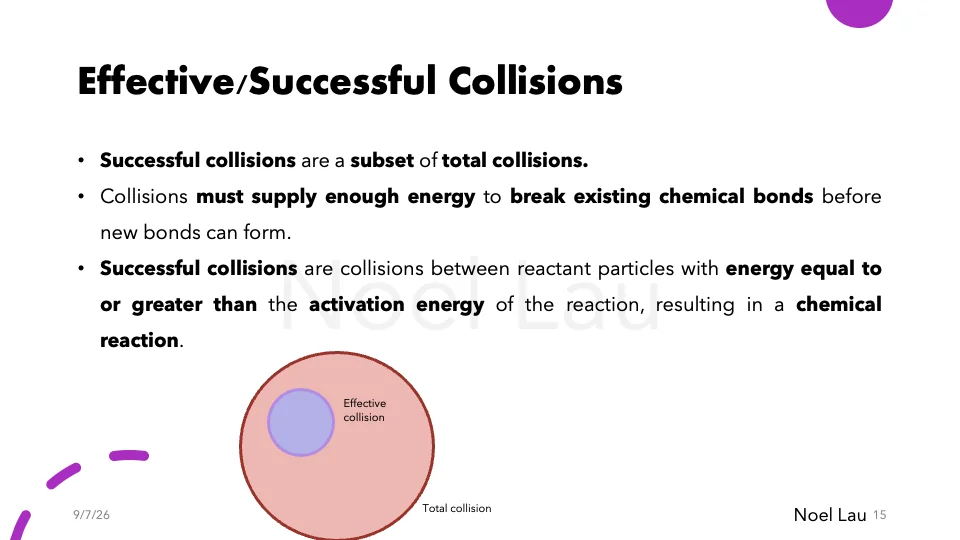
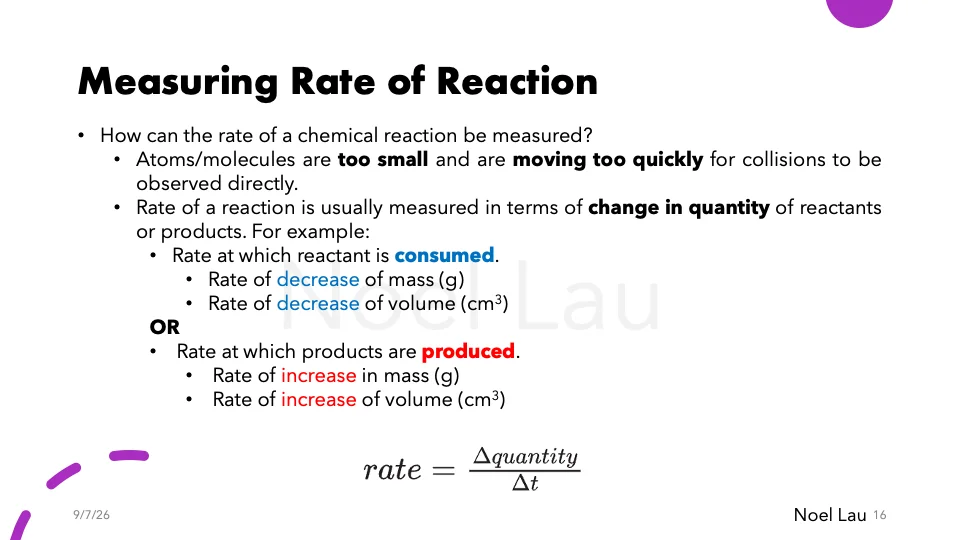
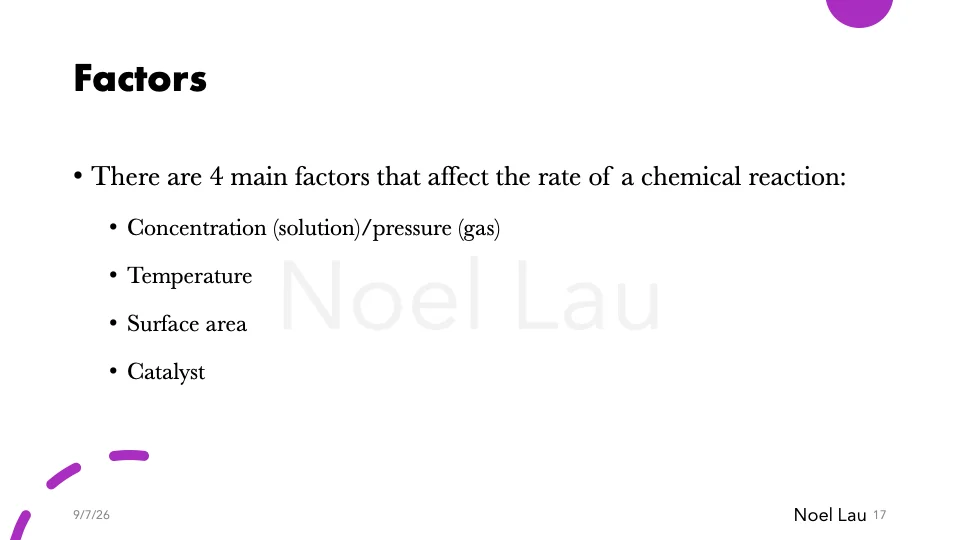
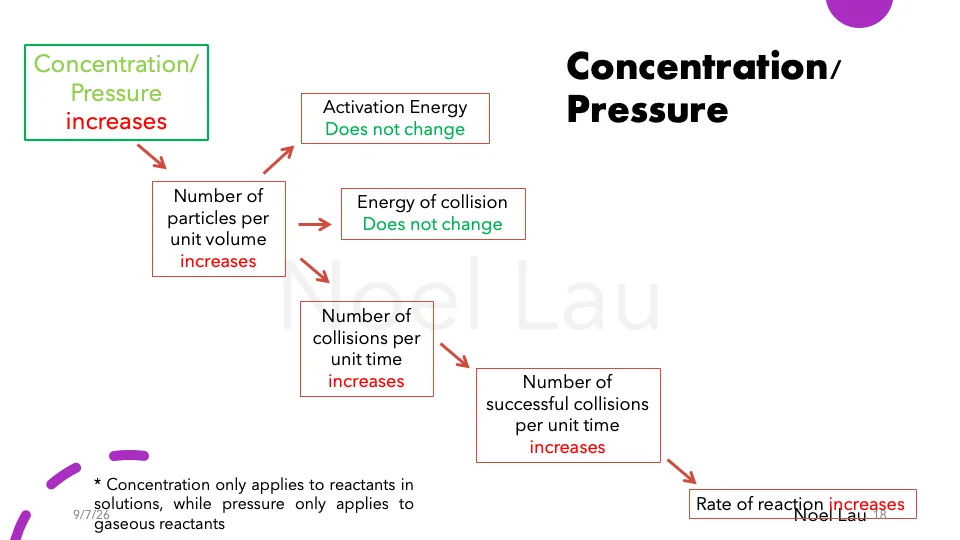
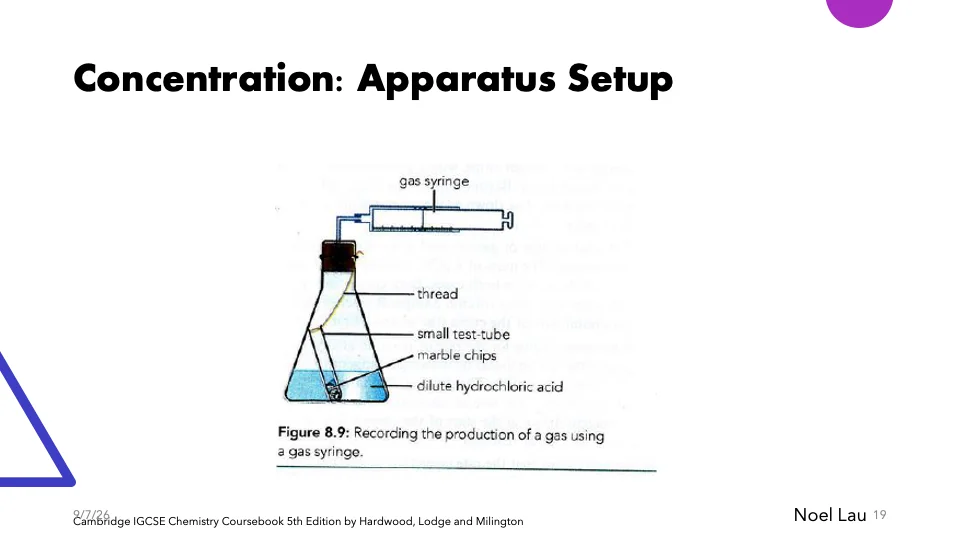
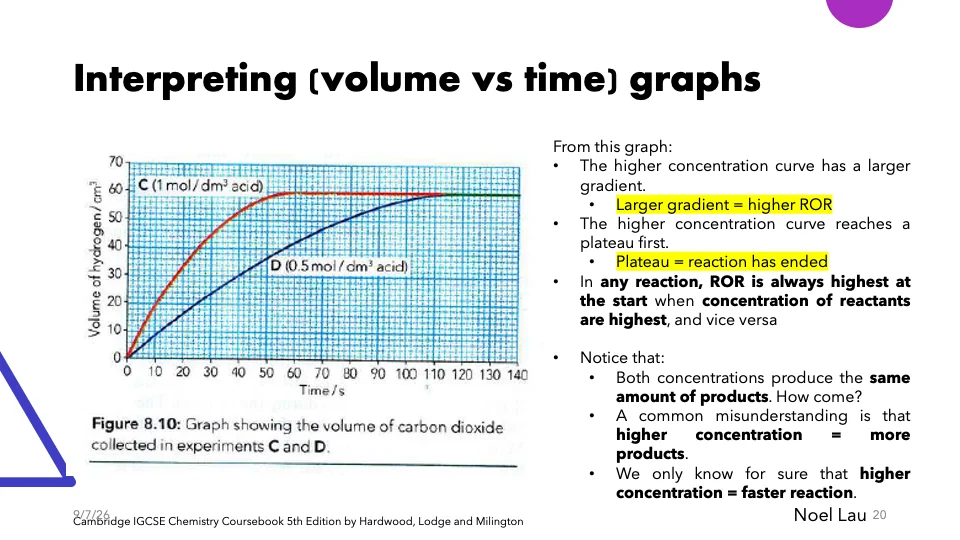
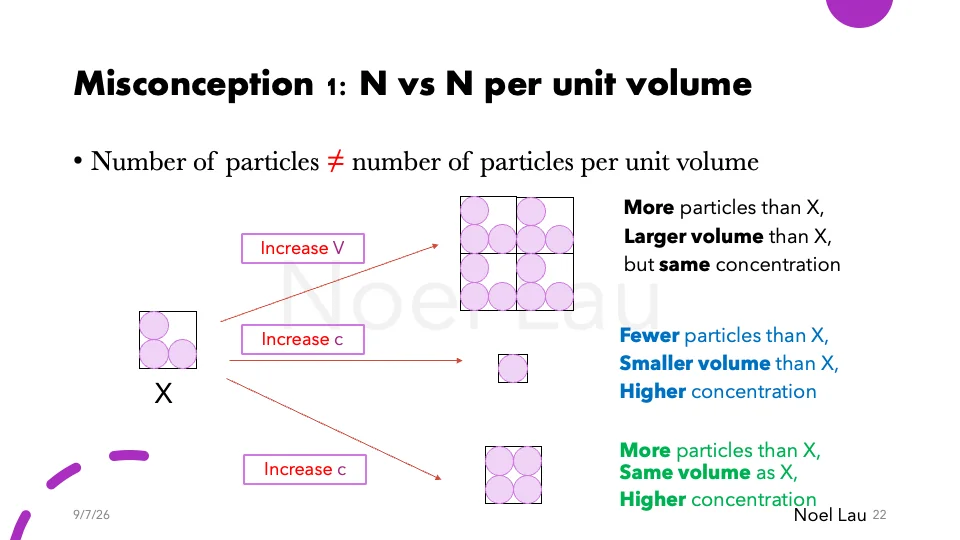
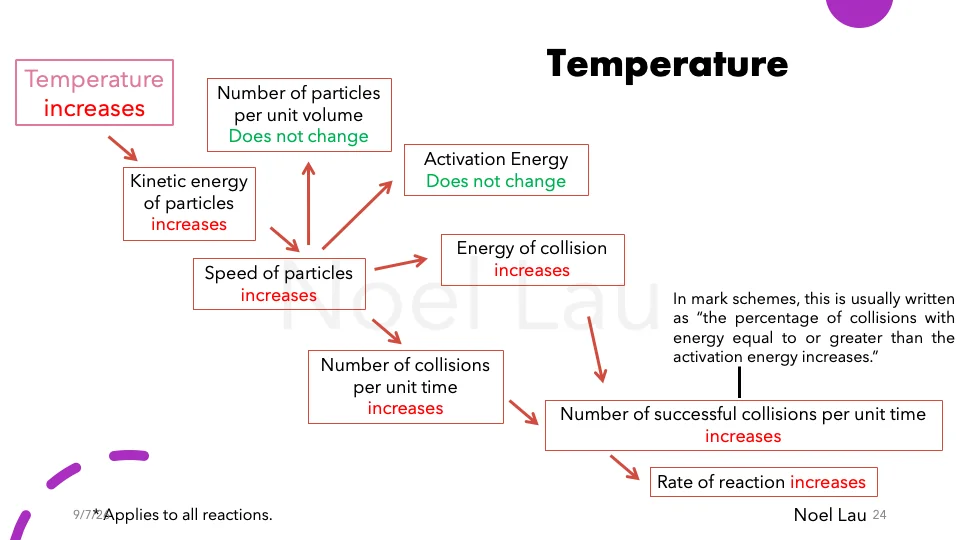
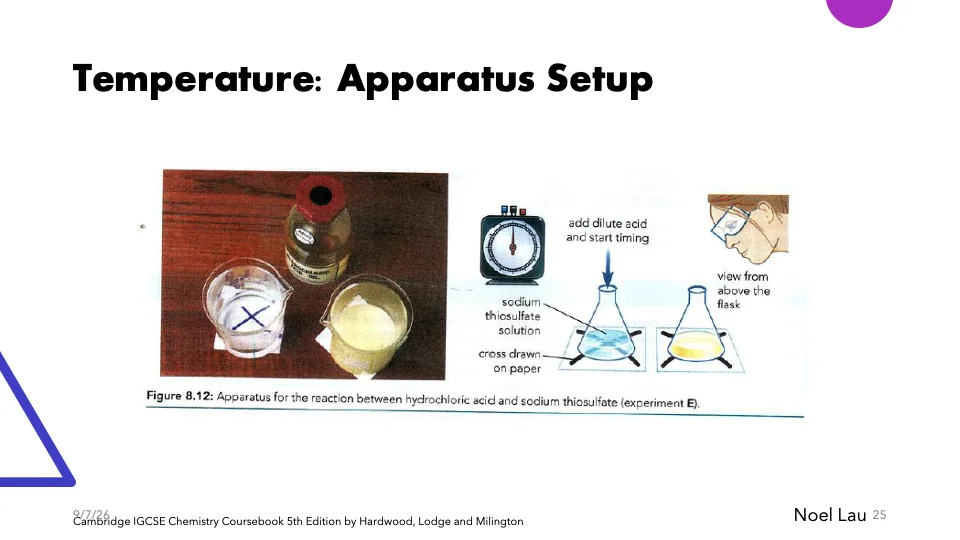
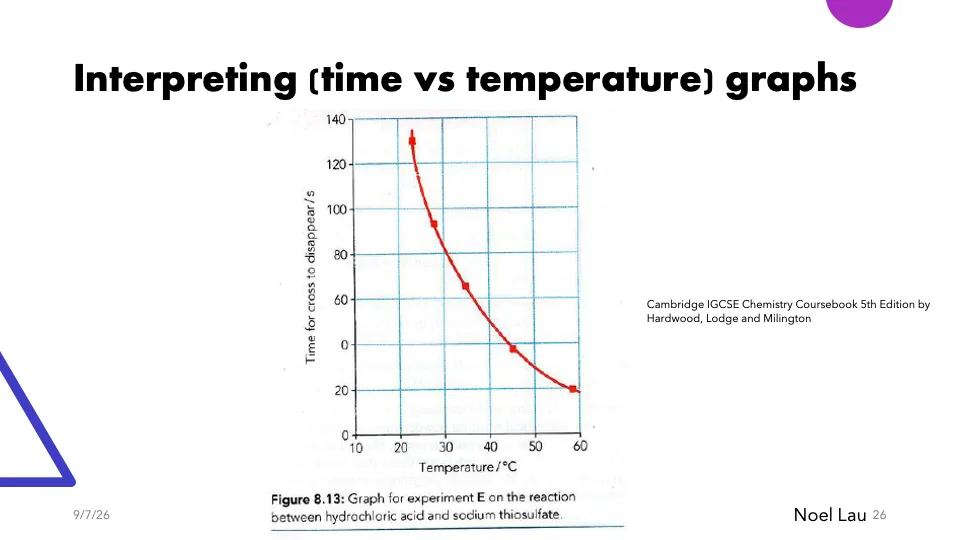
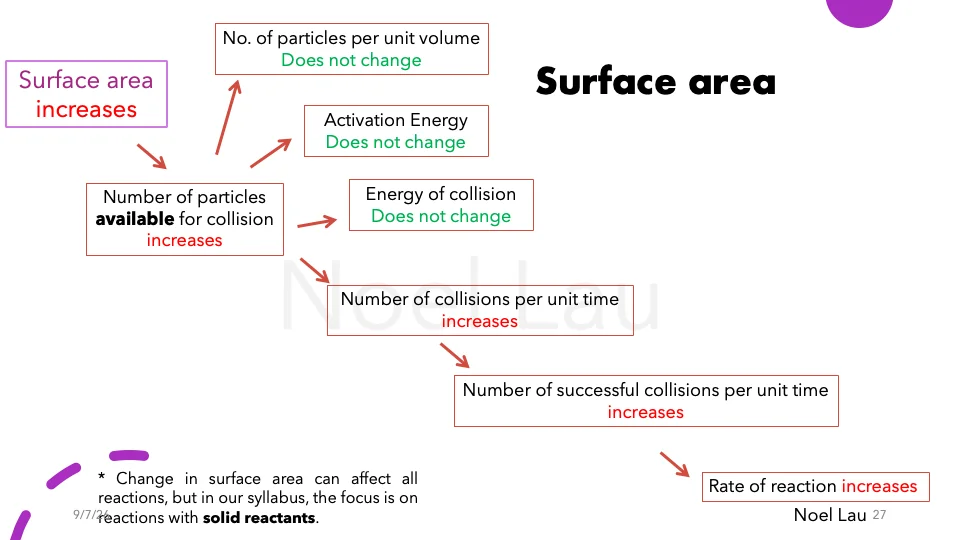
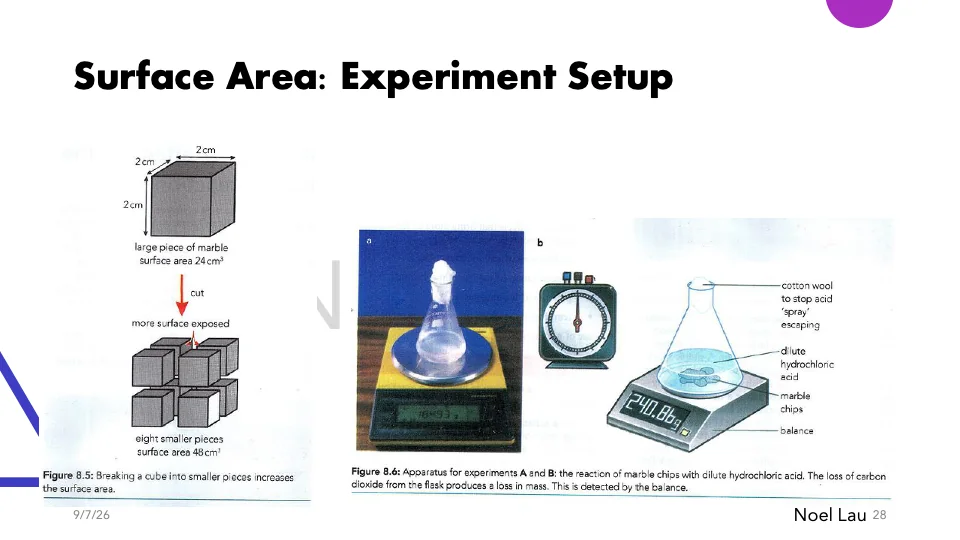
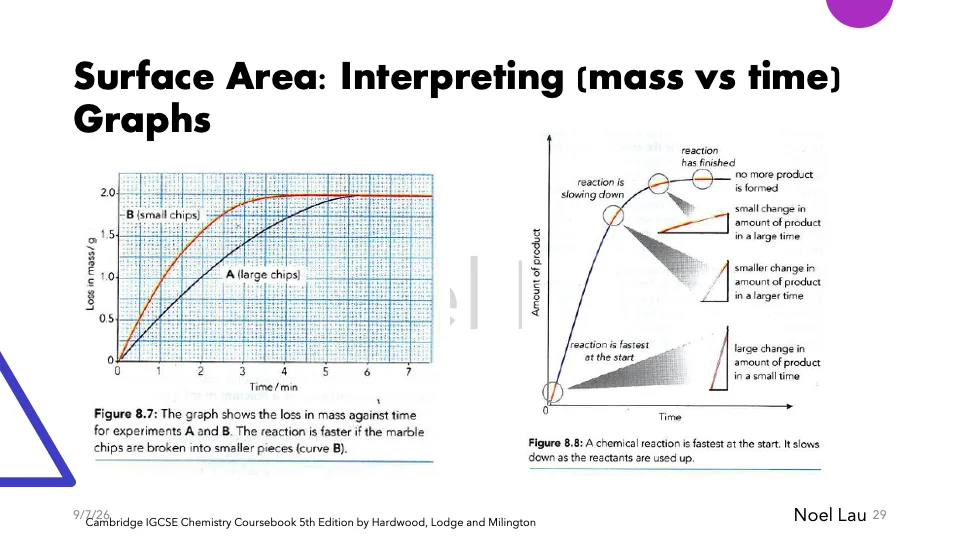
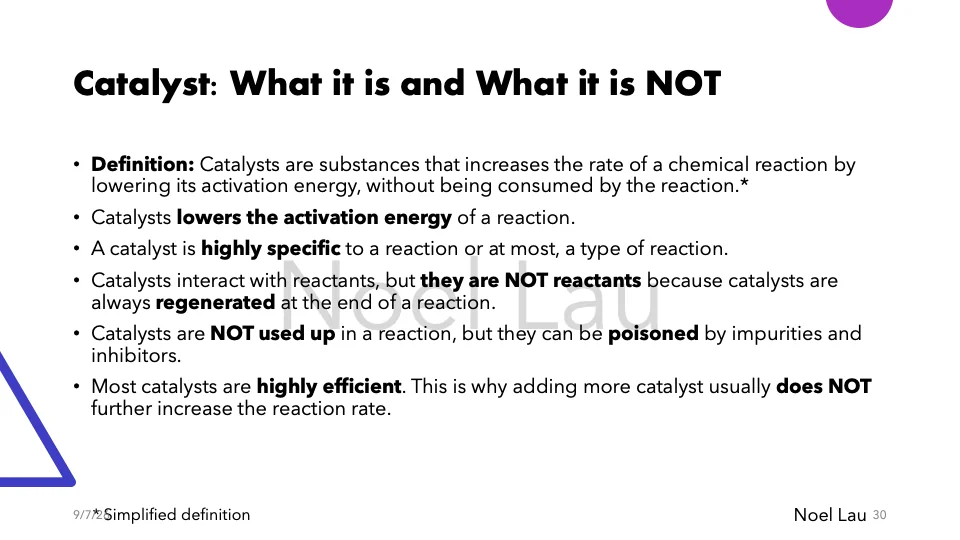
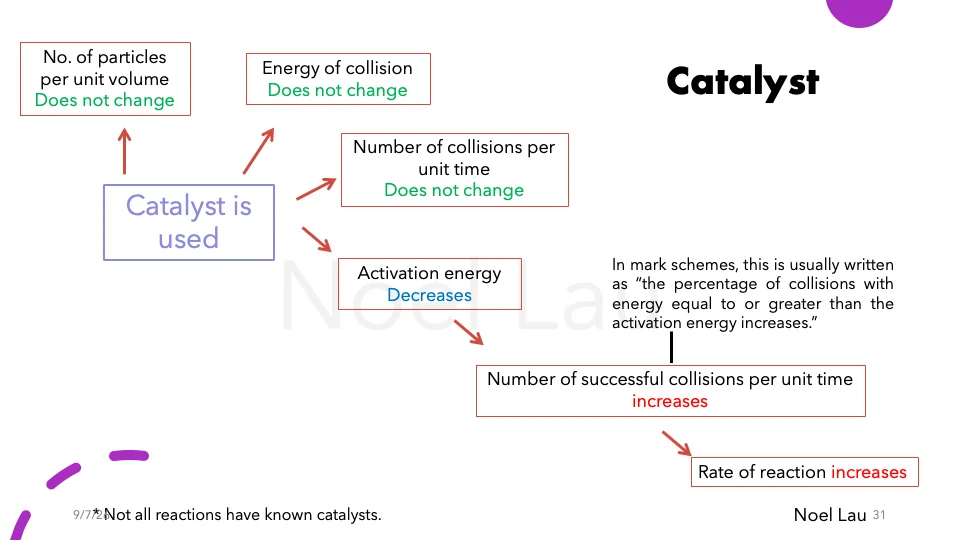
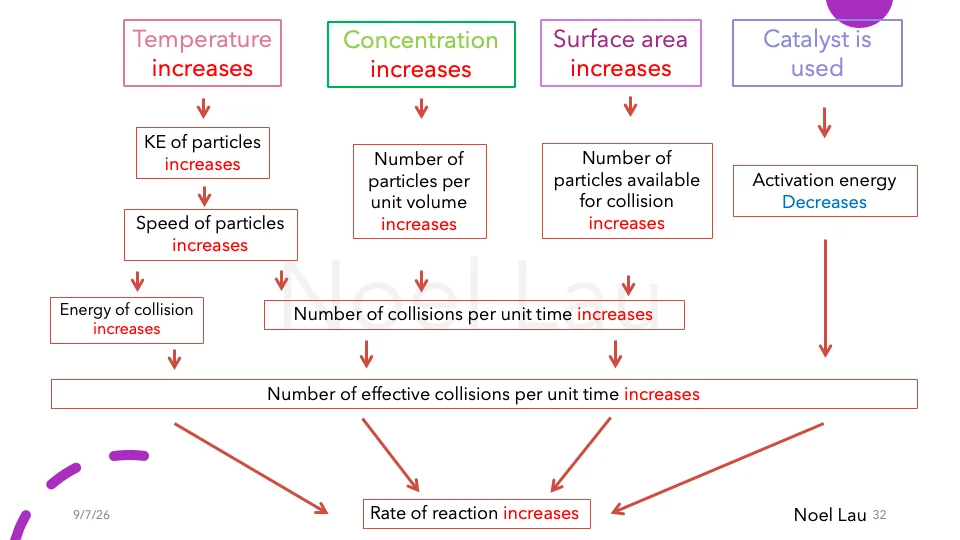
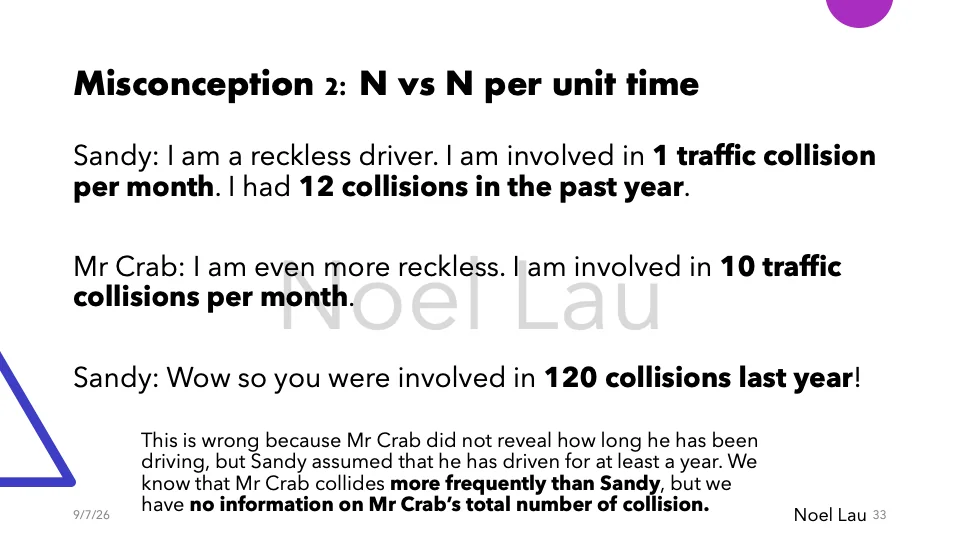
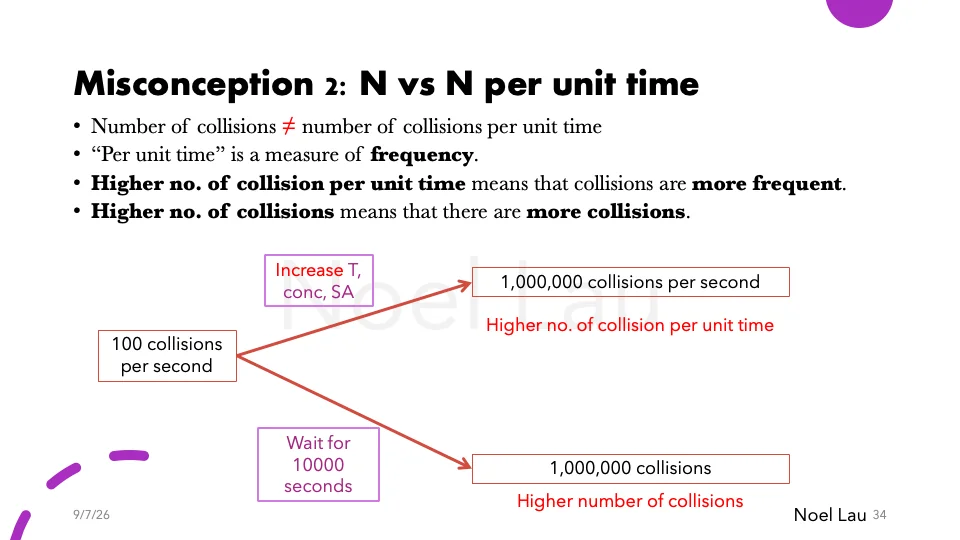
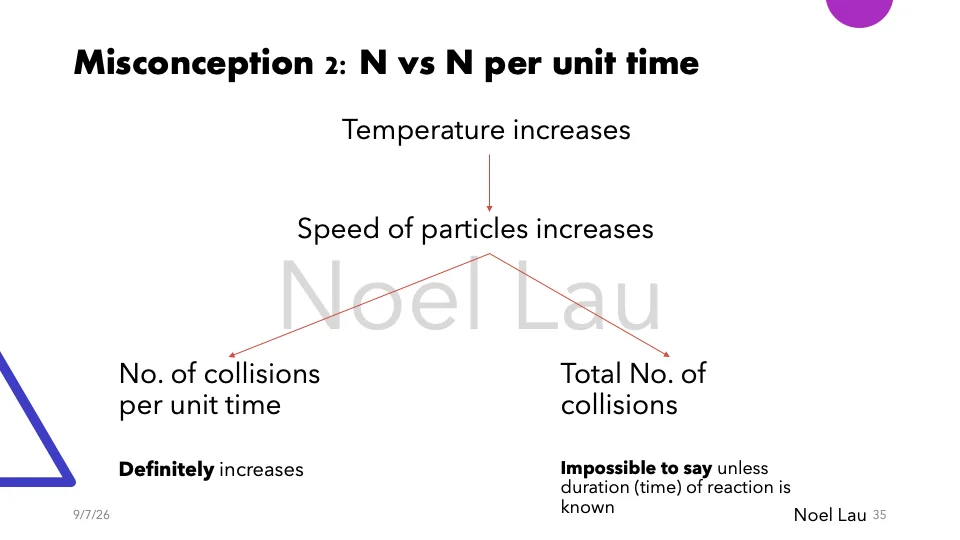
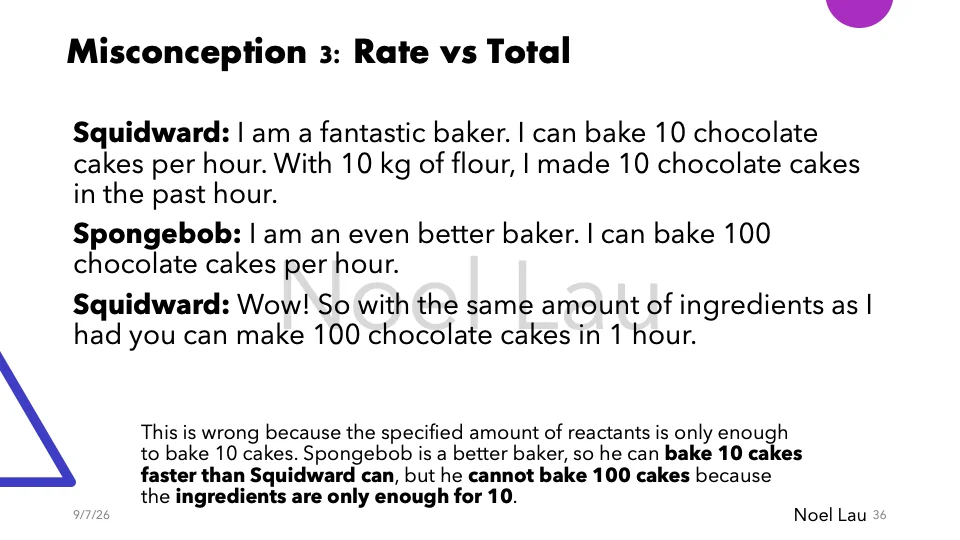
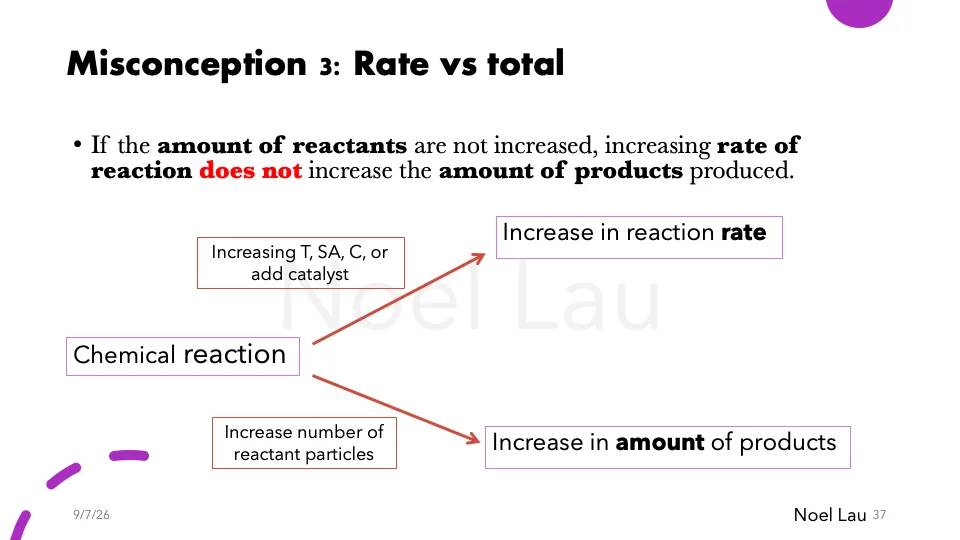
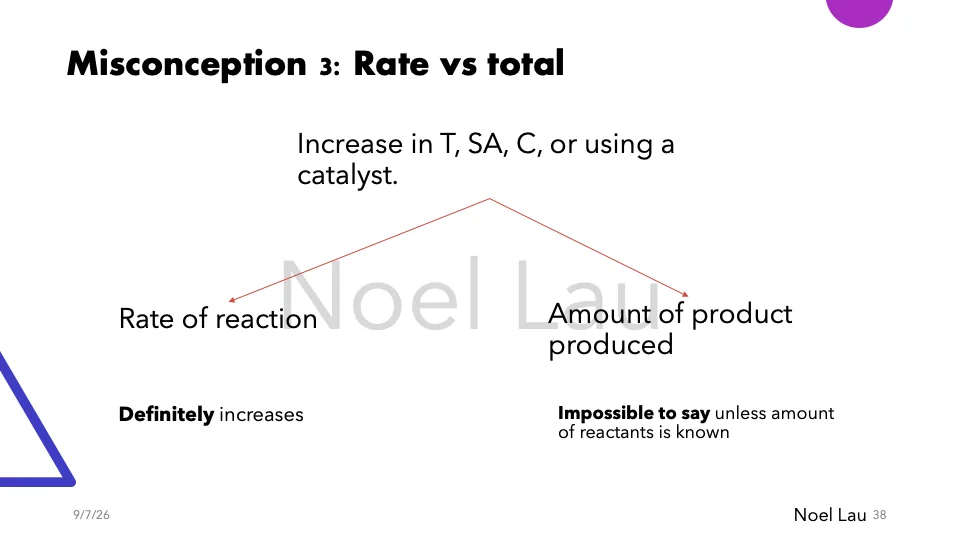
We open with a brief look at the distinction between physical and chemical changes, before diving into the factors that affect the rate of a reaction, including concentration, pressure, surface area, temperature and catalysts. For each factor, we go beyond simply describing the effect and use collision theory to explain why it occurs, connecting the frequency and energy of particle collisions to the rate at which products form. We also look at how reaction rates are measured experimentally and how data from these experiments is interpreted.
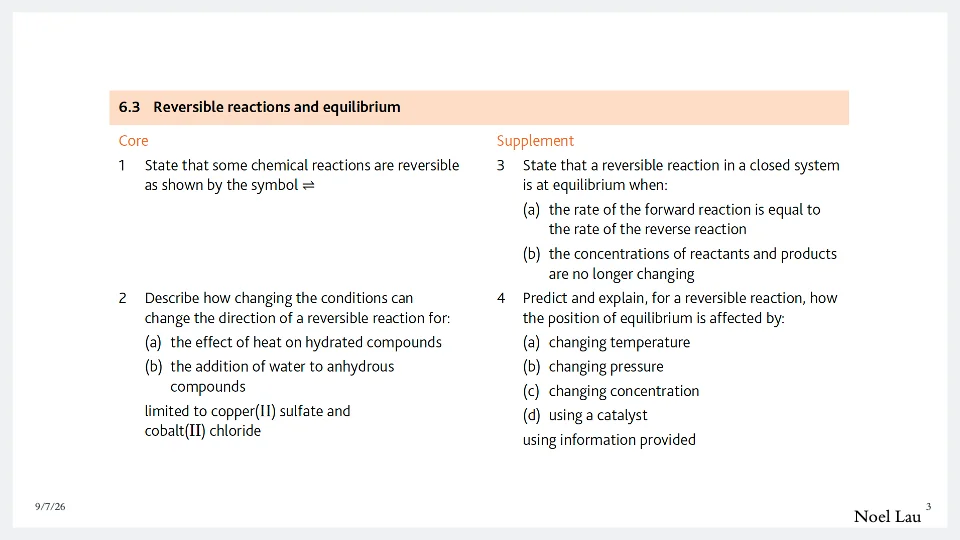
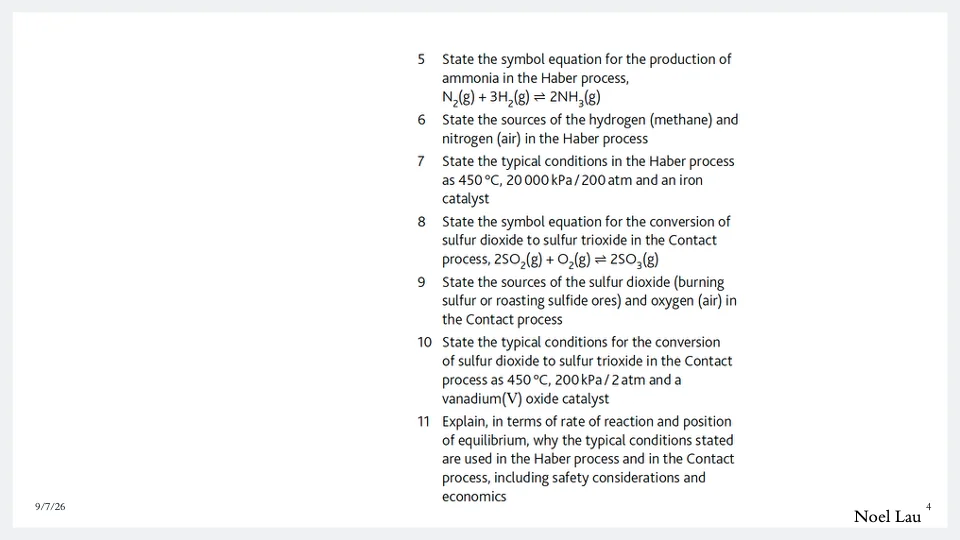
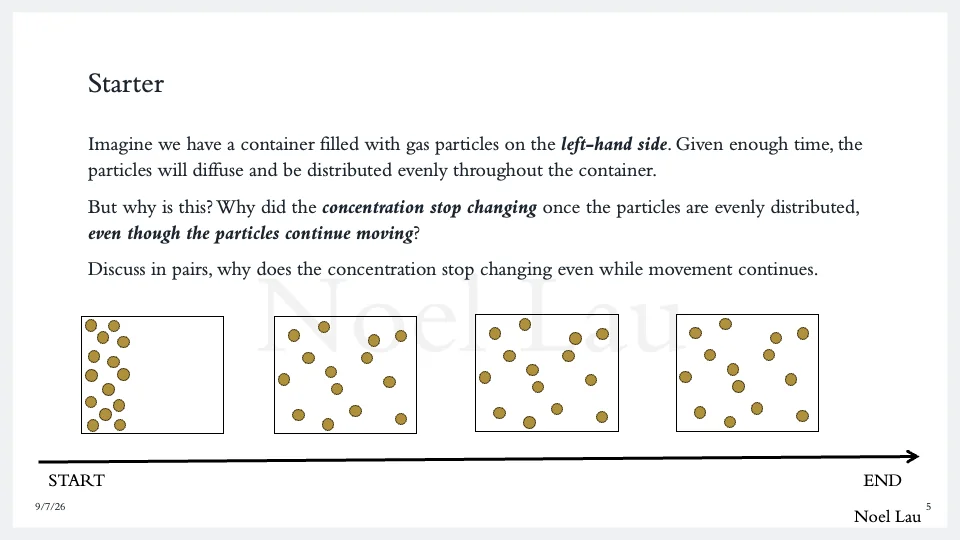
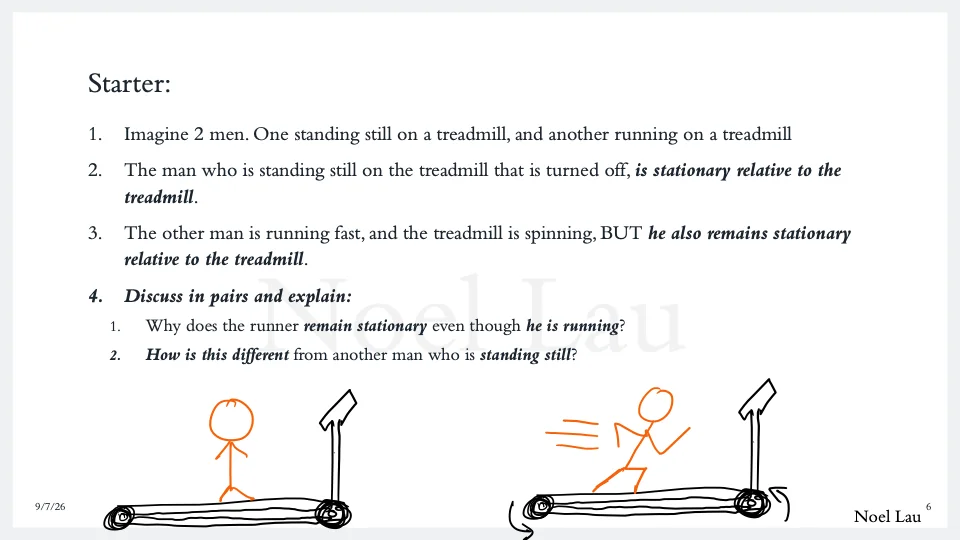
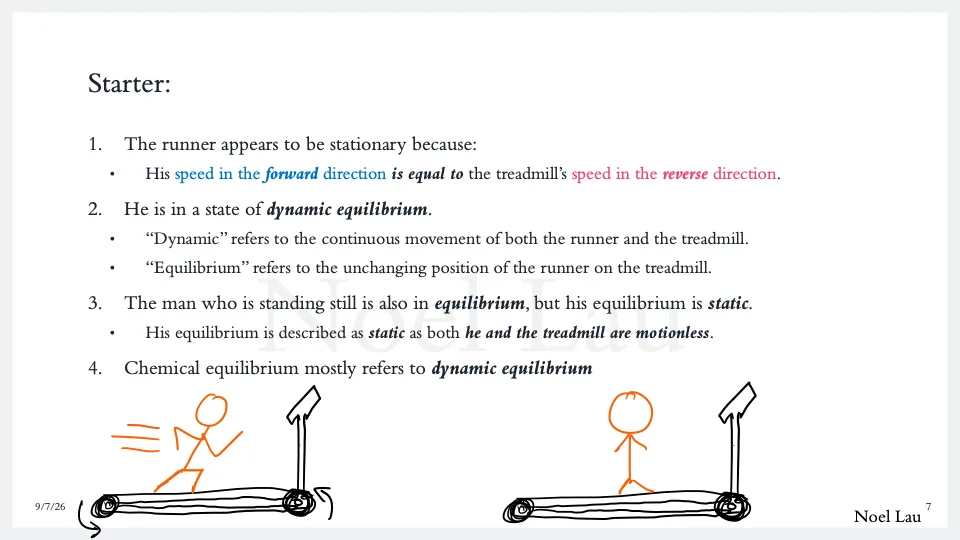
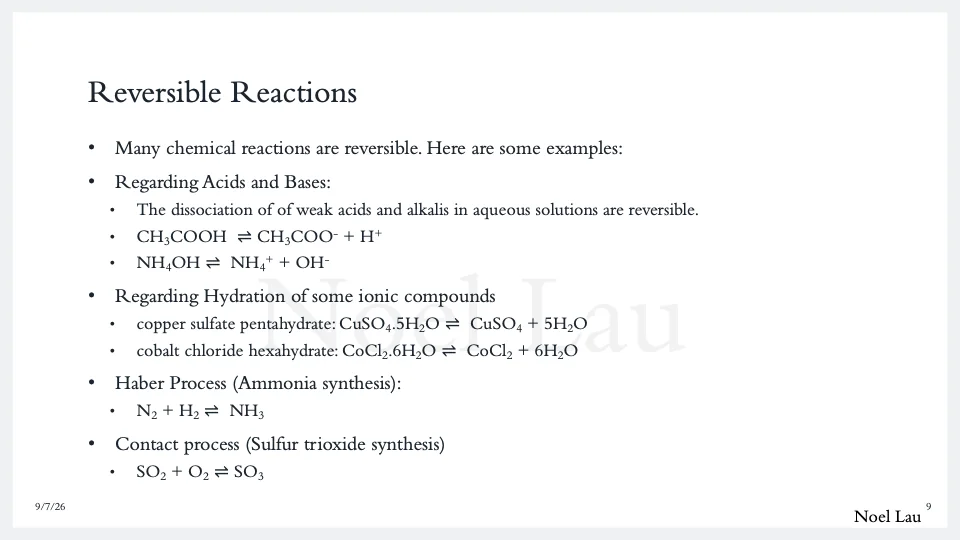
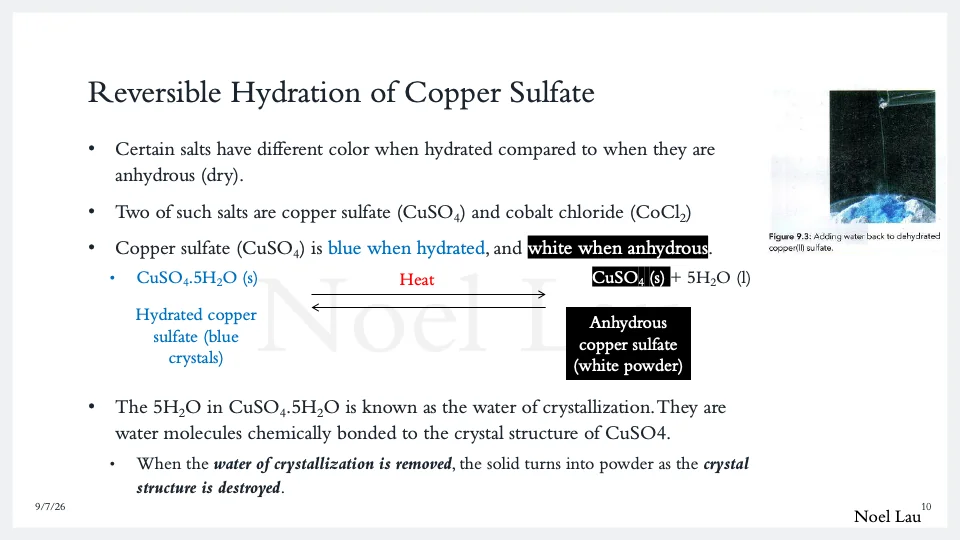
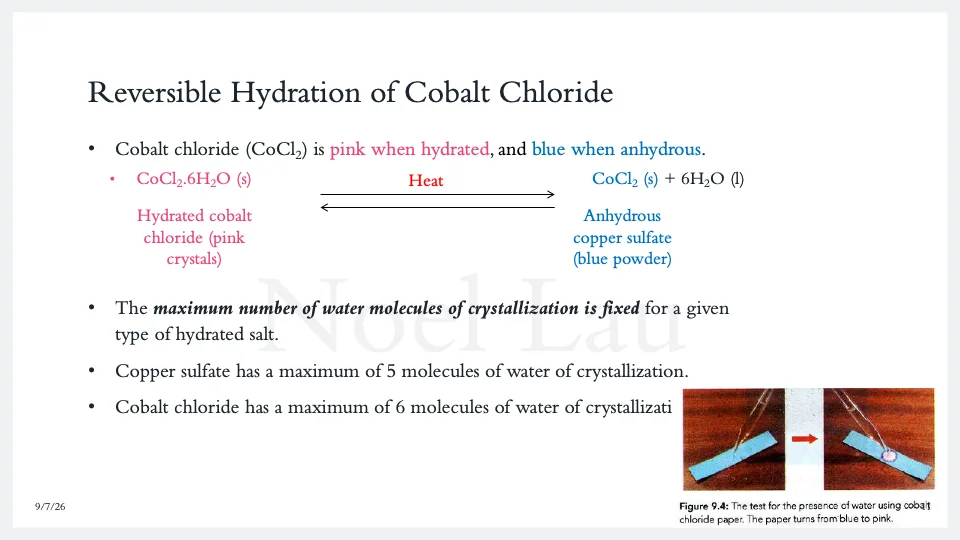
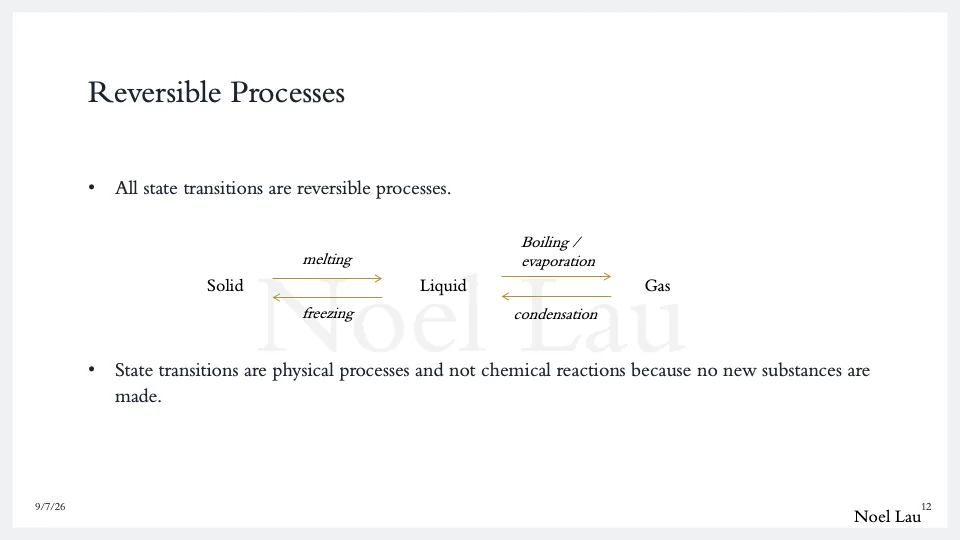
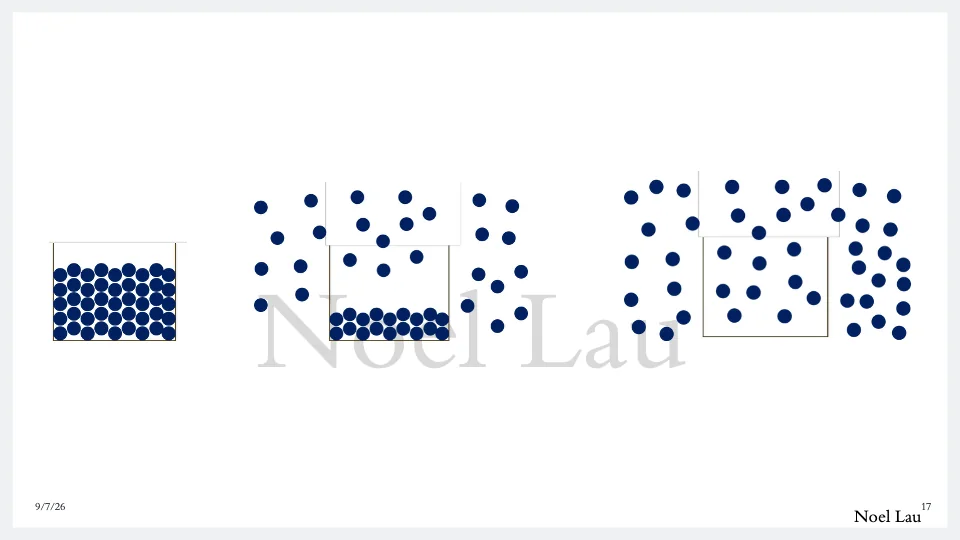
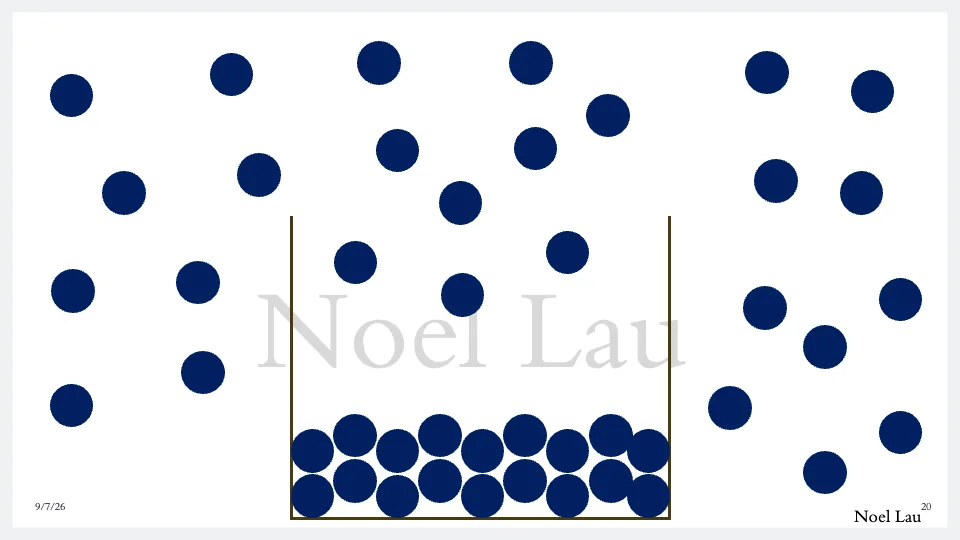
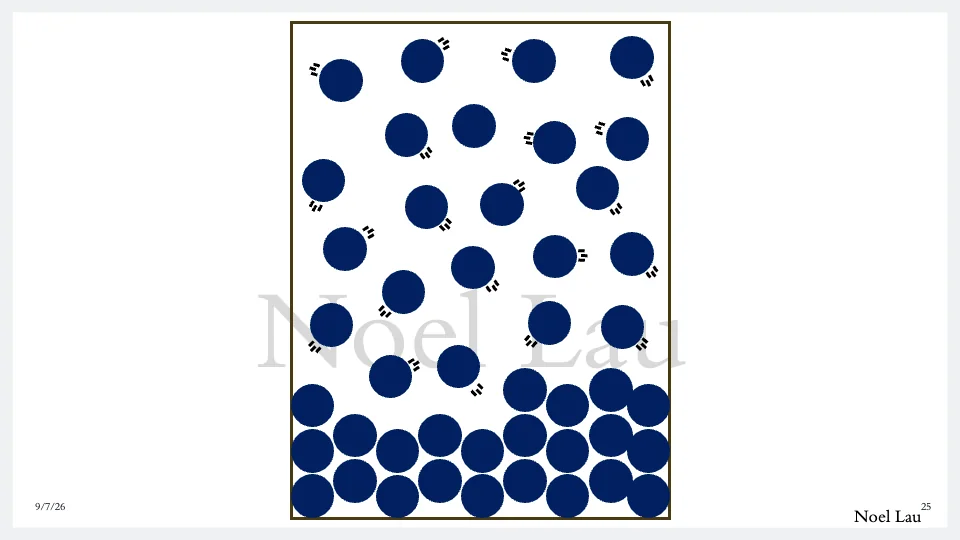
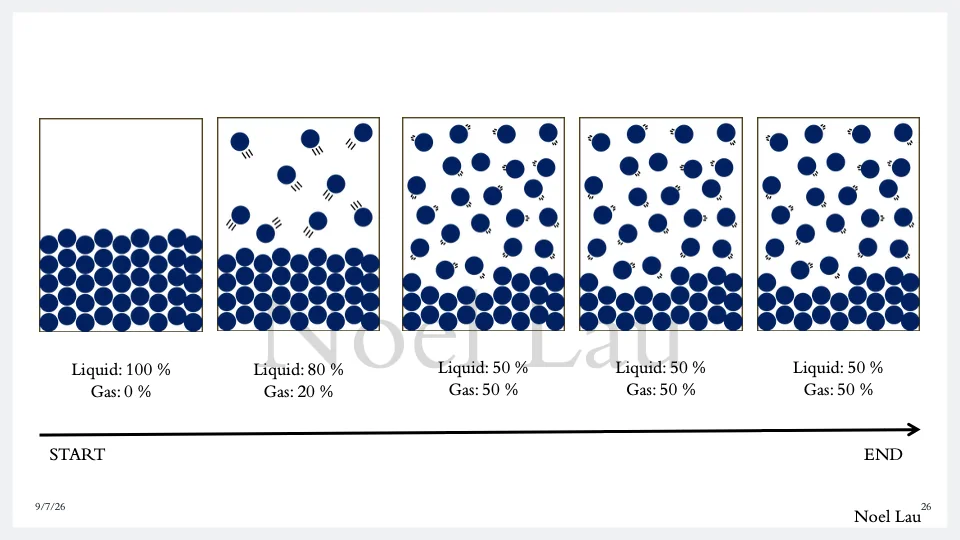
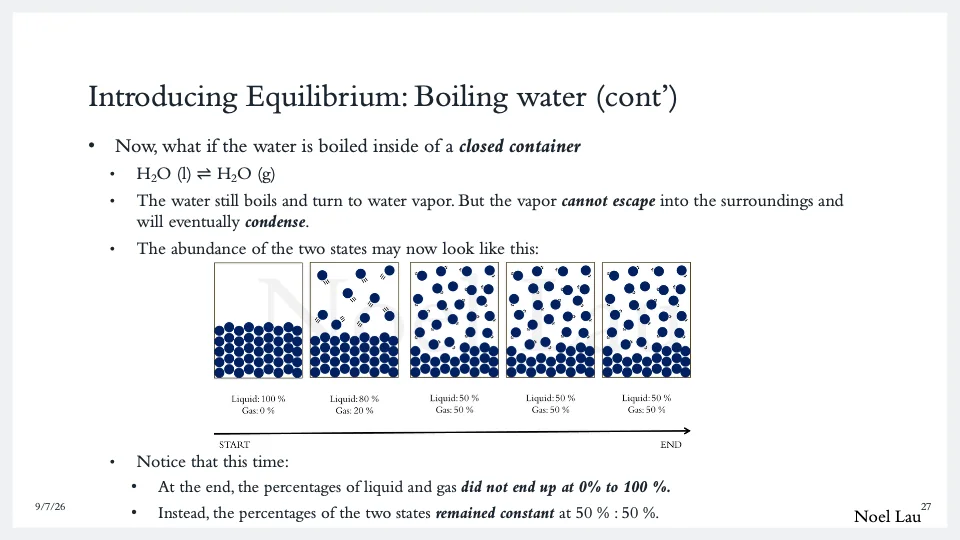
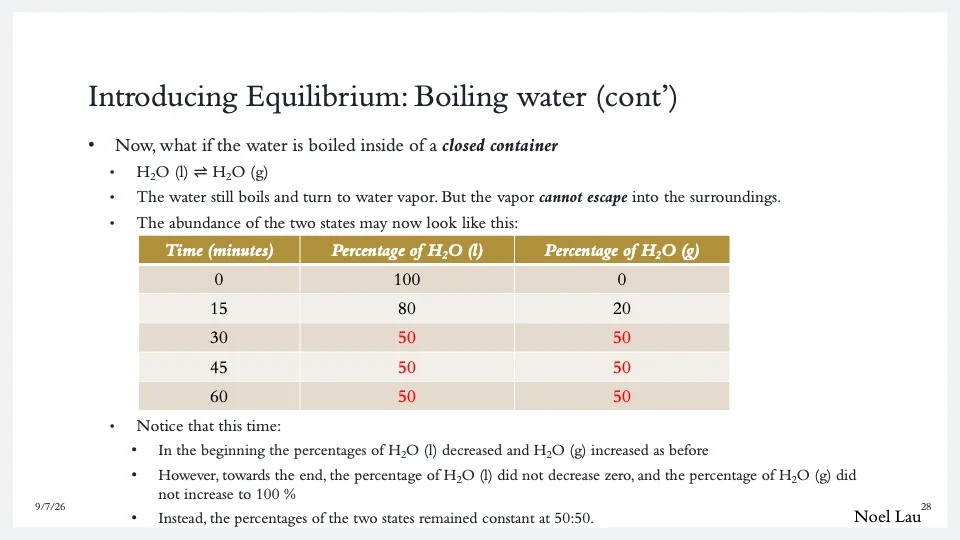
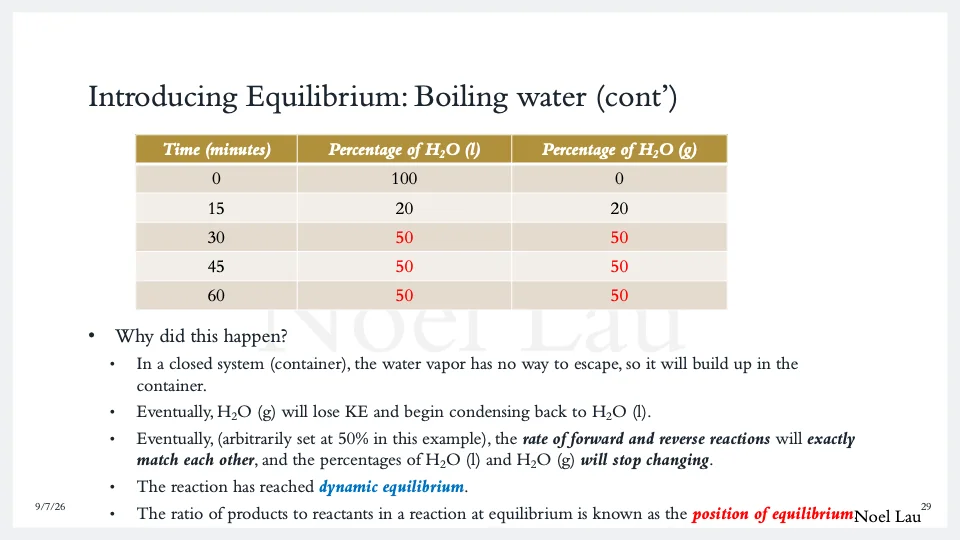
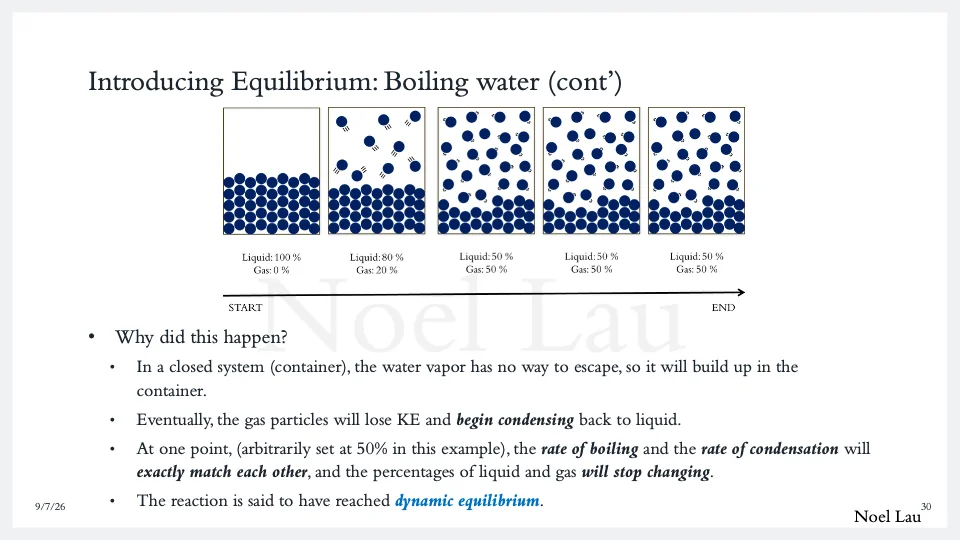
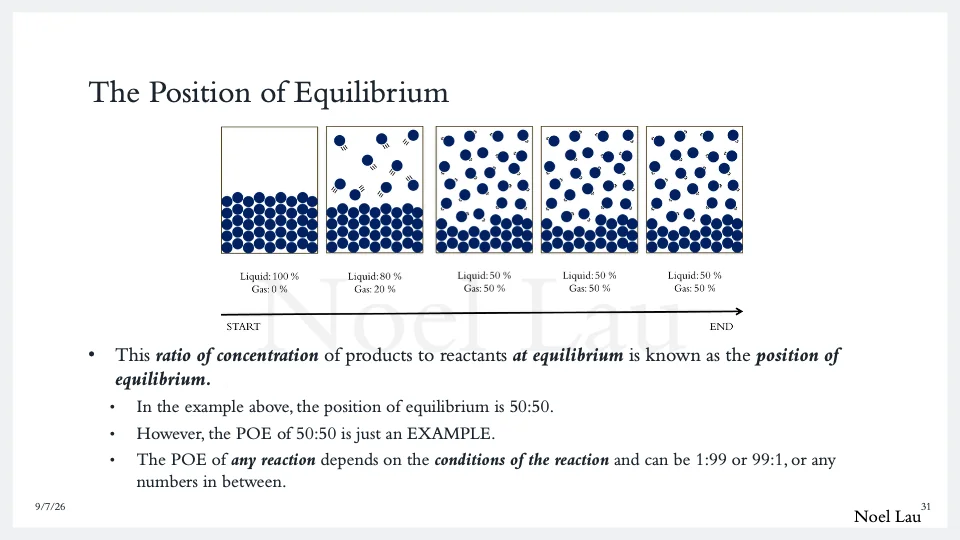
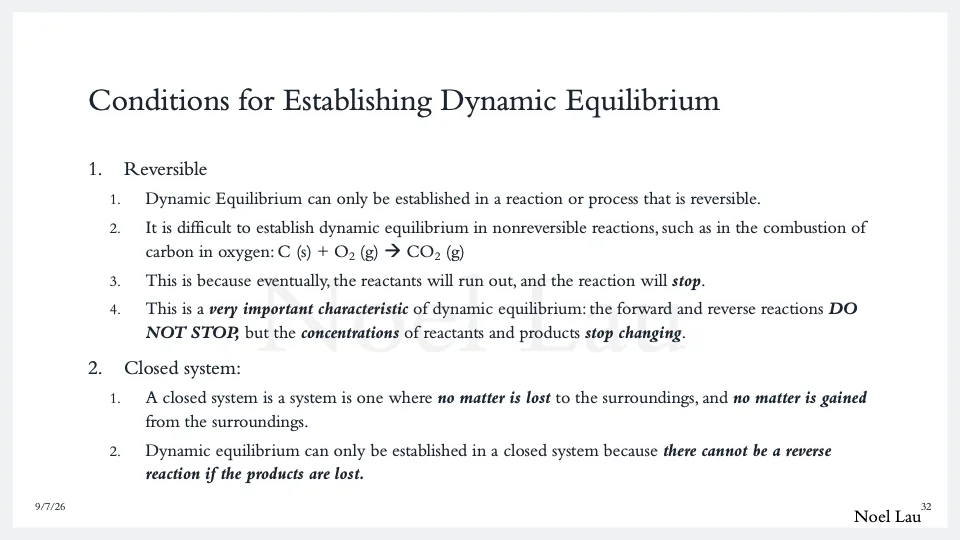
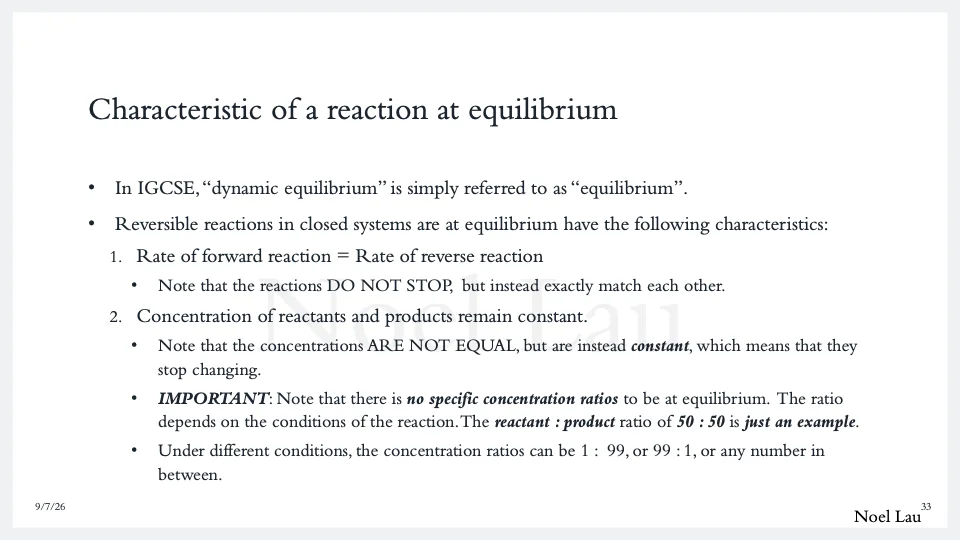
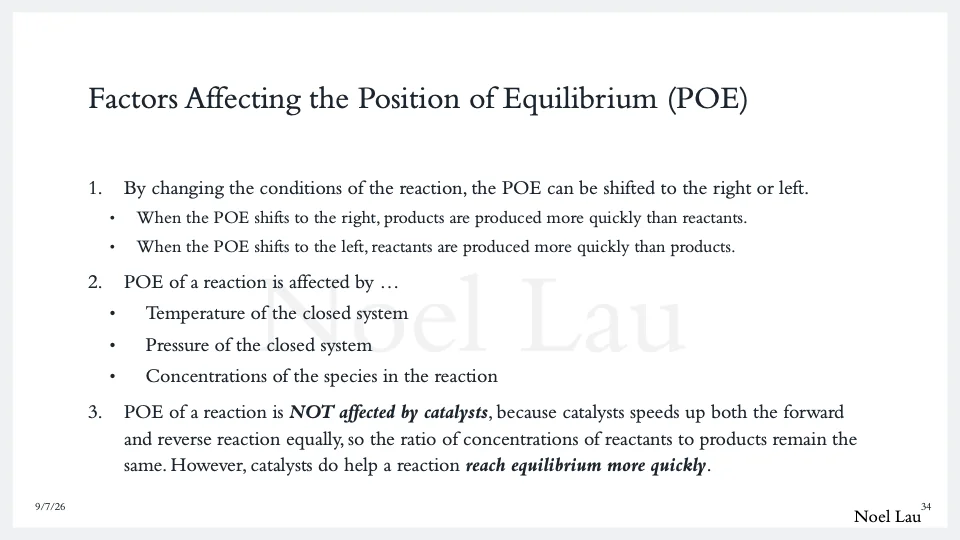
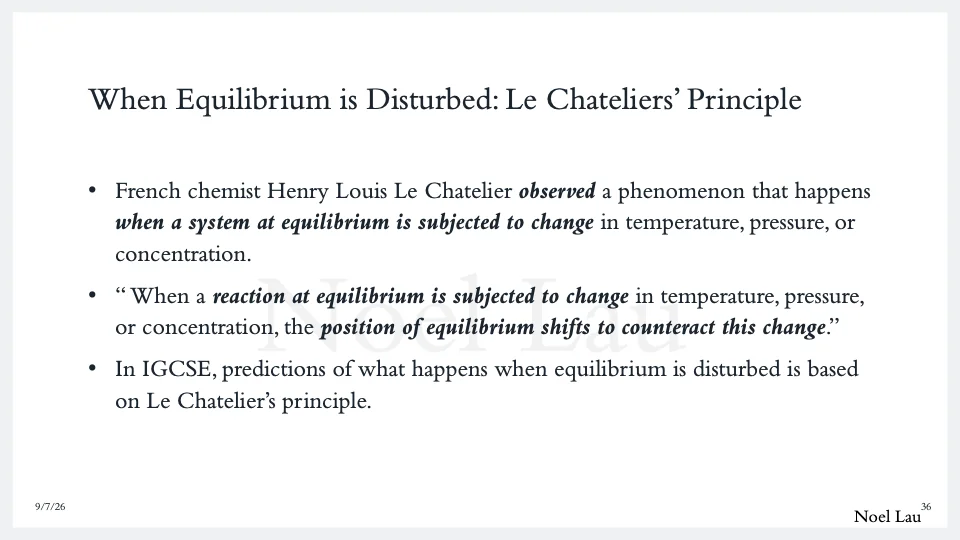
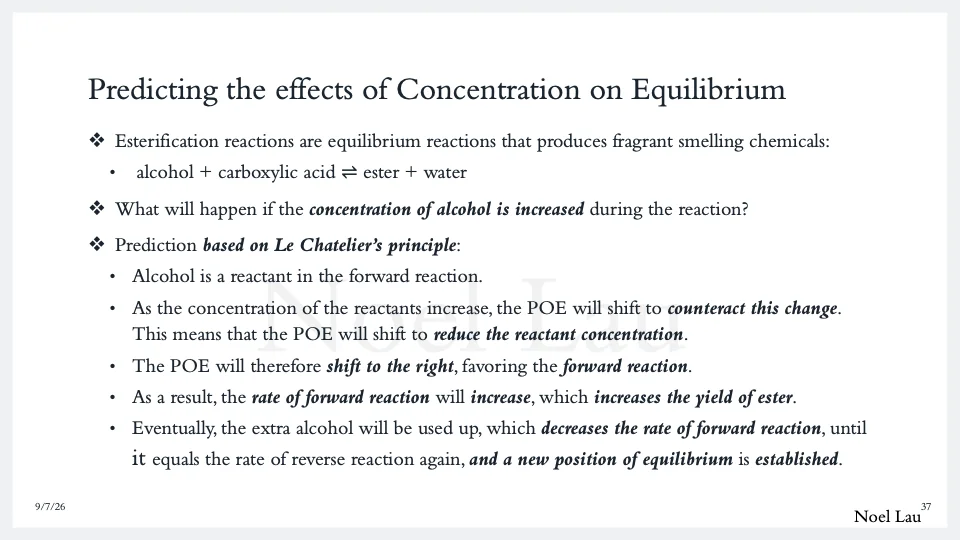
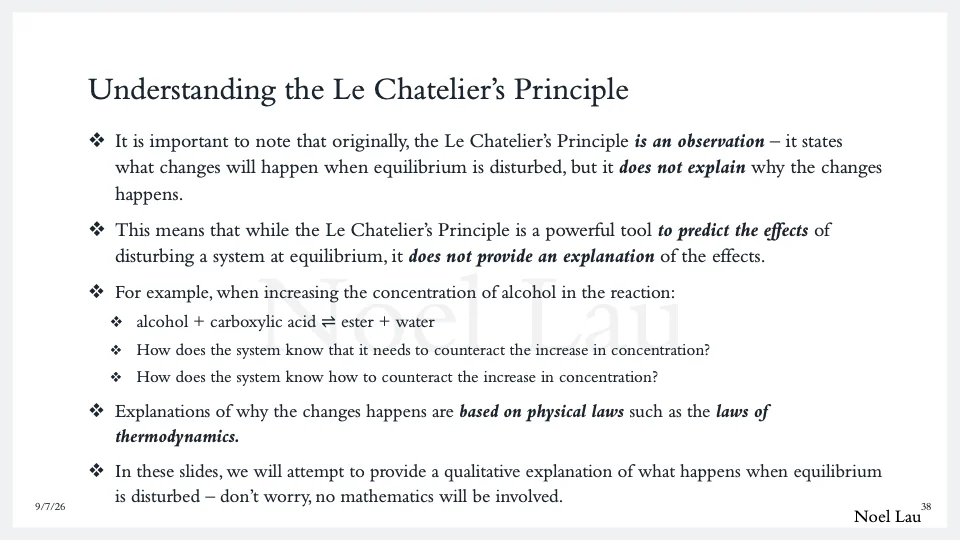
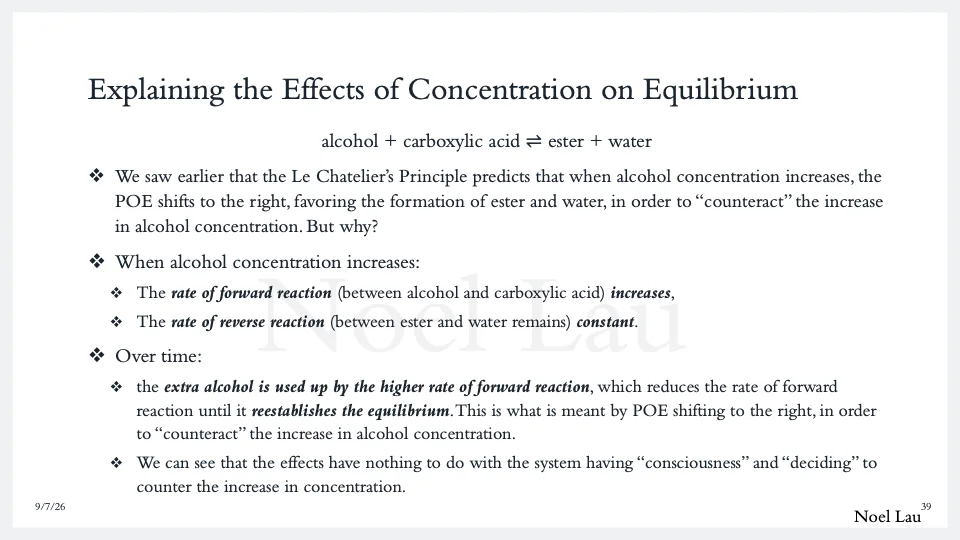
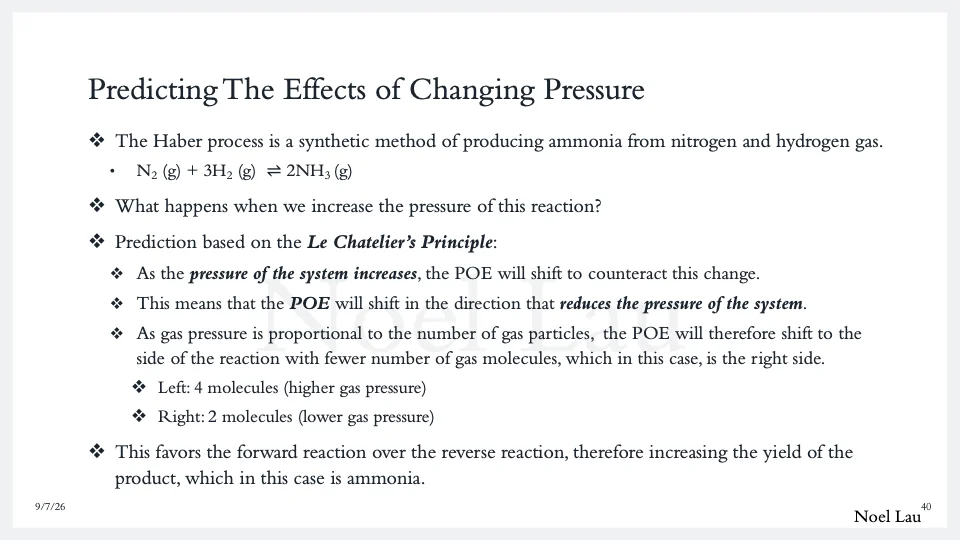
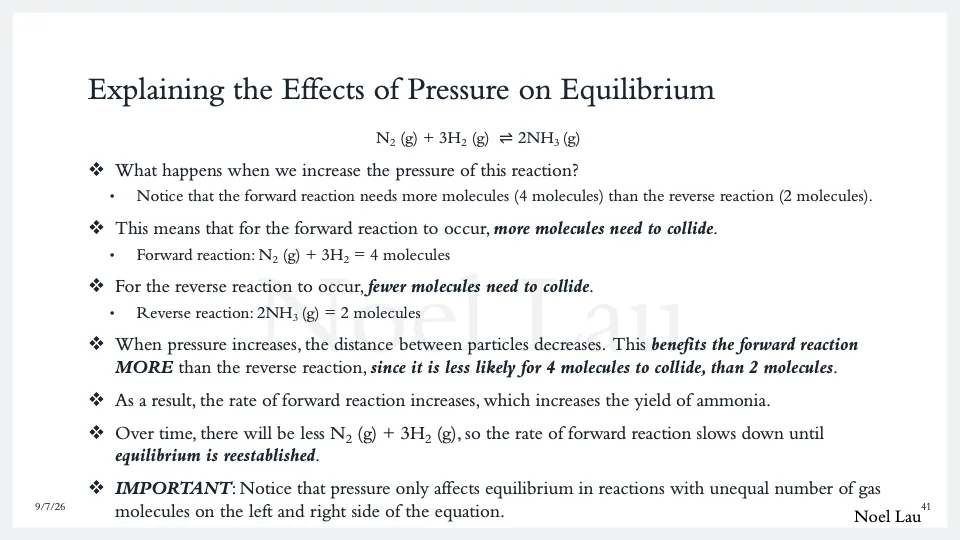
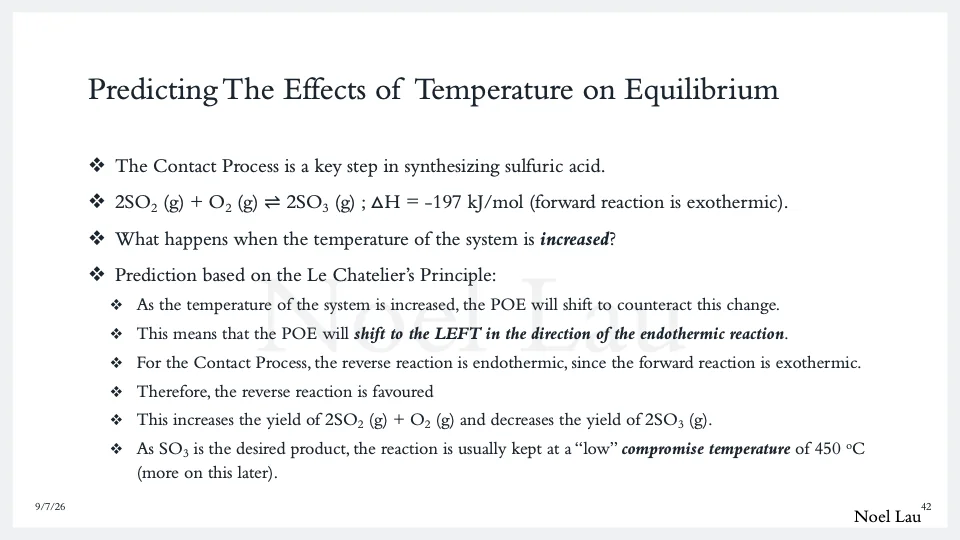
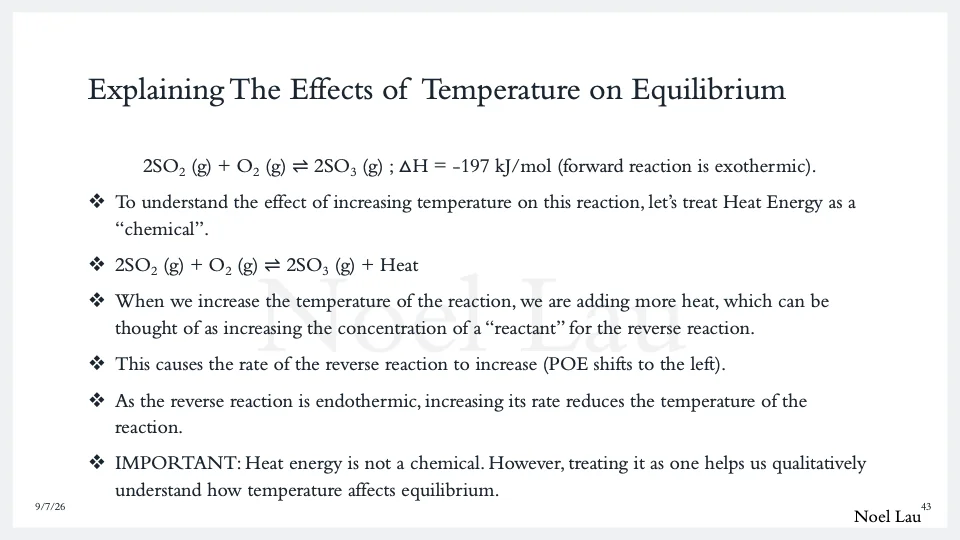
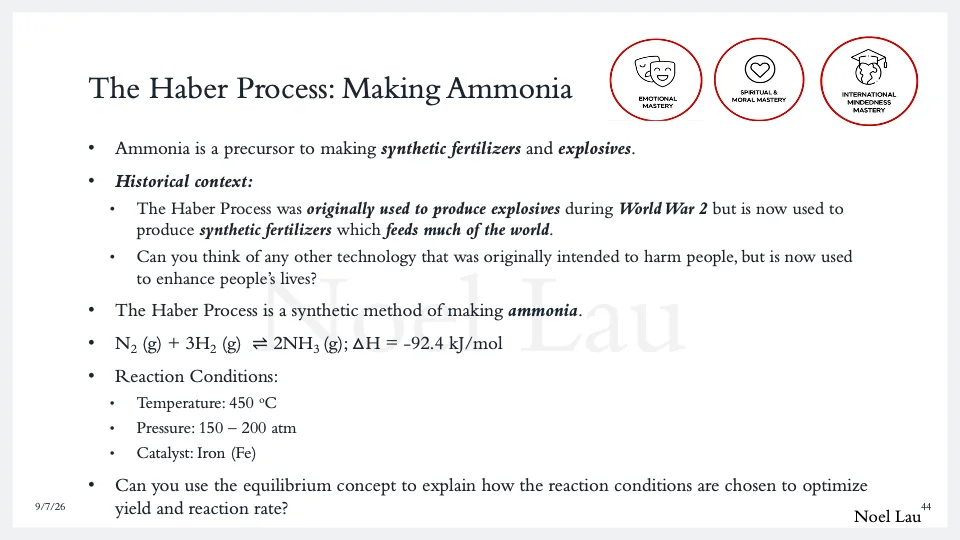
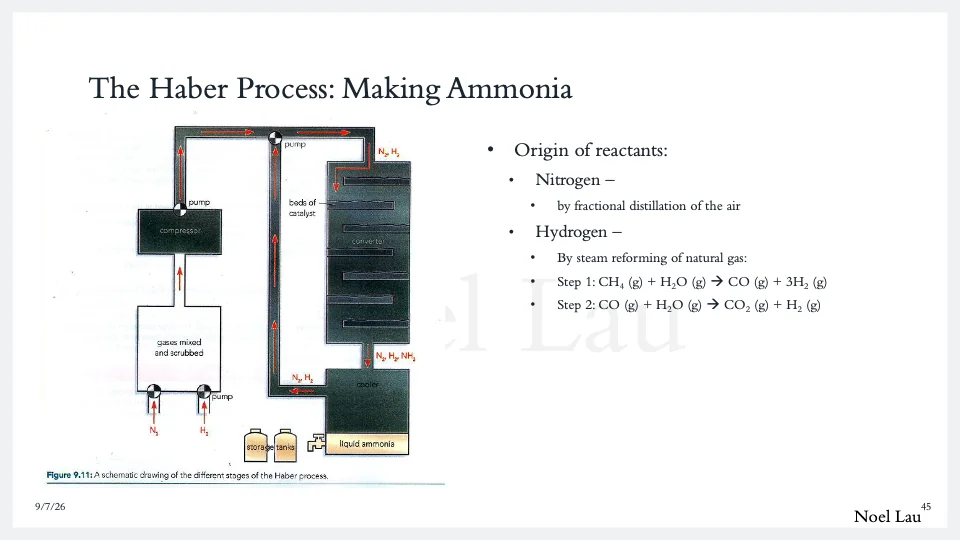
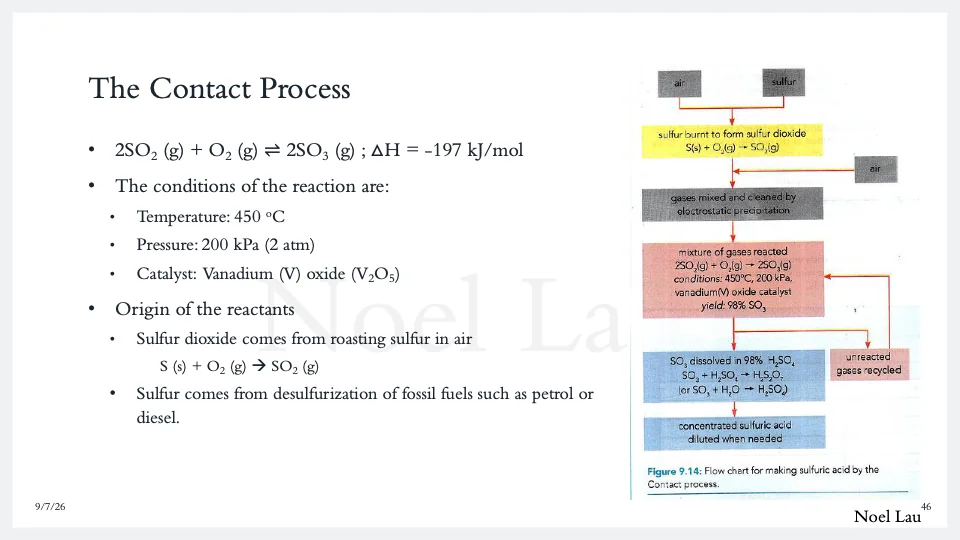
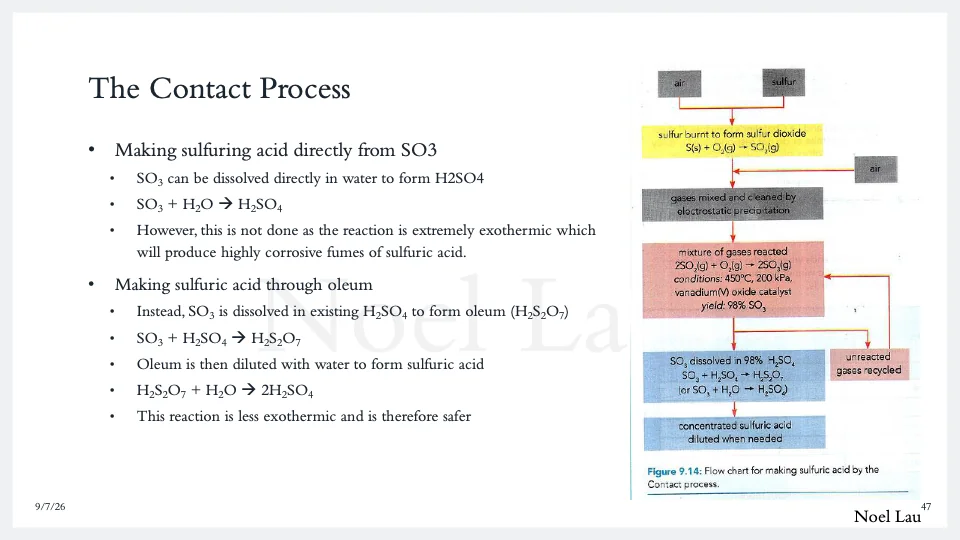
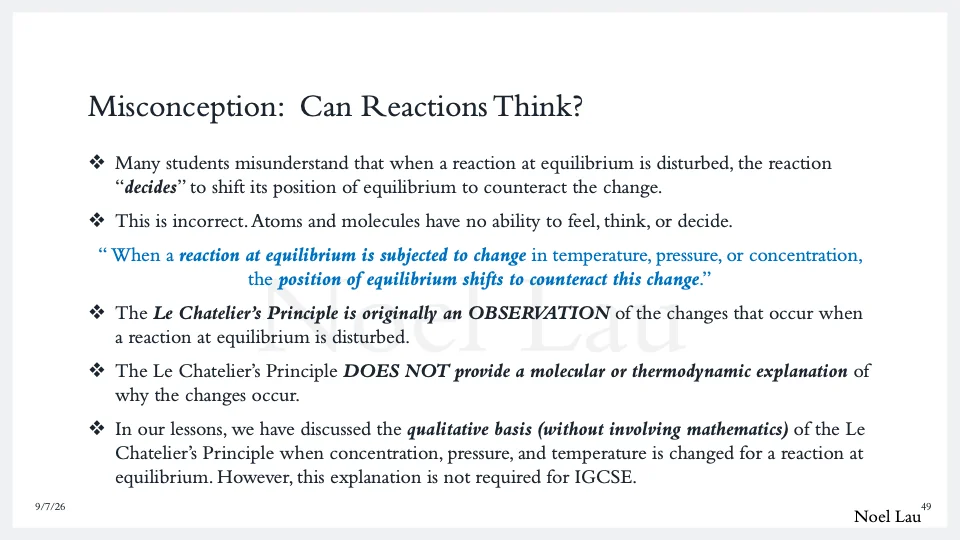
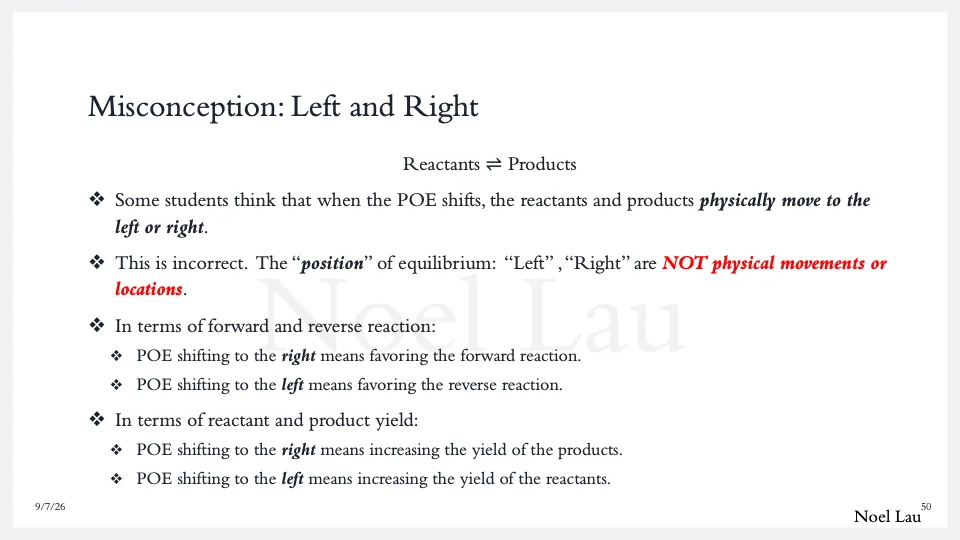
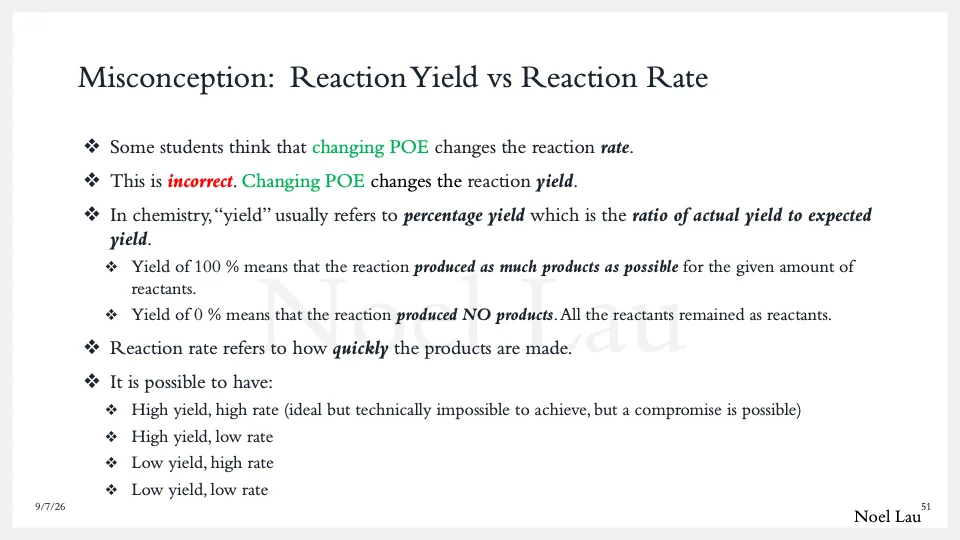
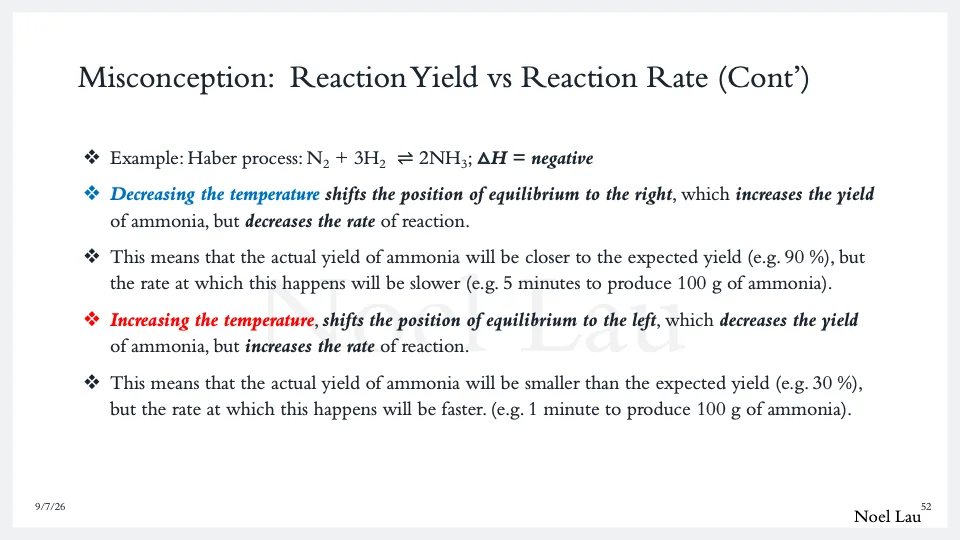
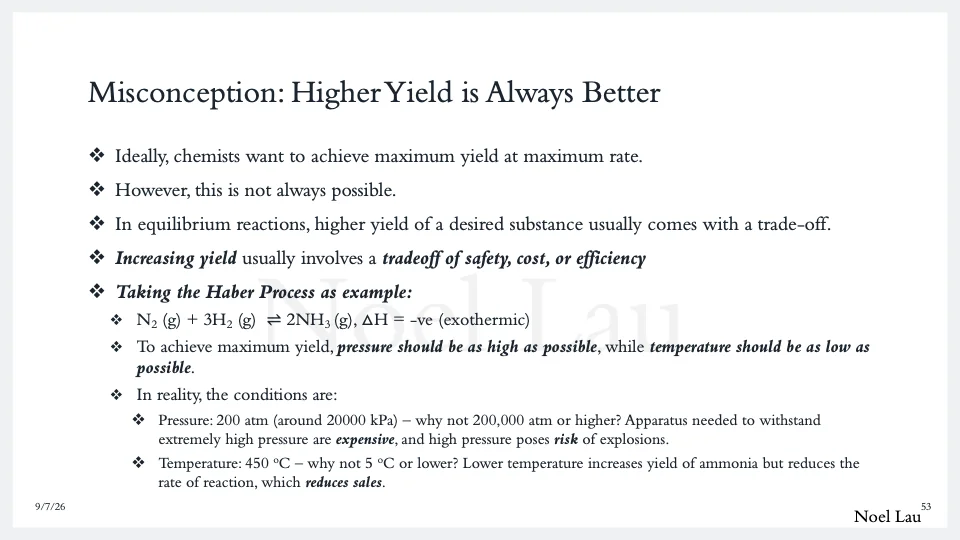
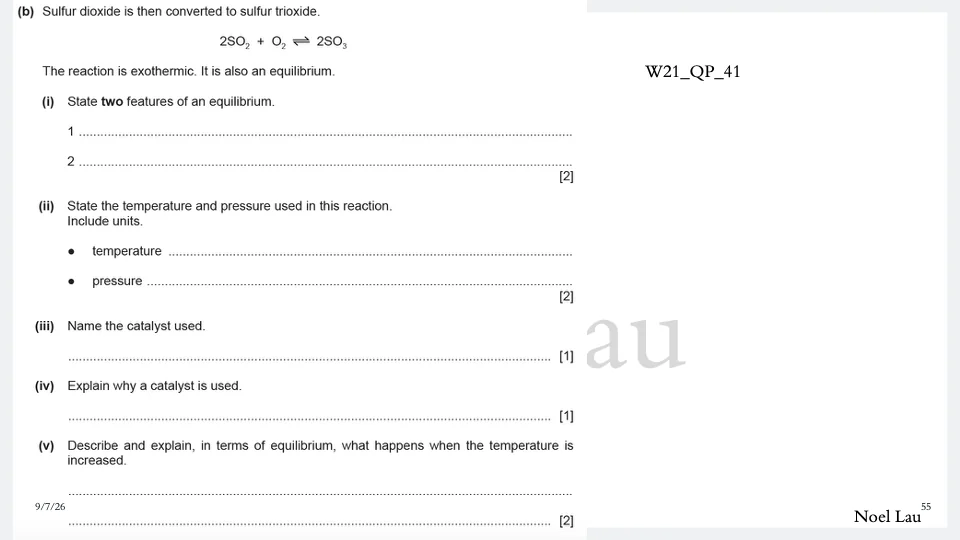
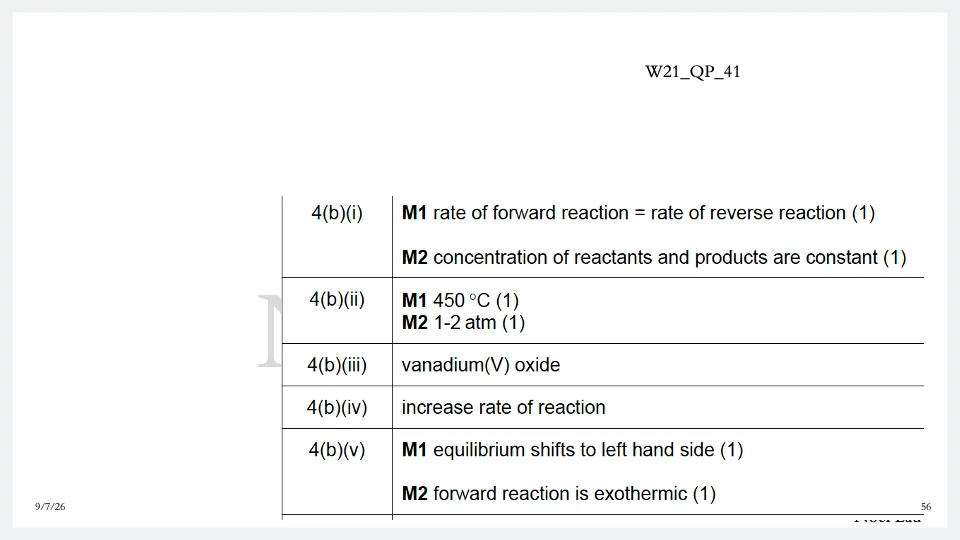
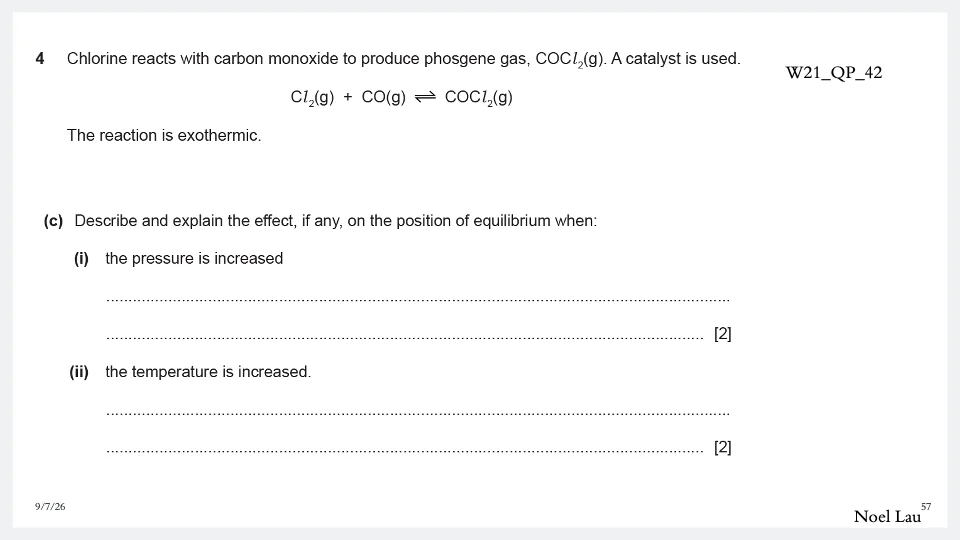
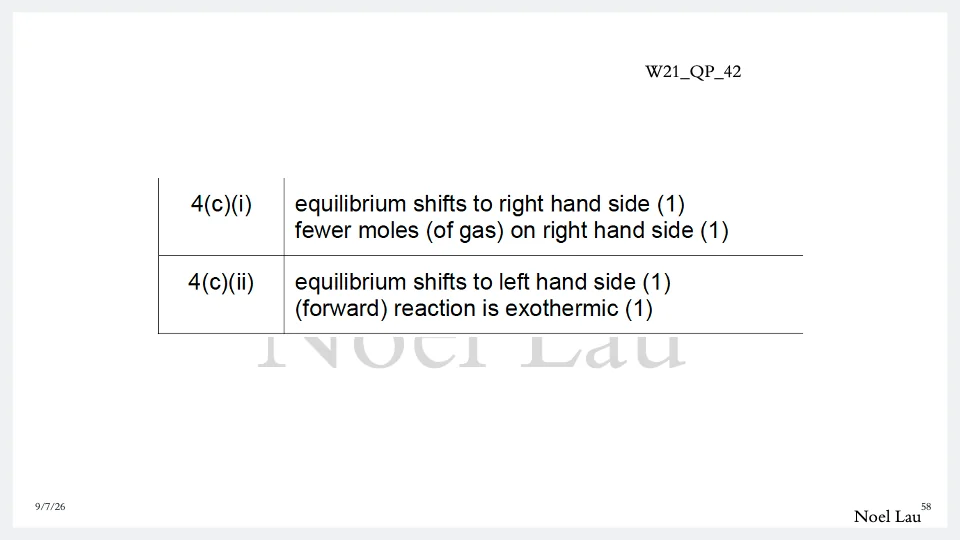
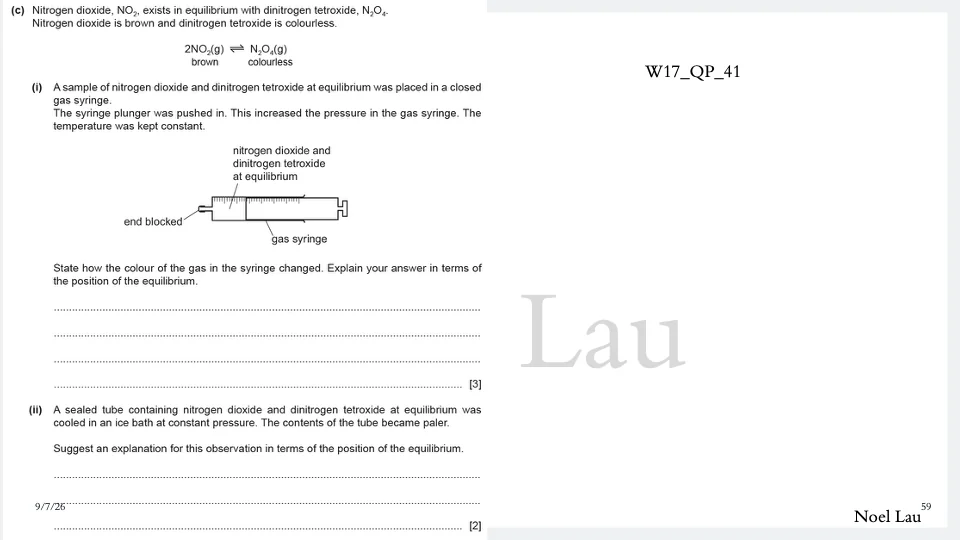
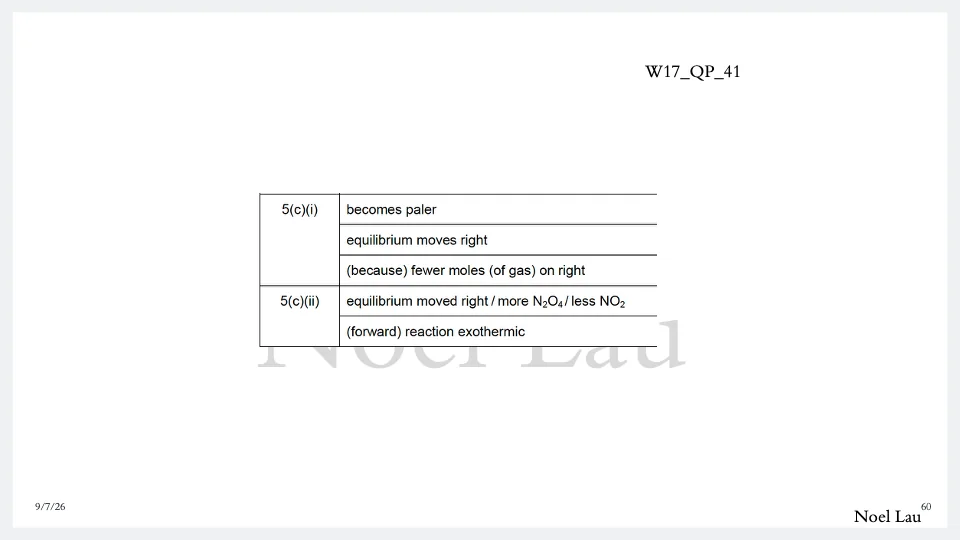
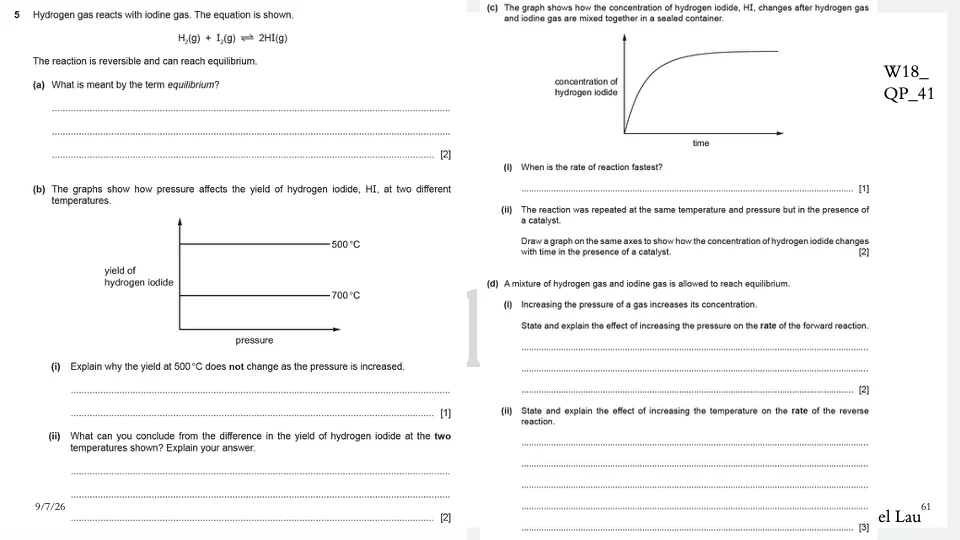
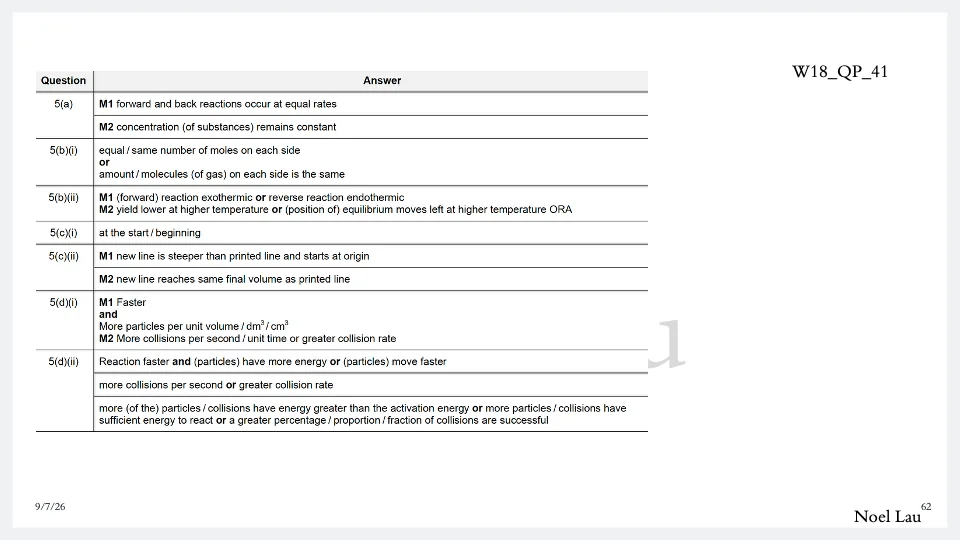
We then shift to reversible reactions and the concept of dynamic equilibrium, where the forward and reverse reactions proceed at equal rates and the concentrations of reactants and products remain constant. We explore how changing temperature, pressure, concentration and the use of a catalyst affects the position of equilibrium, and apply these ideas to two industrially important processes: the Haber process for the manufacture of ammonia, and the Contact process for the manufacture of sulfuric acid. For each, we consider why the conditions used represent a carefully judged compromise between yield, rate and economics.
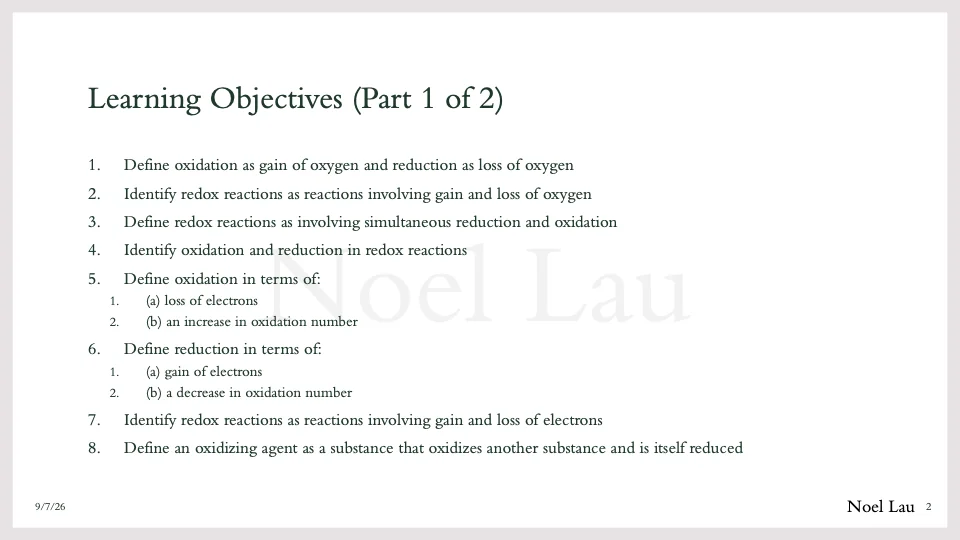
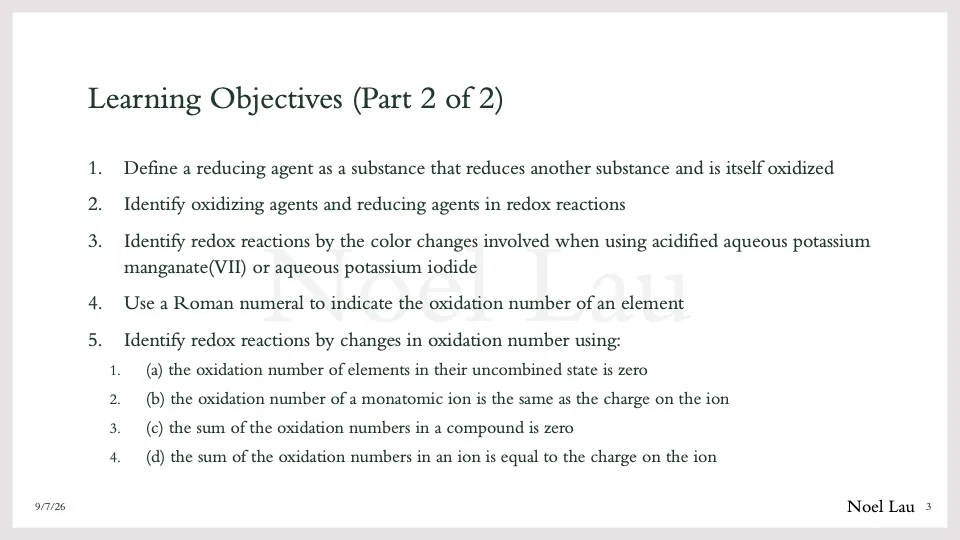
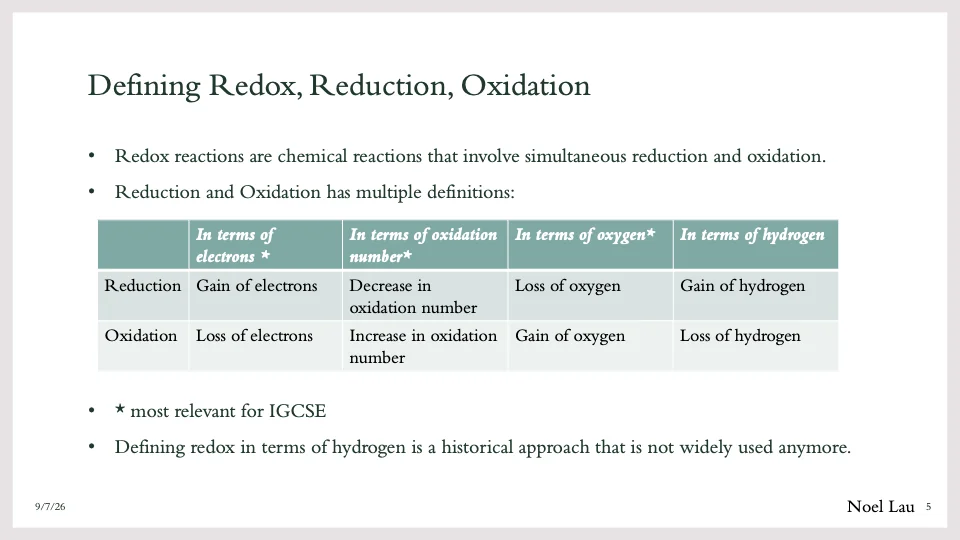
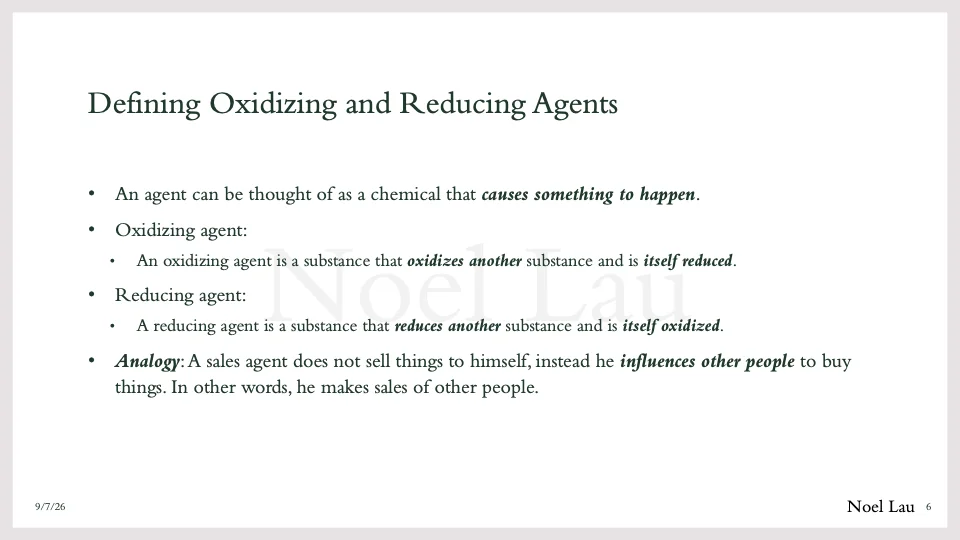
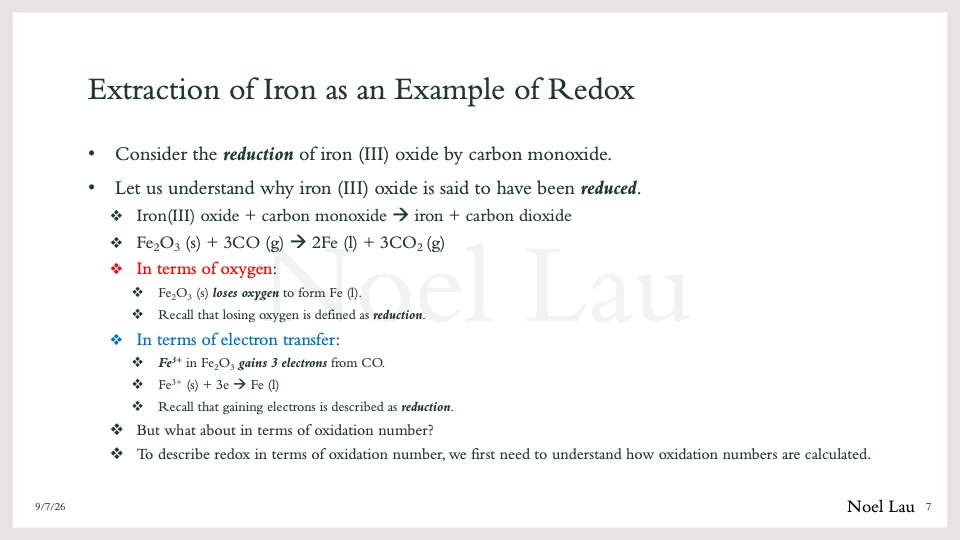
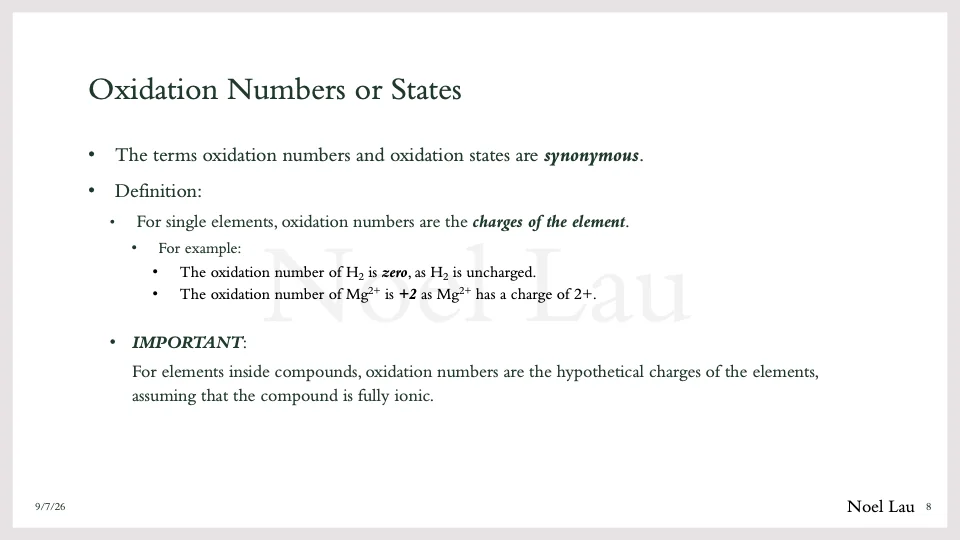
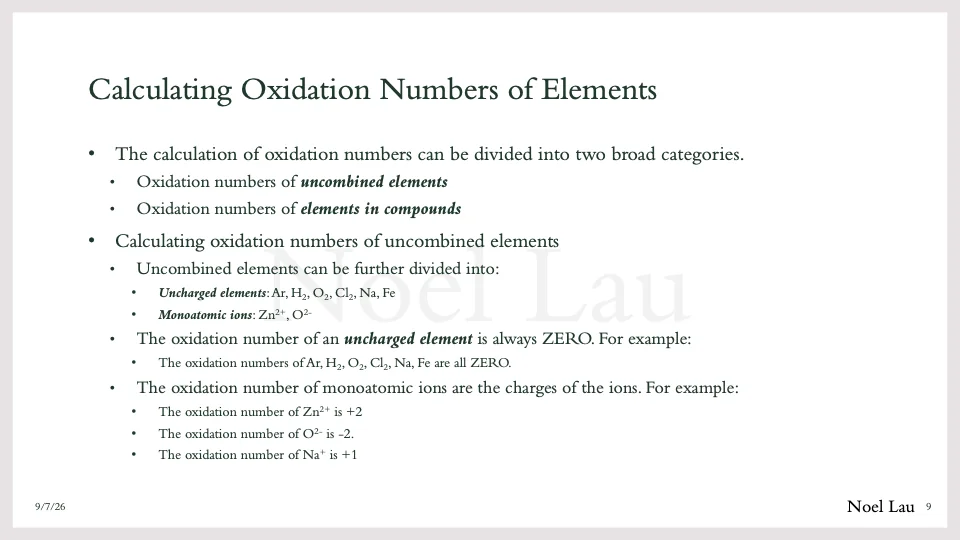
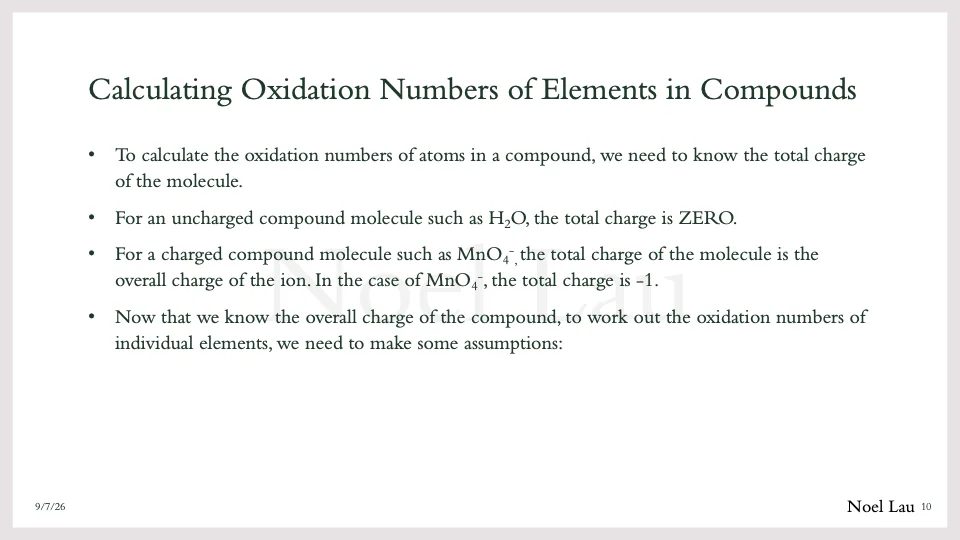
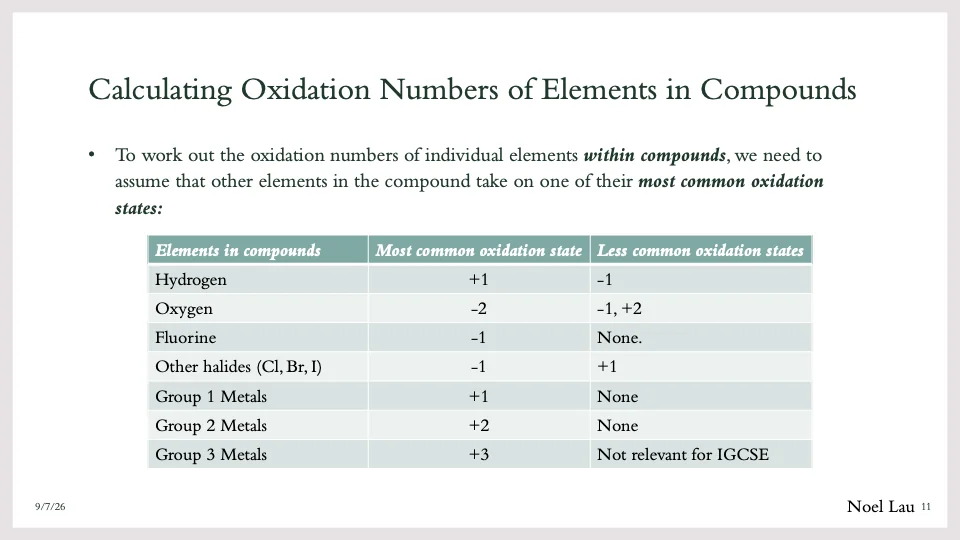
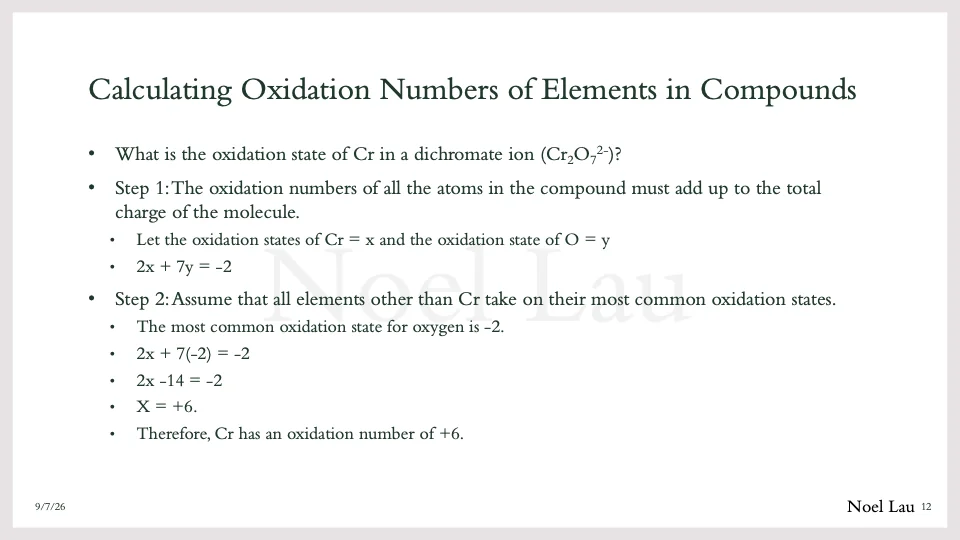
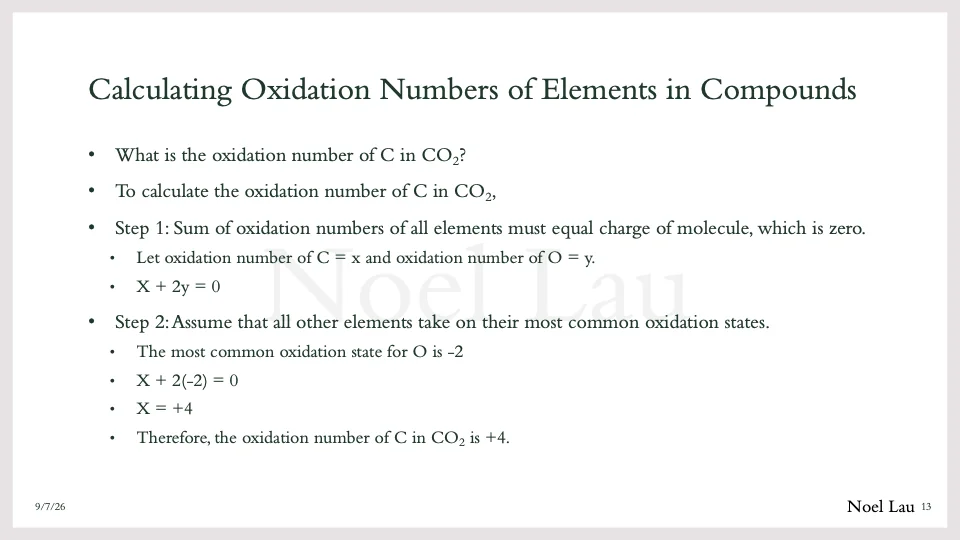
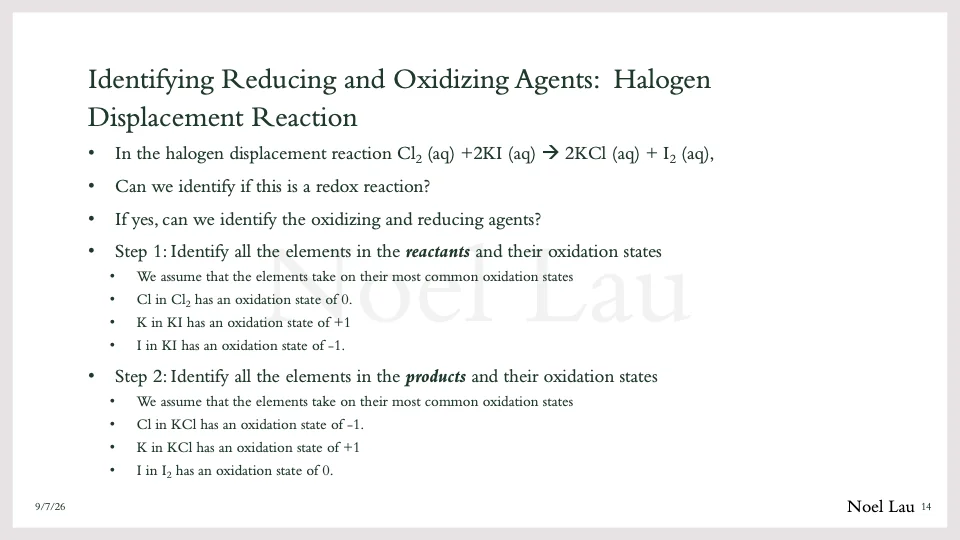
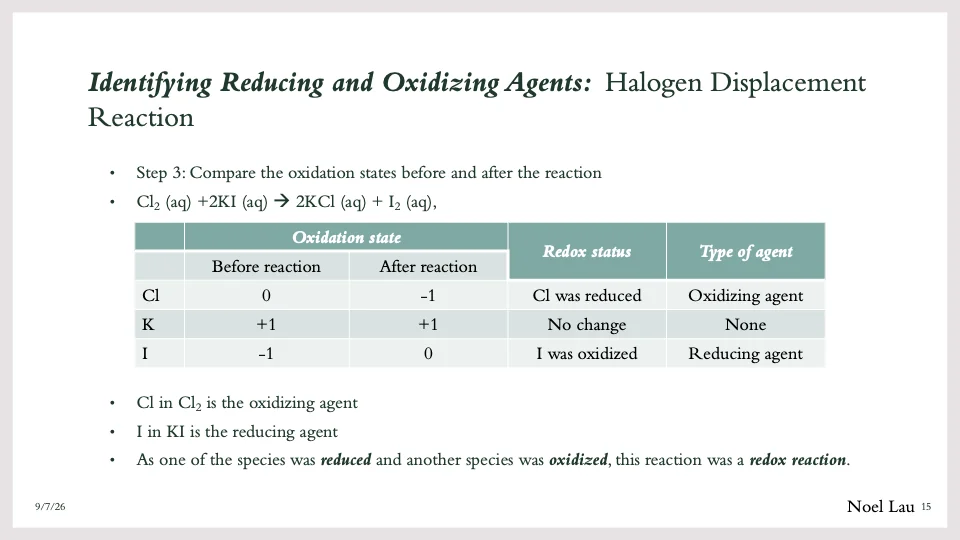
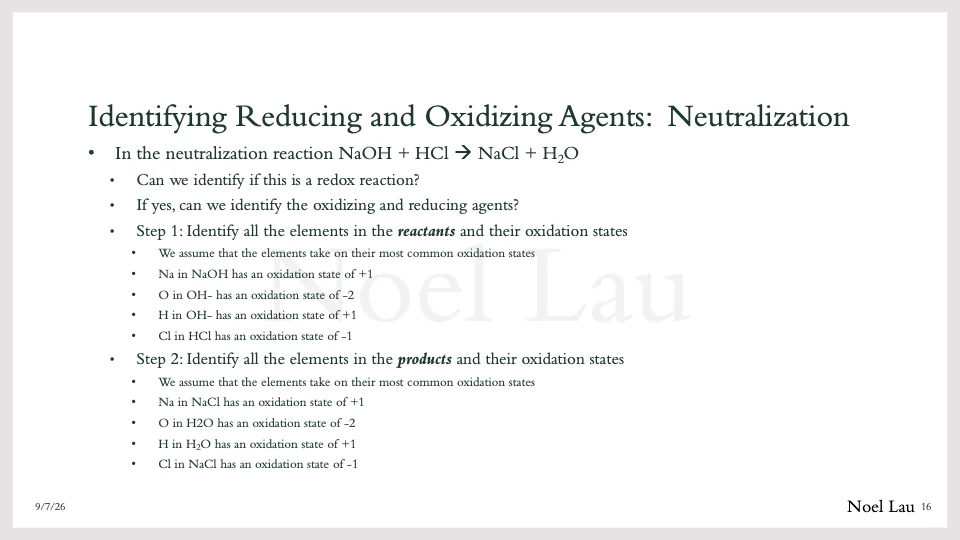
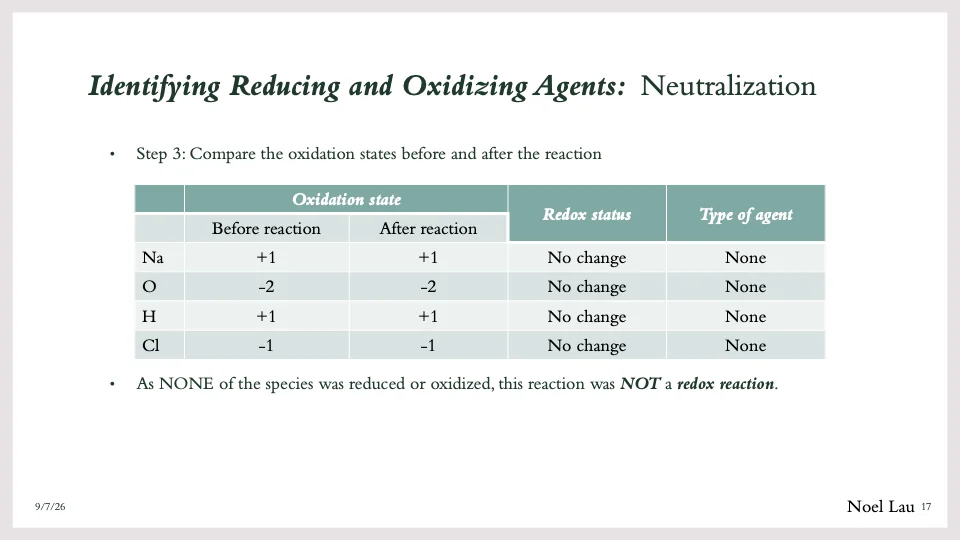
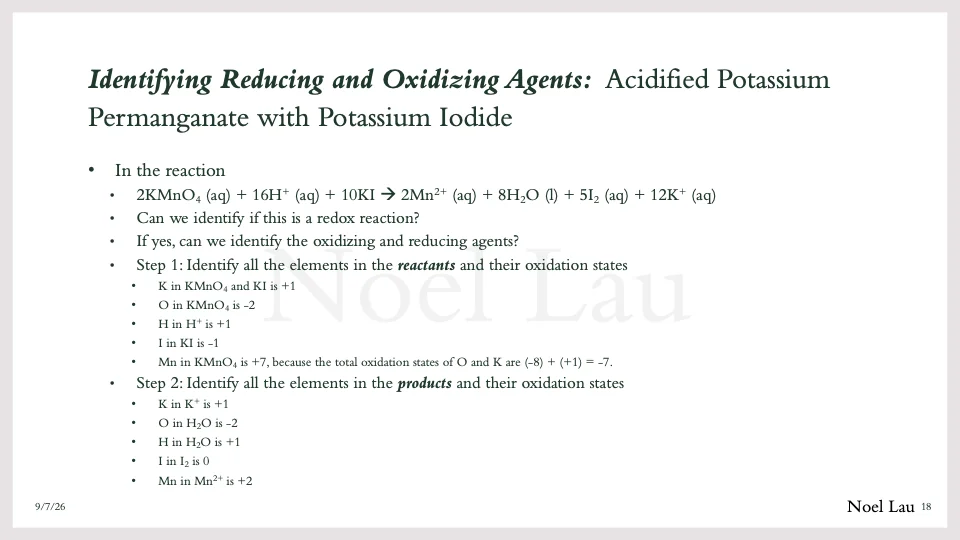
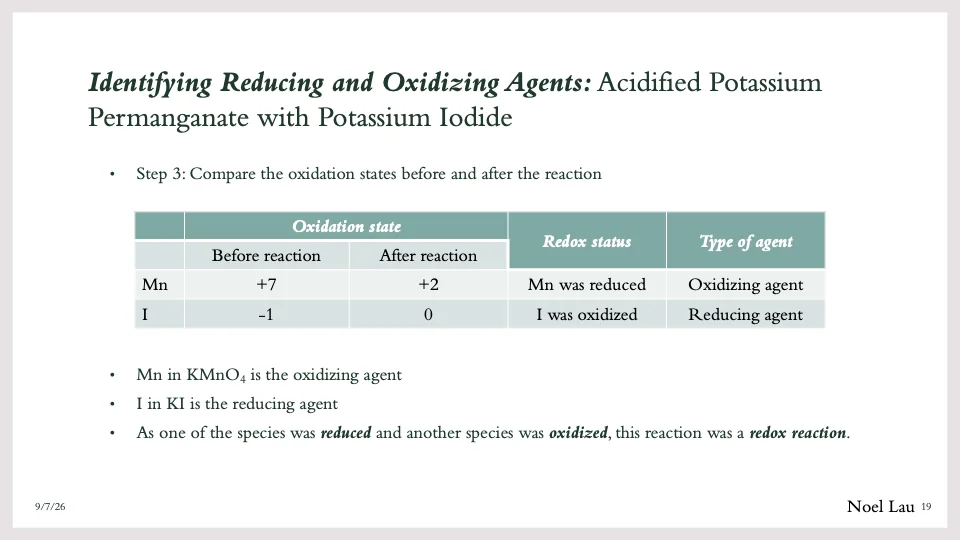
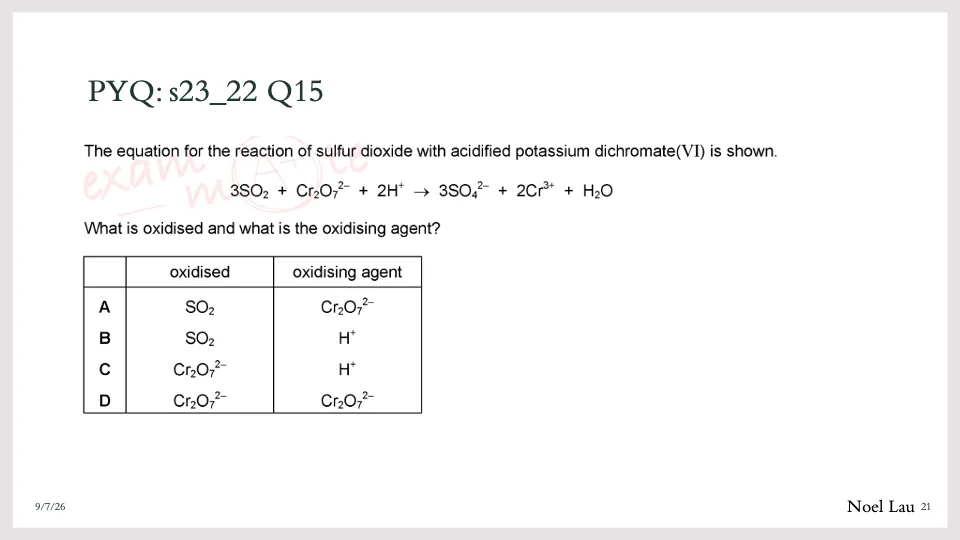
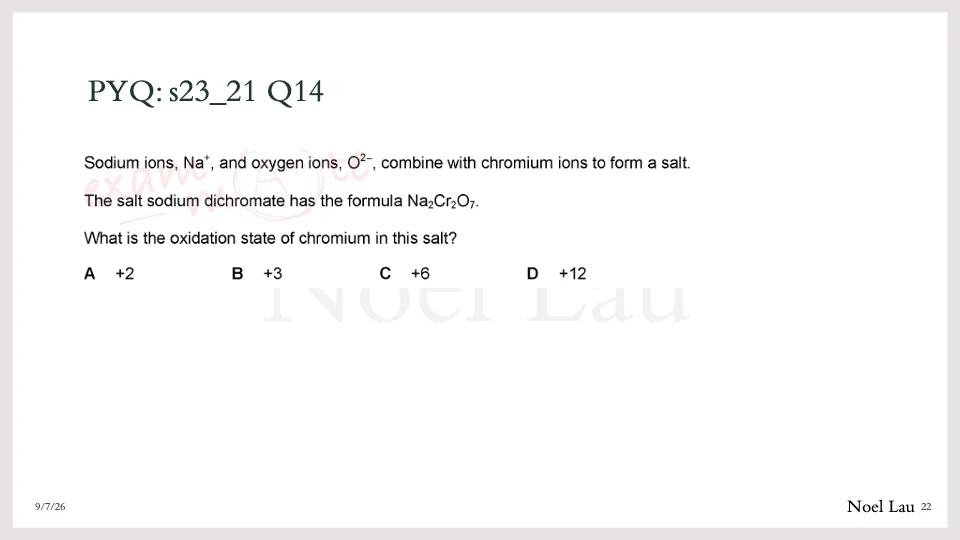
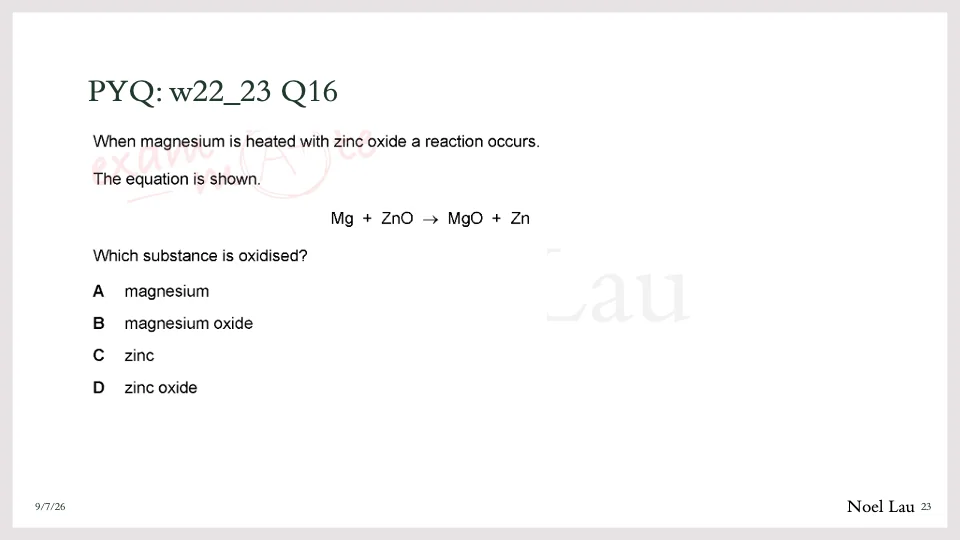
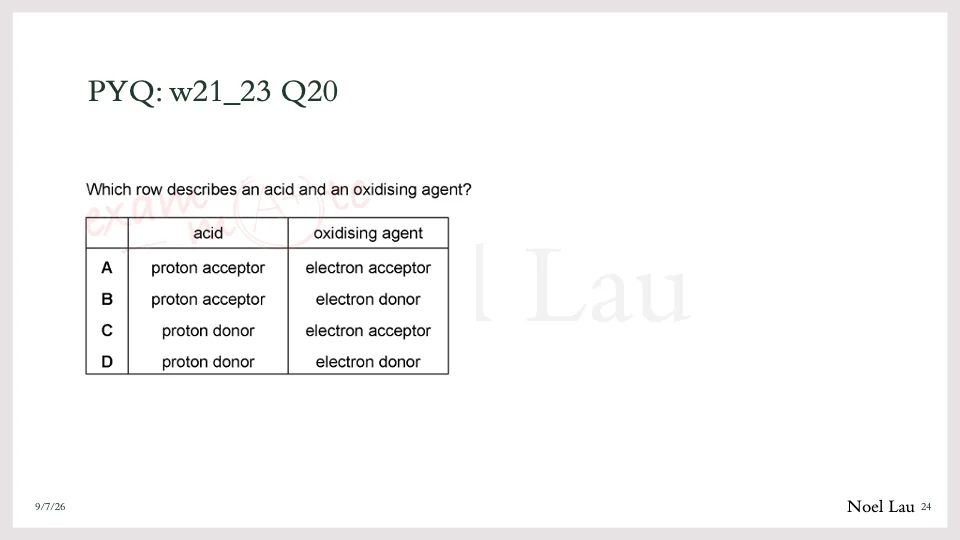
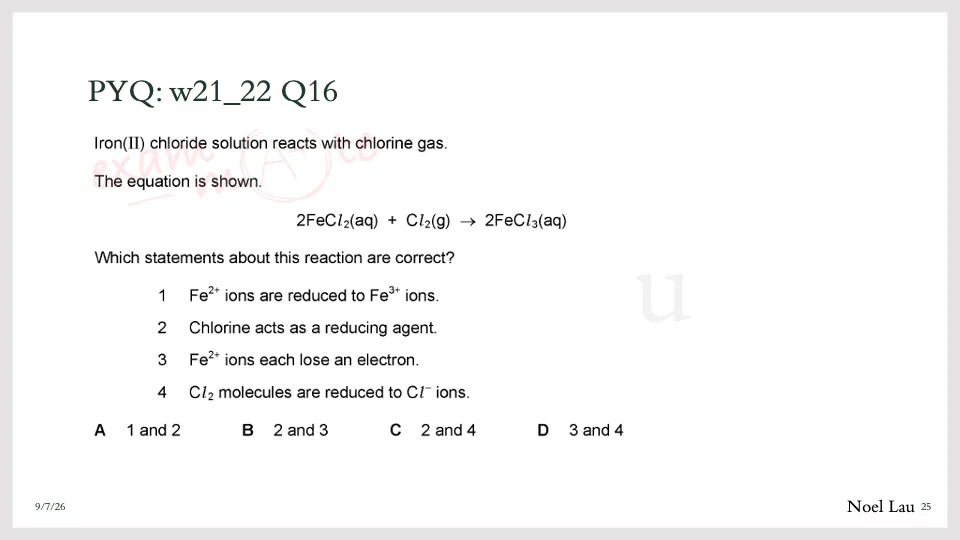
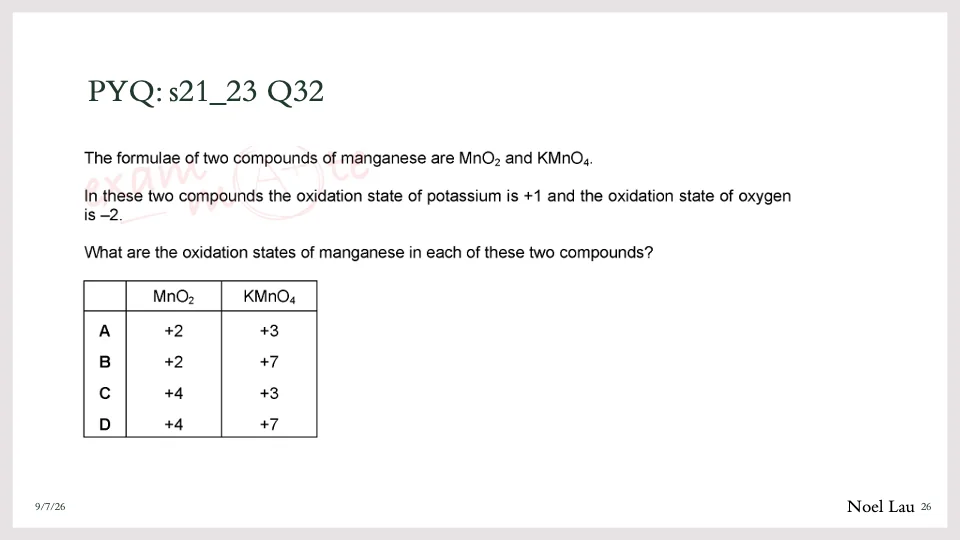
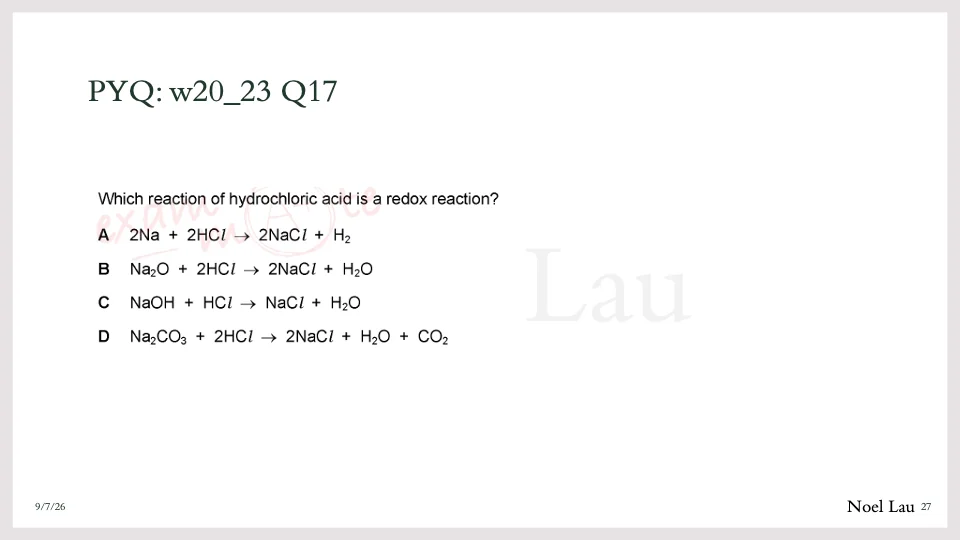
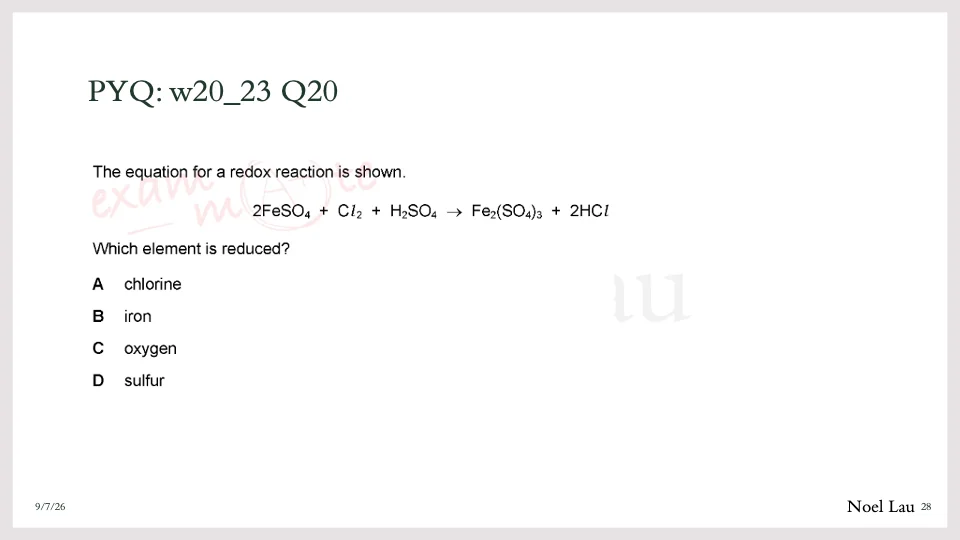
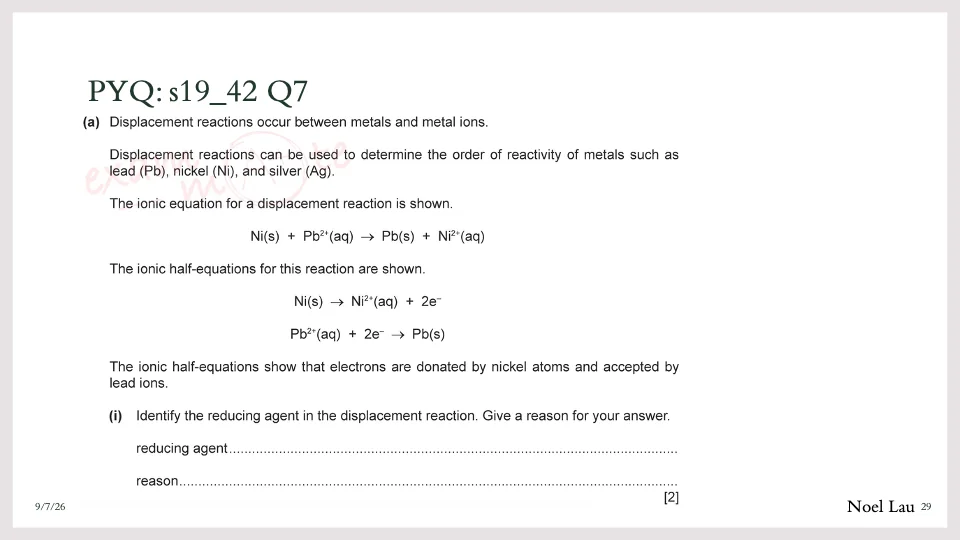
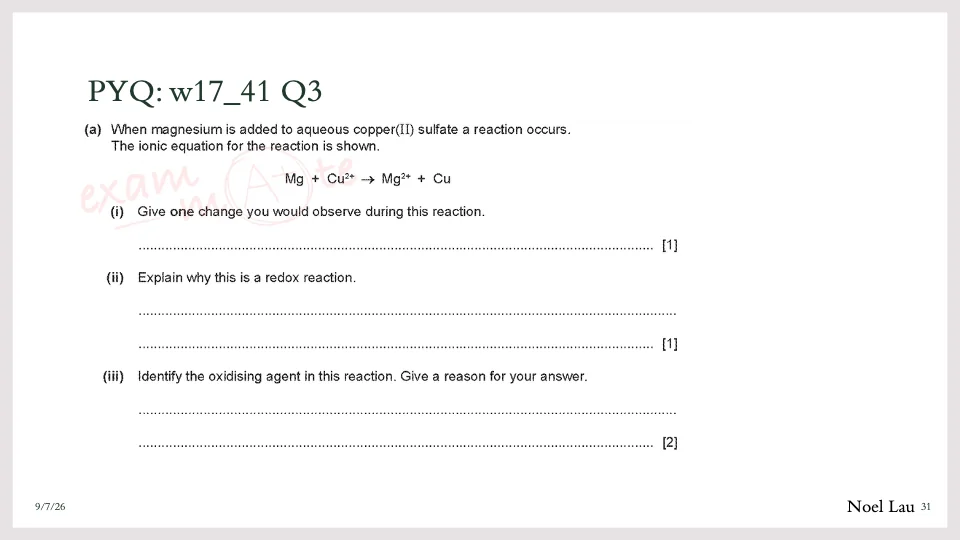
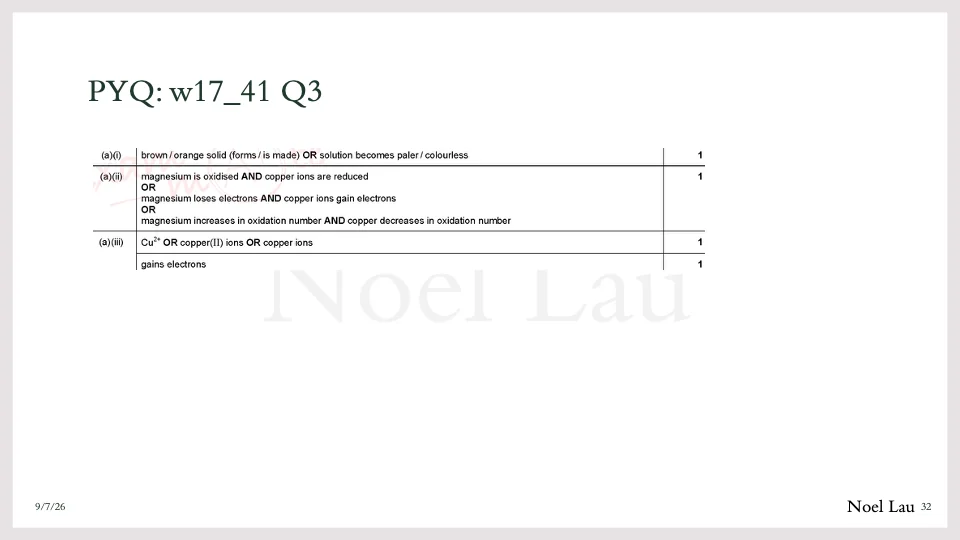
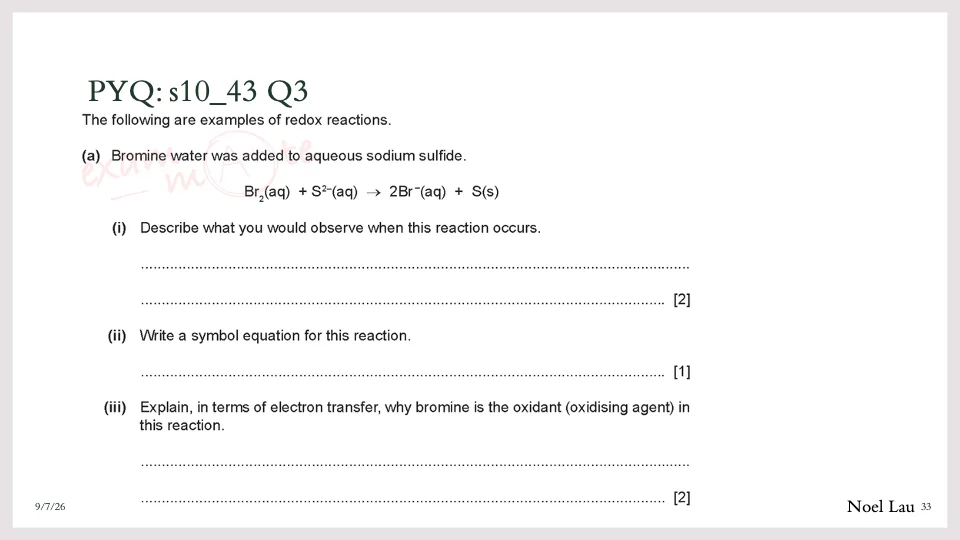
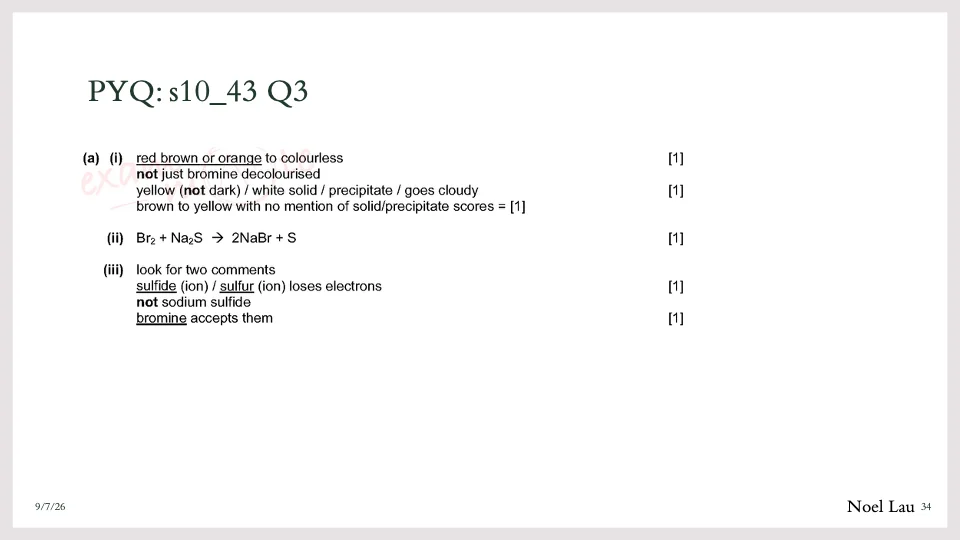
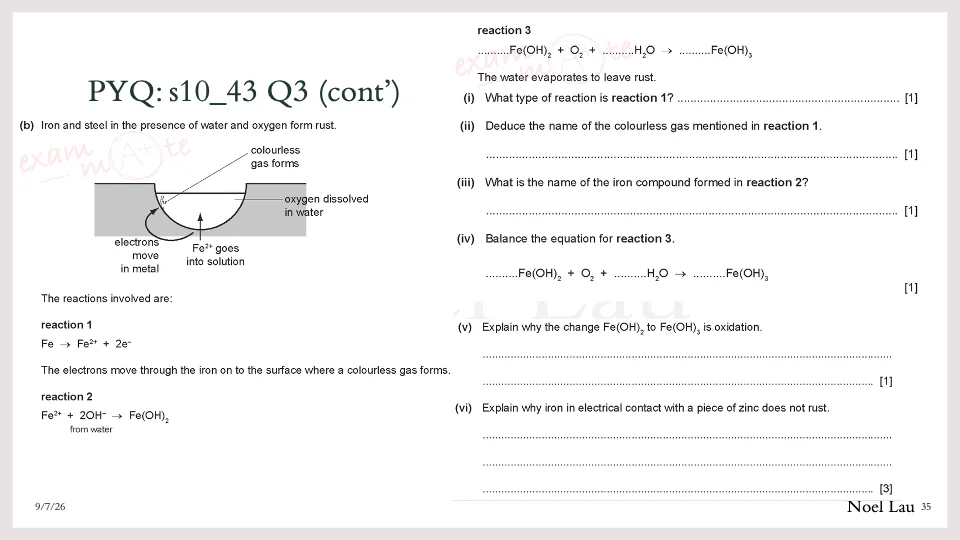
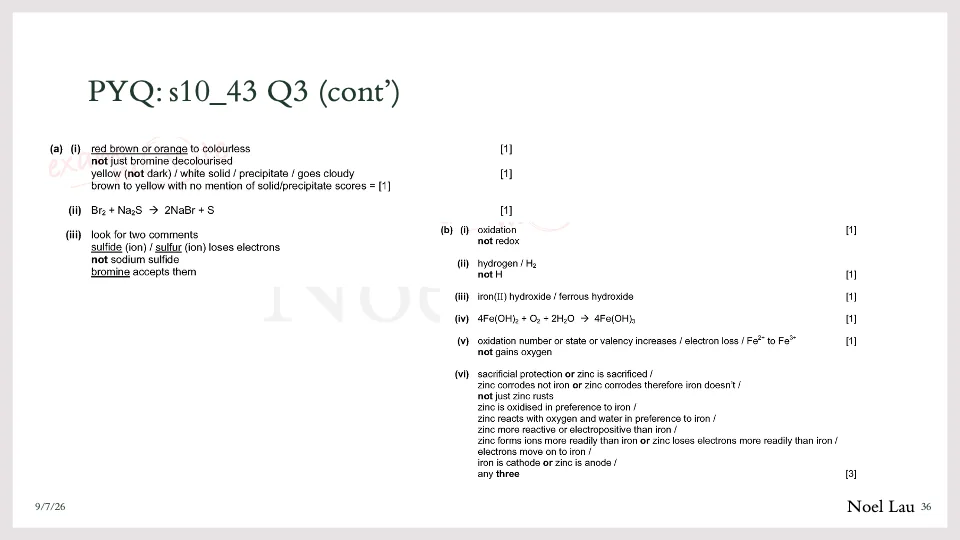
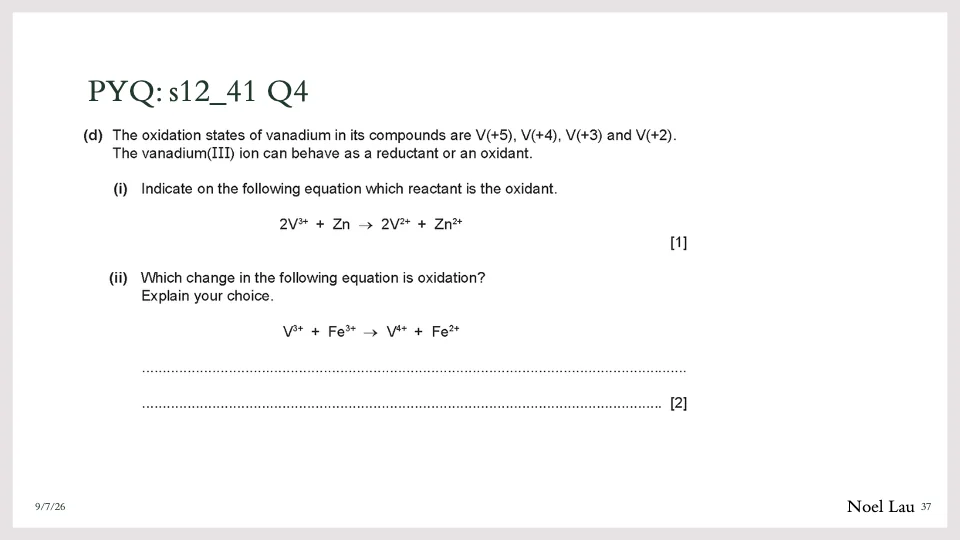
The chapter closes with redox chemistry, where we develop progressively broader definitions of oxidation and reduction, starting from oxygen transfer, extending to electron transfer, and finally to changes in oxidation number. We learn to assign oxidation numbers systematically, use them to identify redox reactions, and distinguish between oxidising agents and reducing agents. We also look at how specific reagents such as acidified potassium manganate(VII) and potassium iodide can be used to identify redox reactions through characteristic colour changes.
PowerPoint
6.2 Rate of Reaction

6.3 Equilibrium
6.4 Redox