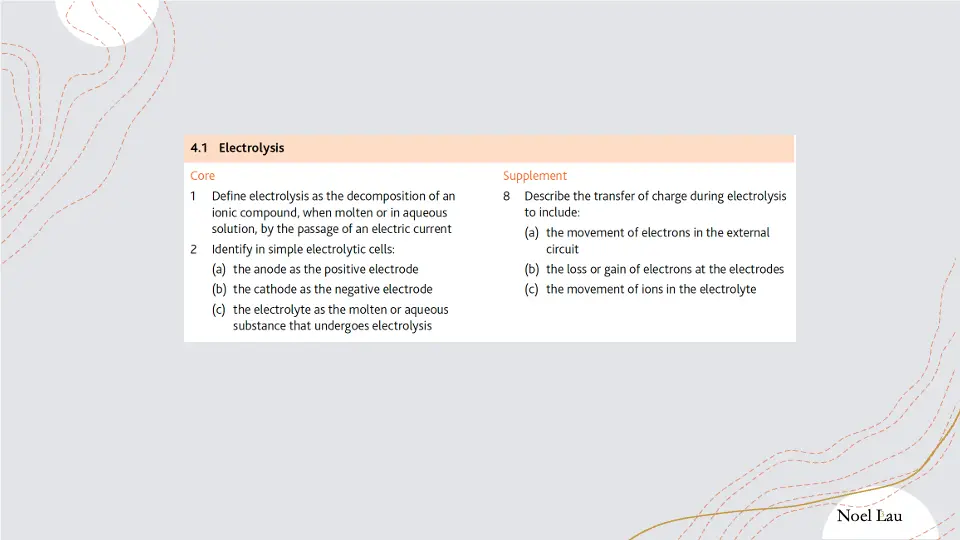
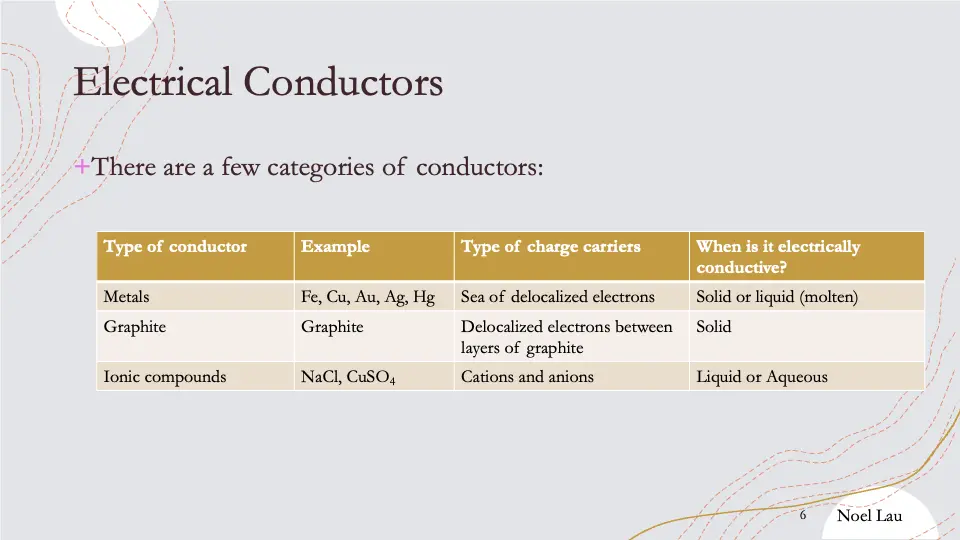
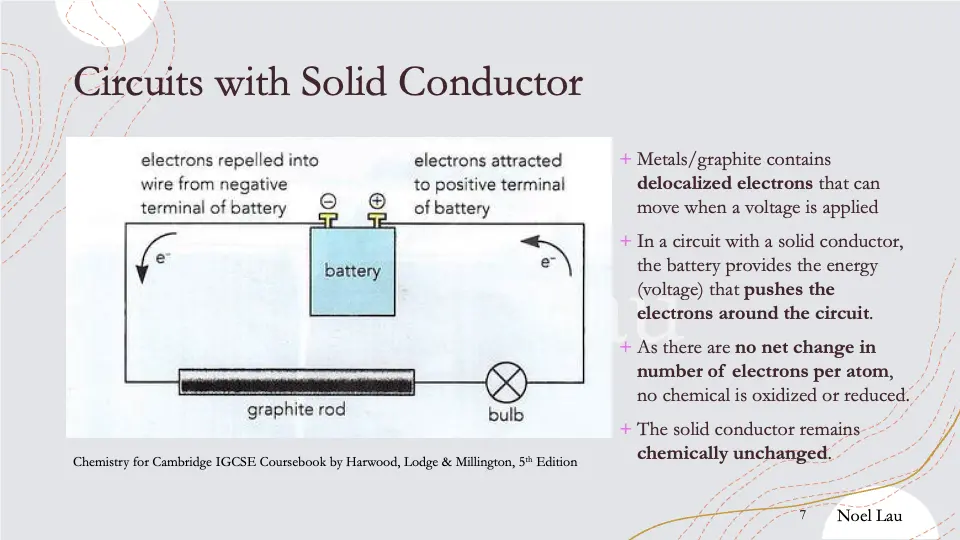
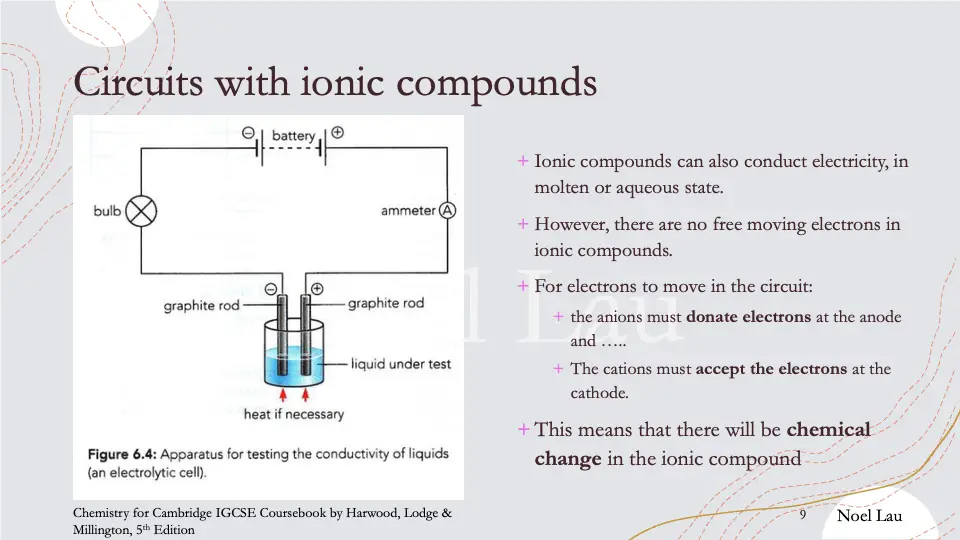
Electricity and chemistry are more closely connected than they might first appear. Passing a current through an ionic compound can drive a chemical reaction that would not happen on its own, and that principle sits at the heart of some of the most important industrial and technological processes we rely on today, from metal refining to electroplating to fuel cells.
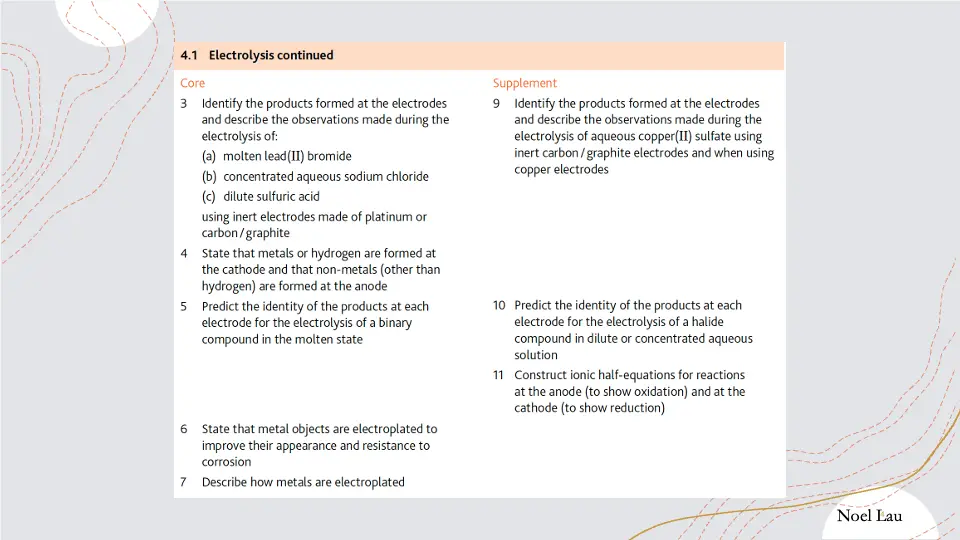
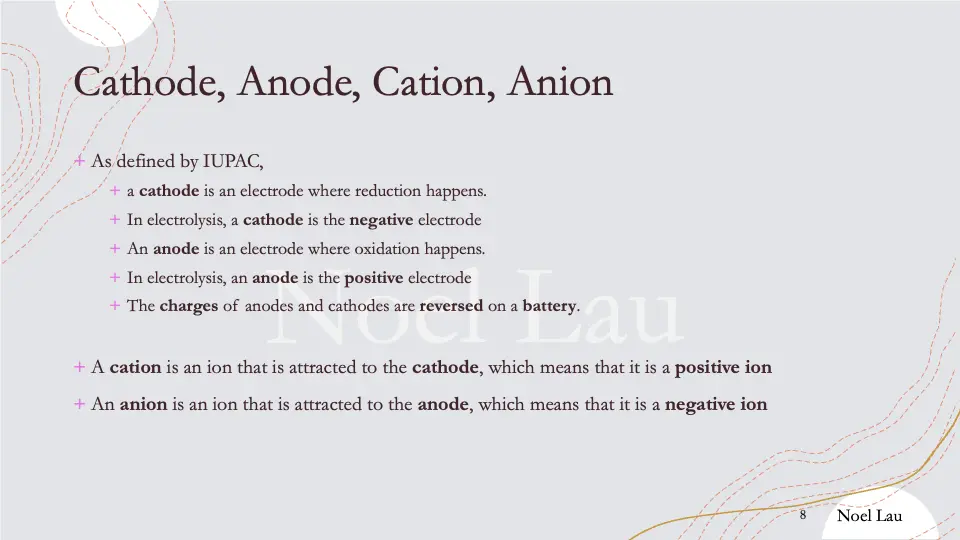
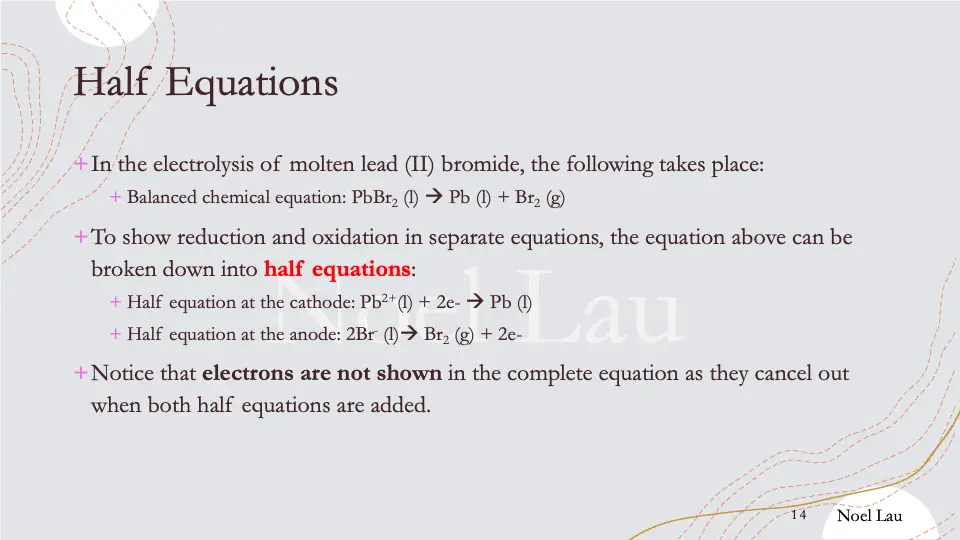
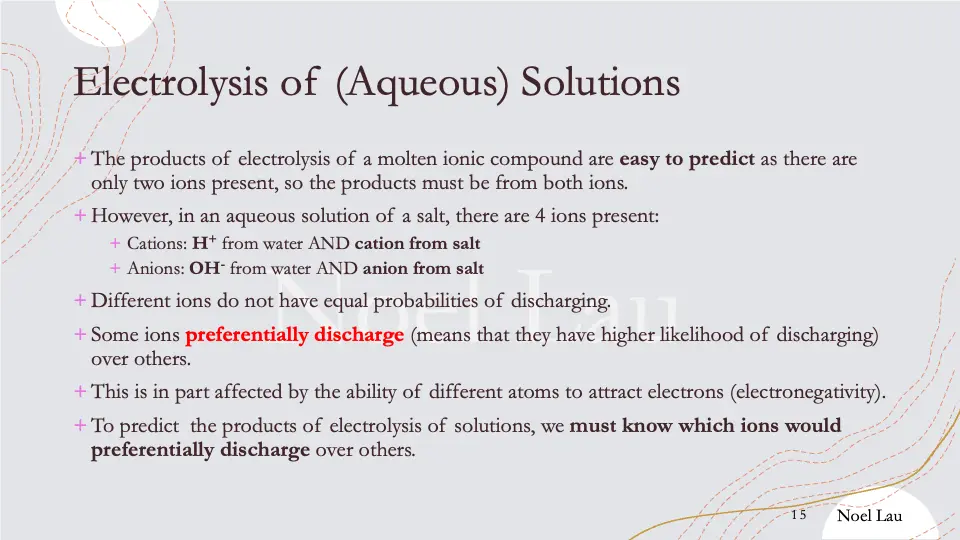
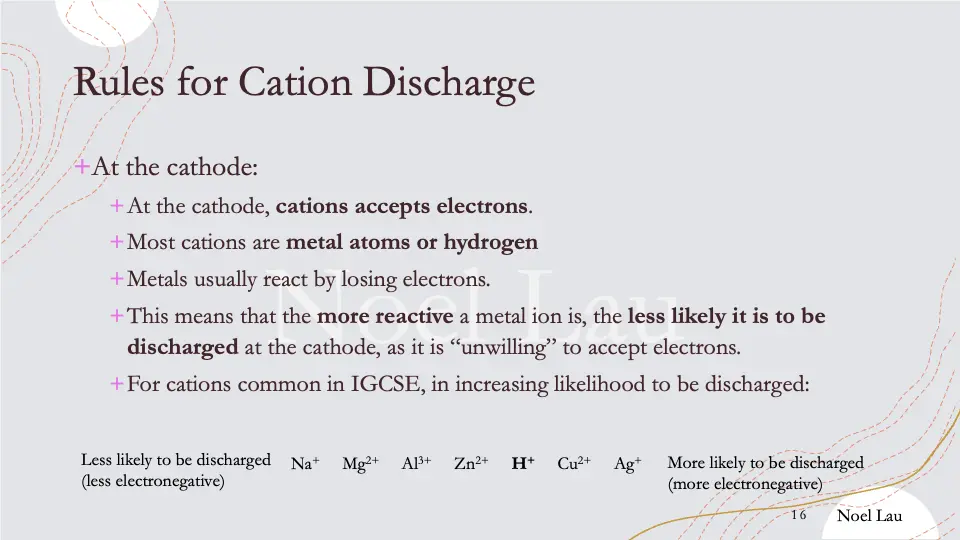
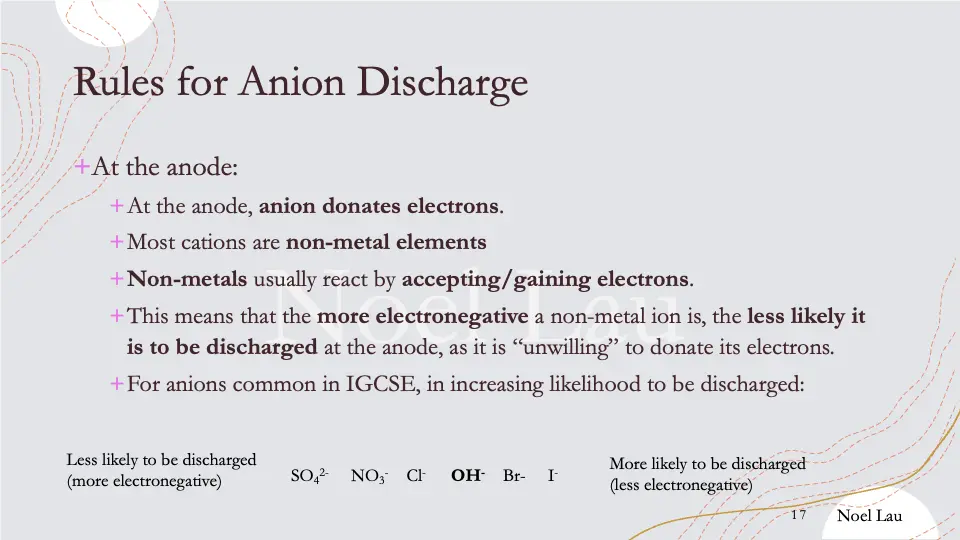
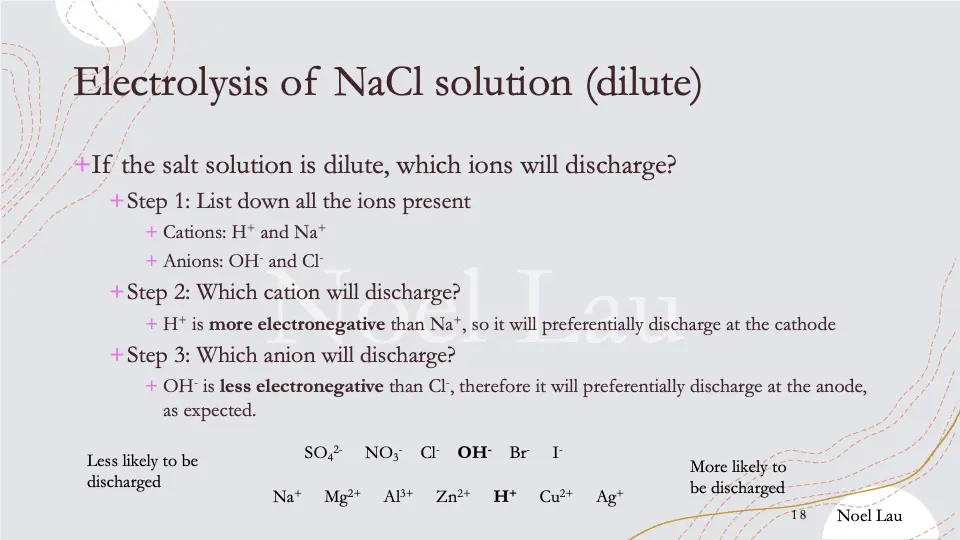
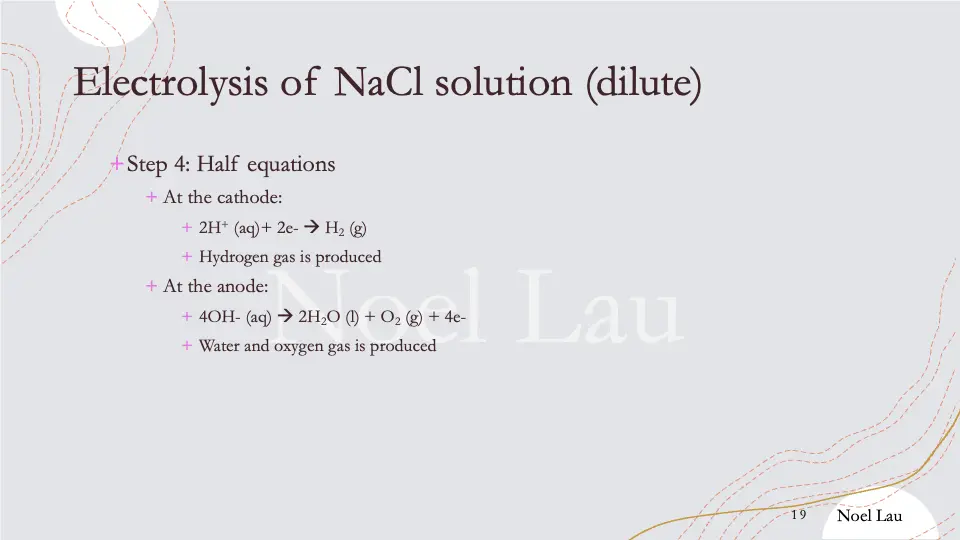
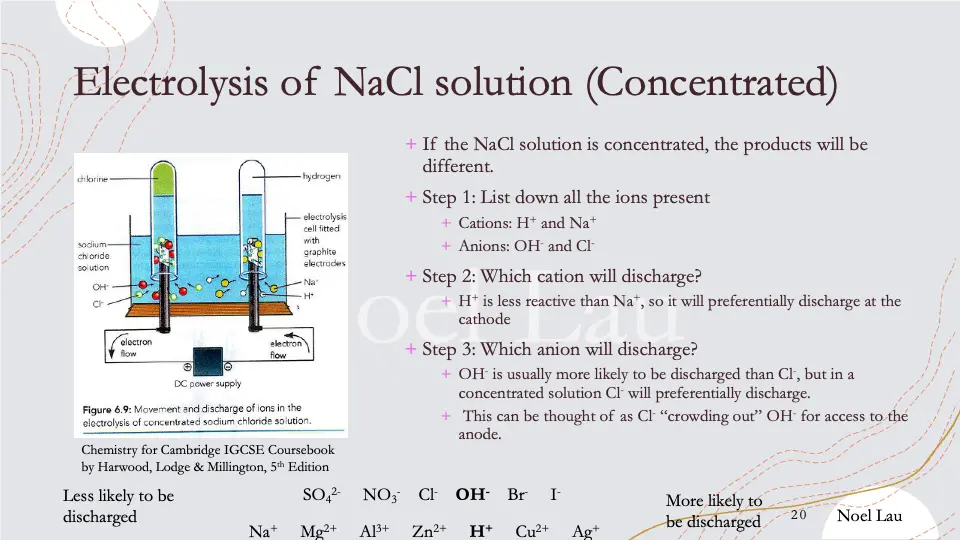
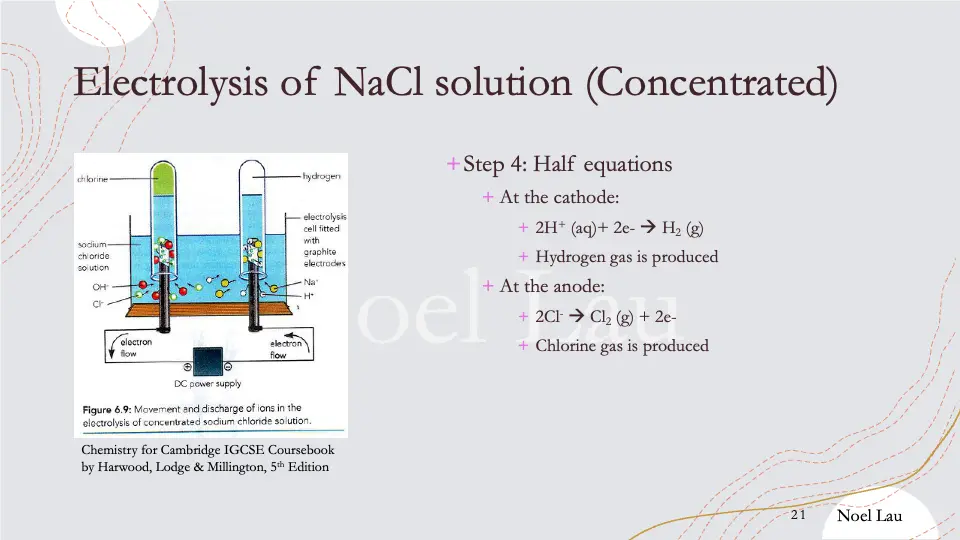
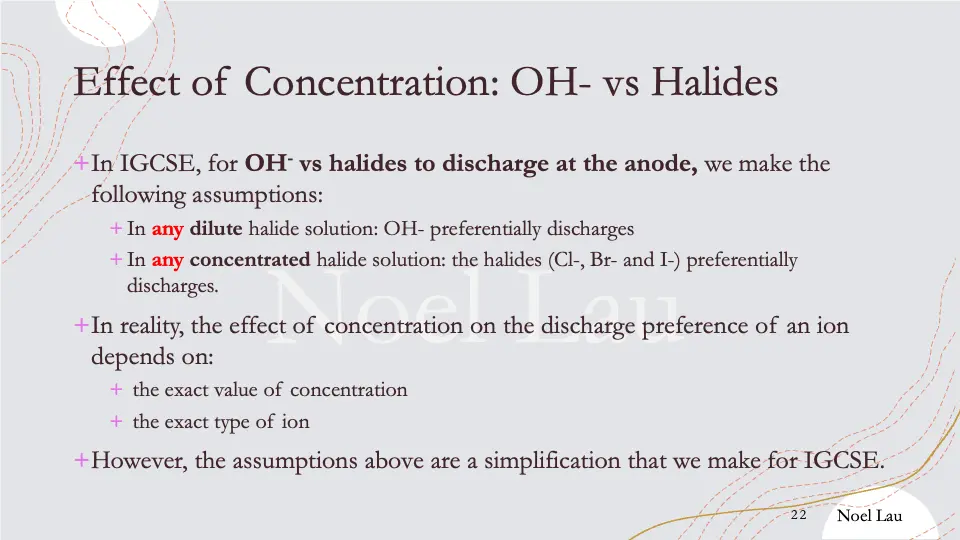
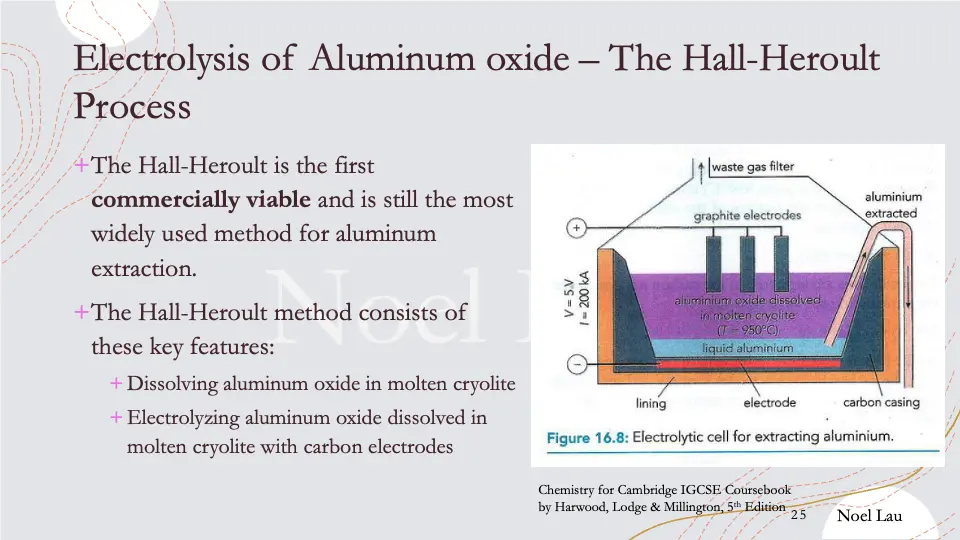
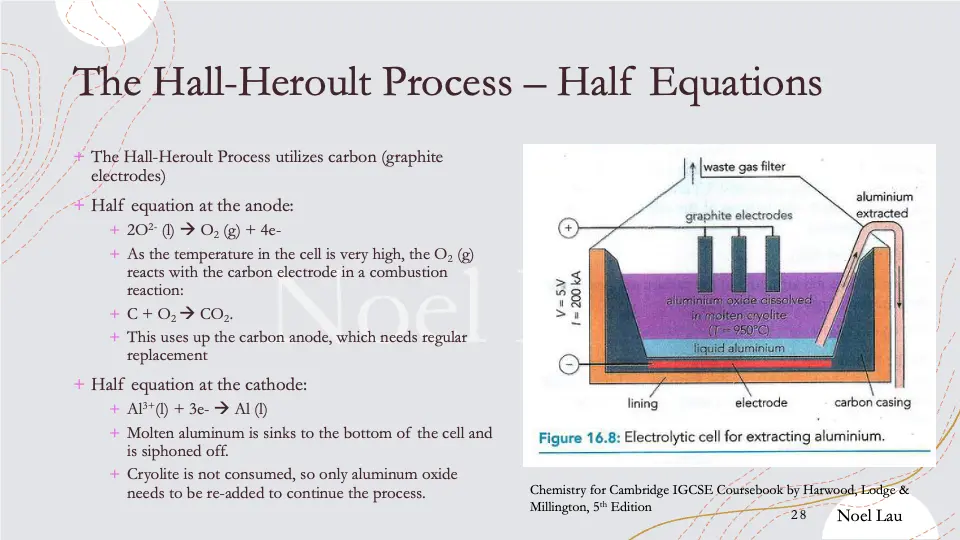
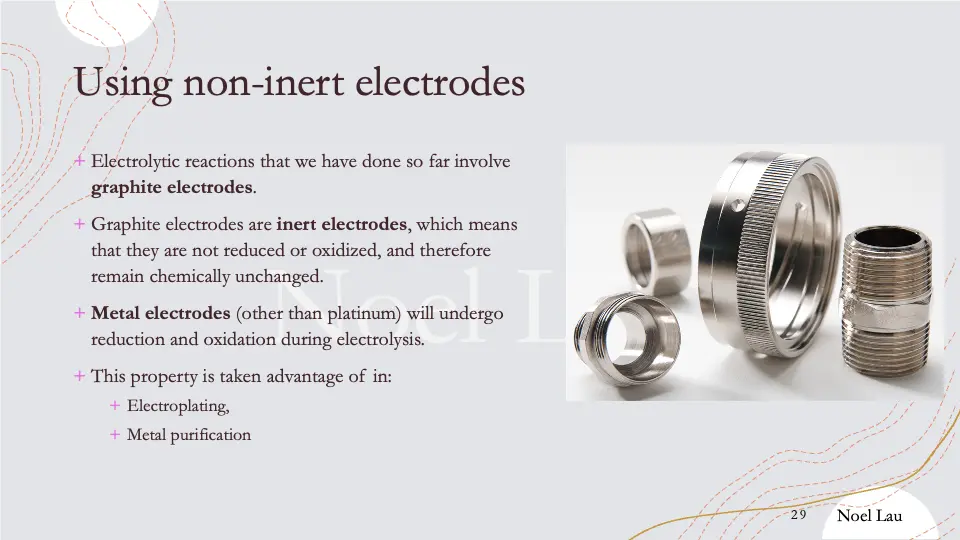
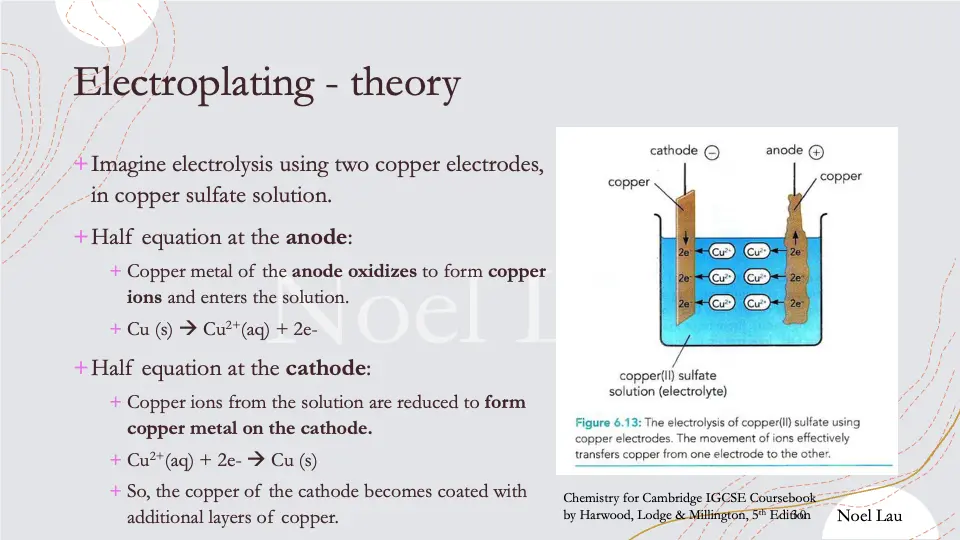
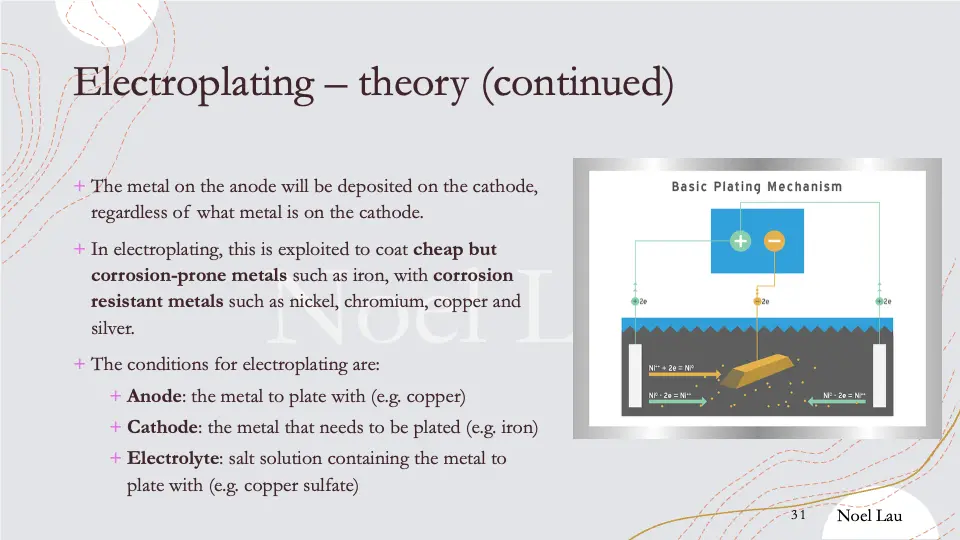
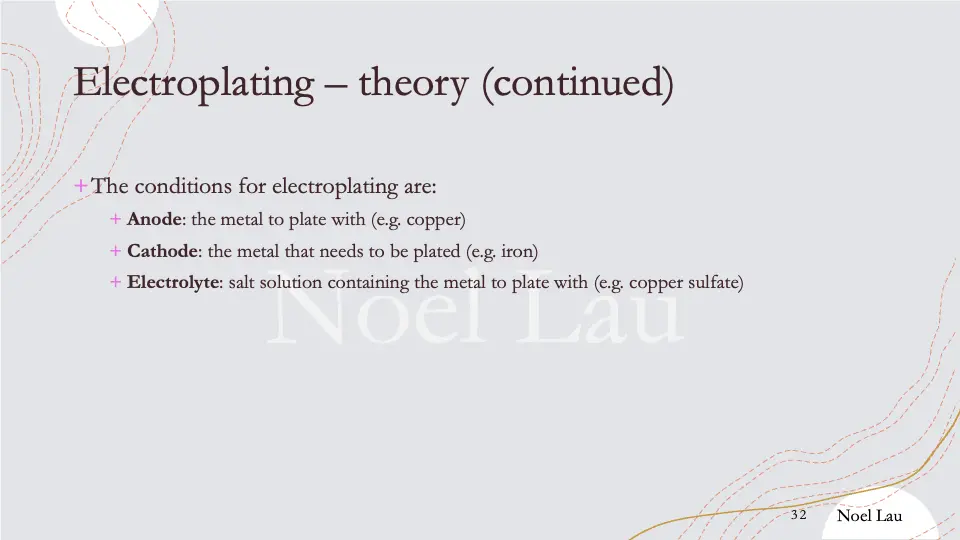
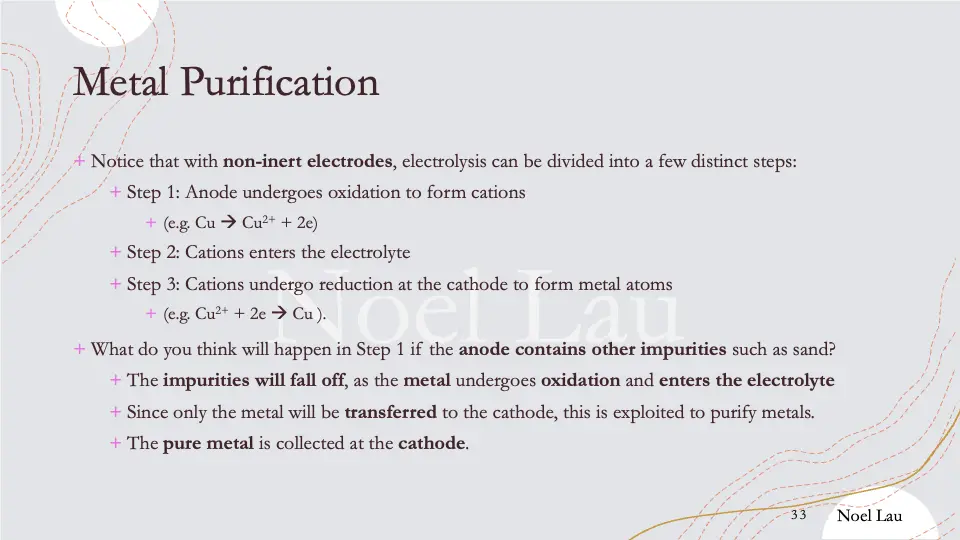
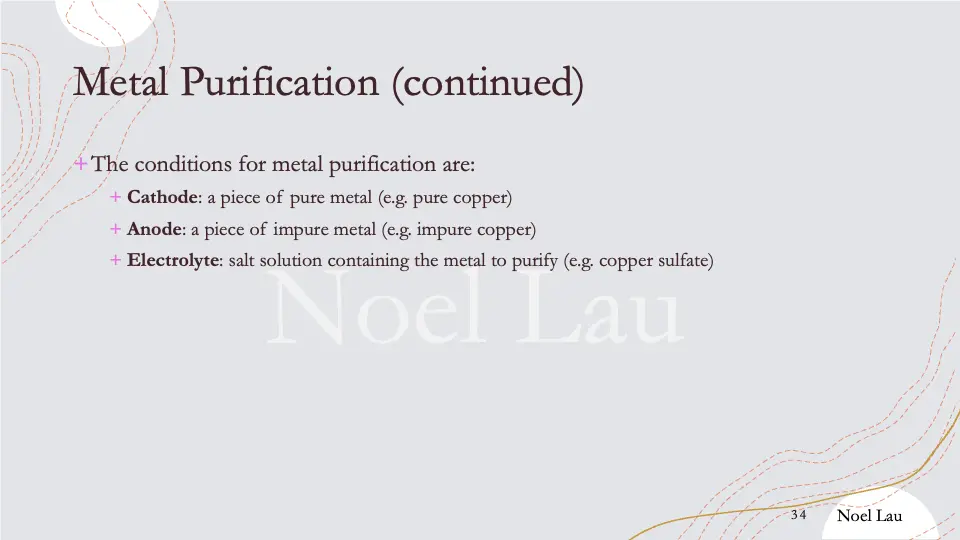
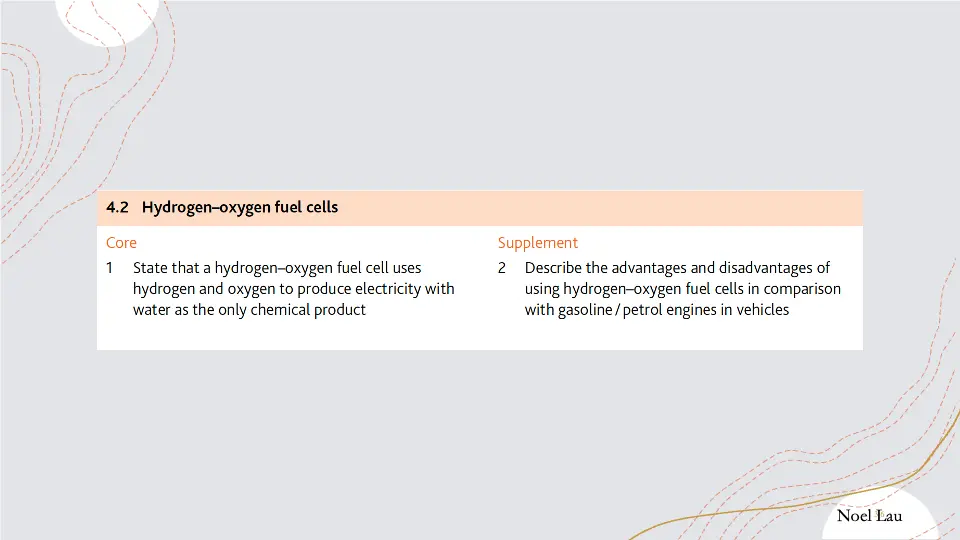
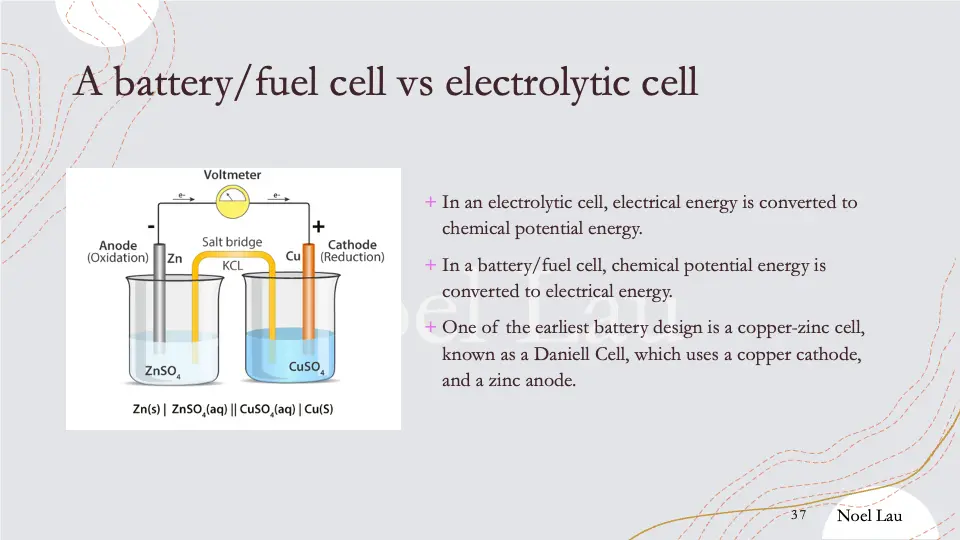
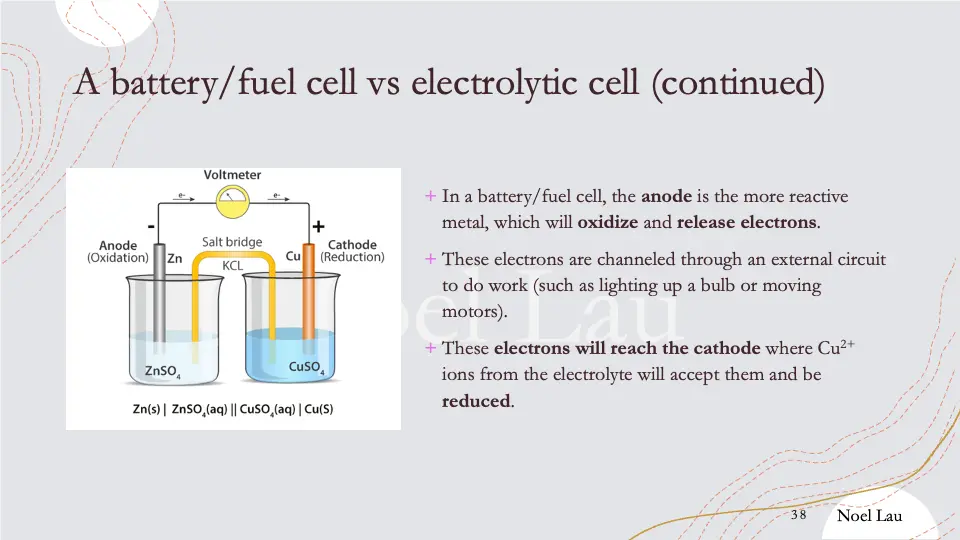
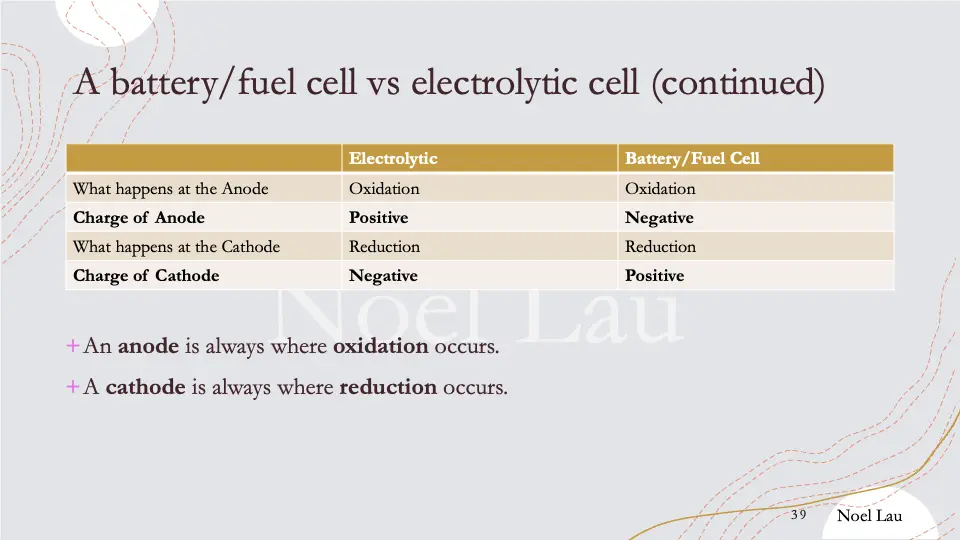
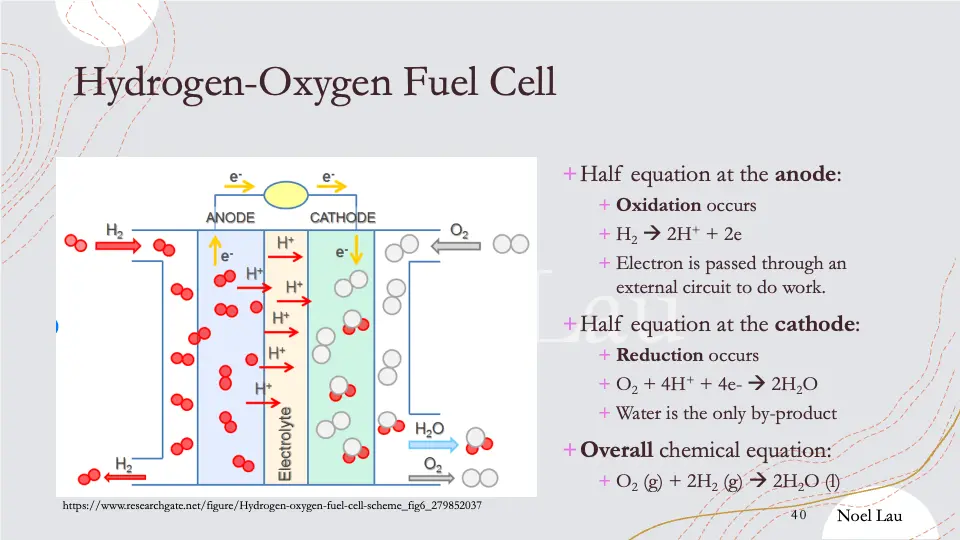
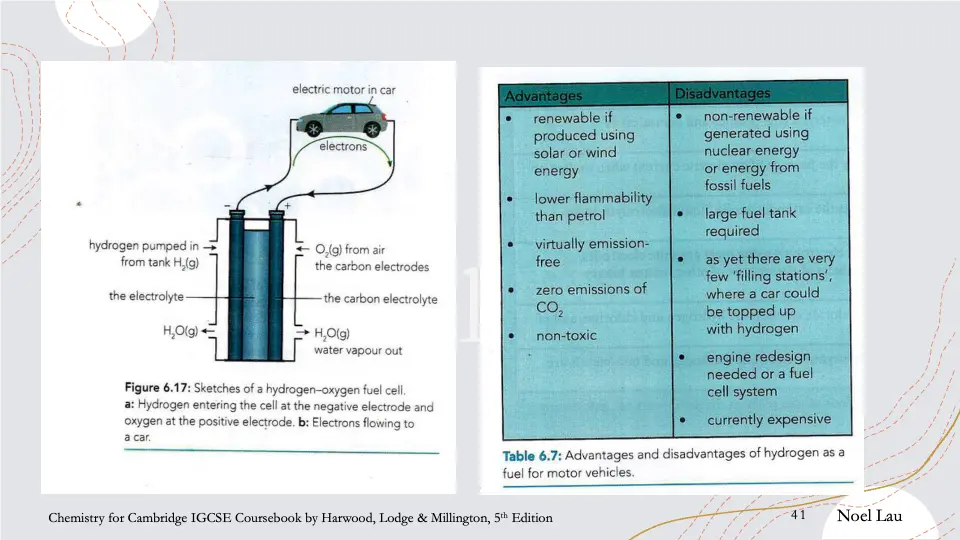
In this chapter, we examine electrolysis in detail, looking at what happens at each electrode and why, and learning to write ionic half-equations to describe these processes. We then consider practical applications of electrolysis, including electroplating. The chapter closes with hydrogen-oxygen fuel cells, where the relationship between chemistry and electricity is reversed, and a chemical reaction is used to generate electrical energy cleanly and efficiently.