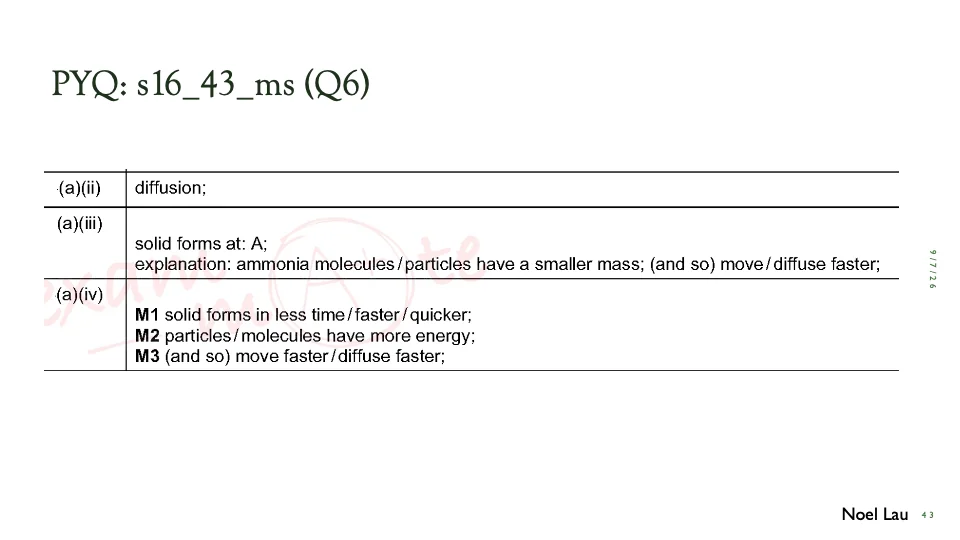
Introduction (1.1 States of Matter)
This section introduces the fundamental particle-level ideas that underpin states of matter and diffusion in IGCSE Chemistry.
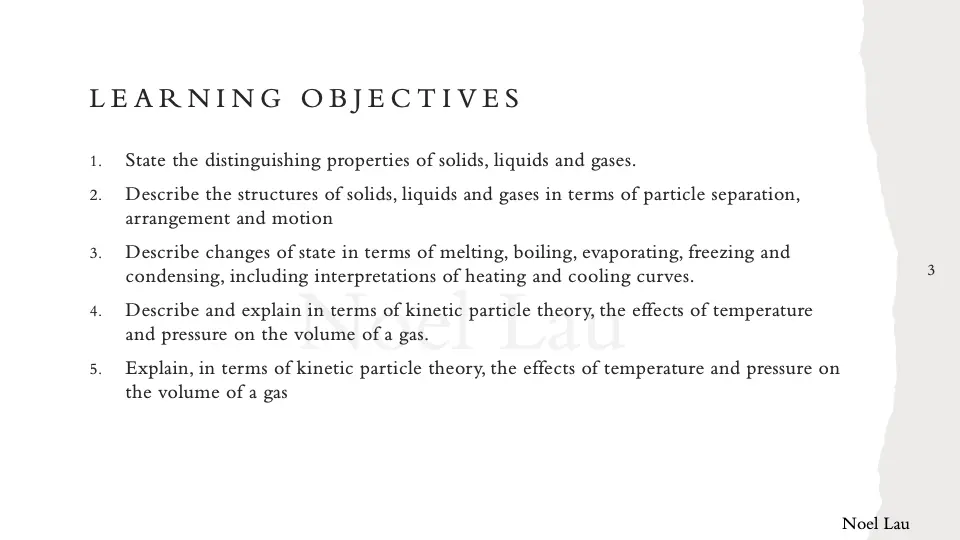
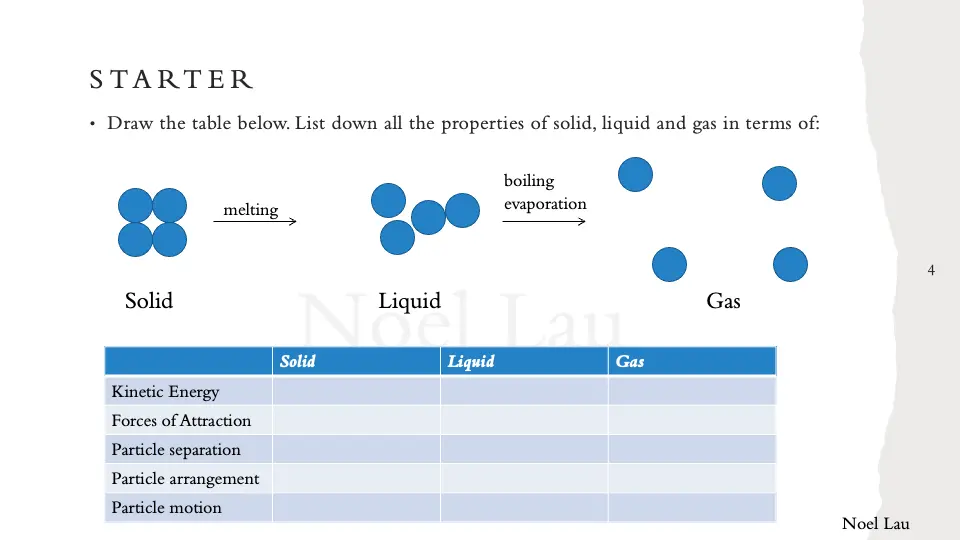
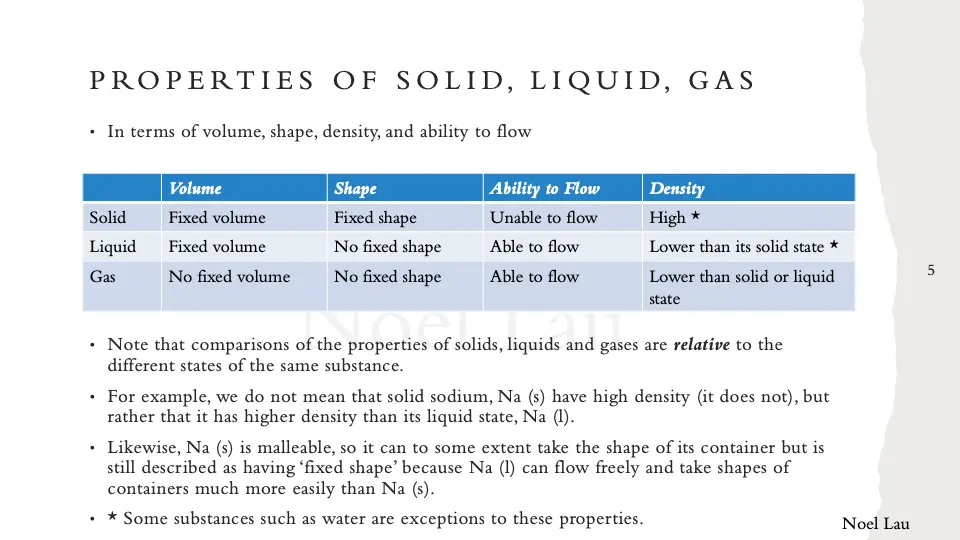
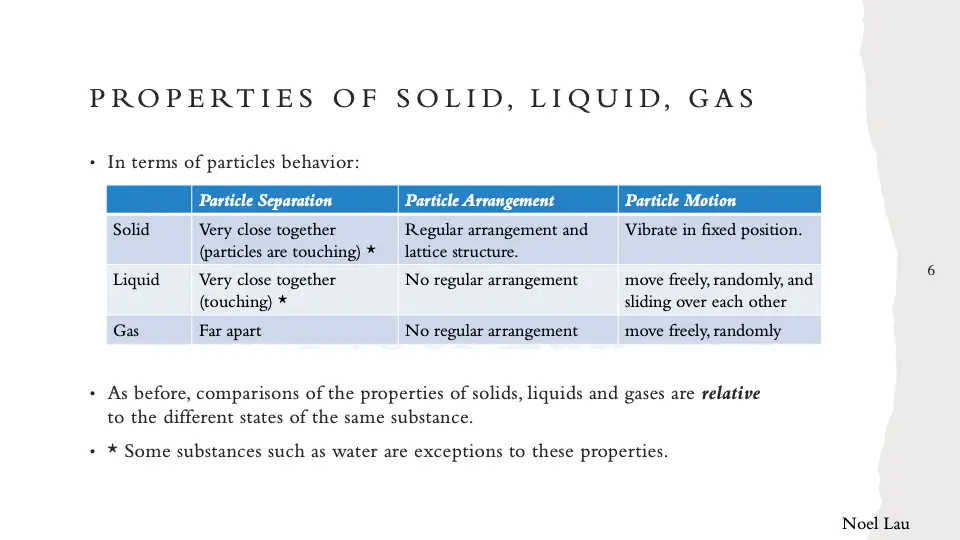
Students will explore the distinguishing properties of solids, liquids and gases, and learn how differences in particle separation, arrangement and motion account for their characteristic behaviours.
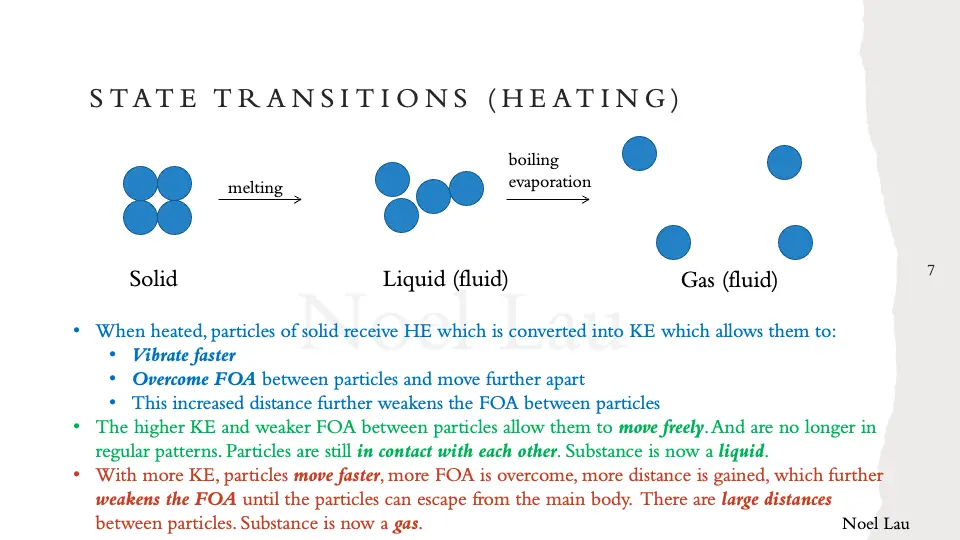
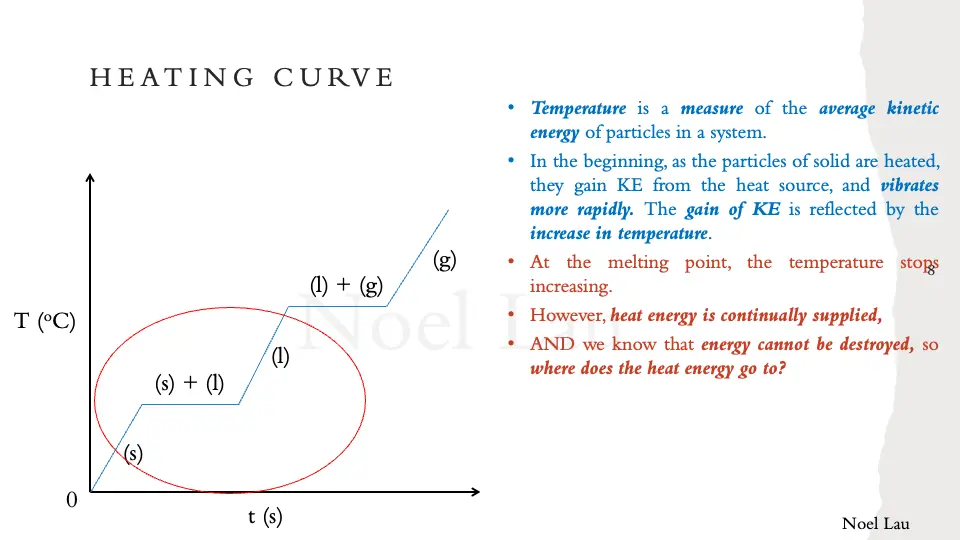
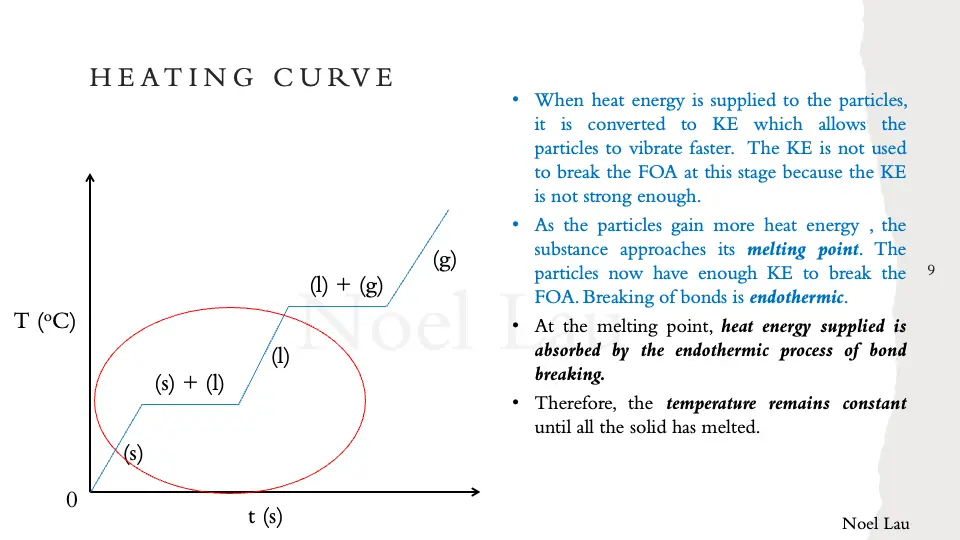
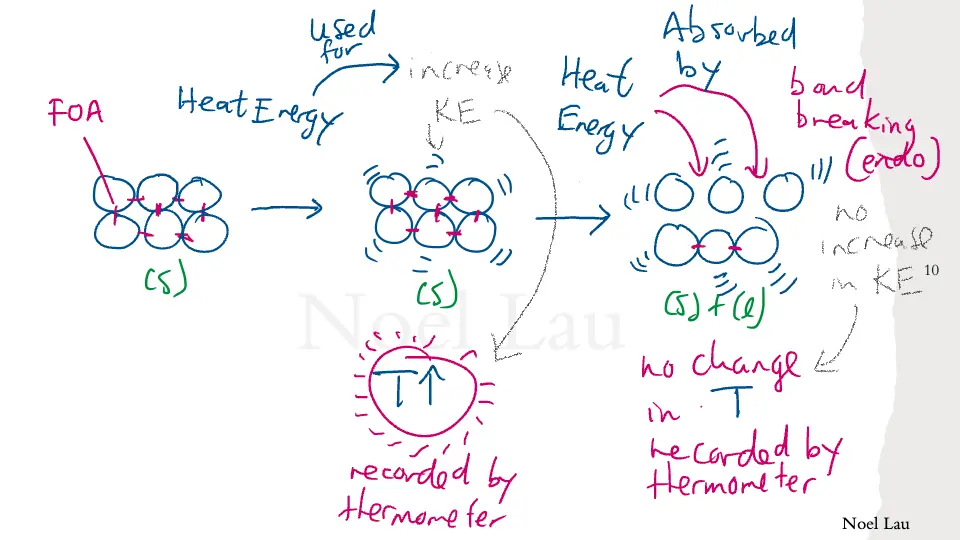
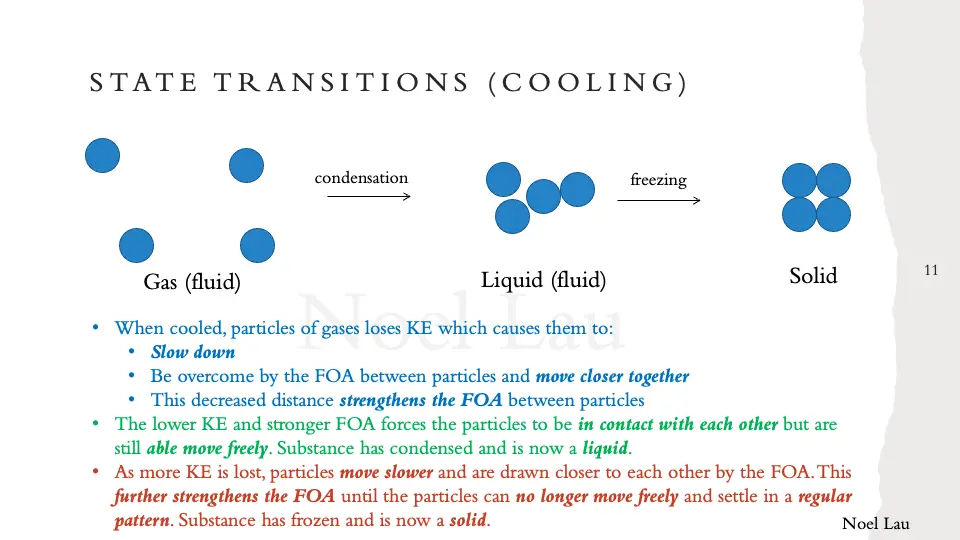
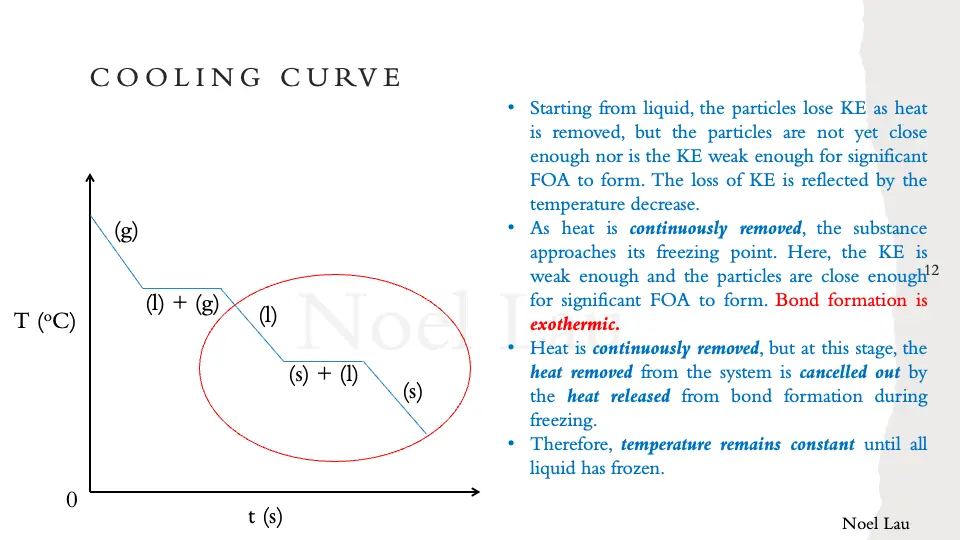
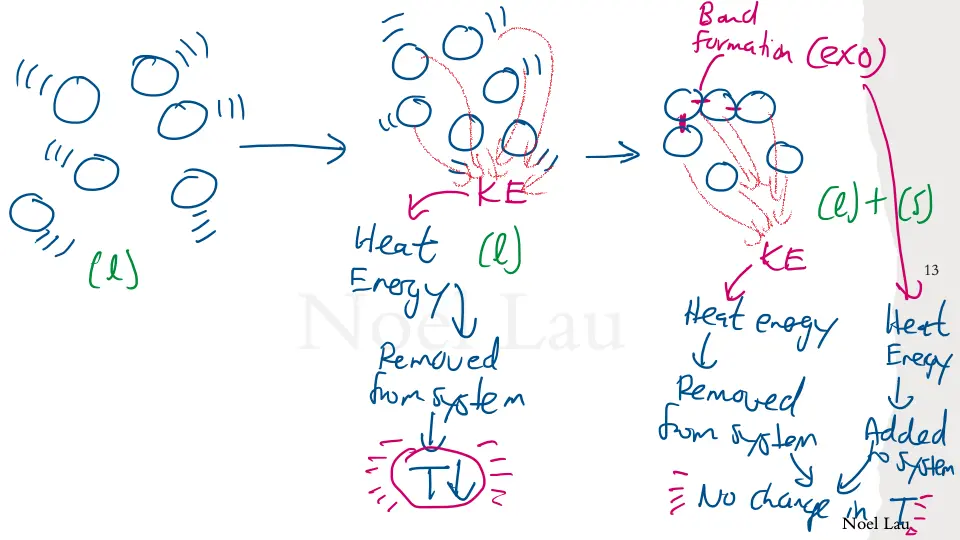
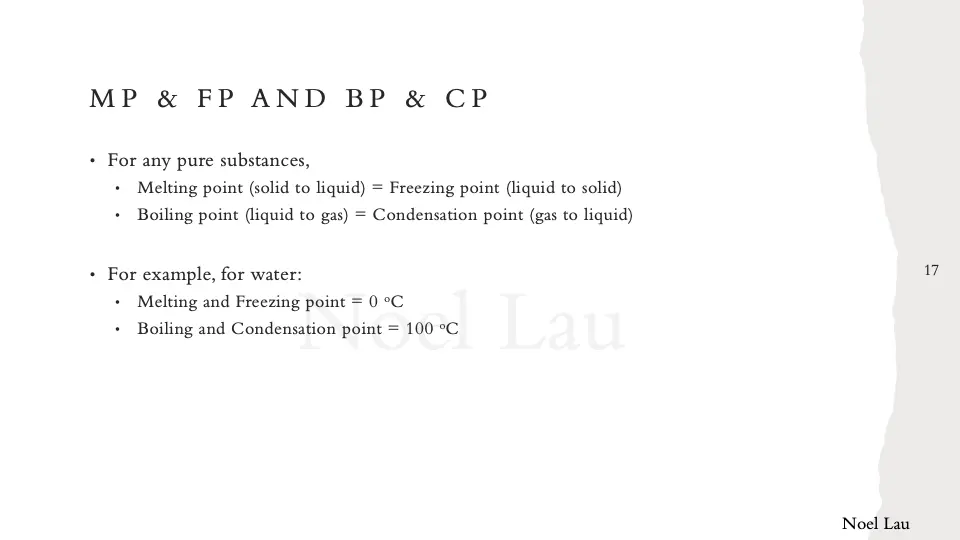
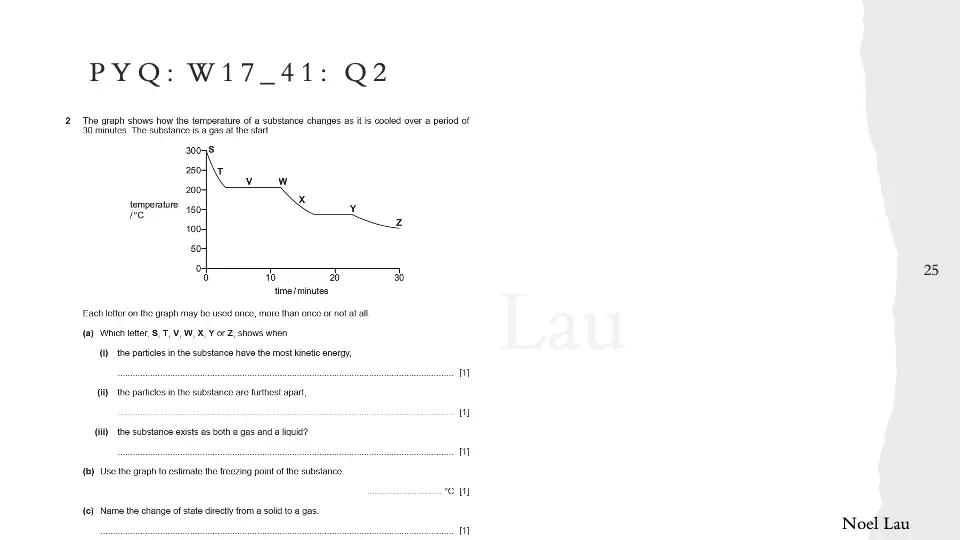
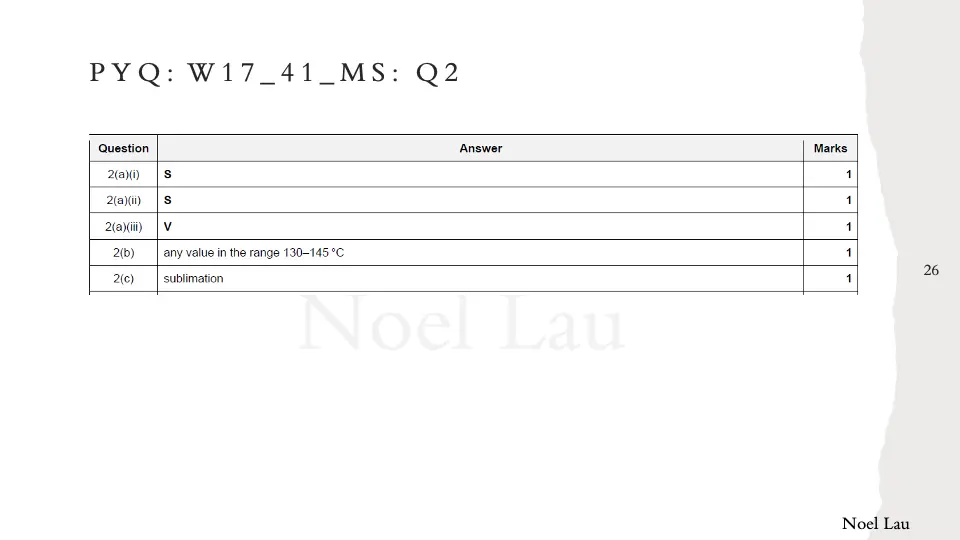
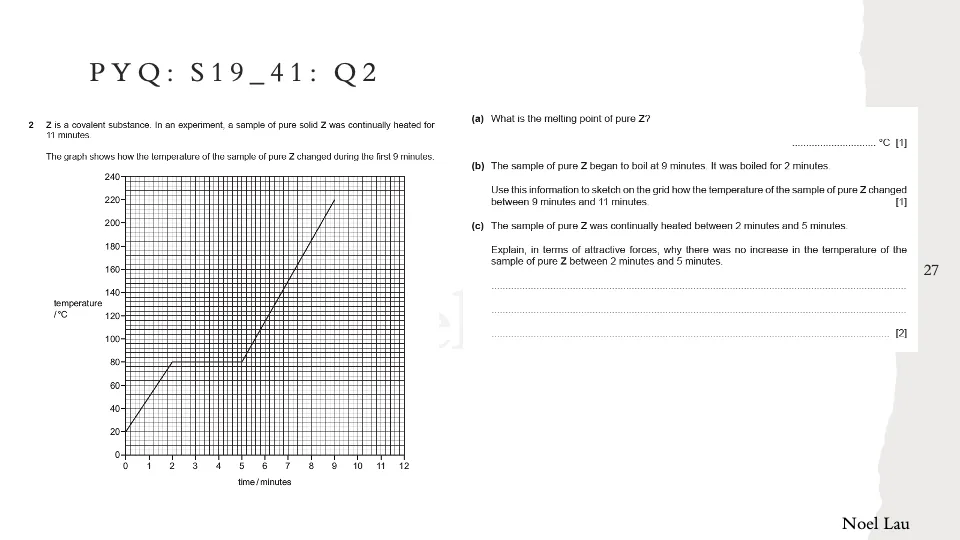
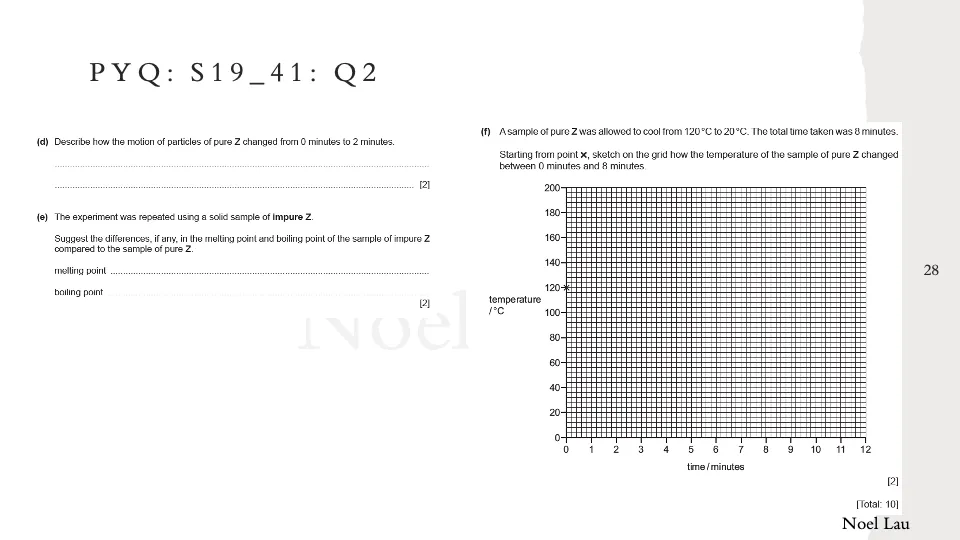
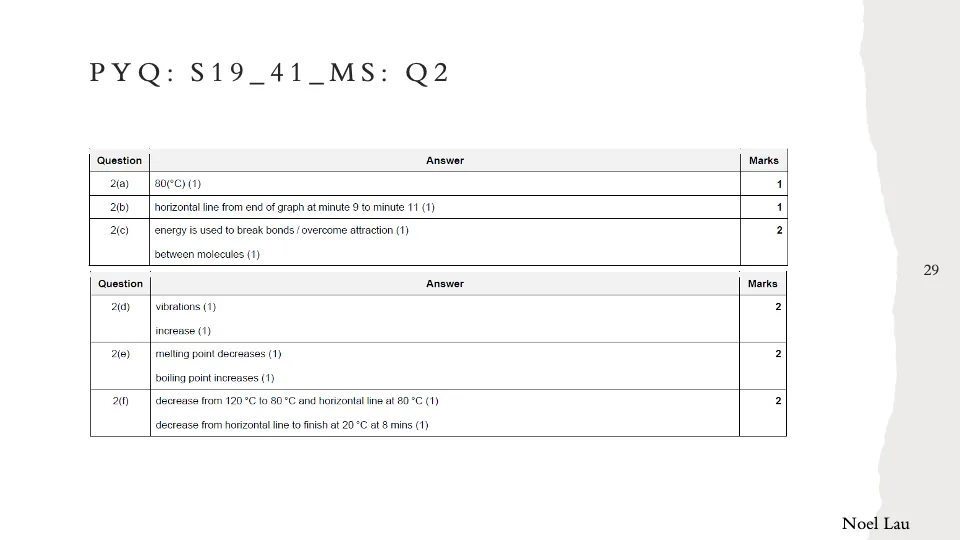
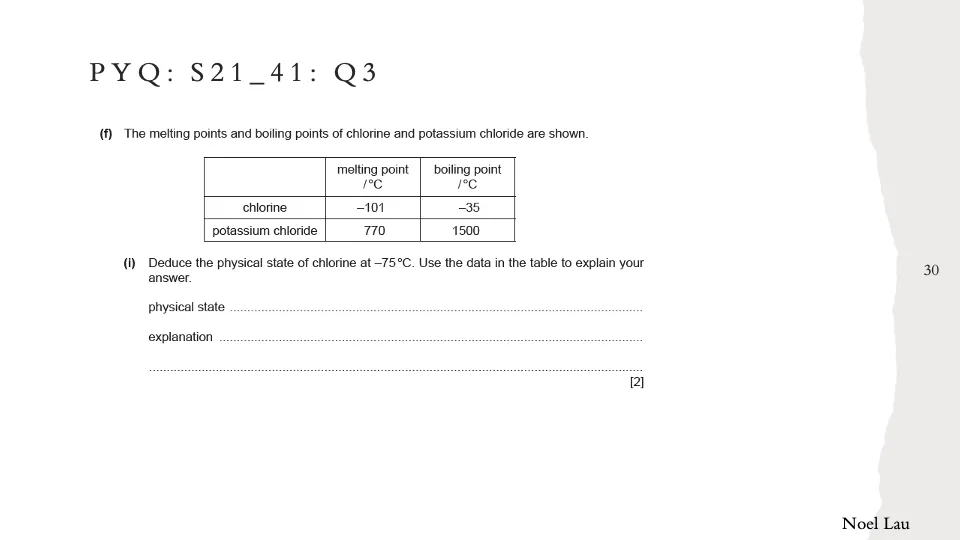
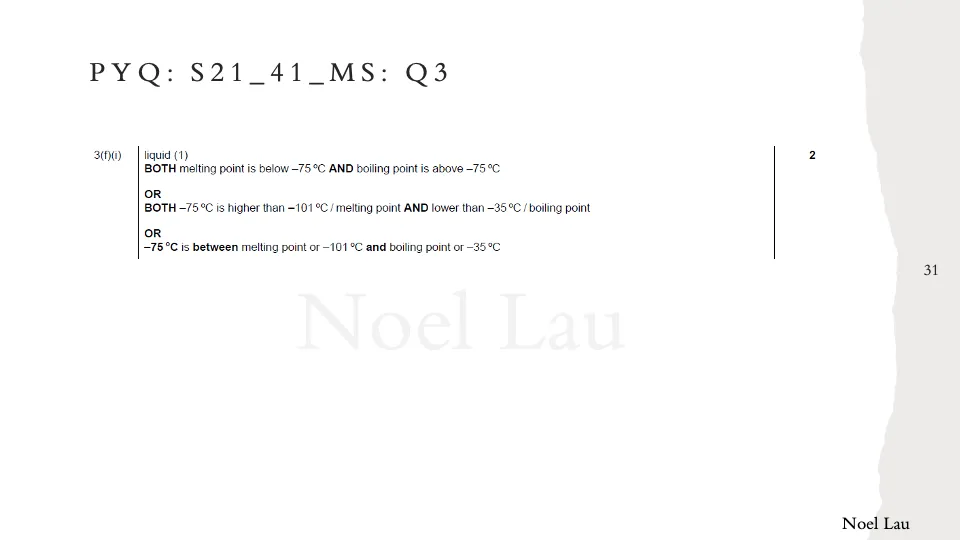
Changes of state, including melting, boiling, evaporating, freezing and condensation, are described using particle concepts, and further explained using kinetic particle theory through the interpretation of heating and cooling curves.
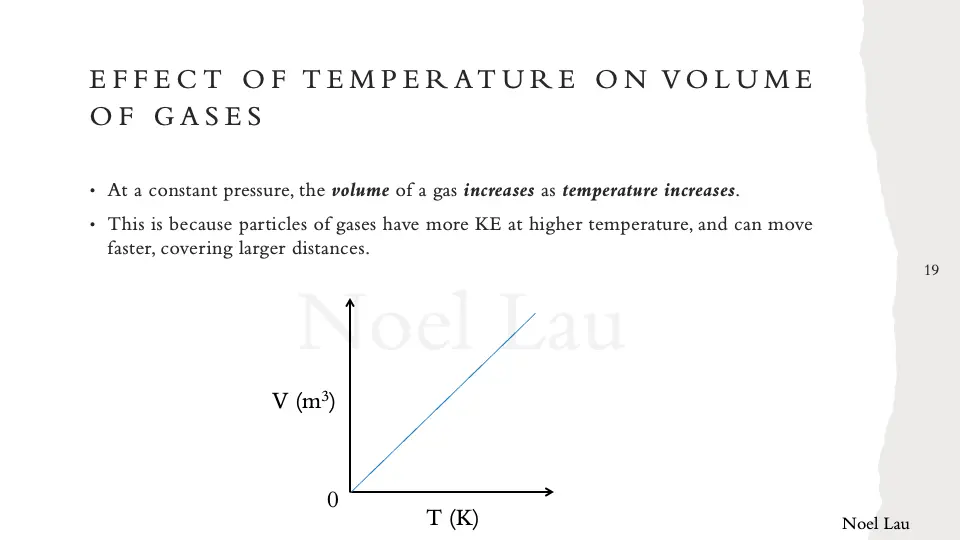
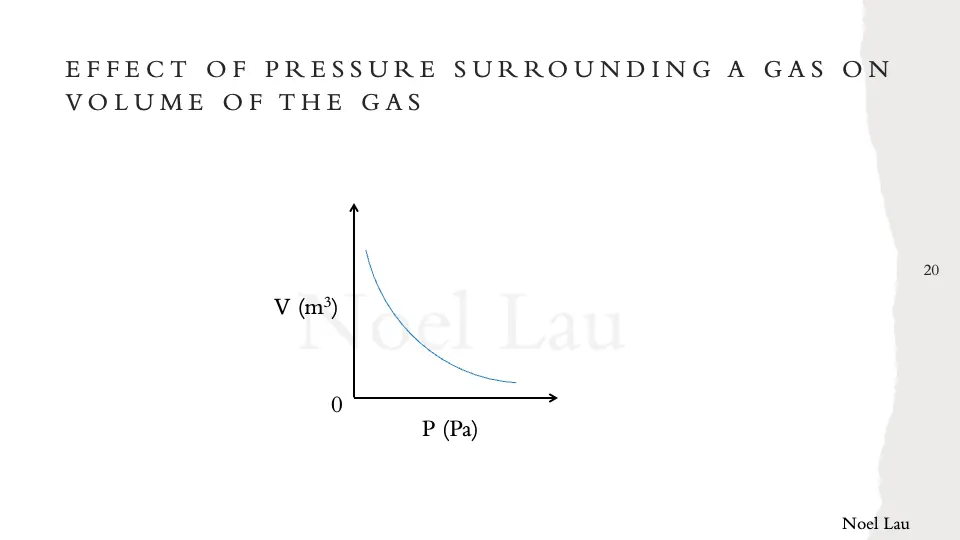
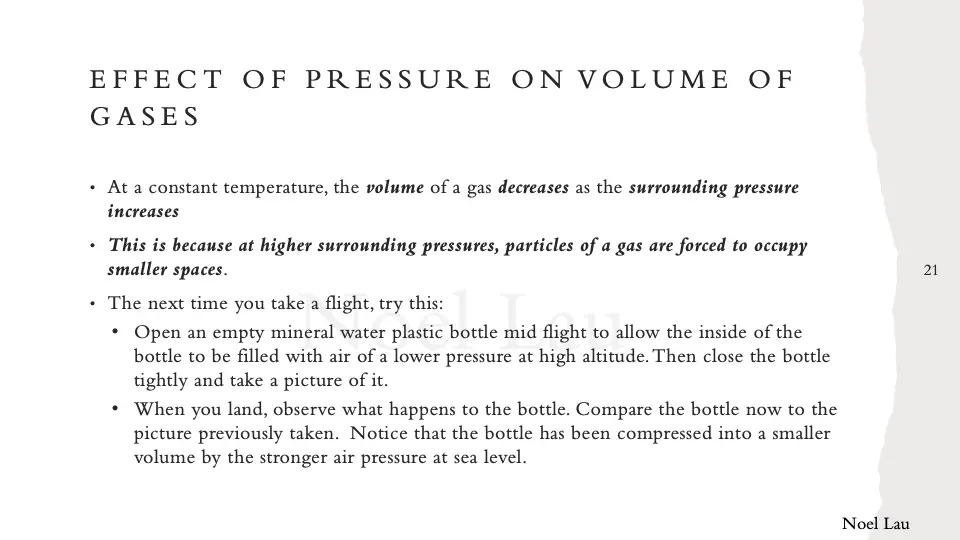
The influence of temperature and pressure on the volume of gases is examined from both a descriptive and theoretical viewpoint.
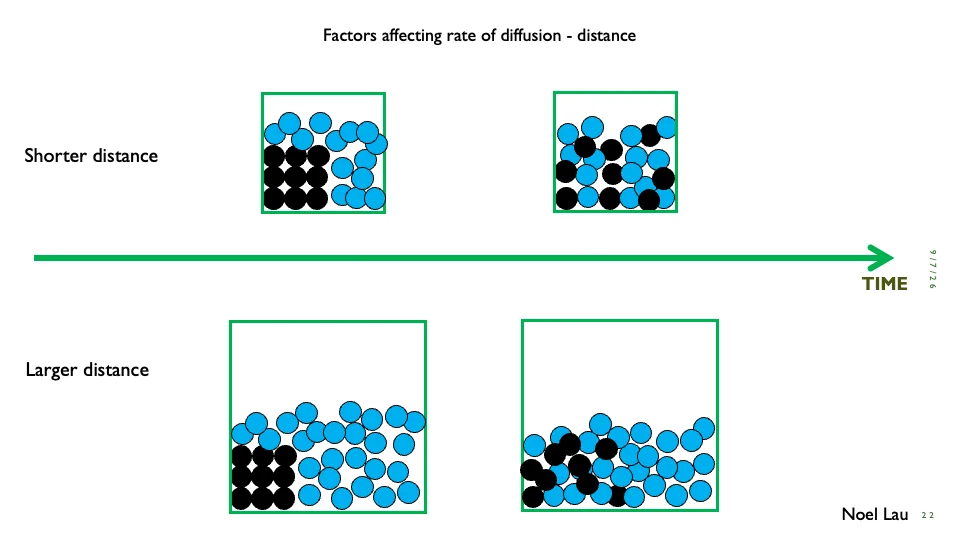
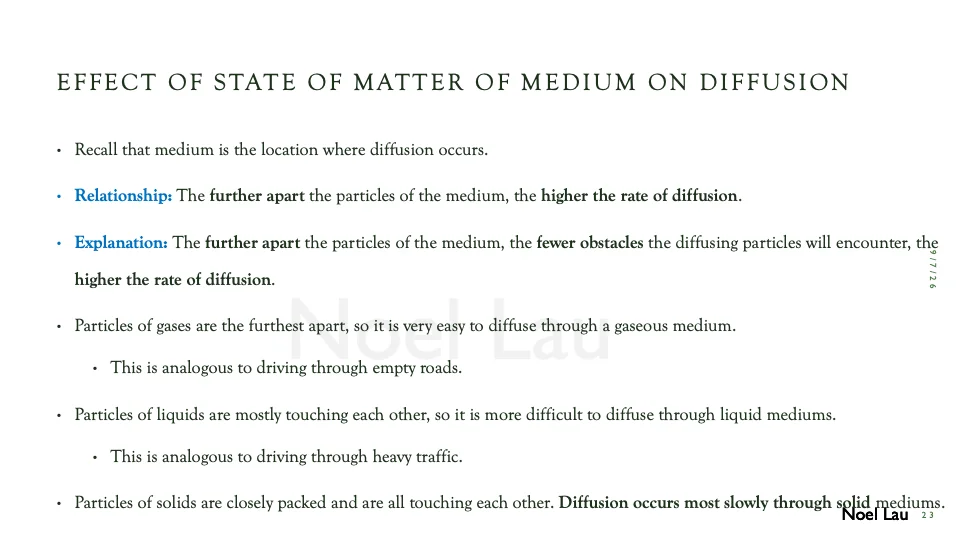
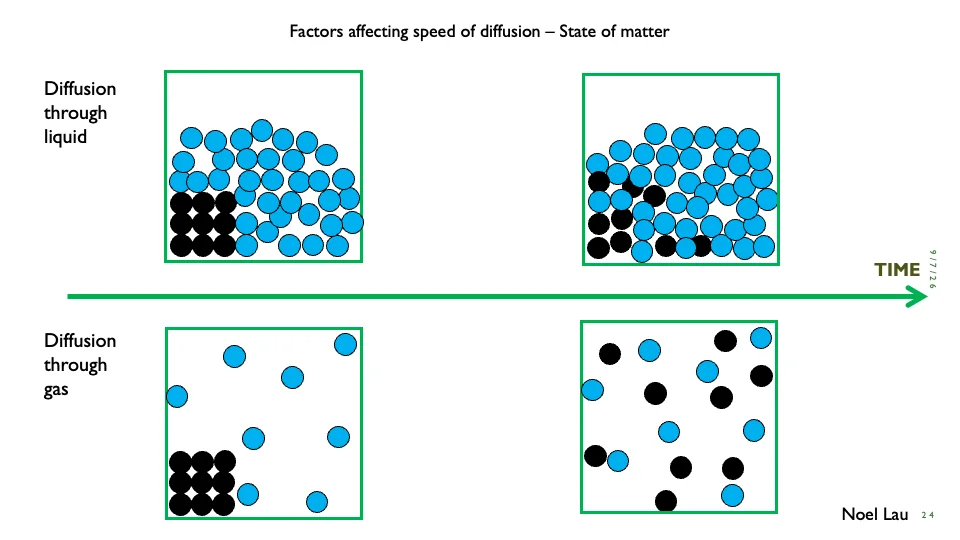
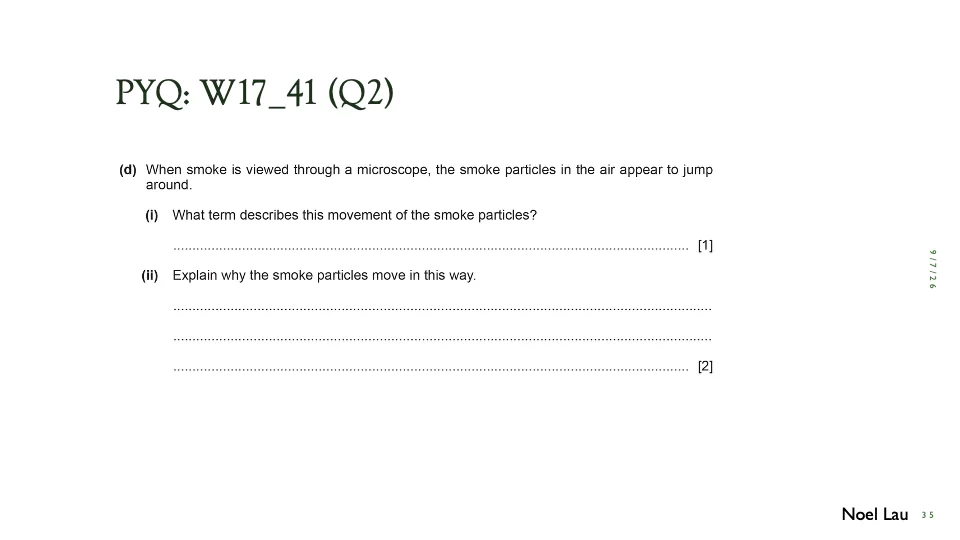
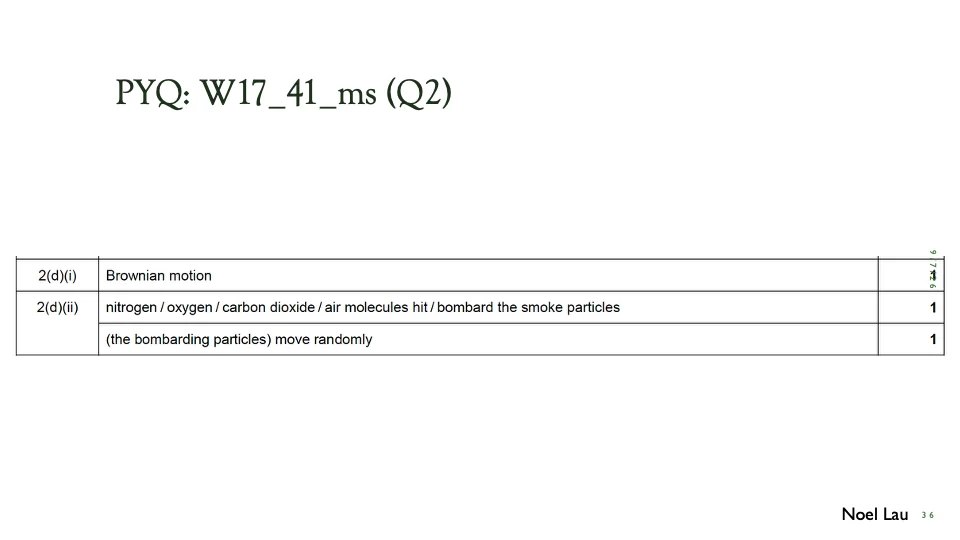
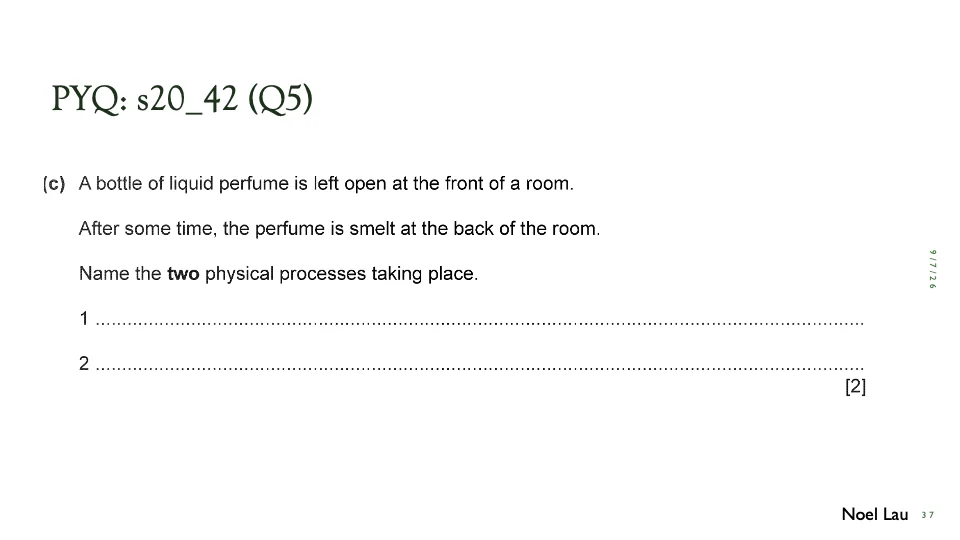
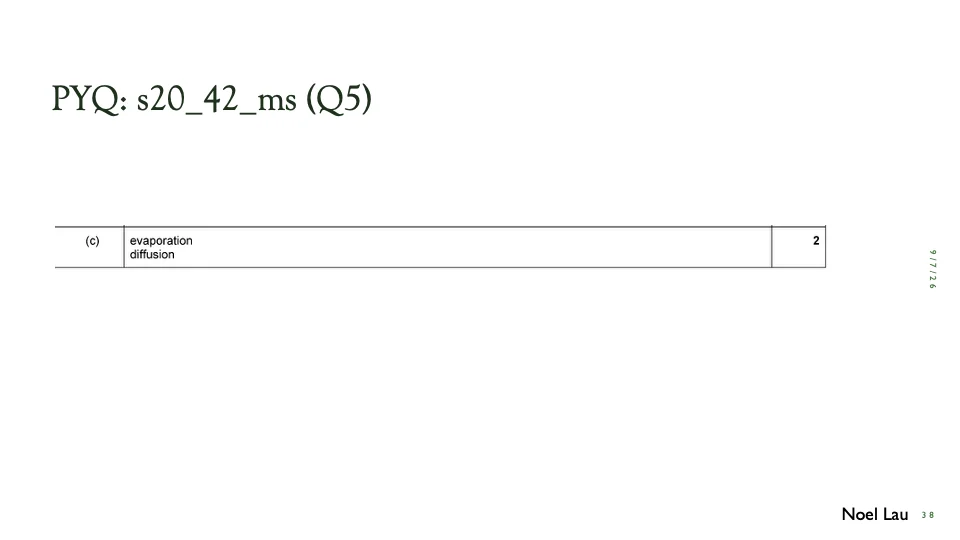
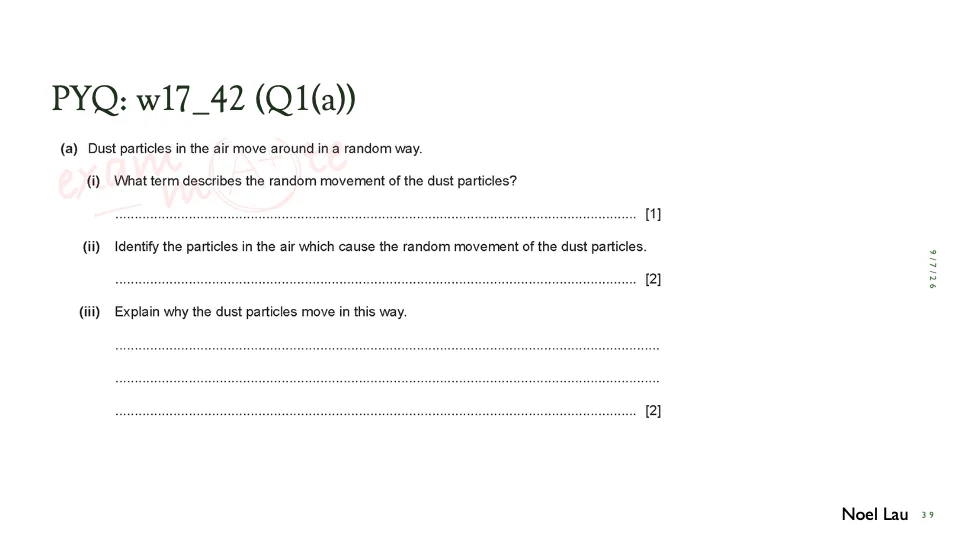
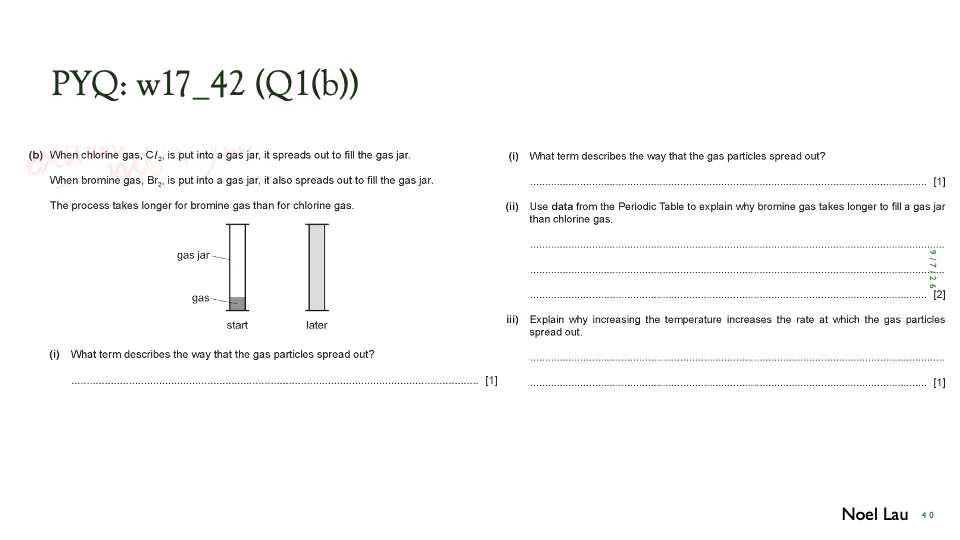
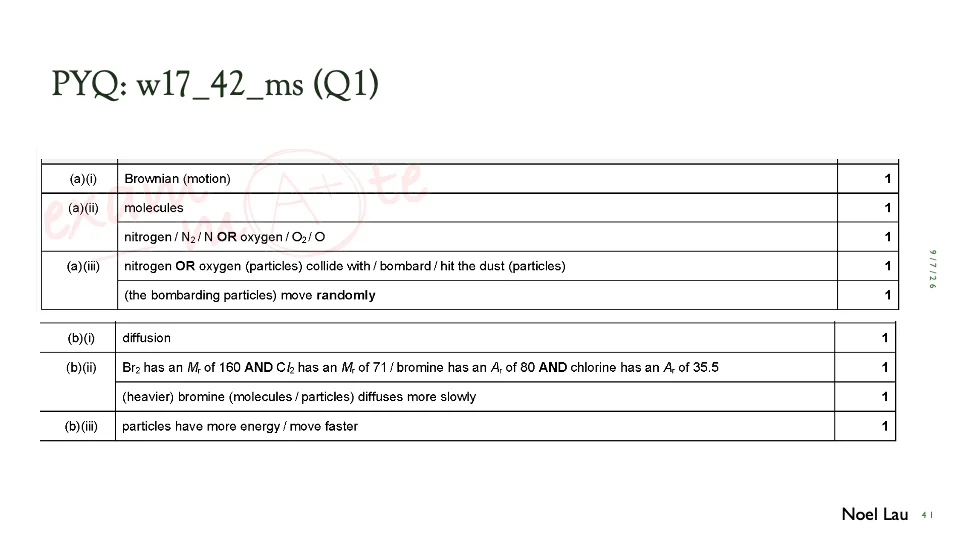
The chapter also investigates diffusion, explaining how particles spread out due to random motion, and how the relative molecular mass of gases affects the rate of diffusion.
Together, these ideas provide a foundation for understanding how matter behaves in different physical conditions.
PowerPoint




Introduction (1.2 Diffusion)
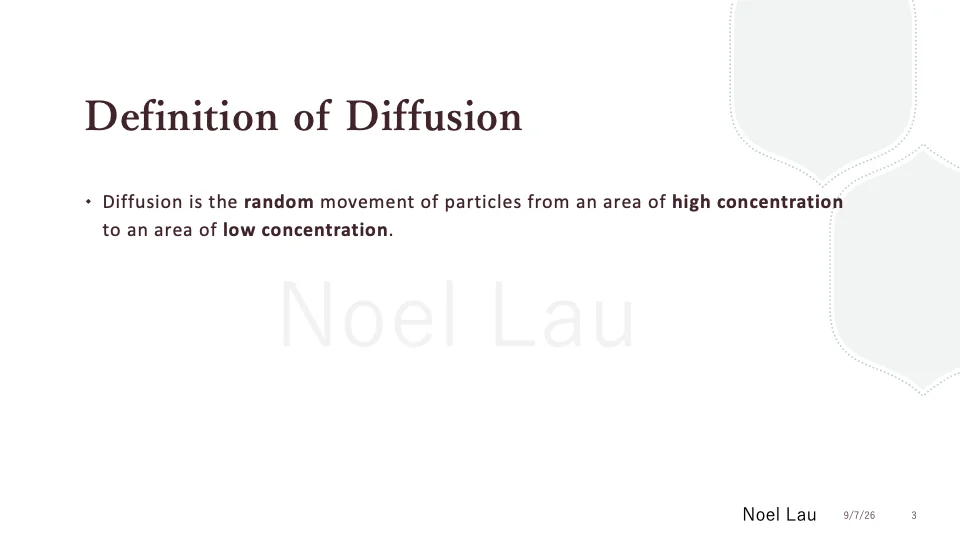
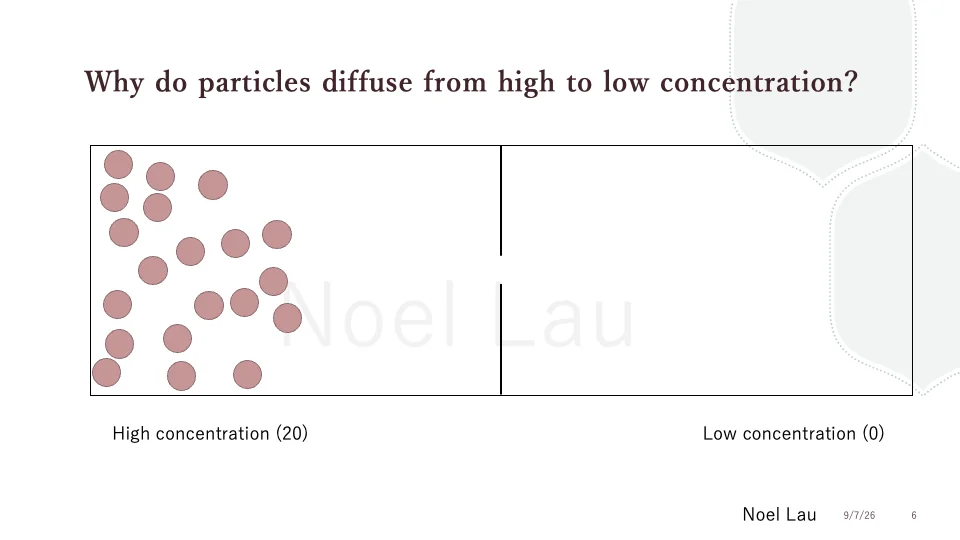
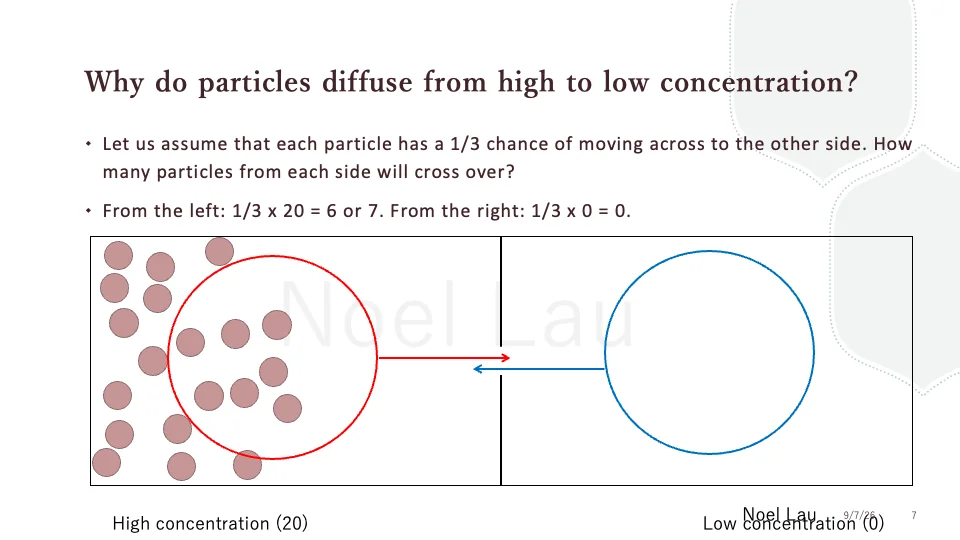
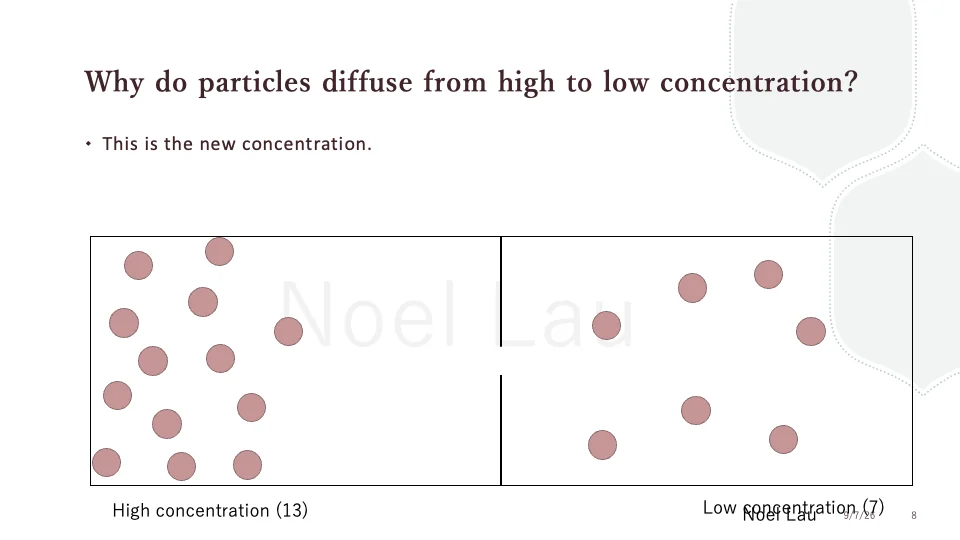
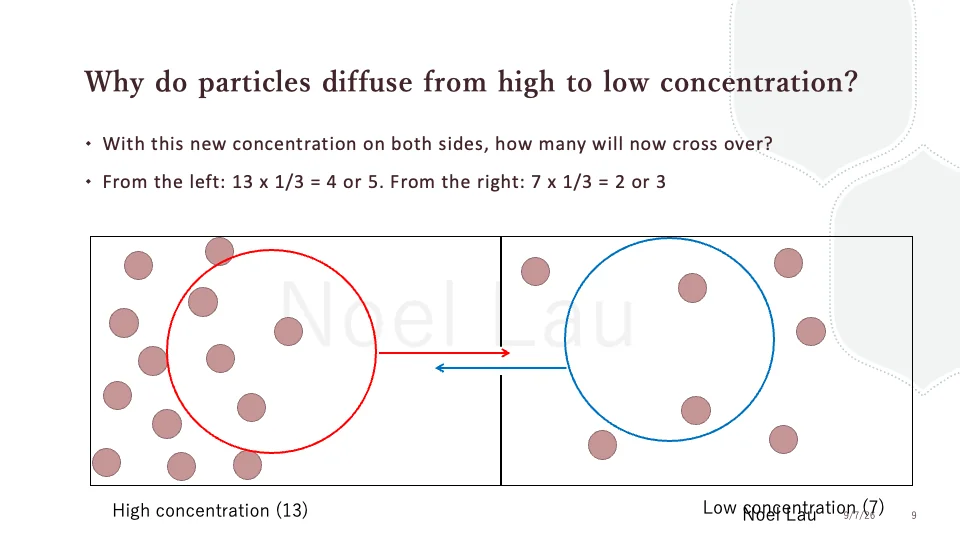
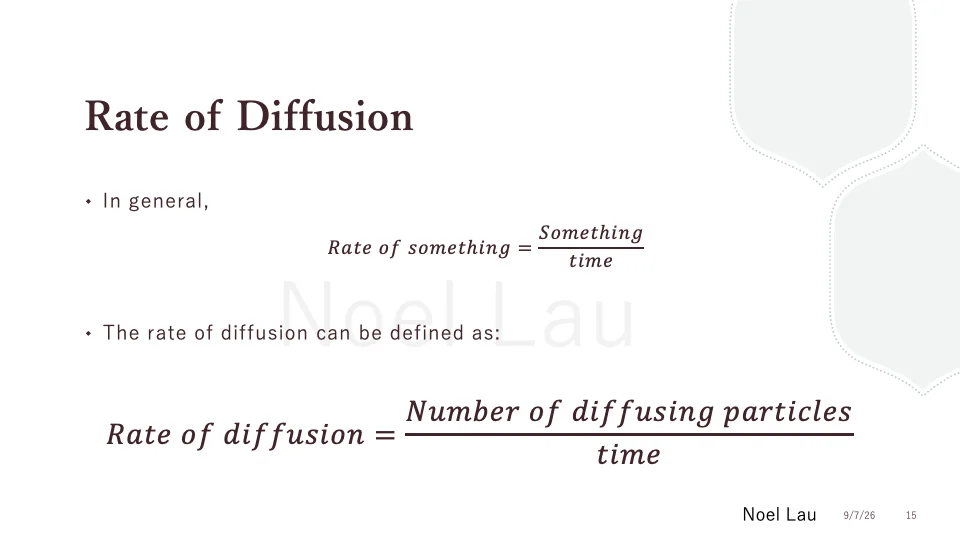
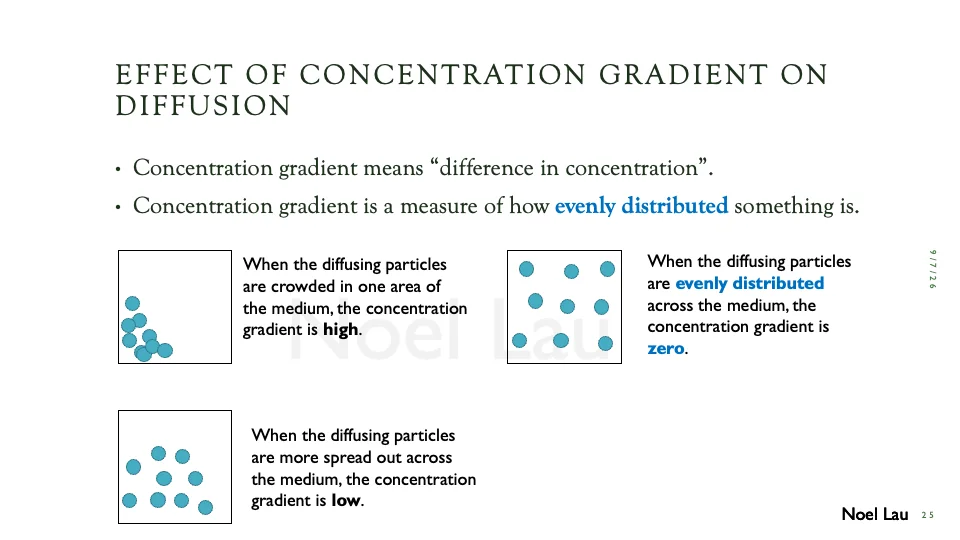
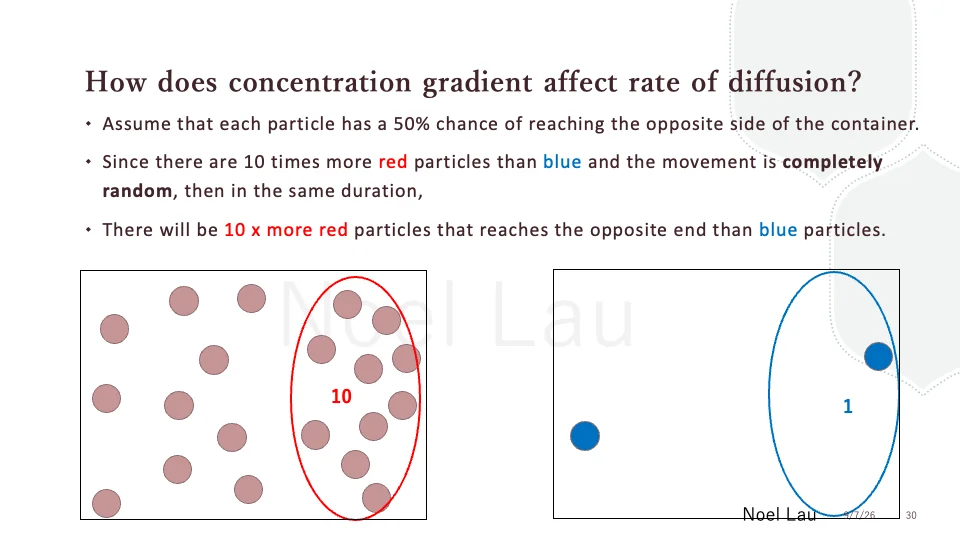
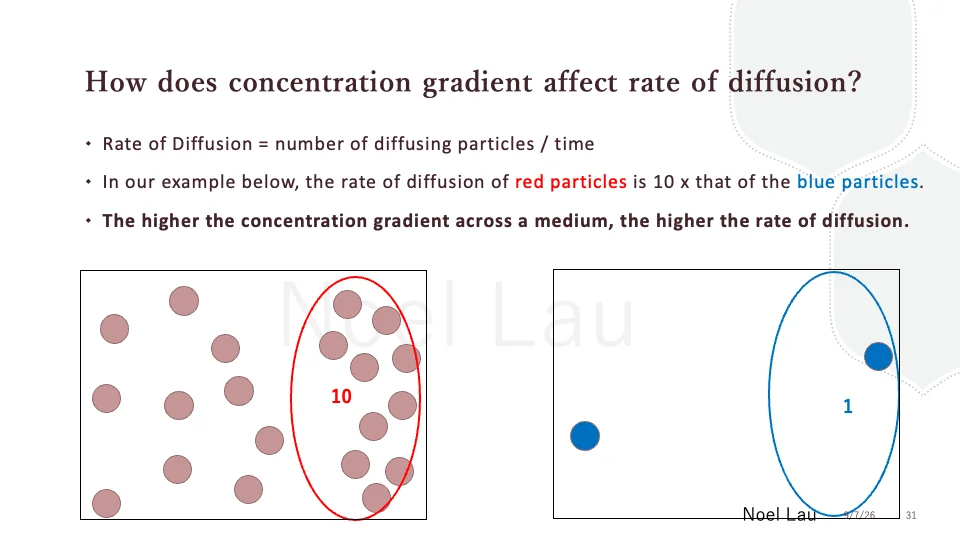
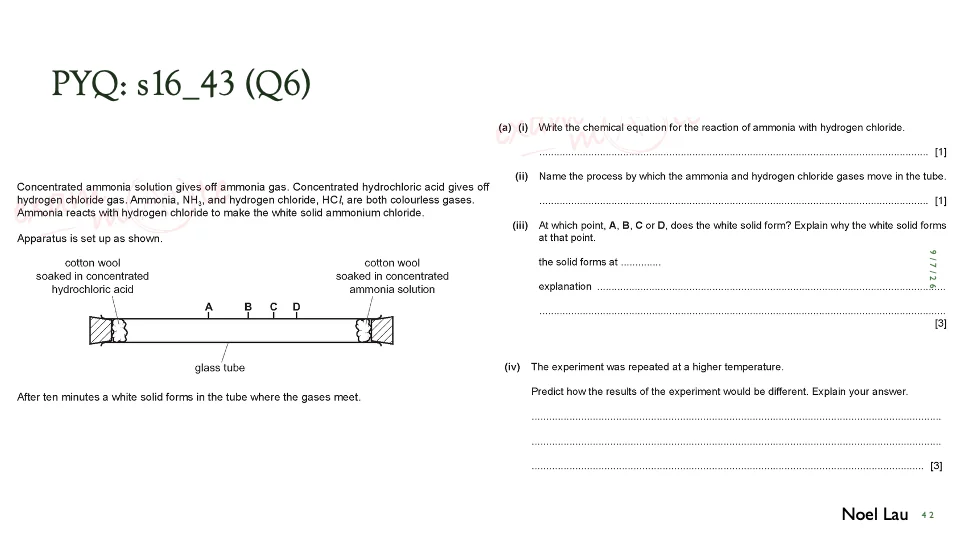
This section introduces the idea of diffusion, which is the natural spreading of particles from an area of higher concentration to an area of lower concentration.
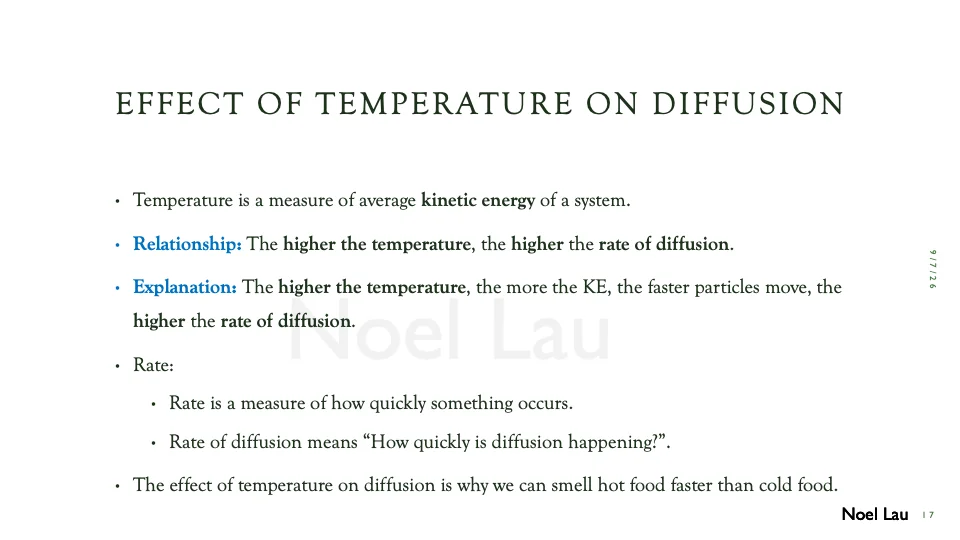
Students will learn how diffusion can be explained using kinetic particle theory, which describes how particles are always moving and colliding.
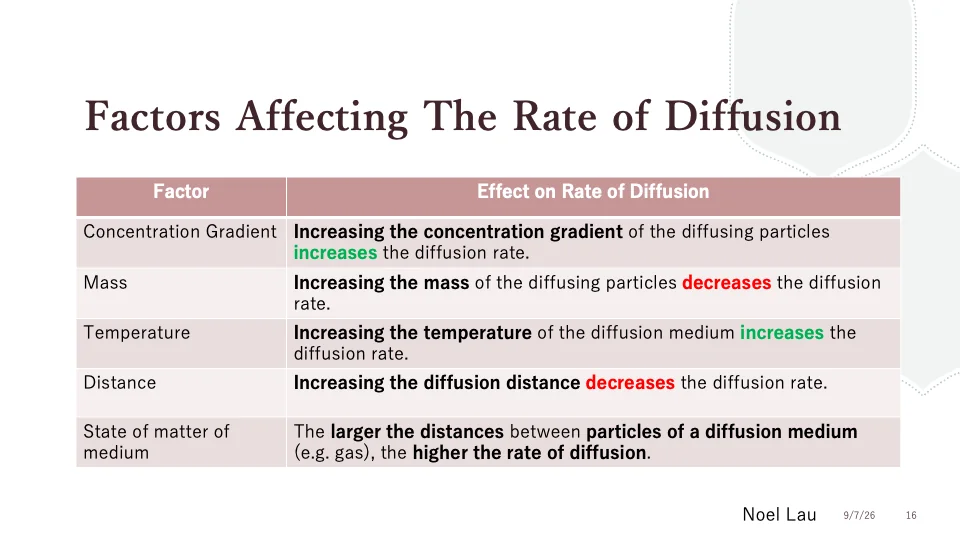
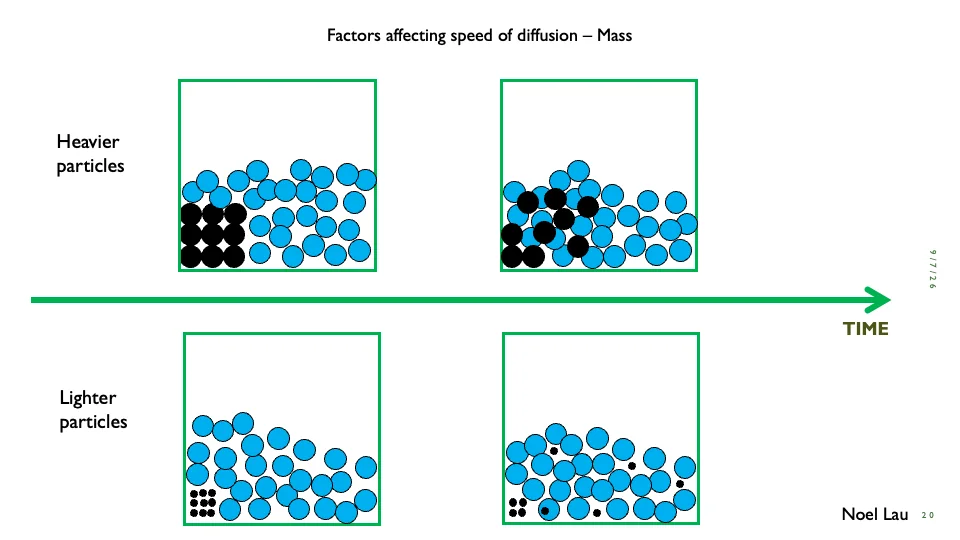
The chapter also explores why gases with different relative molecular masses diffuse at different rates, and how lighter gas particles move and spread more quickly than heavier ones.
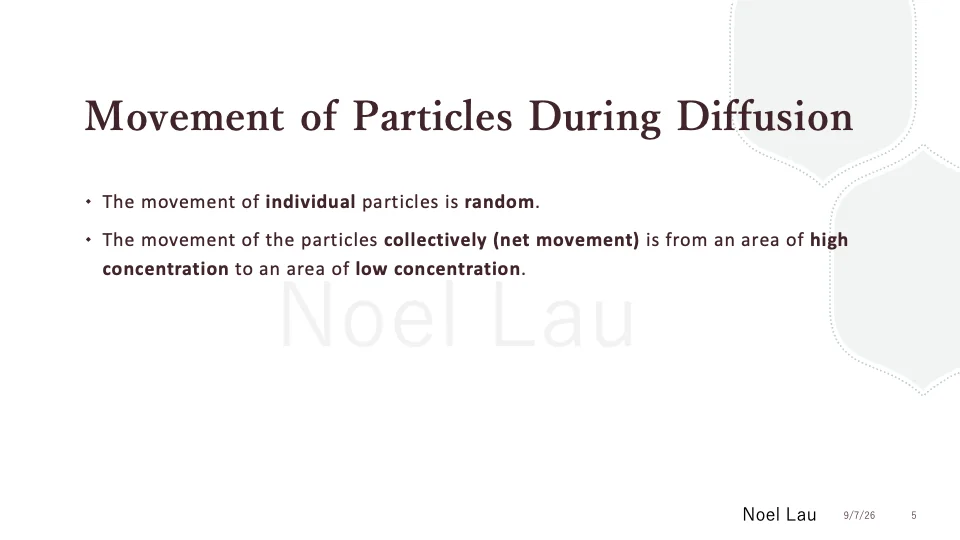
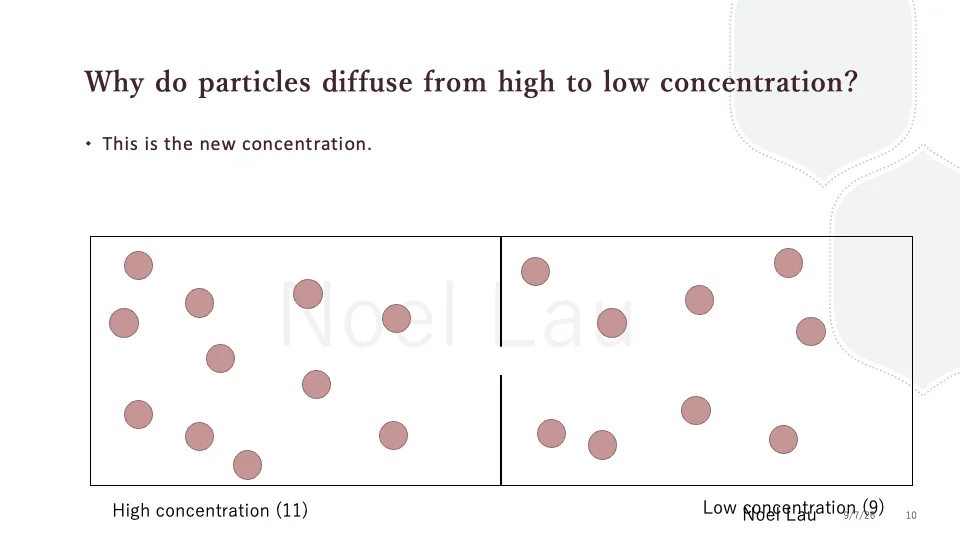
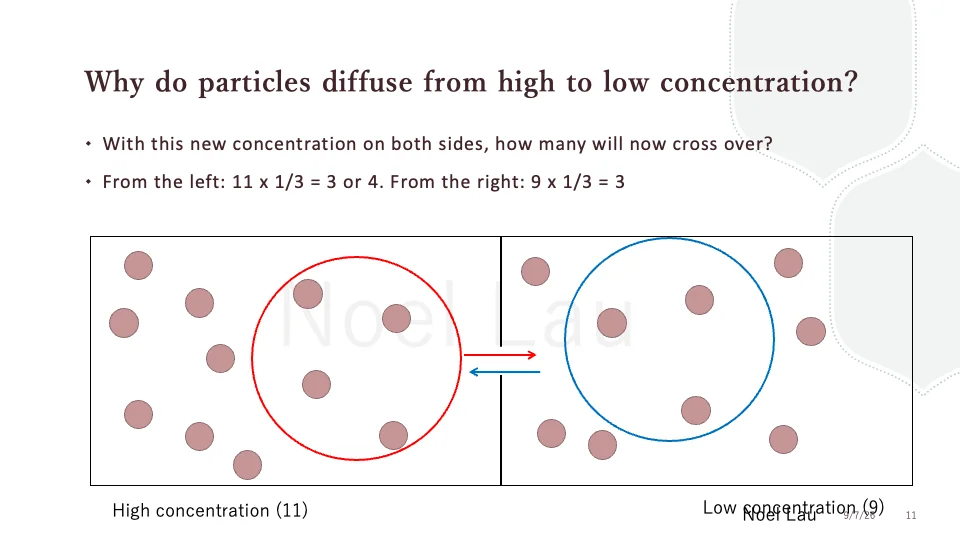
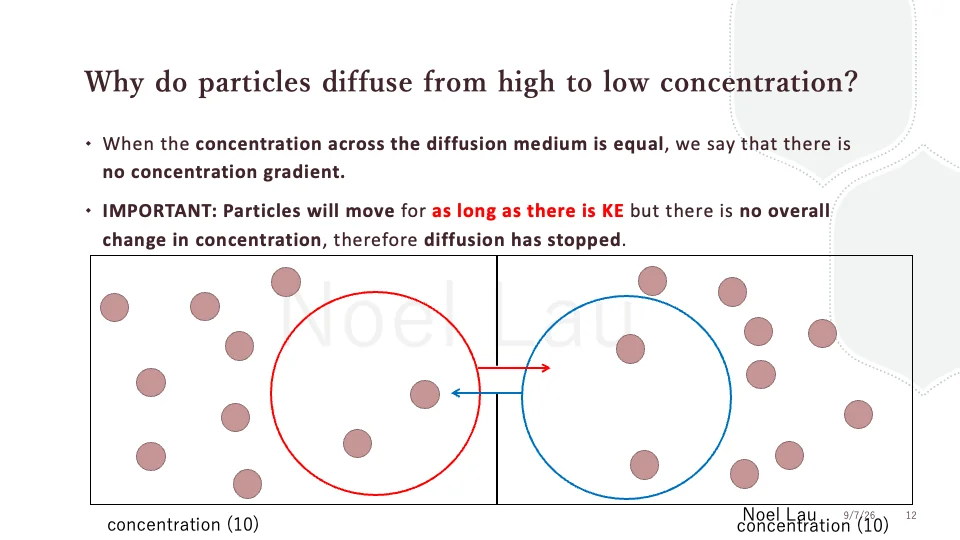
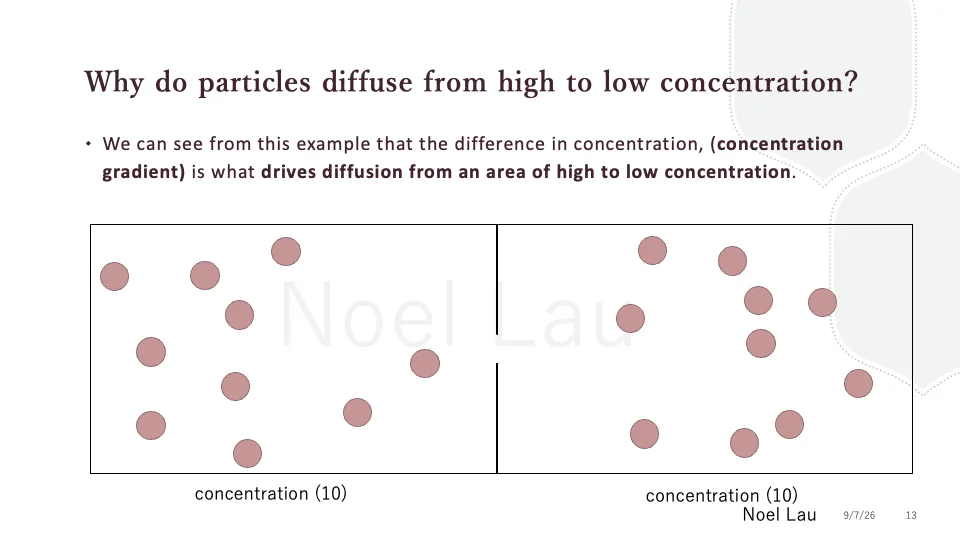
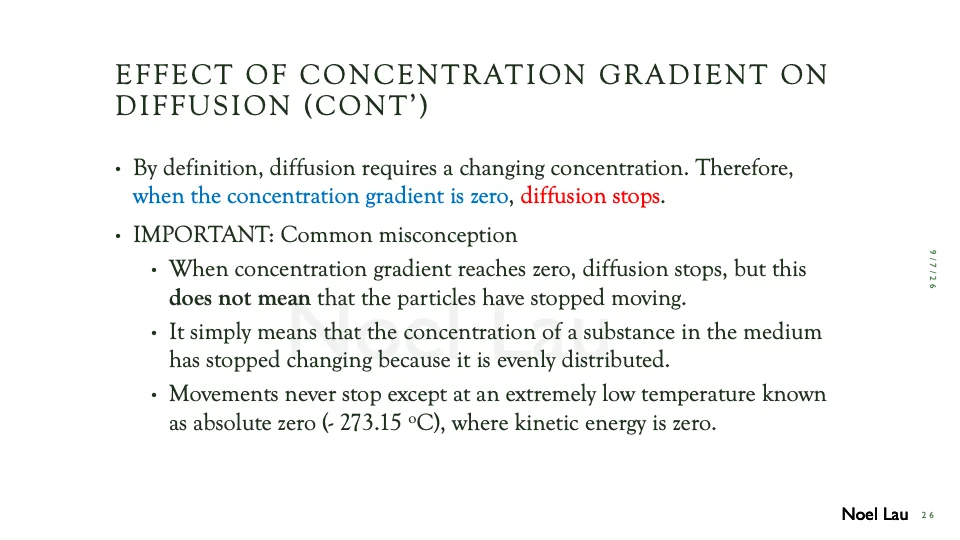
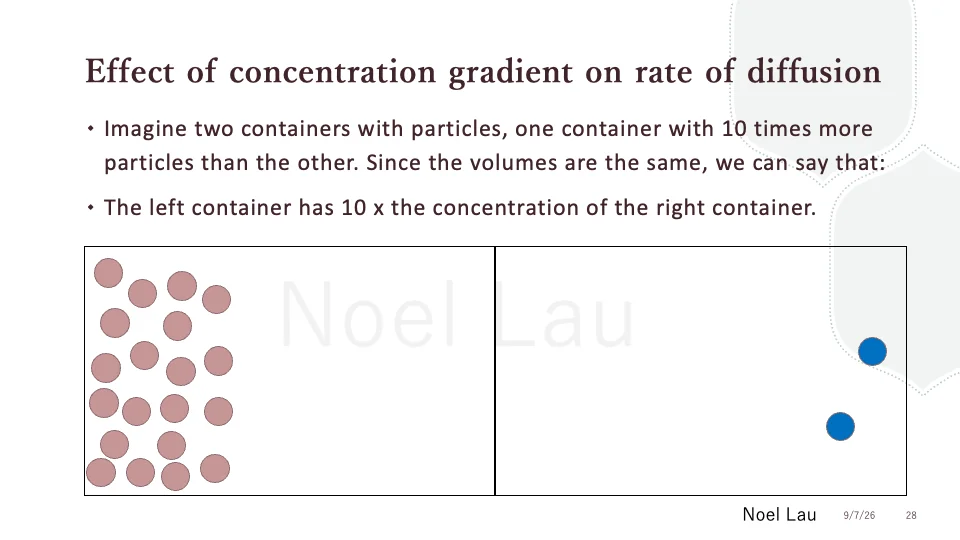
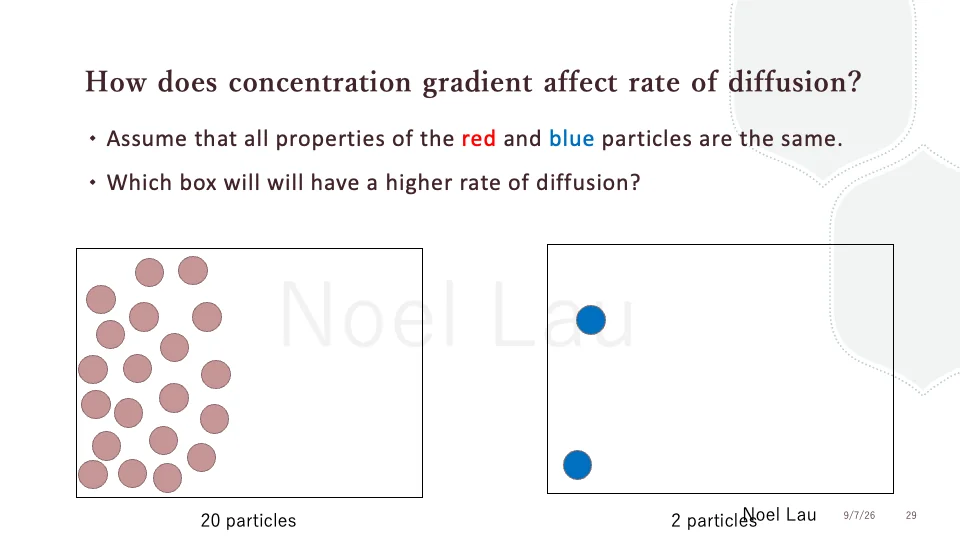
In this chapter, we will also discuss the mechanism behind how particles diffuse down their concentration gradients.