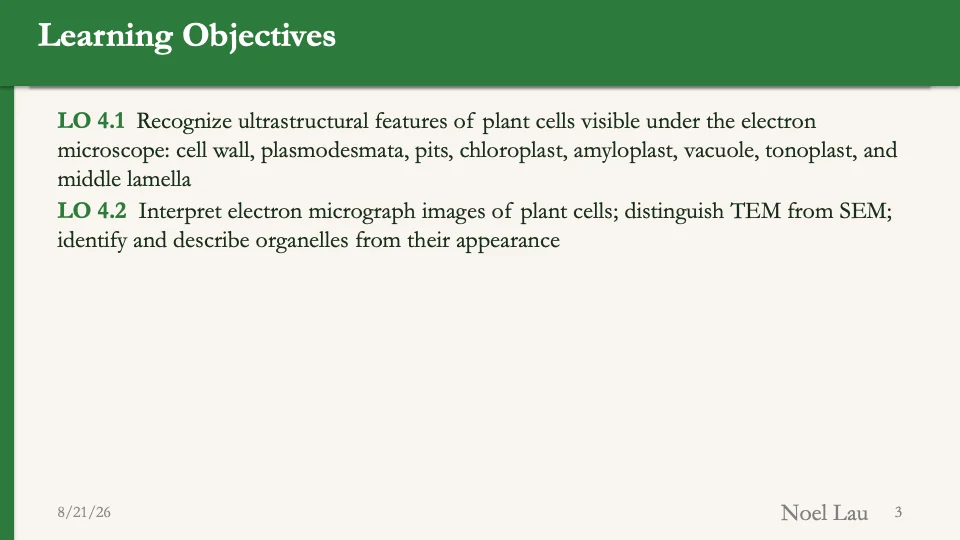
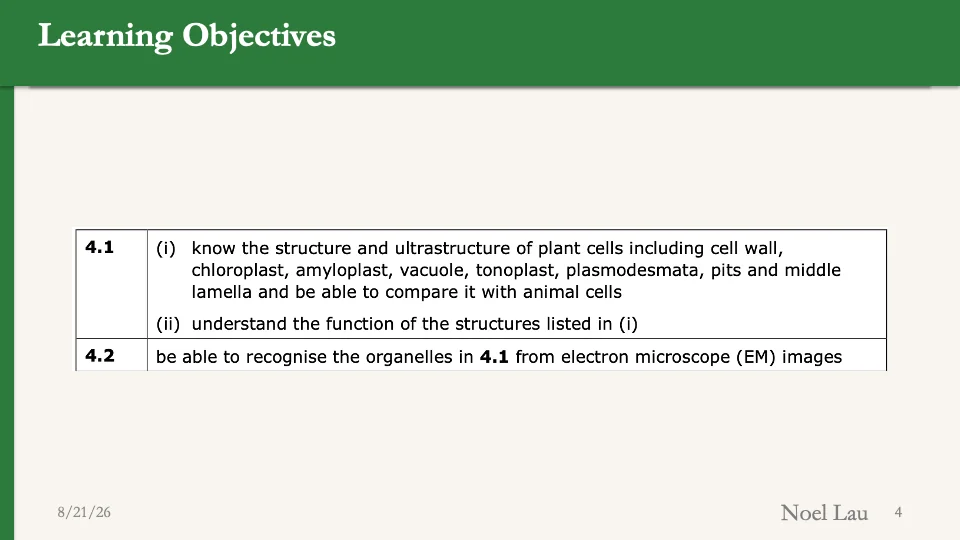
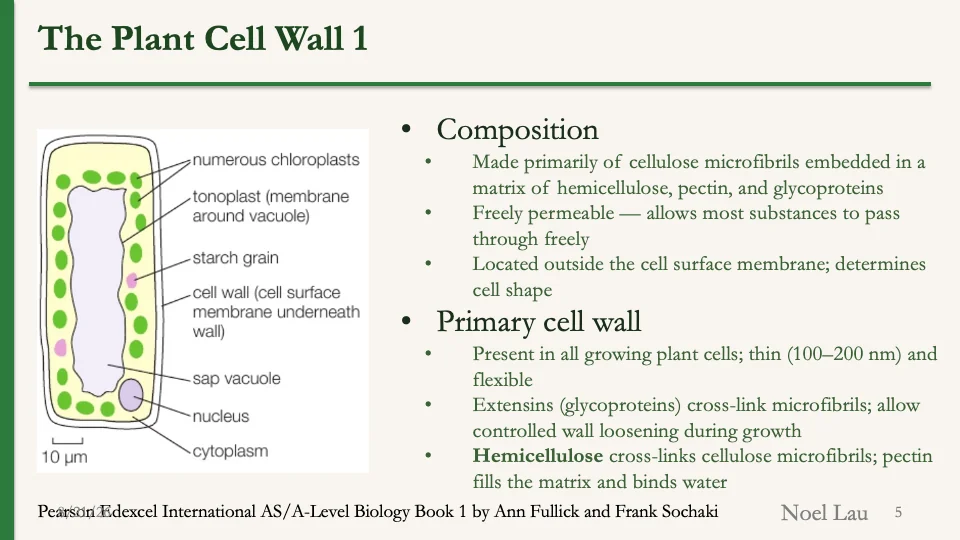
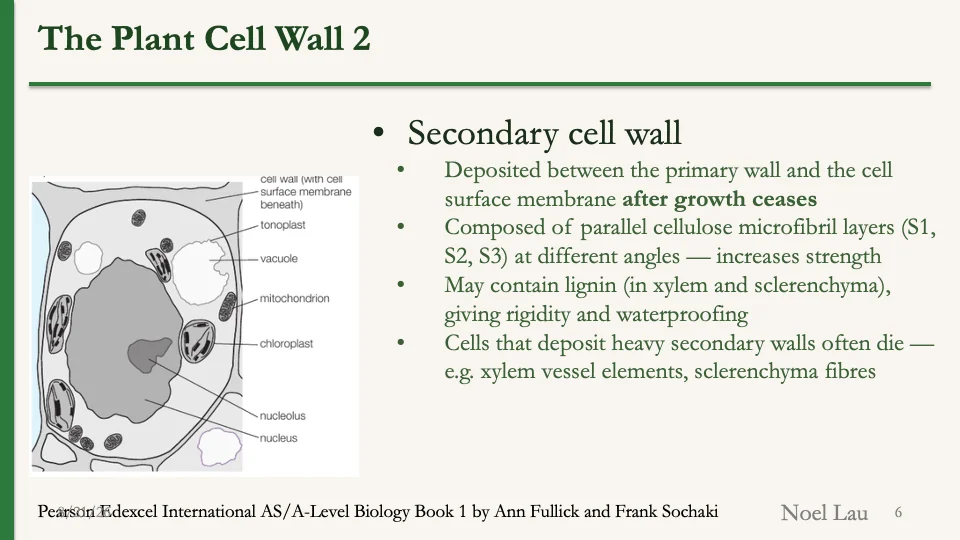
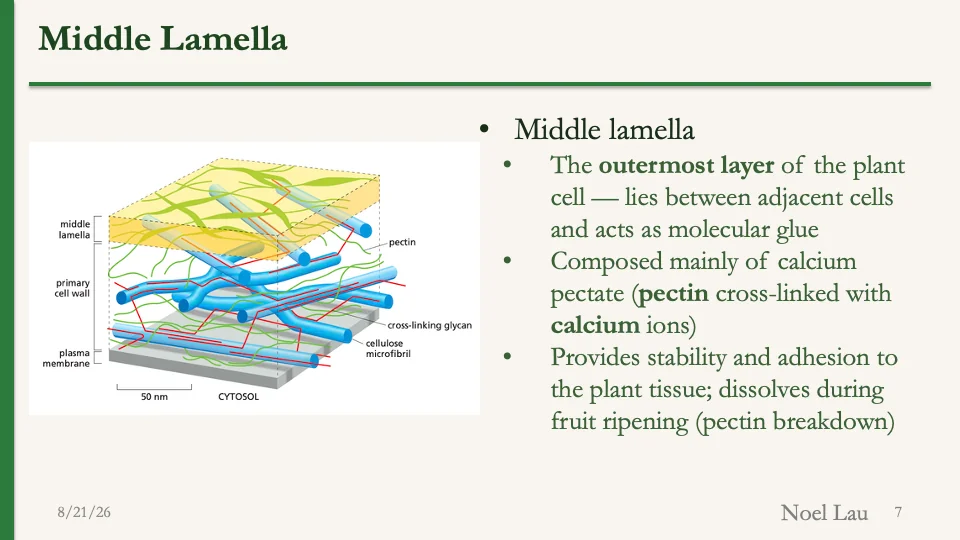
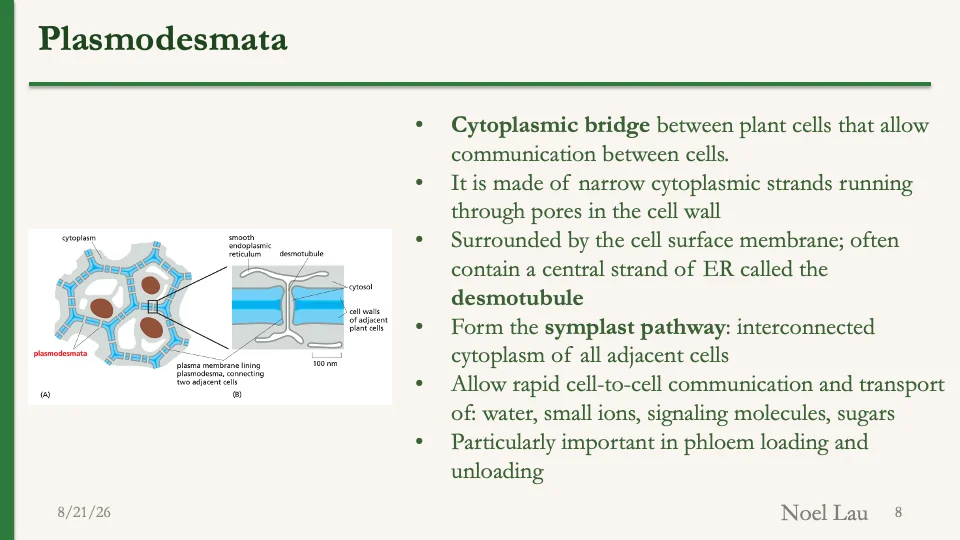
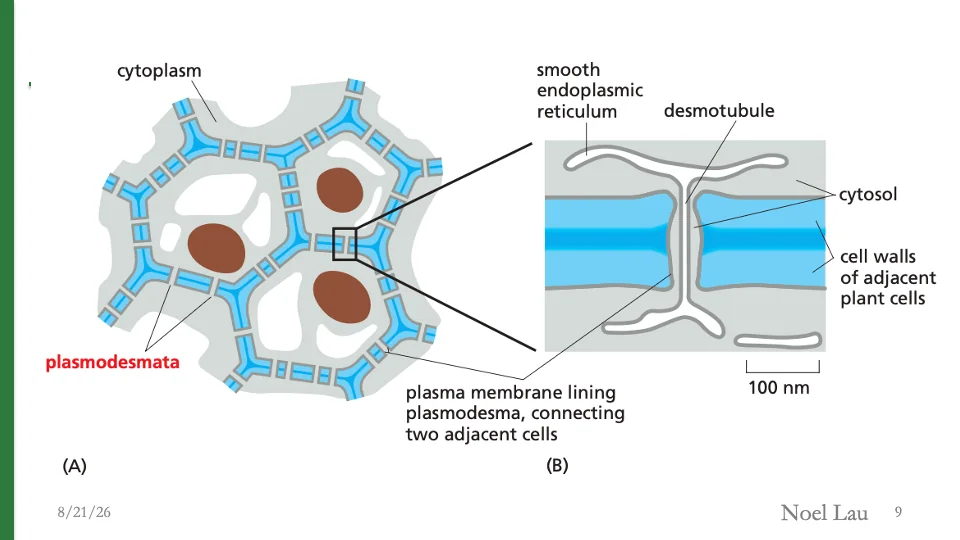
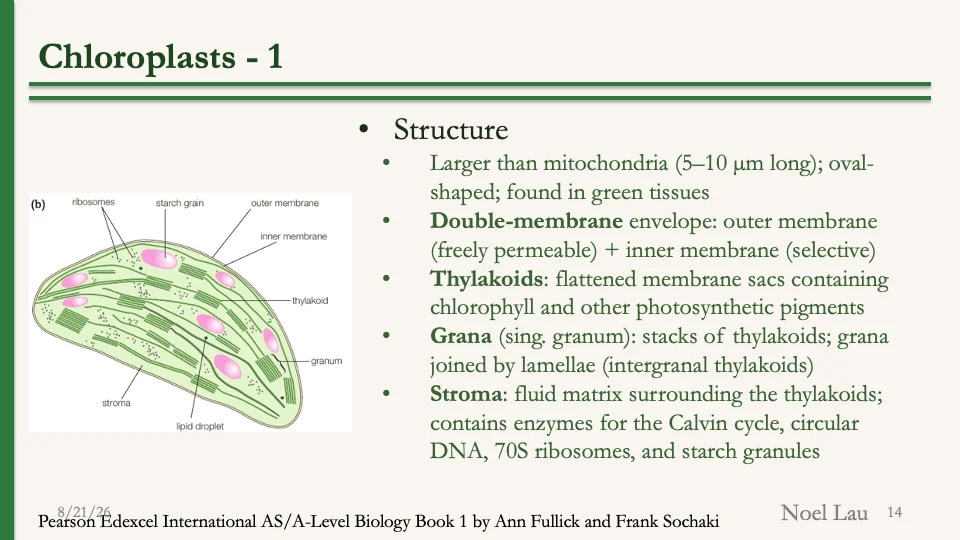
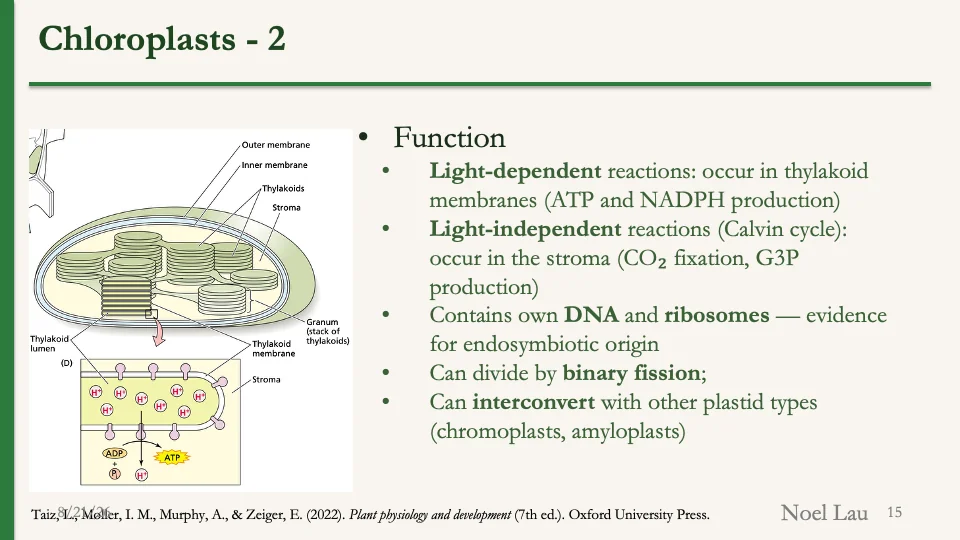
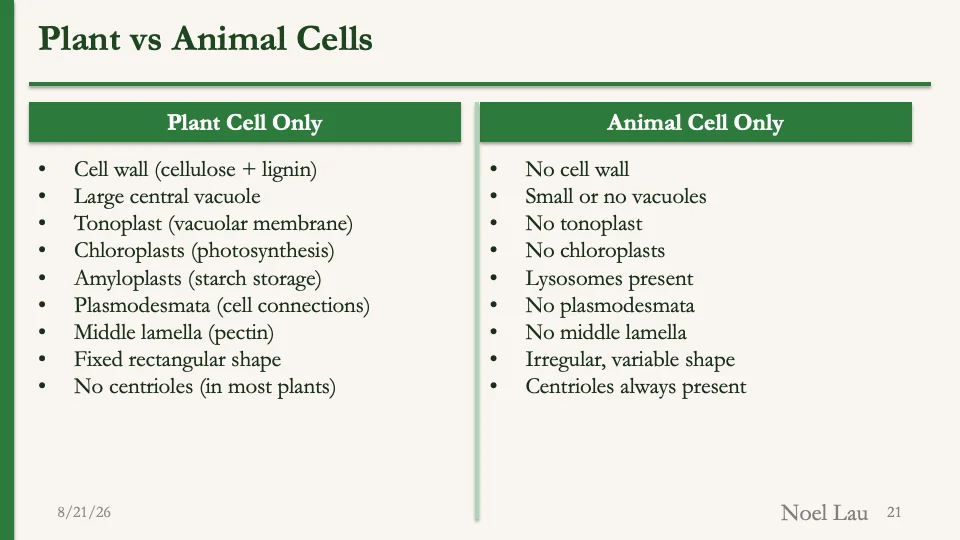
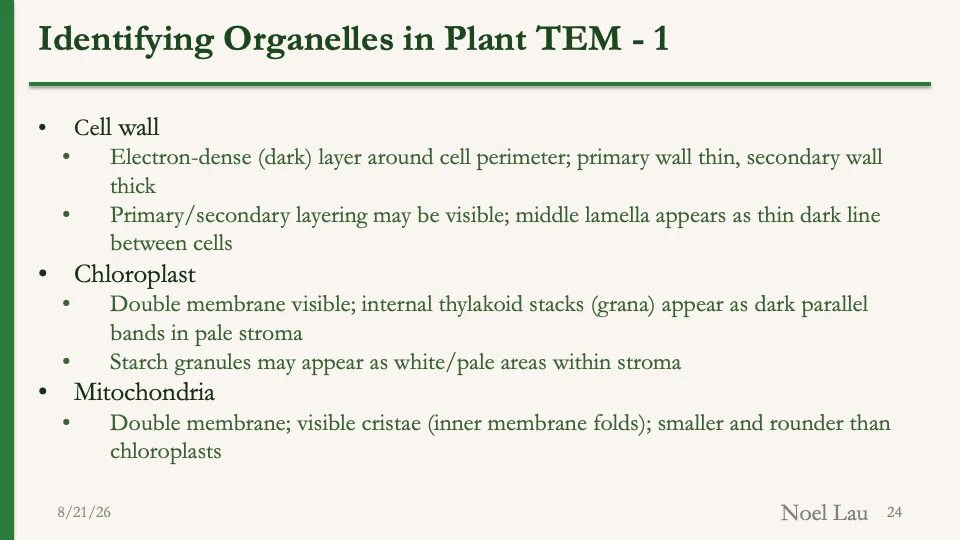
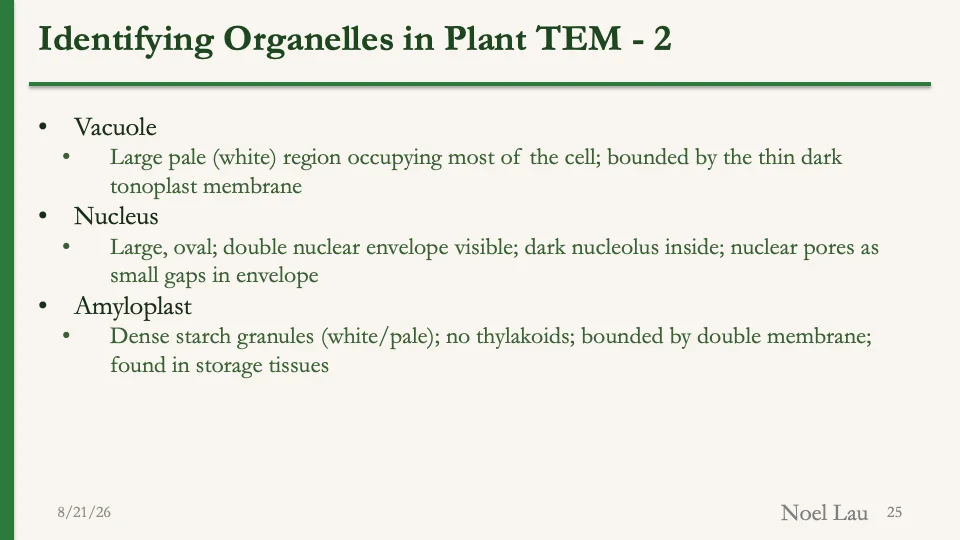
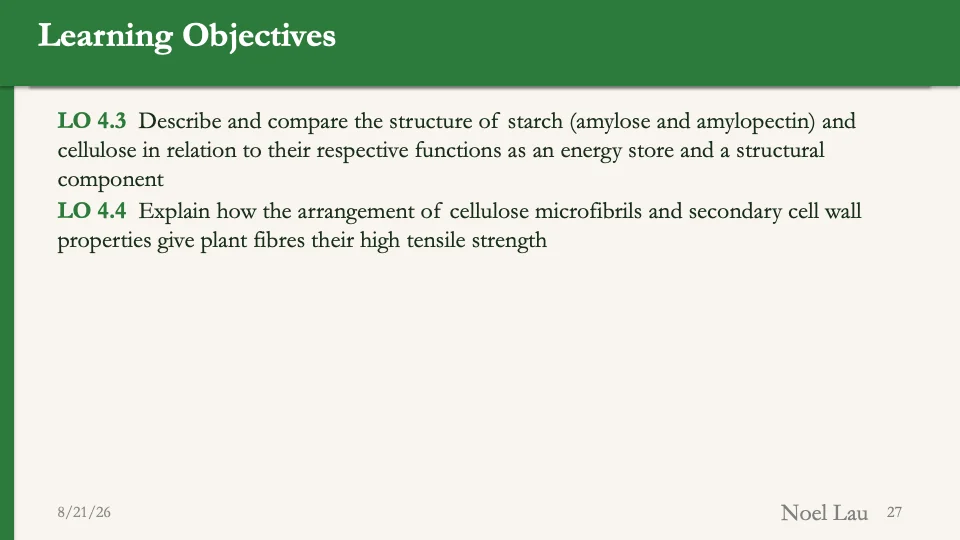
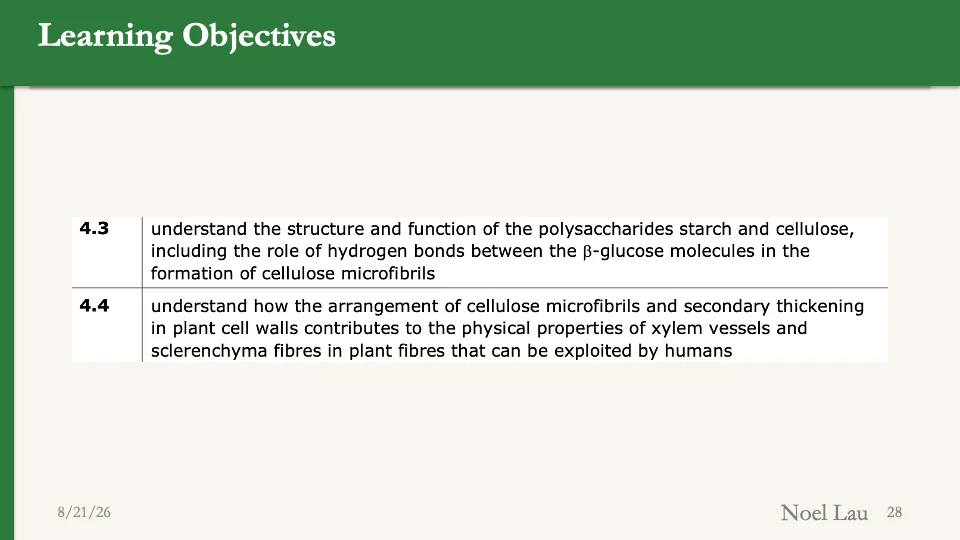
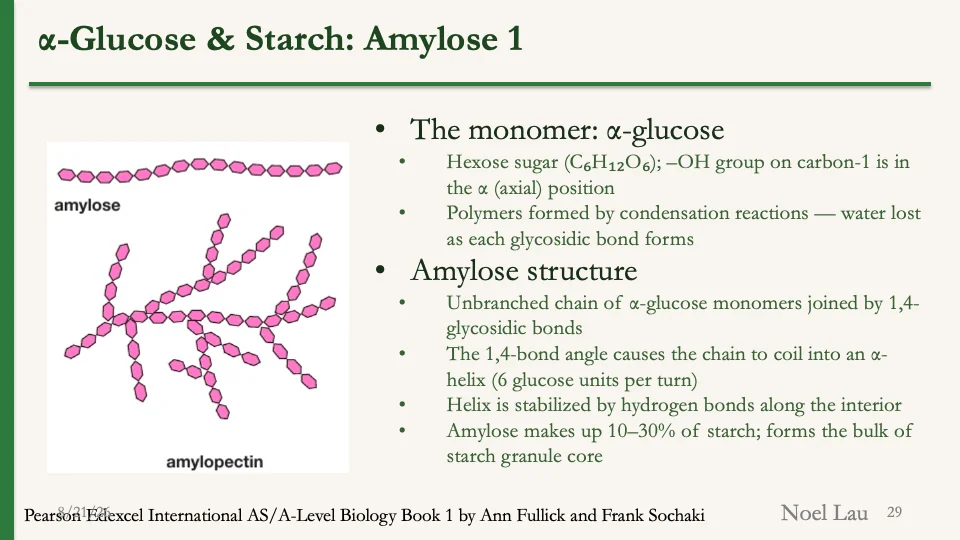
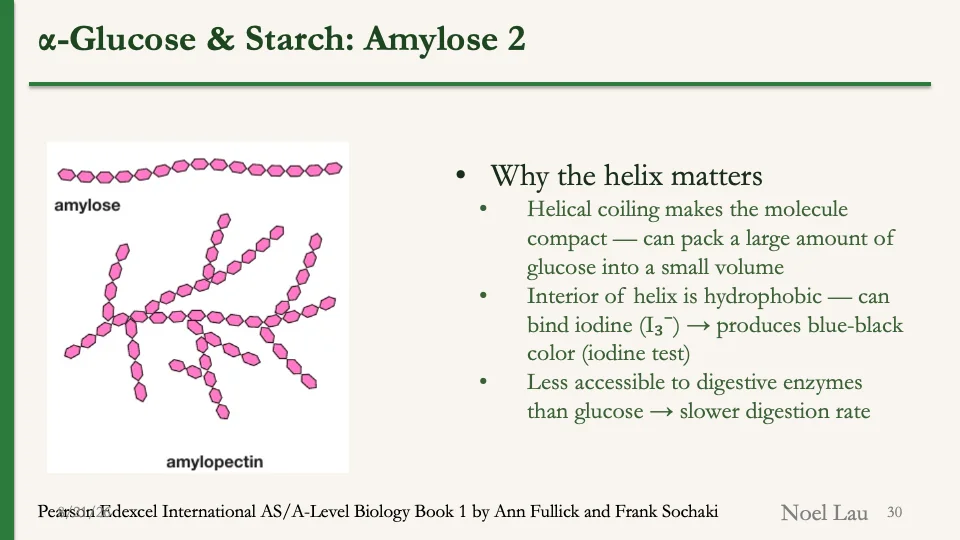
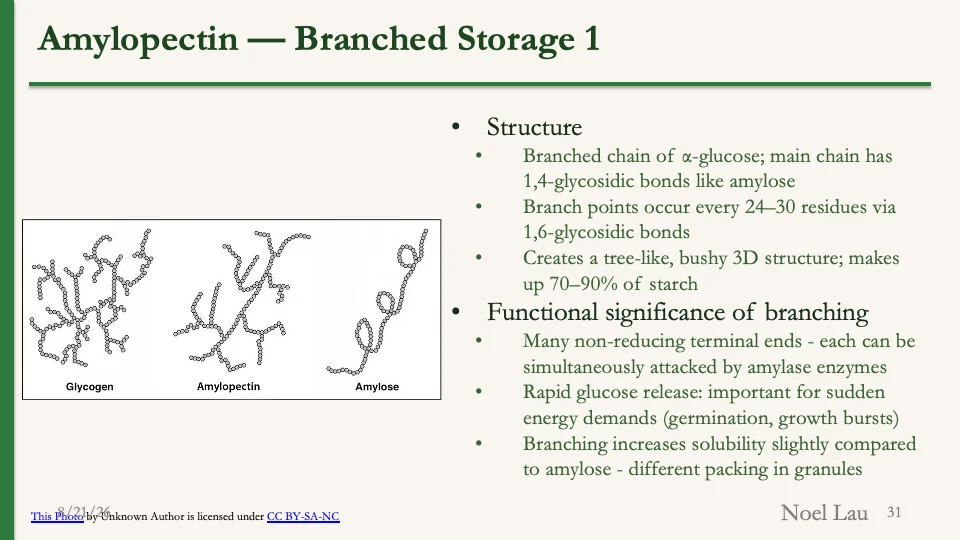
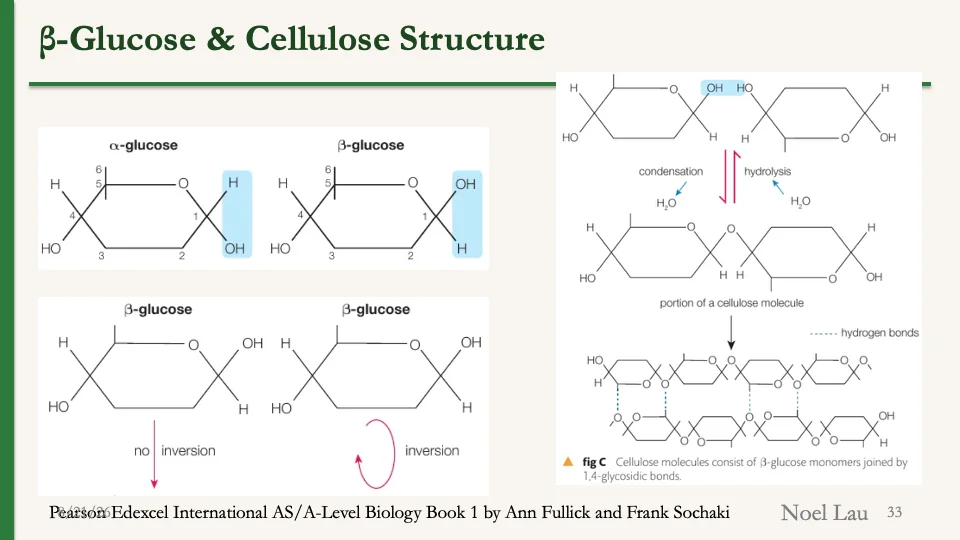
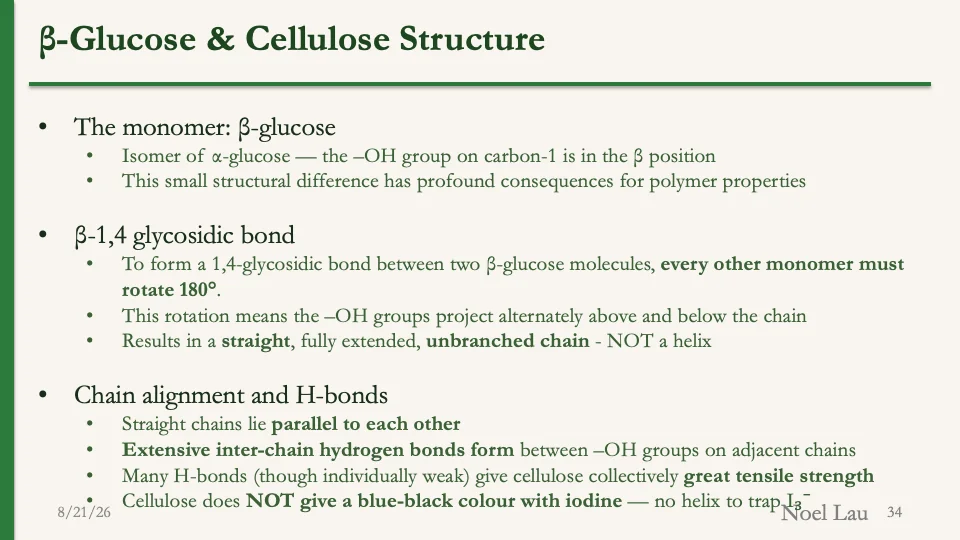
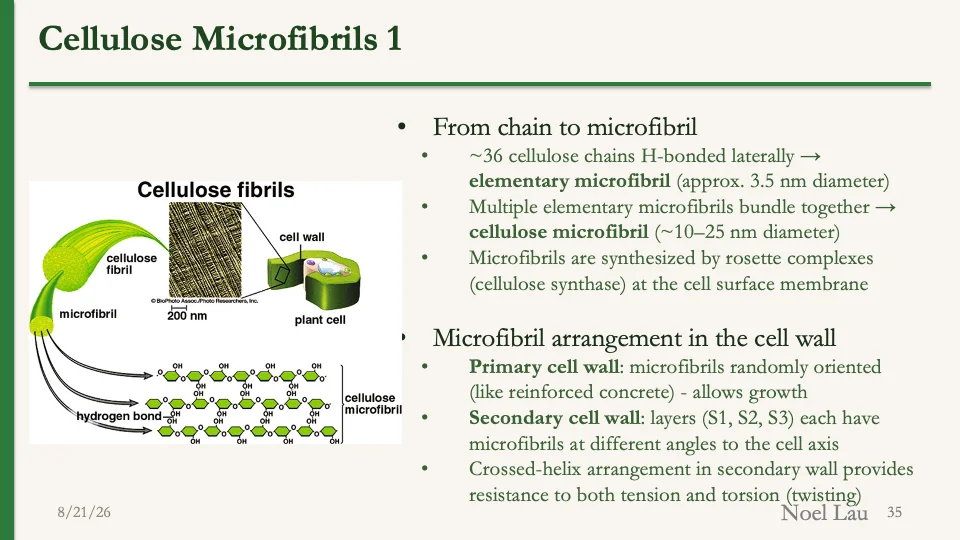
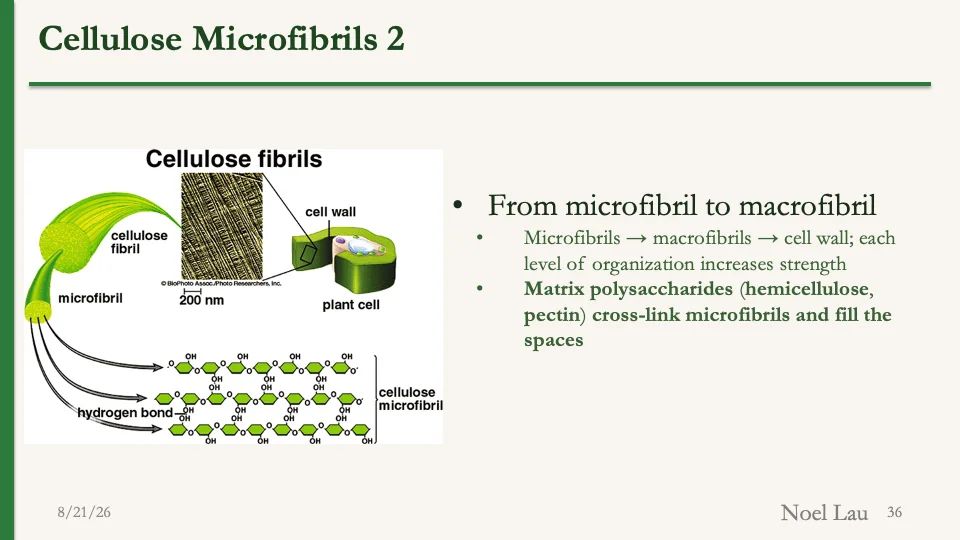
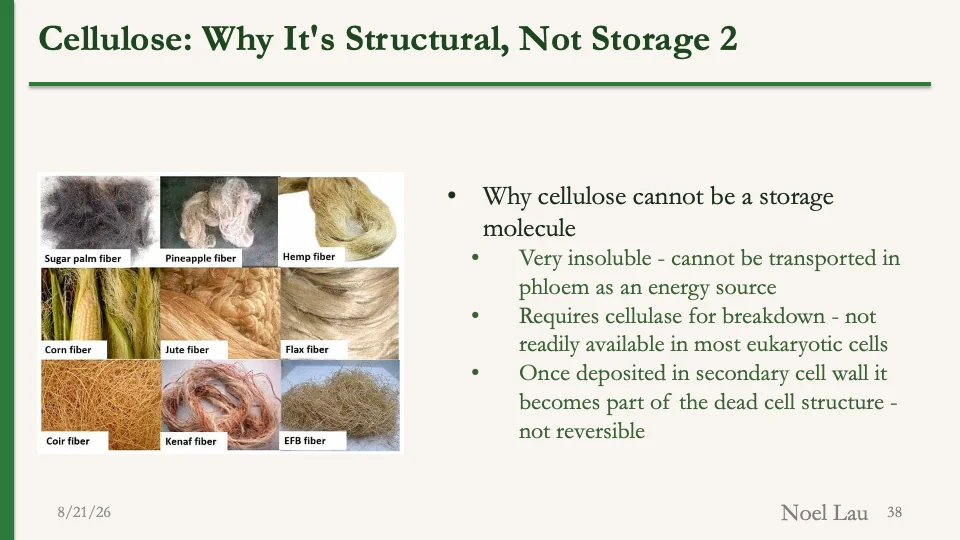
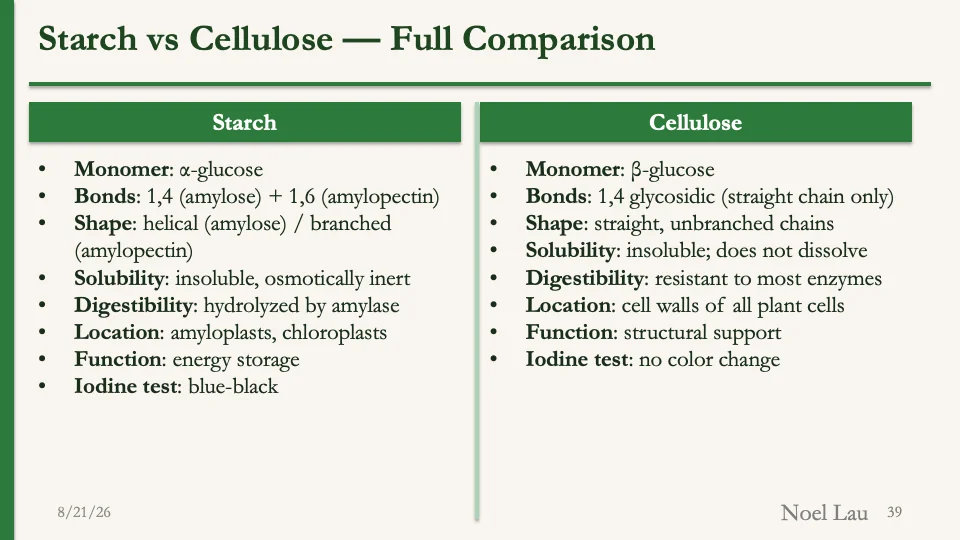
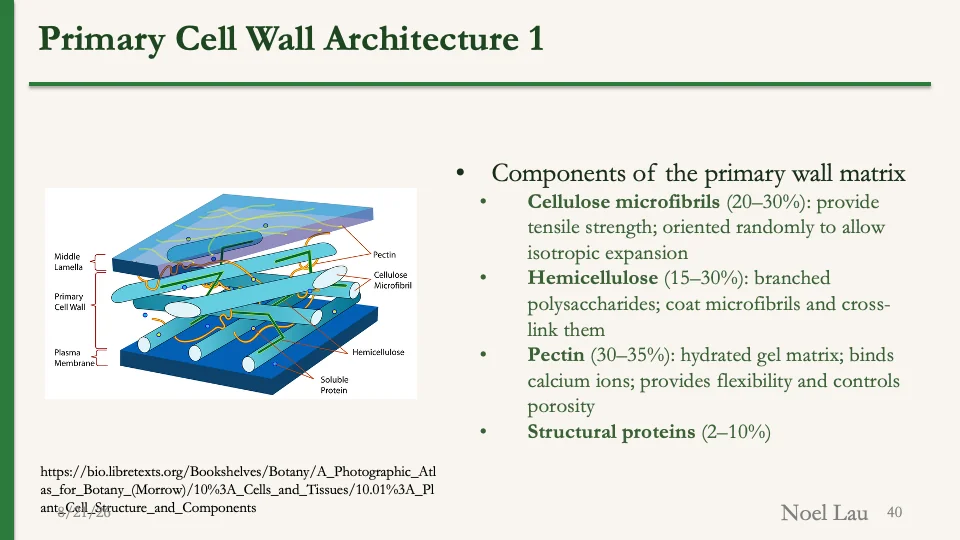
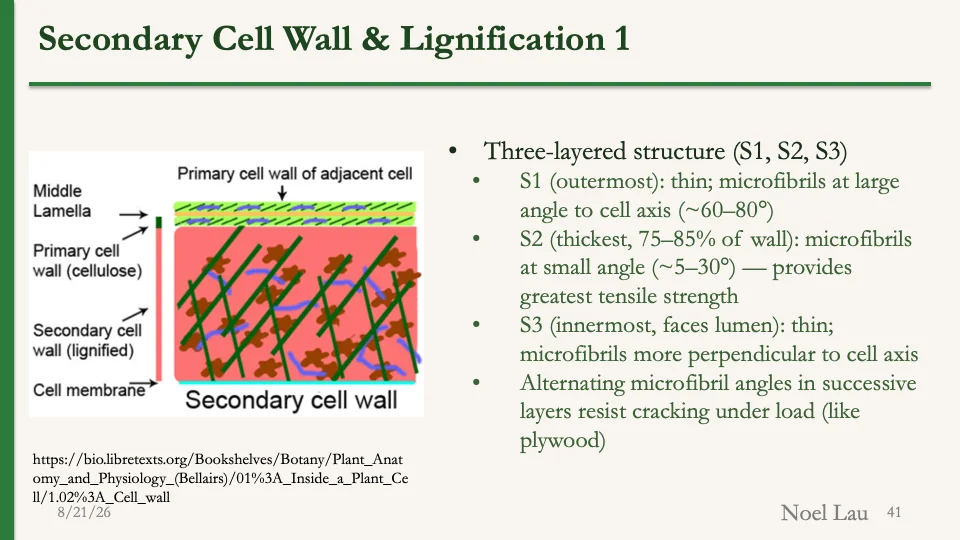
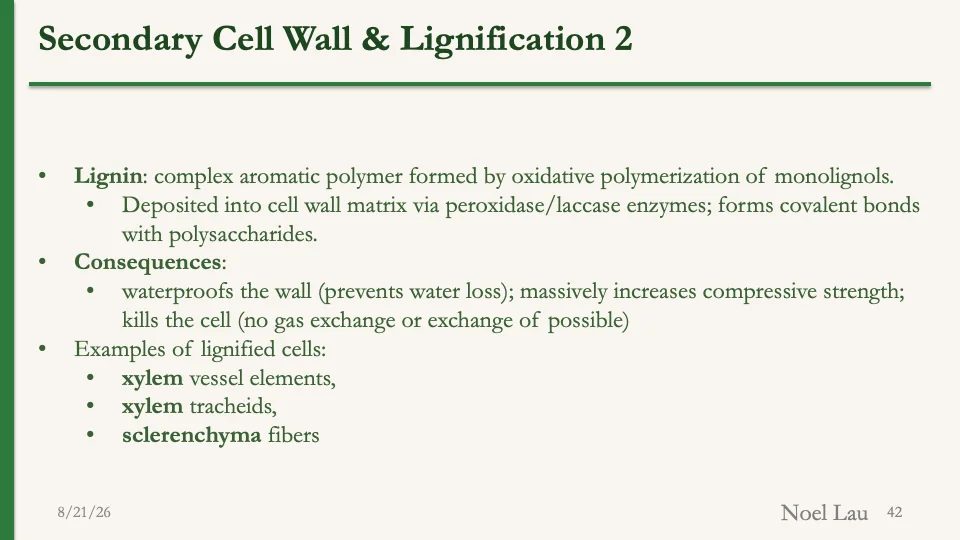
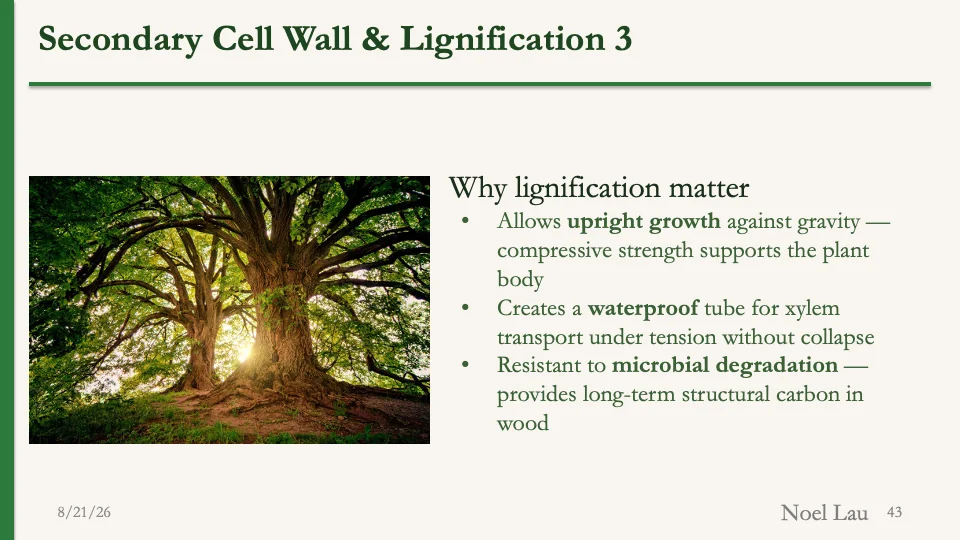
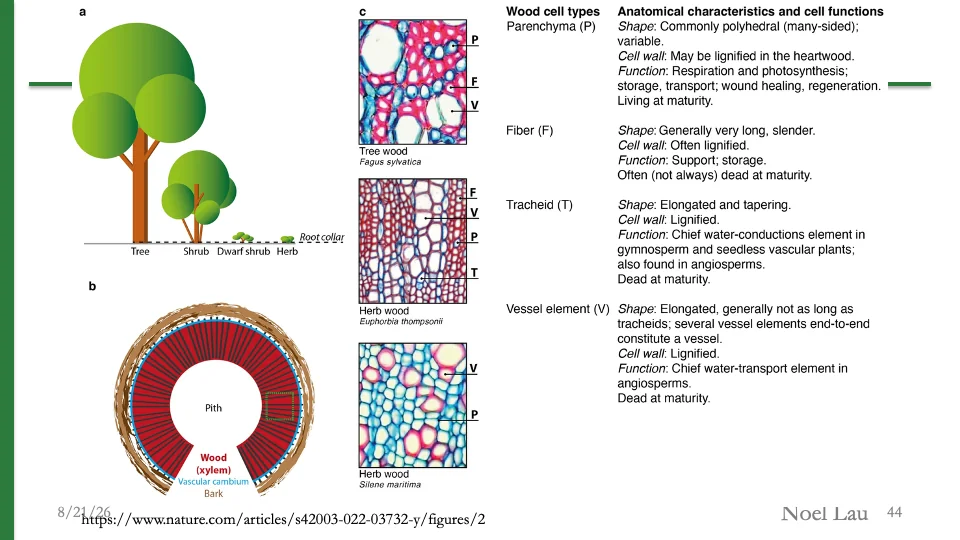
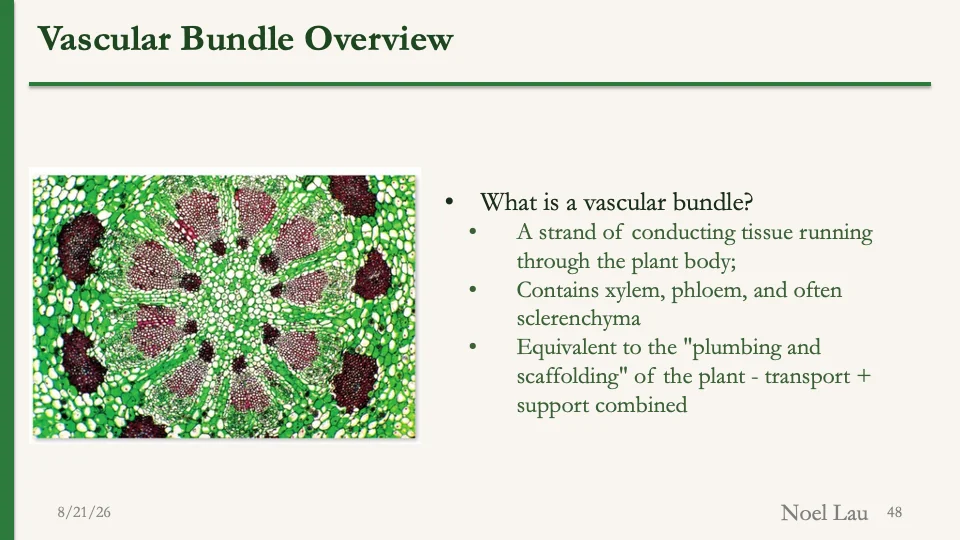
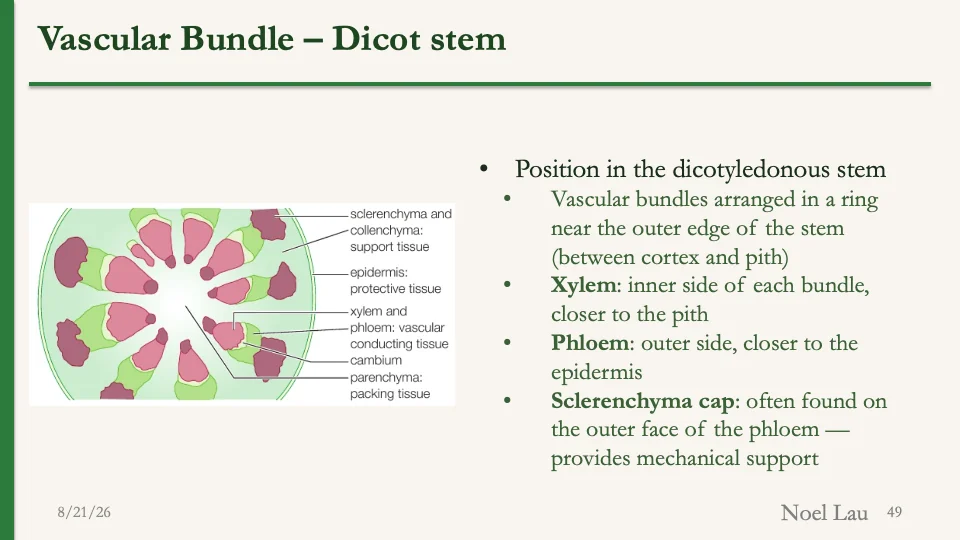
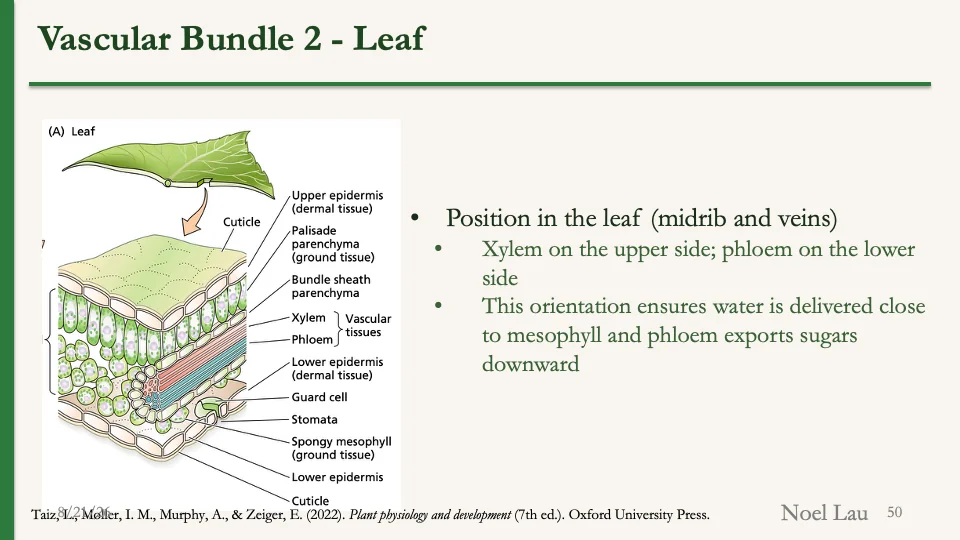
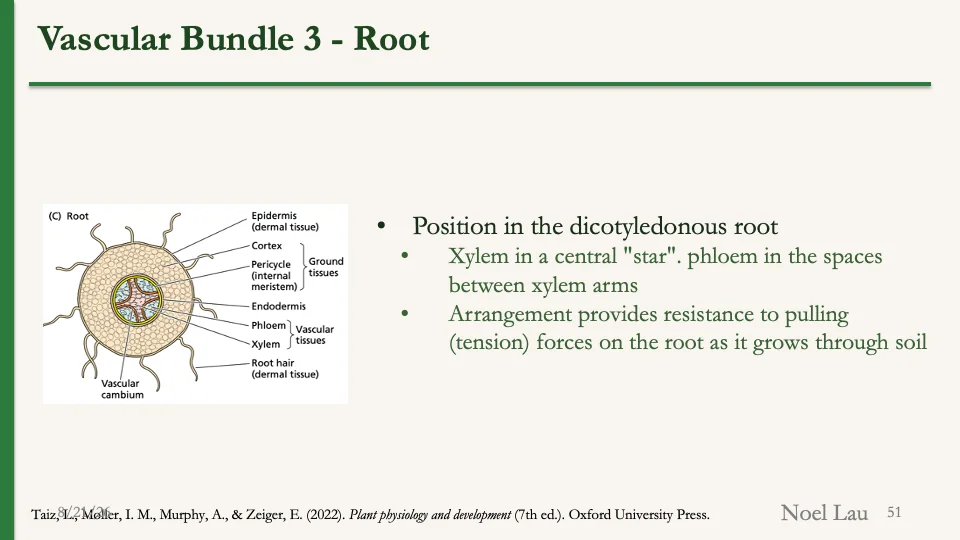
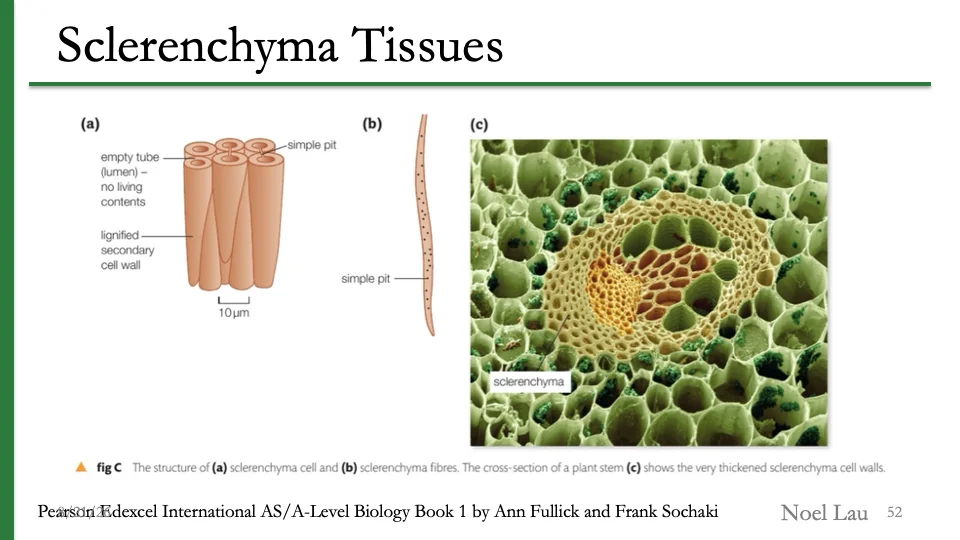
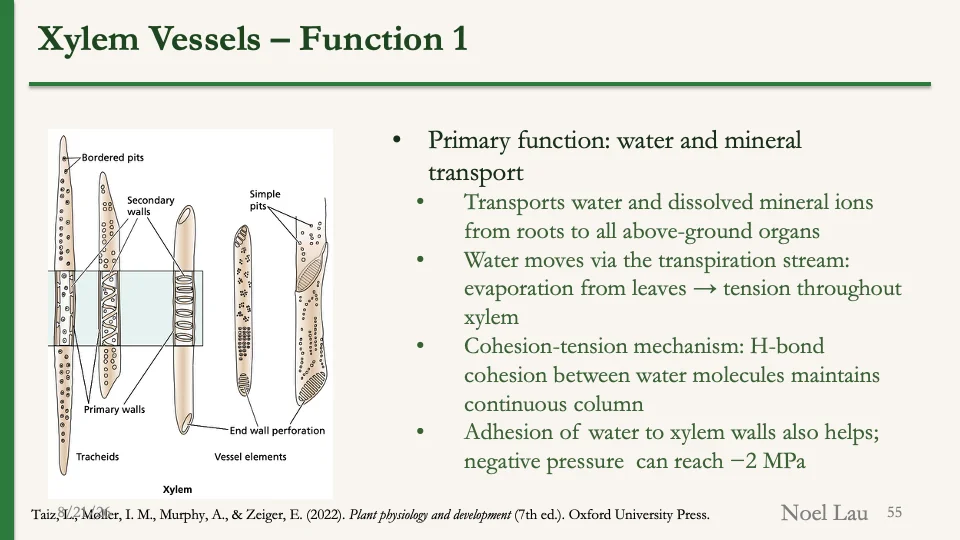
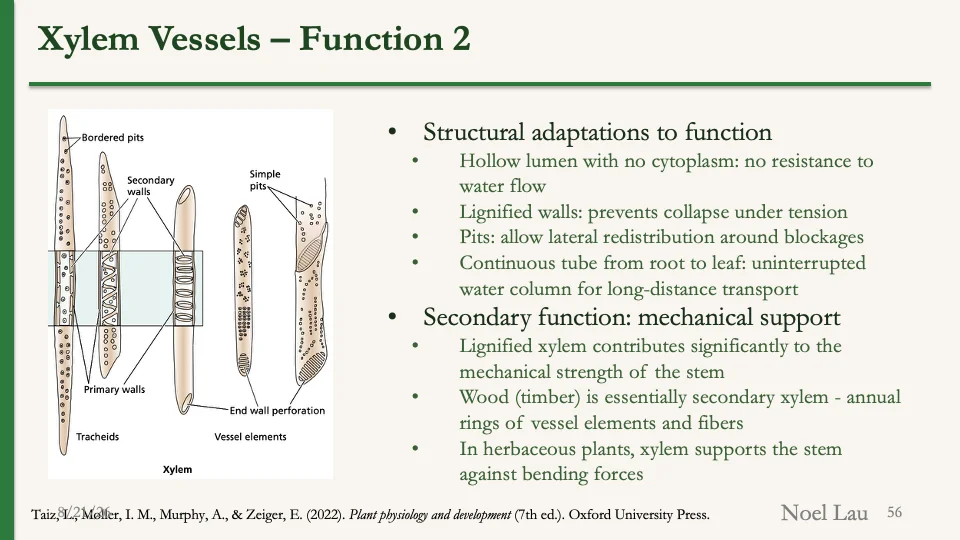
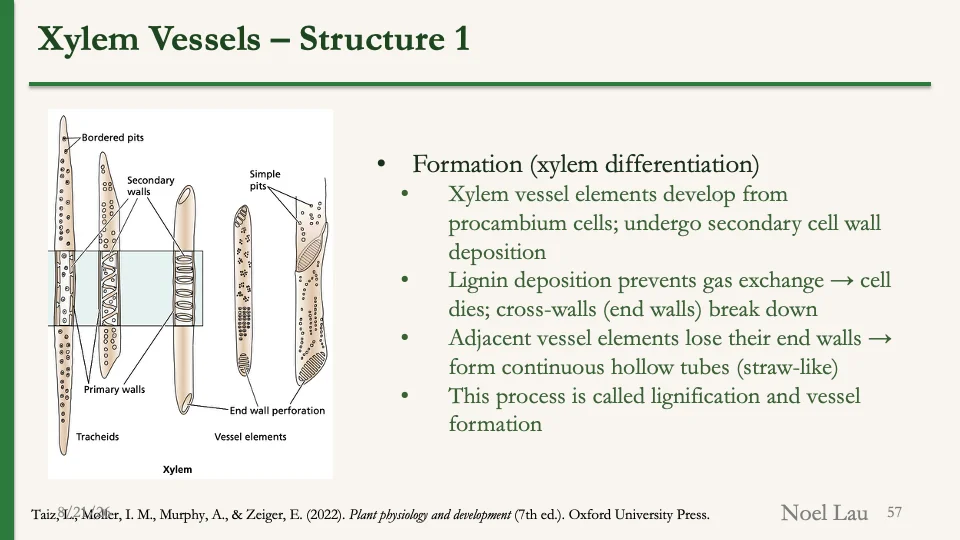
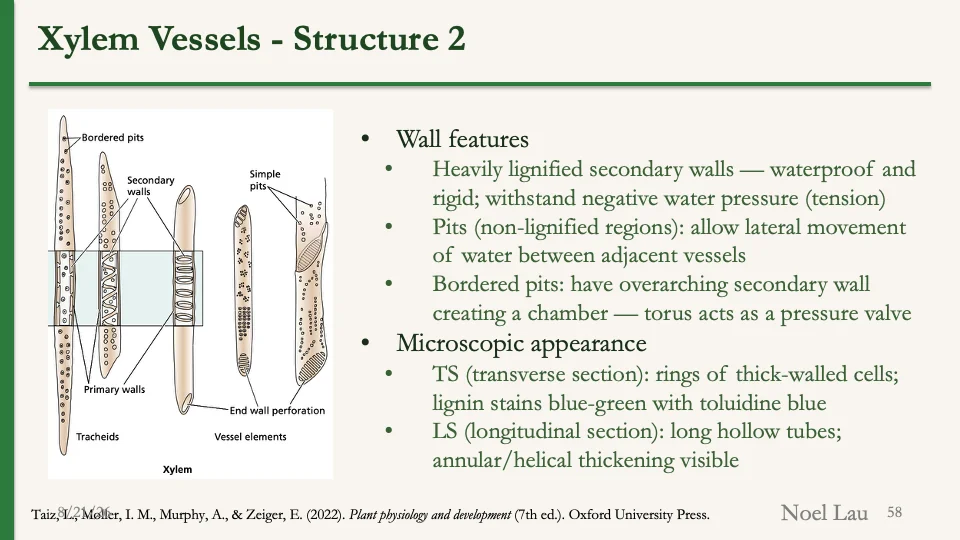
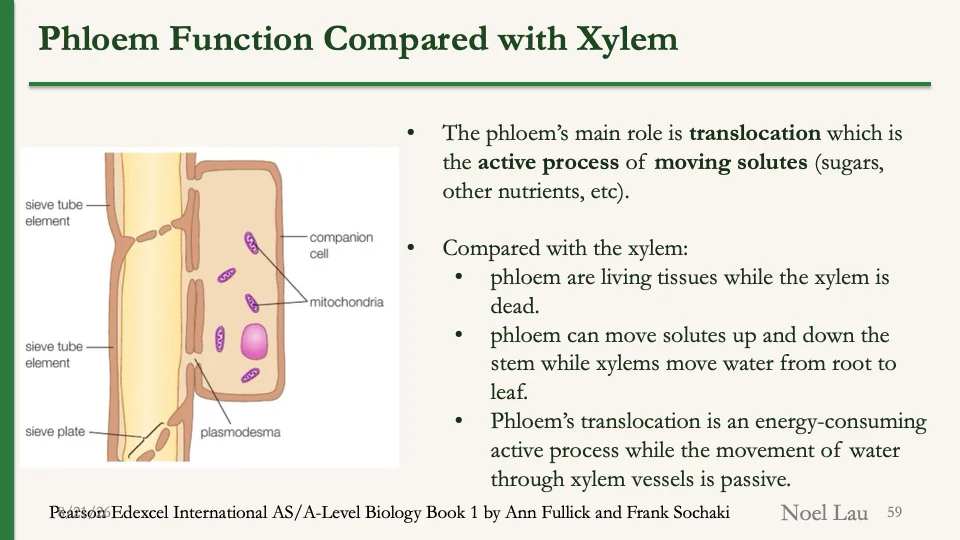
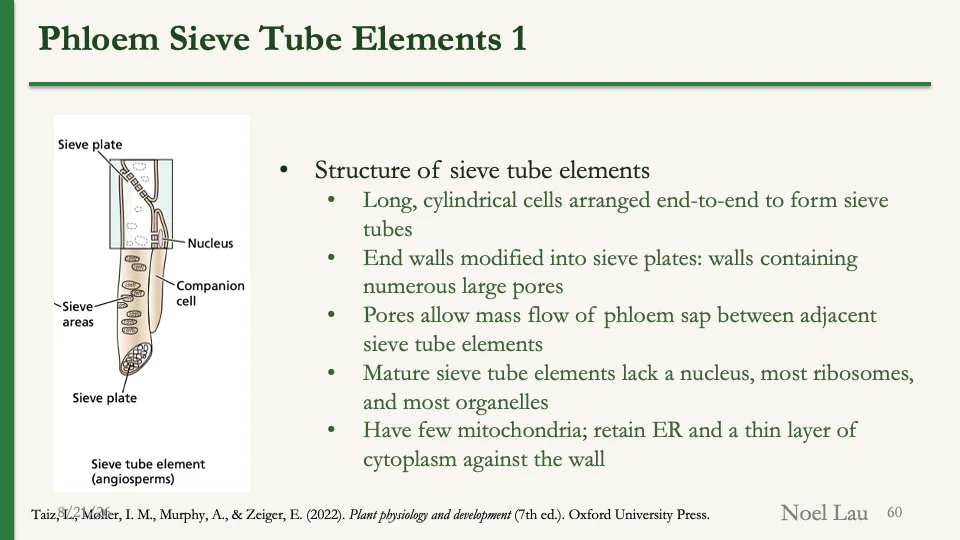
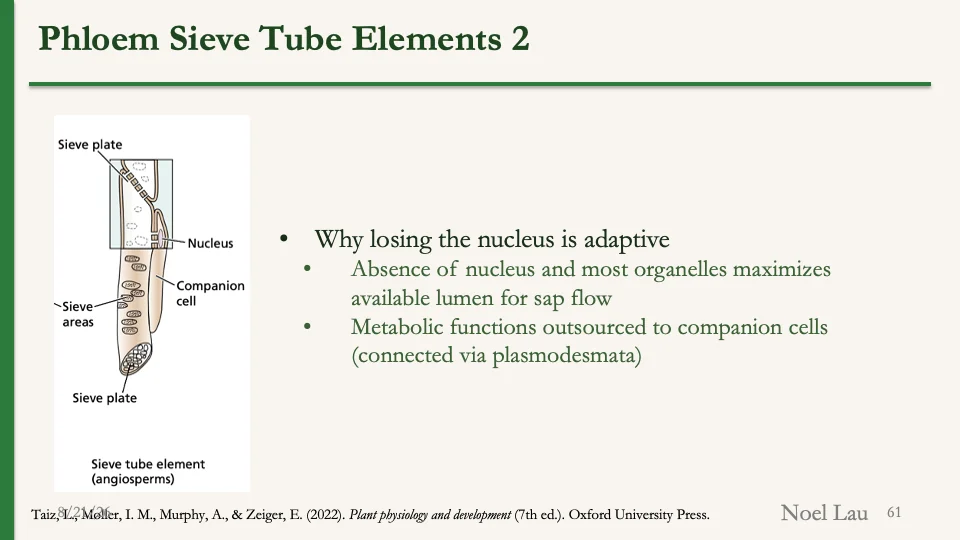
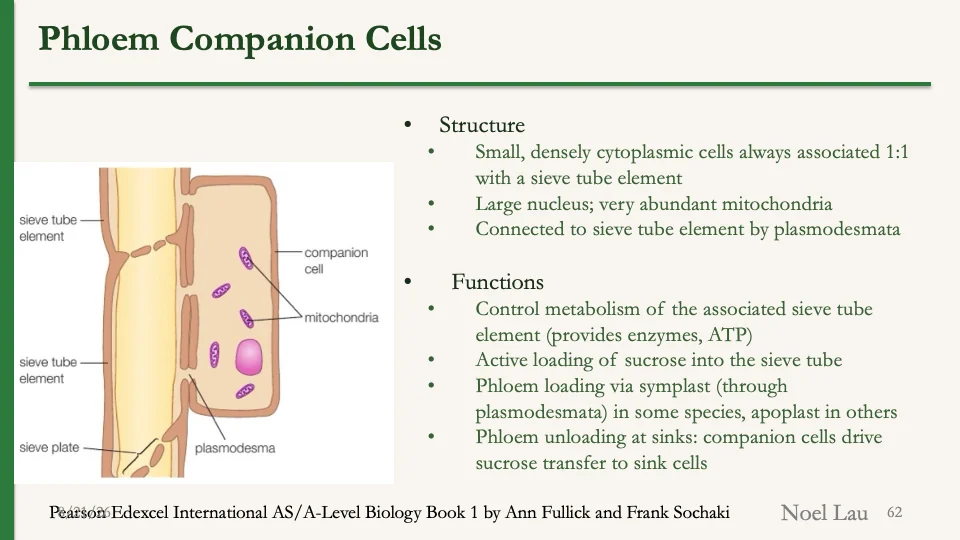
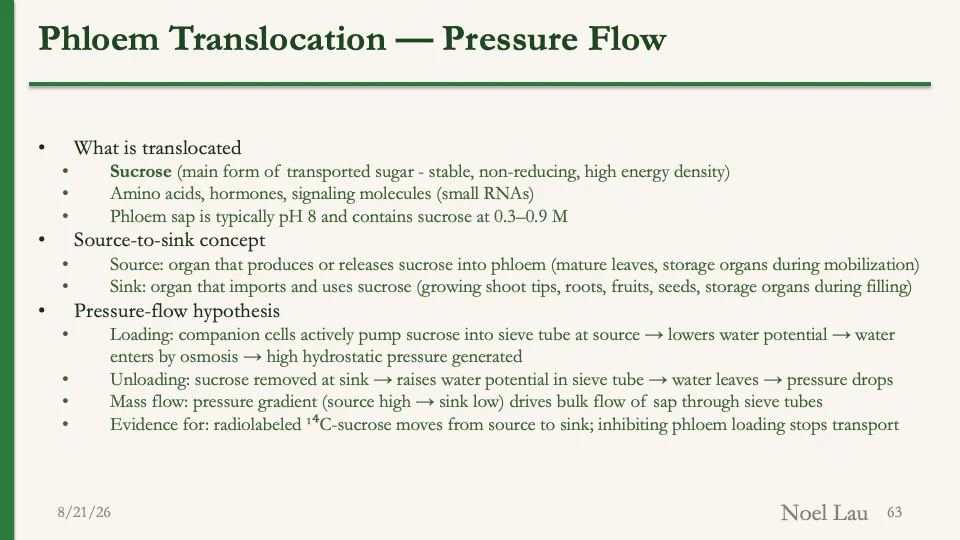
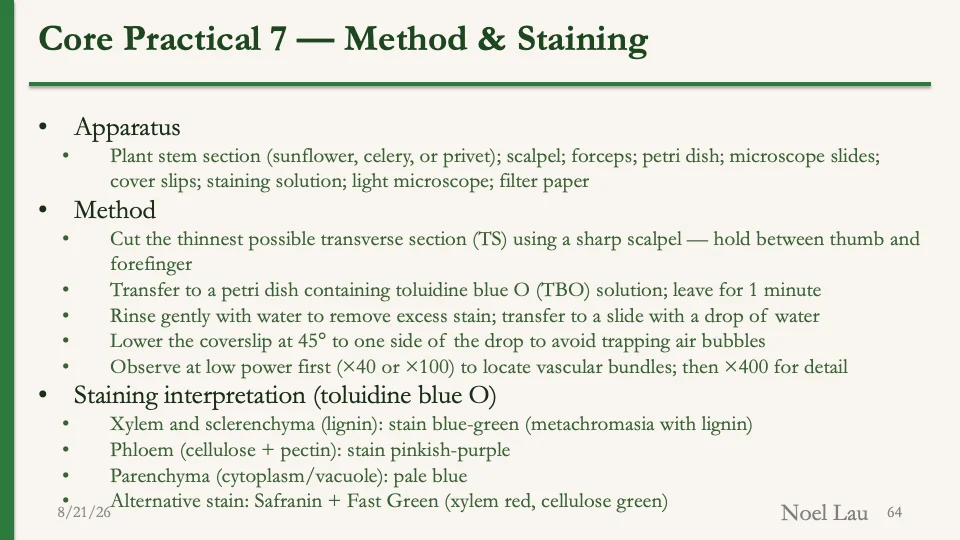
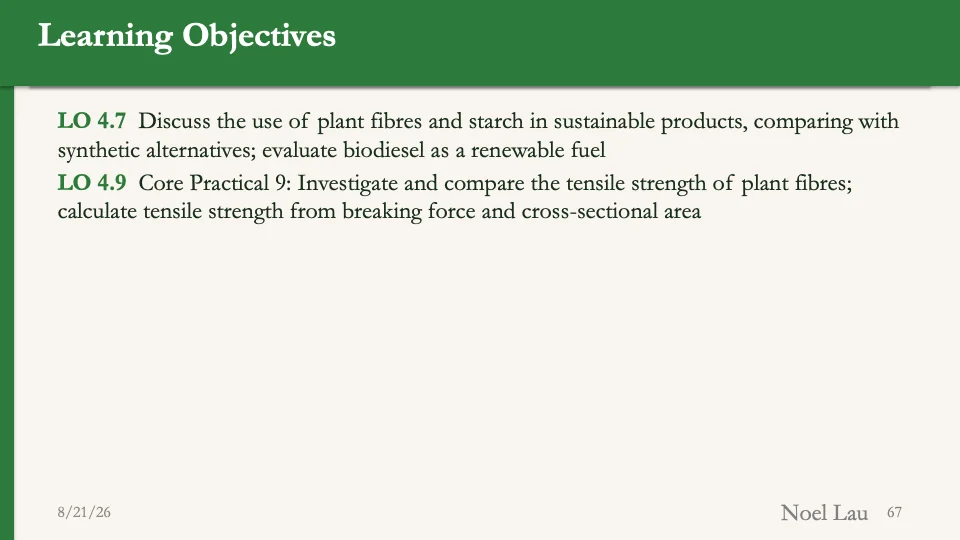
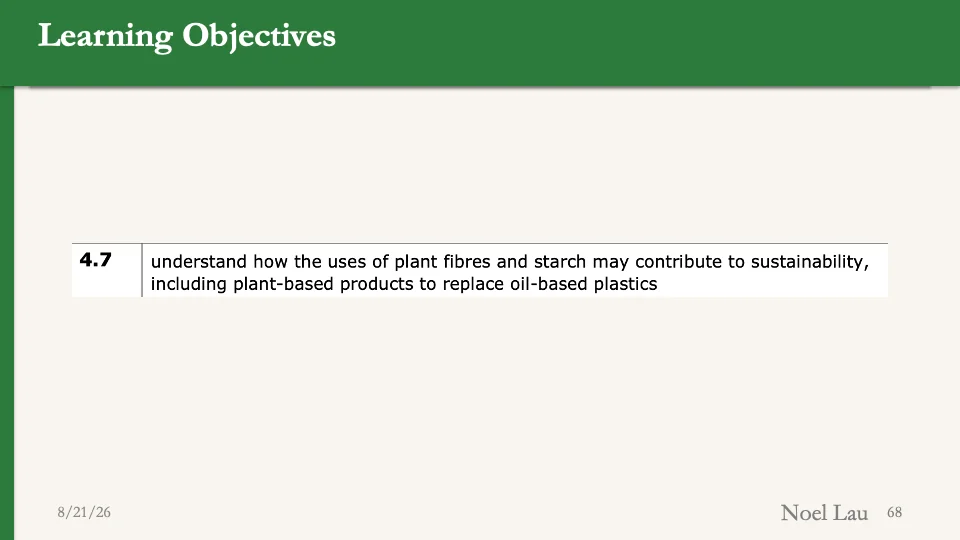
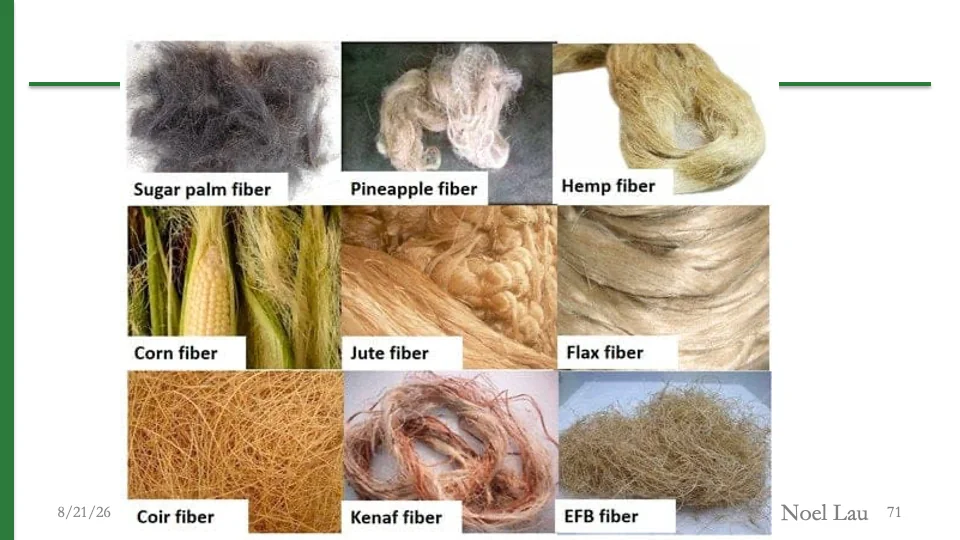
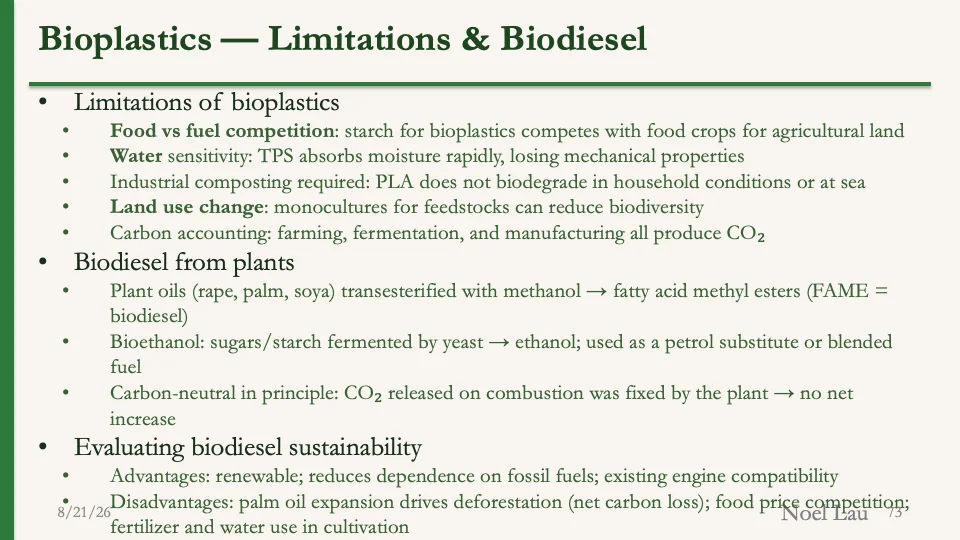
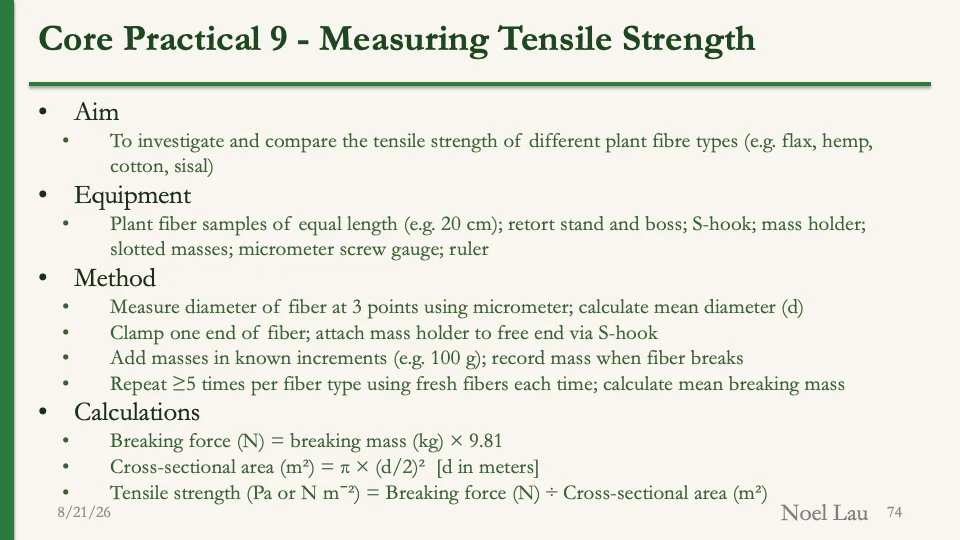
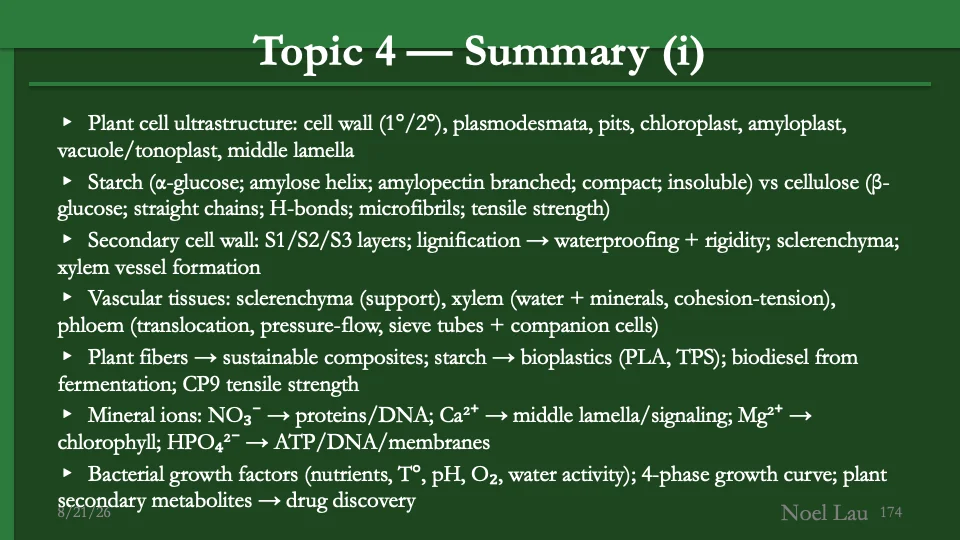
This topic begins with the plant cell, comparing its ultrastructure with that of animal cells and examining the unique components, including the chloroplast, vacuole, plasmodesmata and cell wall, that reflect the distinct functional demands placed on plant tissues. The molecular architecture of the cell wall is explored through the contrasting polysaccharides starch and cellulose, with particular attention to how the hydrogen-bonded arrangement of cellulose microfibrils and secondary thickening confer the mechanical properties exploited in xylem vessels and sclerenchyma fibres. Students will examine the organisation of these tissues within the stem alongside phloem, and consider how plant-derived fibres and starches offer sustainable alternatives to petrochemical materials.
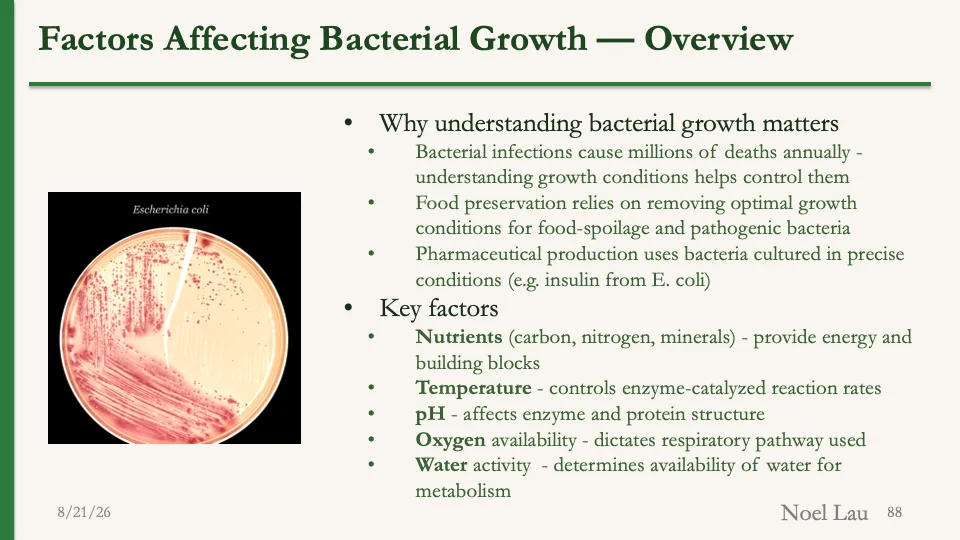
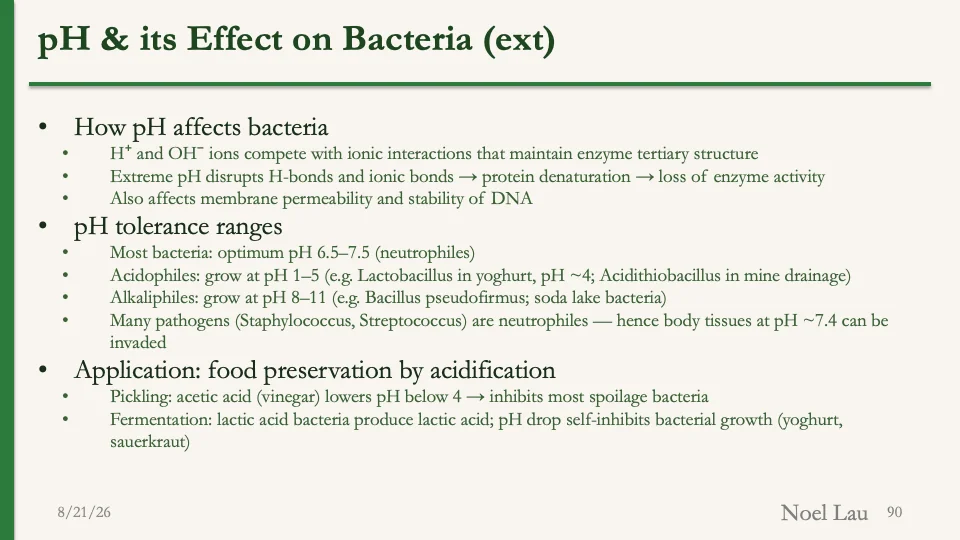
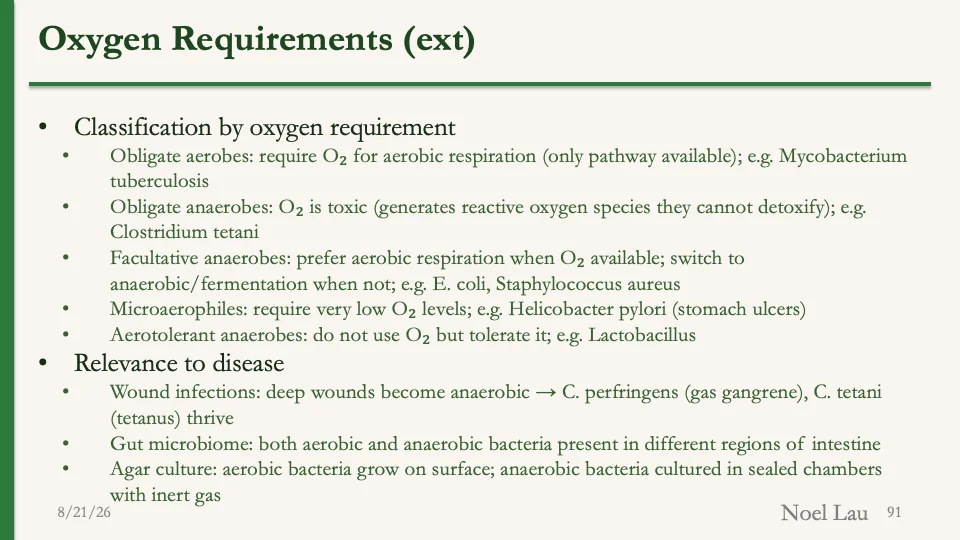
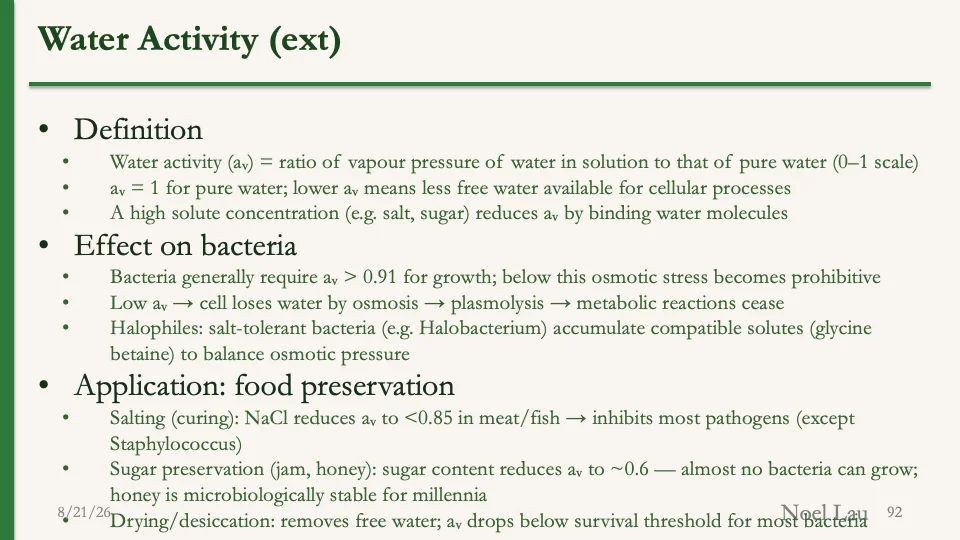
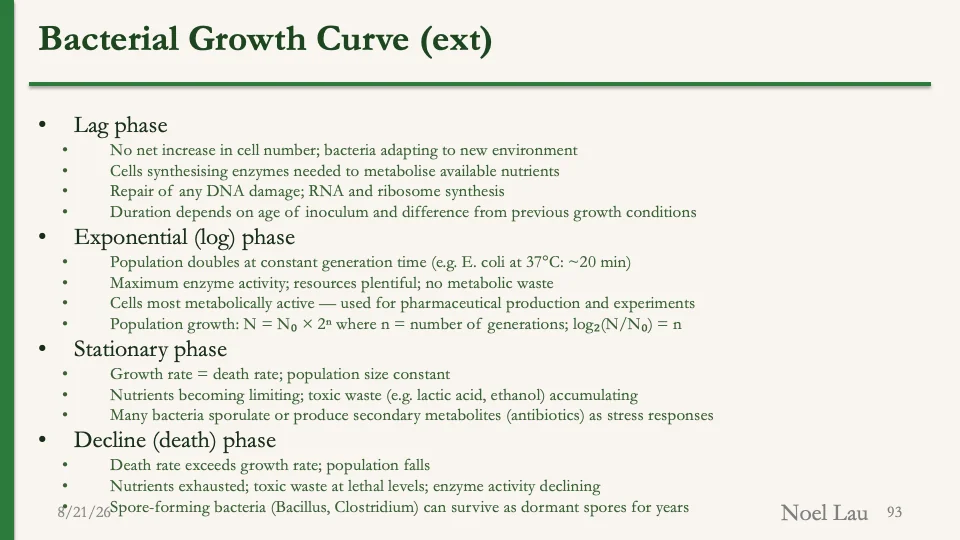
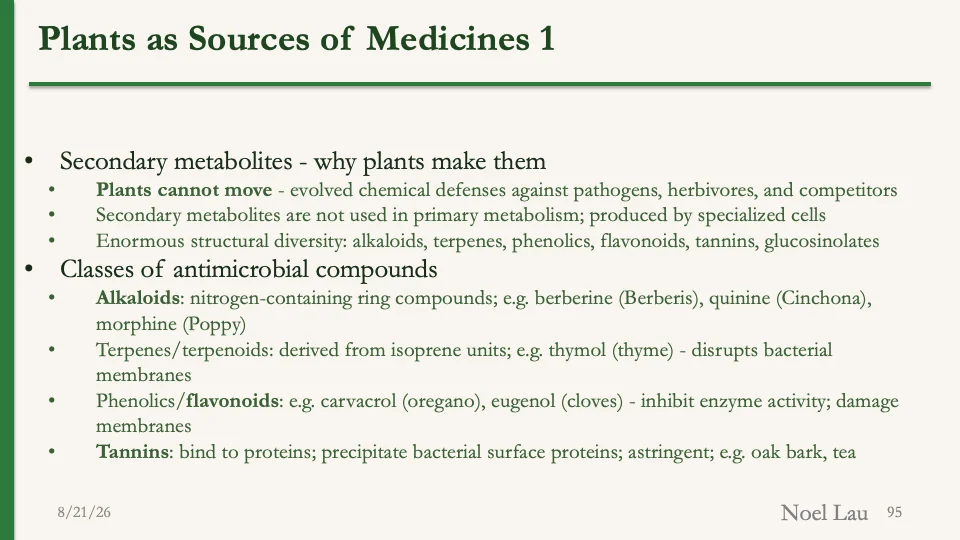
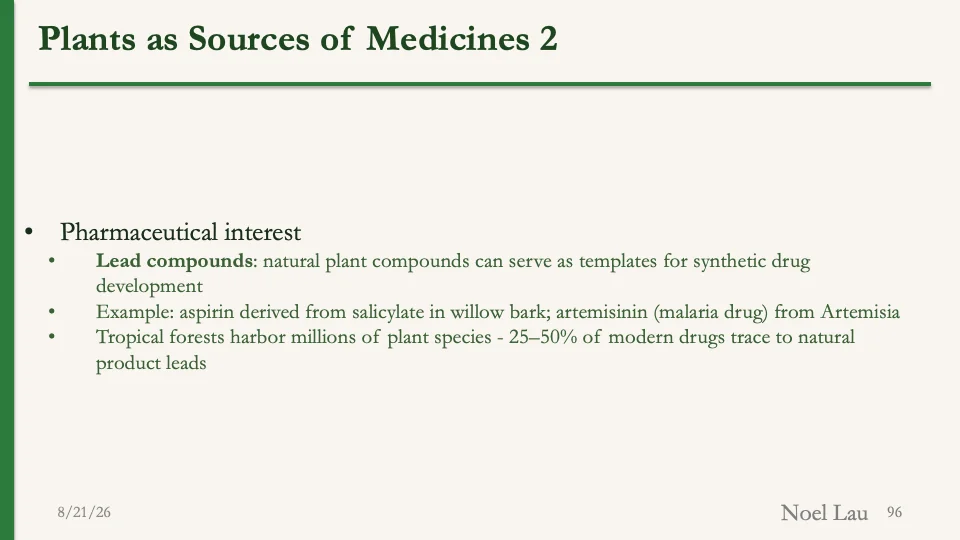
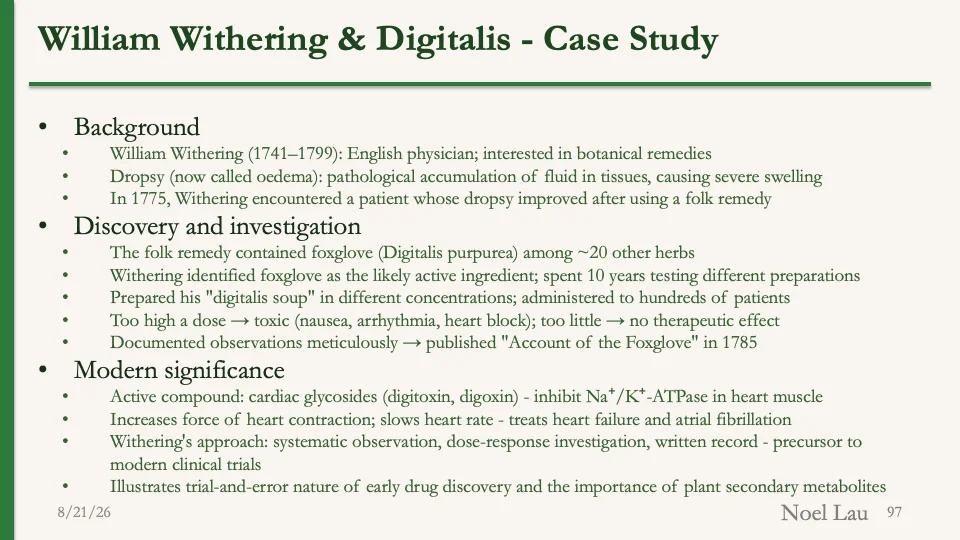
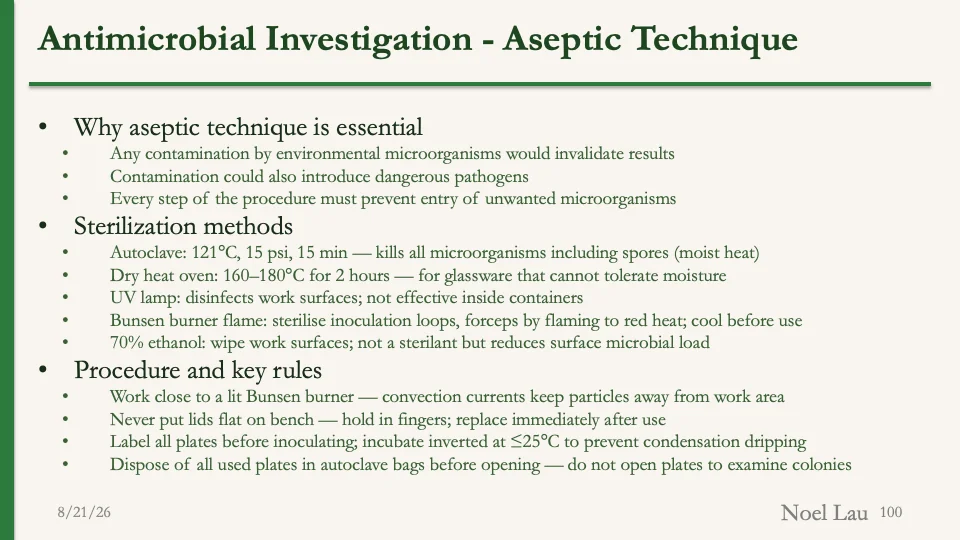
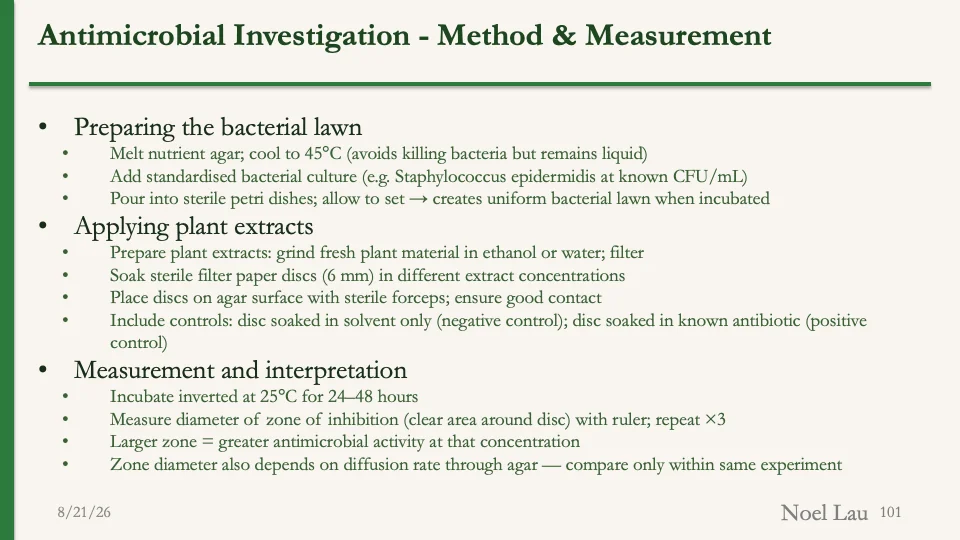
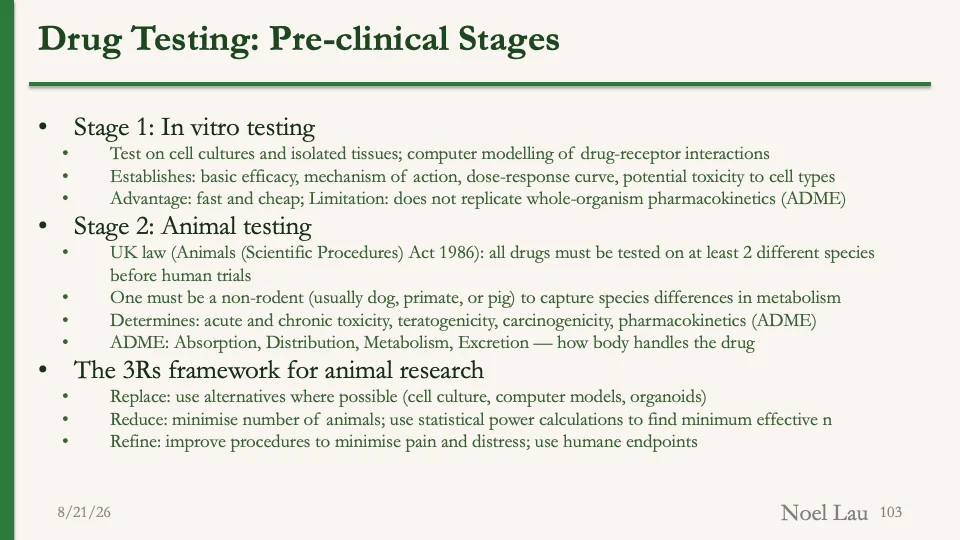
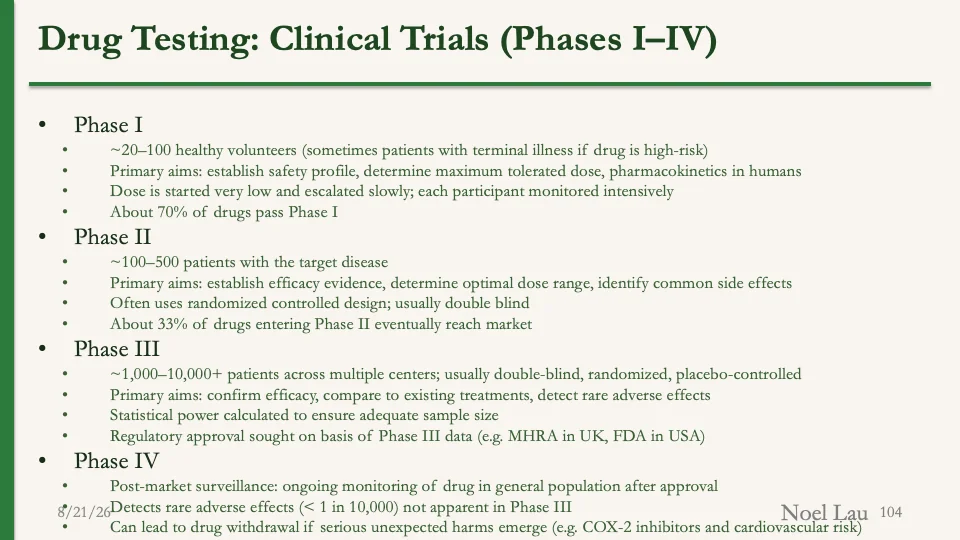
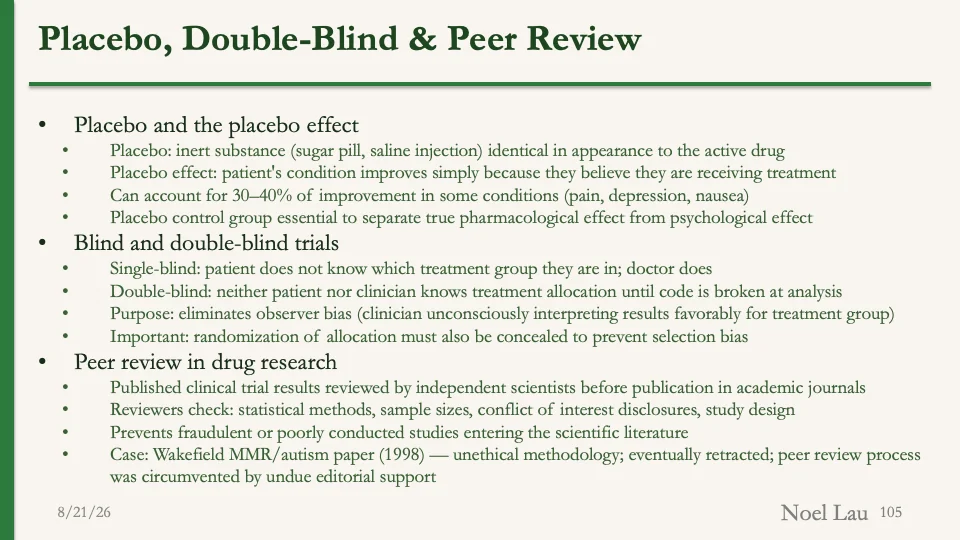
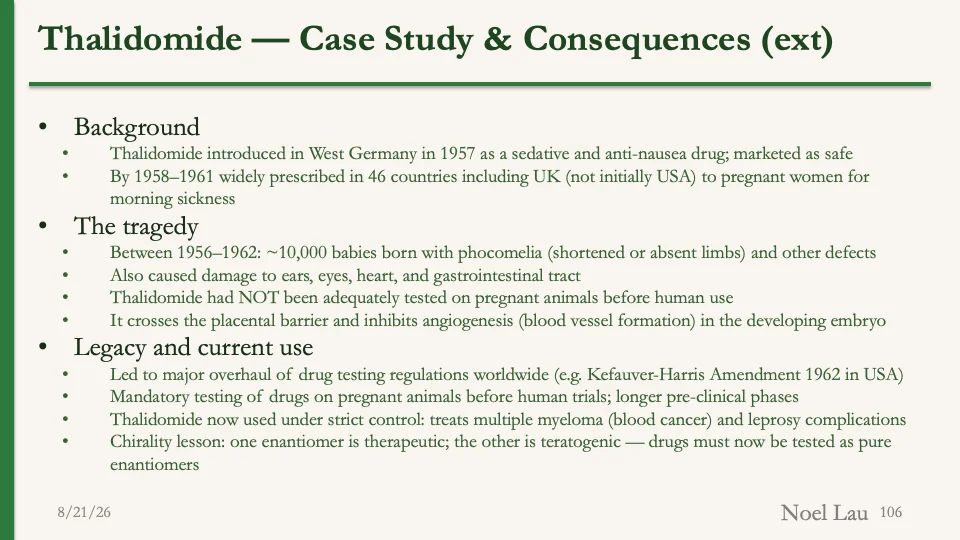
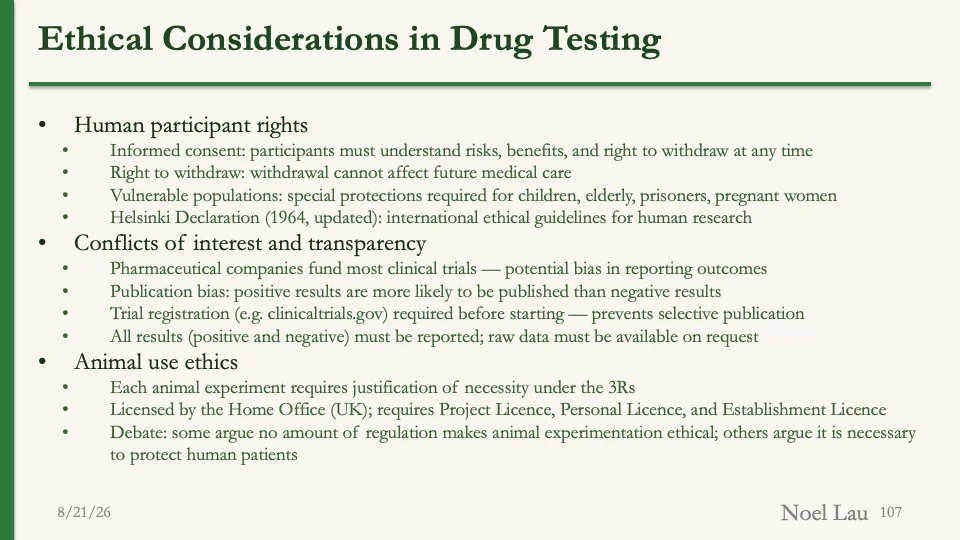
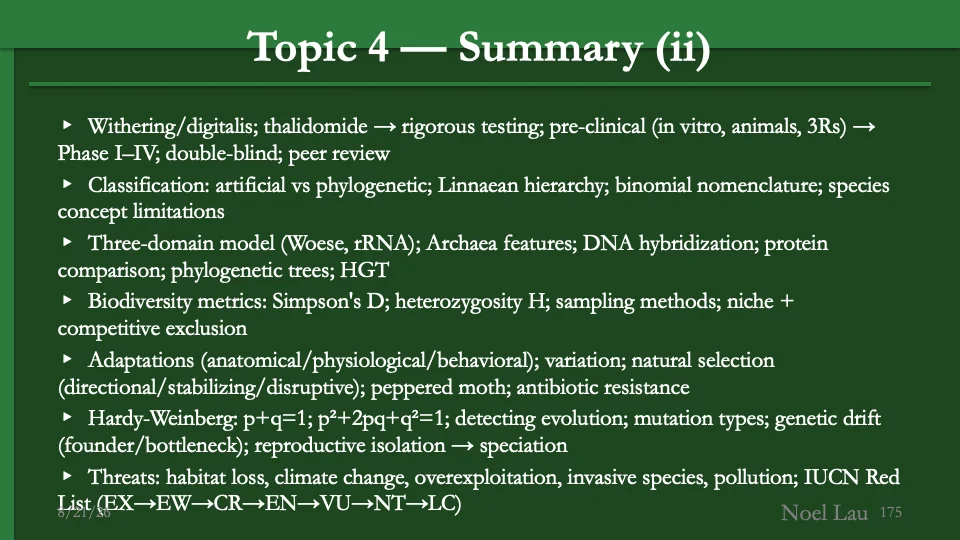
The topic then considers plants as sources of biologically active compounds. The conditions governing bacterial growth are established as a foundation for investigating the antimicrobial properties of plant extracts, and the development of rigorous drug testing protocols, from Withering's early digitalis preparations through to modern double-blind, placebo-controlled, three-phase trials, illustrates how scientific methodology has evolved in response to the need for evidence of safety and efficacy.
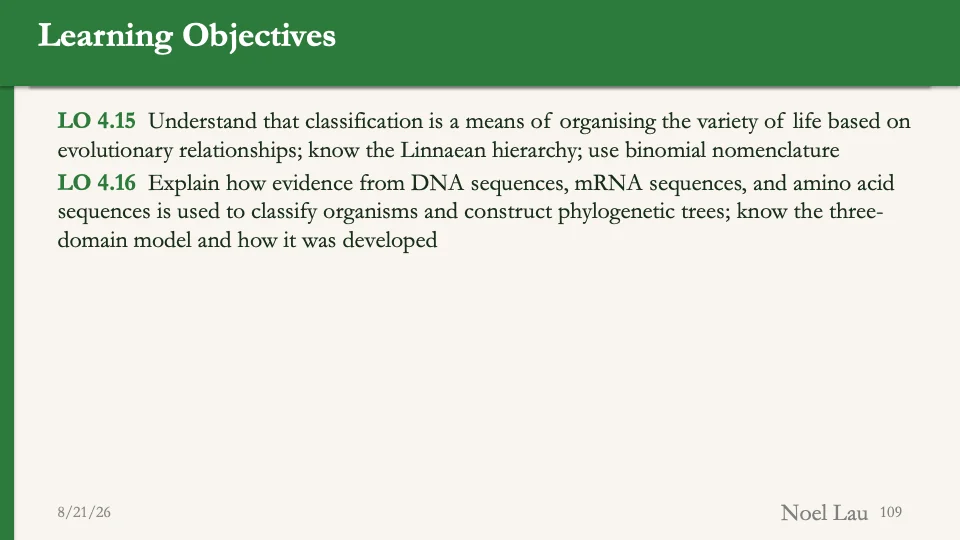
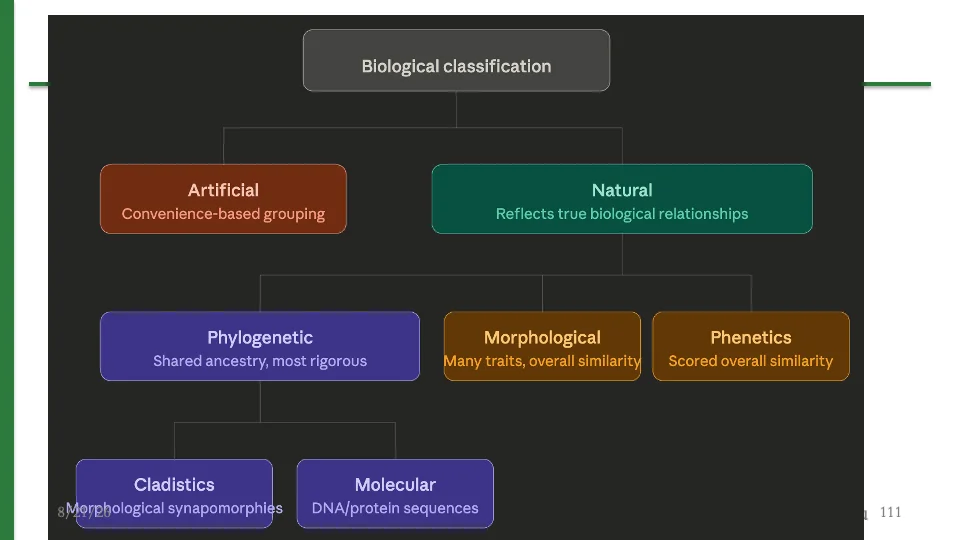
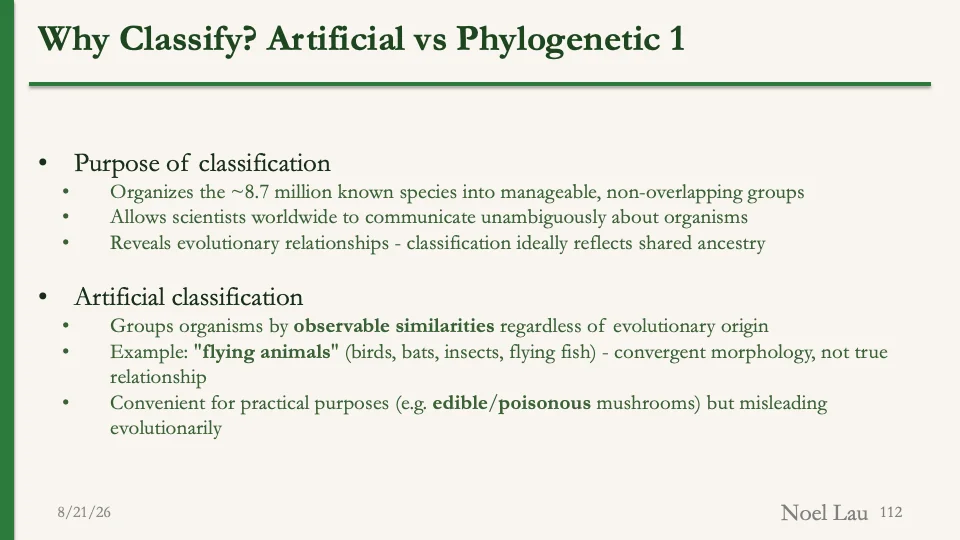
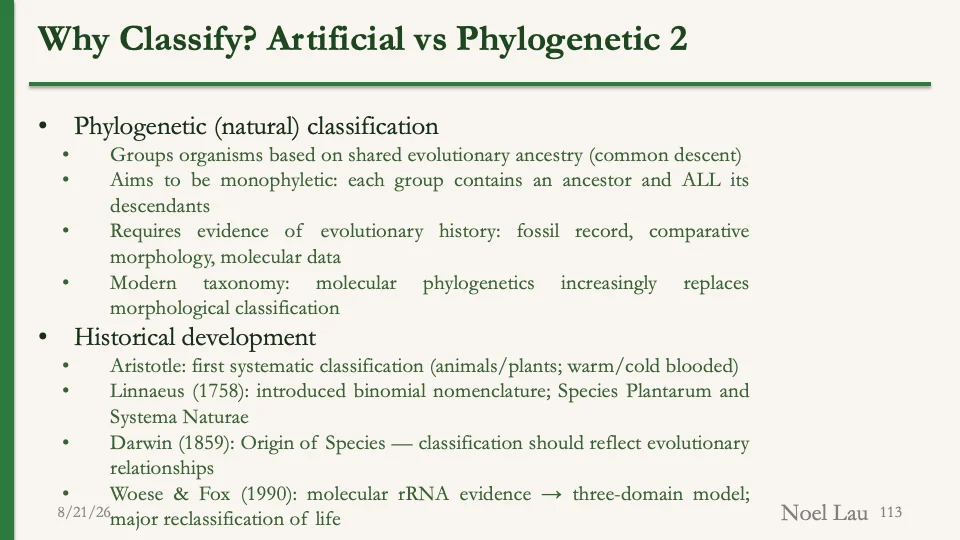
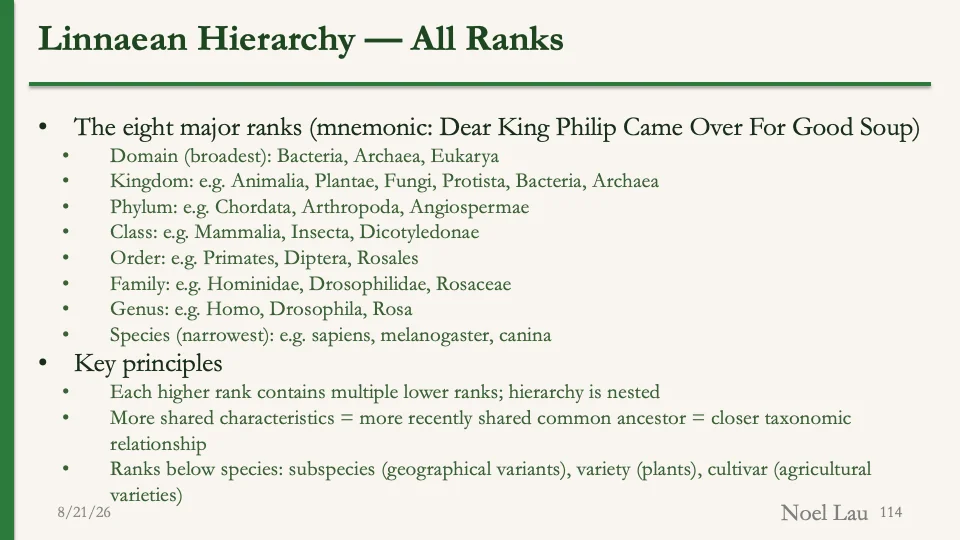
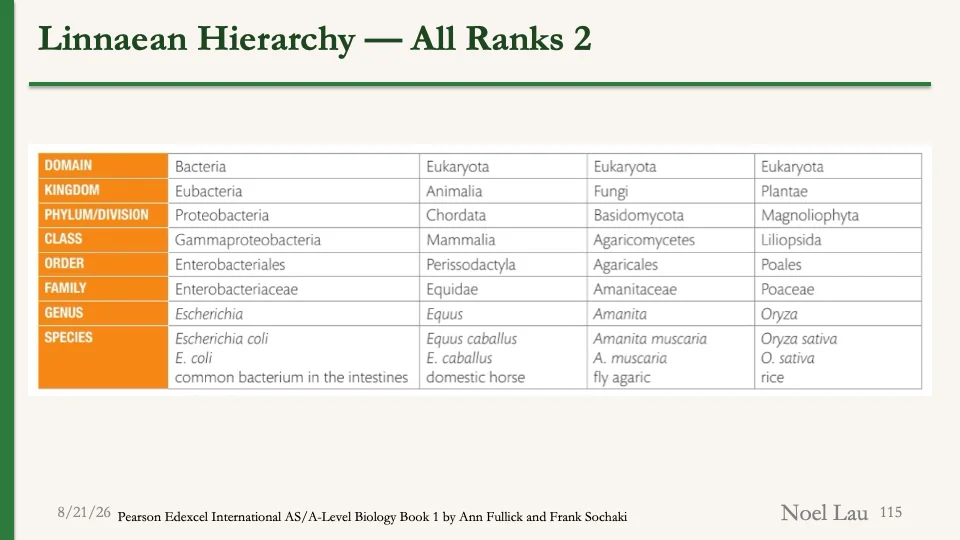
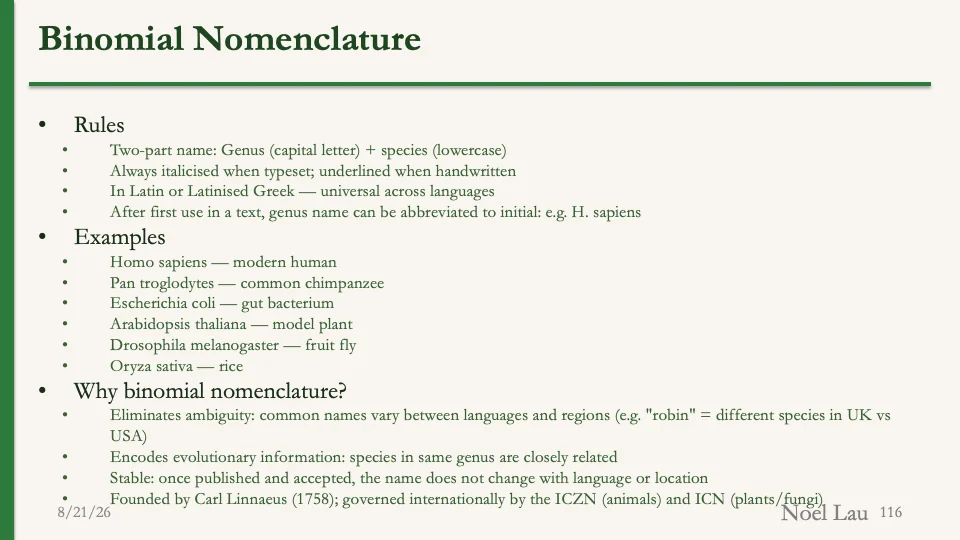
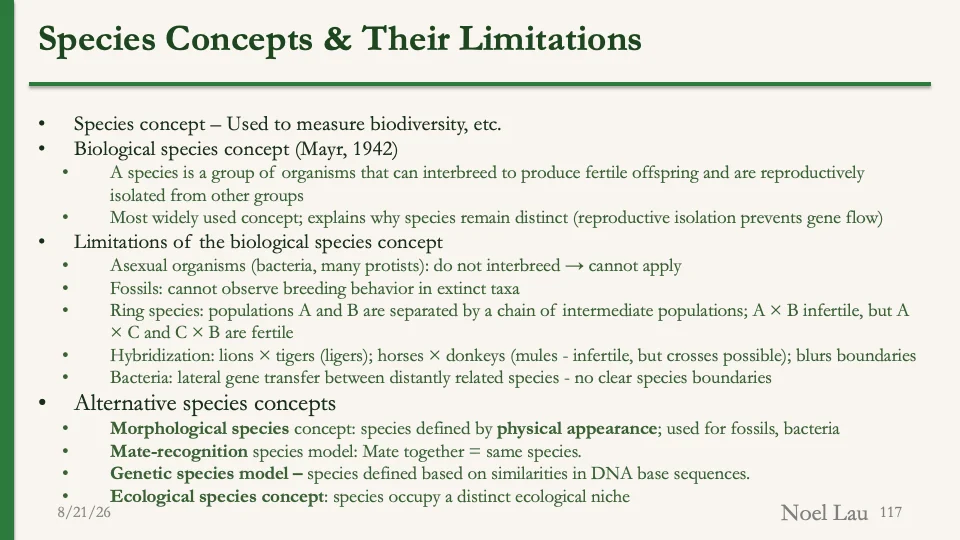
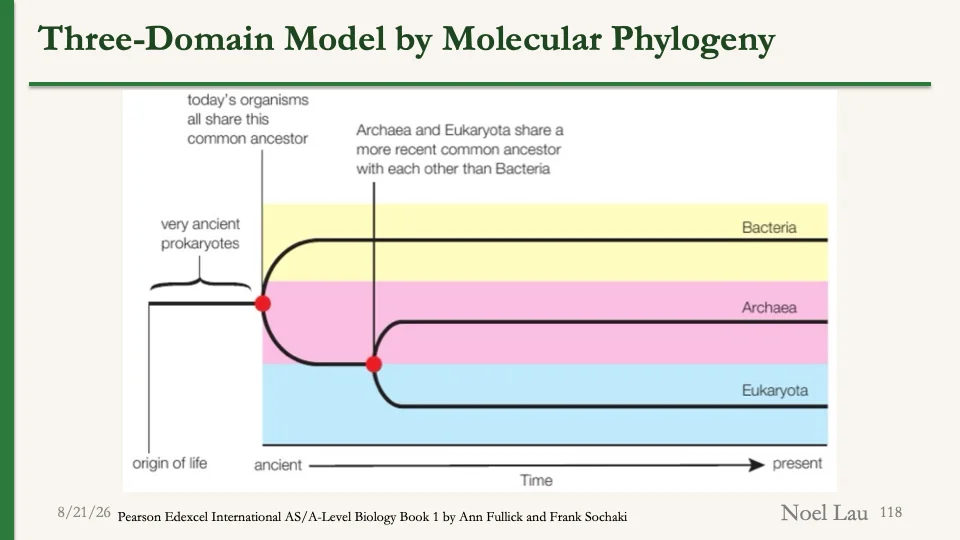
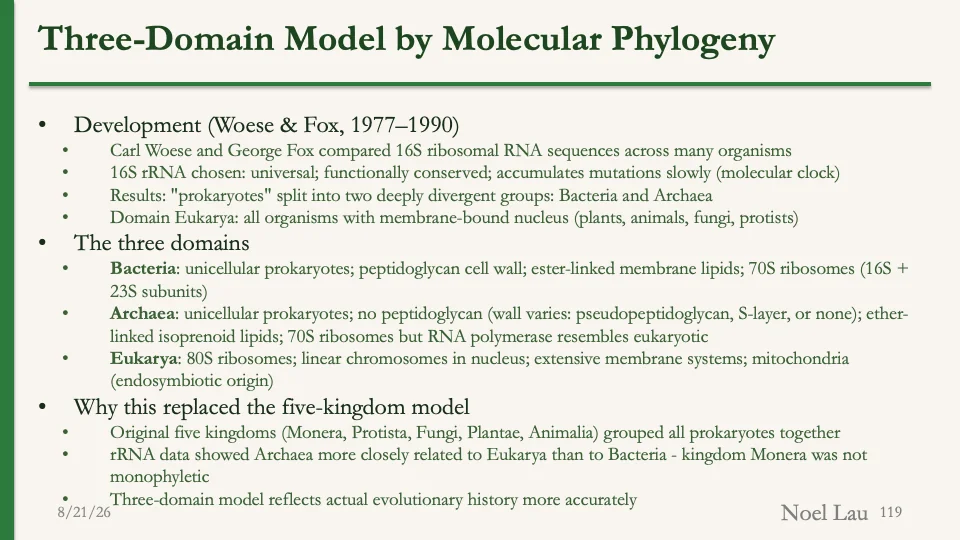
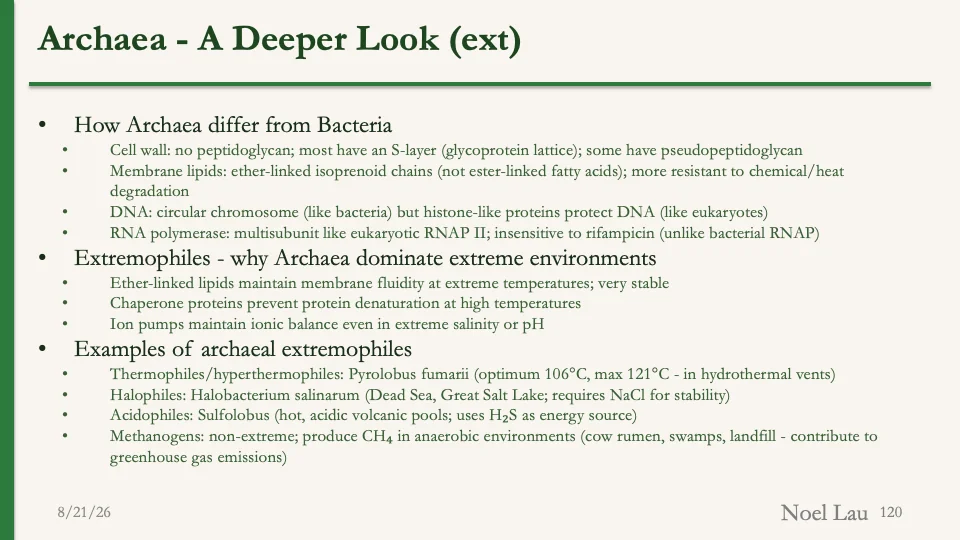
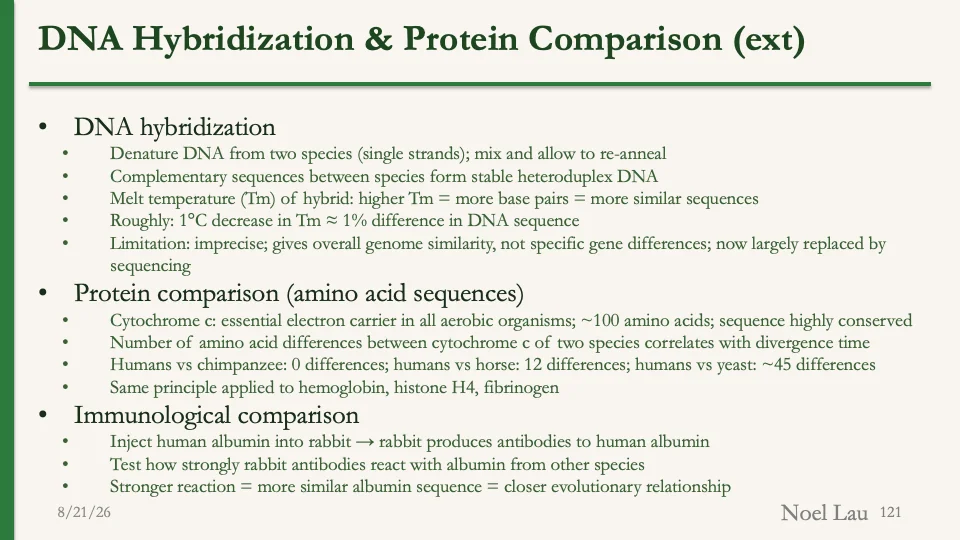
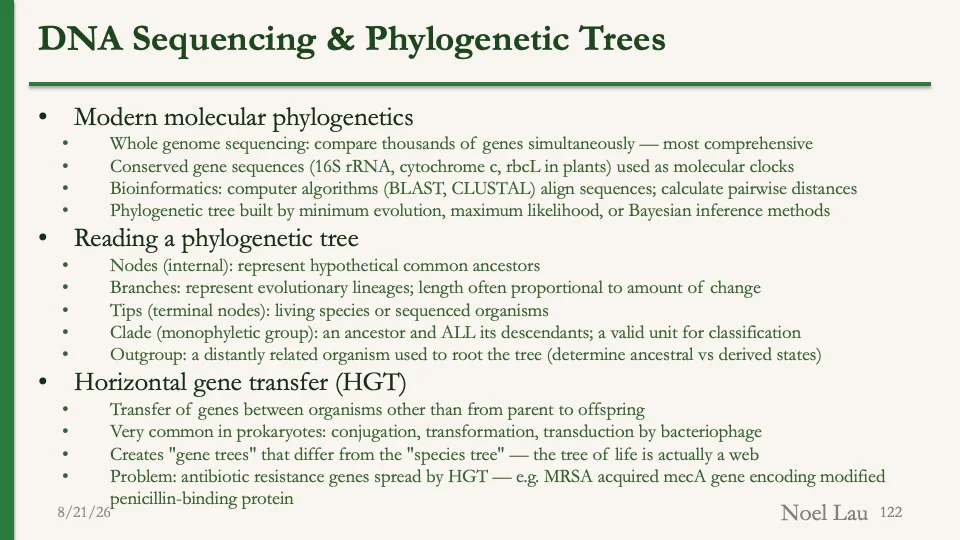
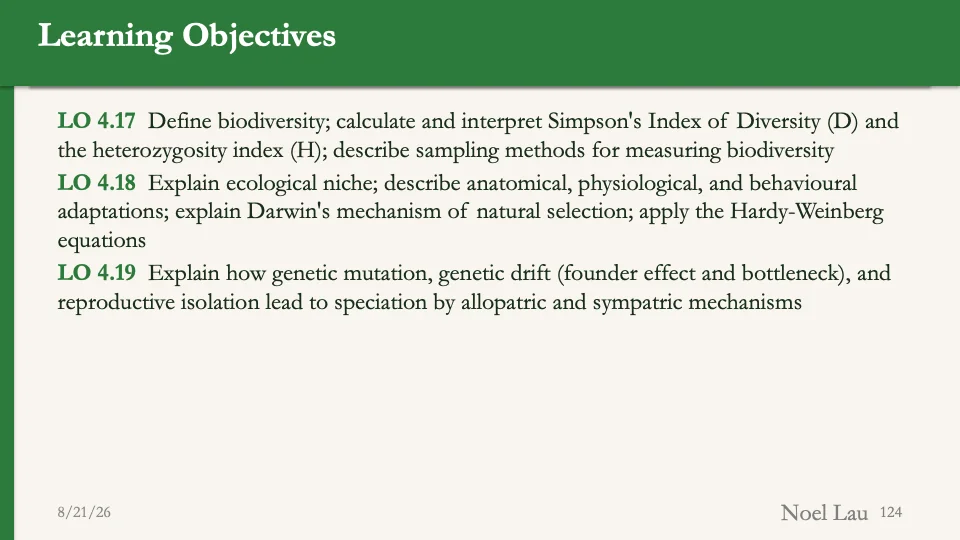
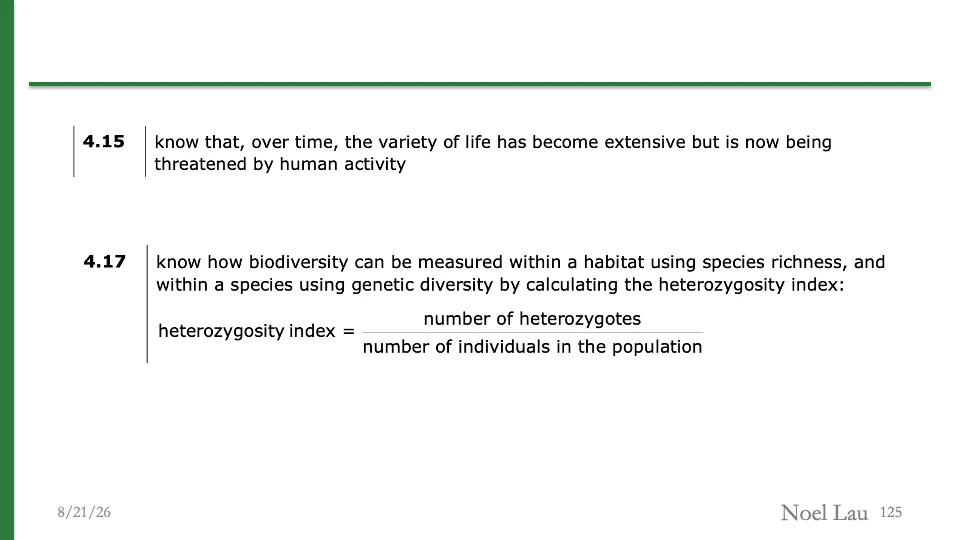
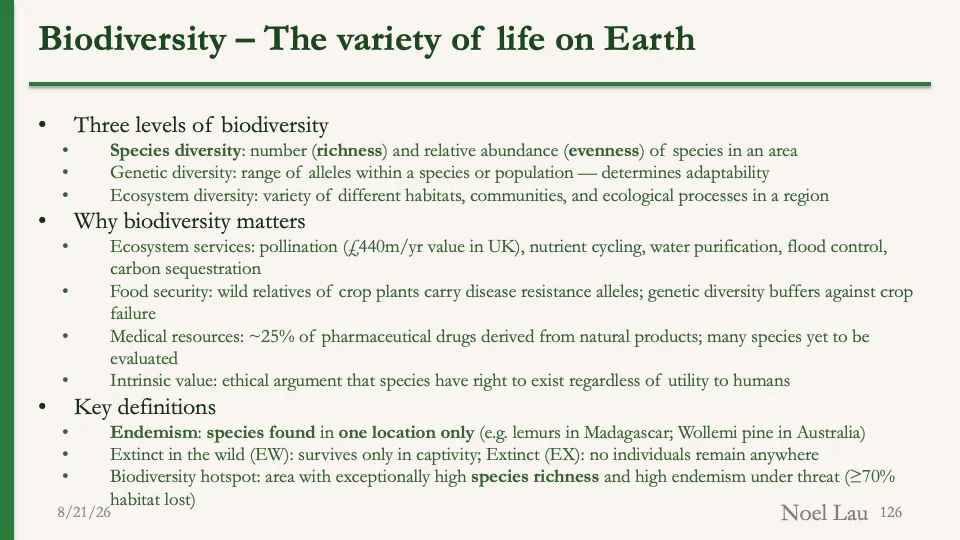
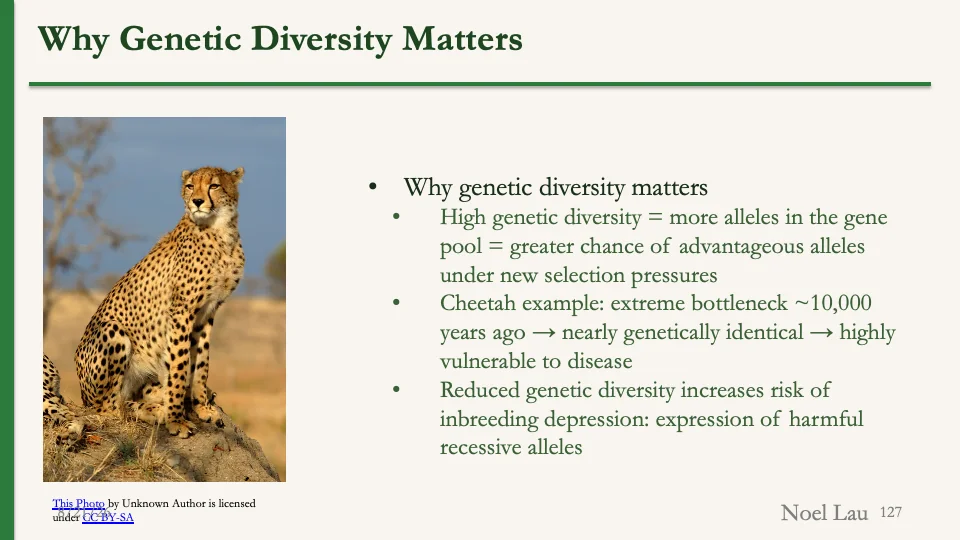
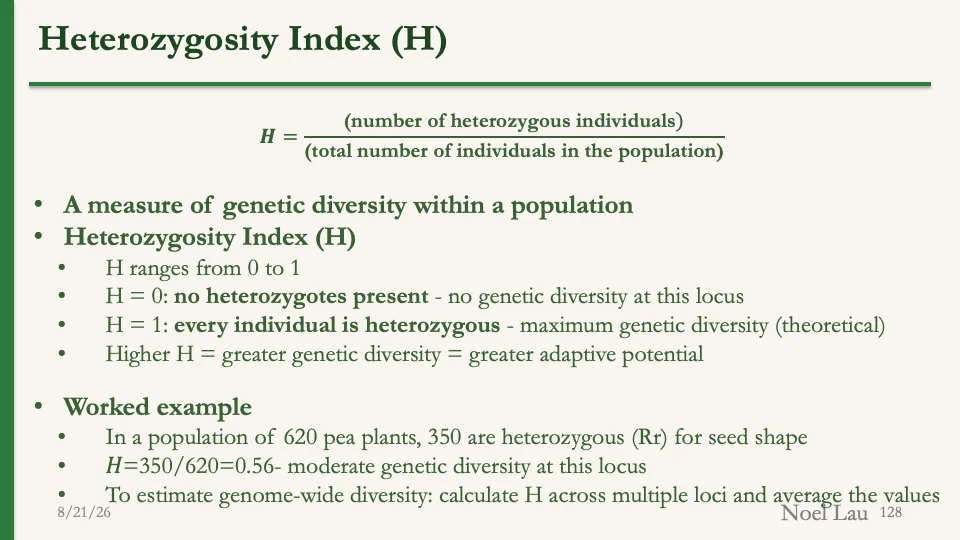
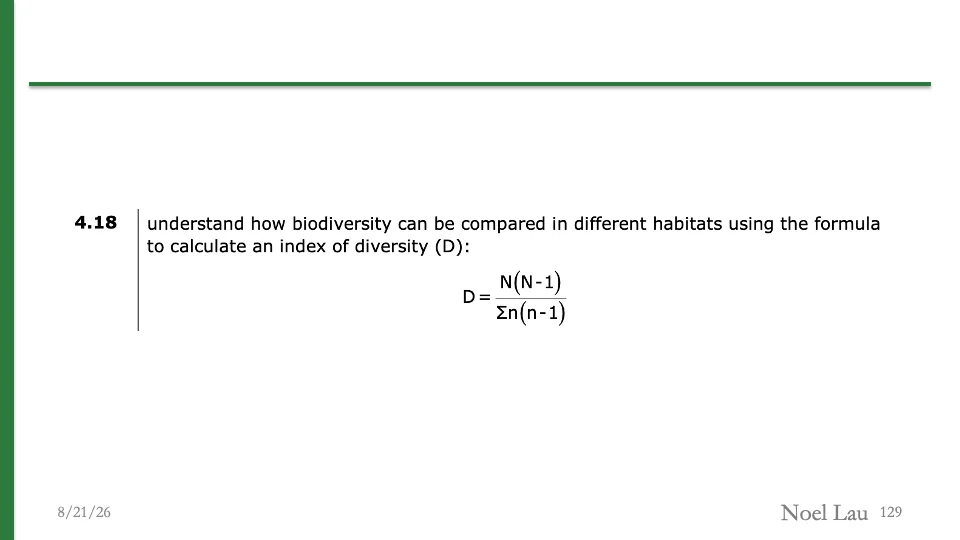
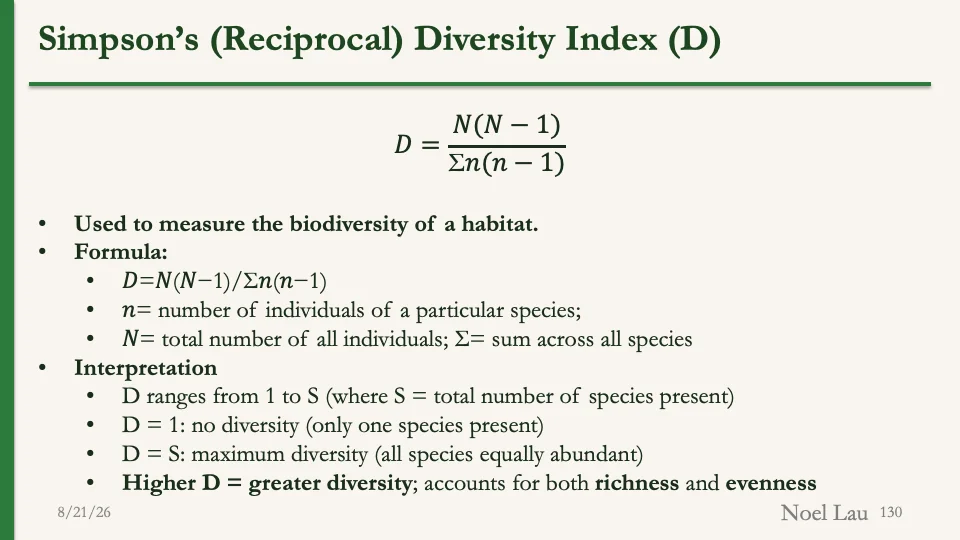
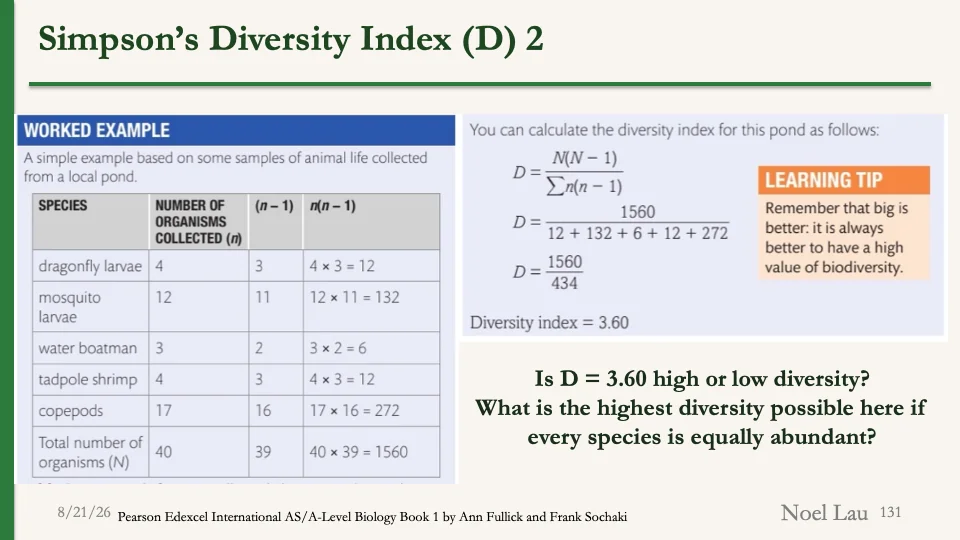
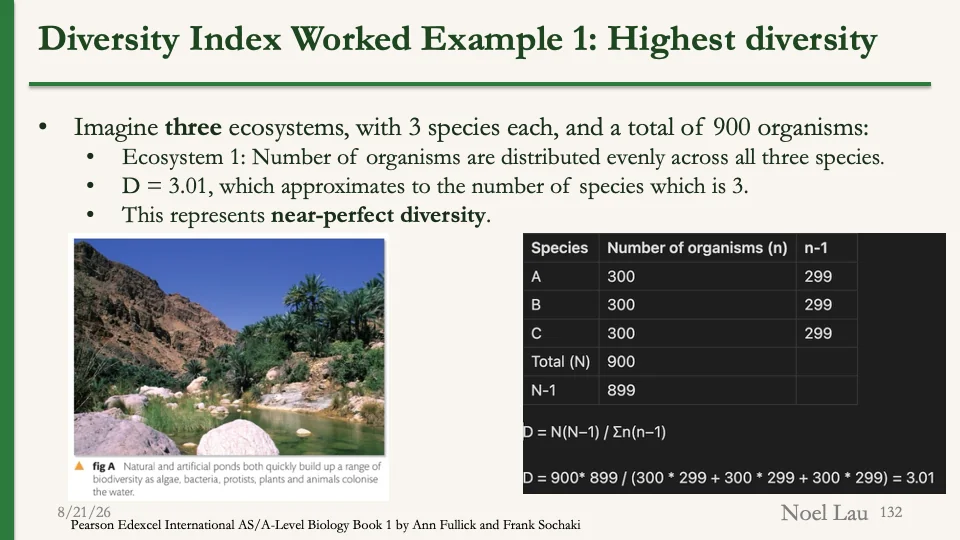
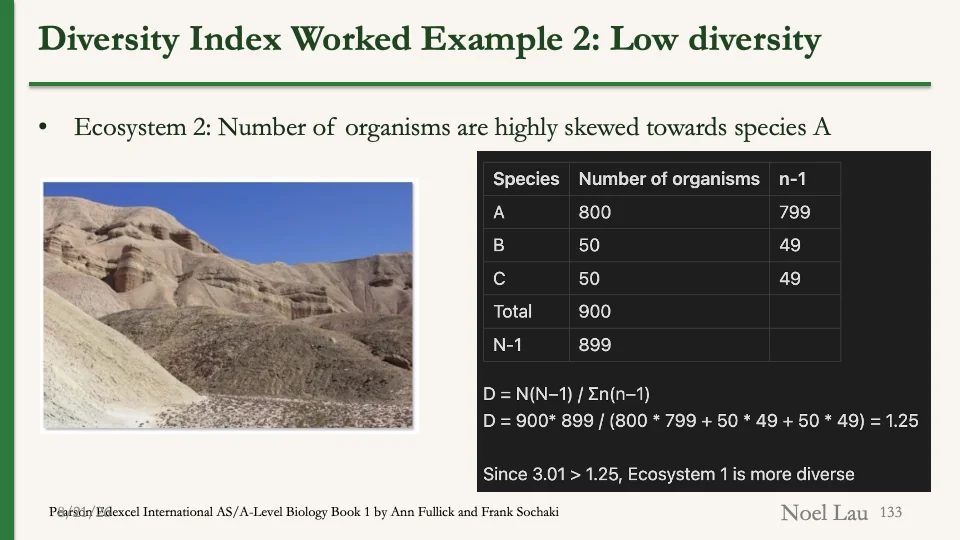
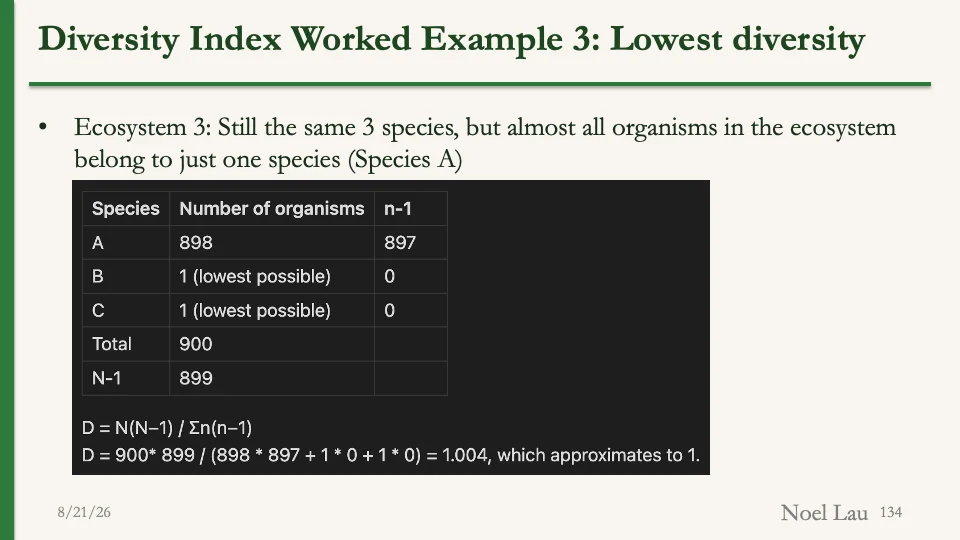
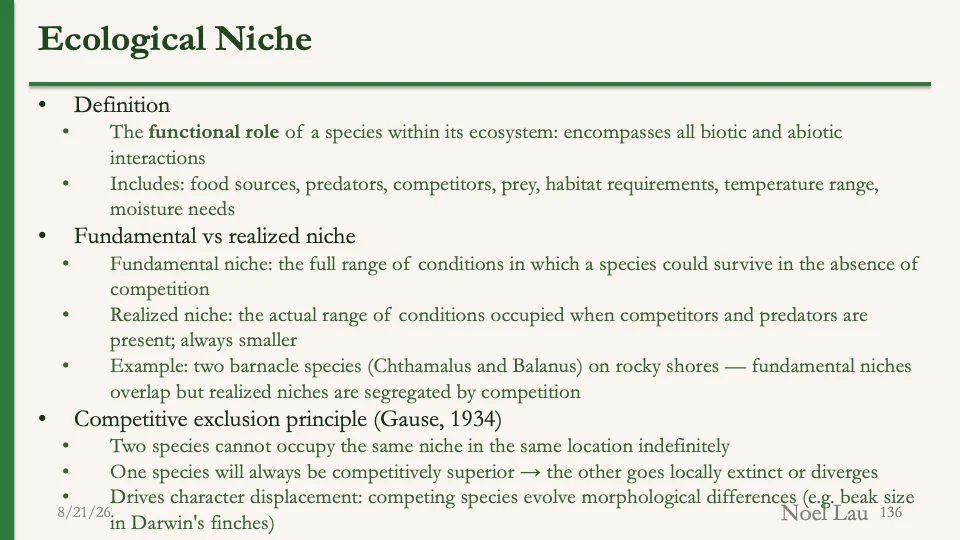
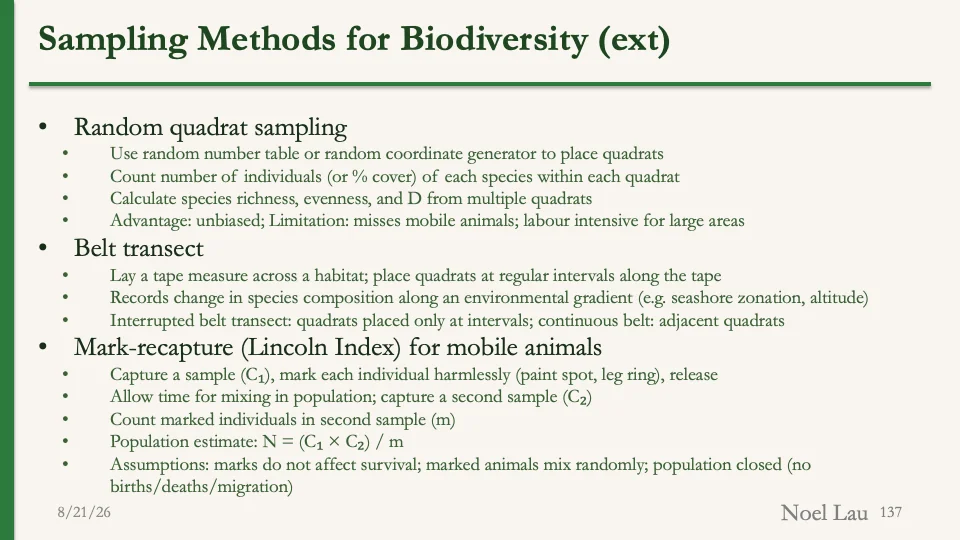
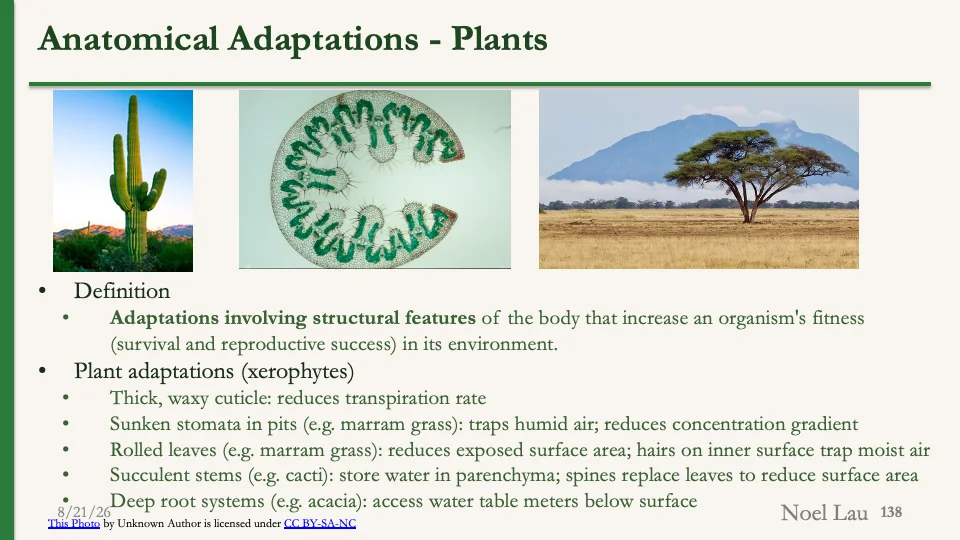
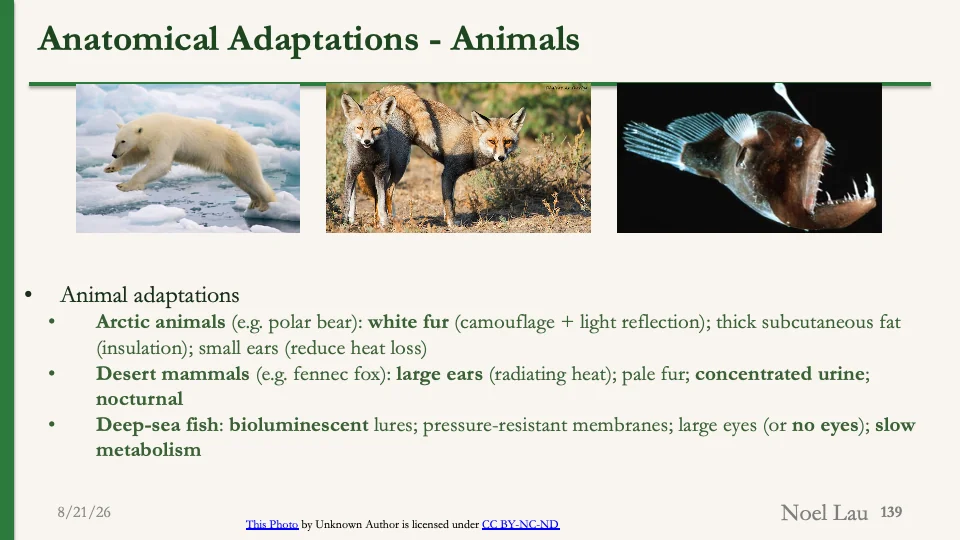
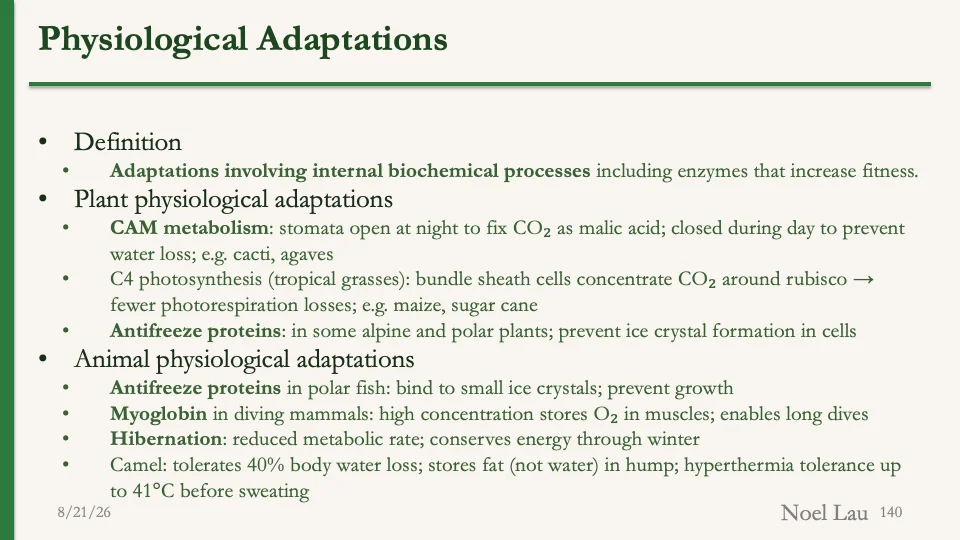
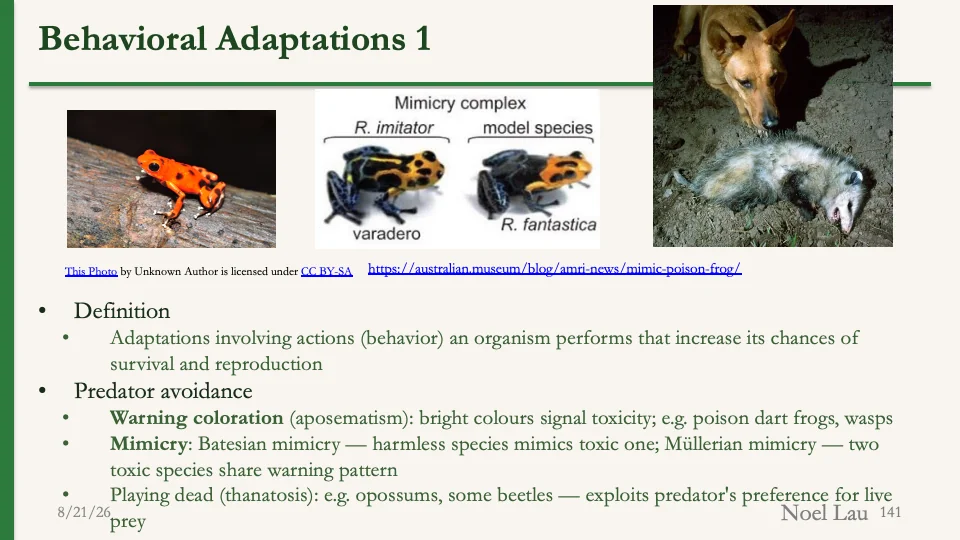
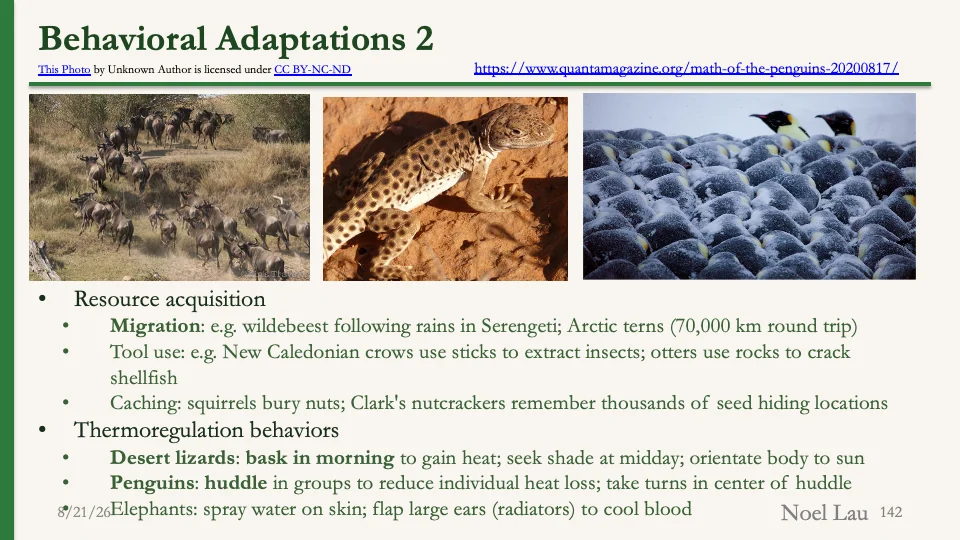
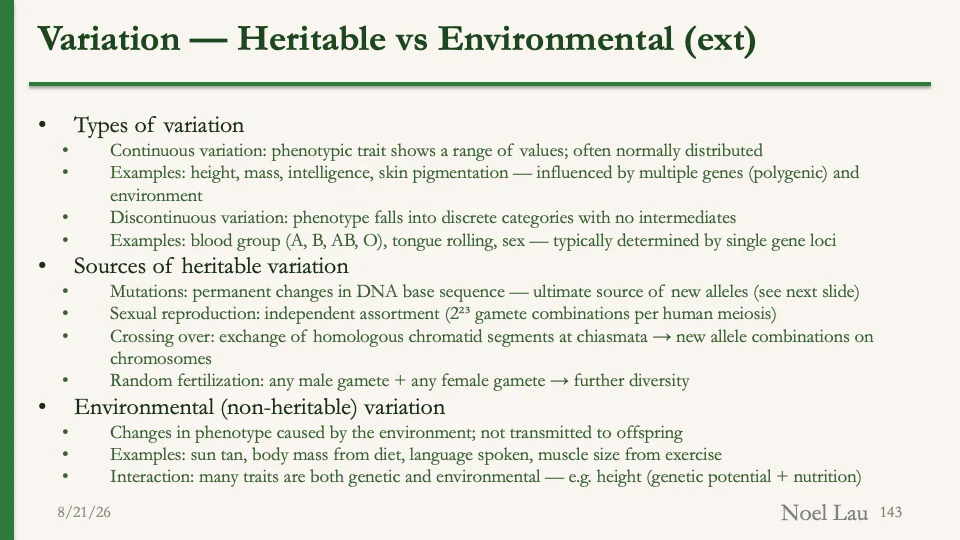
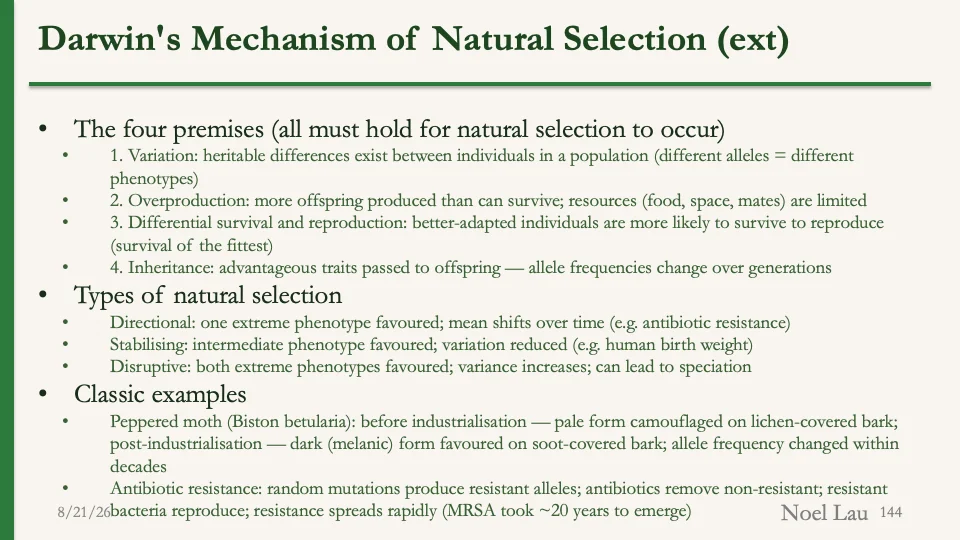
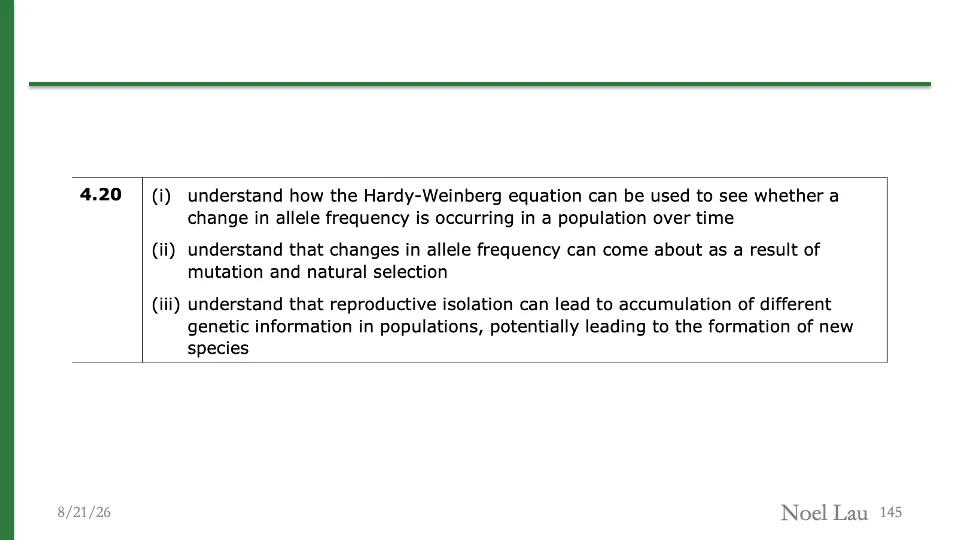
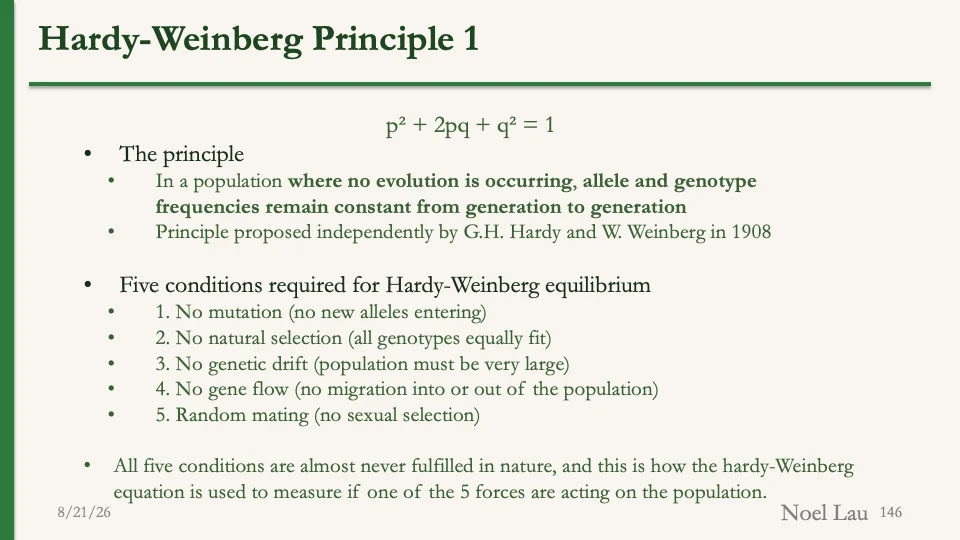
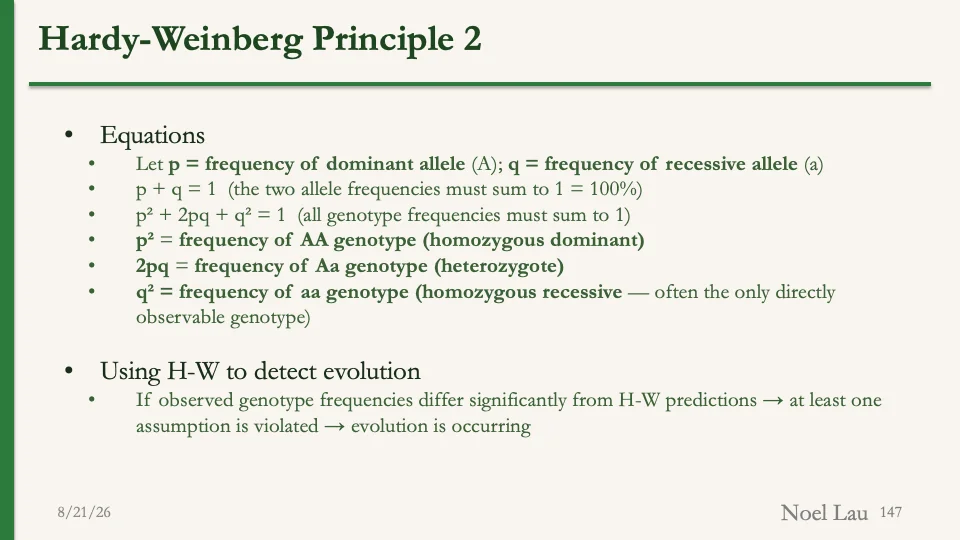
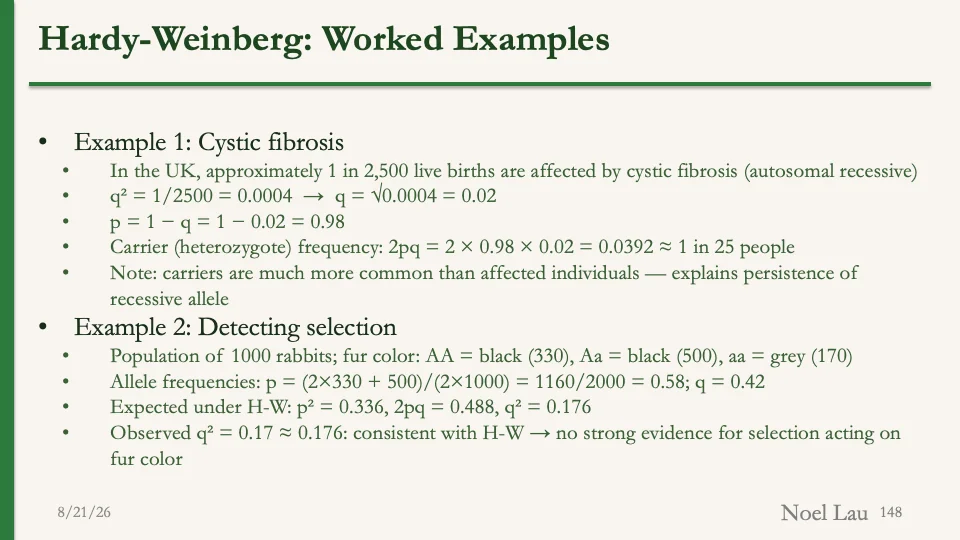
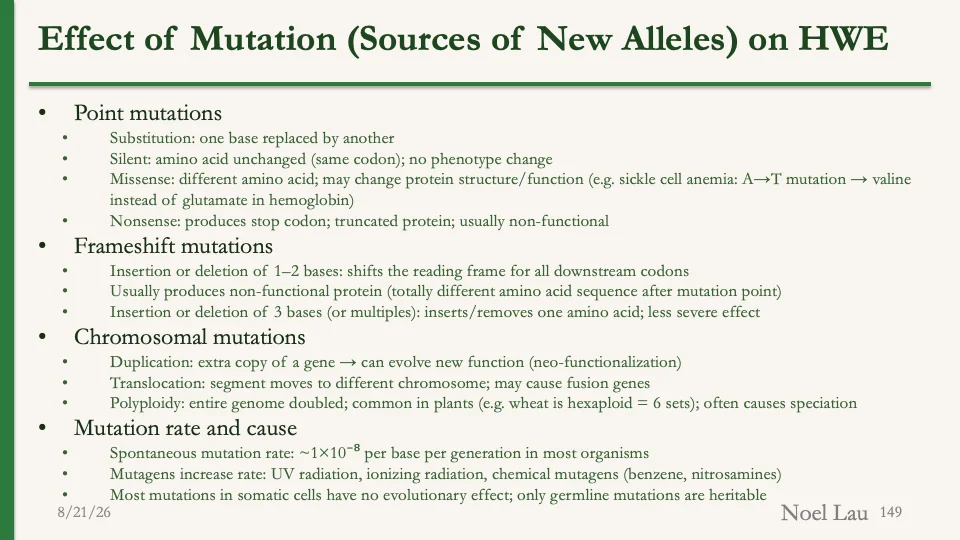
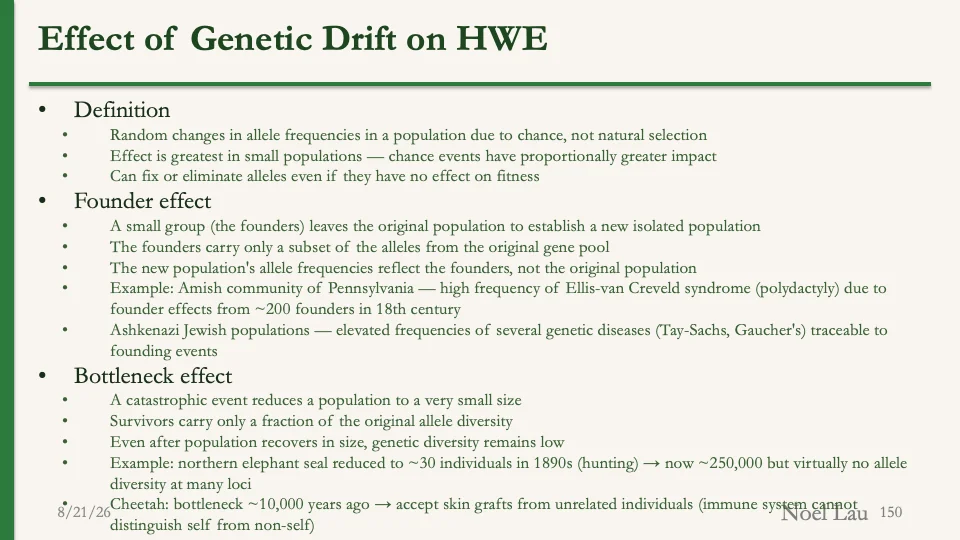
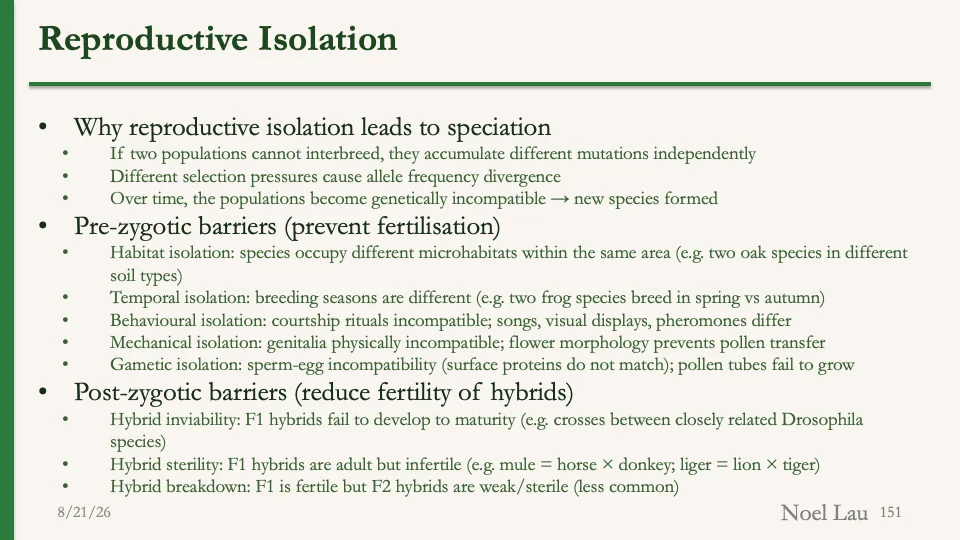
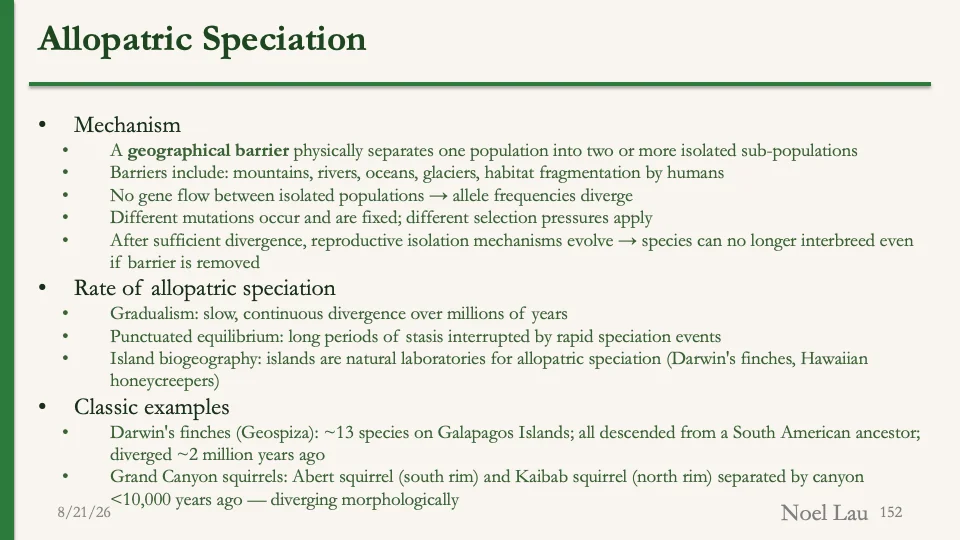
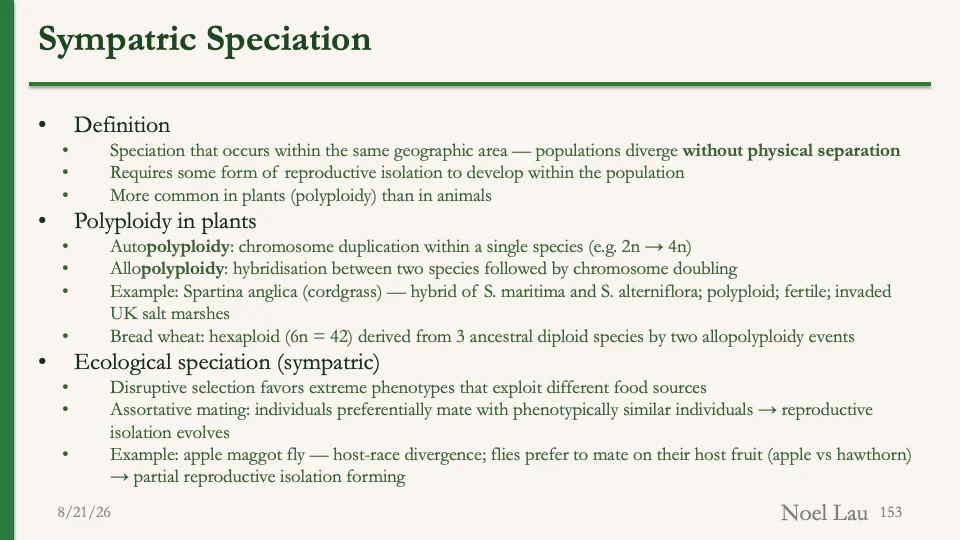
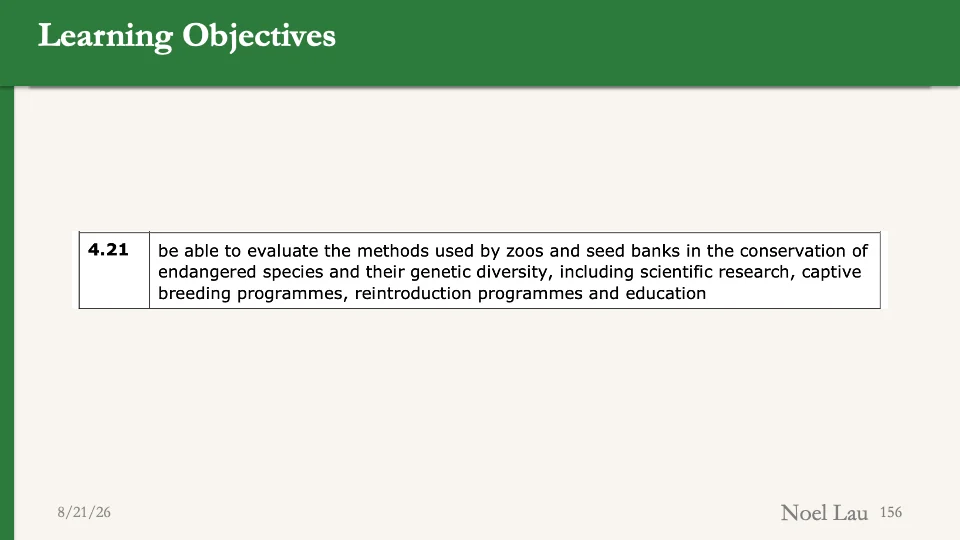
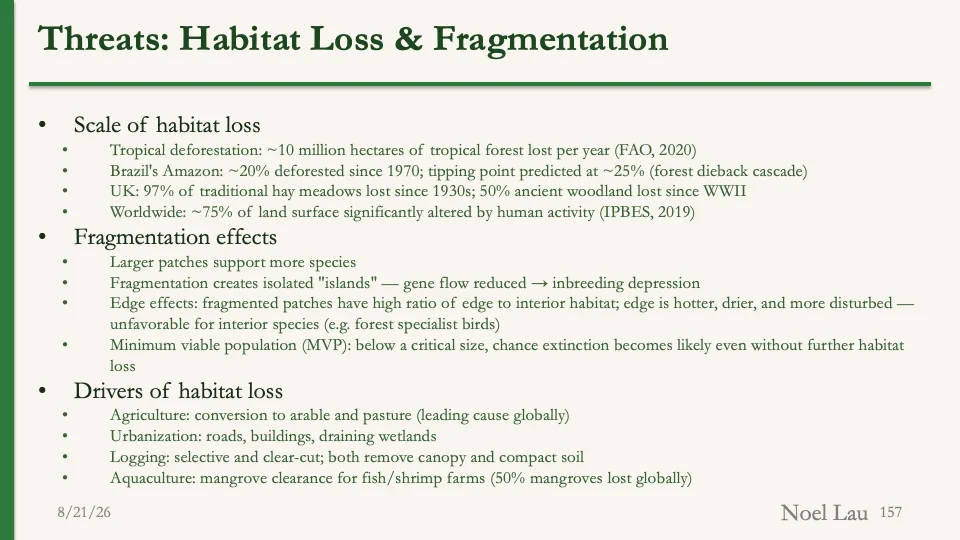
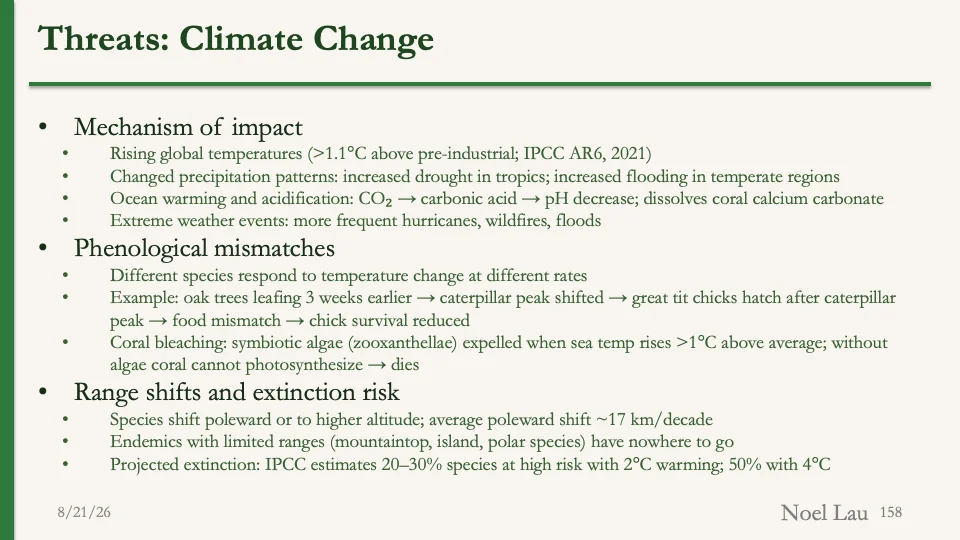
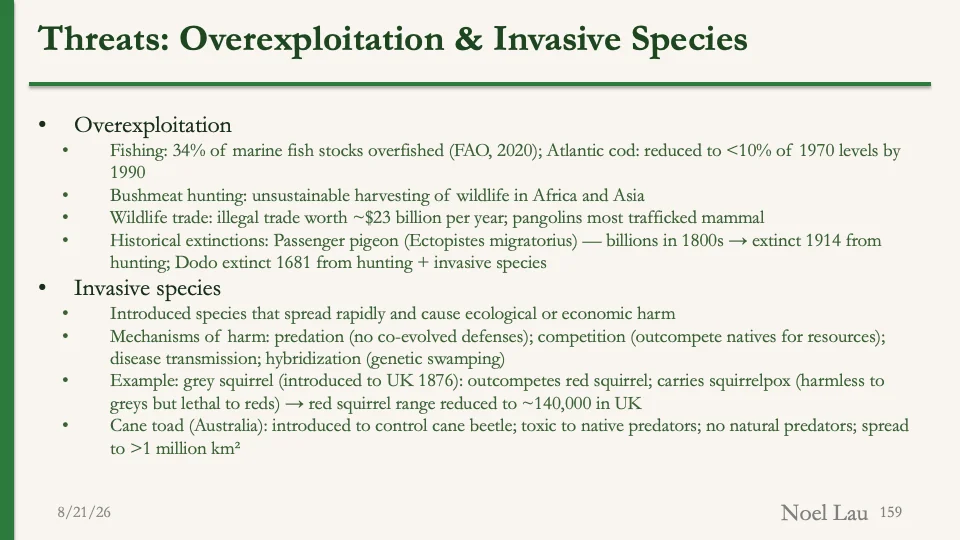
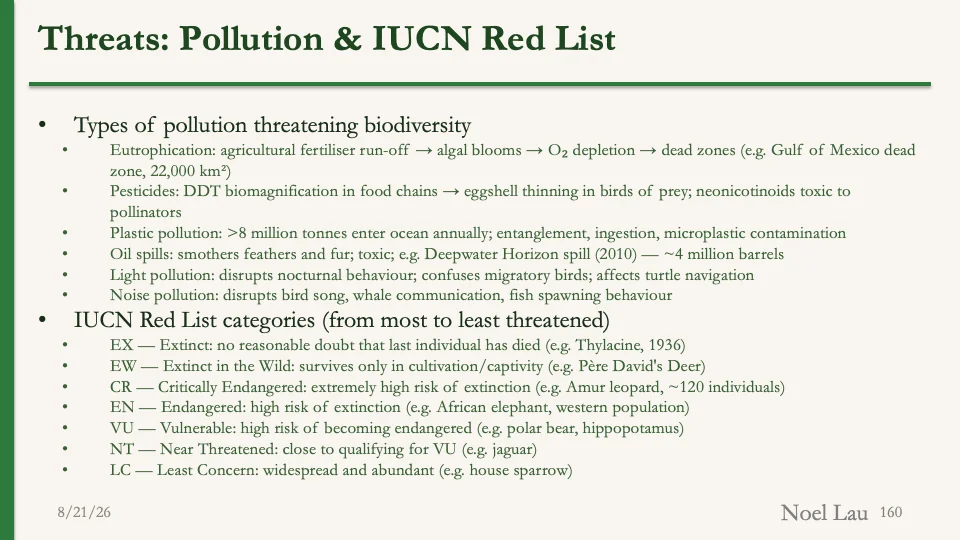
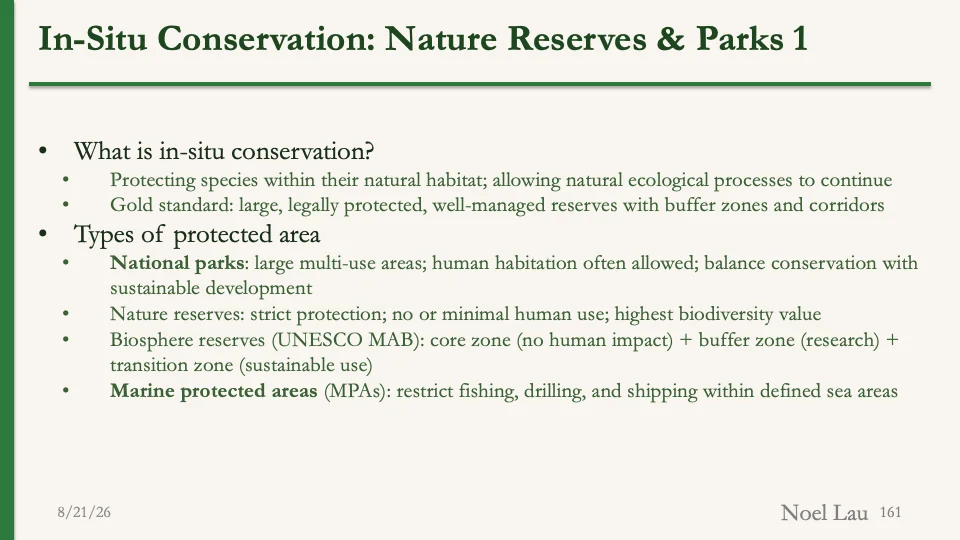
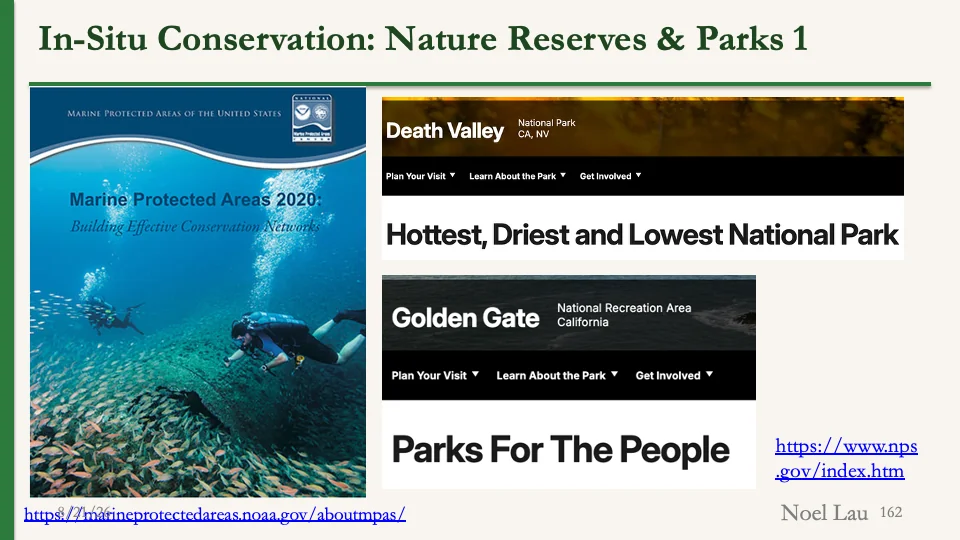
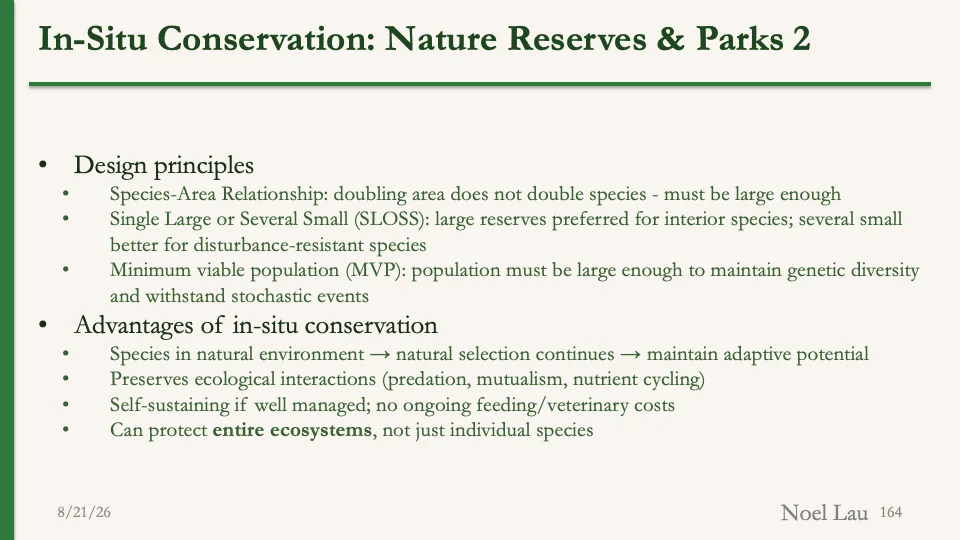
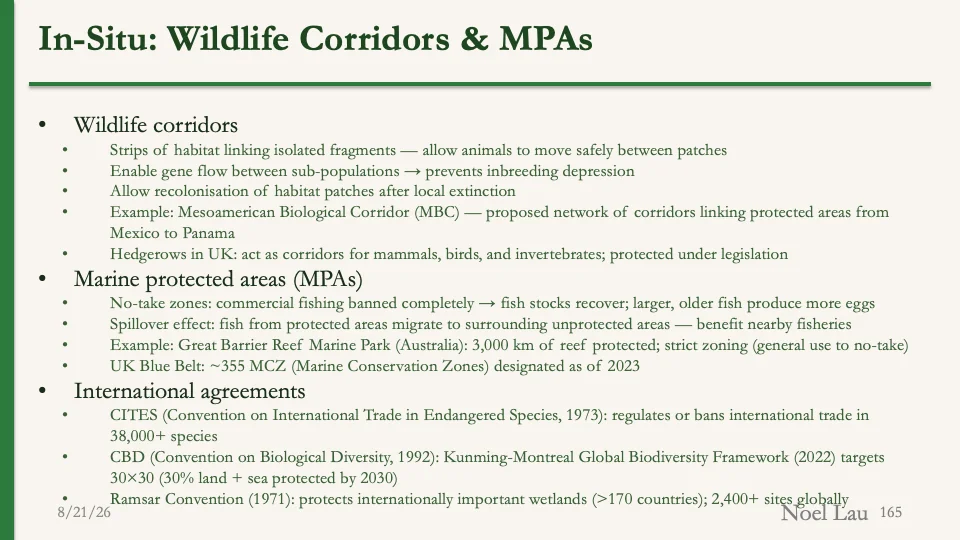
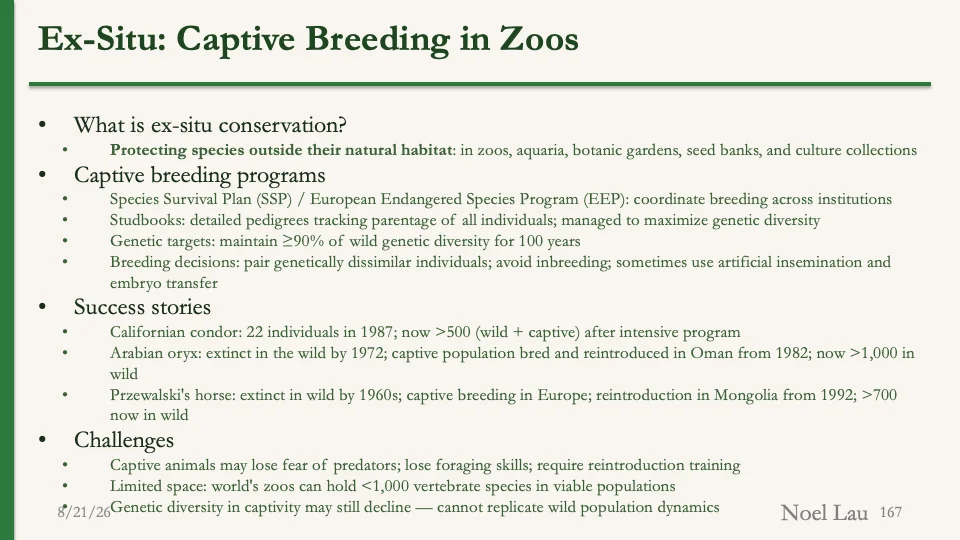
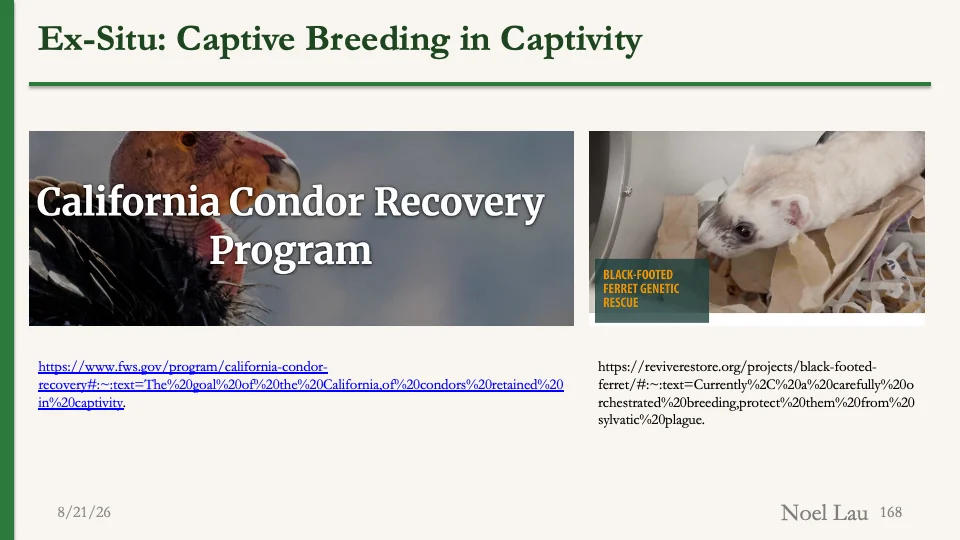
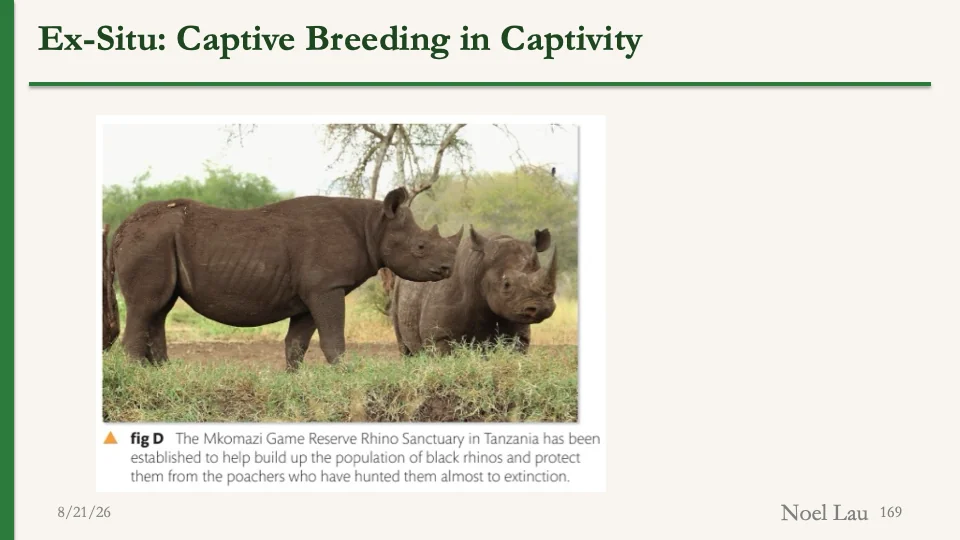
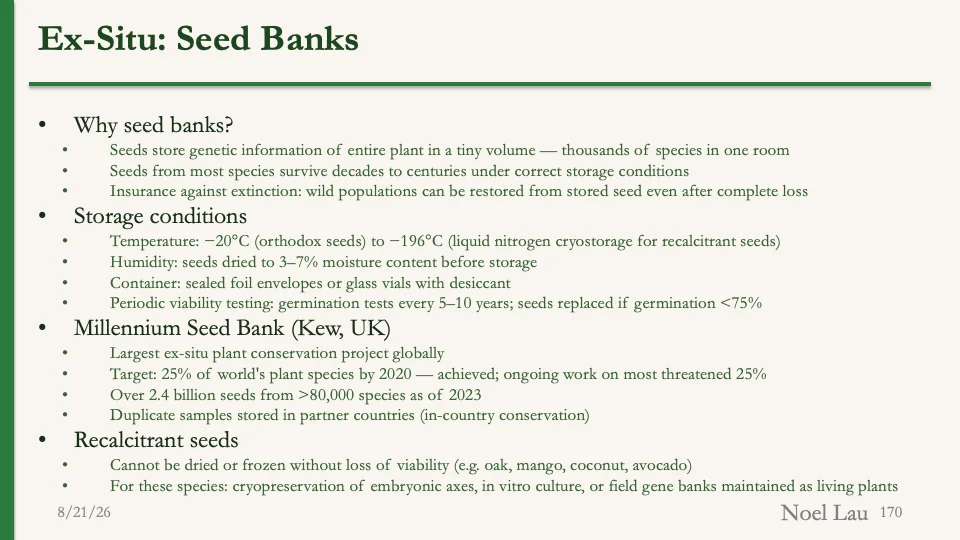
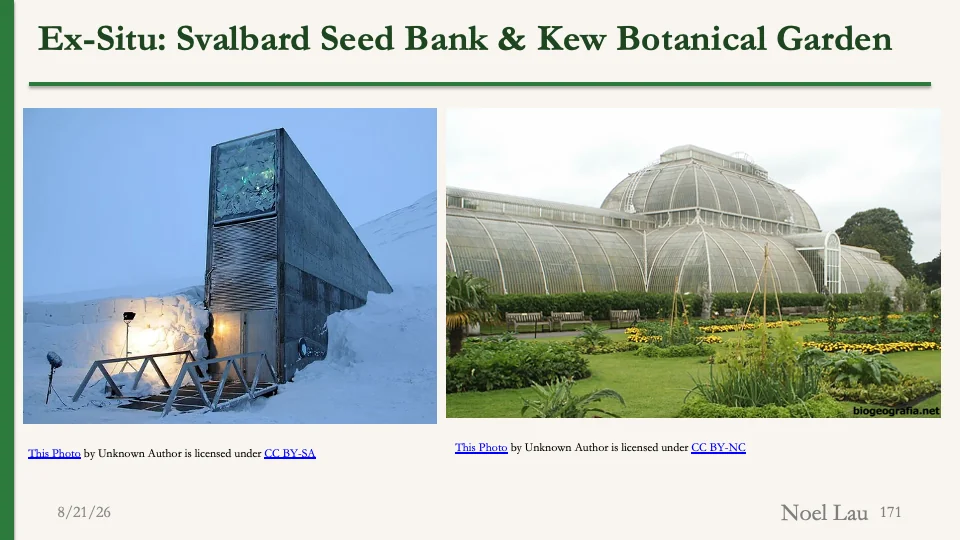
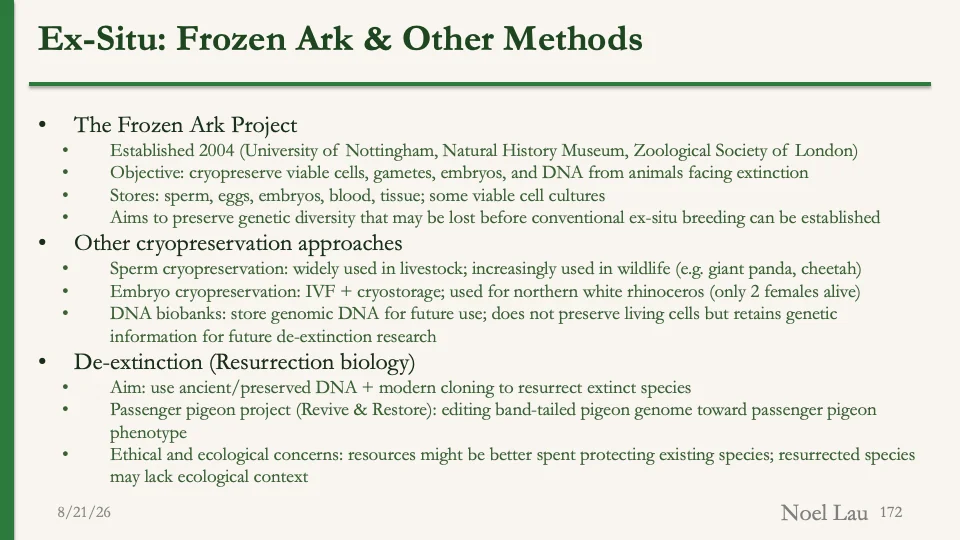
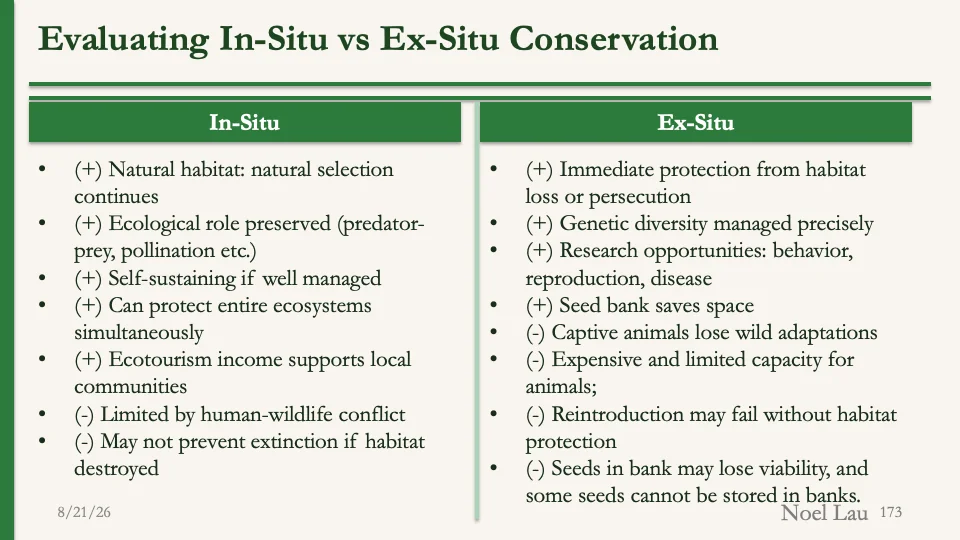
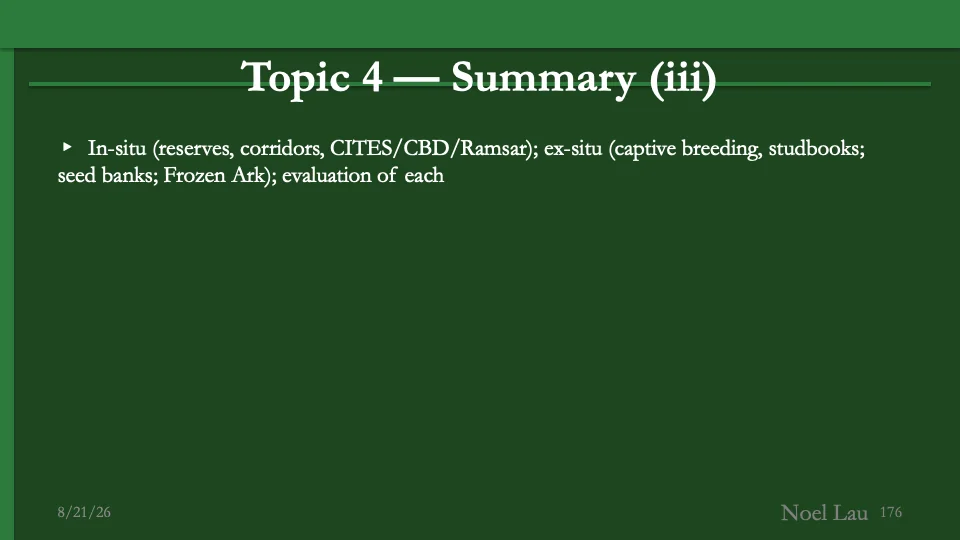
The final section broadens in scale from the organism to the ecosystem. Classification is approached both phenotypically and genotypically, with the three-domain system serving as a case study in how molecular evidence can overturn established taxonomic frameworks. Biodiversity is treated quantitatively through species richness, the index of diversity, and the heterozygosity index, and the concept of ecological niche is used to frame discussion of adaptation. Population genetics is introduced through the Hardy-Weinberg equation as a tool for detecting allele frequency change, and the mechanisms of mutation, natural selection and reproductive isolation are examined in the context of speciation. The topic concludes with a critical evaluation of conservation strategies employed by zoos and seed banks, including captive breeding, reintroduction programmes, and the preservation of genetic diversity.