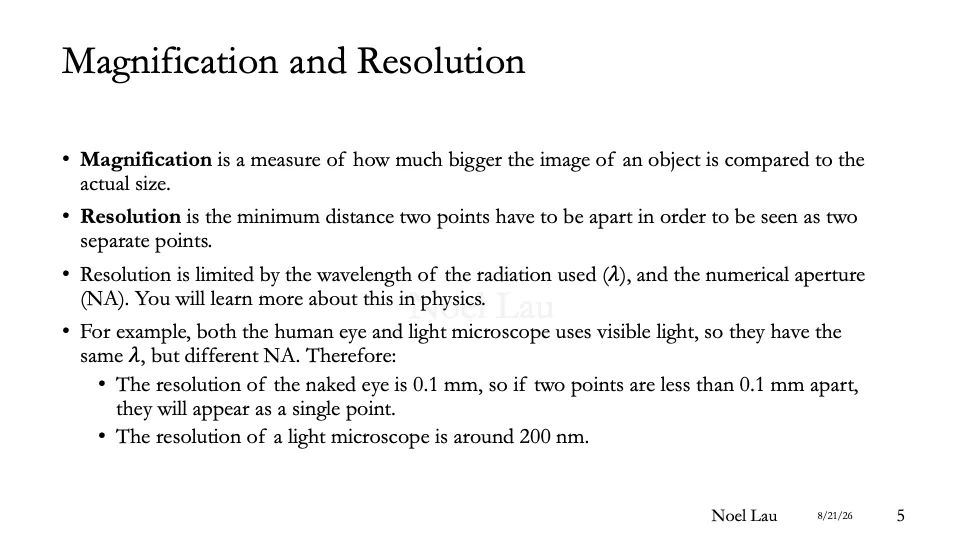
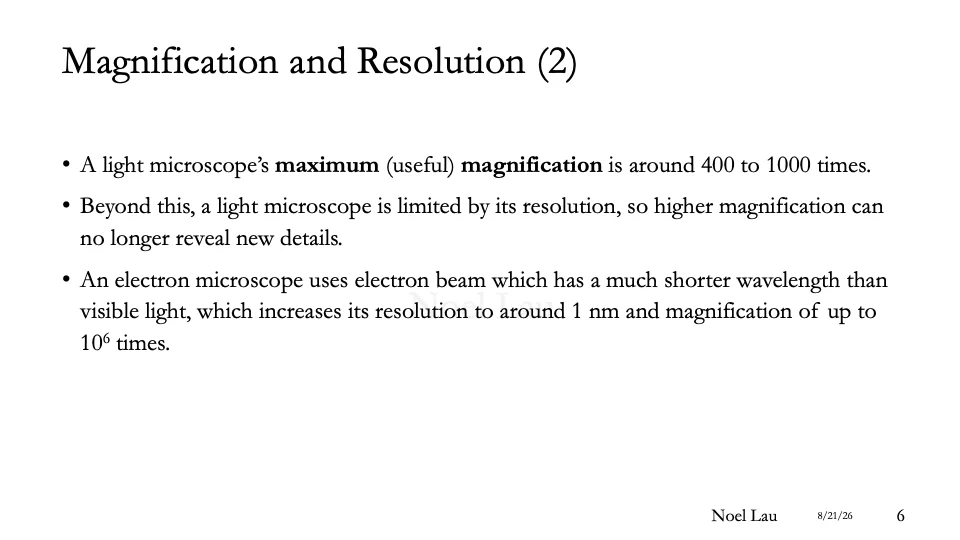
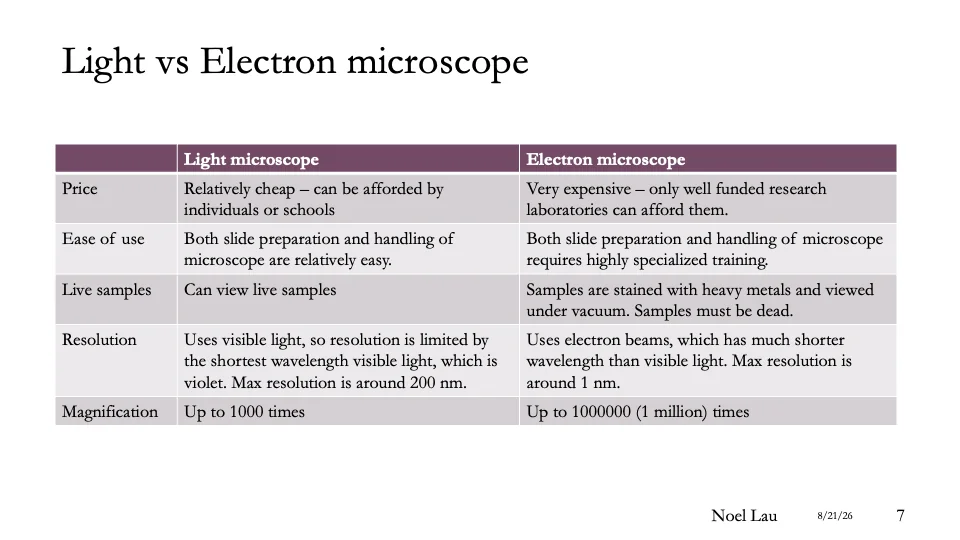
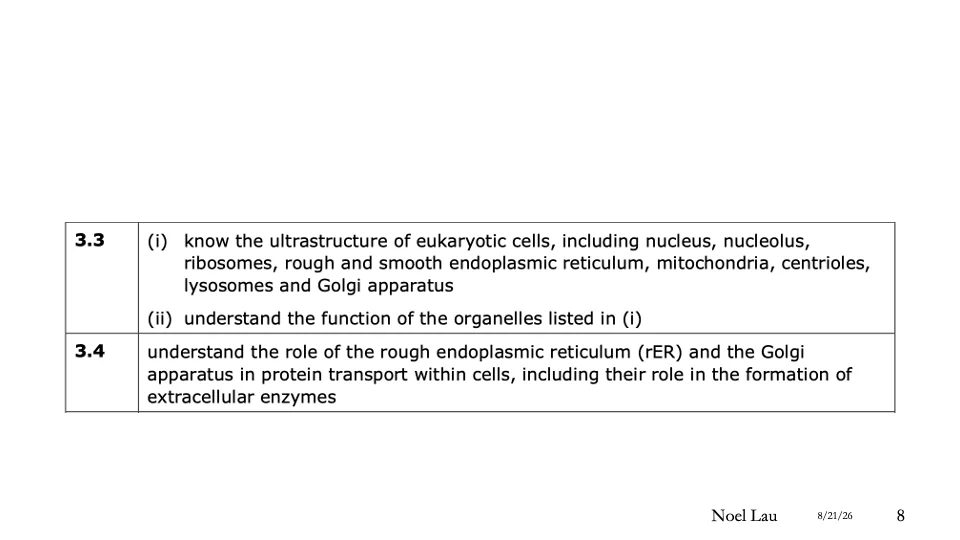
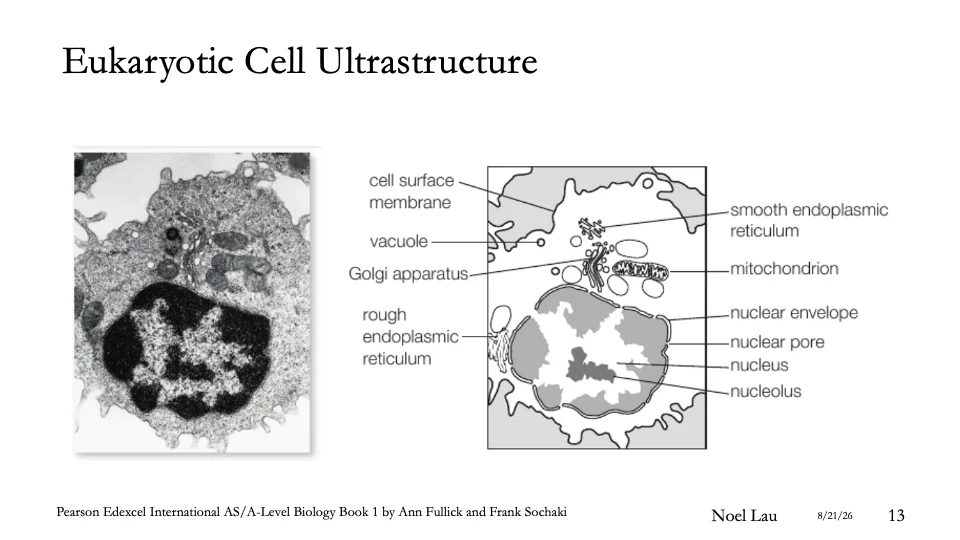
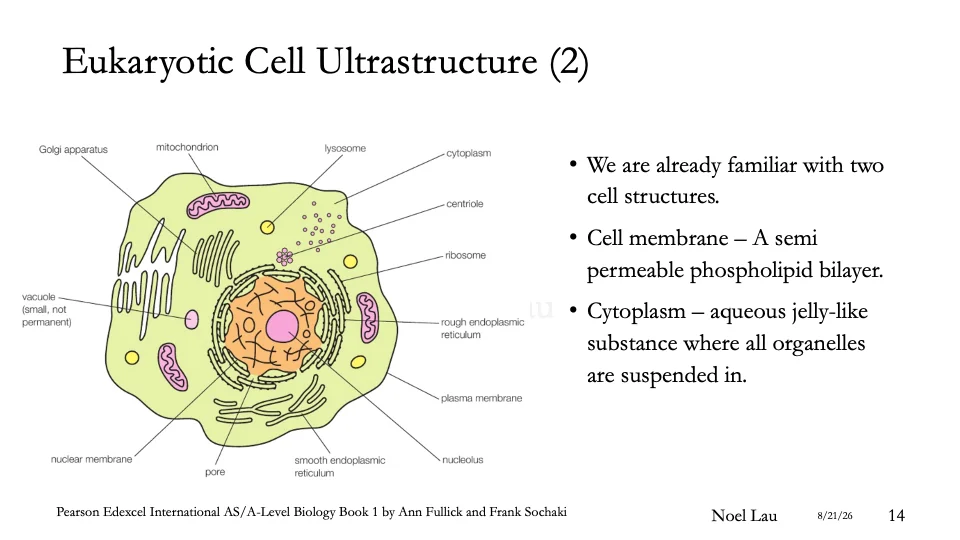
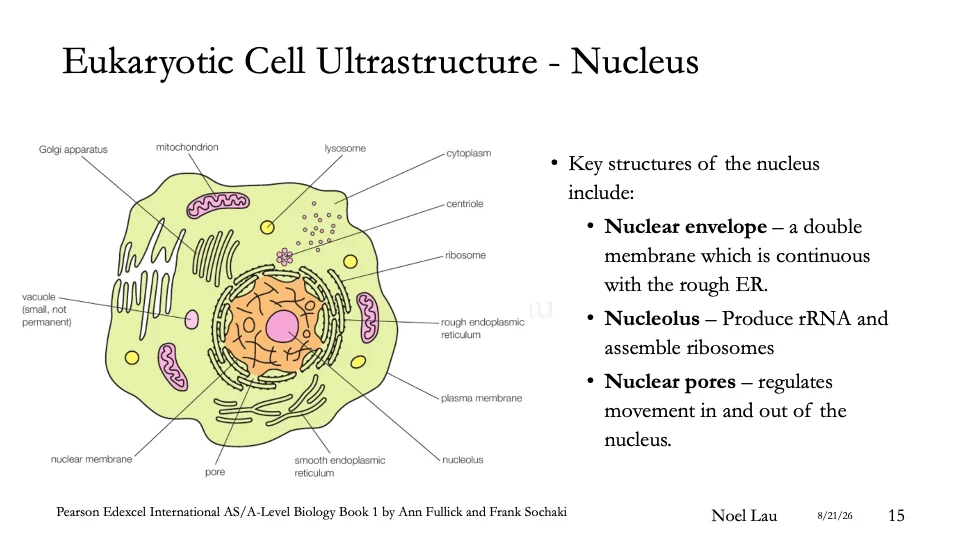
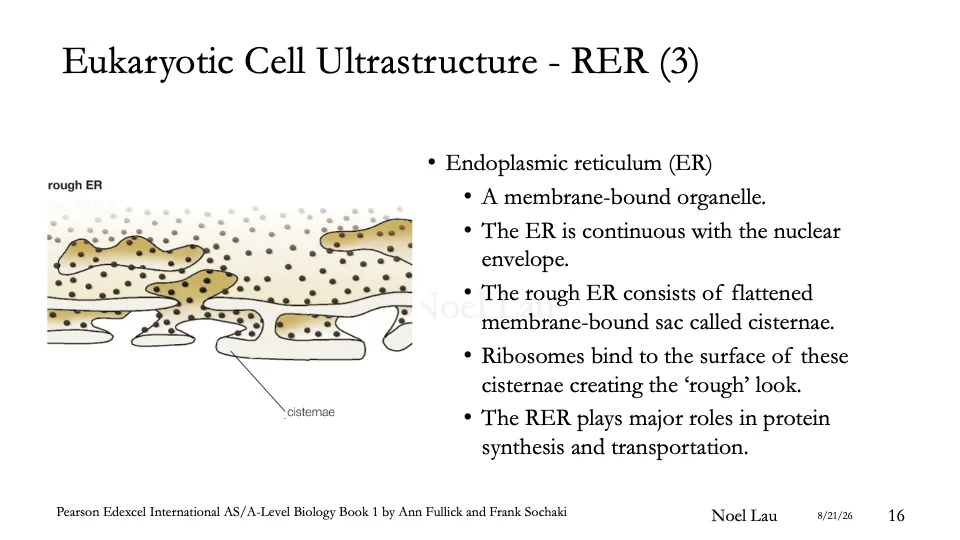
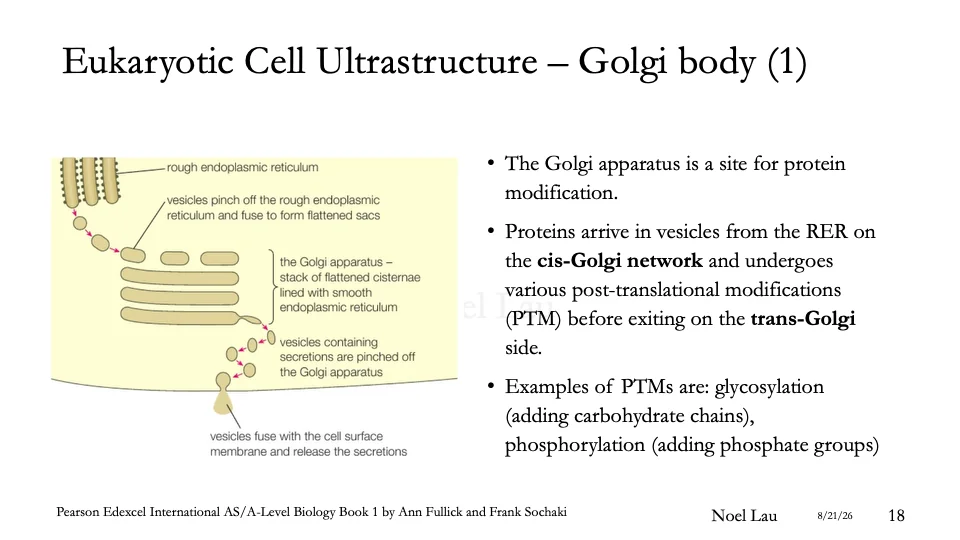
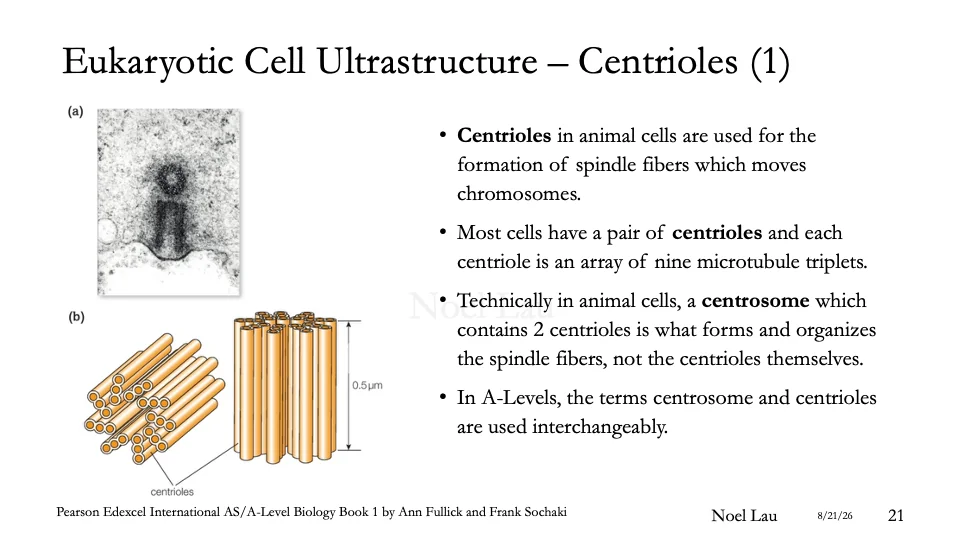
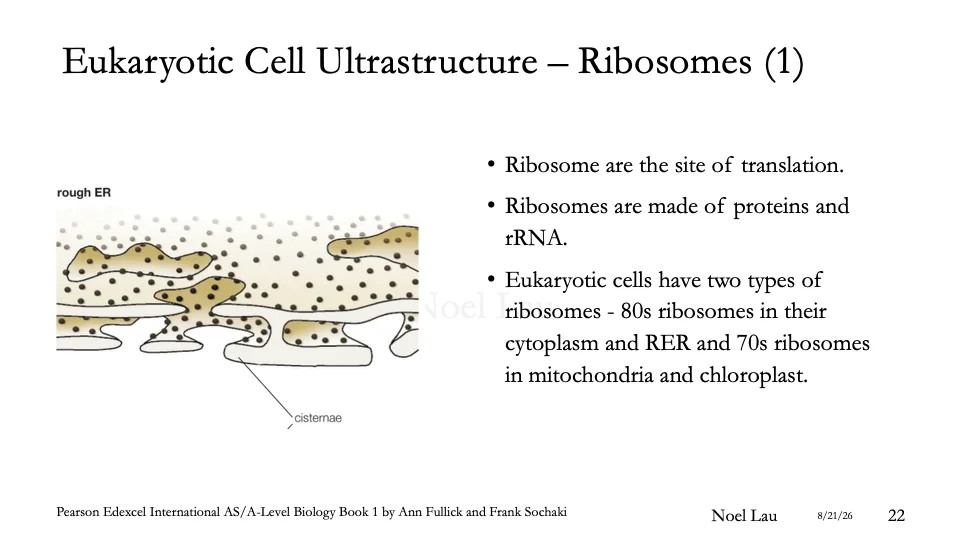
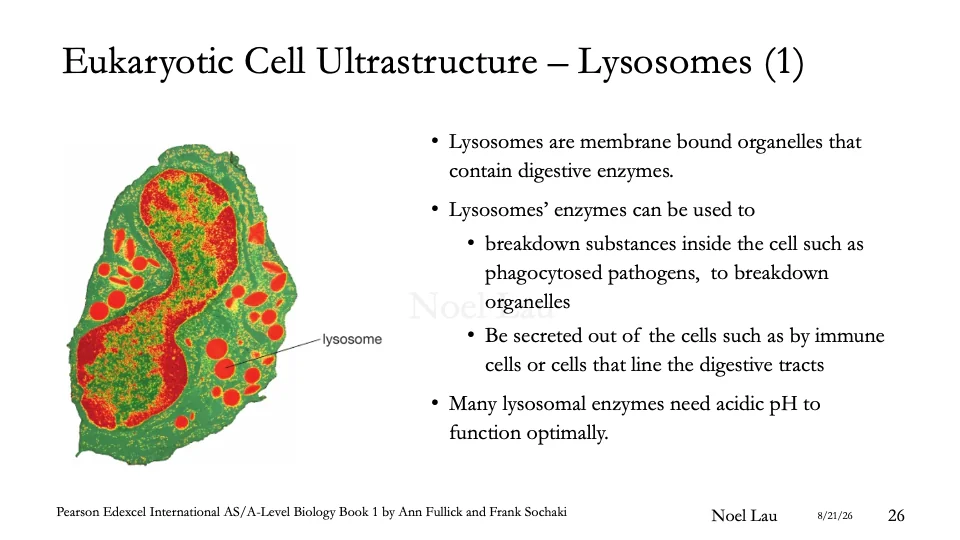
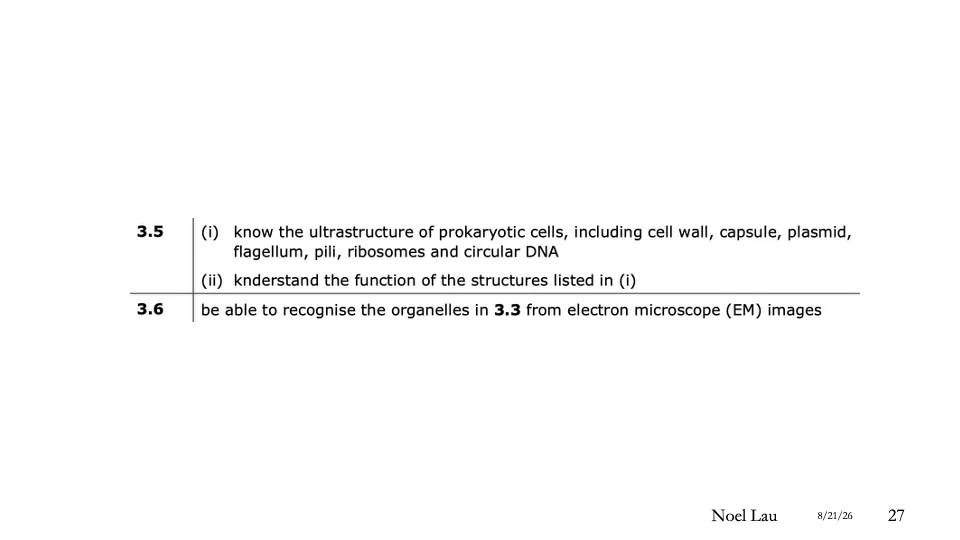
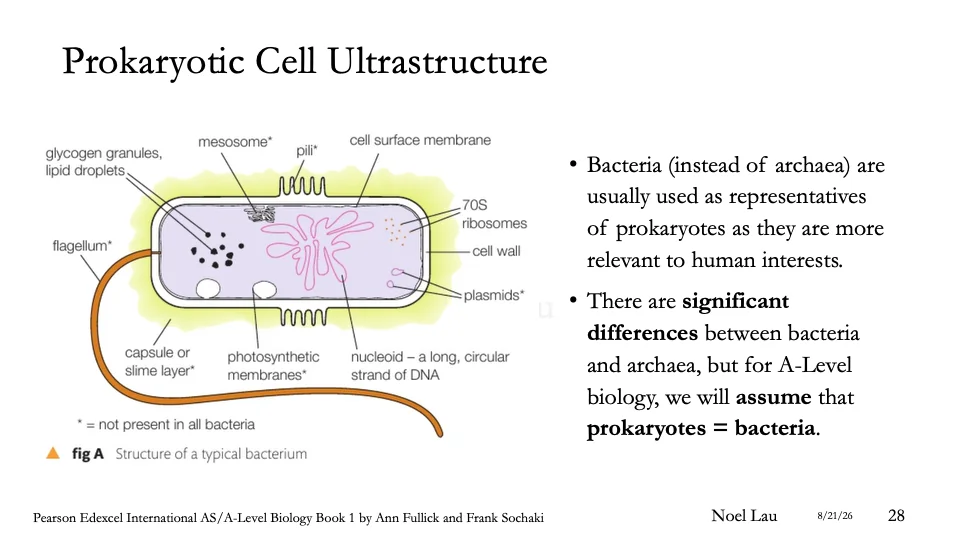
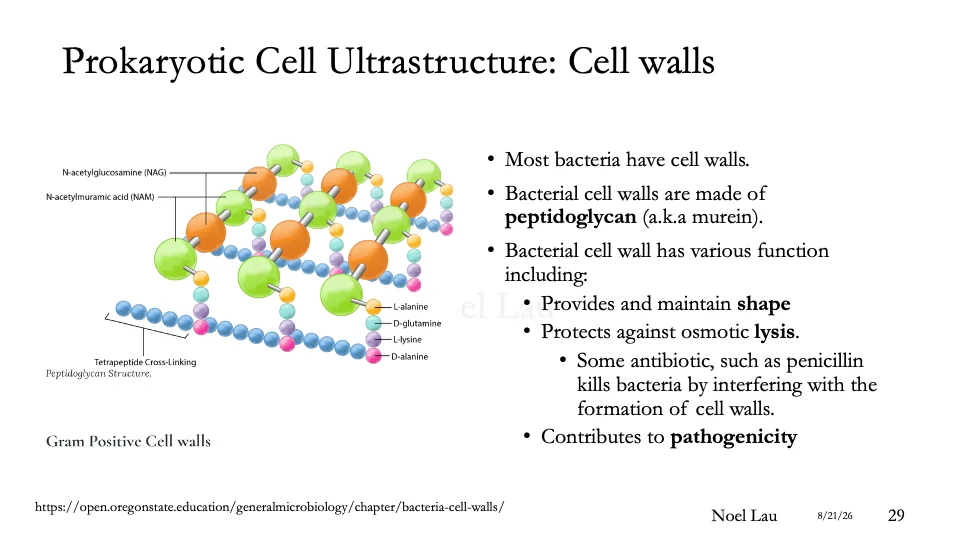
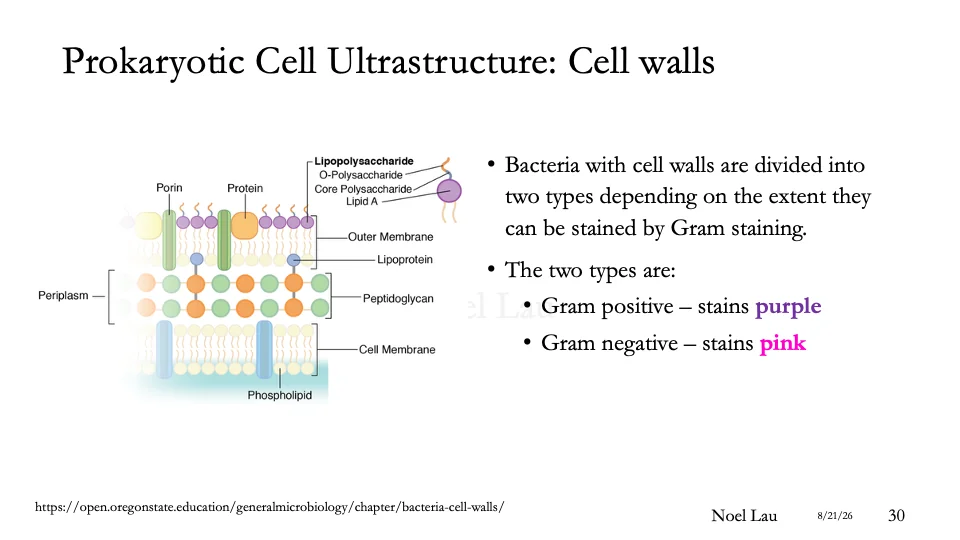
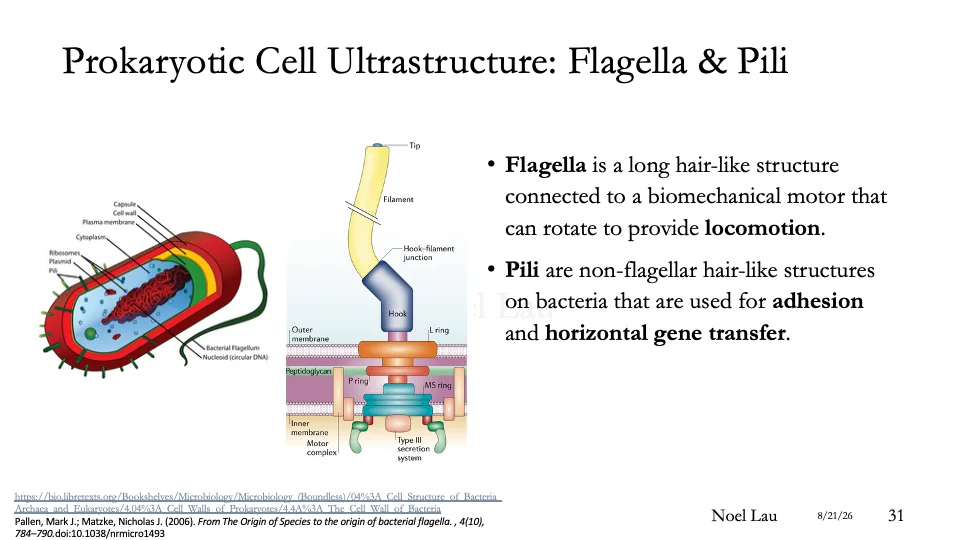
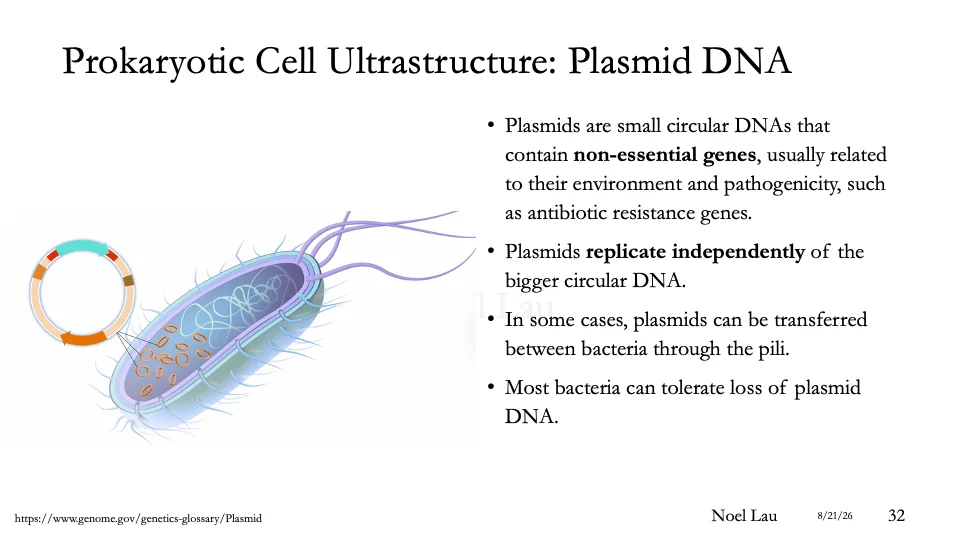
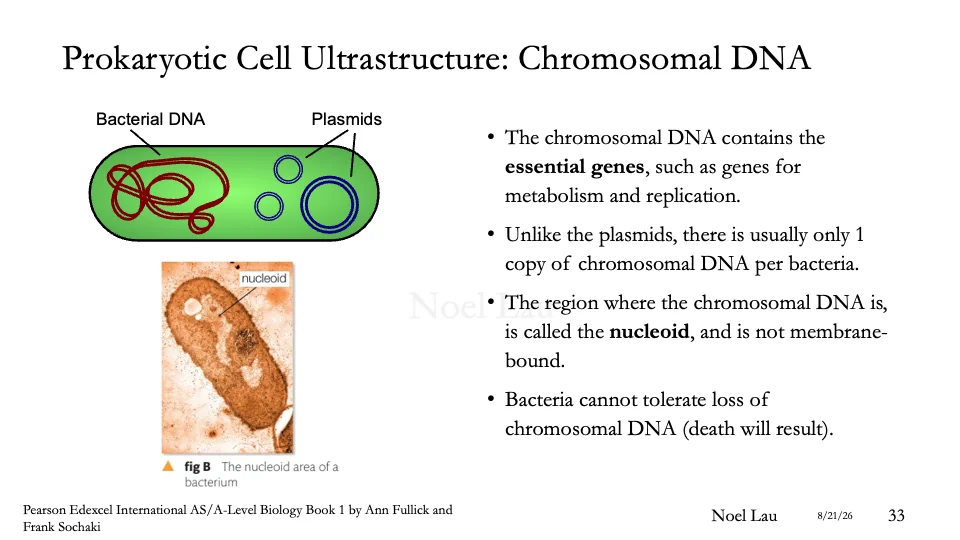
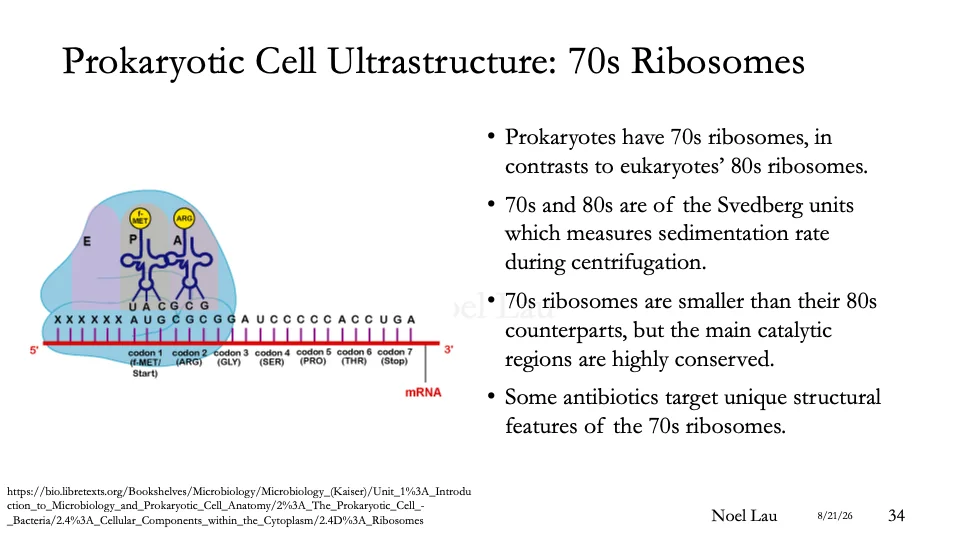
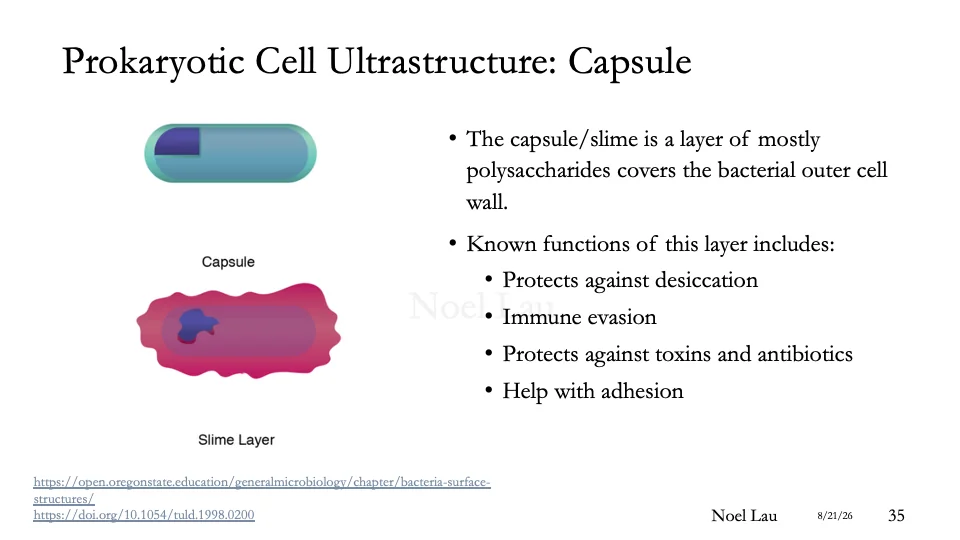
The cell is the fundamental unit of life, and this topic opens by establishing what all cells have in common before distinguishing the structural complexity of eukaryotic cells from the simpler organisation of prokaryotes. Students will examine the ultrastructure of both cell types in detail, identifying organelles from electron micrographs and understanding how each component contributes to cellular function. Particular attention is given to the secretory pathway, tracing the role of the rough endoplasmic reticulum and Golgi apparatus in the processing and export of proteins.
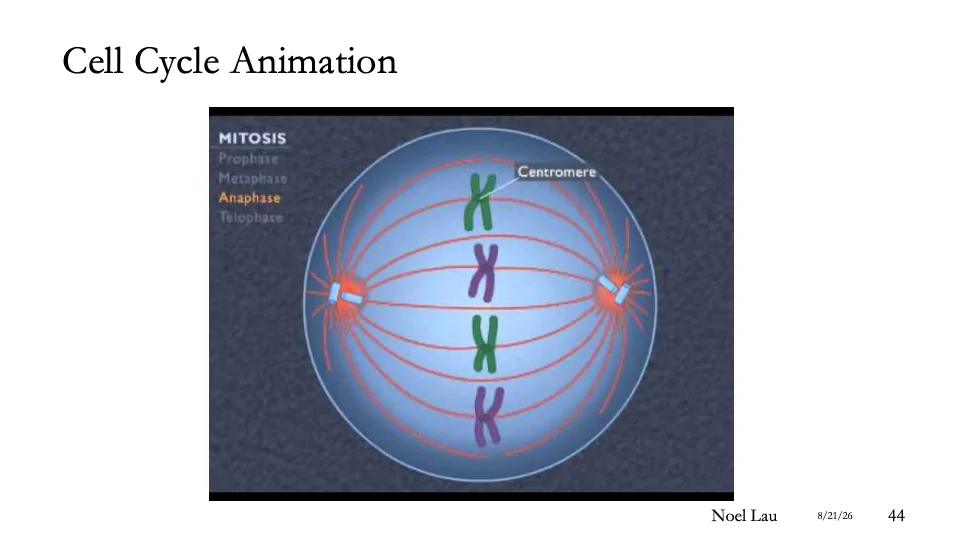
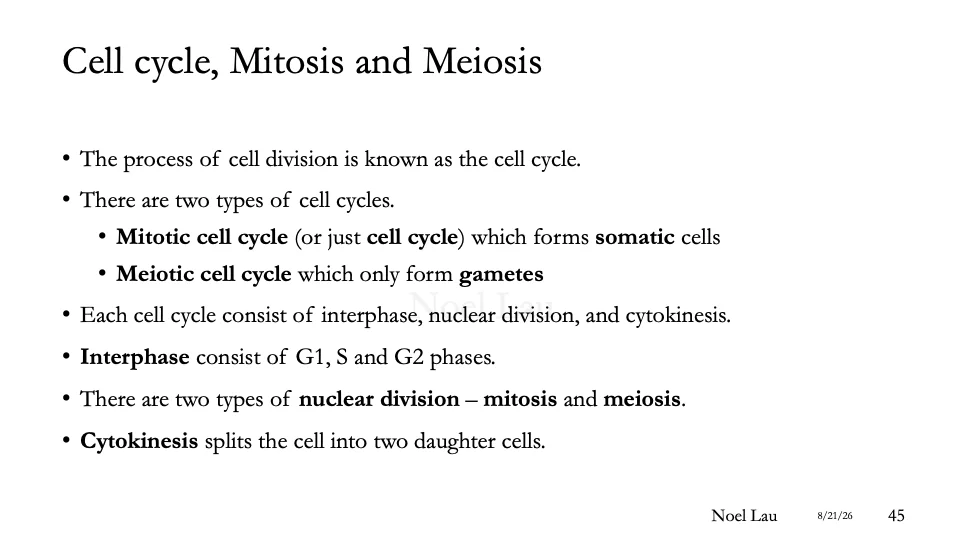
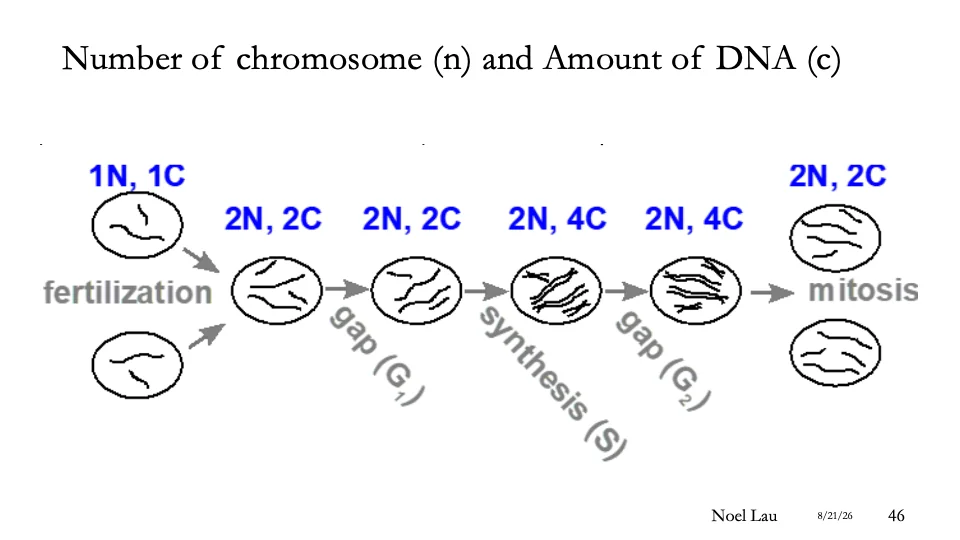
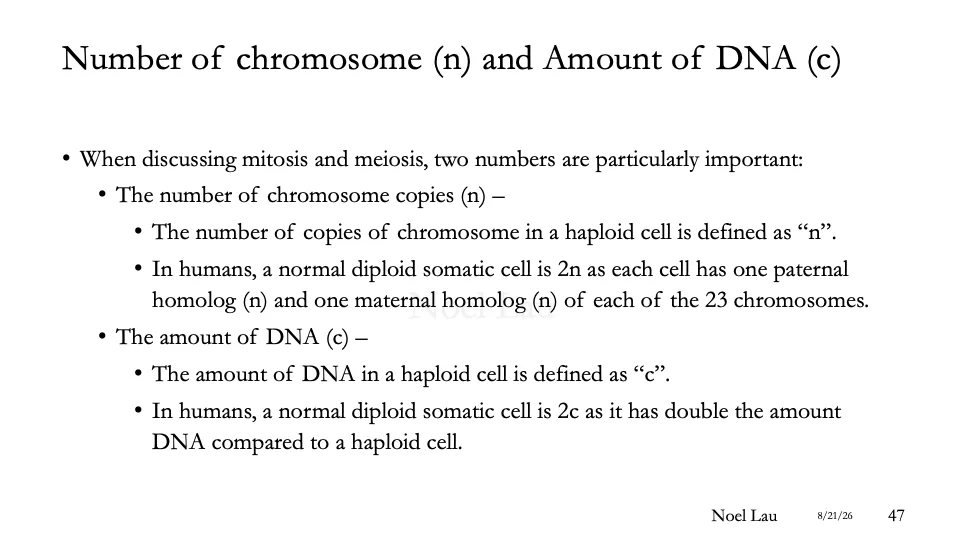
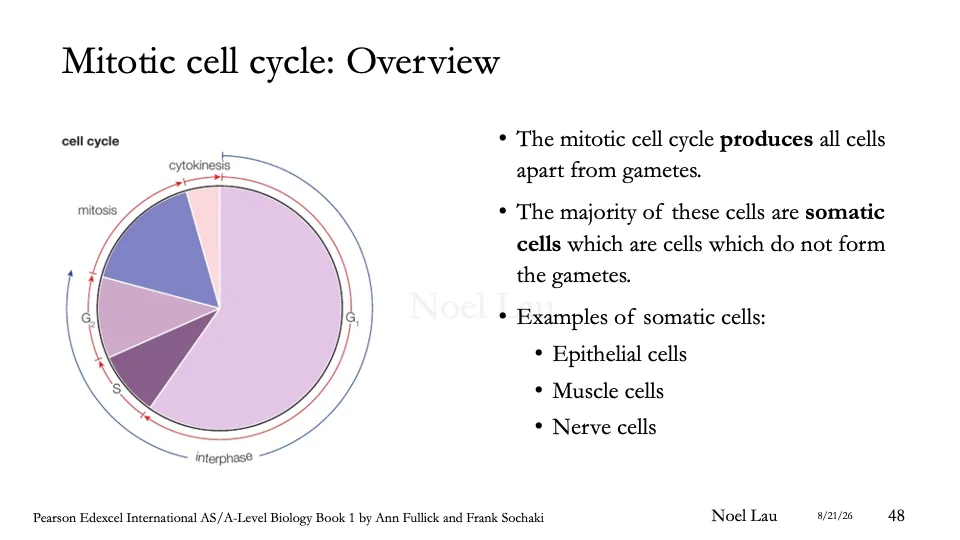
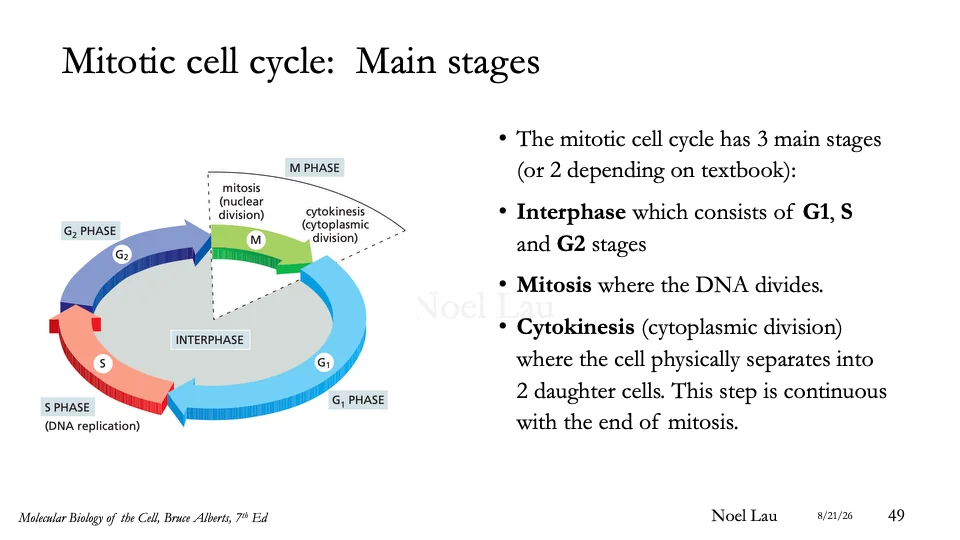
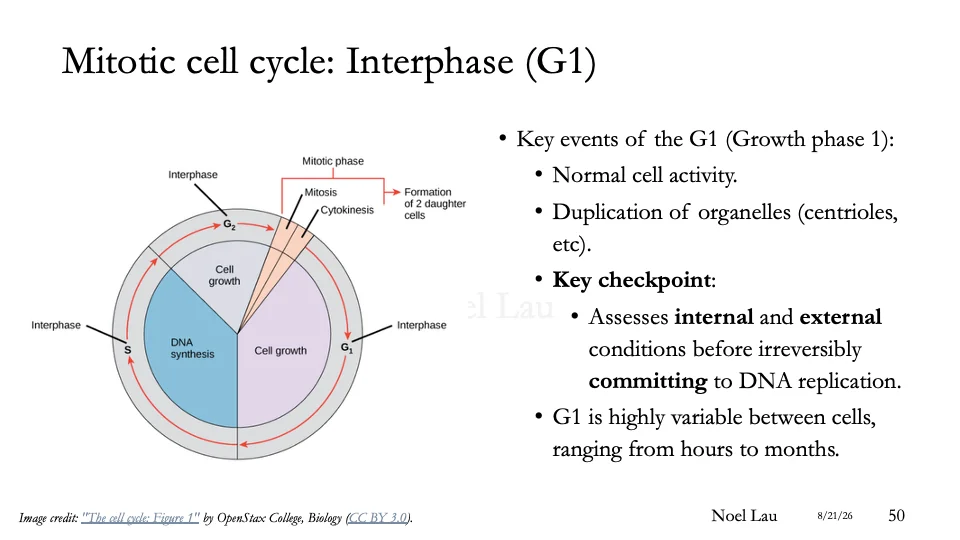
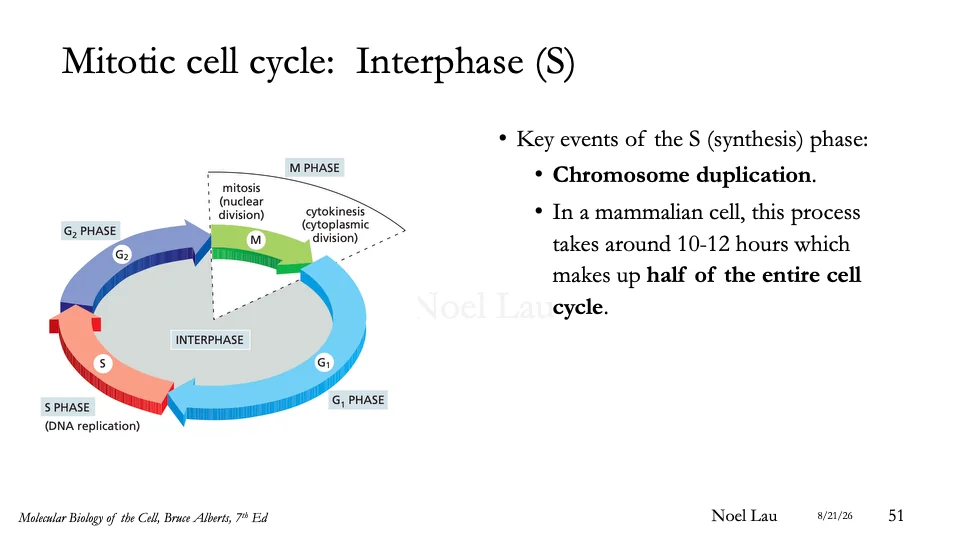
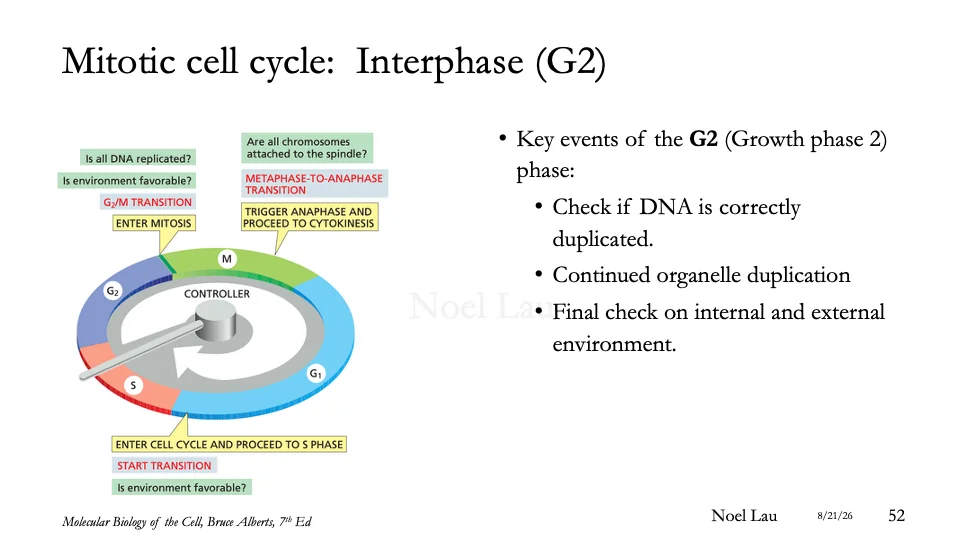
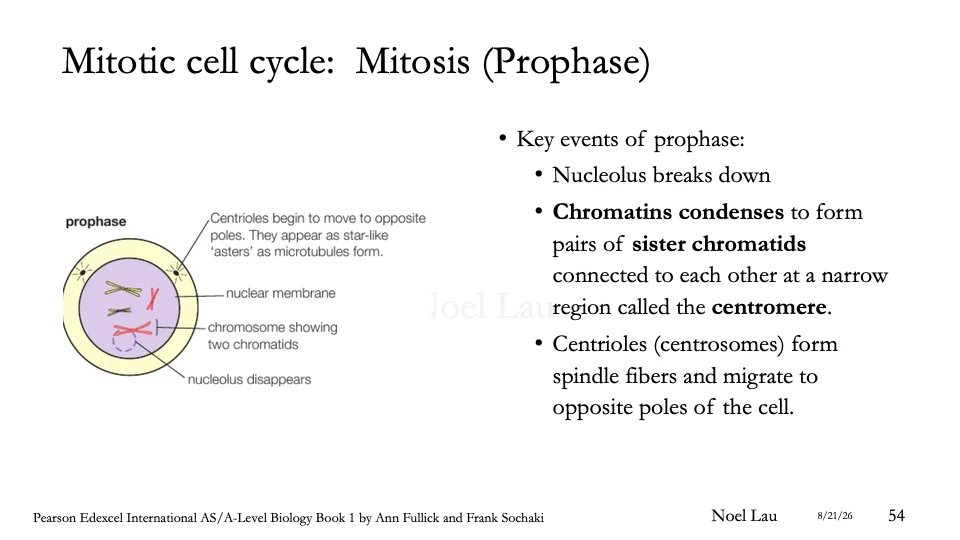
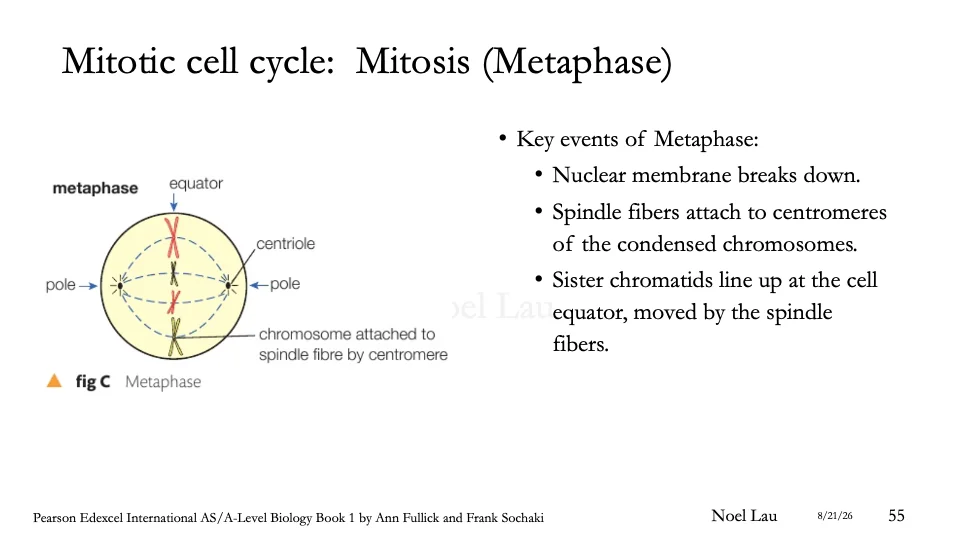
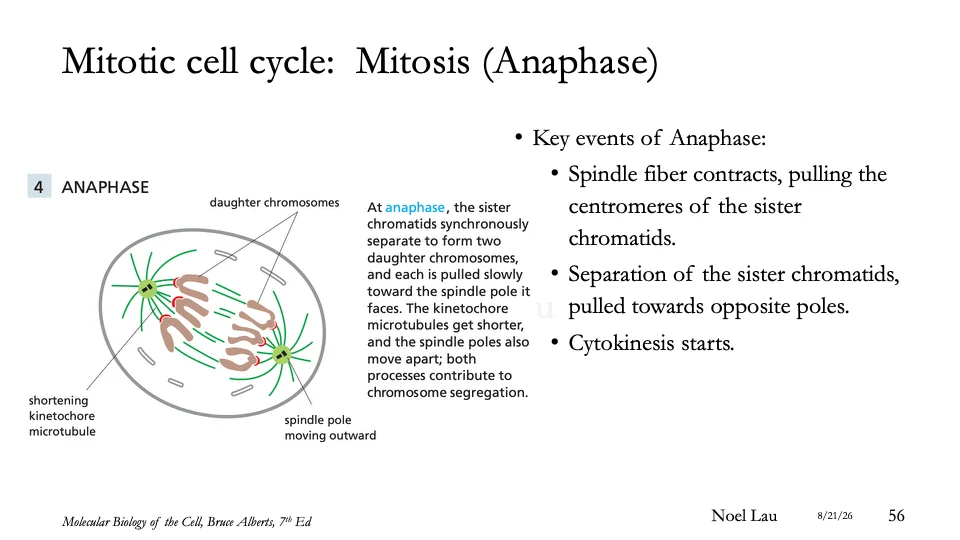
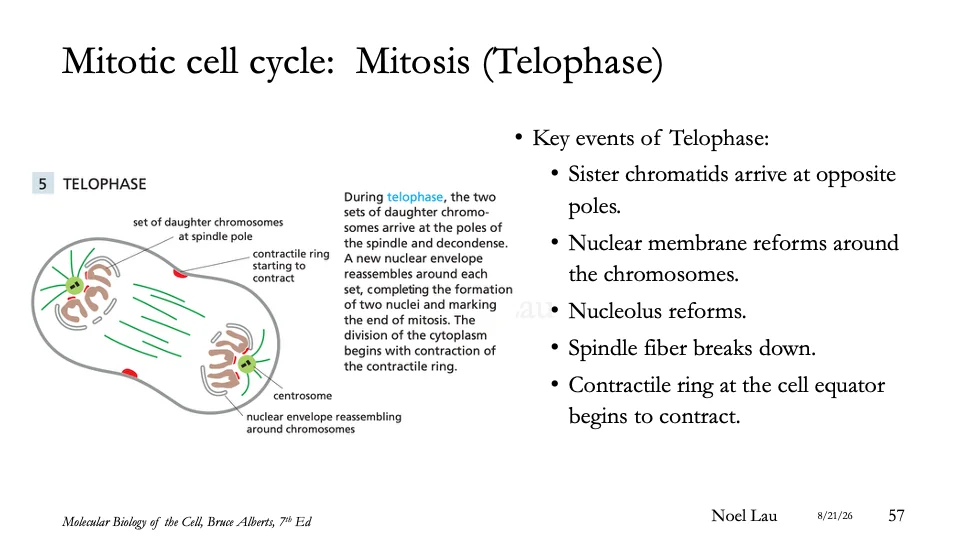
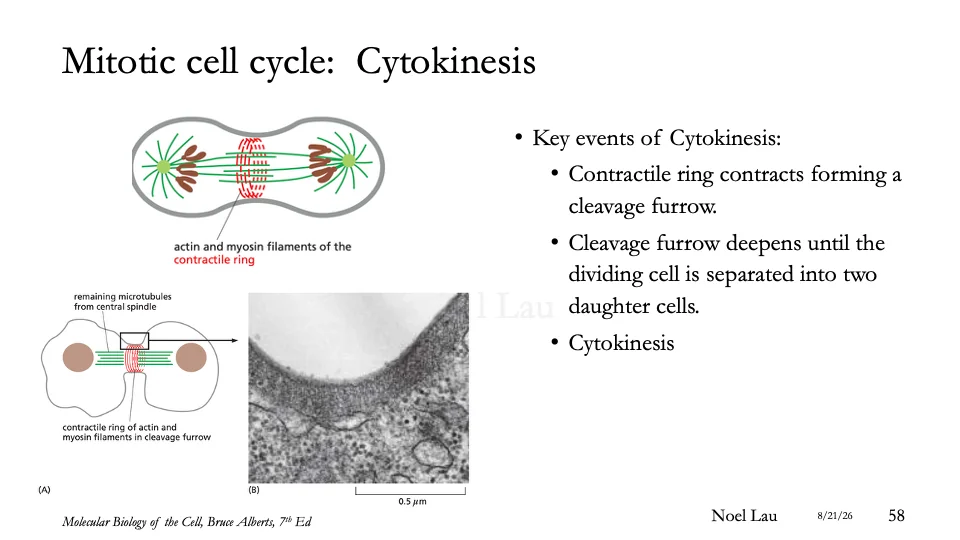
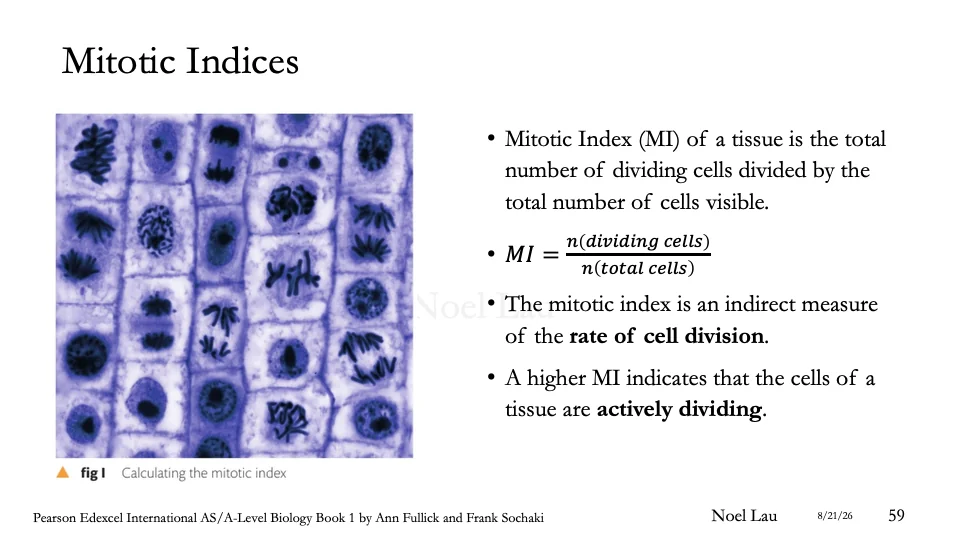
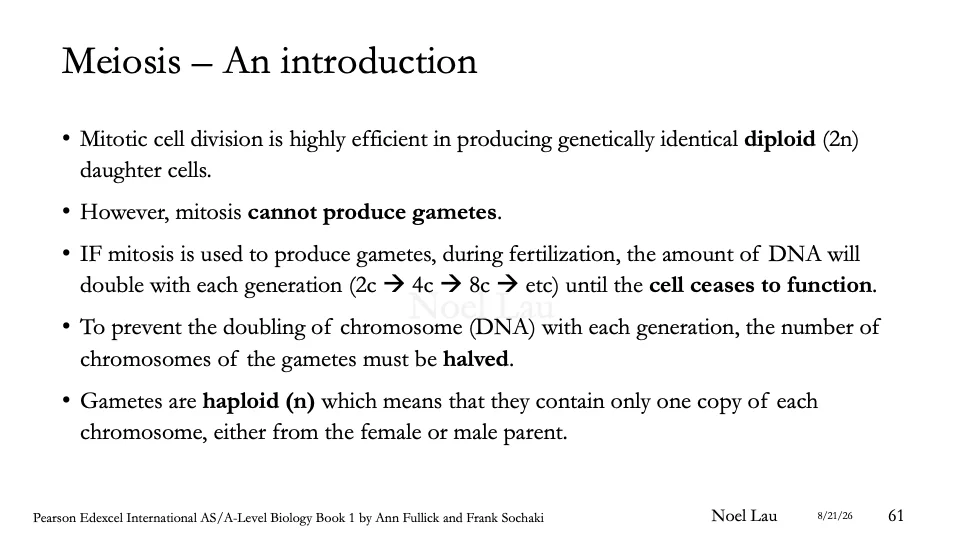
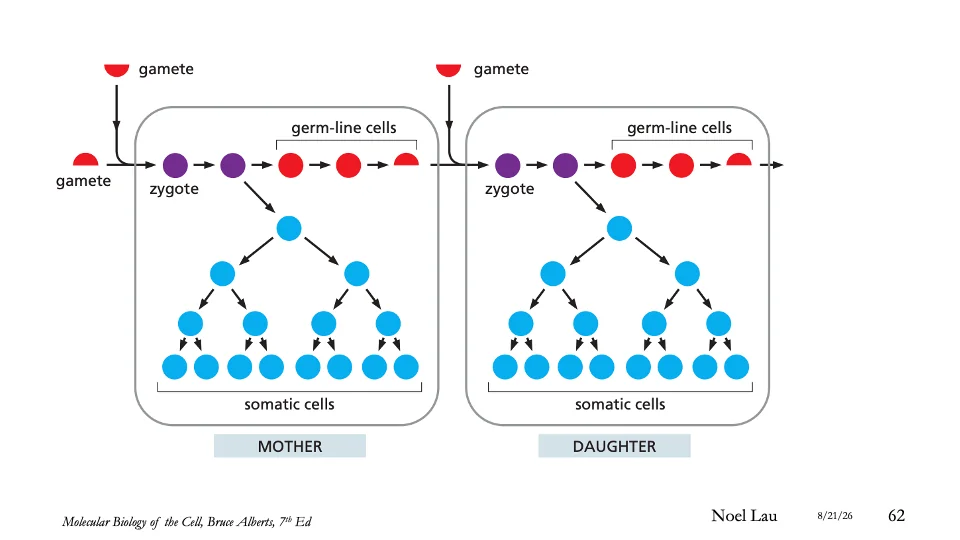
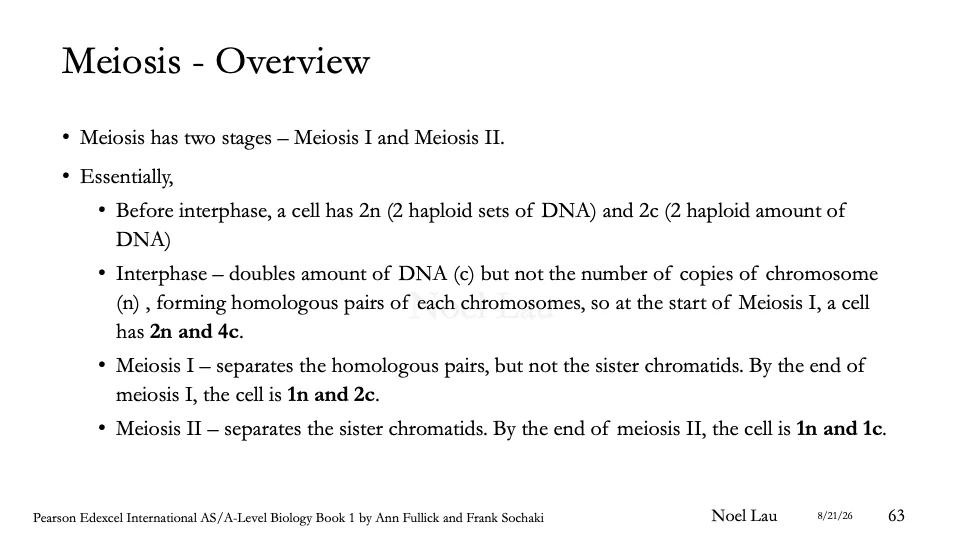
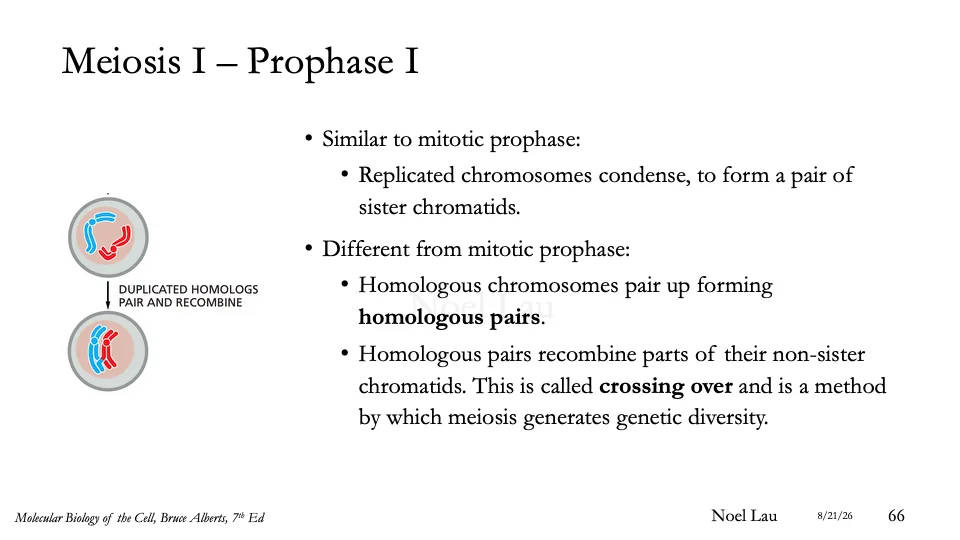
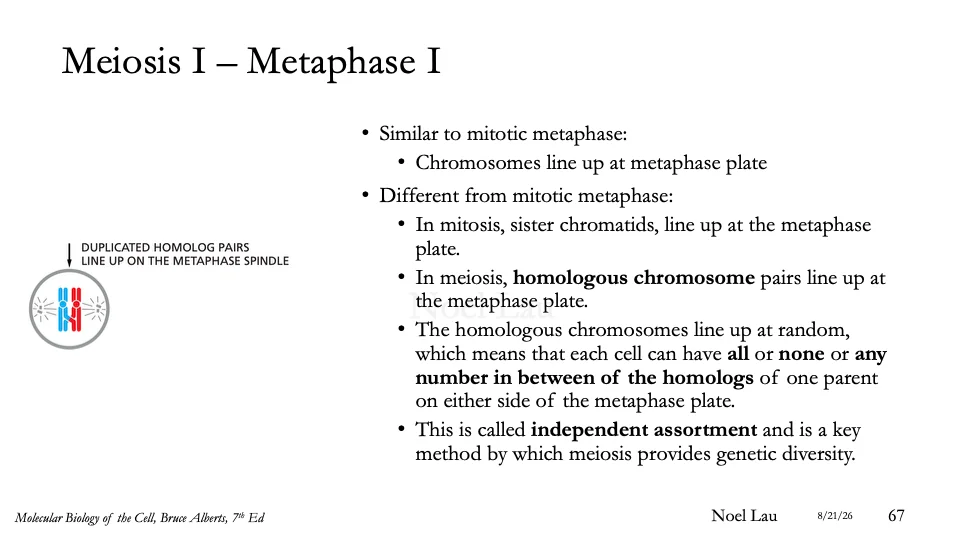
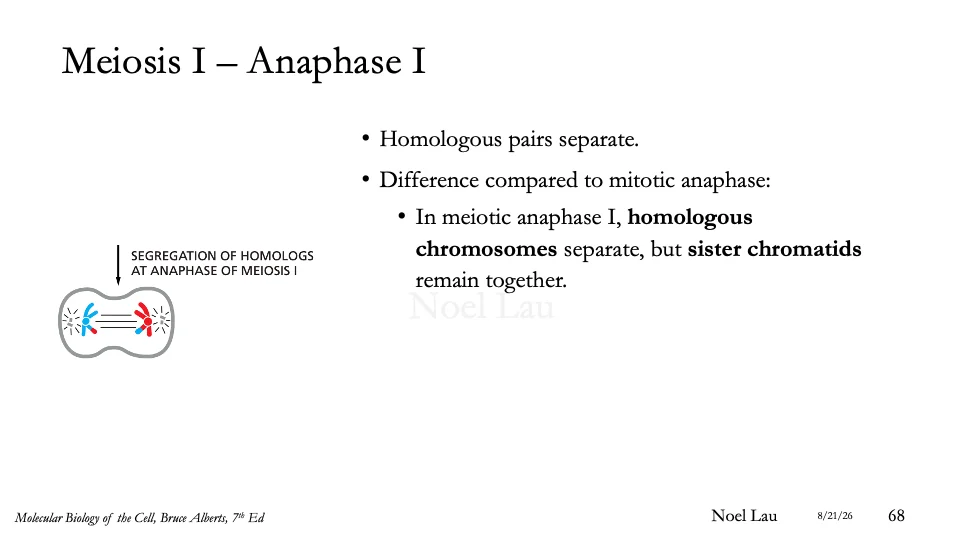
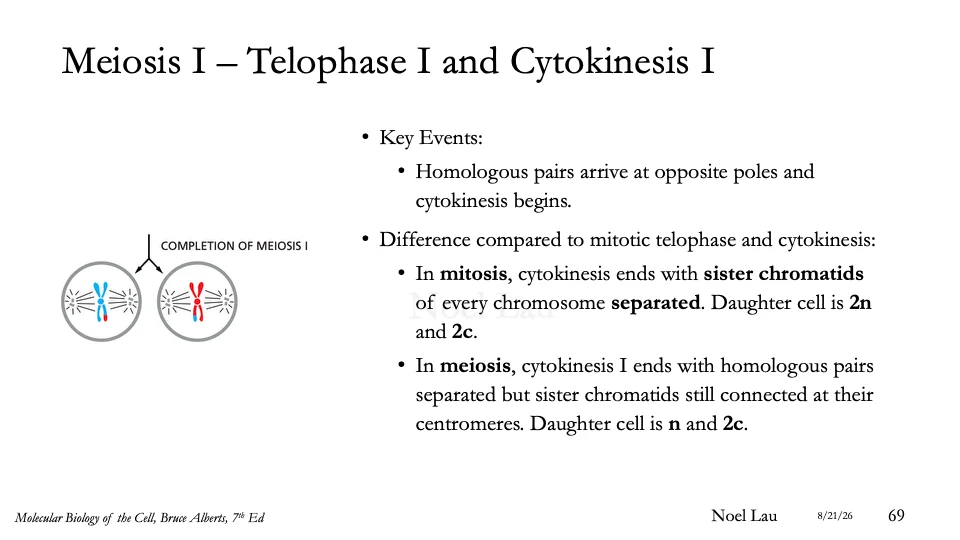
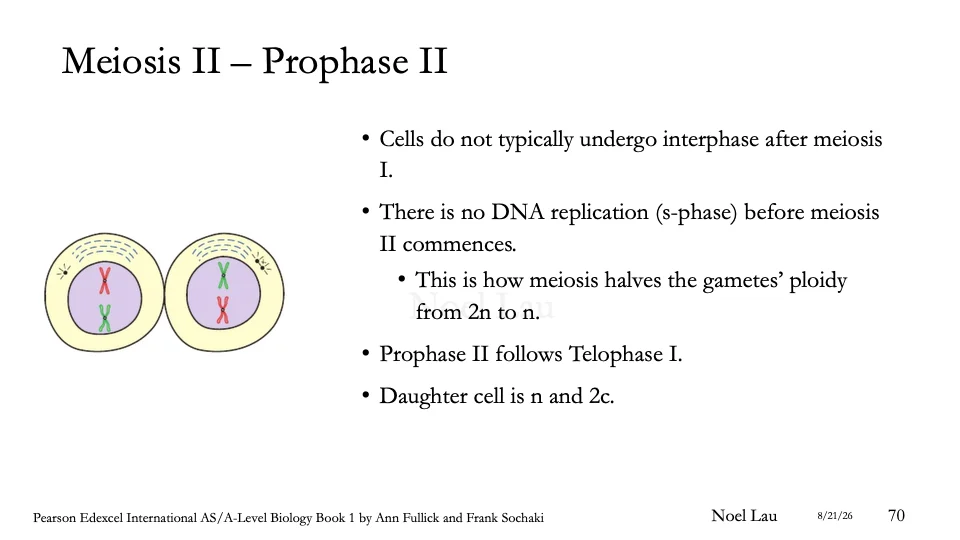
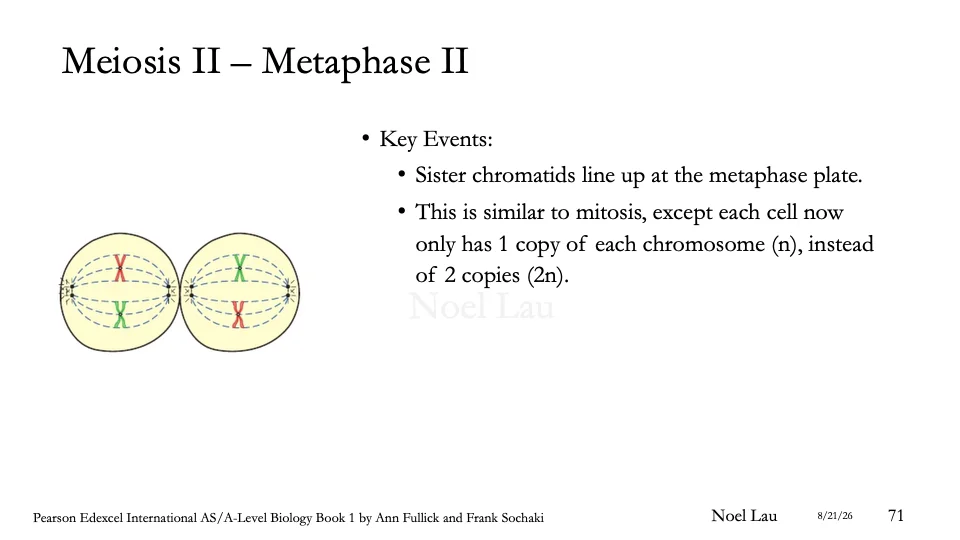
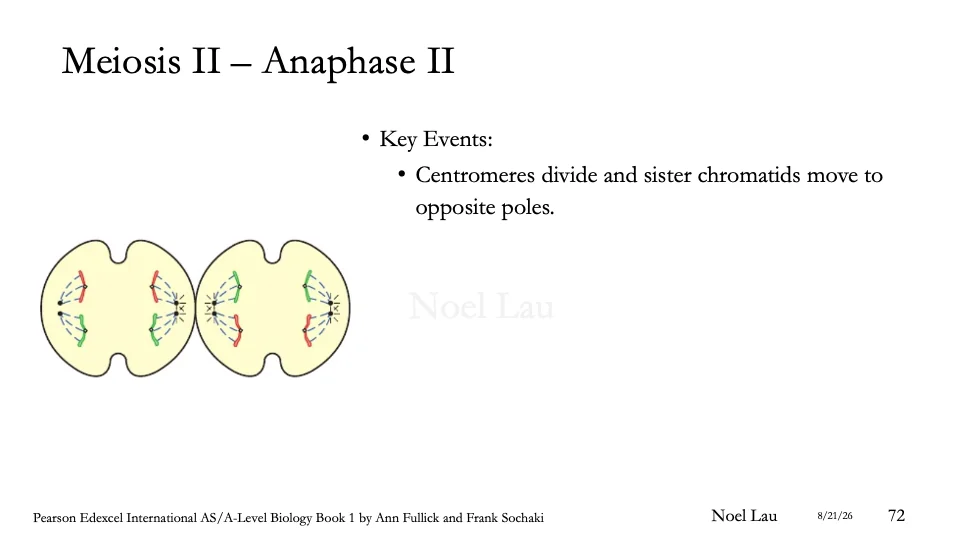
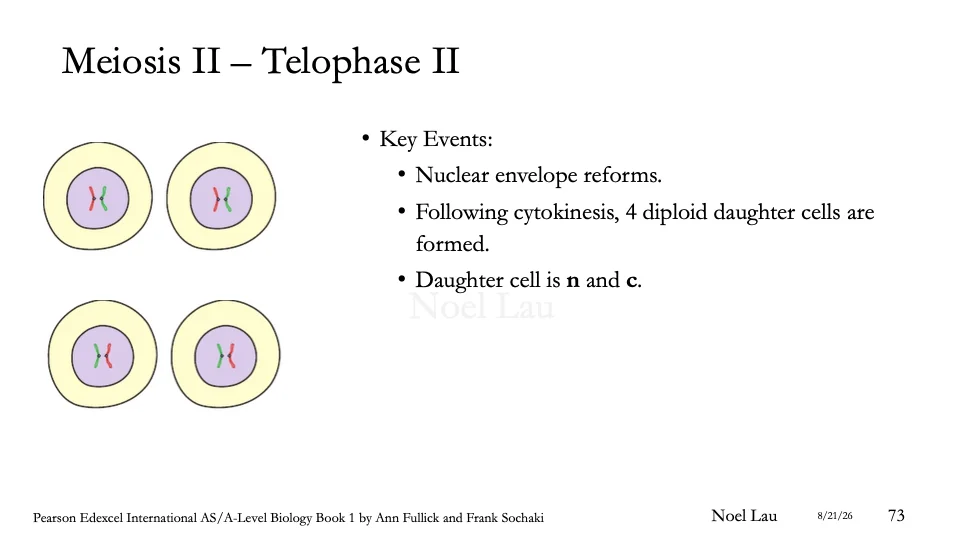
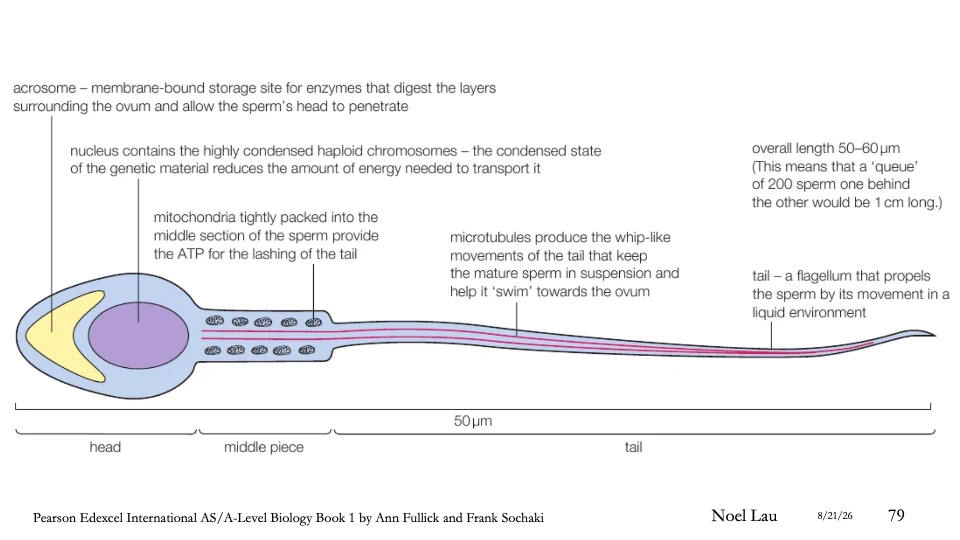
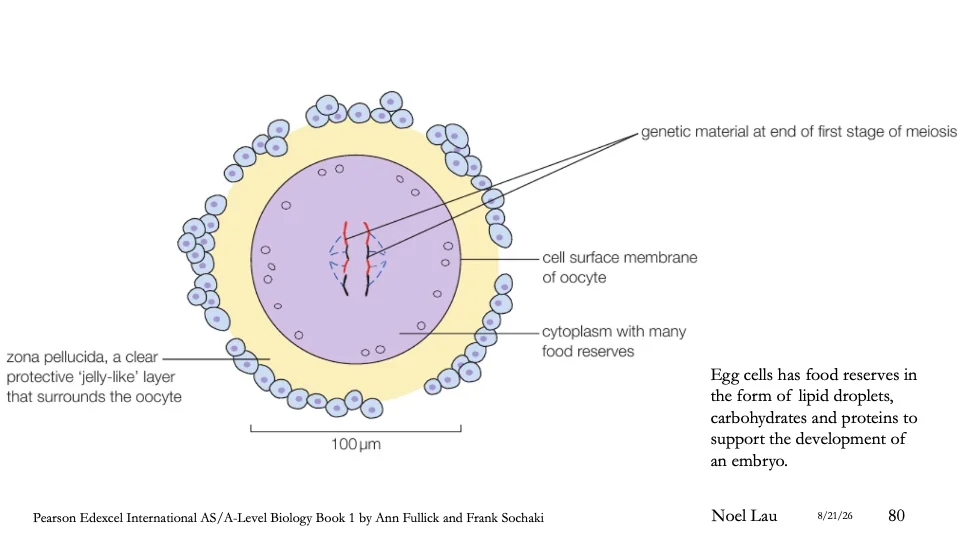
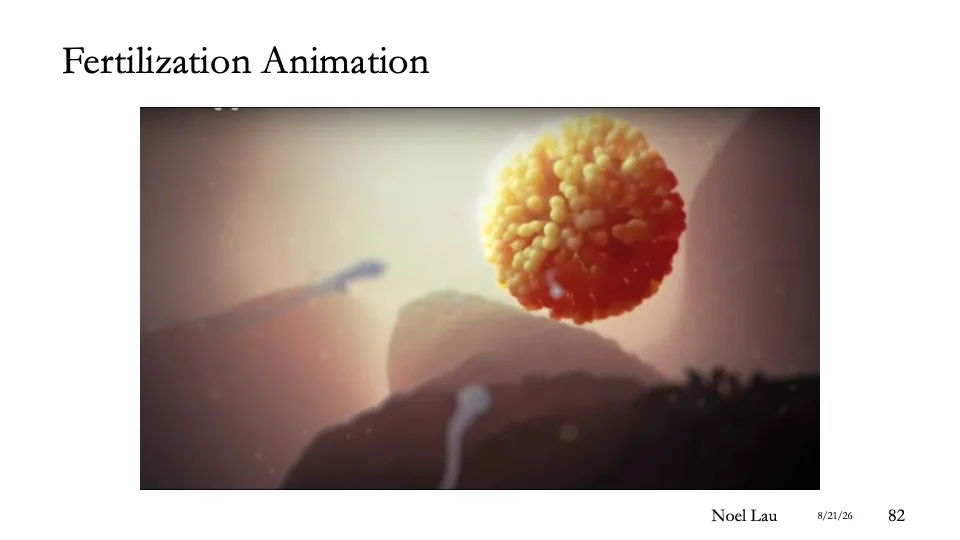
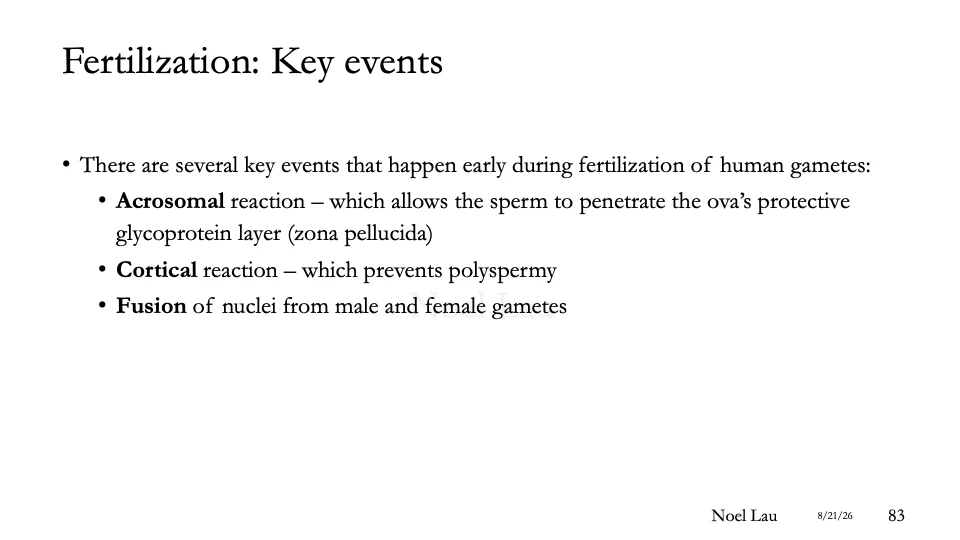
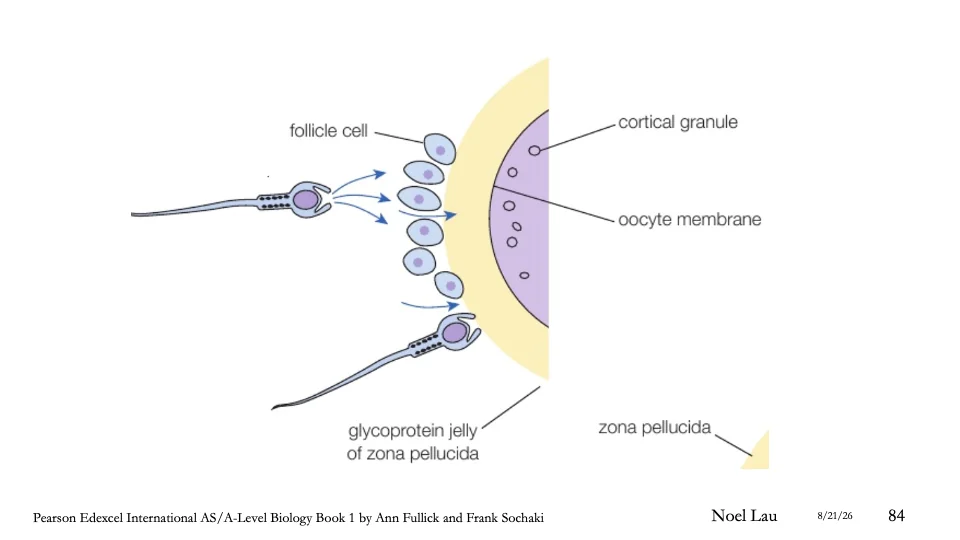
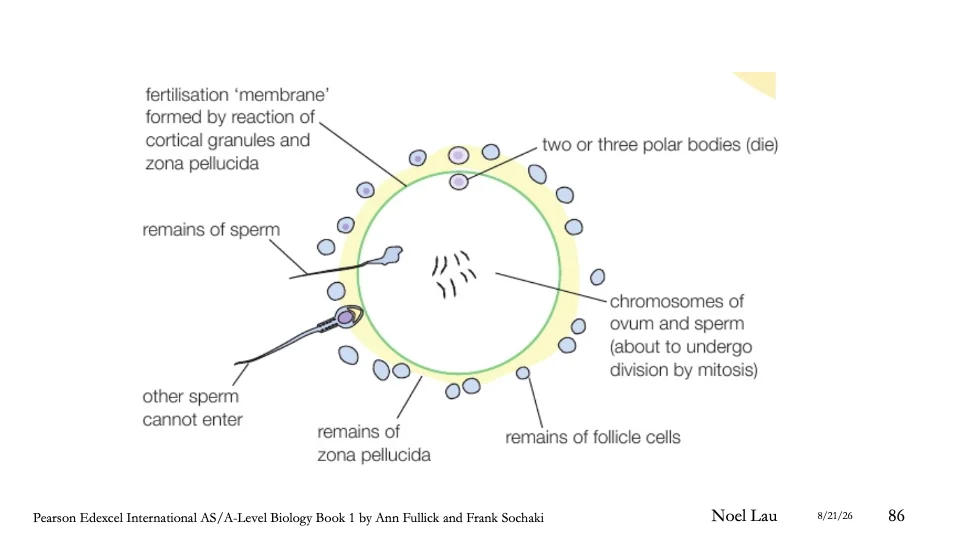
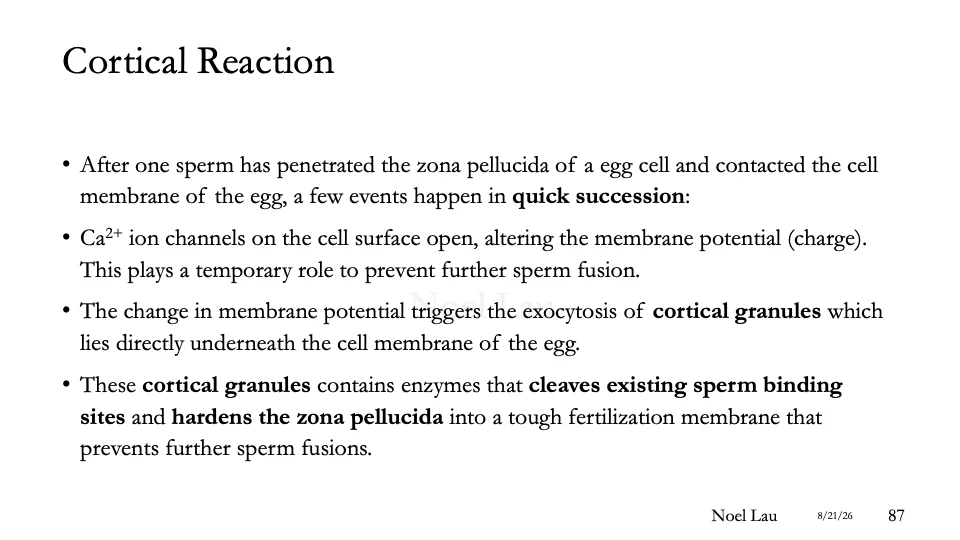
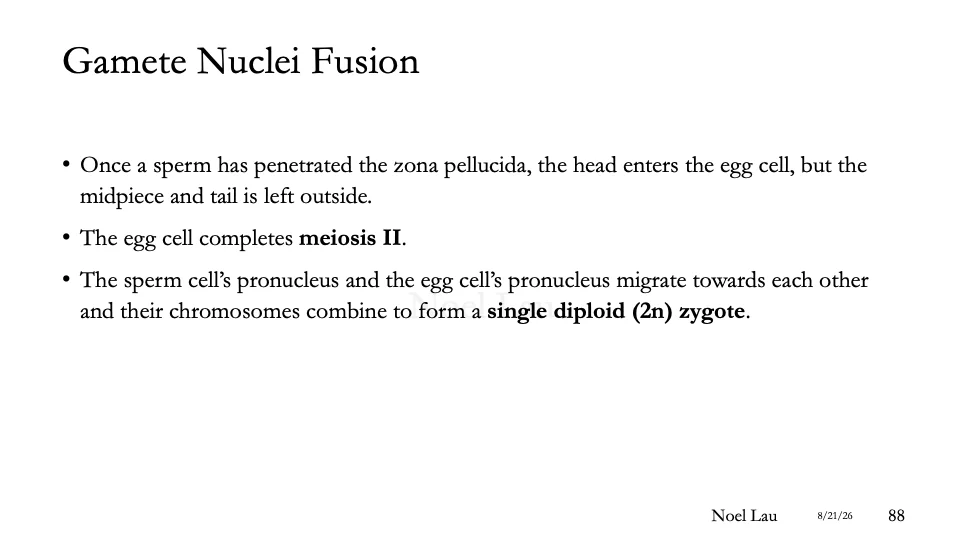
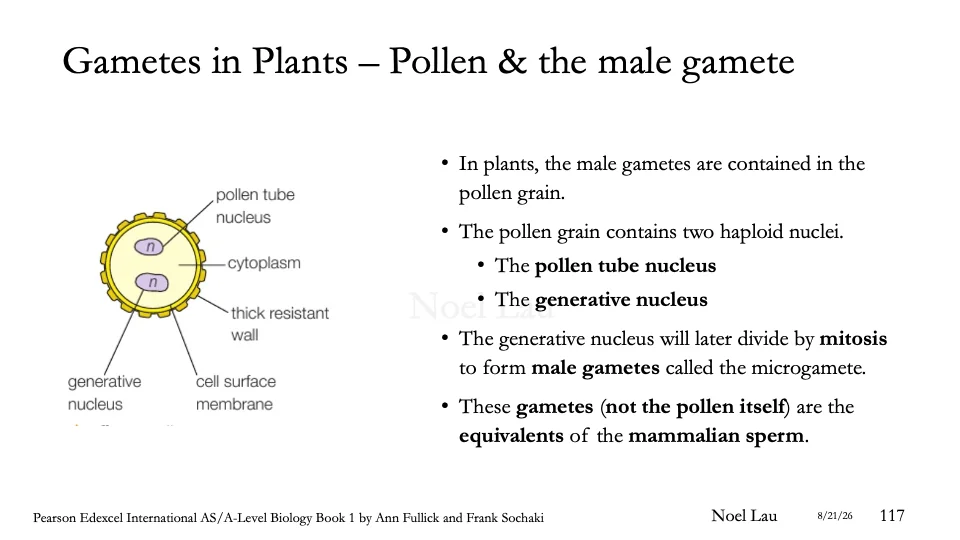
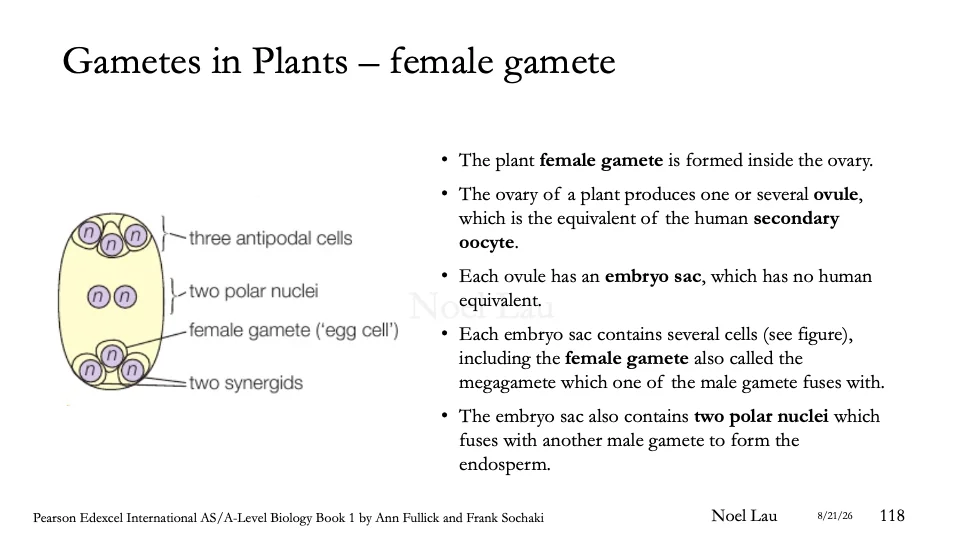
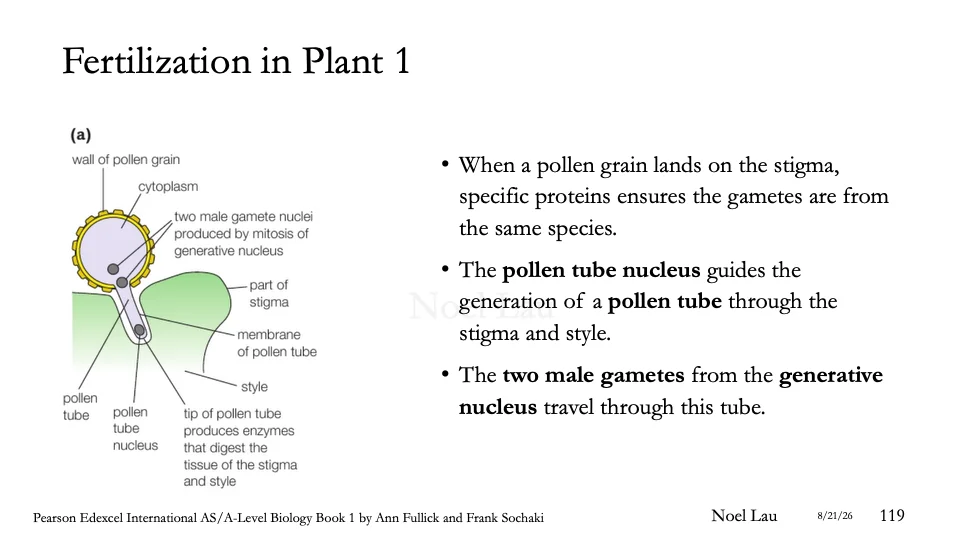
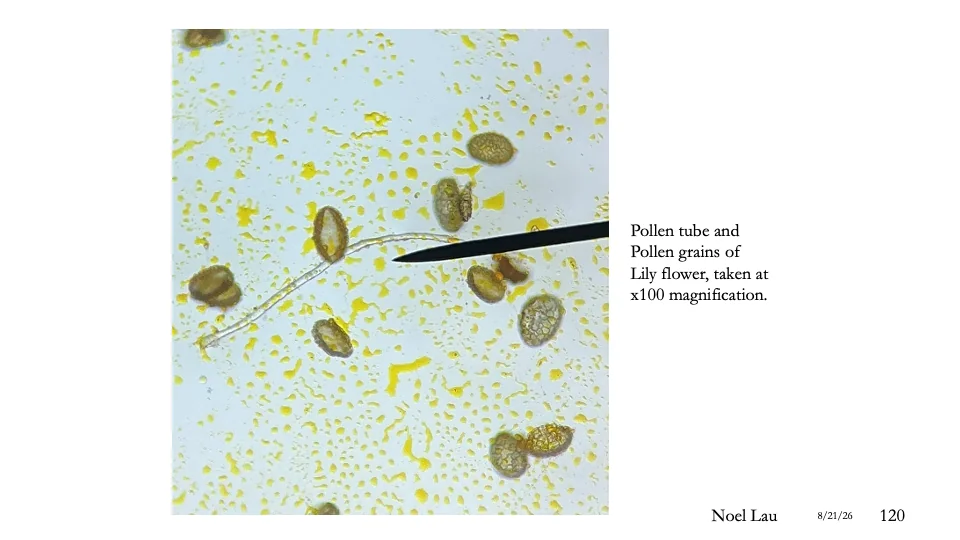
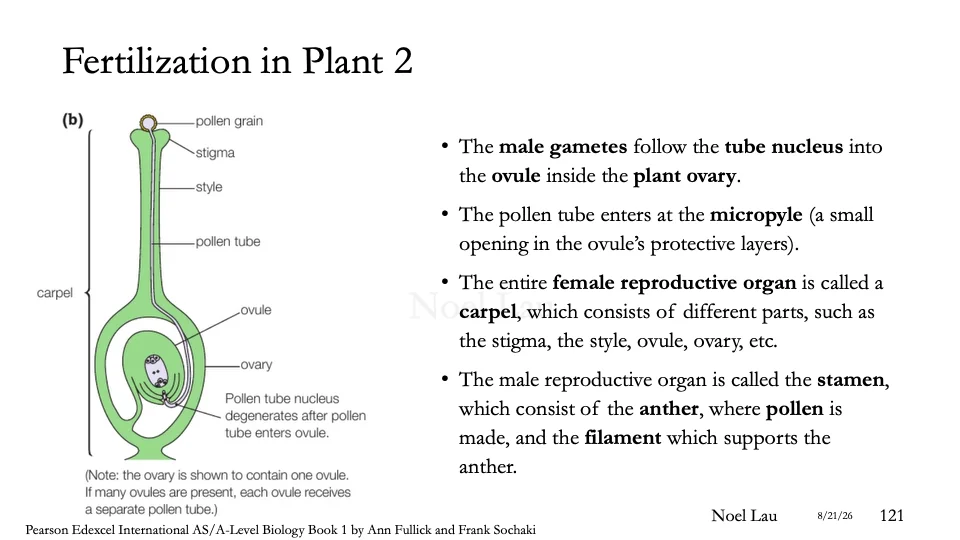
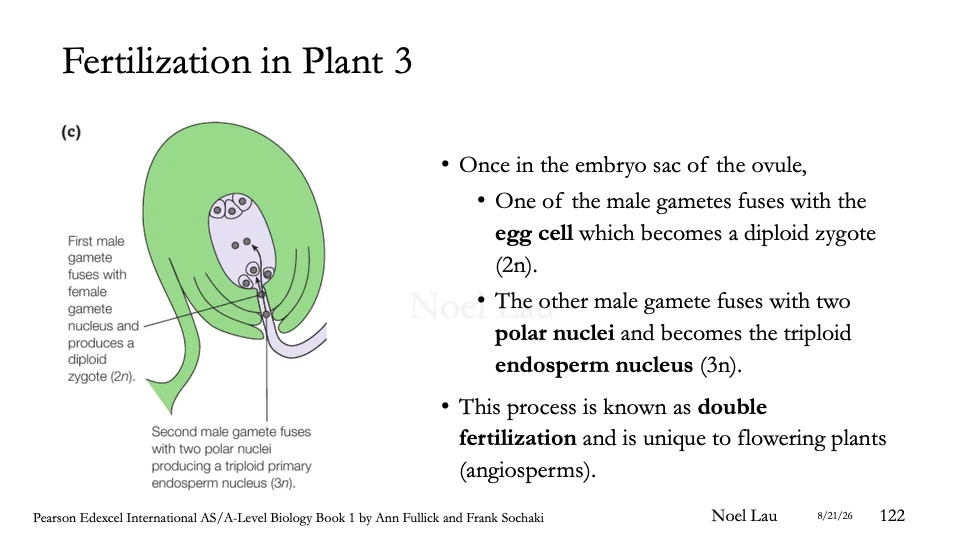
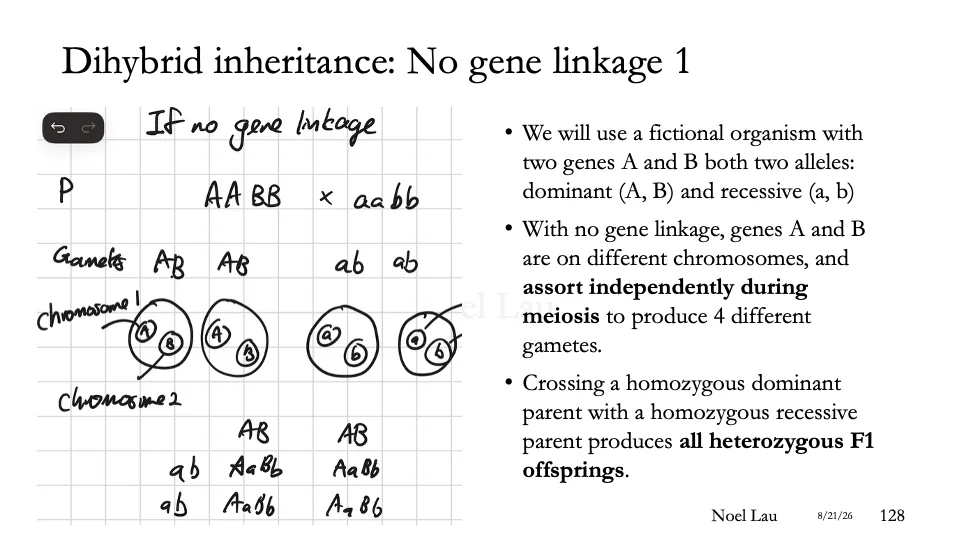
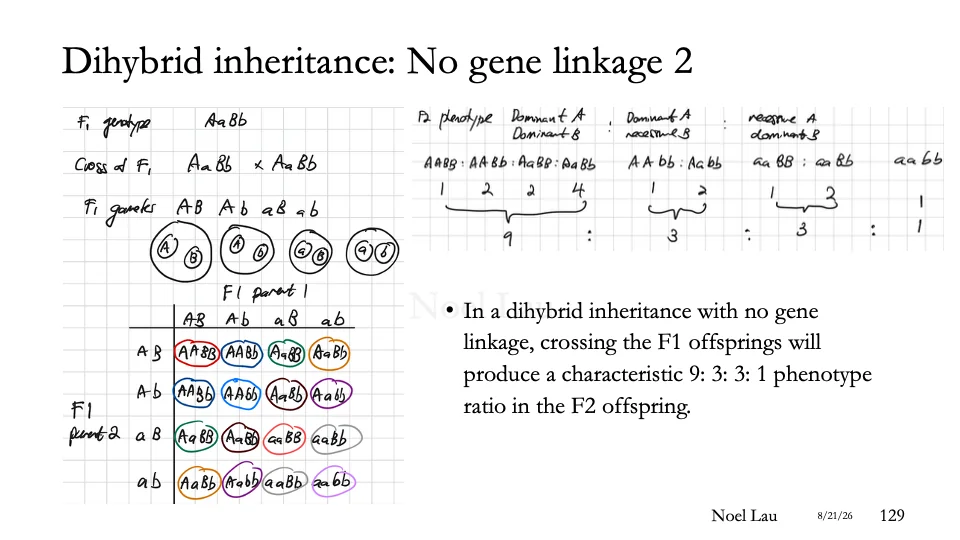
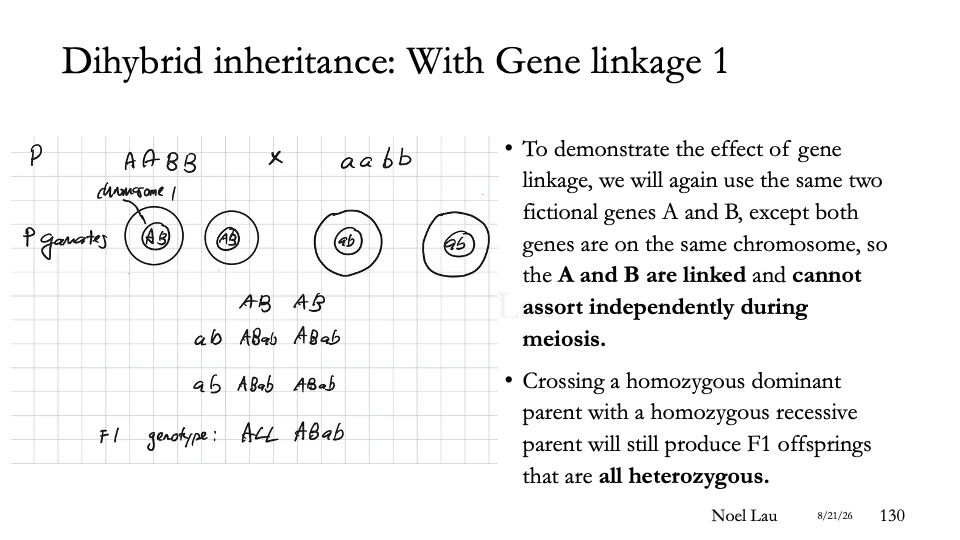
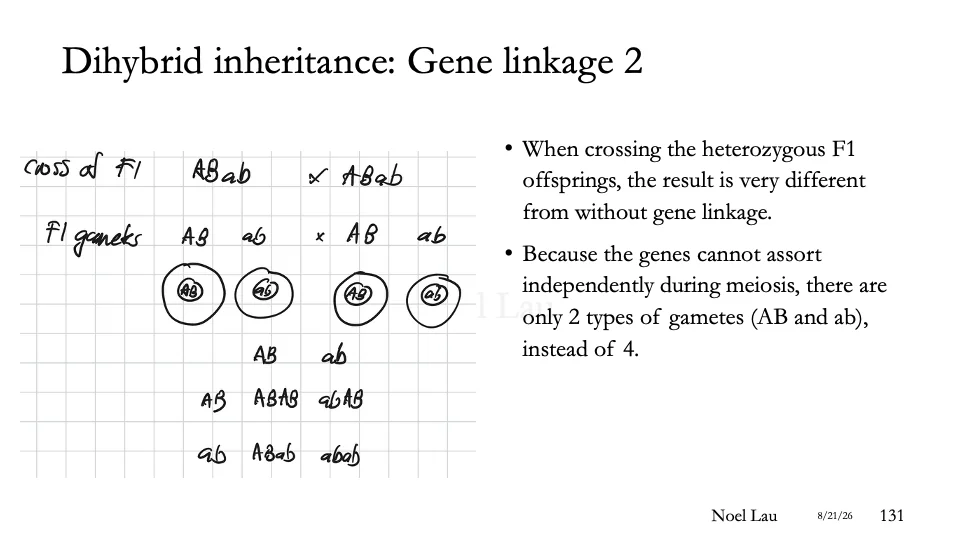
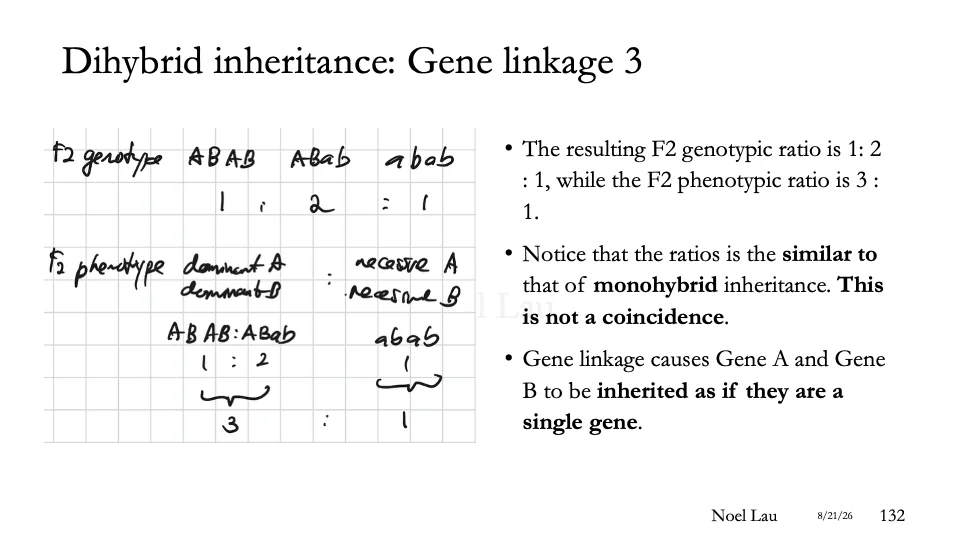
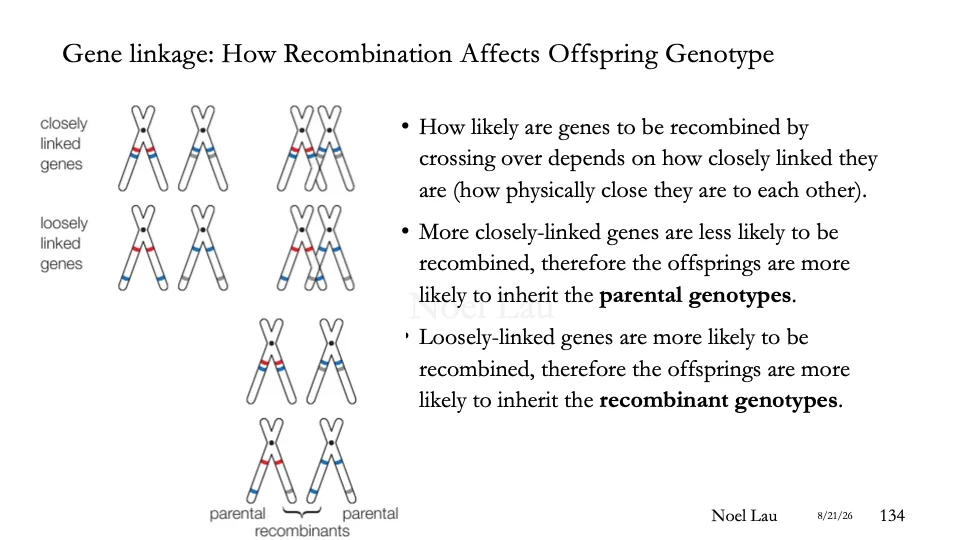
From cellular structure, the topic moves to the mechanisms by which genetic information is inherited and shuffled. Meiosis is studied as the source of genetic variation, with the molecular events of independent assortment and crossing over explained in terms of their consequences for gamete diversity. The specialised structures of mammalian and plant gametes are examined alongside the cellular events of fertilisation in both systems. Mitosis and the cell cycle are then treated as the basis of growth and asexual reproduction, with students expected to identify and quantify its stages using the mitotic index.
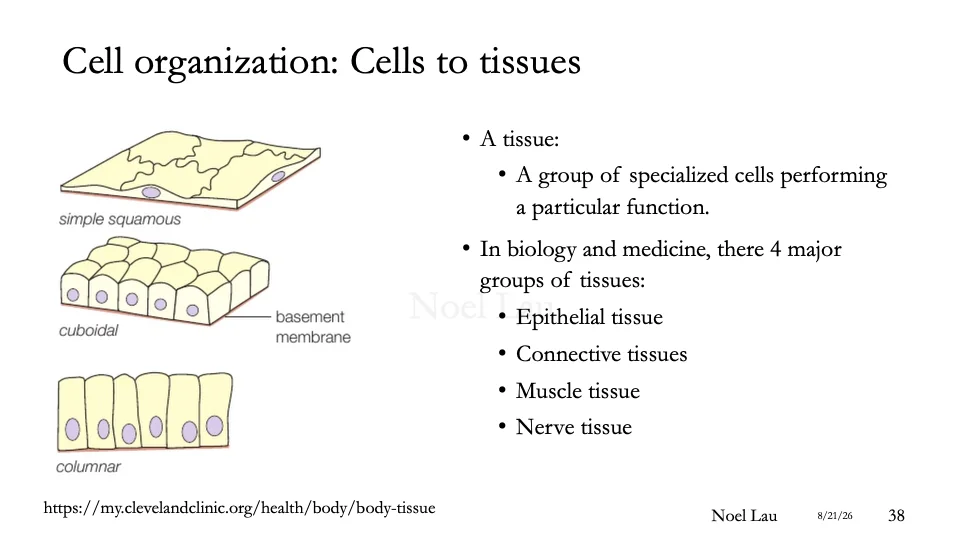
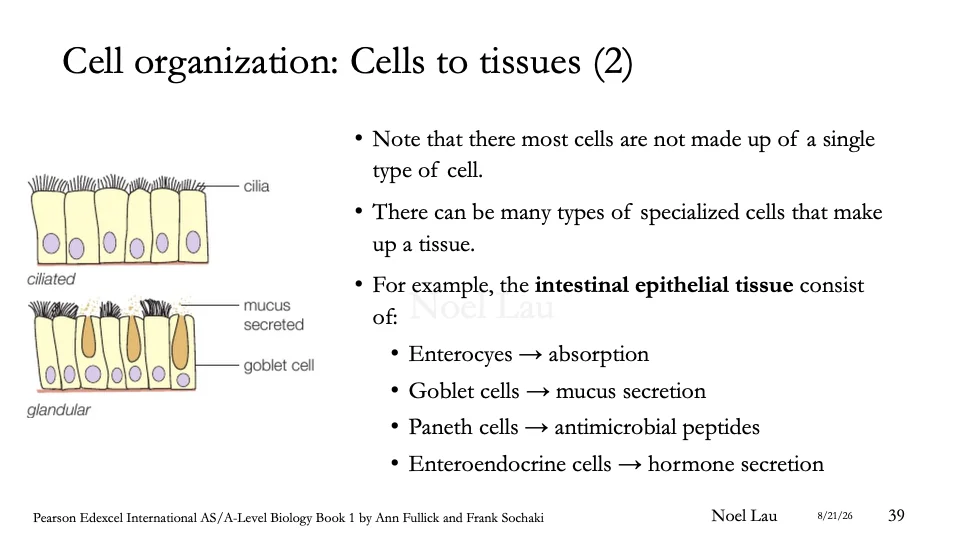
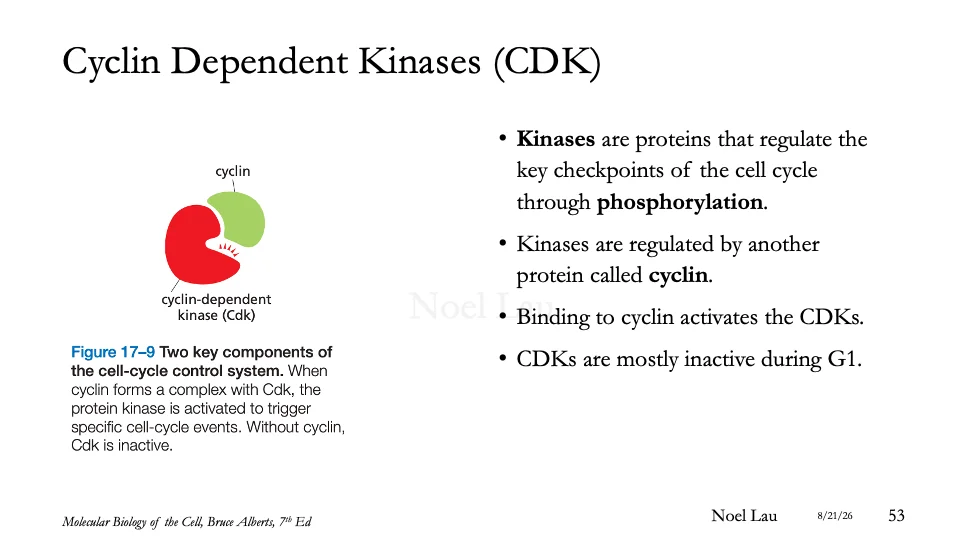
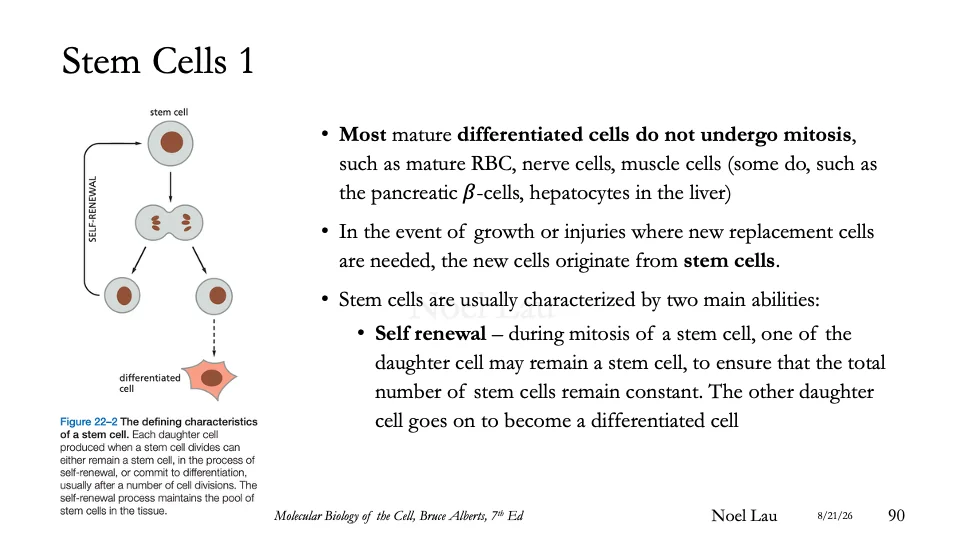
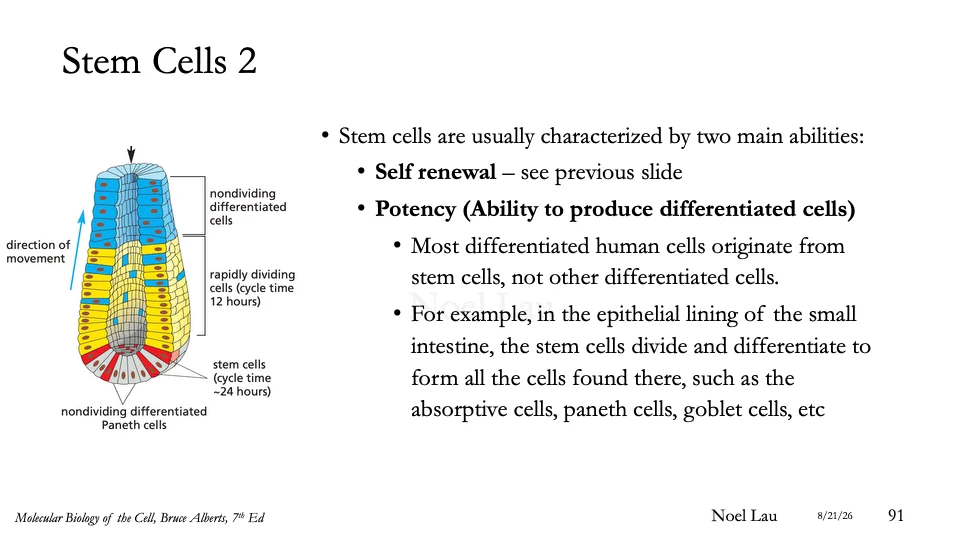
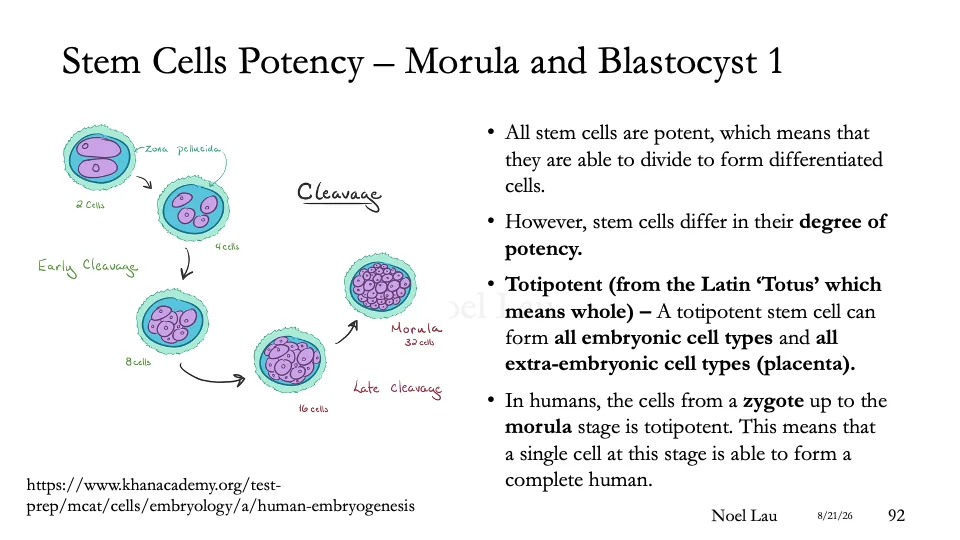
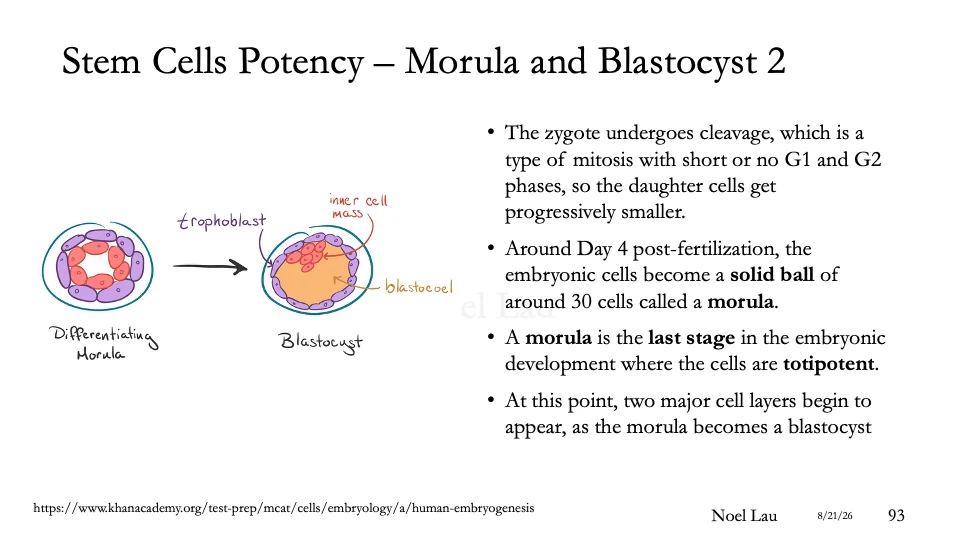
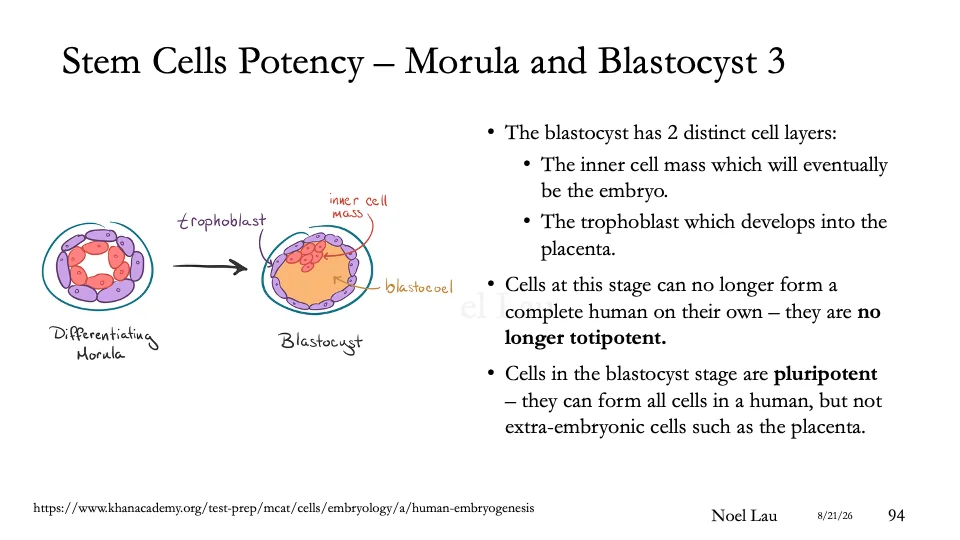
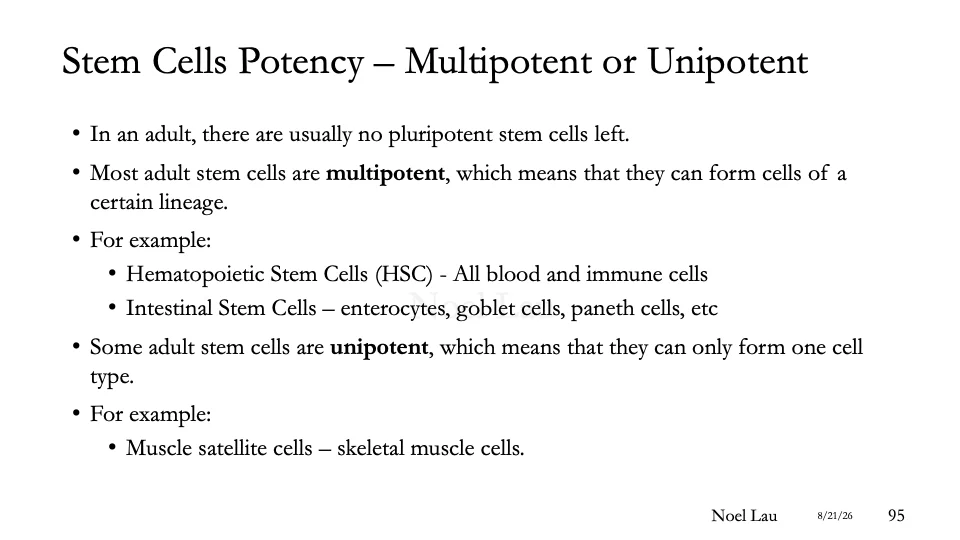
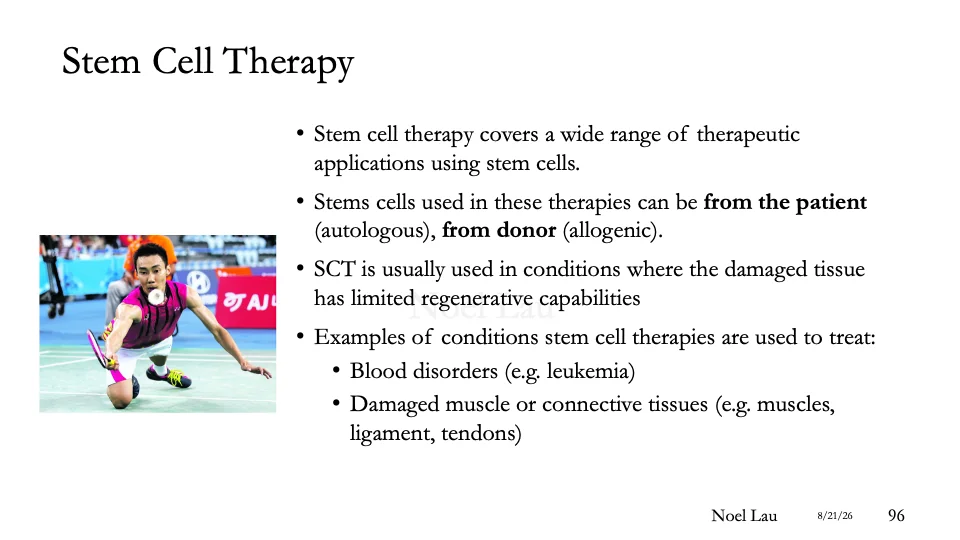
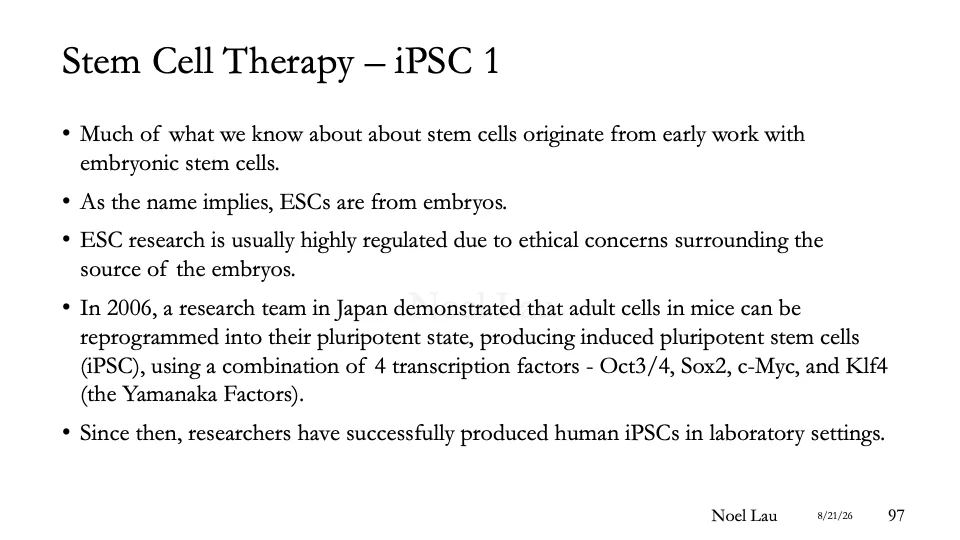
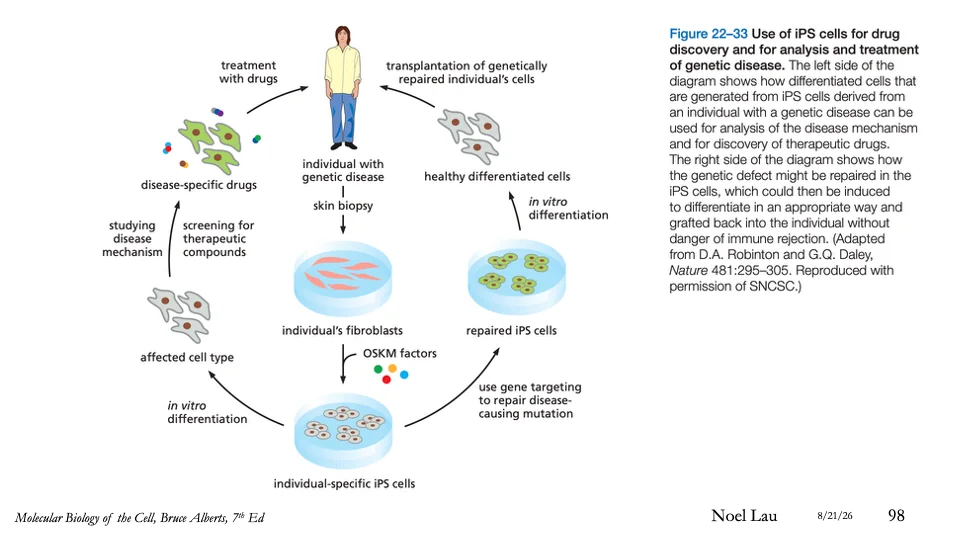
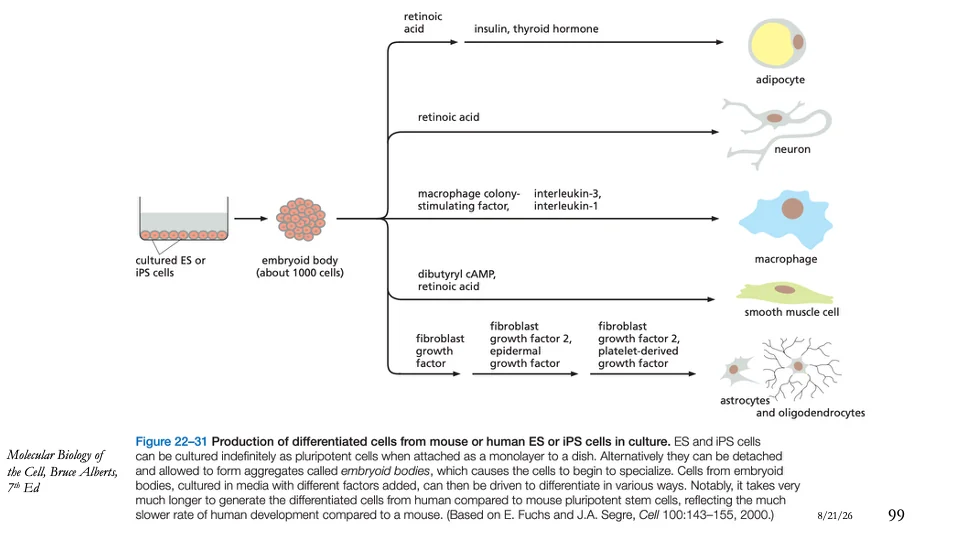
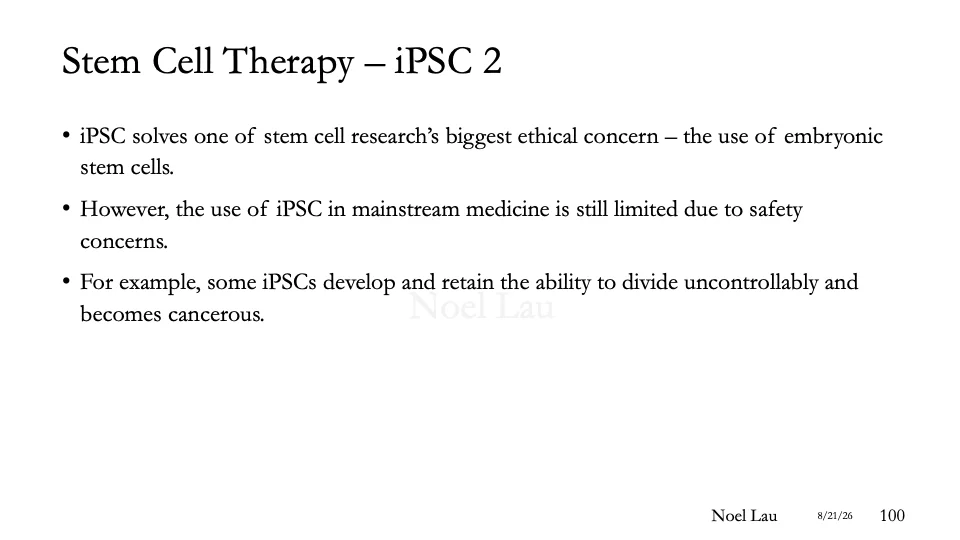
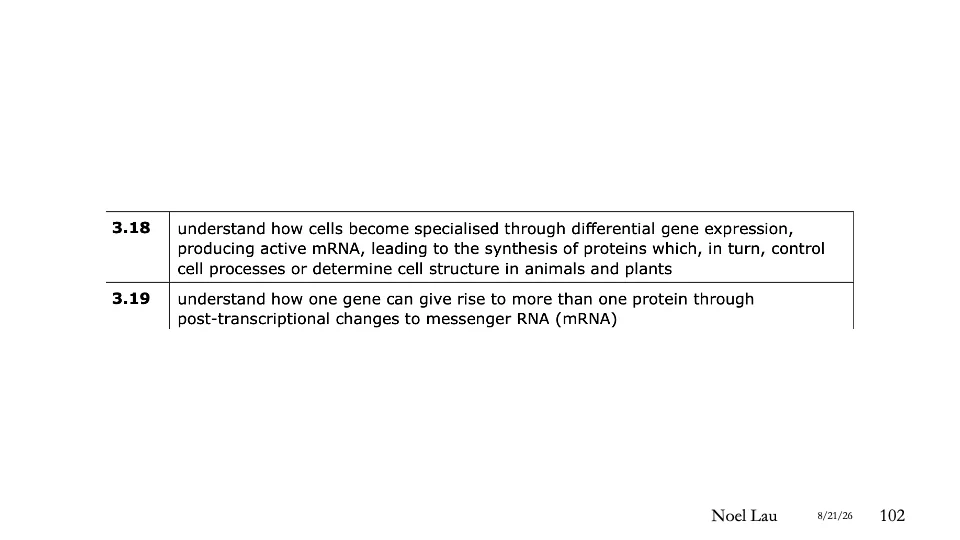
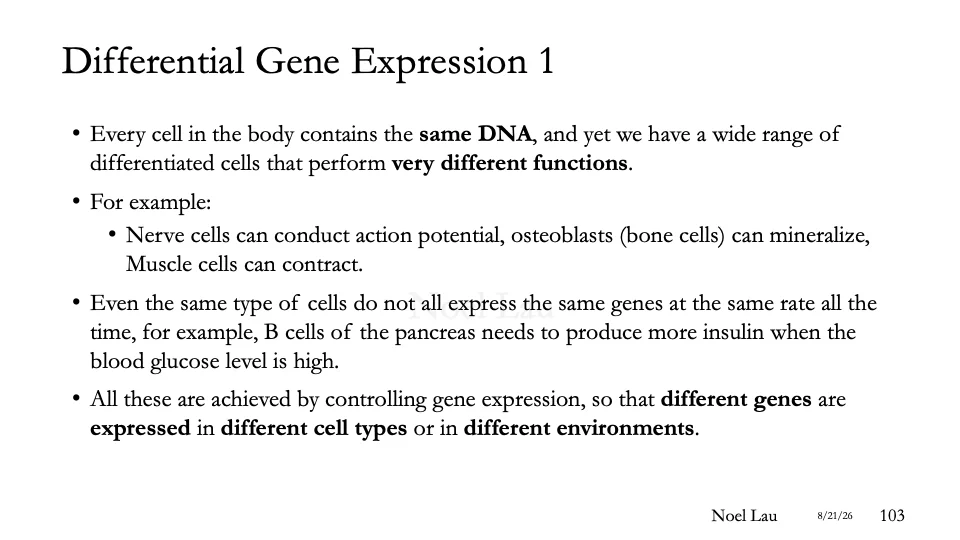
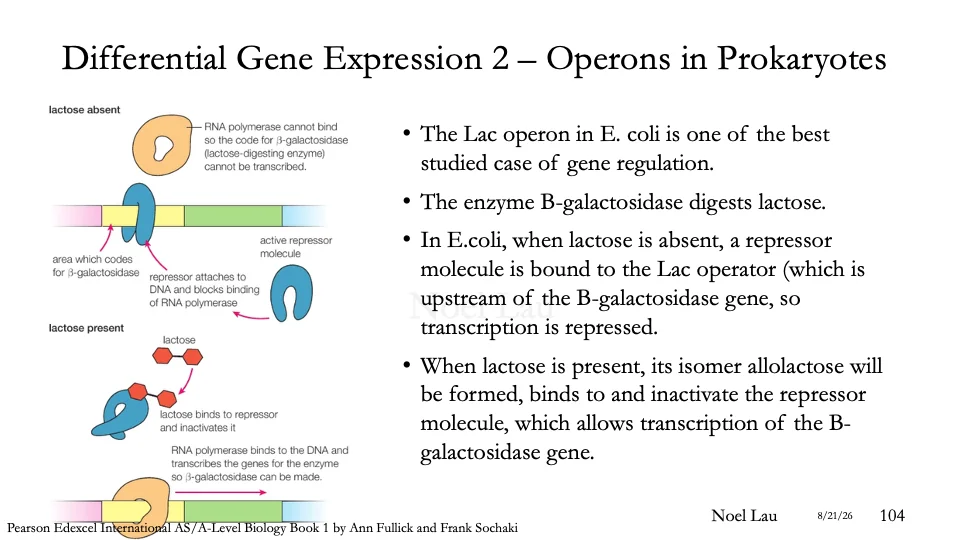
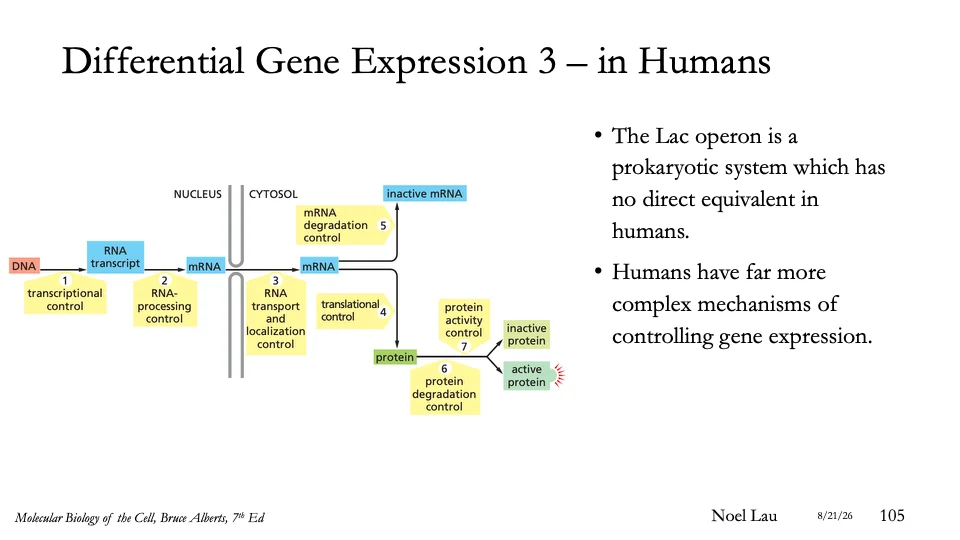
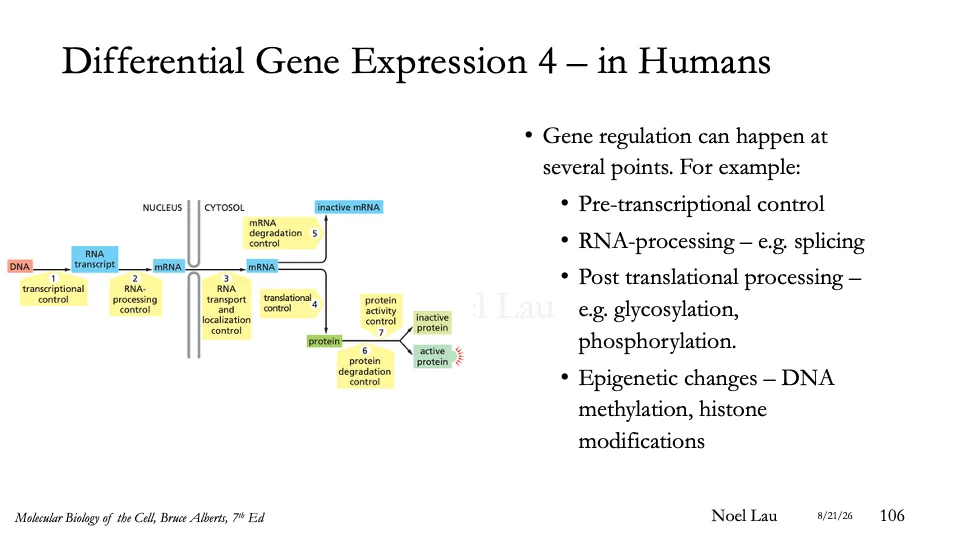
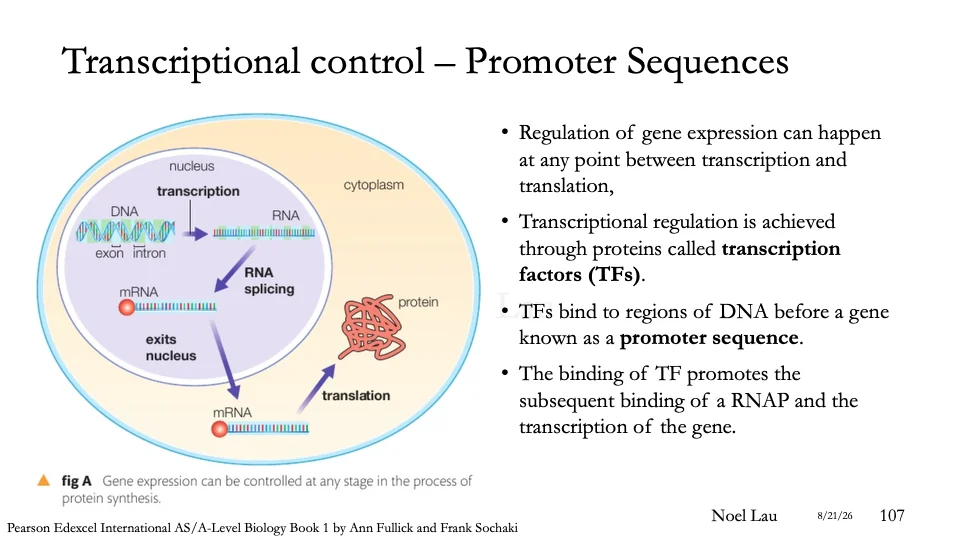
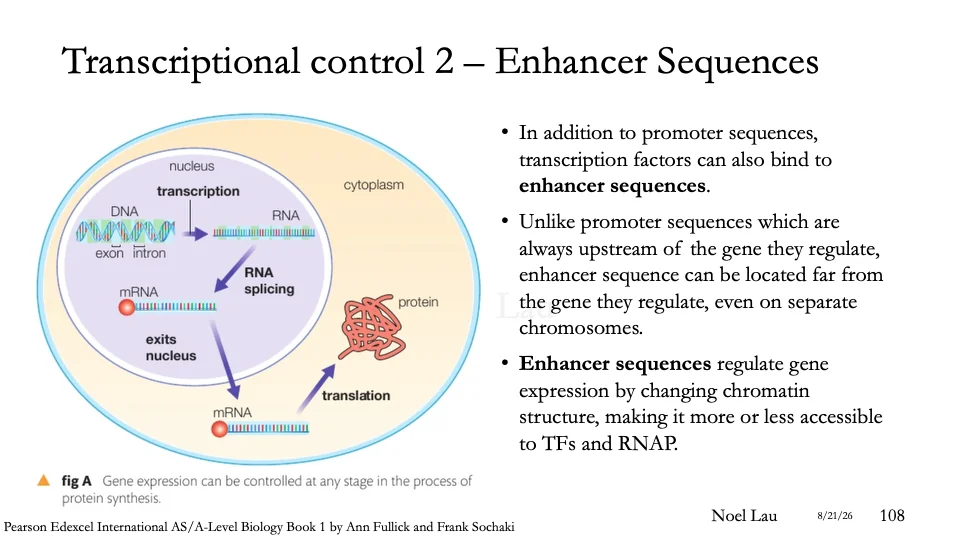
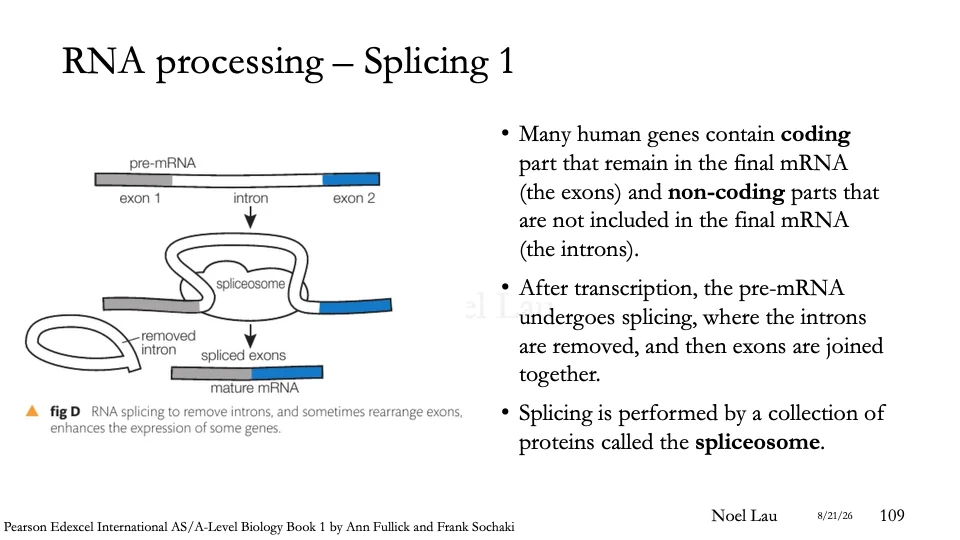
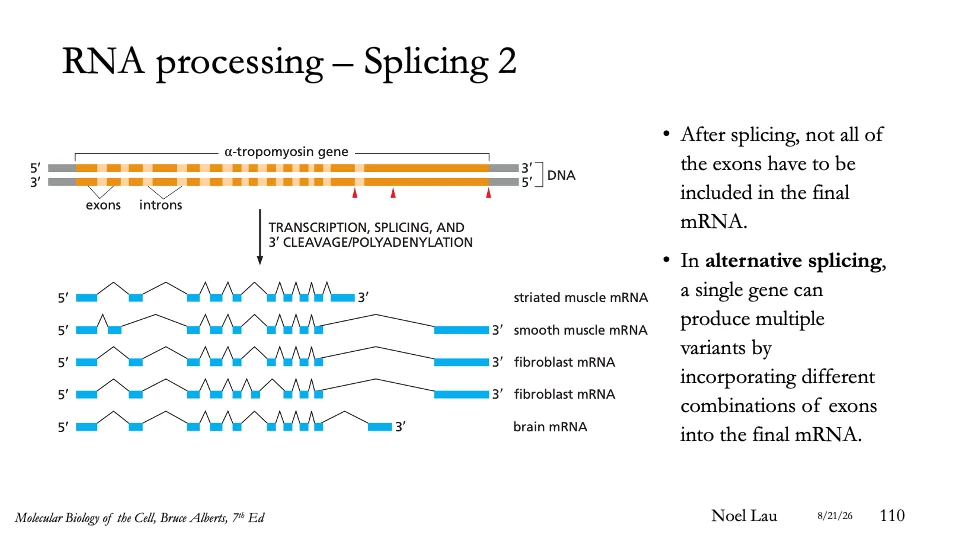
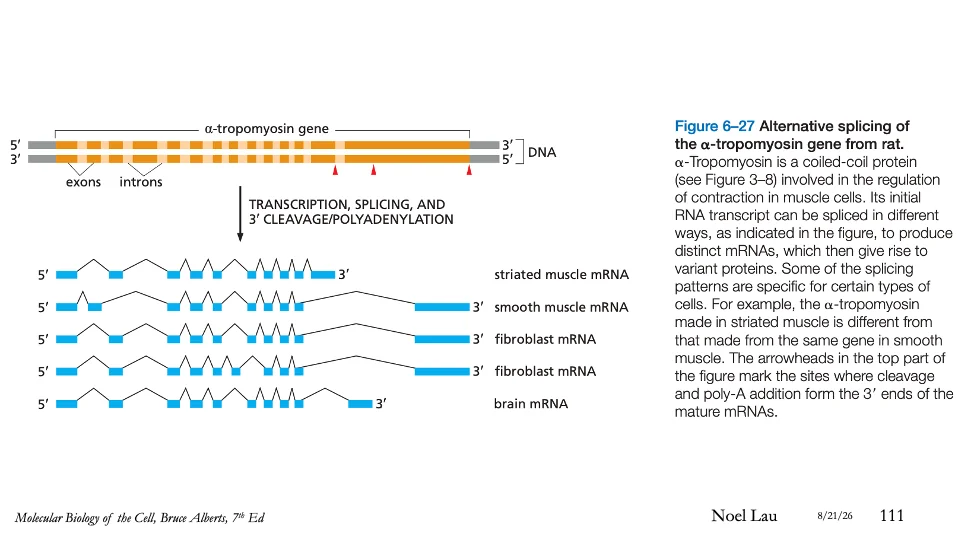
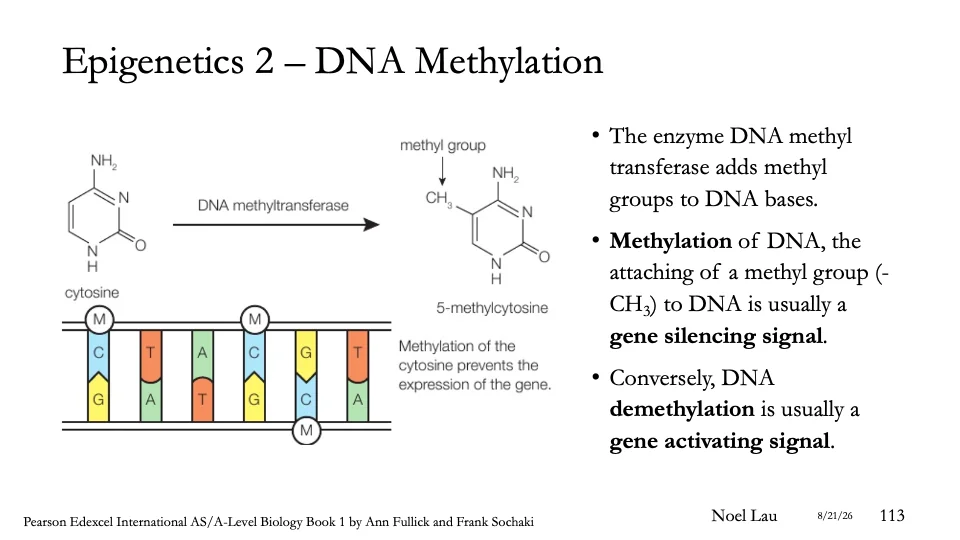
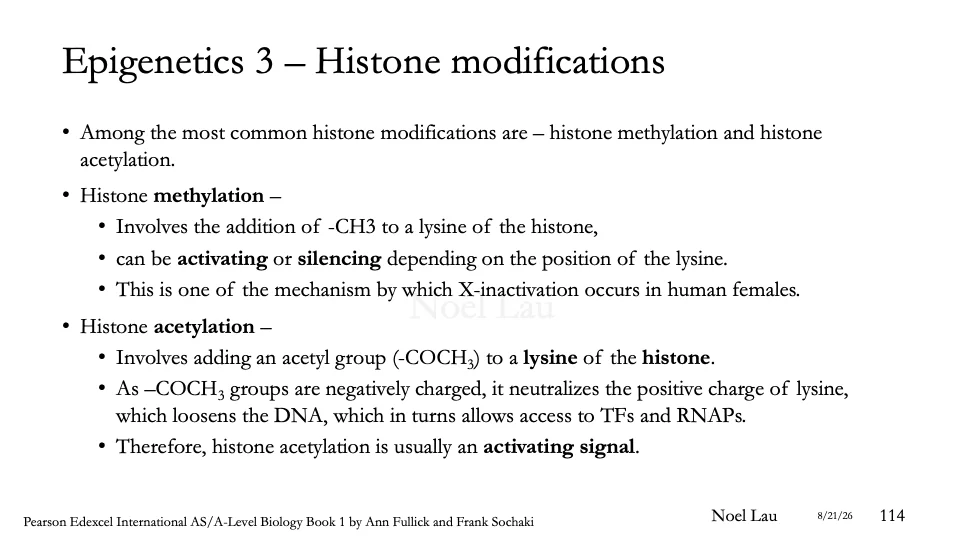
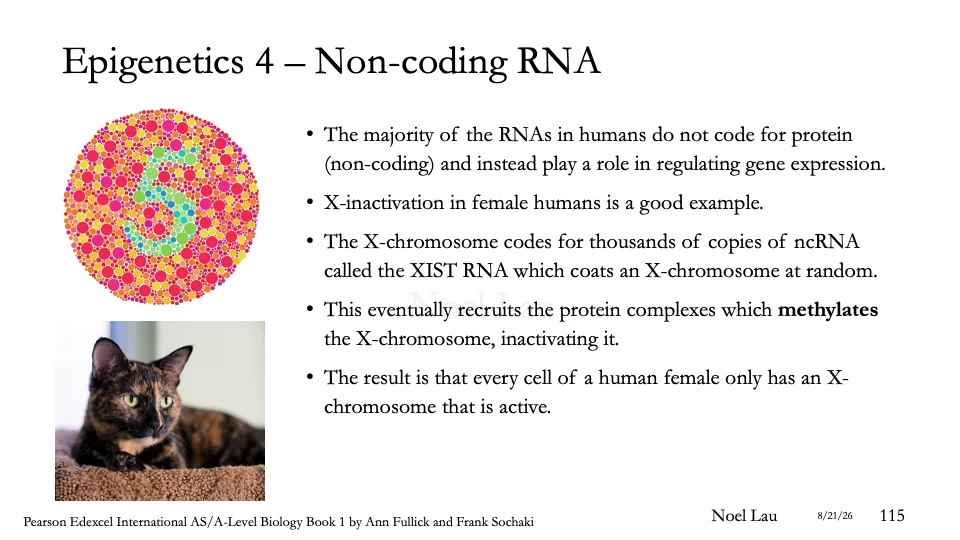
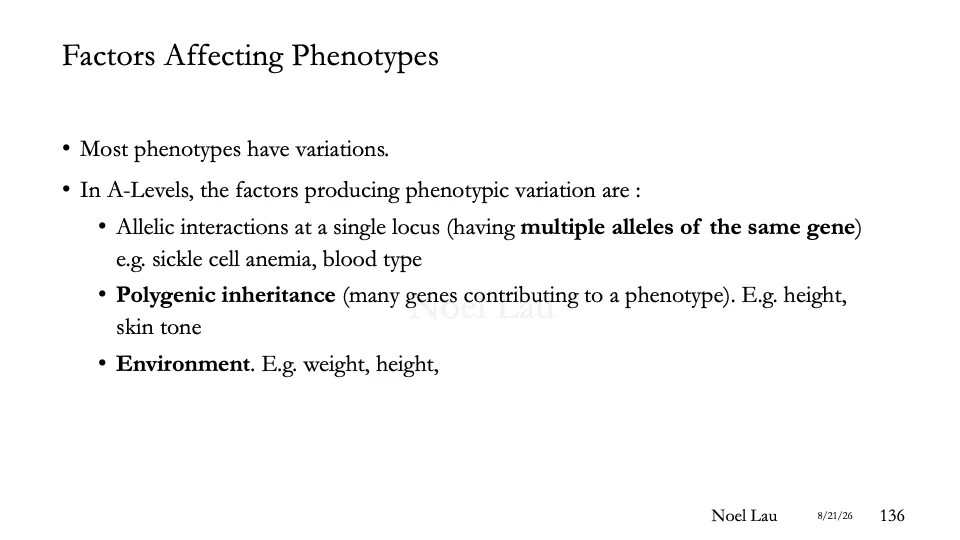
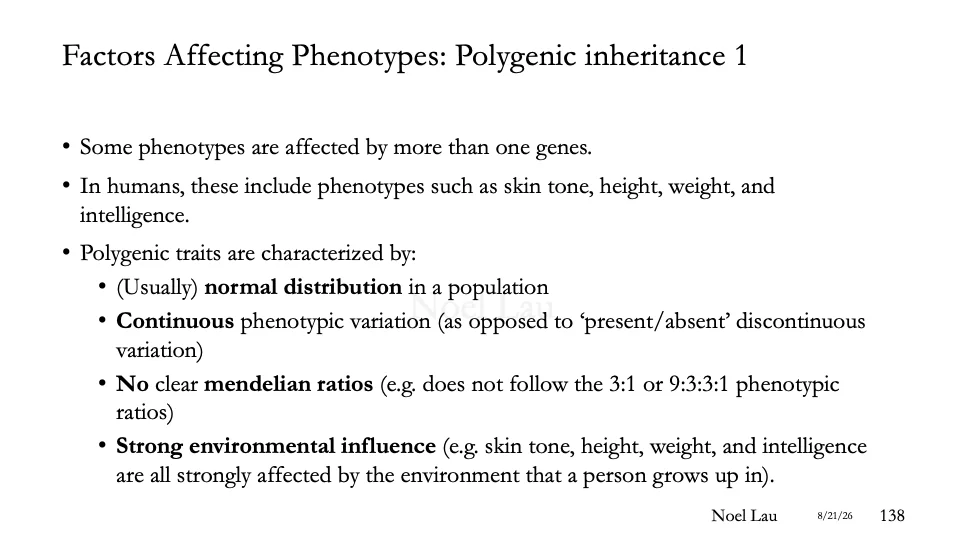
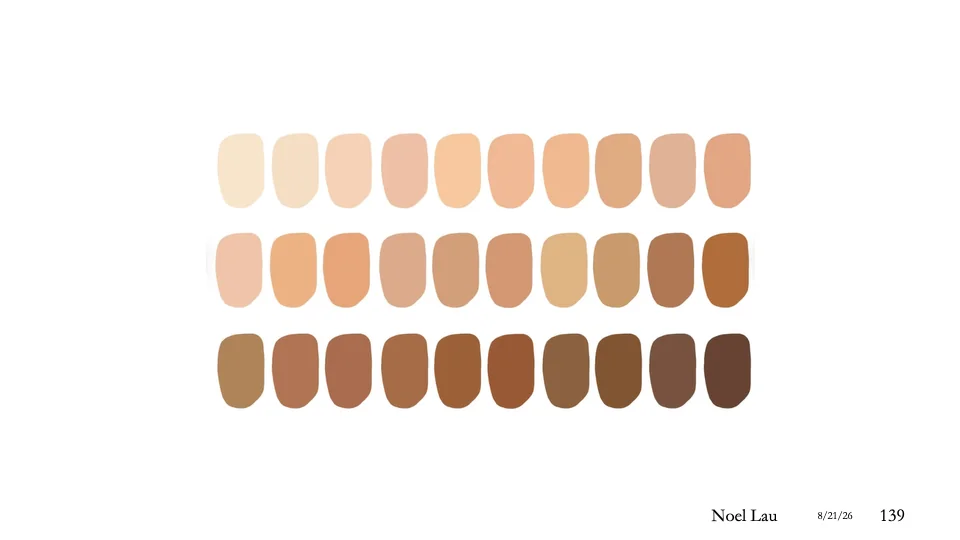
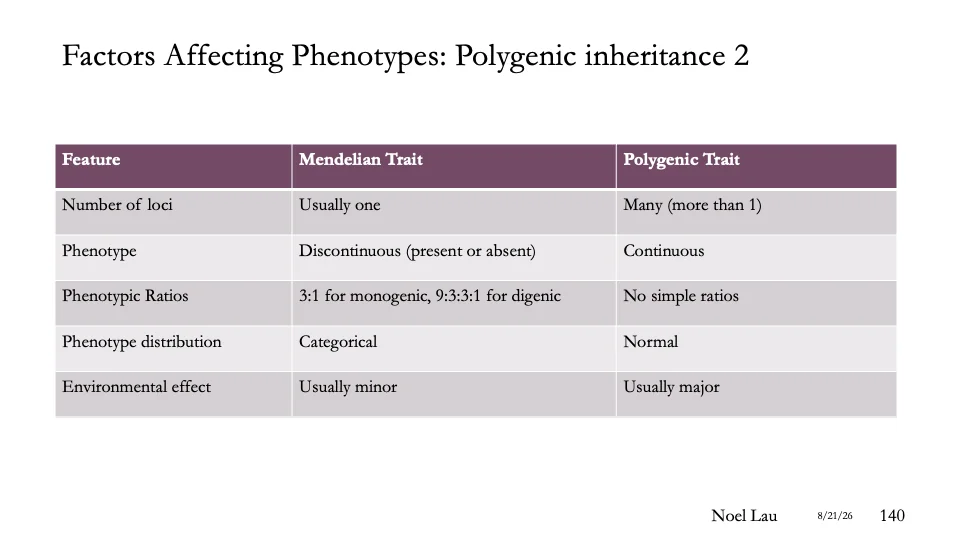
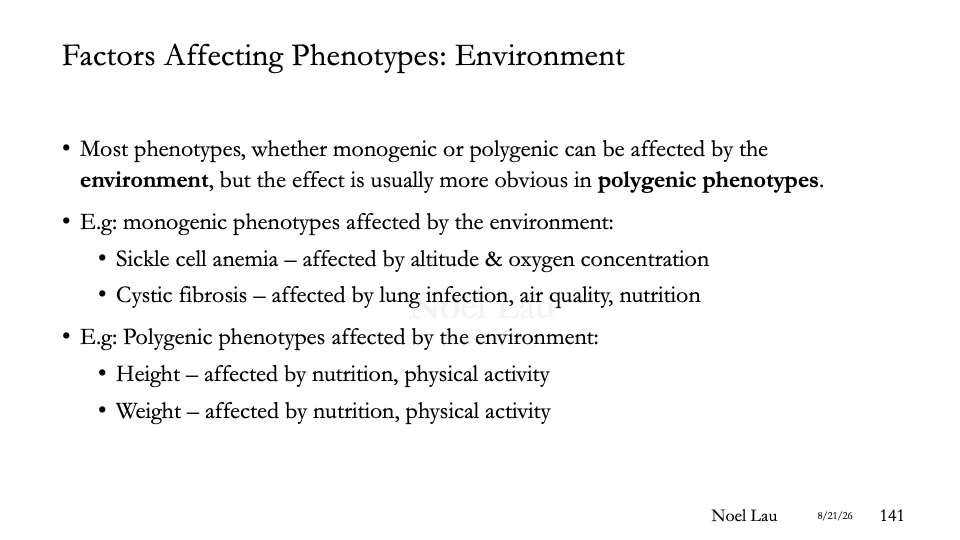
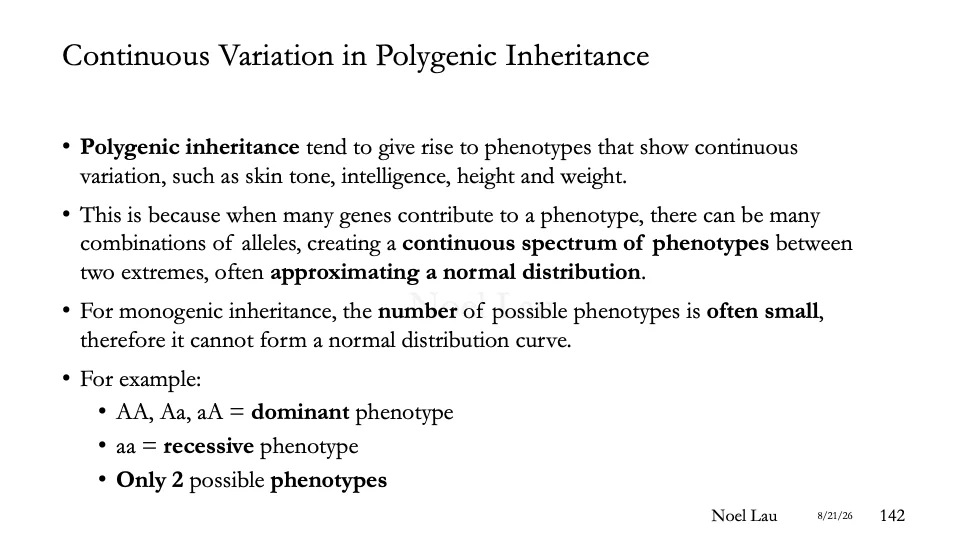
The final section addresses how a single genome can give rise to the many cell types of a multicellular organism. Differential gene expression, post-transcriptional modification of mRNA, and the influence of the environment through epigenetic mechanisms, including DNA methylation and histone modification, are all considered. The topic concludes with stem cell biology and the clinical and ethical dimensions of their therapeutic use, and with an account of how polygenic inheritance and environmental interaction together produce the continuous phenotypic variation observed in populations.