Unit 1 Topic 2. Membranes, Proteins, DNA, Gene Expression (BI11)
Introduction
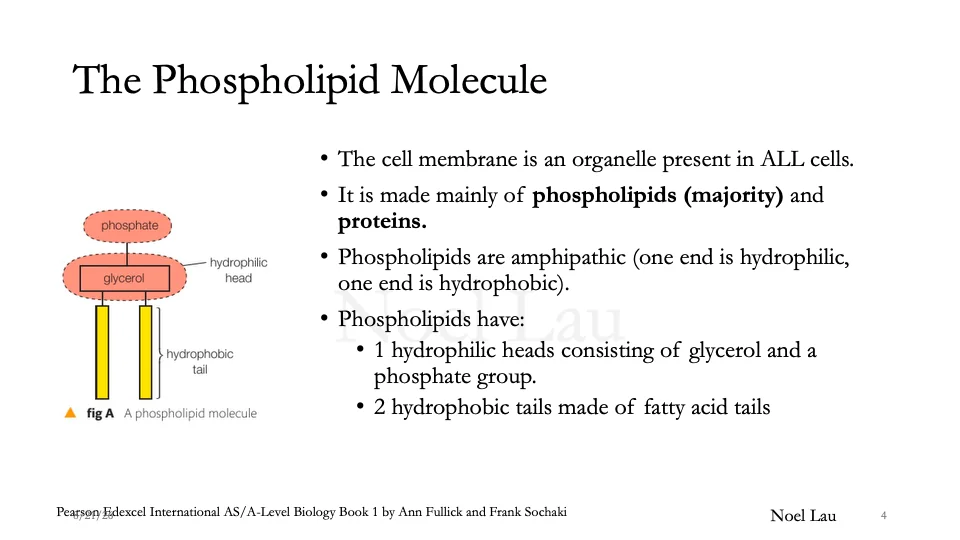
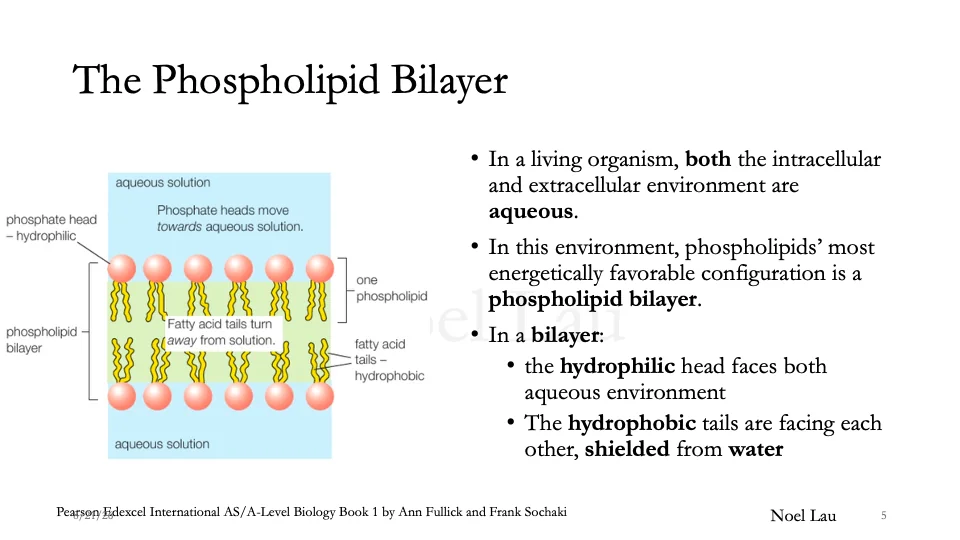
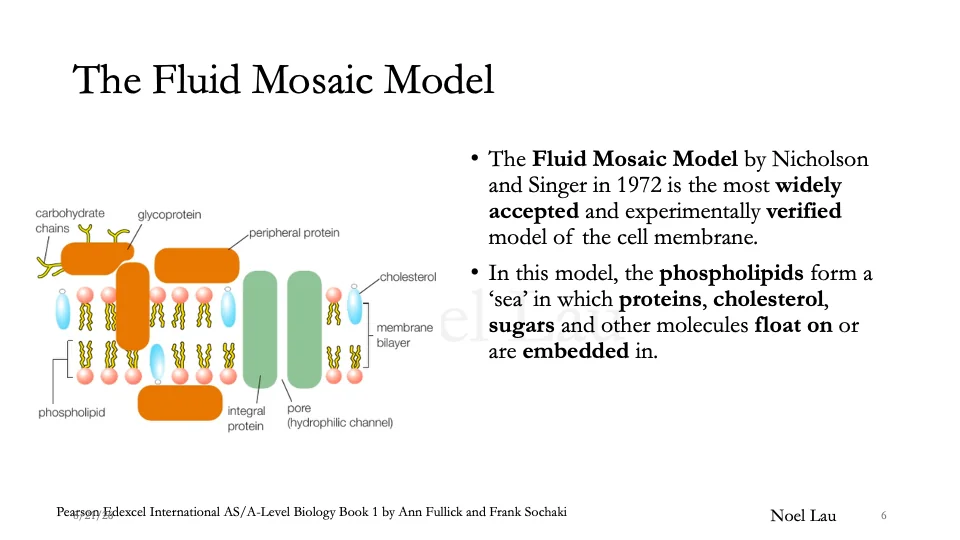
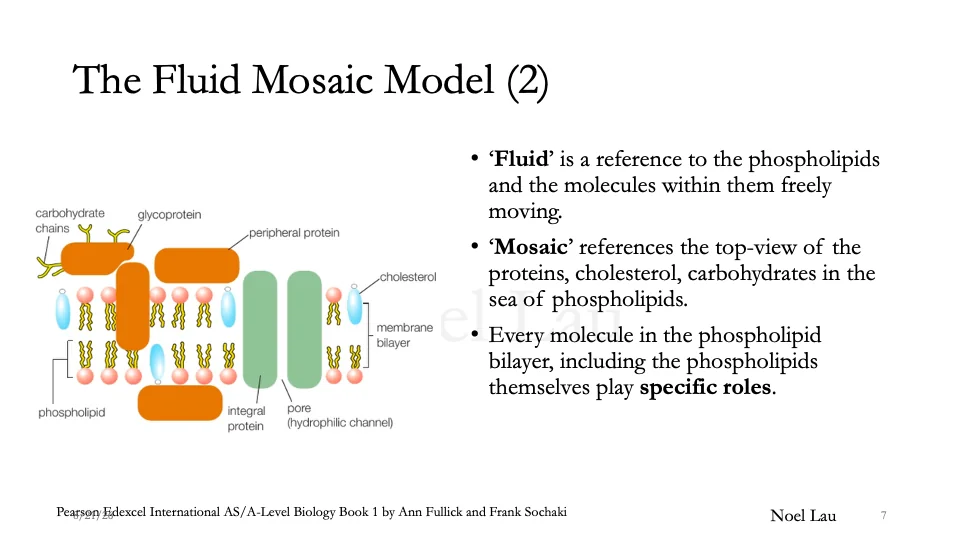
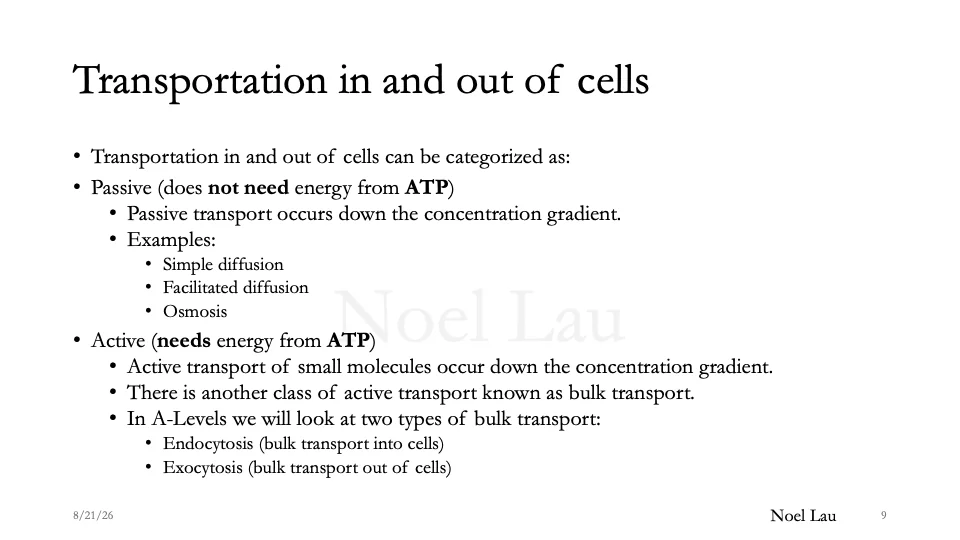
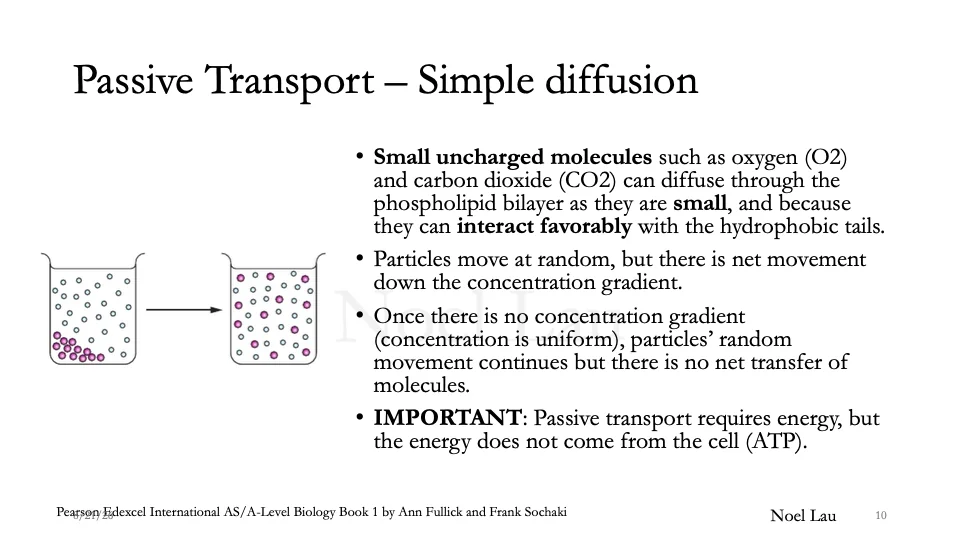
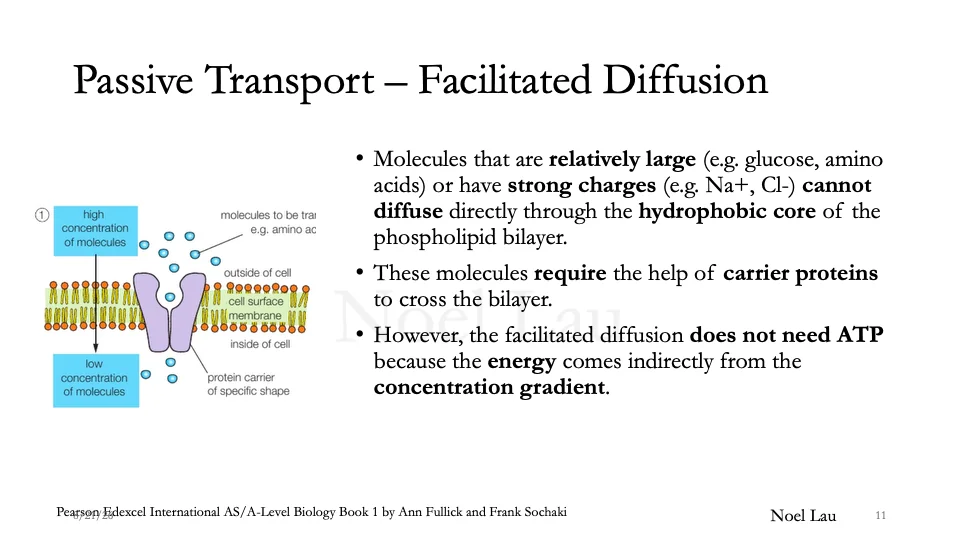
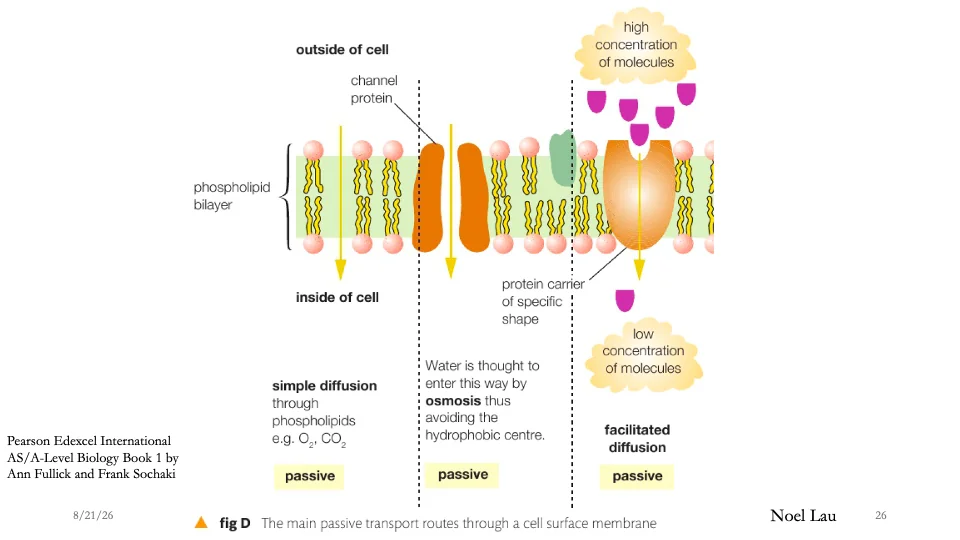
In this section, we will discuss the principles of diffusion across a semi-permeable membrane that is the phospholipid bilayer.
We will look at how the properties of the phospholipid bilayer causes different substances to diffuse differently through them.
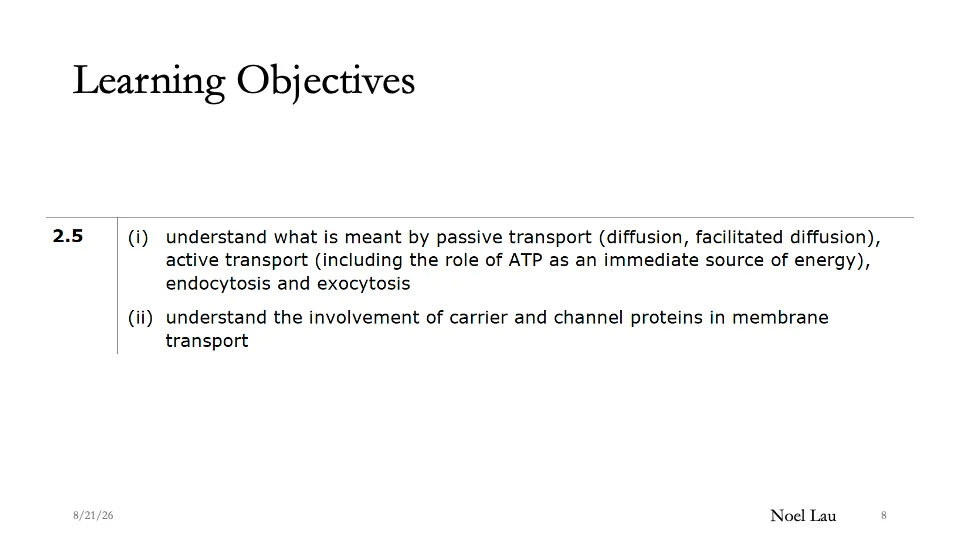
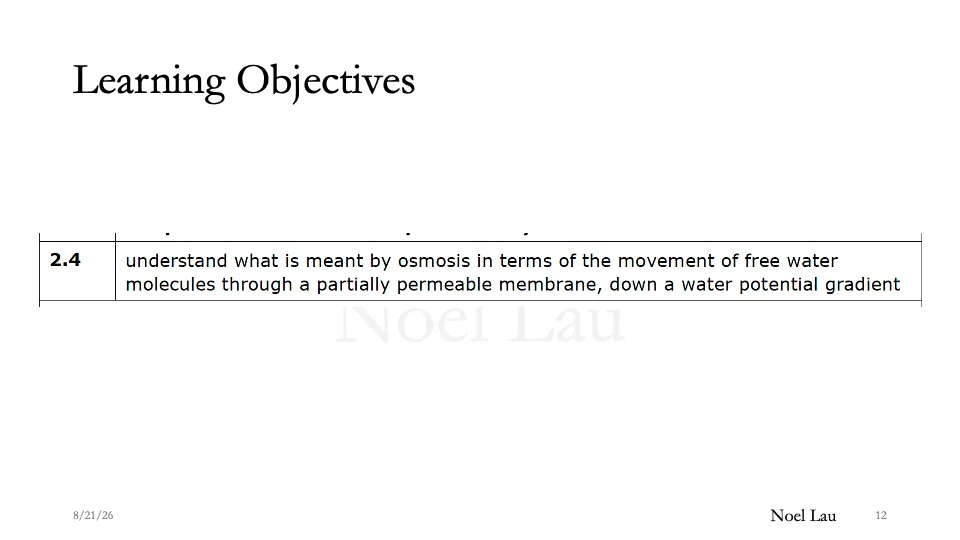
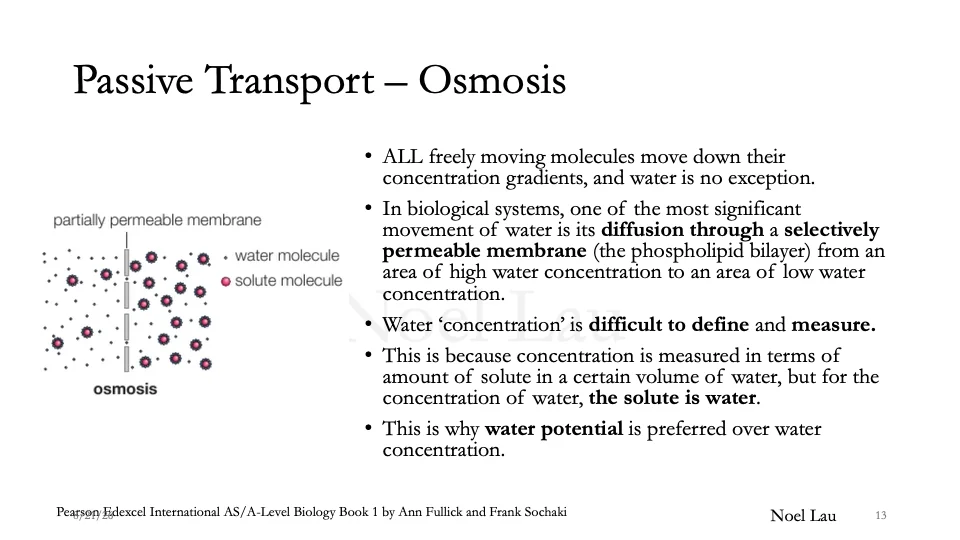
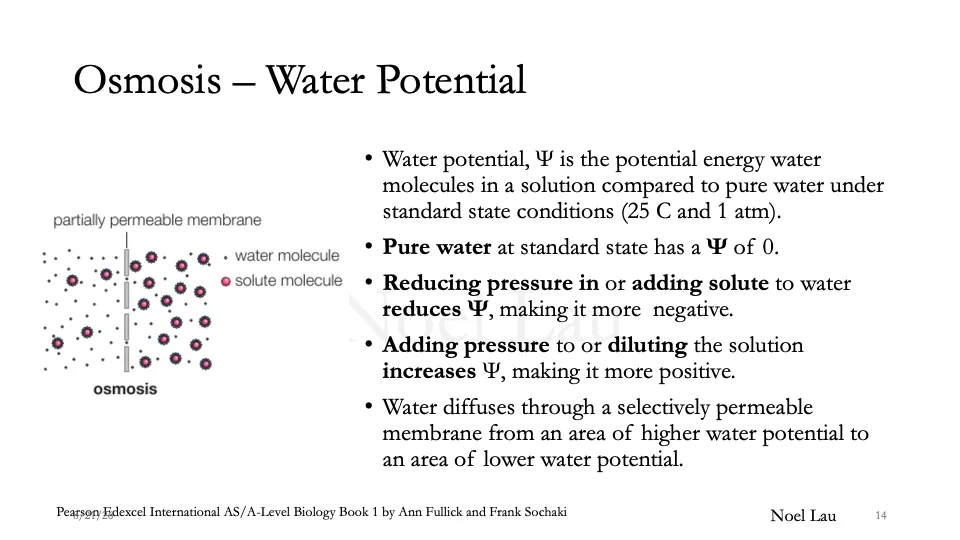
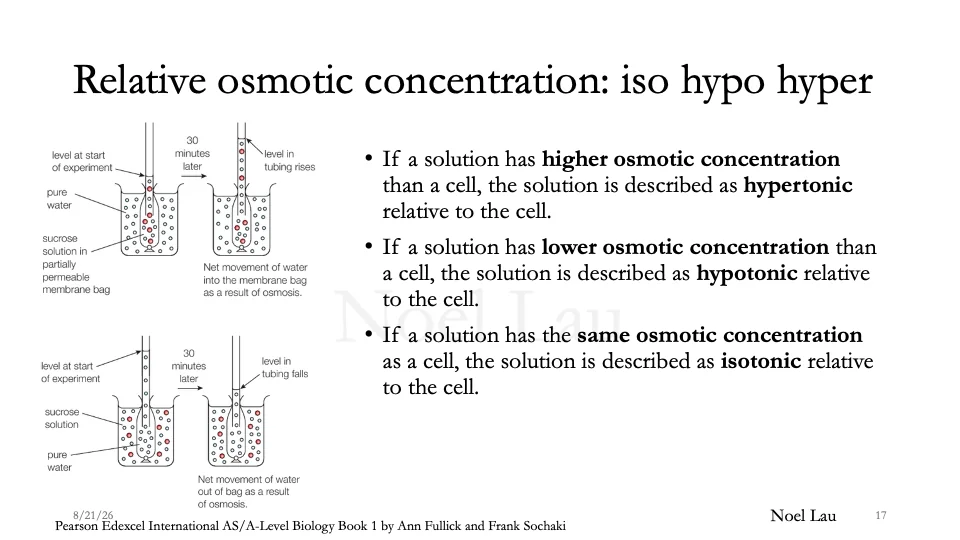
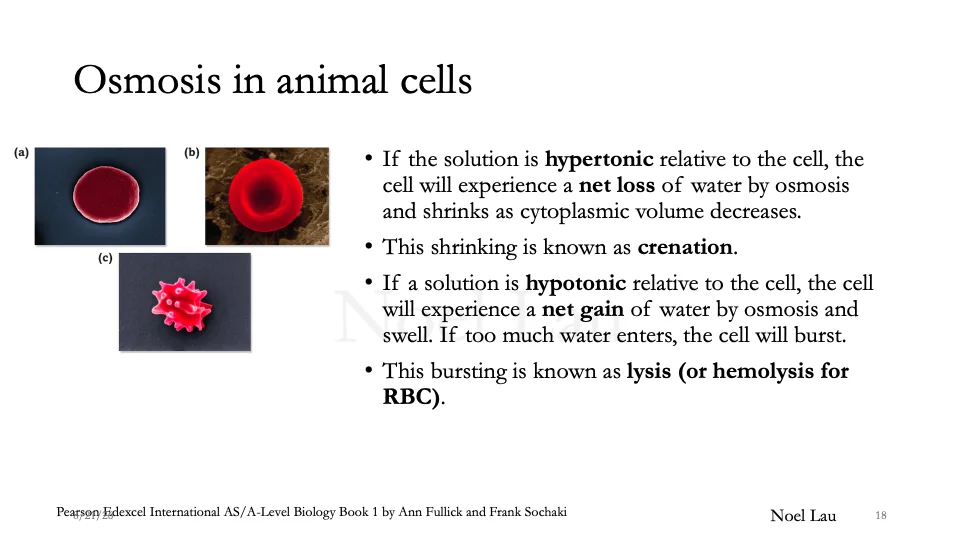
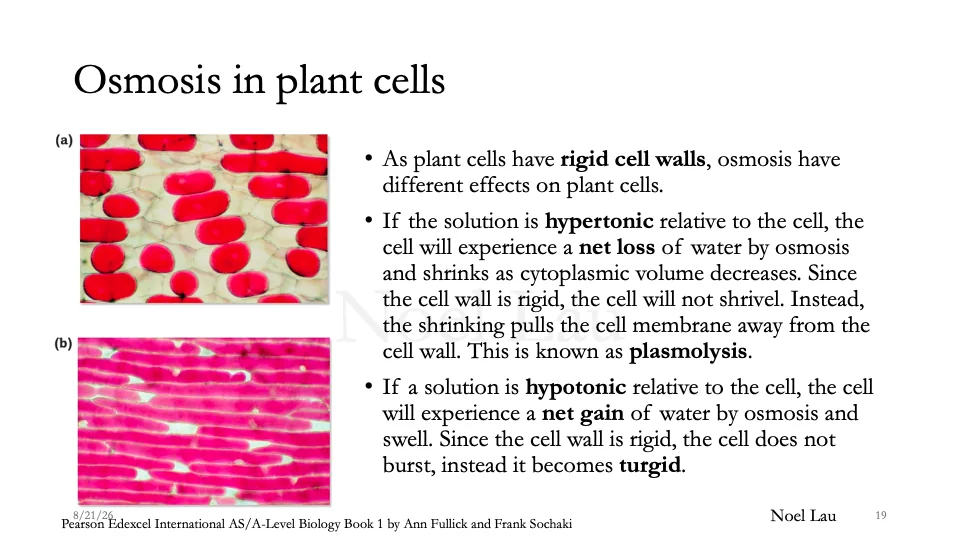
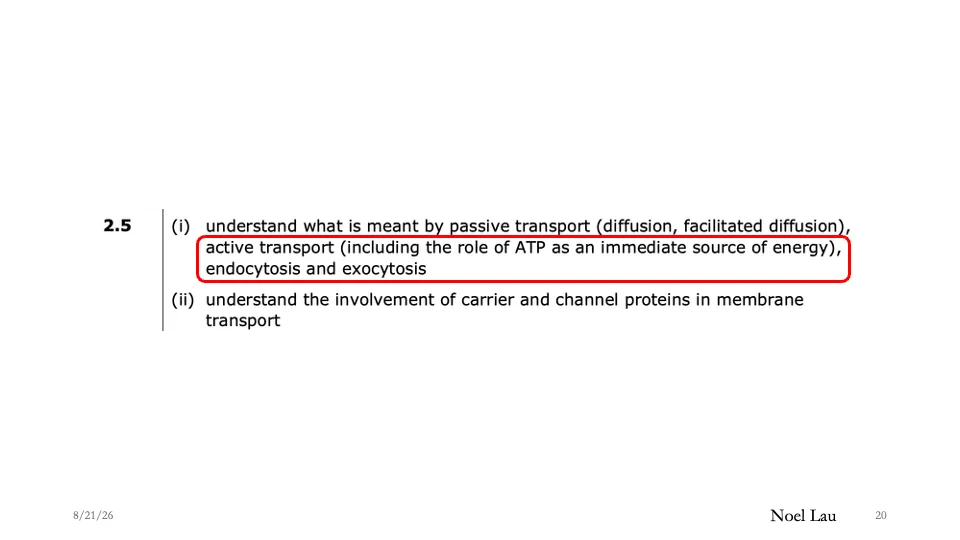
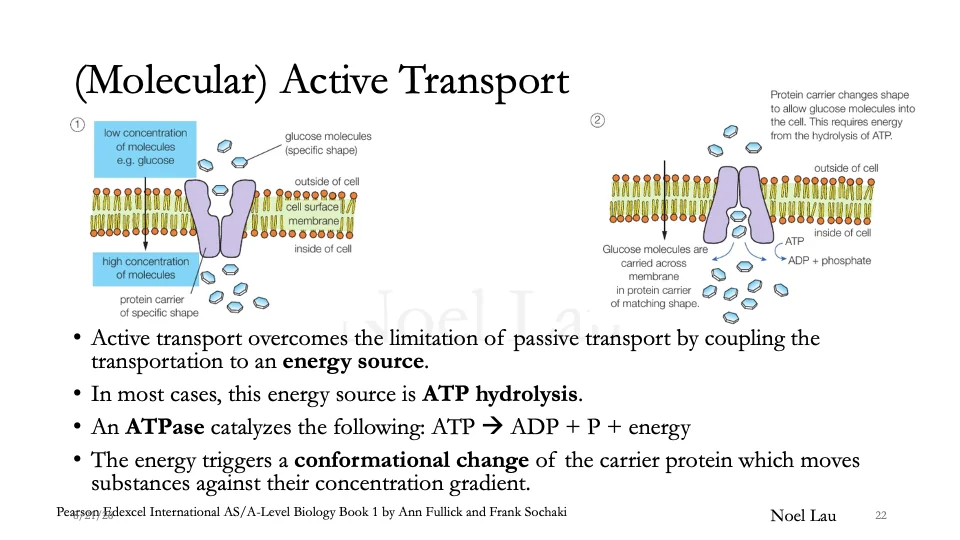
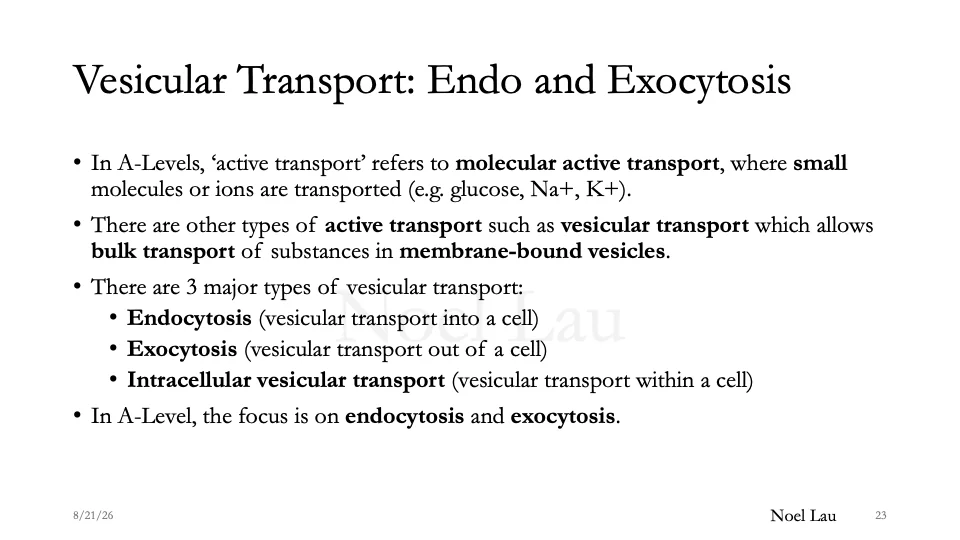
Then, we will discuss osmosis, which is the diffusion of water through the bilayer. Finally, we will discuss the limitations of passive transport and how active transport fills this gap.
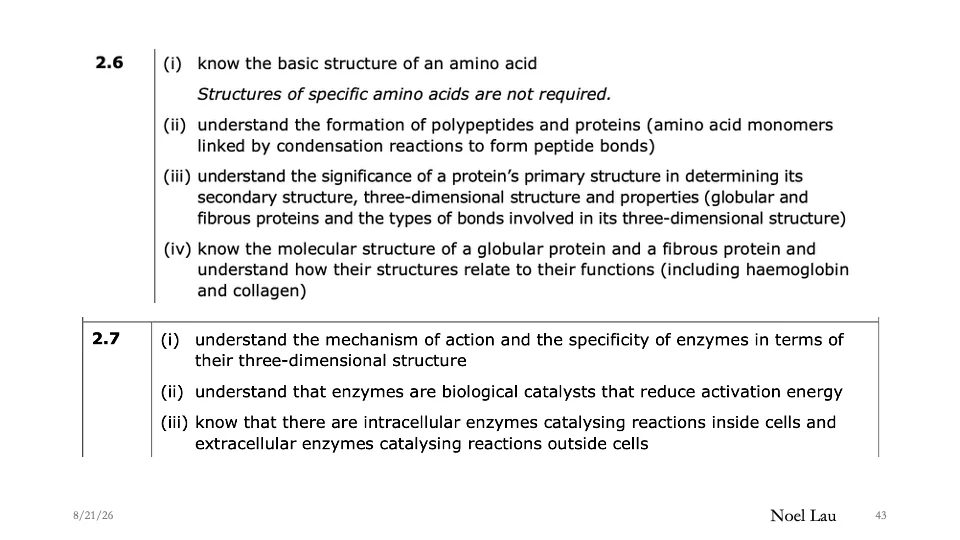
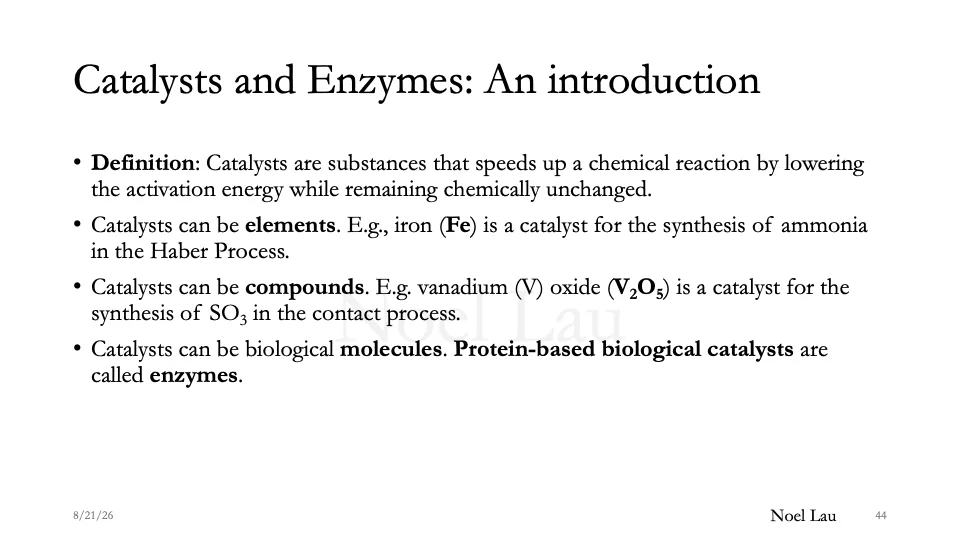
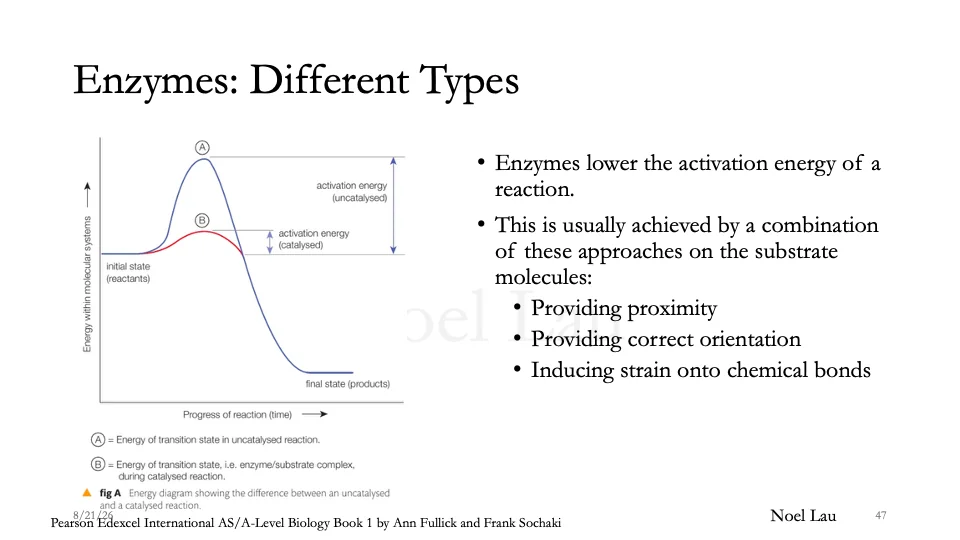
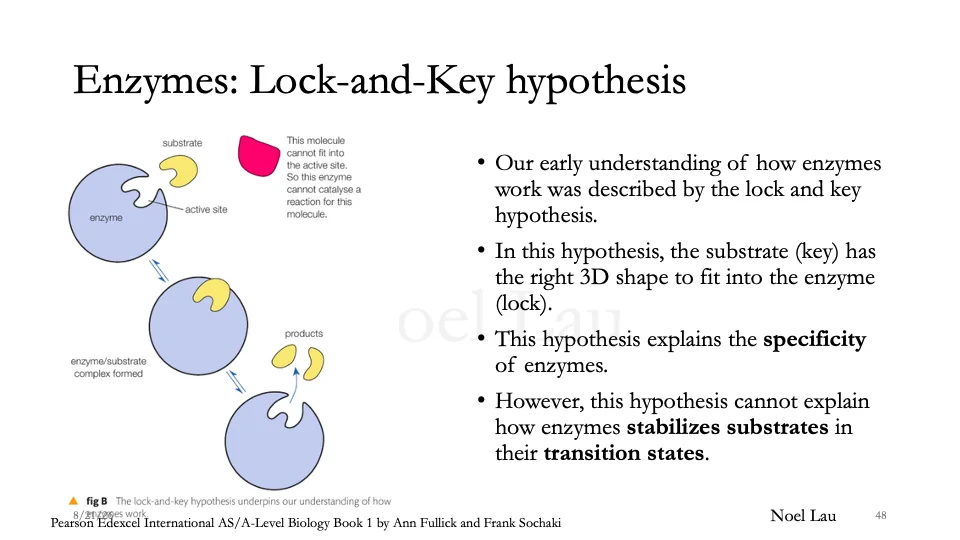
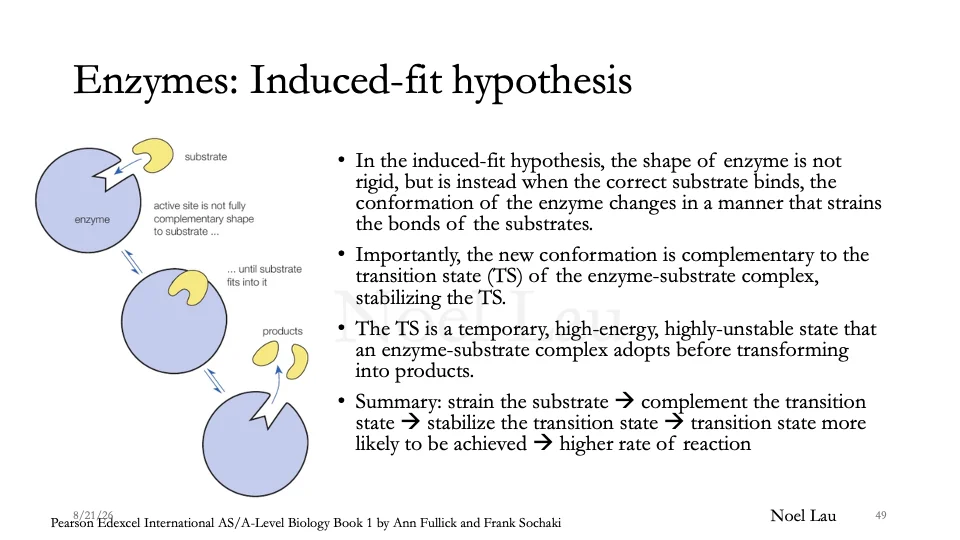
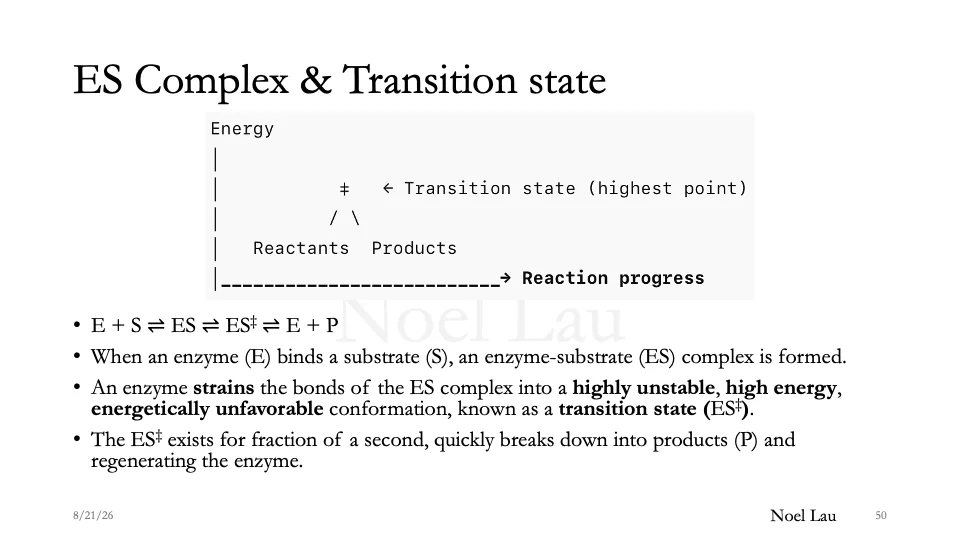
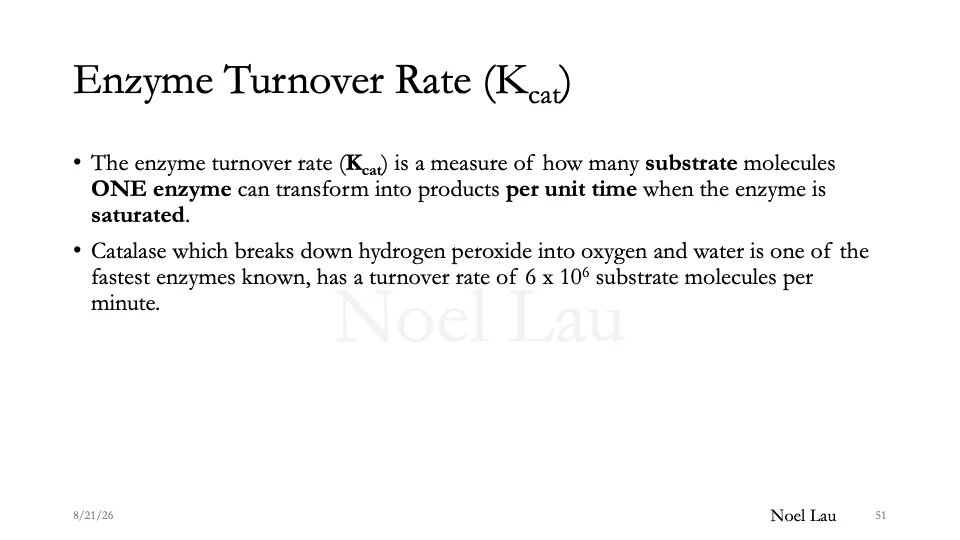
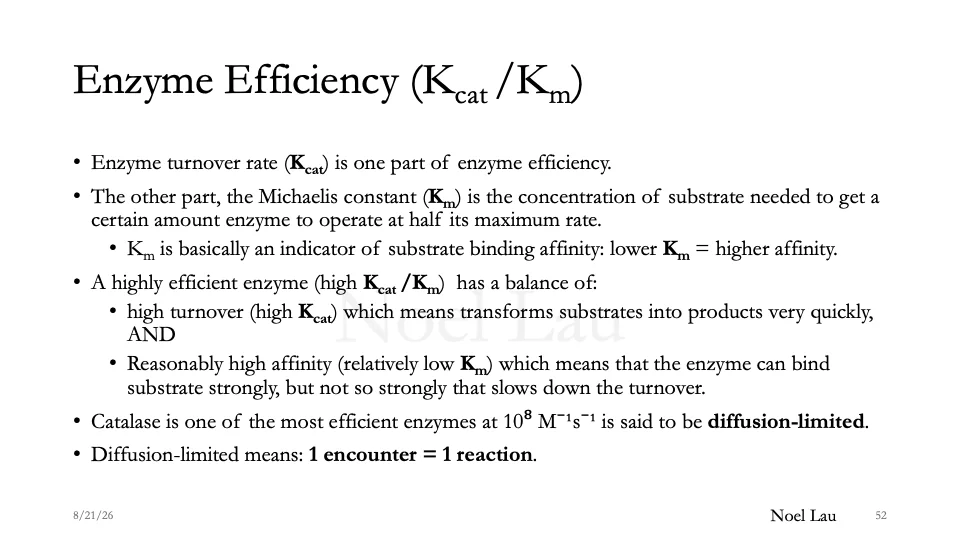
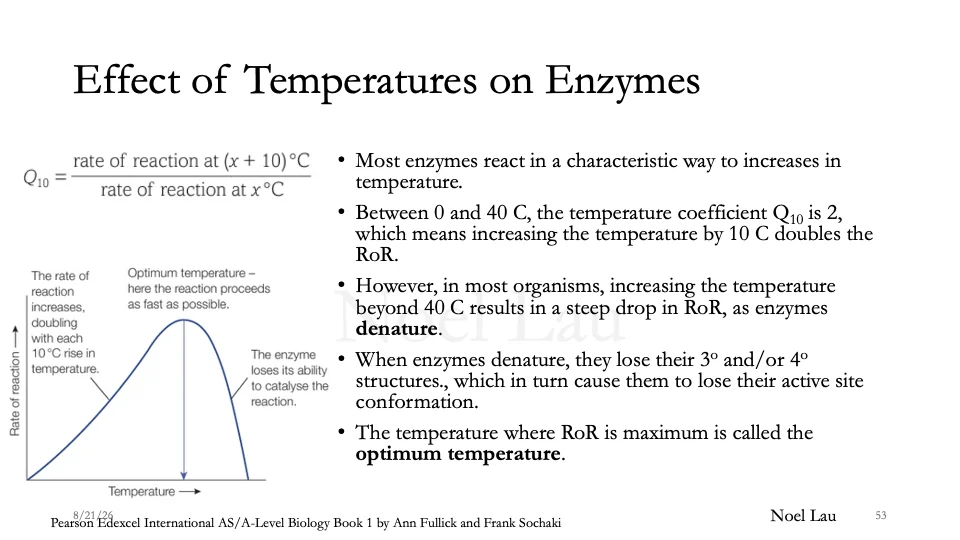
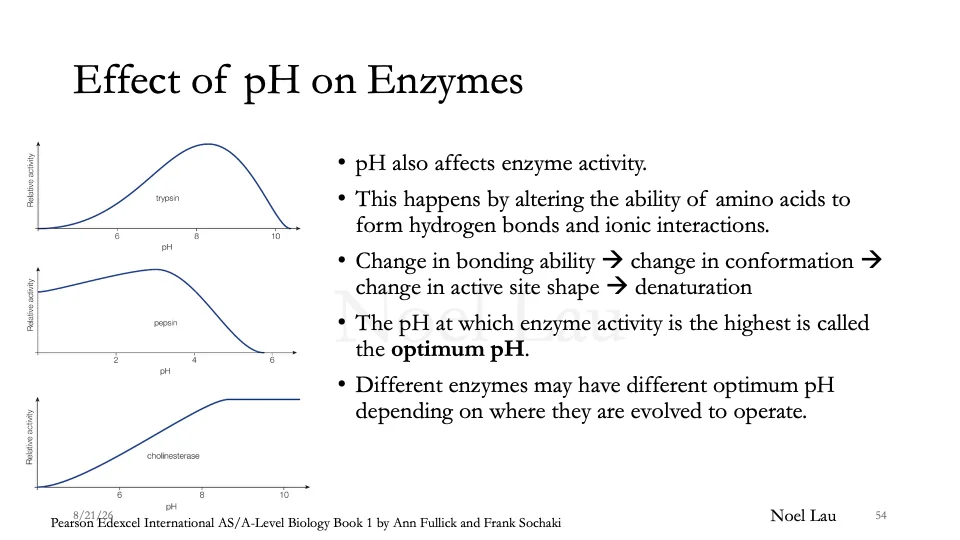
Then, the focus will shift to proteins, specifically onto a type of globular proteins - the enzymes. We will learn about enxyme actives
sites, the different theories on how enzymes function, and finally the factors affecting enzyme activity.
Next, we will learn about our bodies know how to synthesized enzymes and other proteins that gives rise to most of an organism's features.
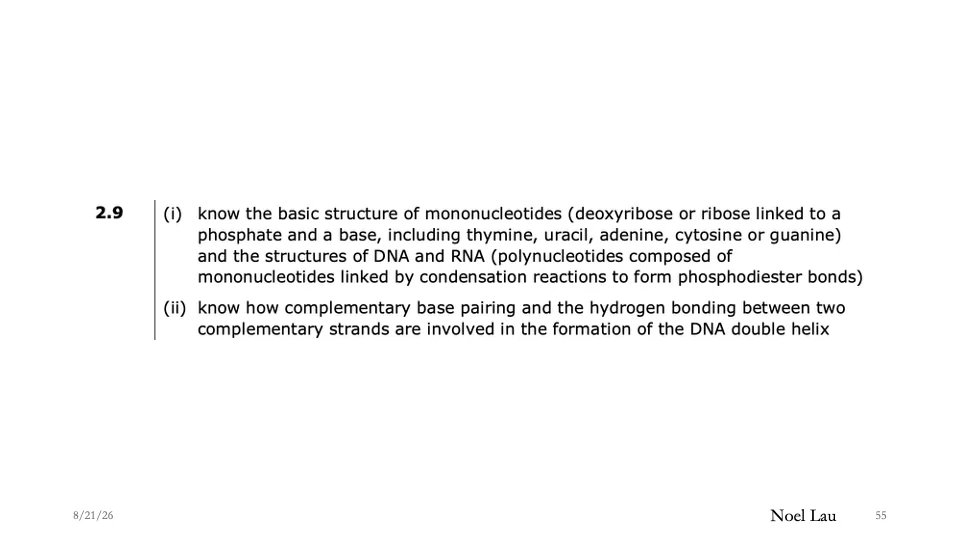
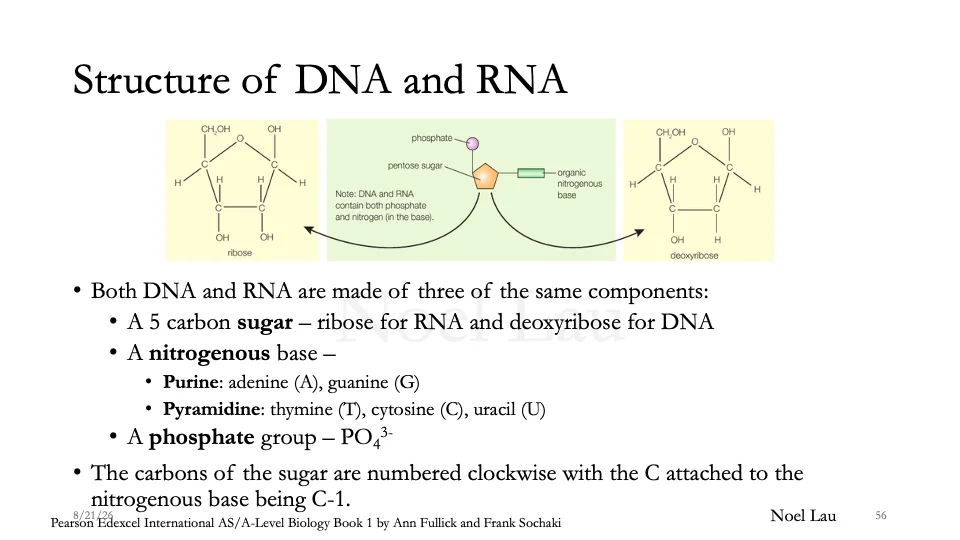
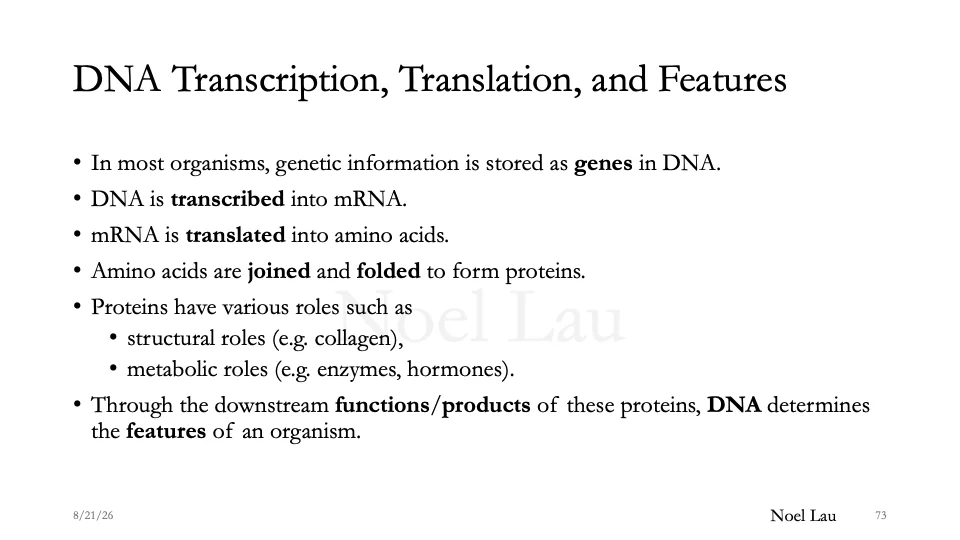
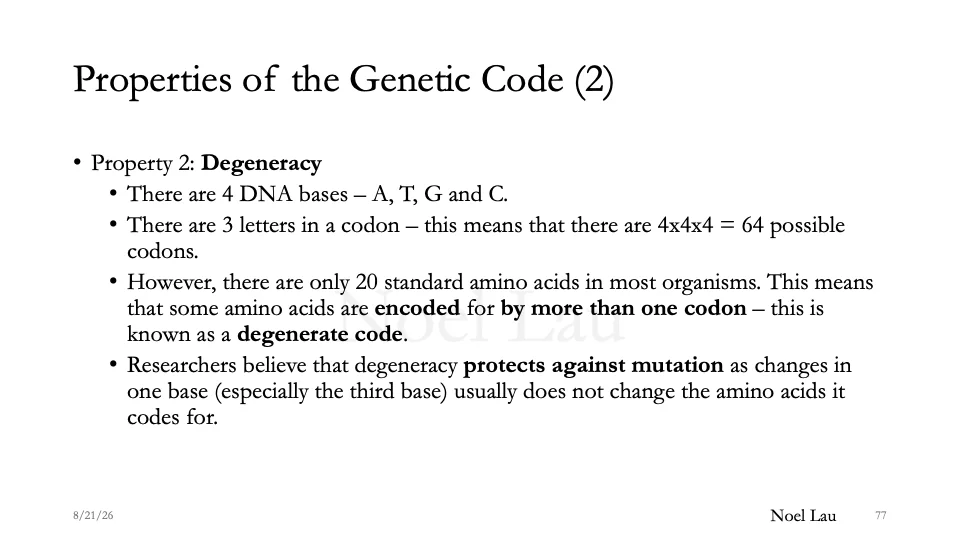
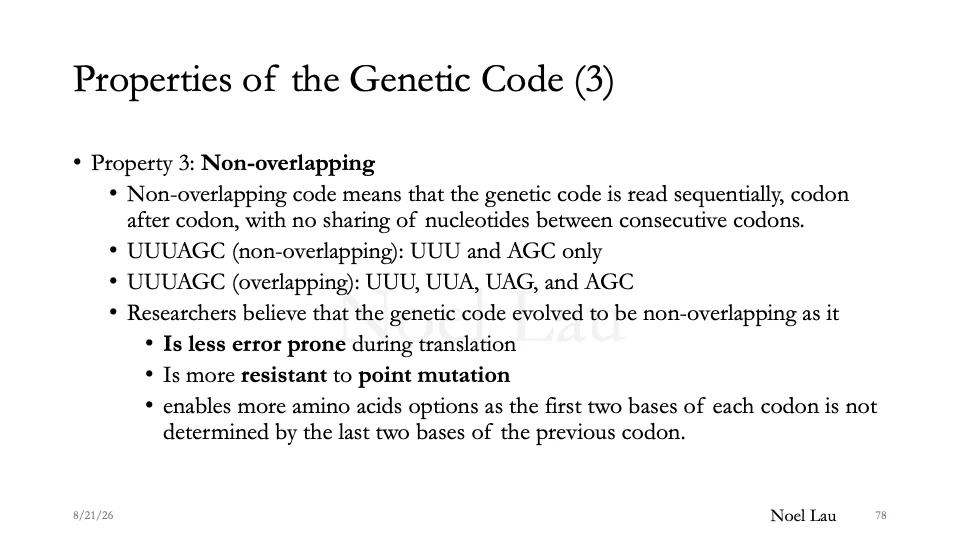
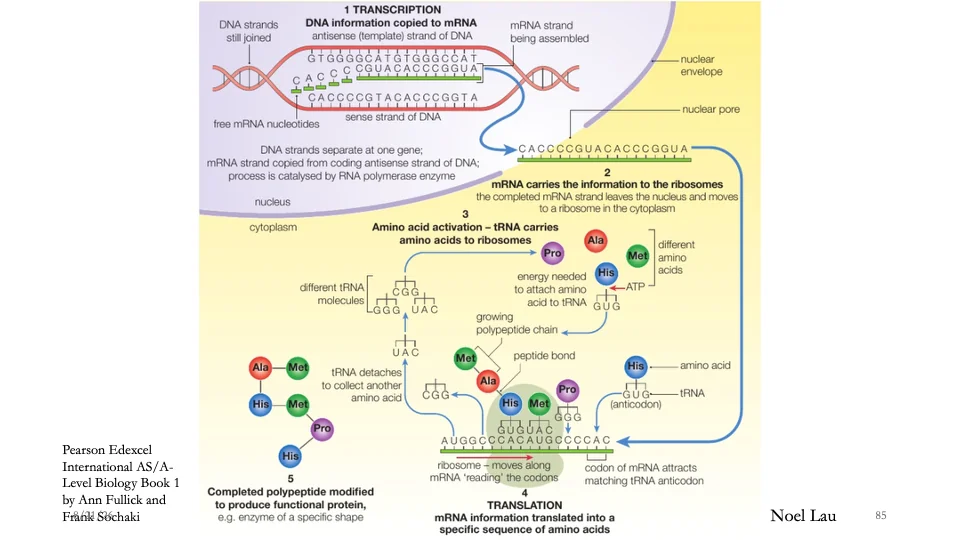
Here, we will look at the central dogma of molecular biology, which is one of the most fundamenmtal concepts in biology.
The central dogma can be summarized as: DNA → RNA → Proteins. While the central dogma is mainstream knowledge now, it took centuries of research to uncover.
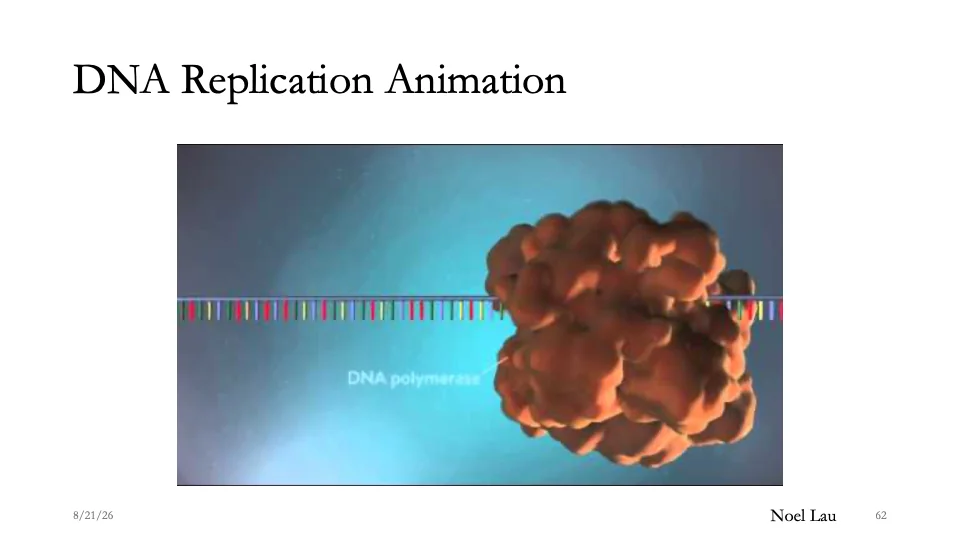
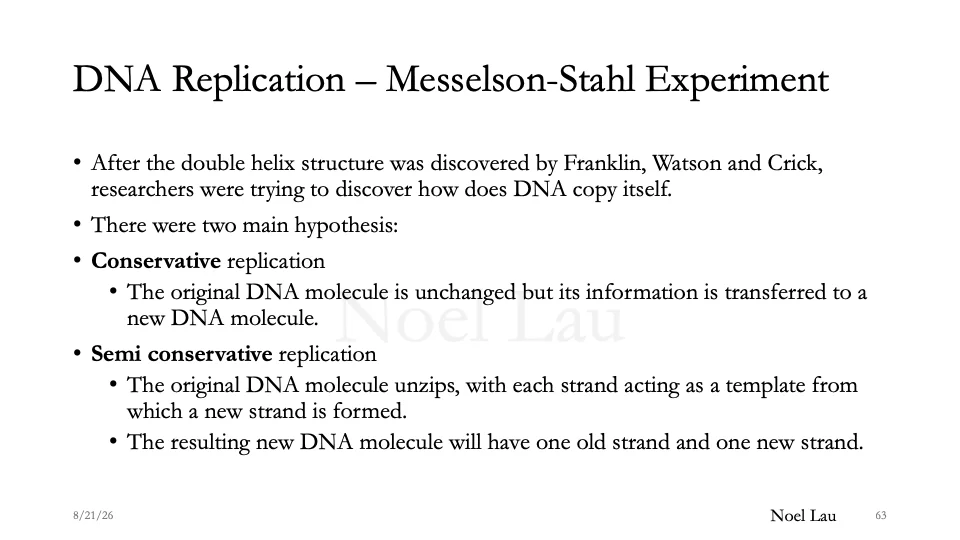
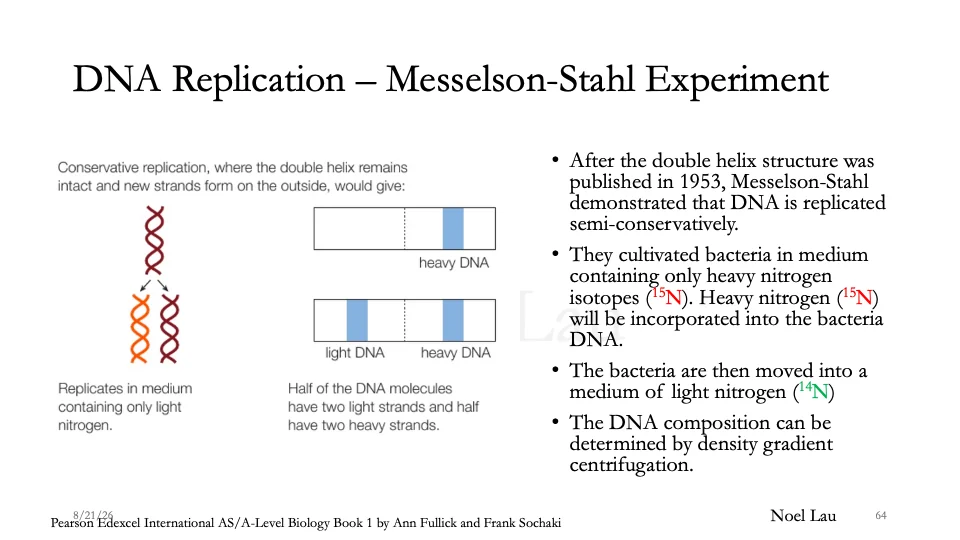
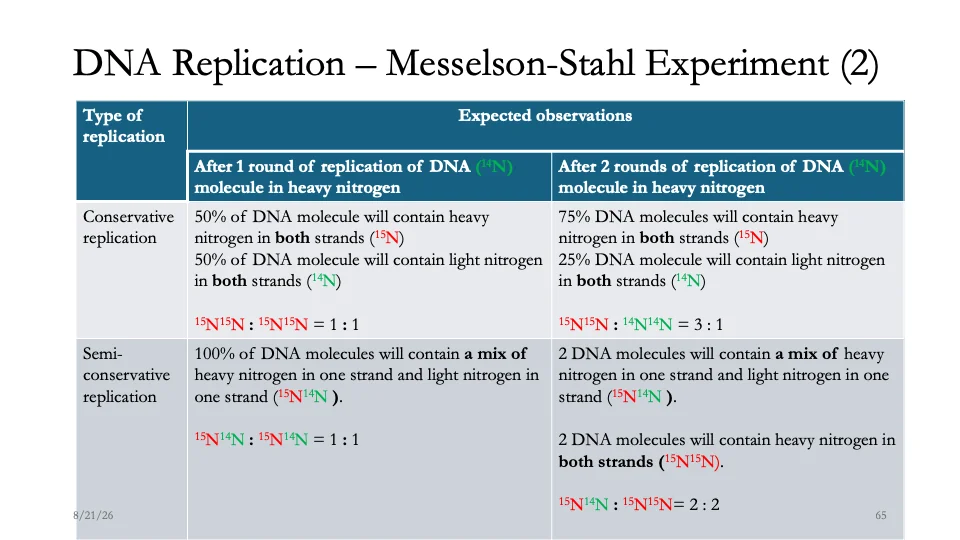
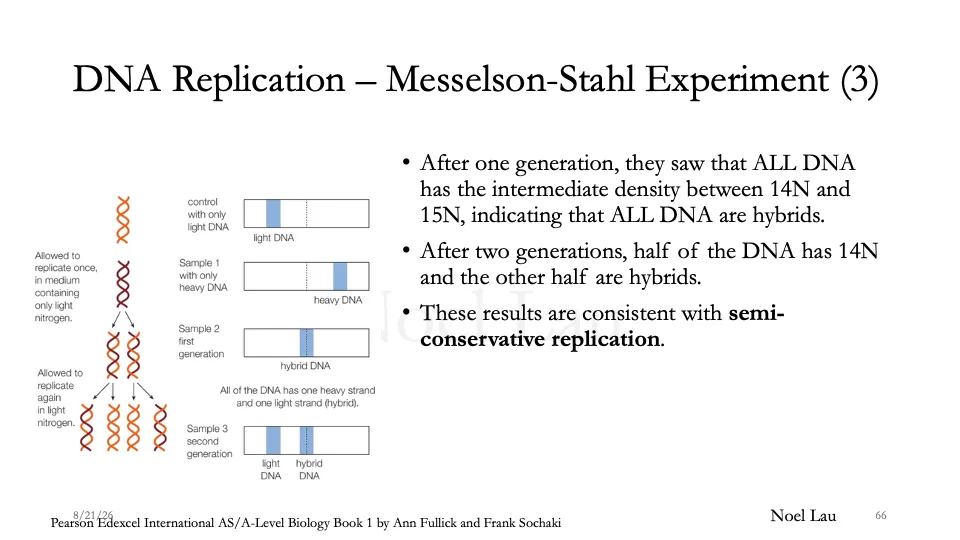
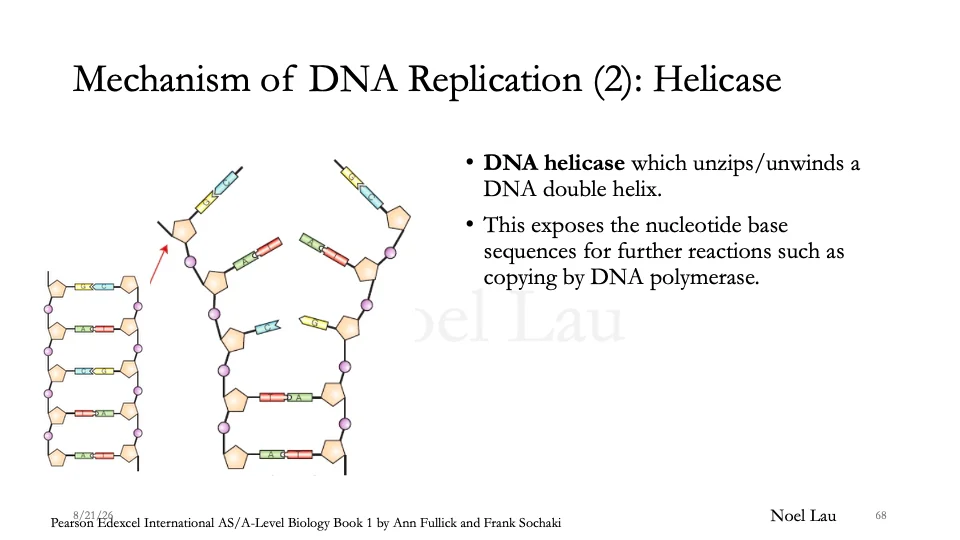
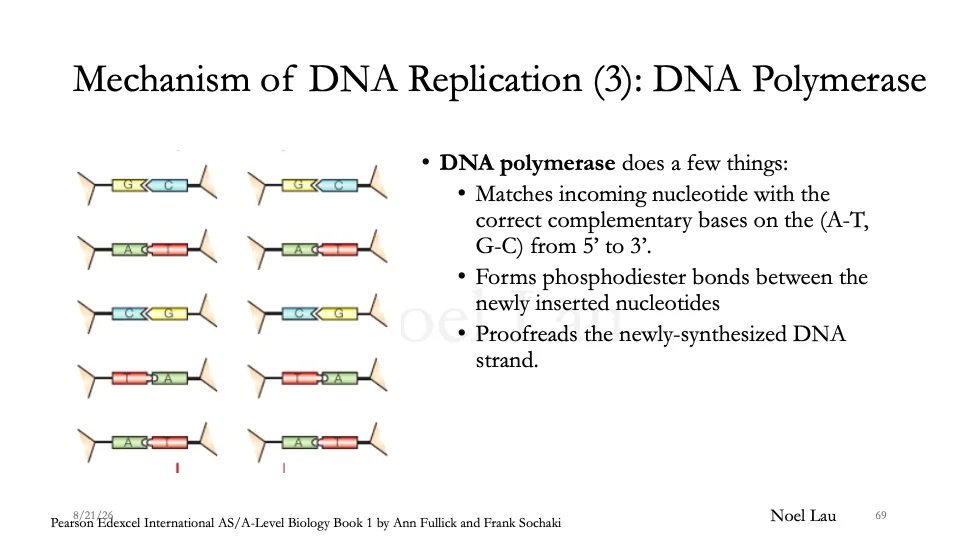
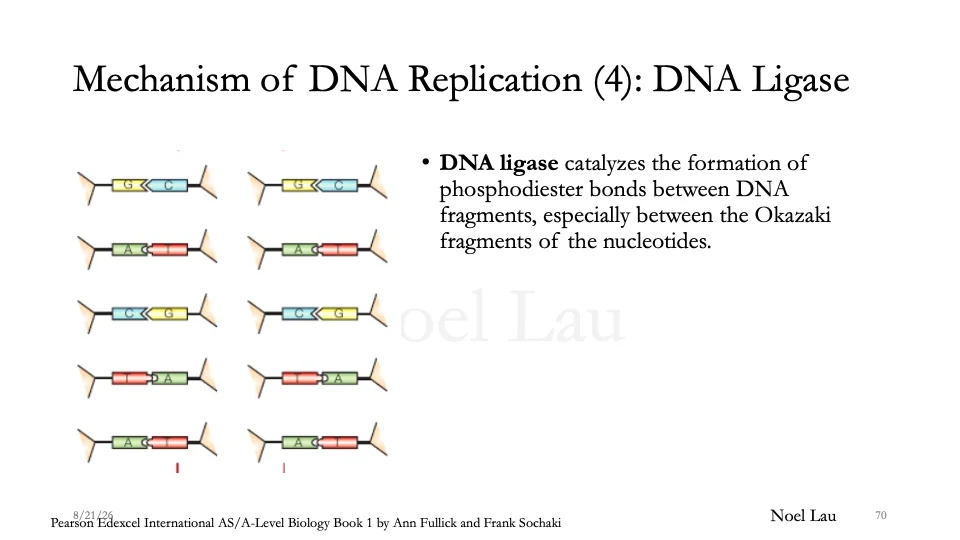
Next, we will learn about the various aspects of gene expression, starting with DNA replication where we will look at Messelson and Stahl's experiment that proved
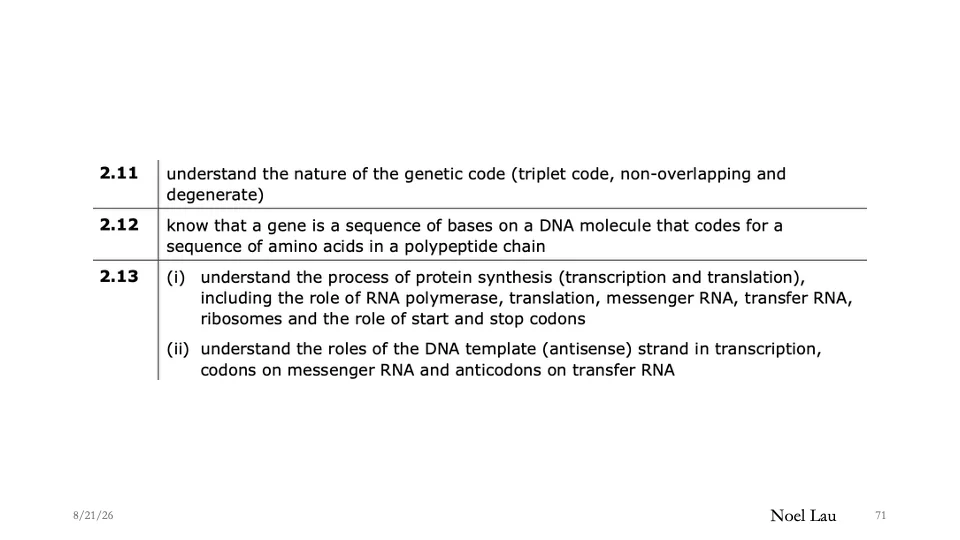
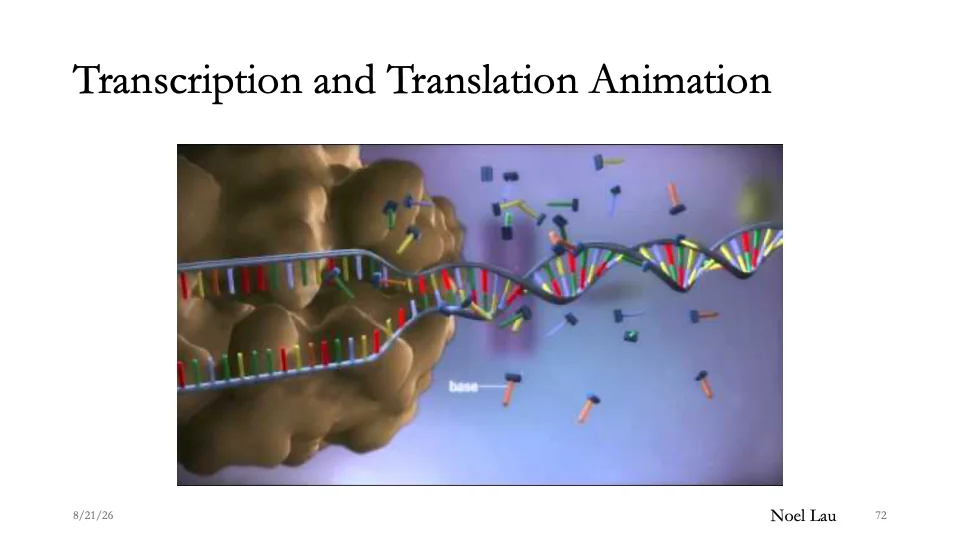
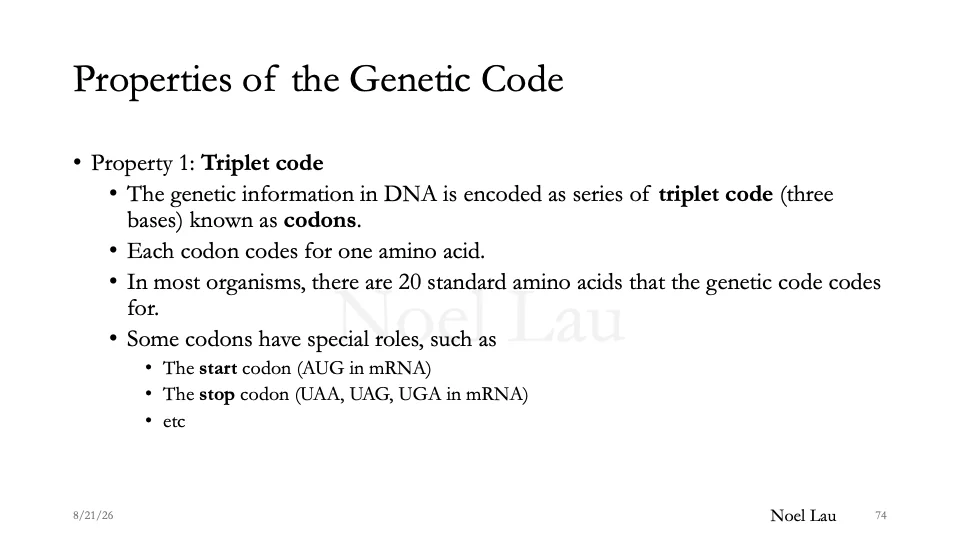
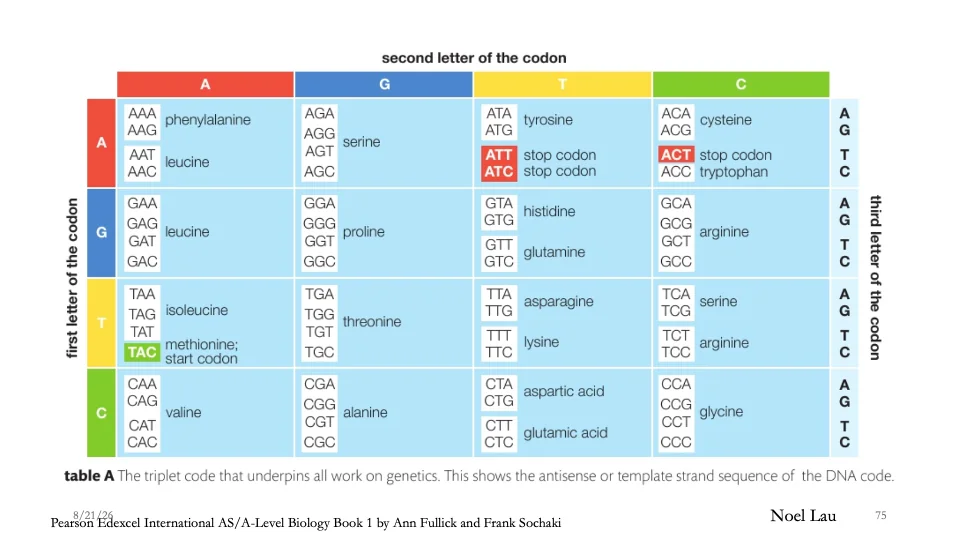
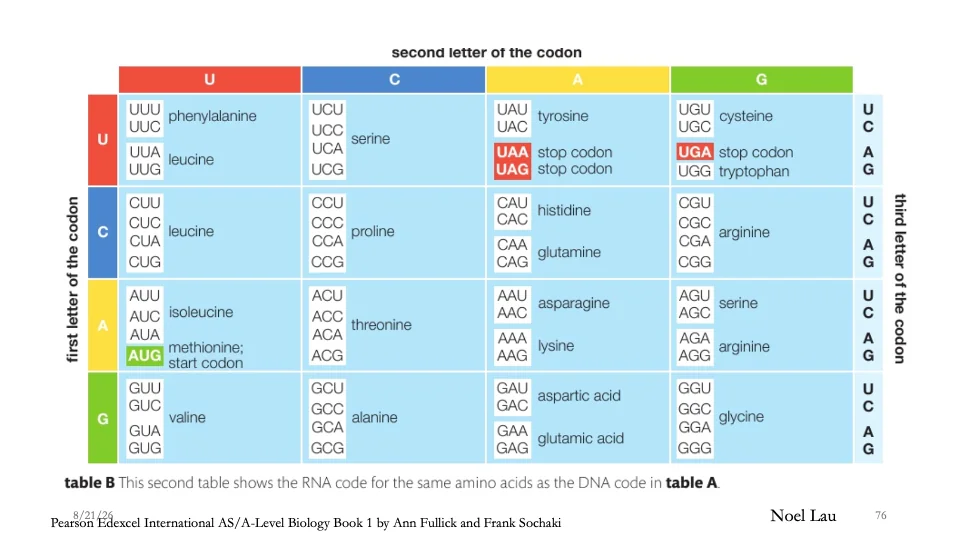
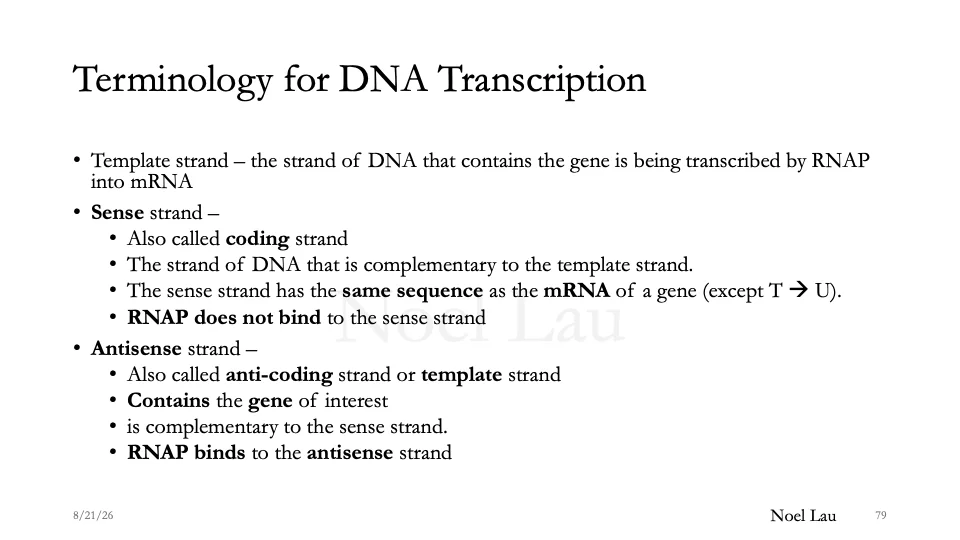
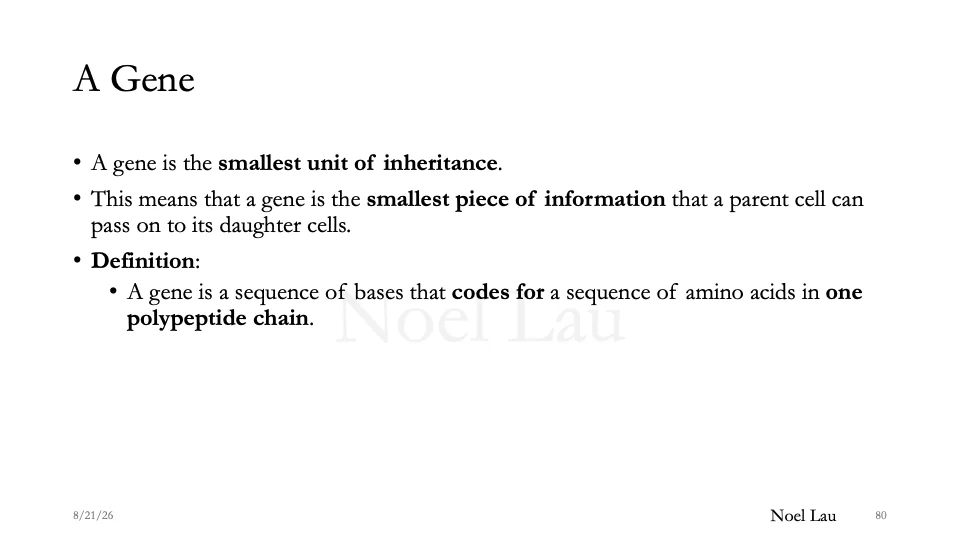
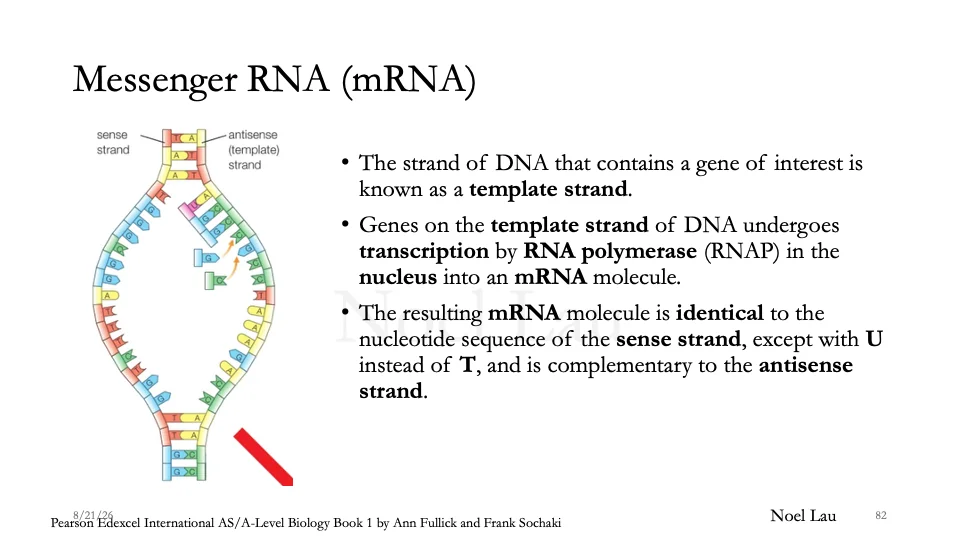
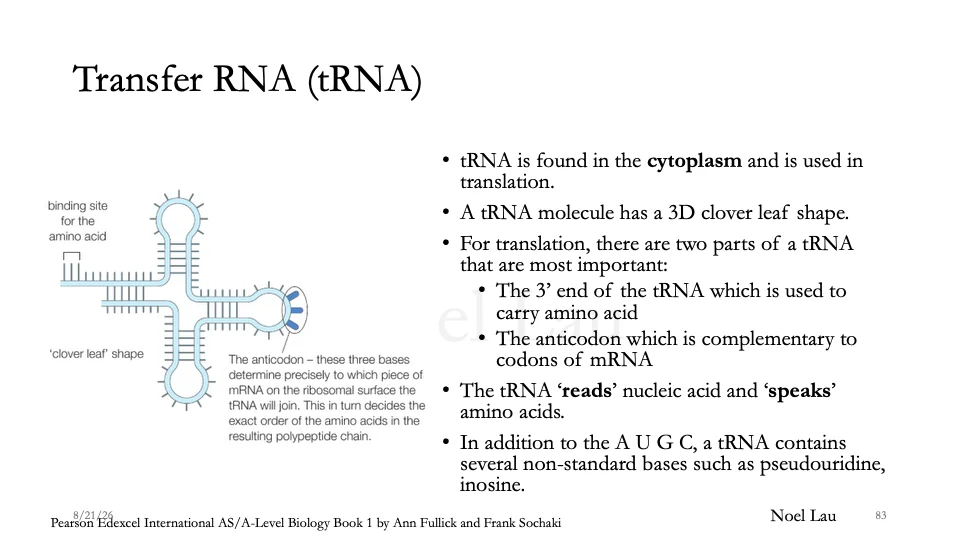
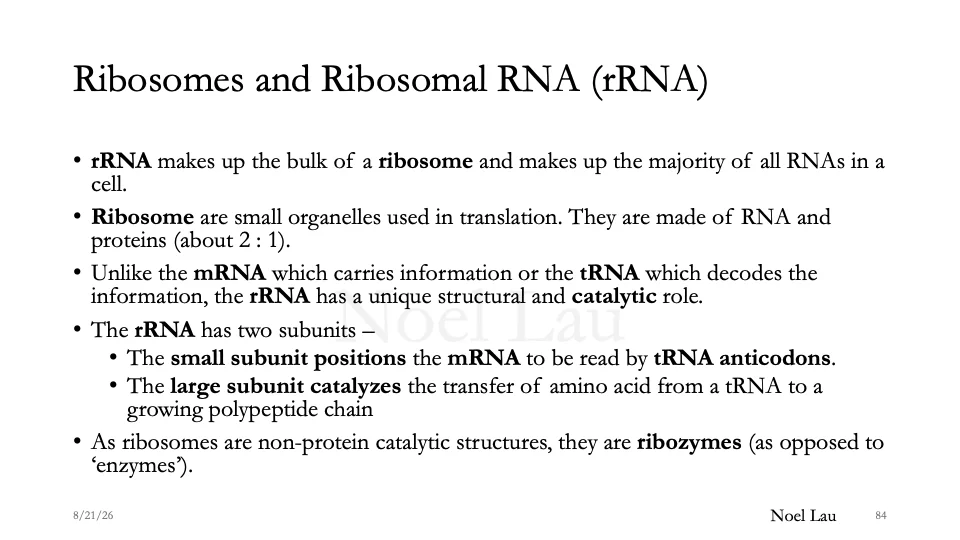
semi-replicative replication. Then, we will discuss transcription and translation in terms of the genetic code, mRNA and proteins components.
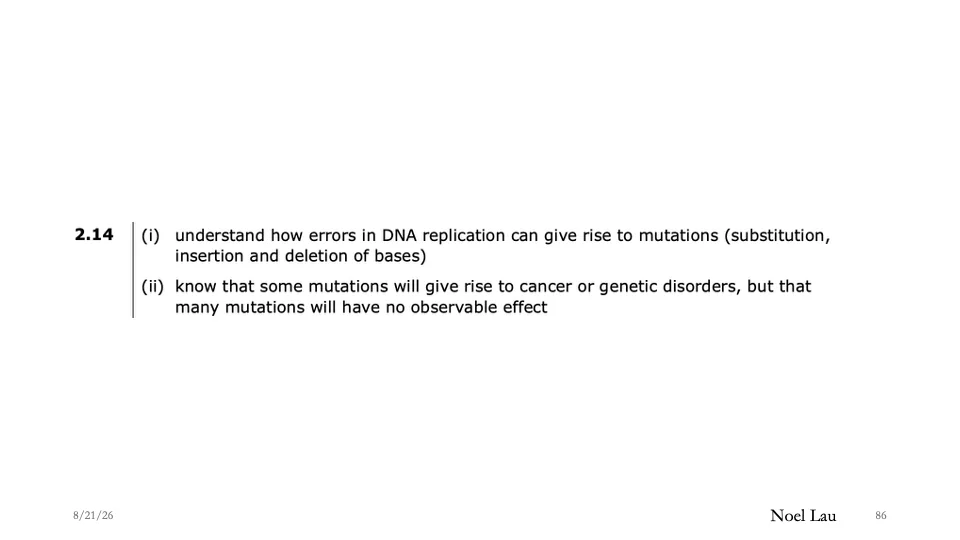
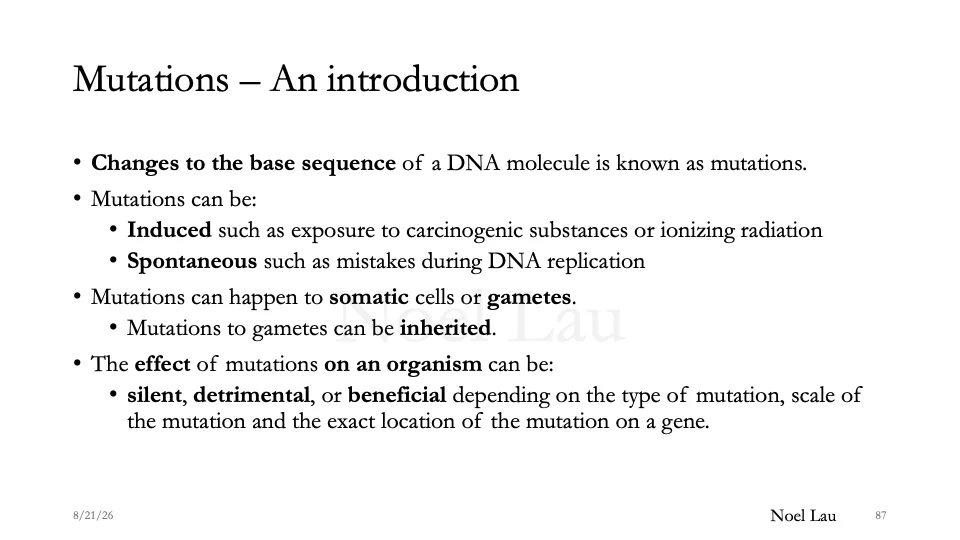
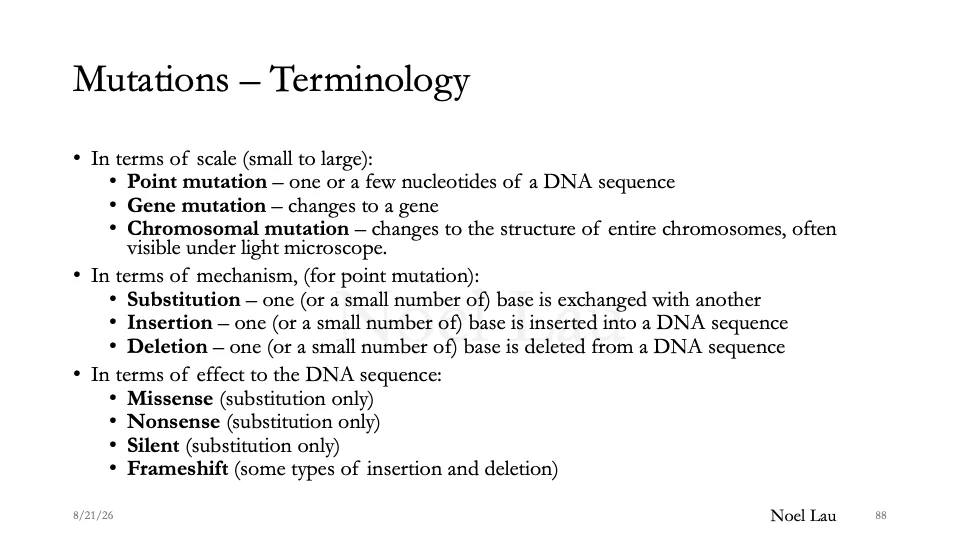
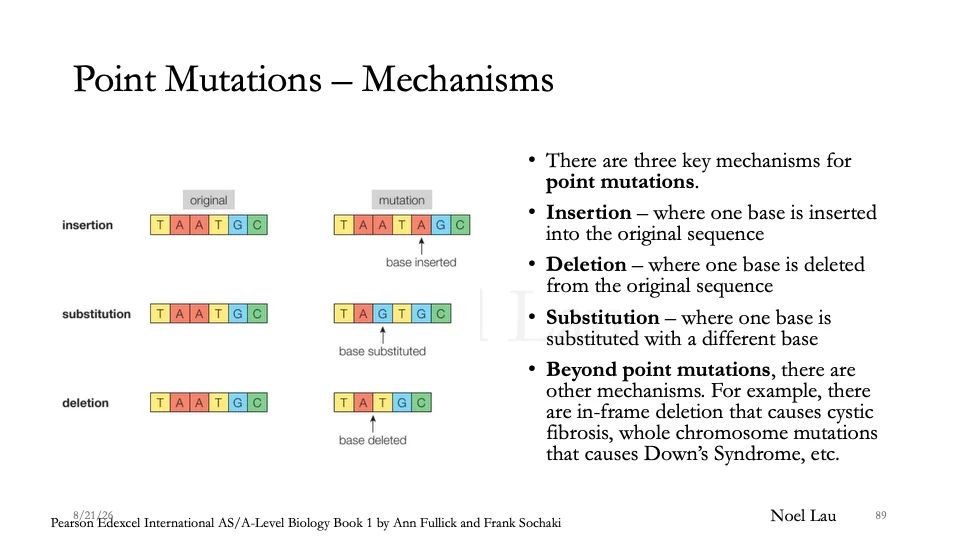
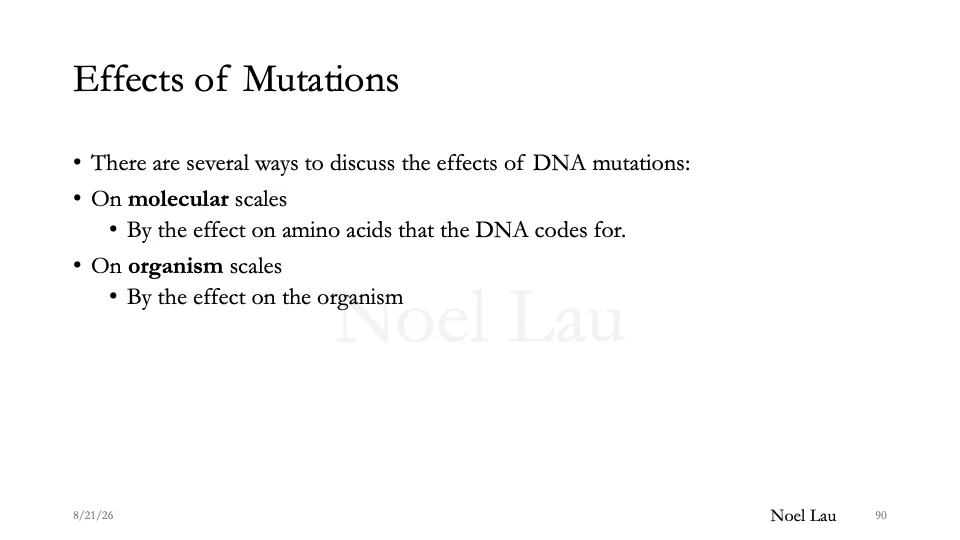
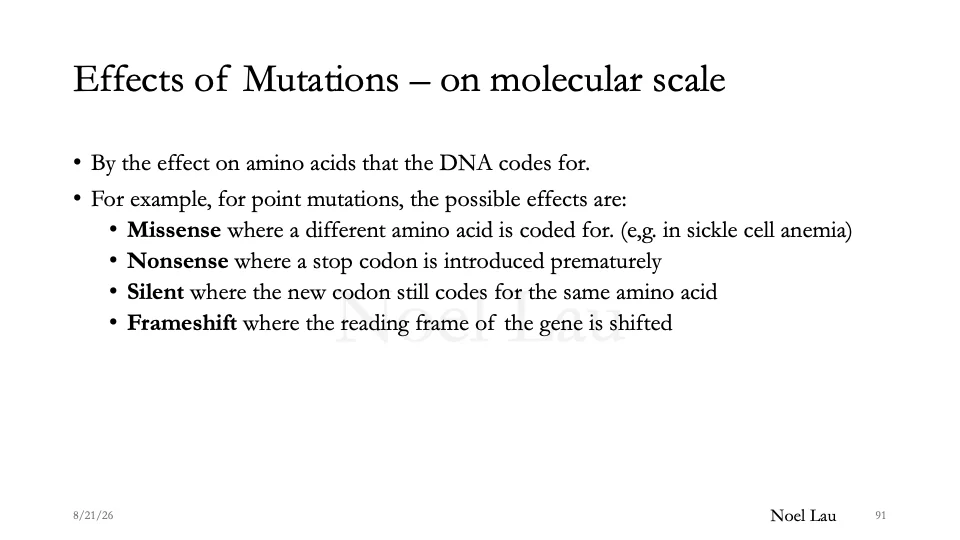
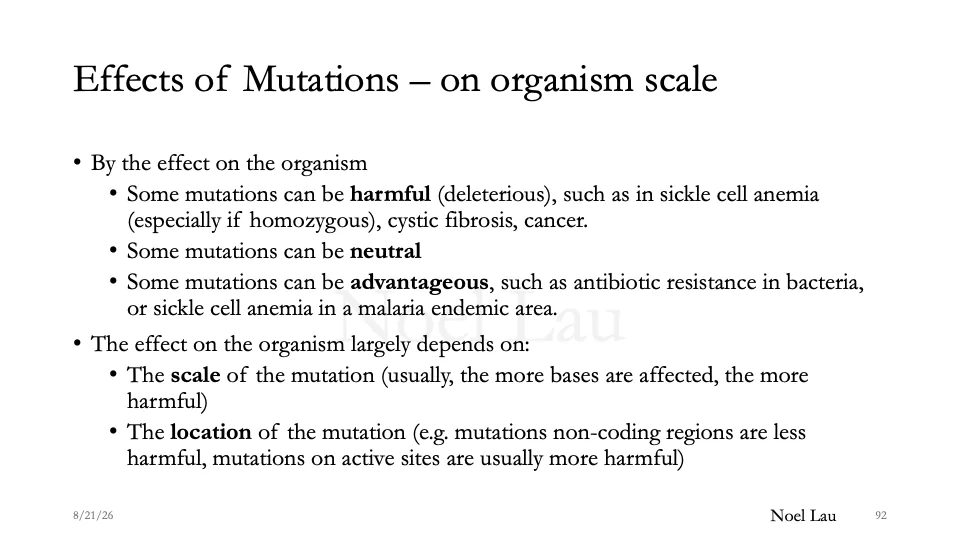
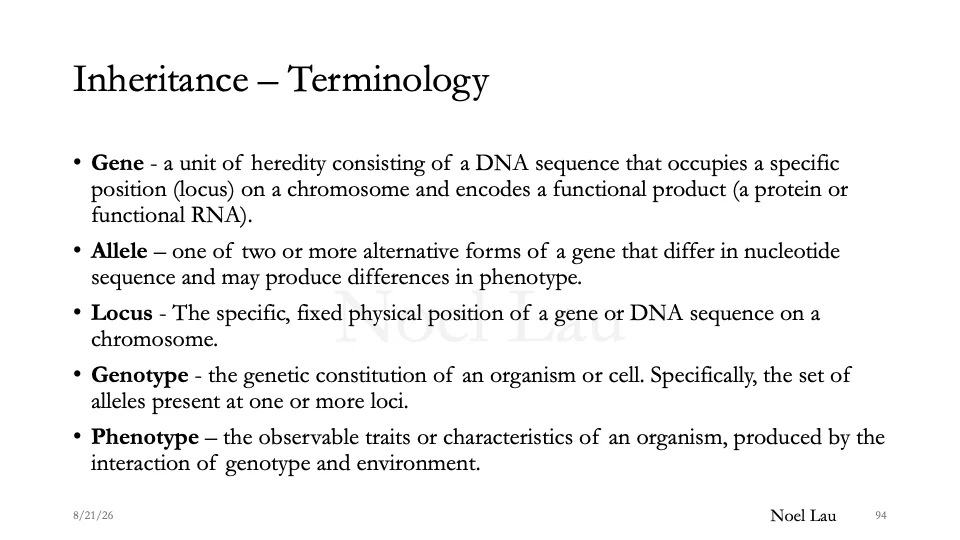
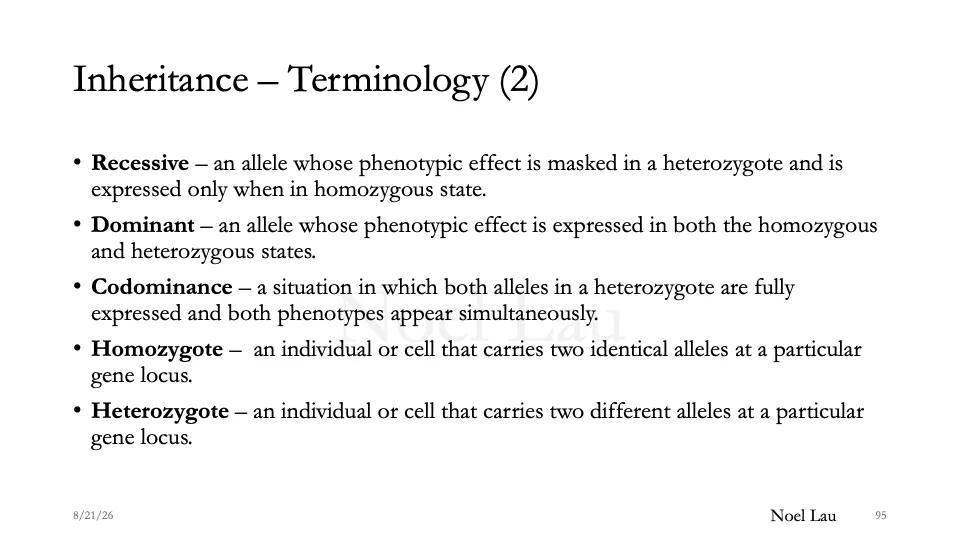
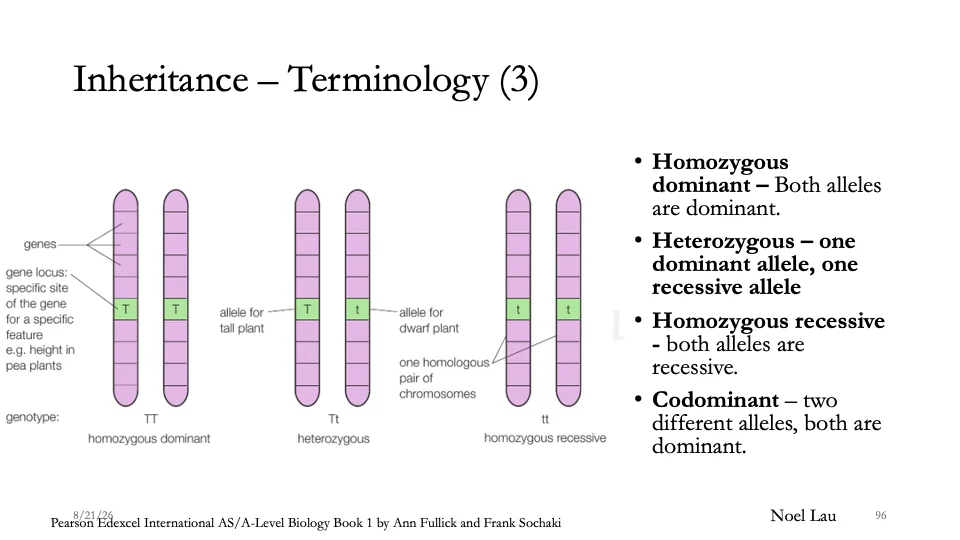
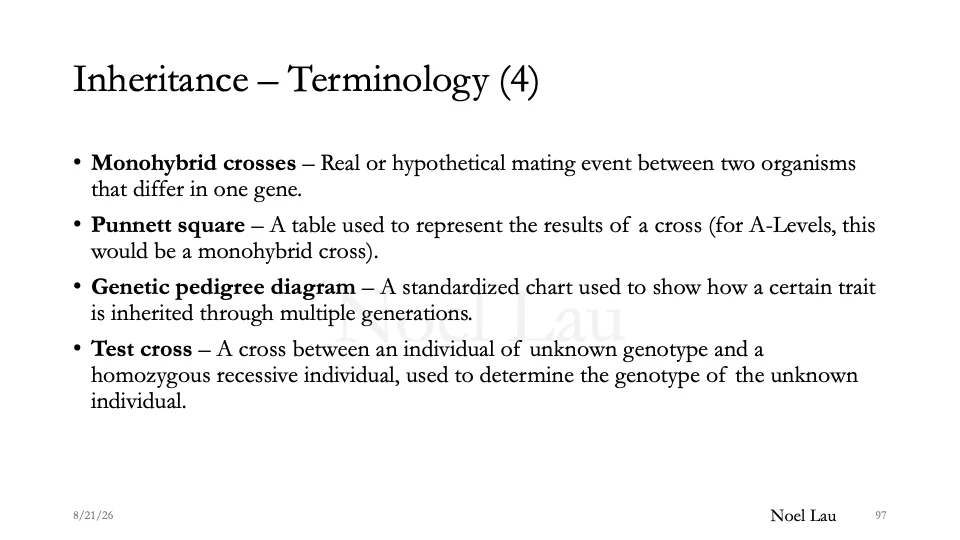
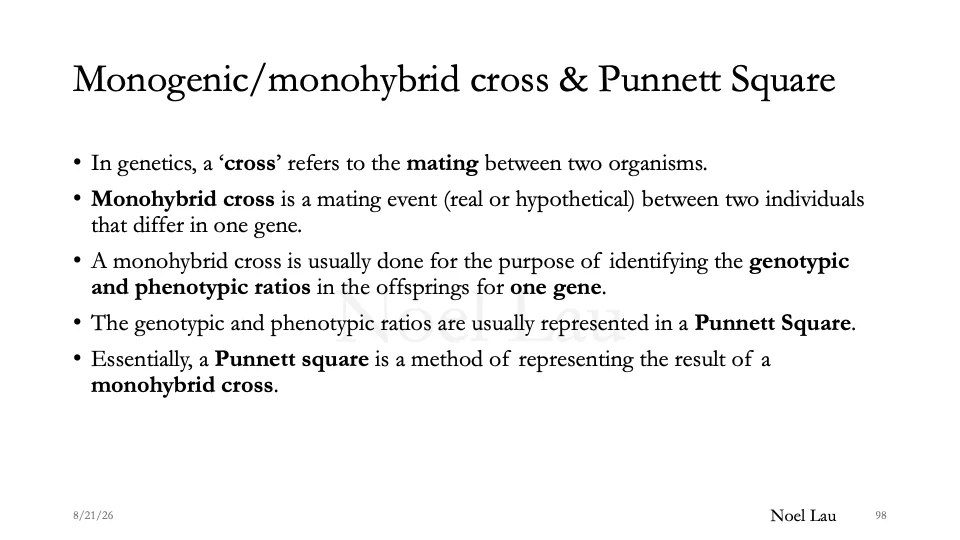
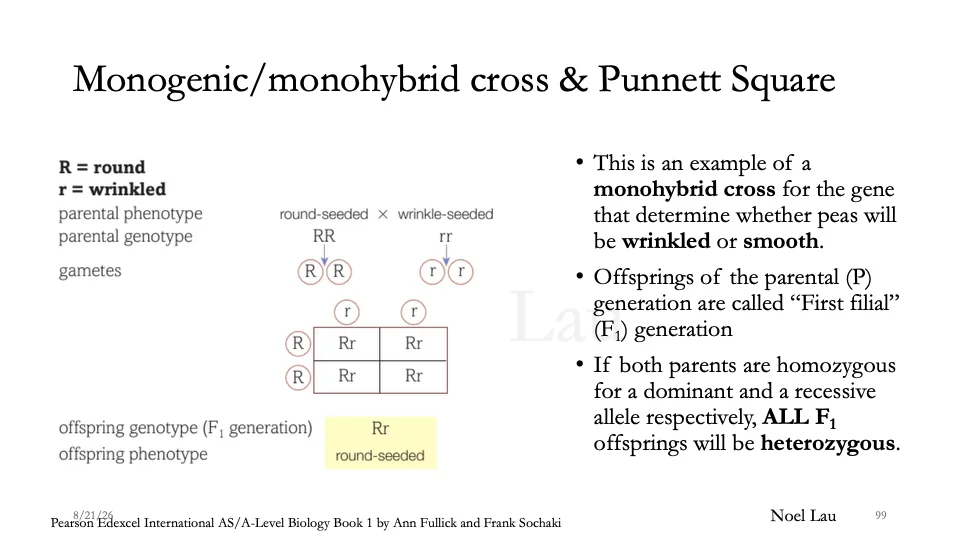
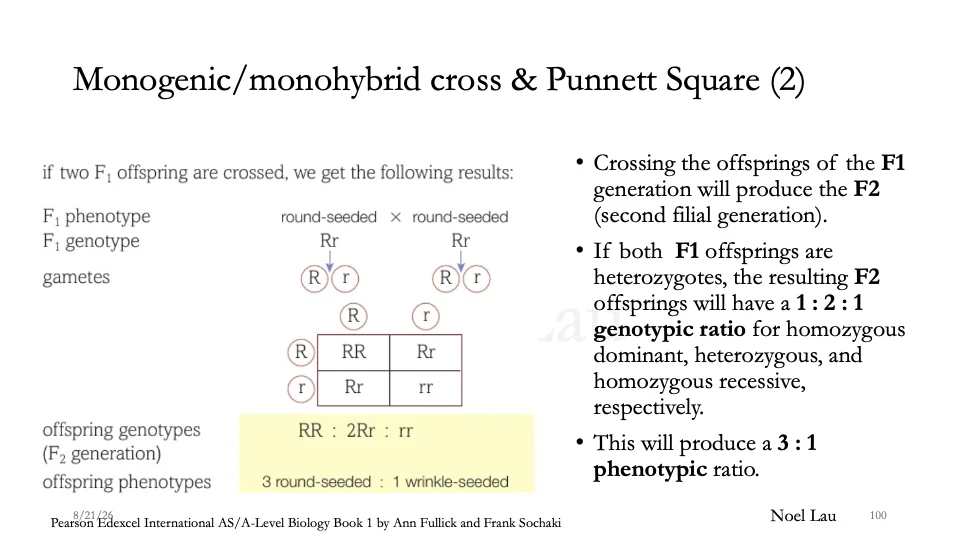
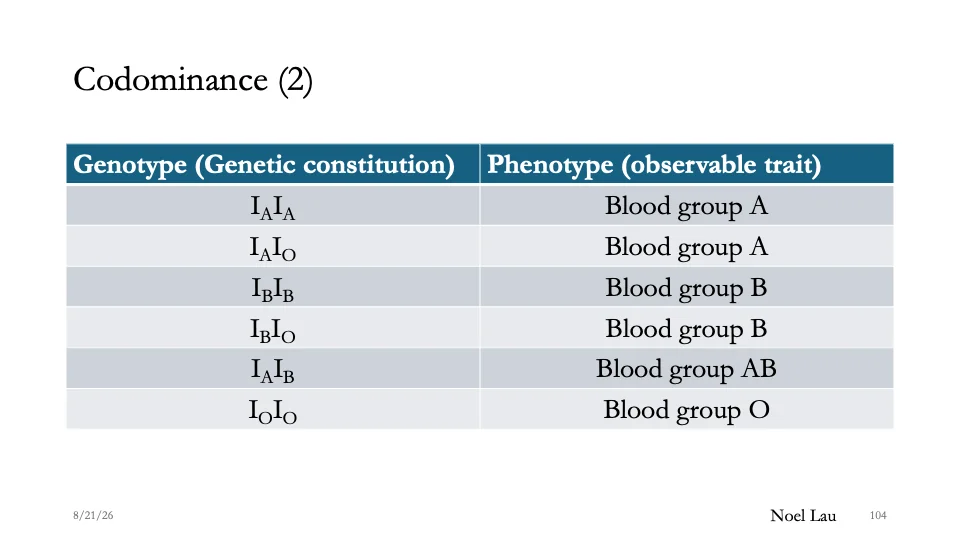
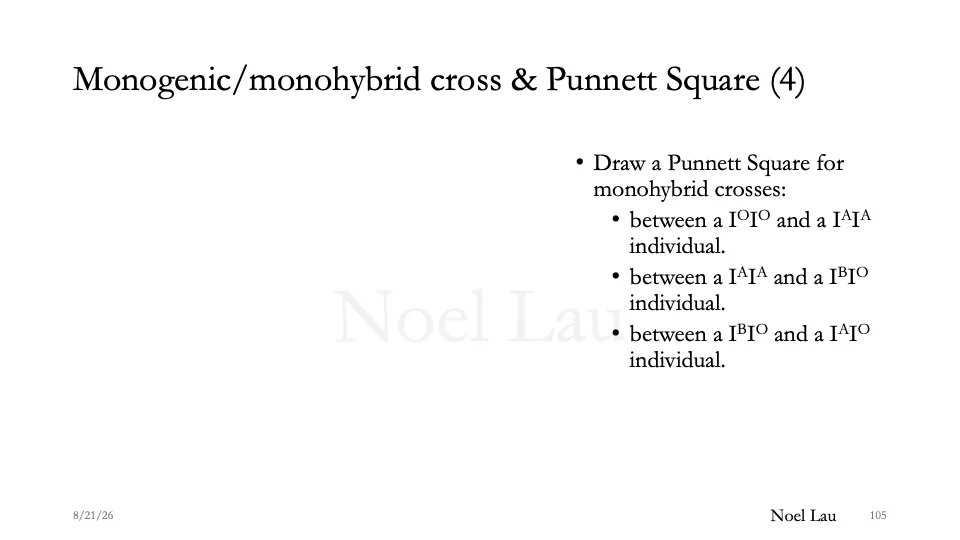
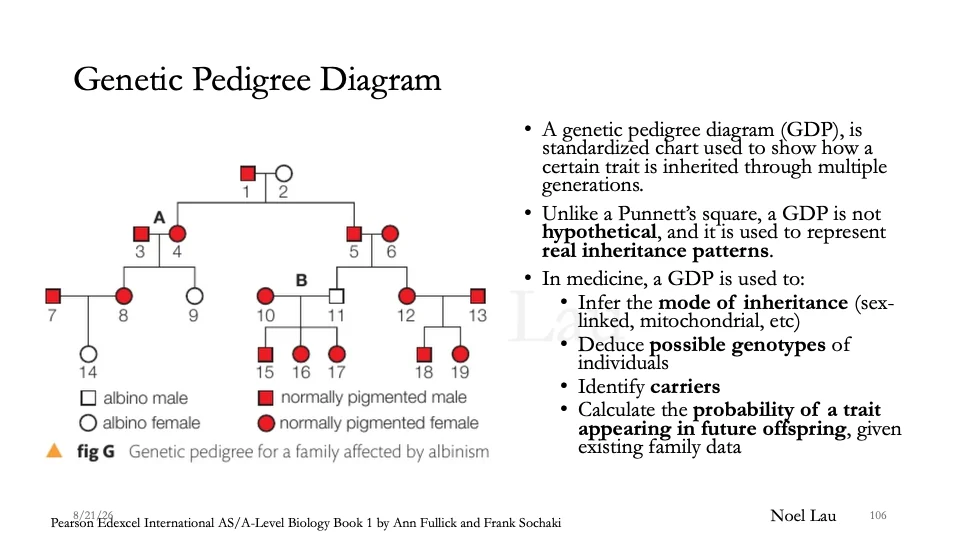
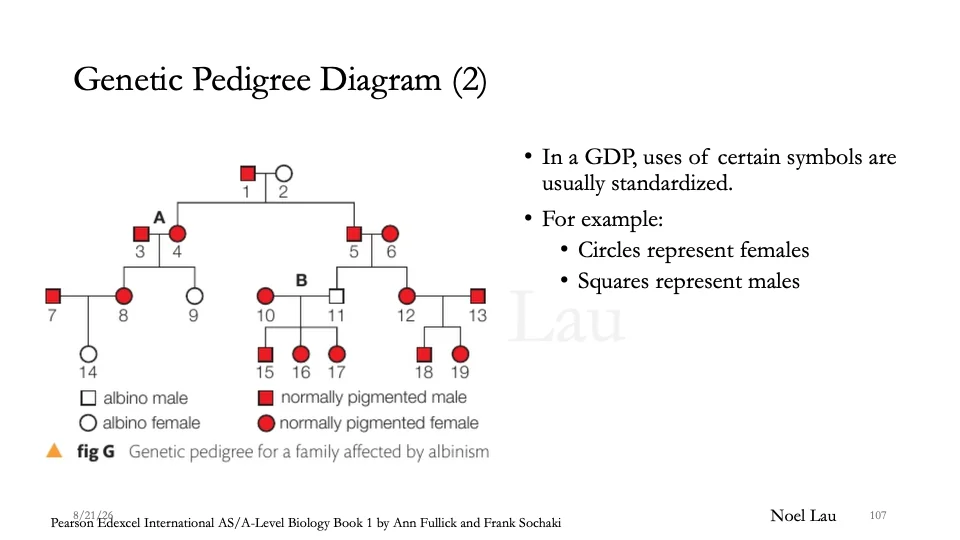
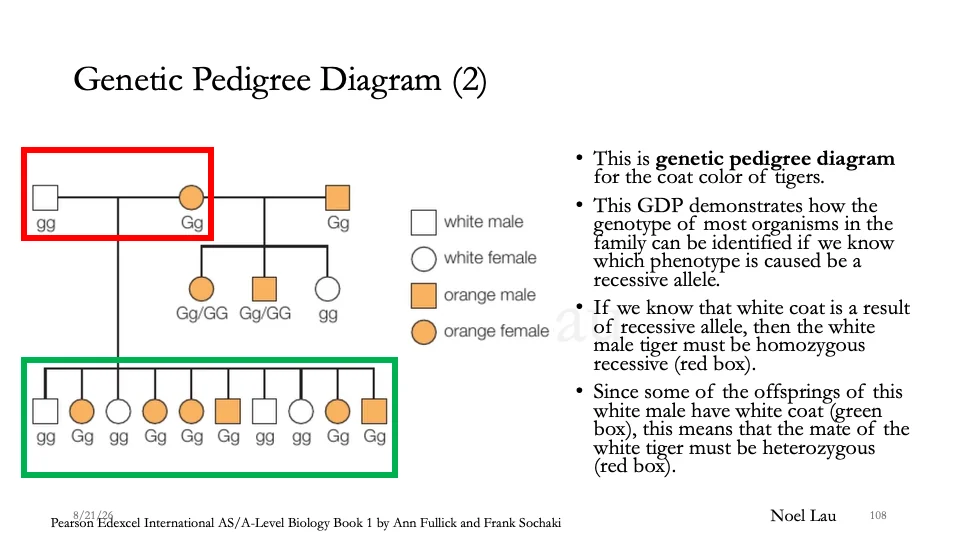
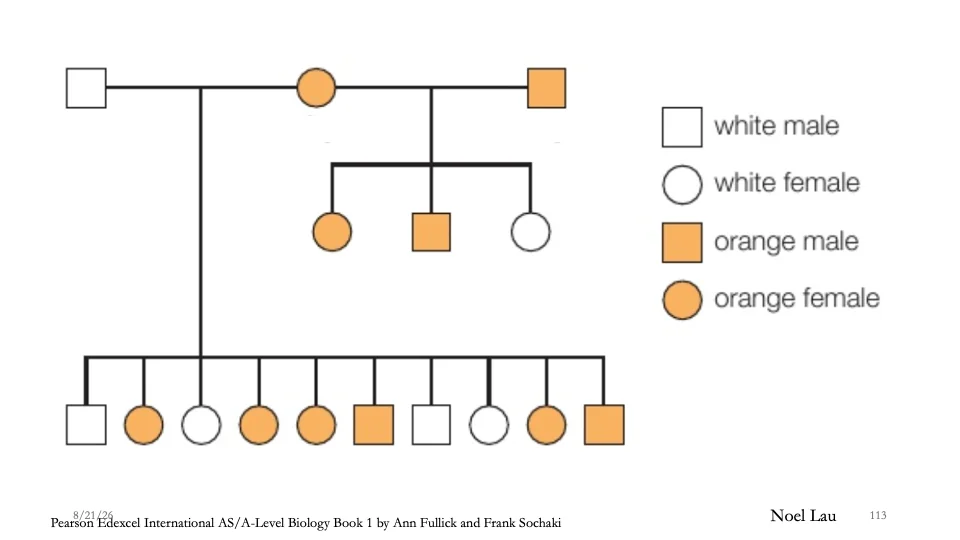
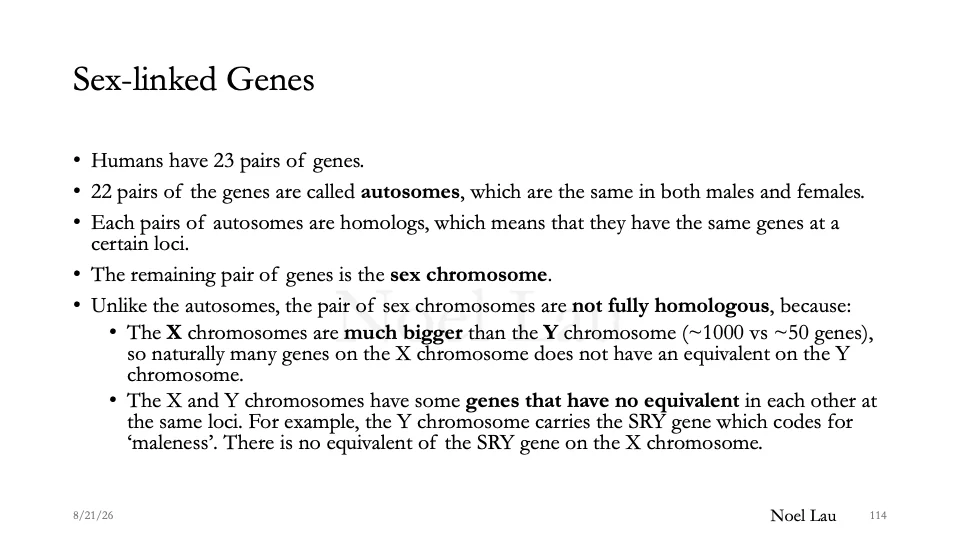
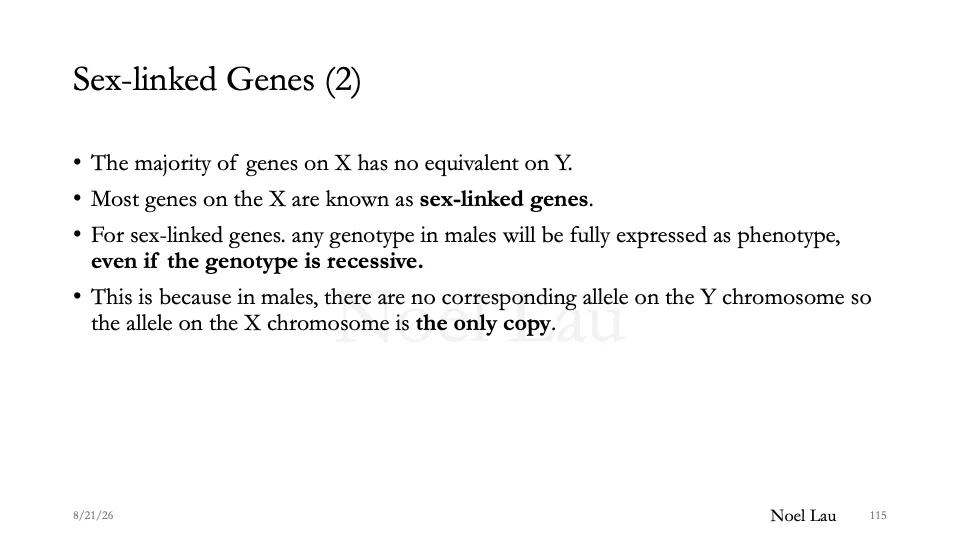
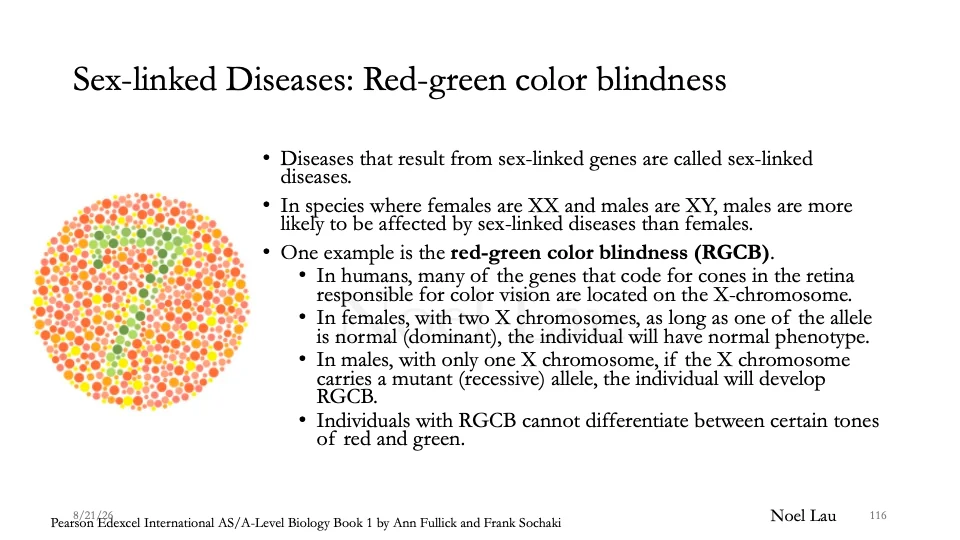
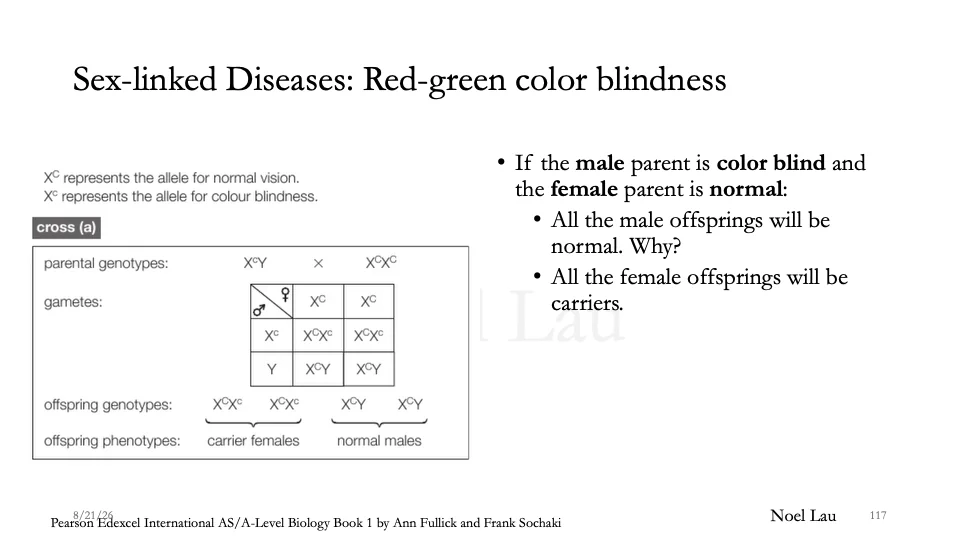
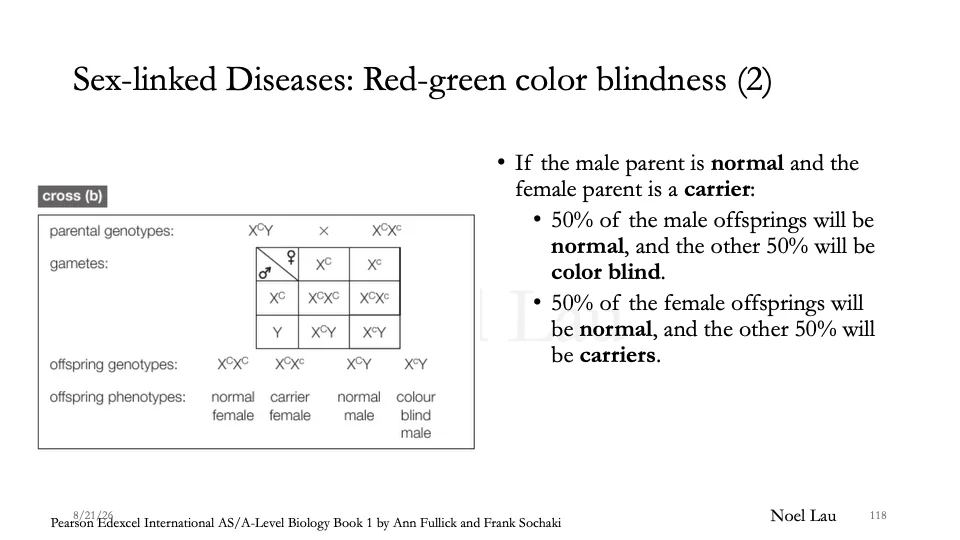
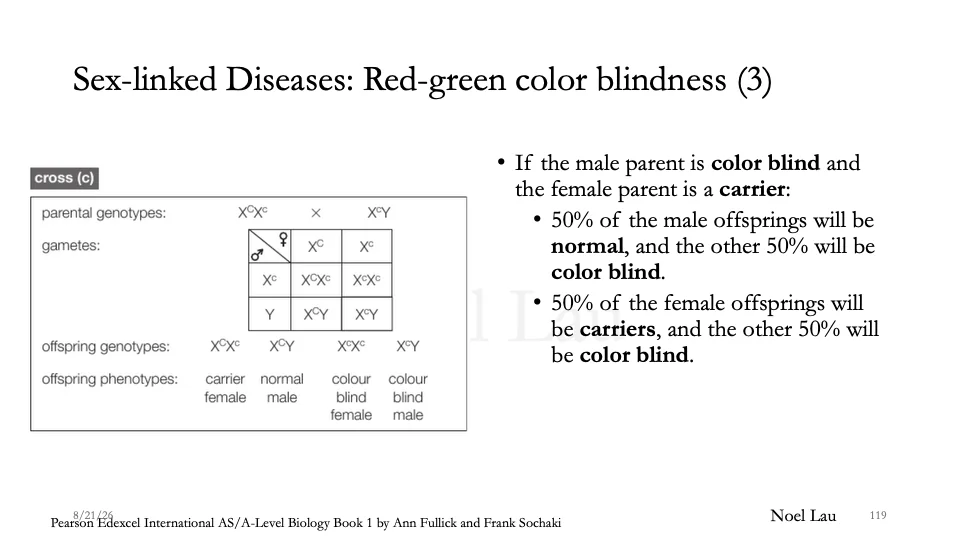
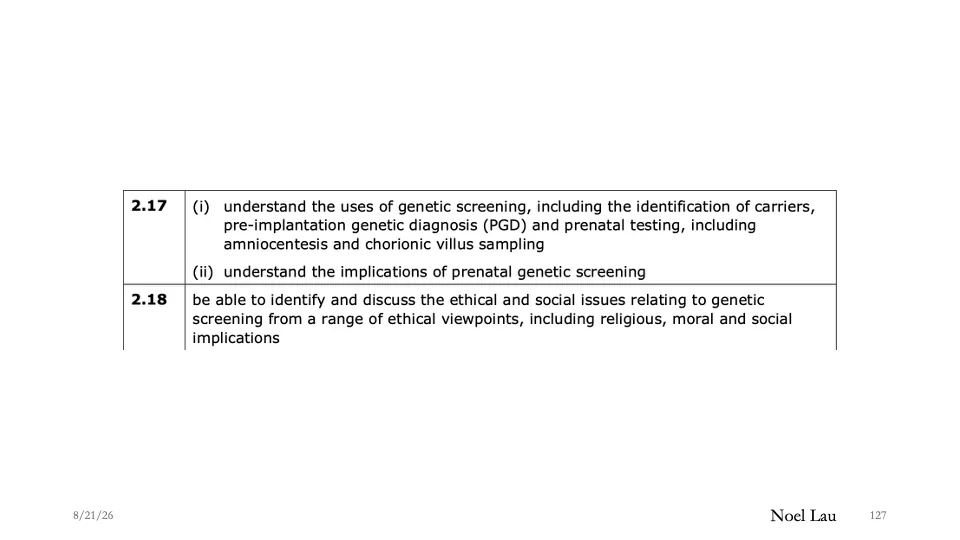
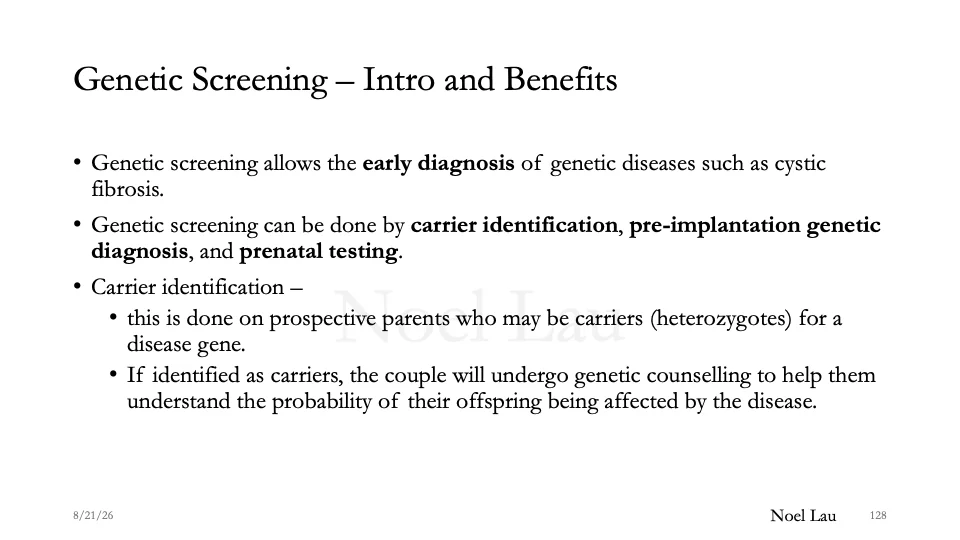
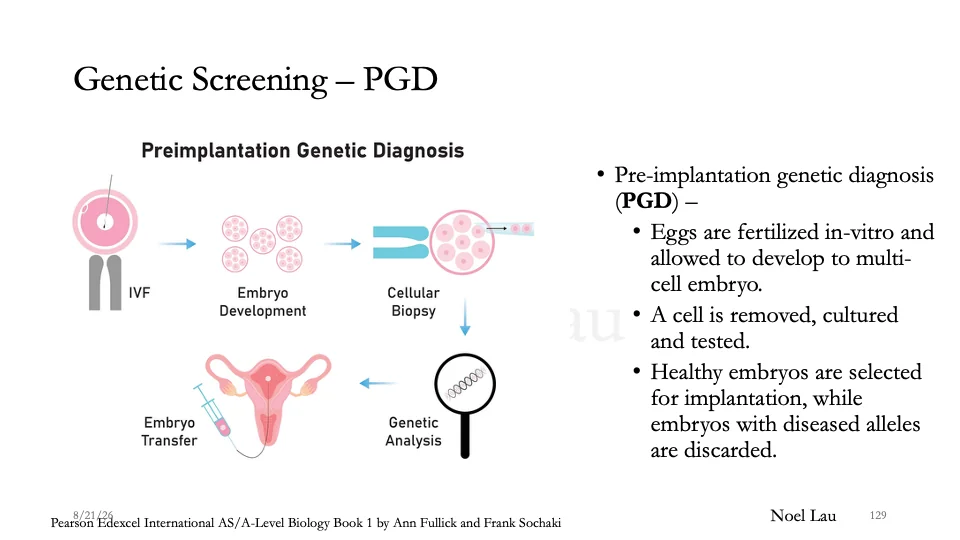
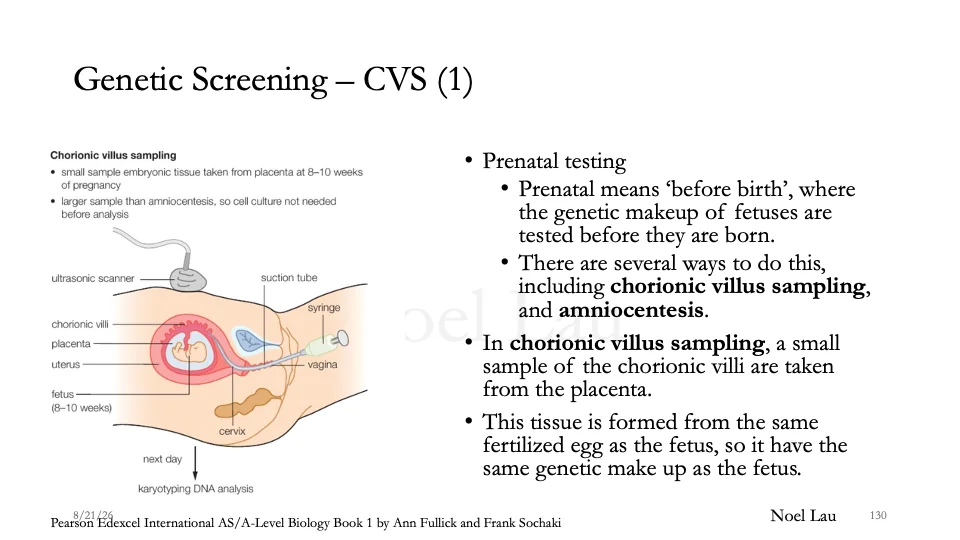
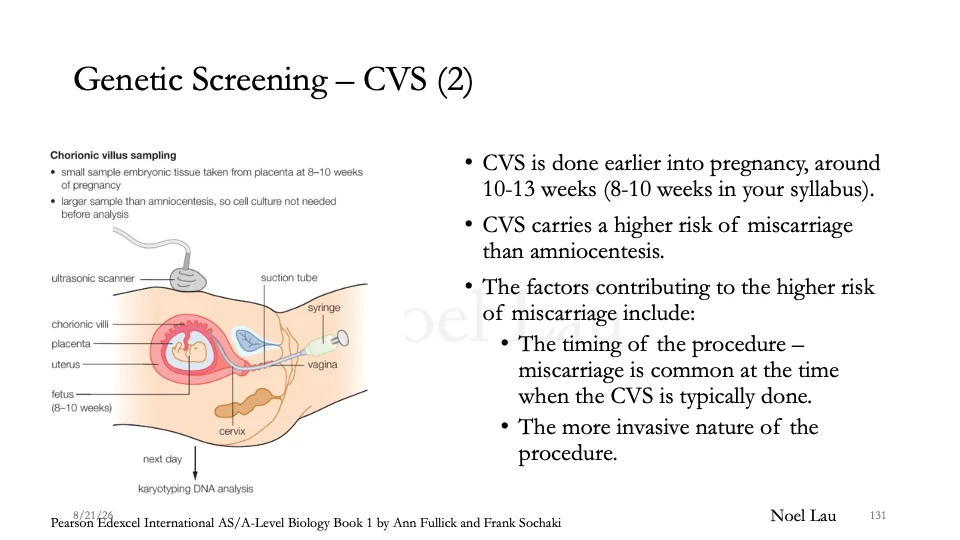
Finally, we will look at gene expression in terms of mutations, inheritance and genetic screening.