Unit 1 Topic 1 Molecules Diet Transport Health (BI11)
Introduction
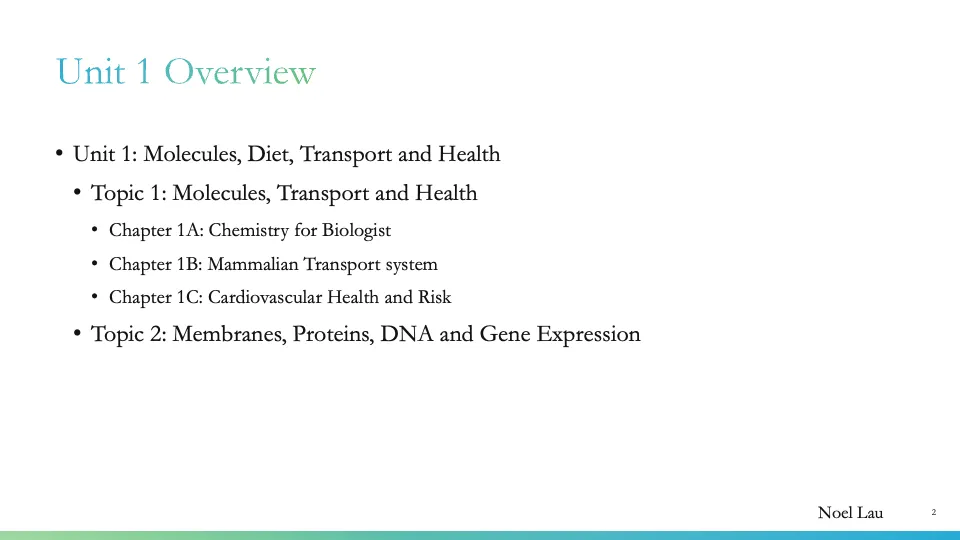
In this unit, we will explore fundamental concepts in biology that explain how the molecules and systems within living organisms function to support life.
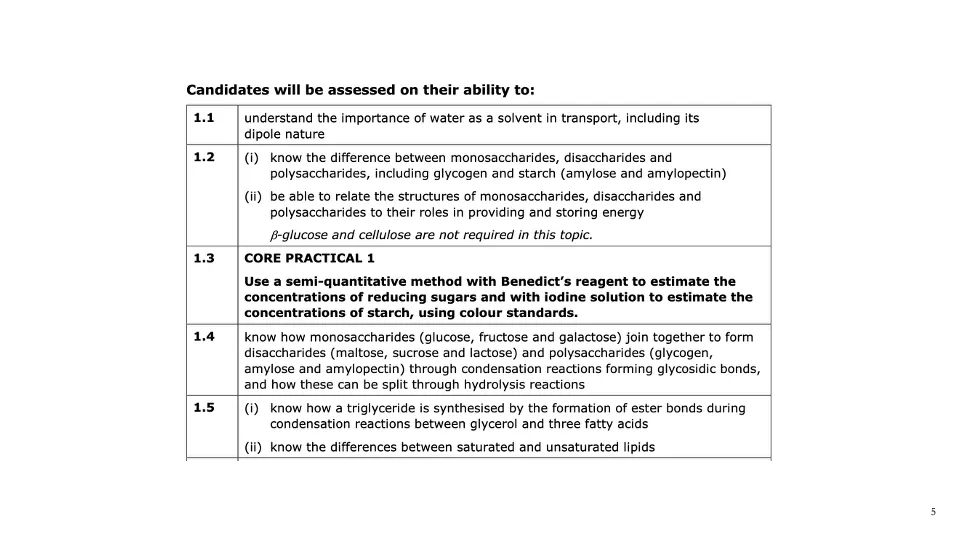
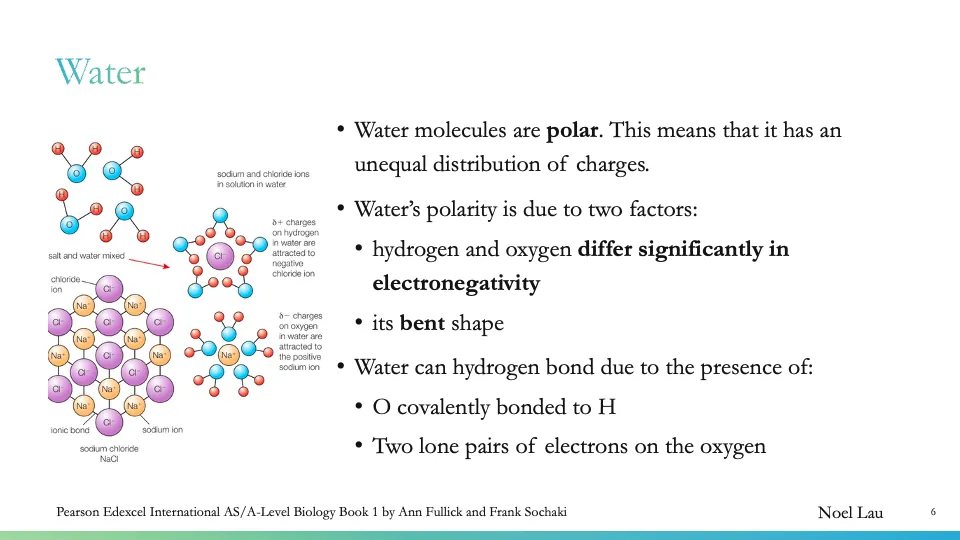
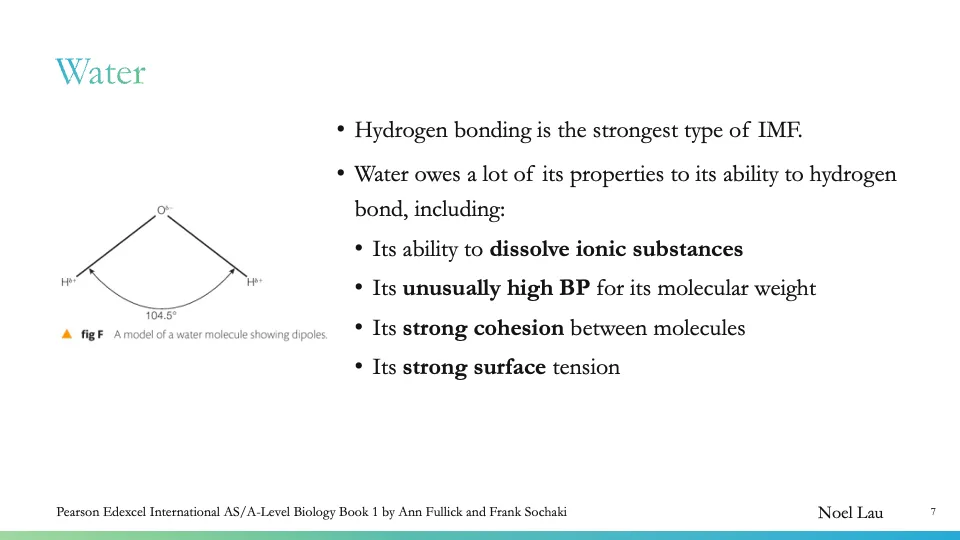
We will begin by examining the importance of water as a solvent in transport, focusing on its dipole nature and how this enables it to carry essential substances throughout organisms.
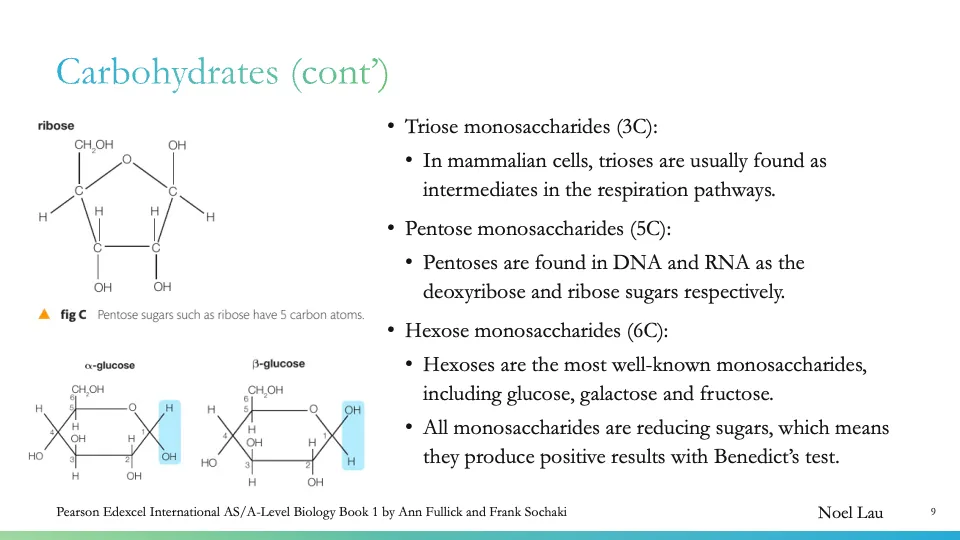
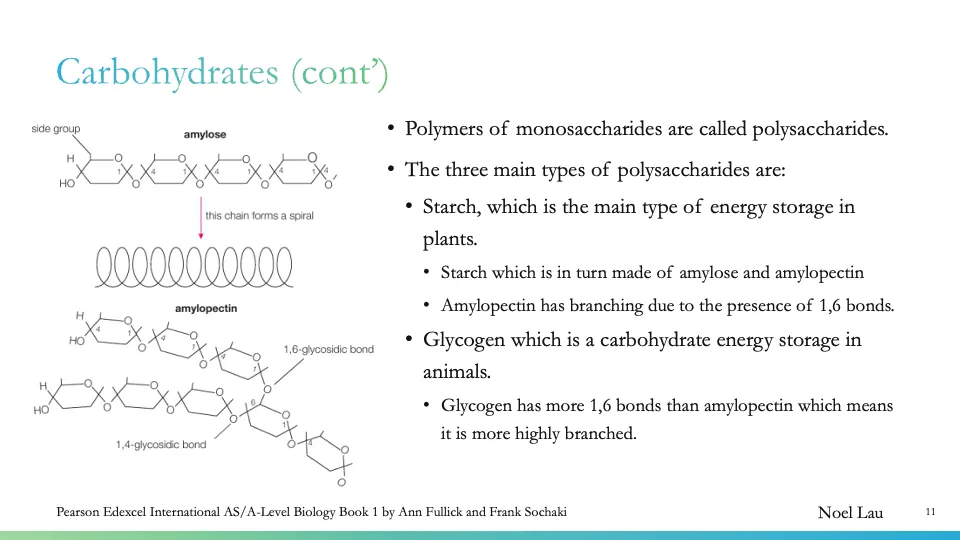
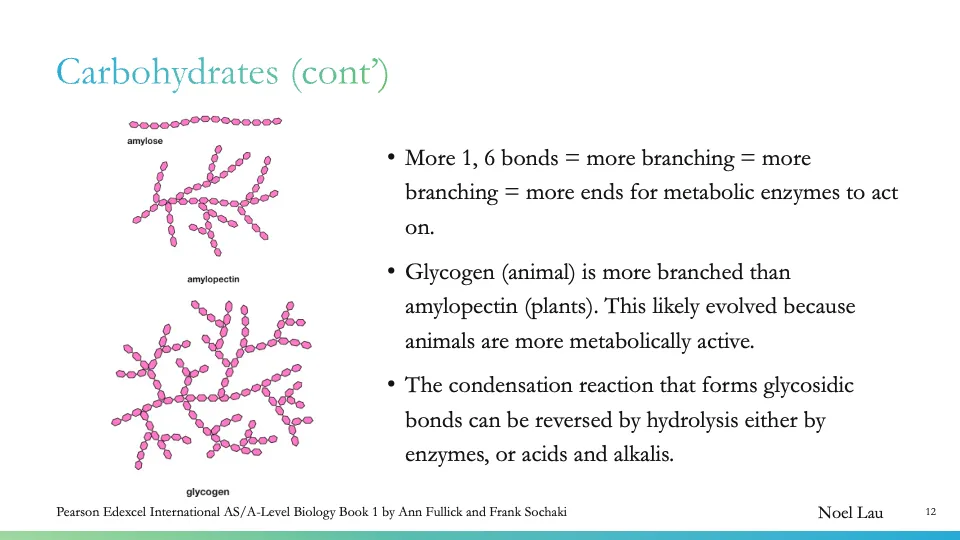
We will then study carbohydrates, including monosaccharides, disaccharides, and polysaccharides such as glycogen and starch (amylose and amylopectin).
We will learn how the structures of these molecules are closely linked to their roles in providing and storing energy.
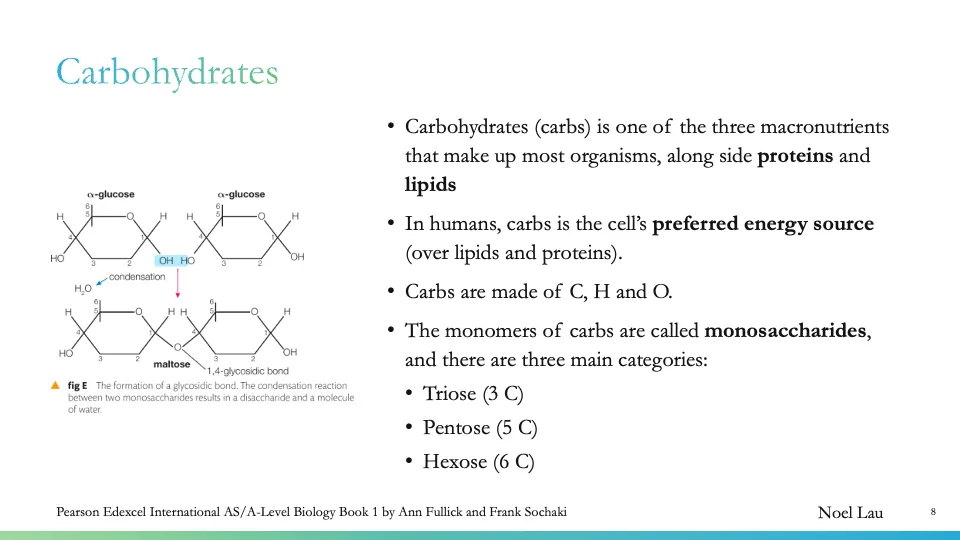
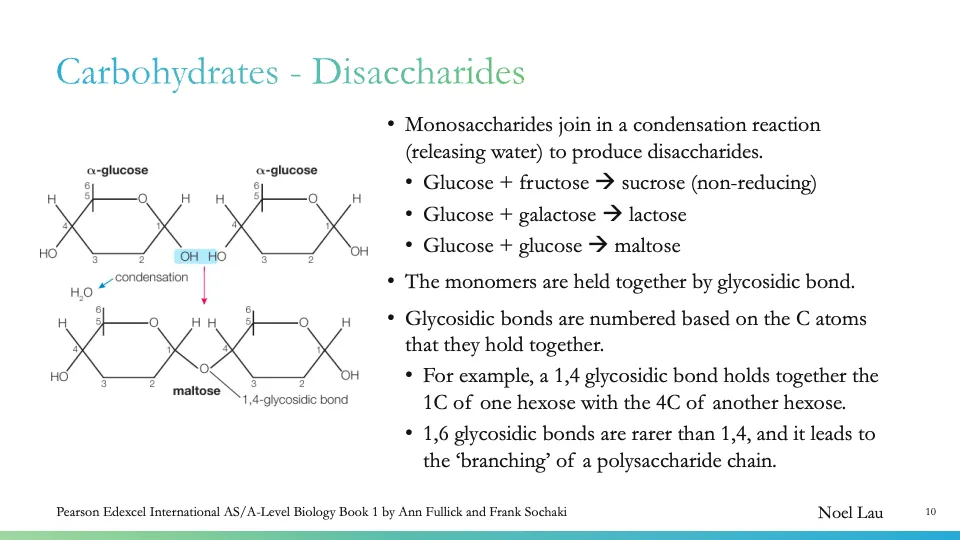
You will also understand how monosaccharides like glucose, fructose, and galactose join together through condensation reactions to form disaccharides and polysaccharides, and how these bonds can be broken through hydrolysis.
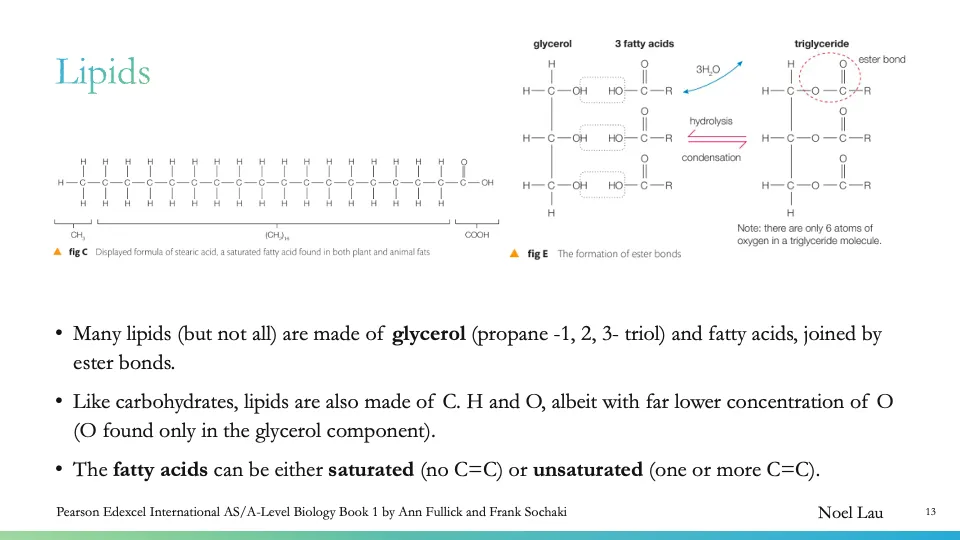
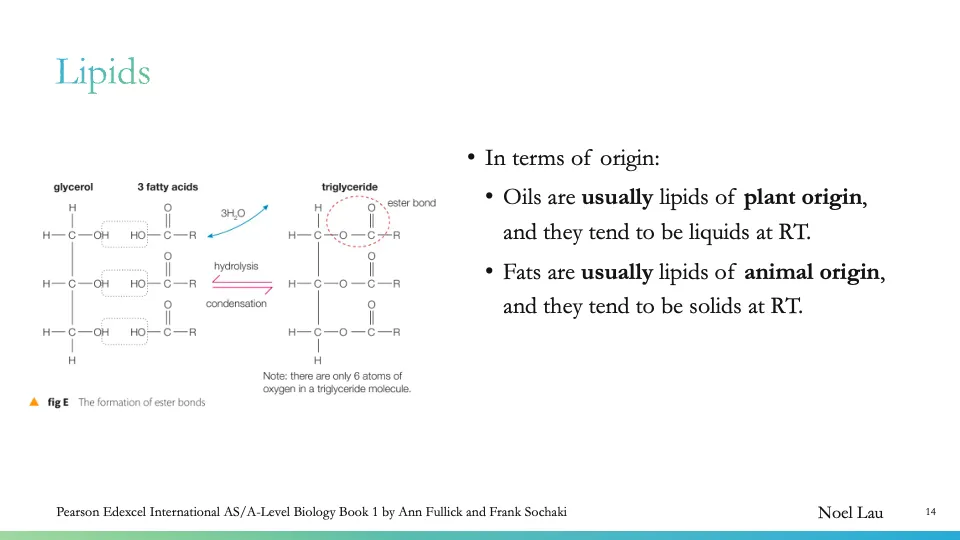
Next, we will investigate lipids, specifically triglycerides, and learn how they are synthesized by the formation of ester bonds between glycerol and fatty acids.
We will also explore the differences between saturated and unsaturated lipids and how these differences impact their biological roles.
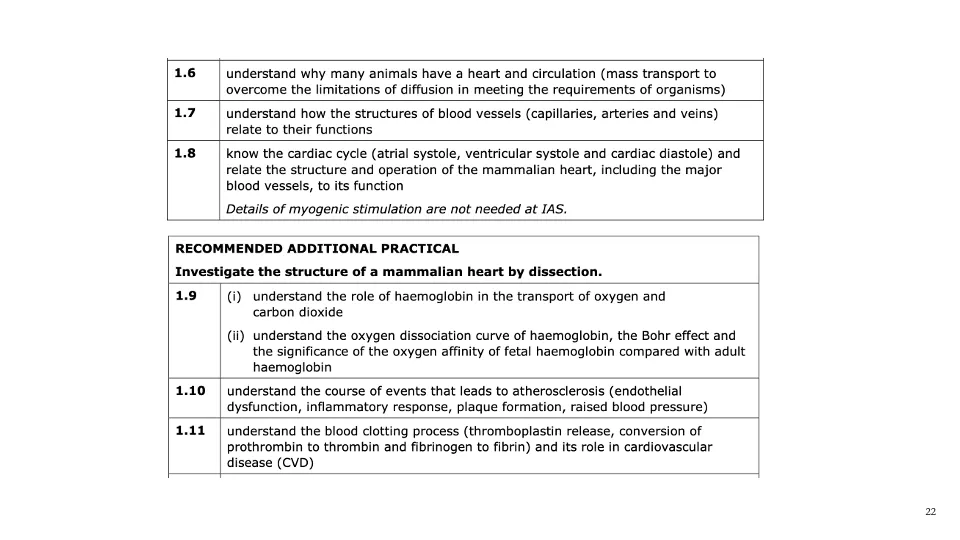
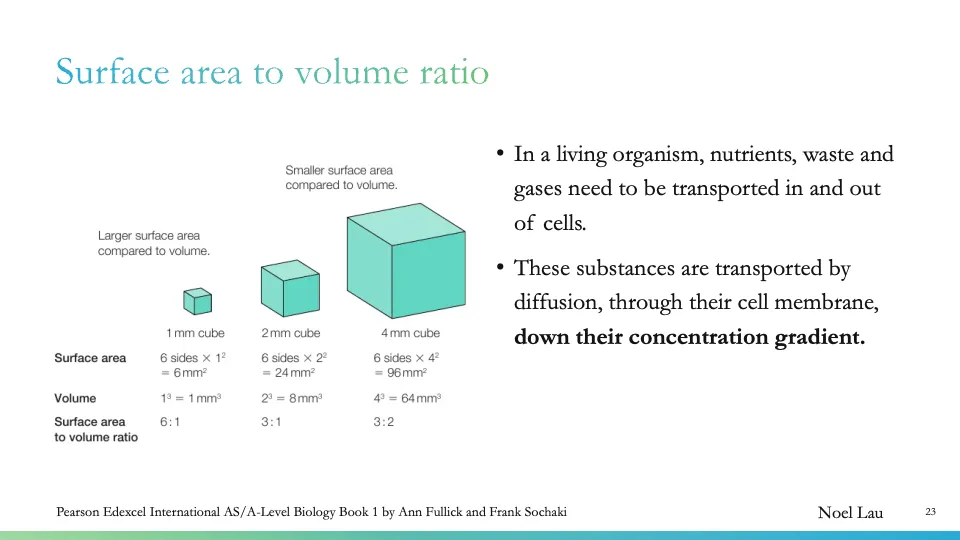
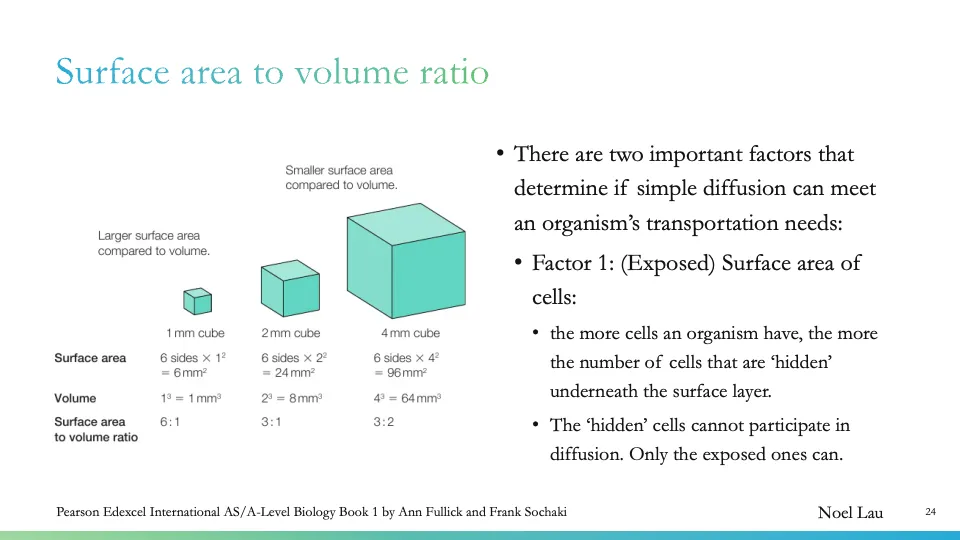
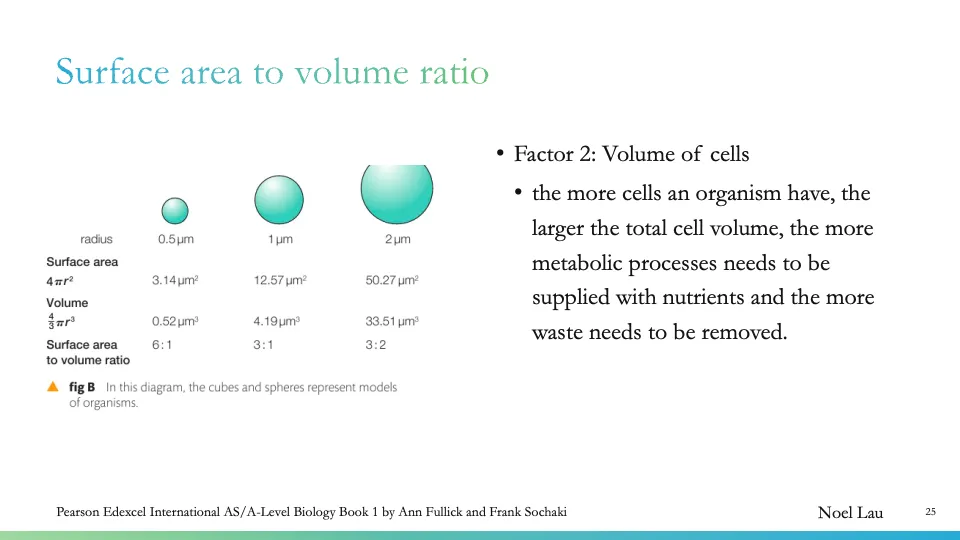
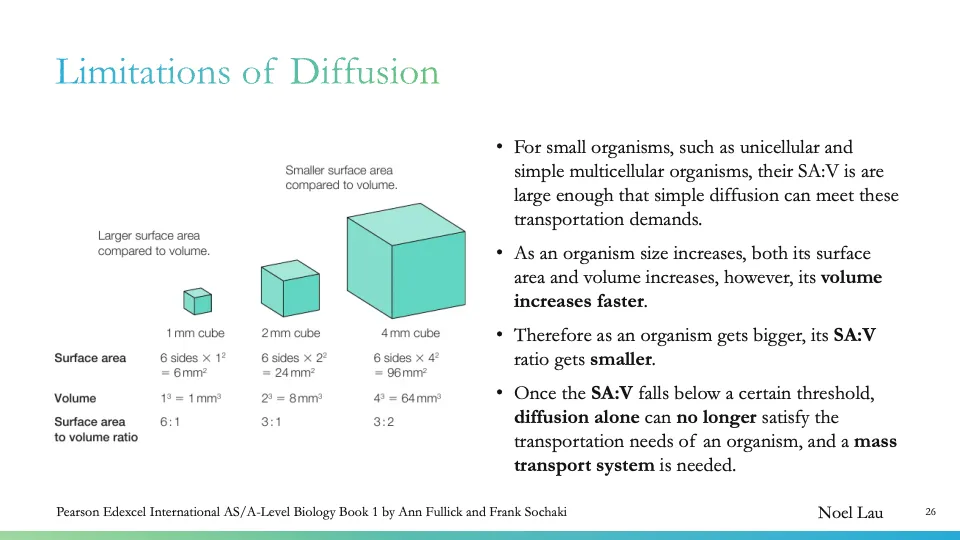
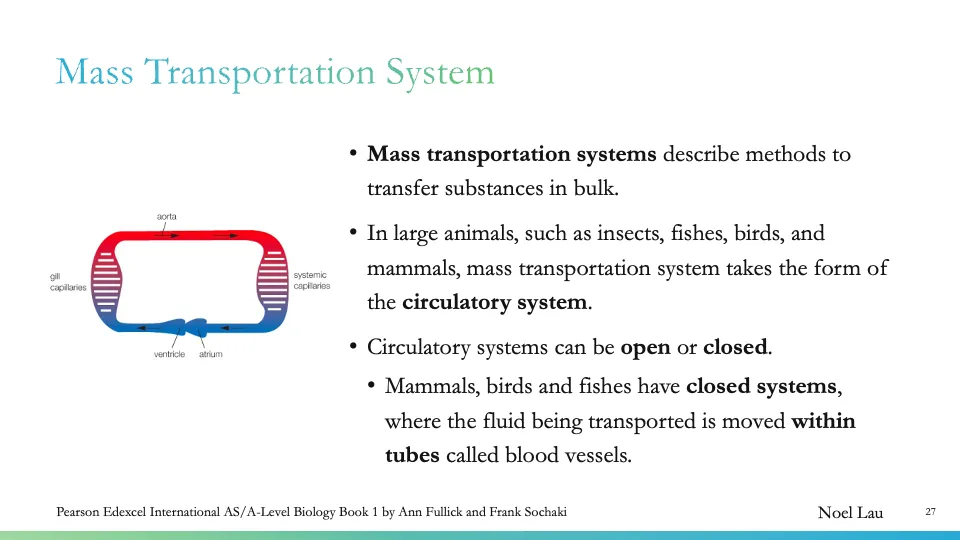
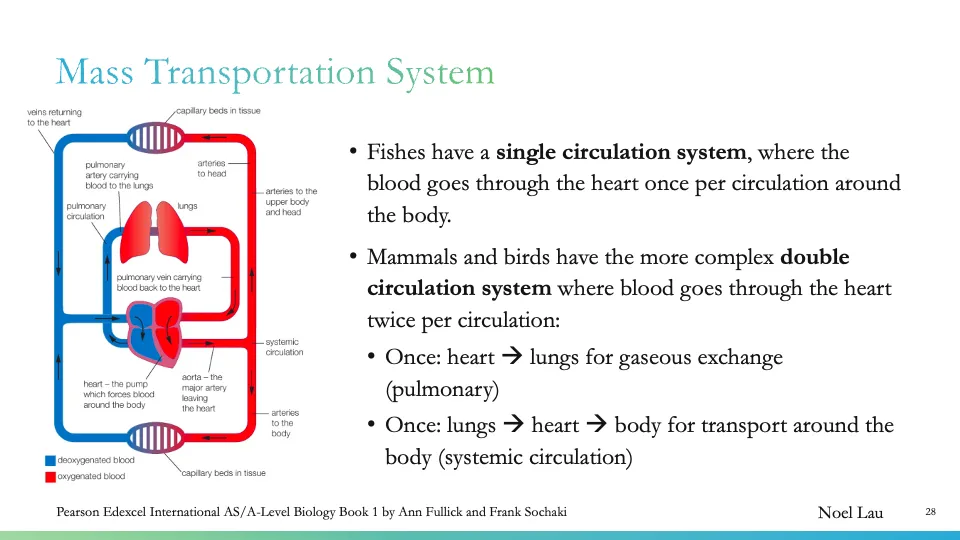
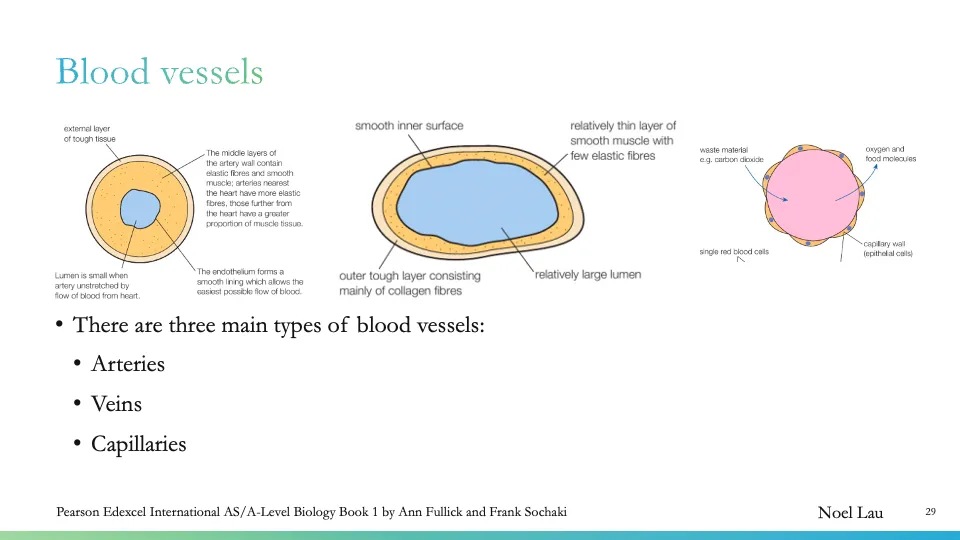
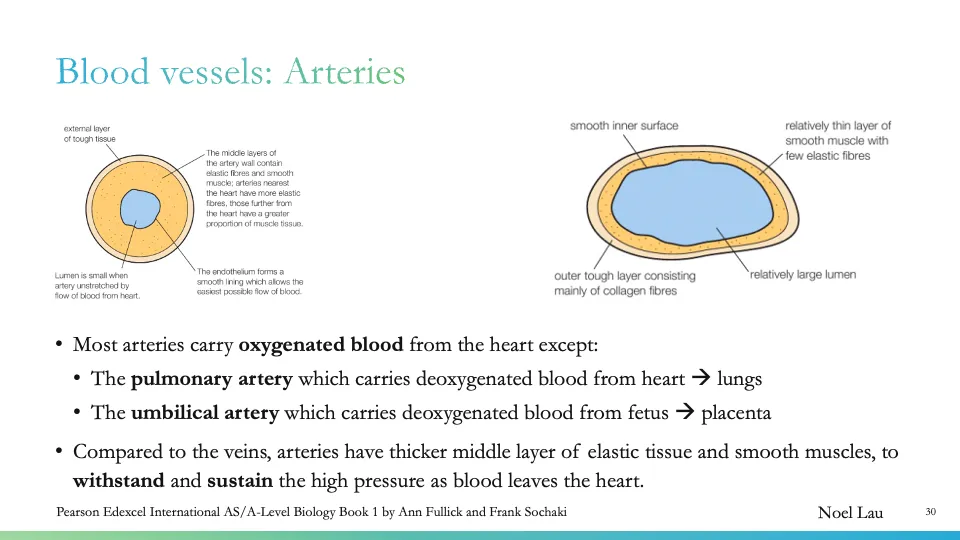
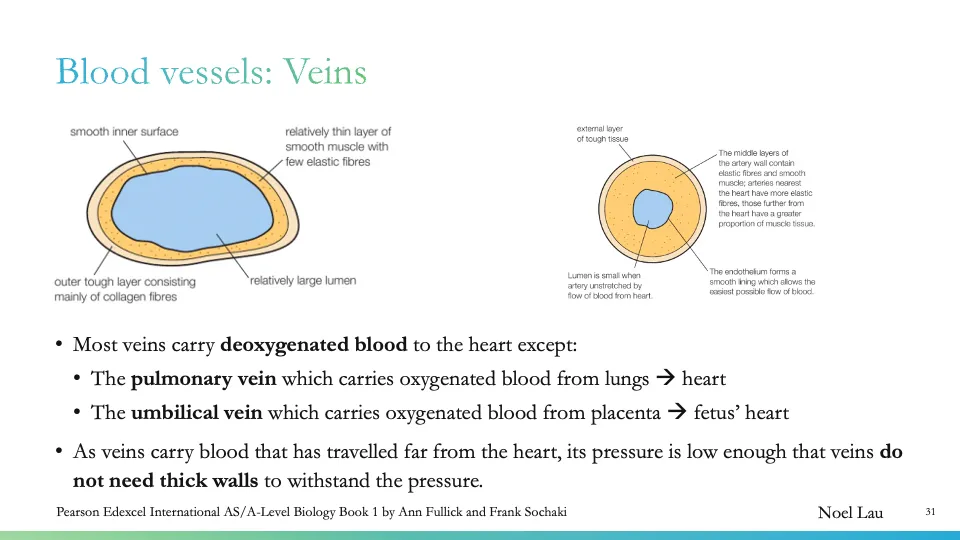
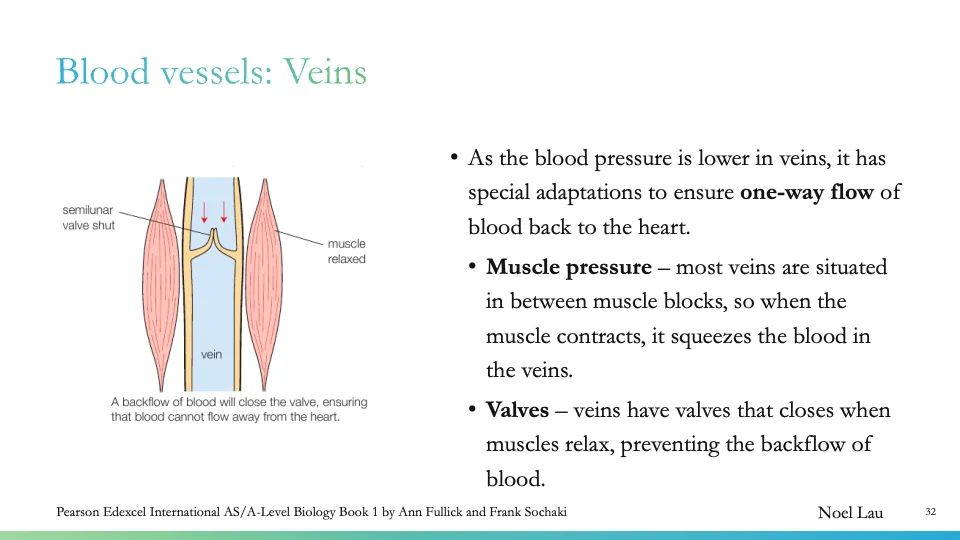
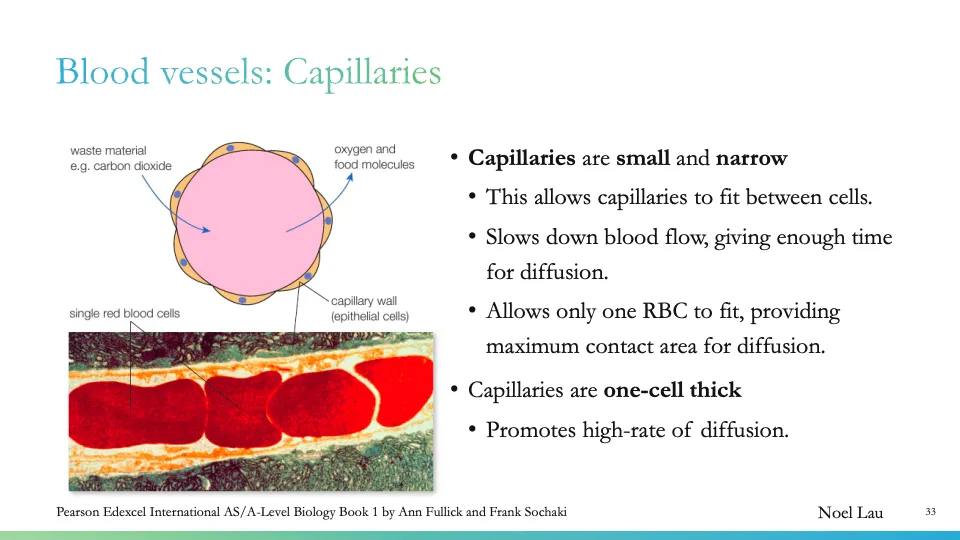
In the second part of this unit, we will focus on the circulatory system. You will learn why many animals have a heart and circulation to overcome the limitations of diffusion, and how the structures of arteries, veins, and capillaries are adapted to their specific functions.
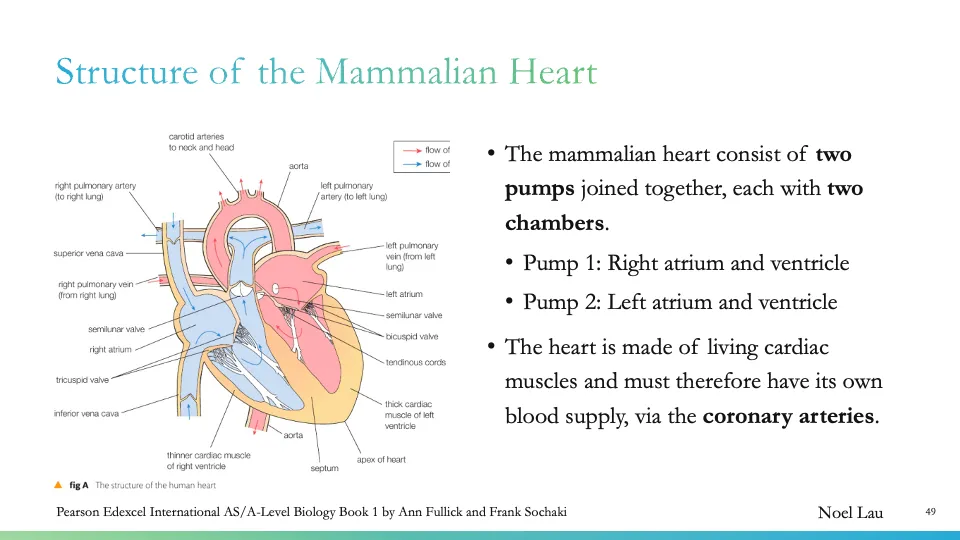
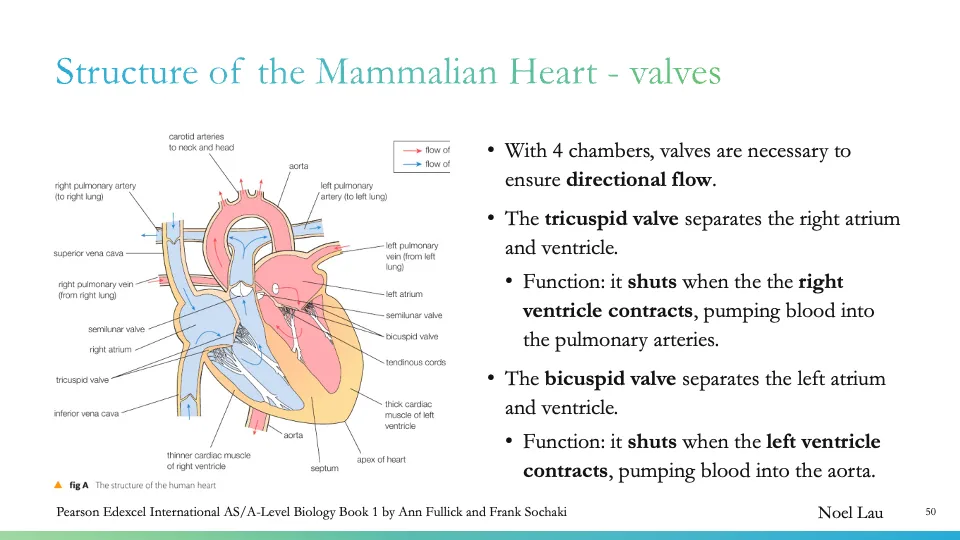
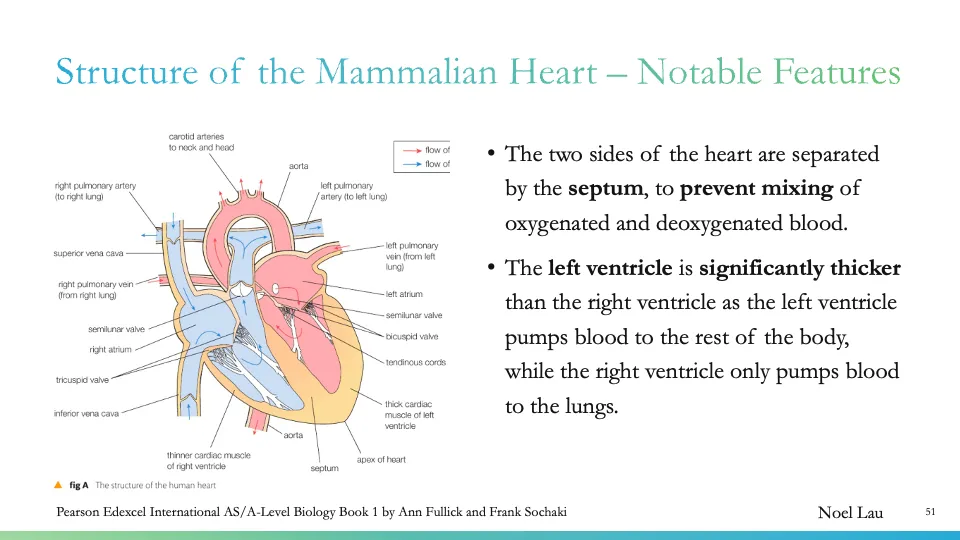
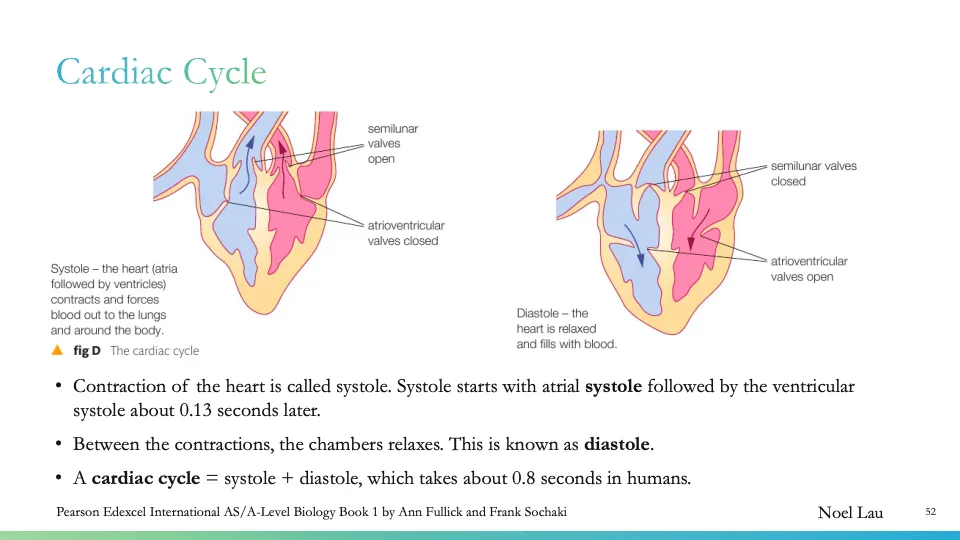
We will study the cardiac cycle, including atrial systole, ventricular systole, and cardiac diastole, and relate the structure and operation of the mammalian heart and major blood vessels to their function.
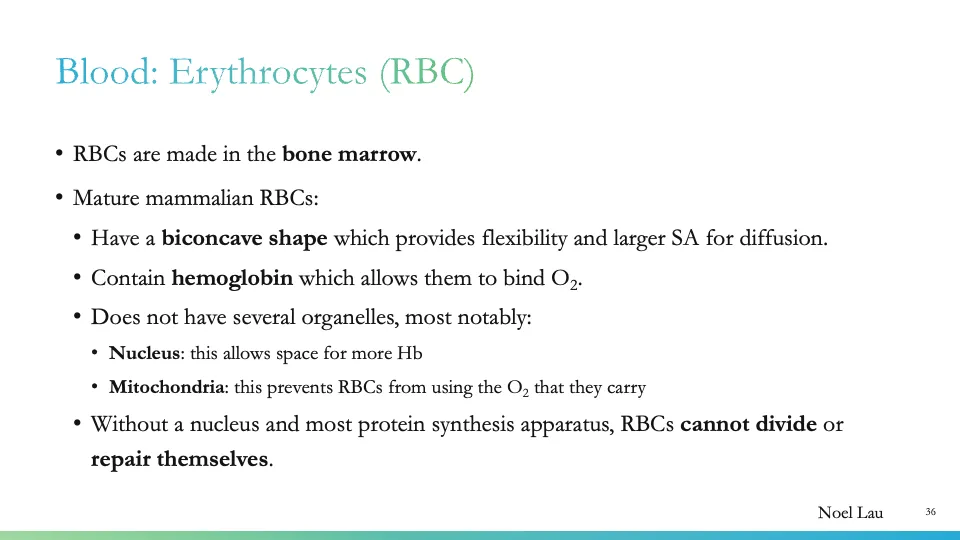
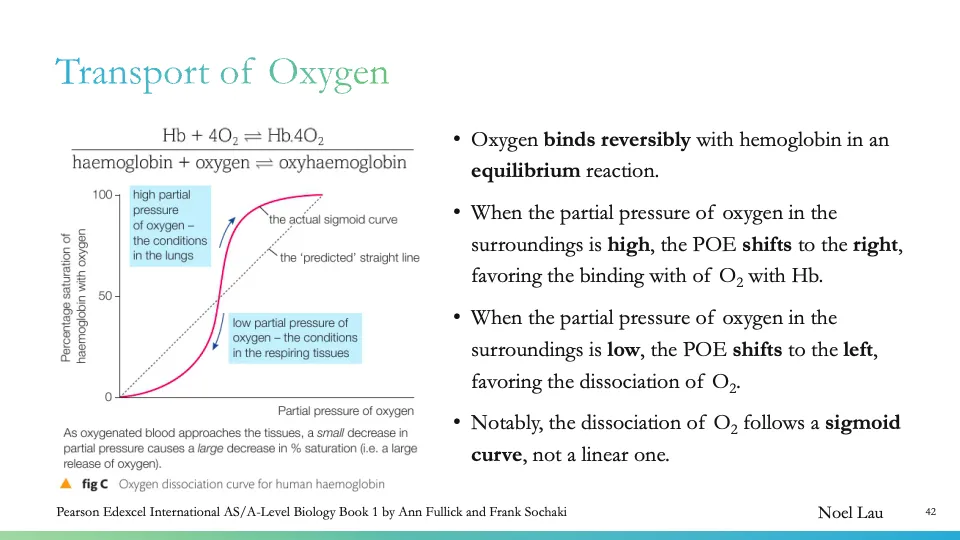
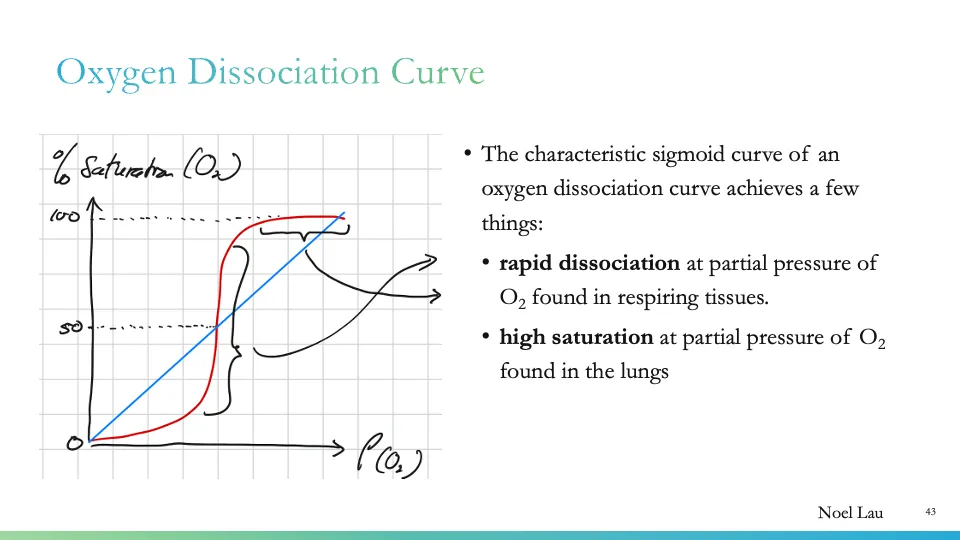
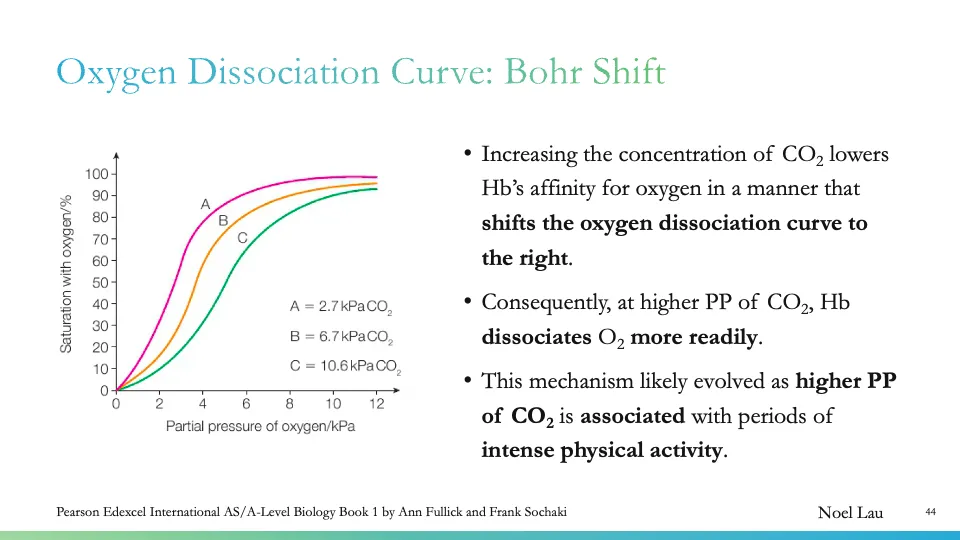
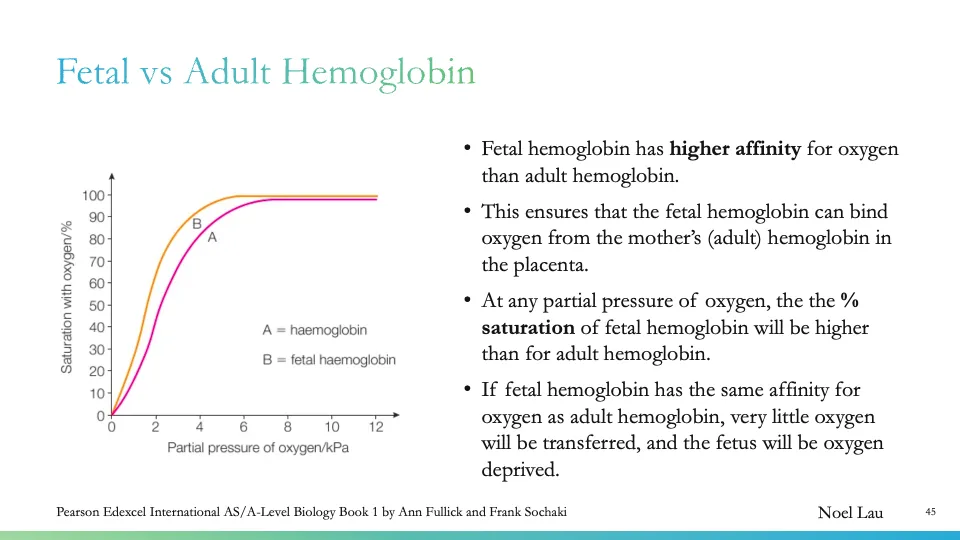
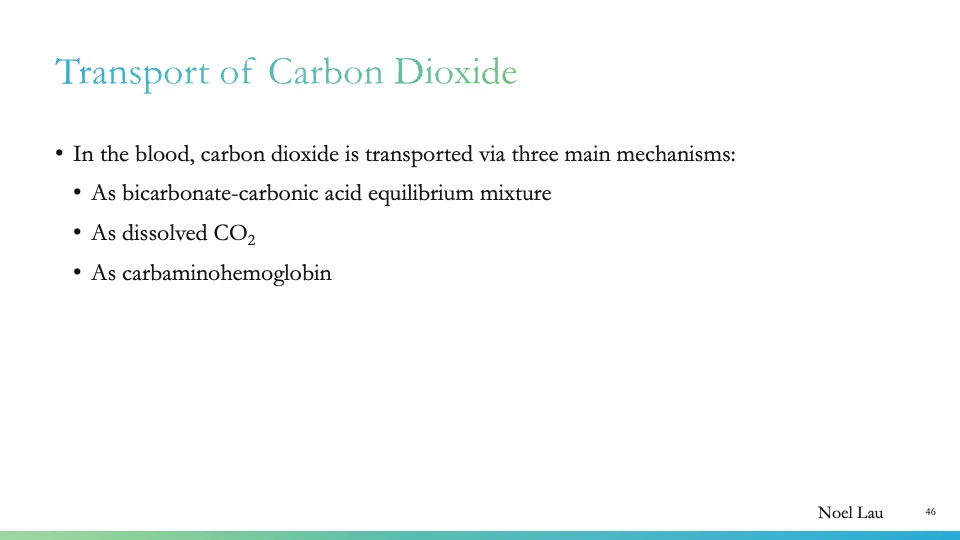
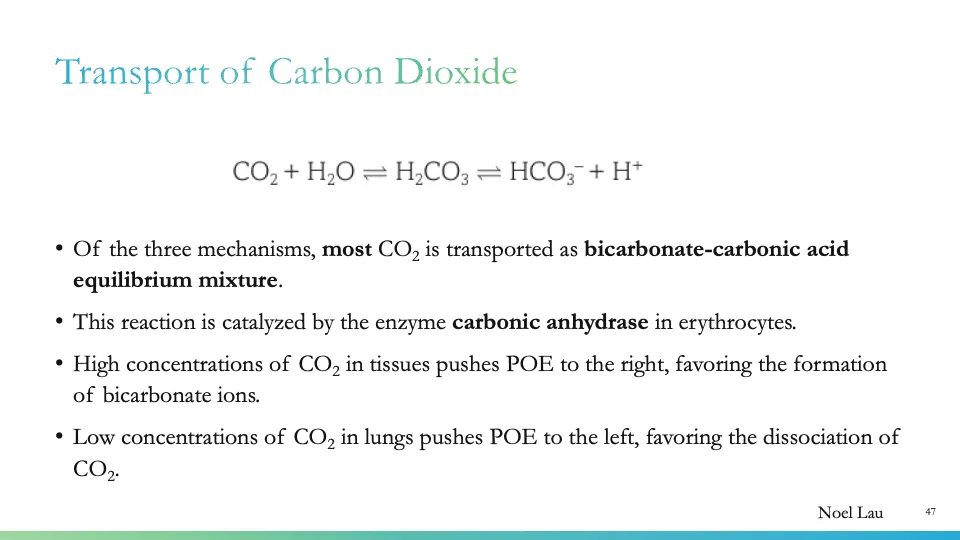
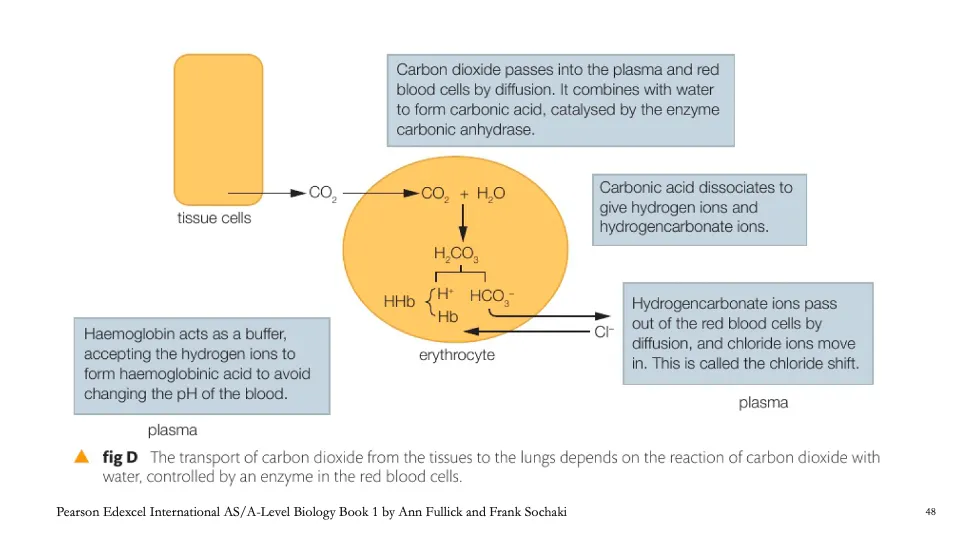
We will examine the role of haemoglobin in oxygen and carbon dioxide transport, exploring concepts such as the oxygen dissociation curve, the Bohr effect, and the differences in oxygen affinity between fetal and adult haemoglobin.
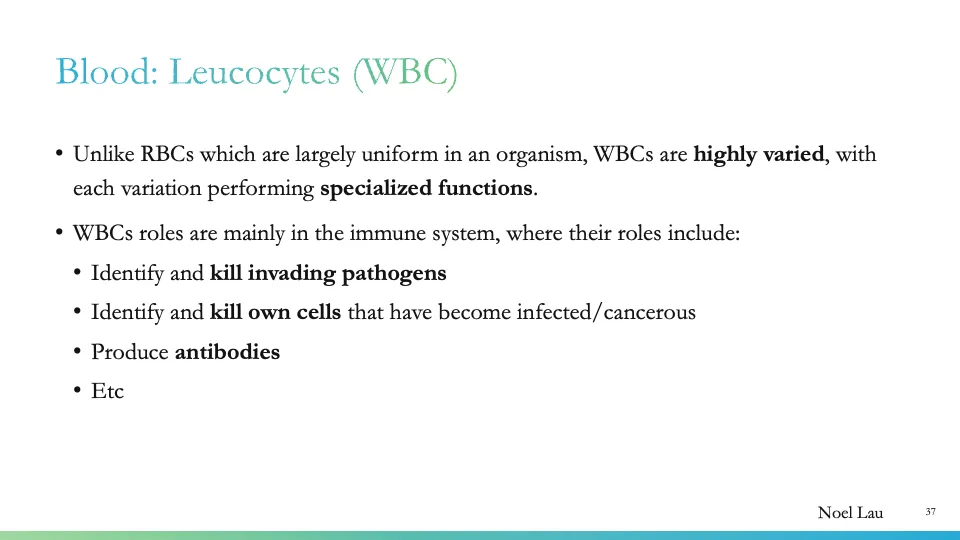
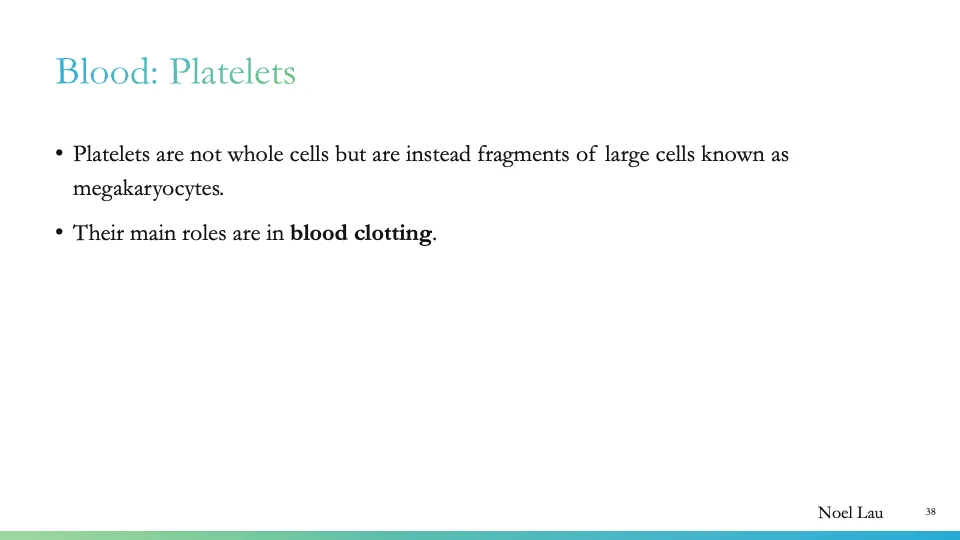
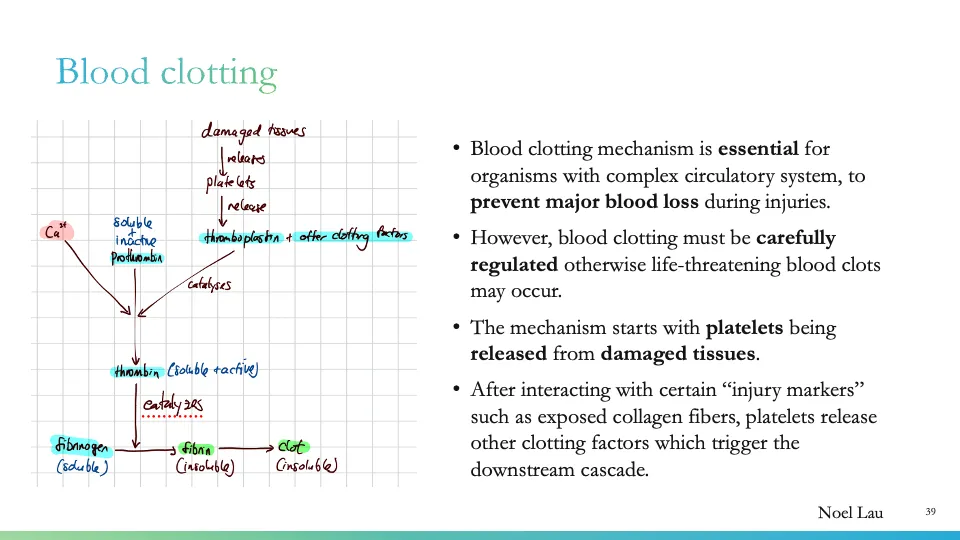
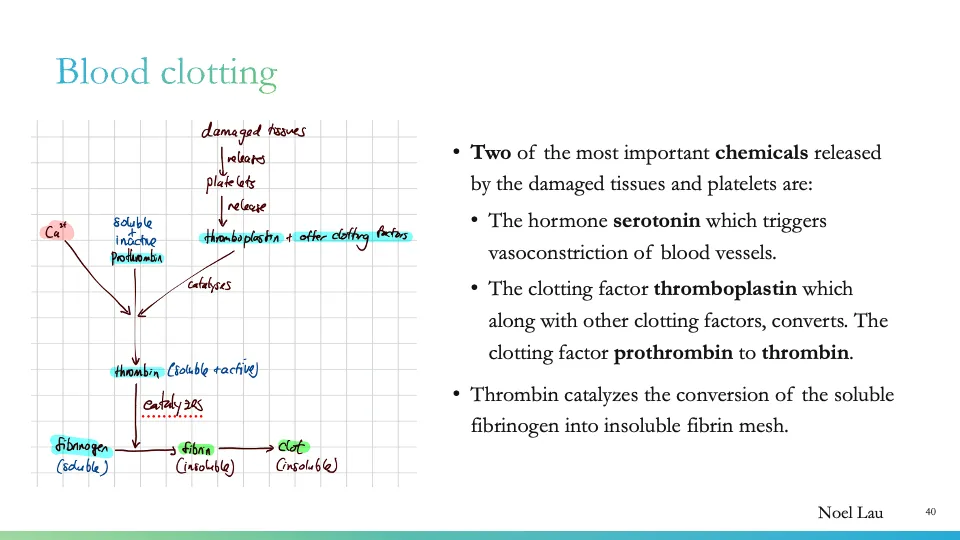
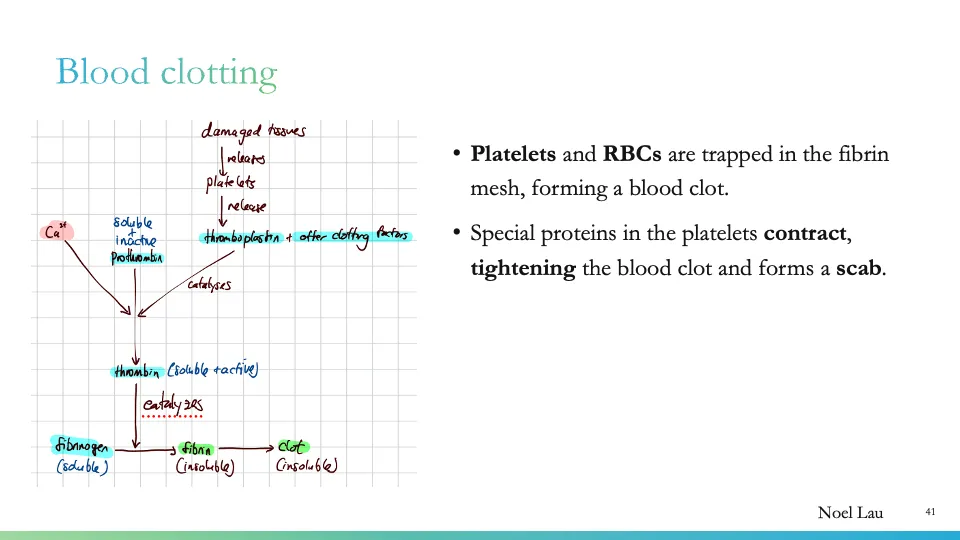
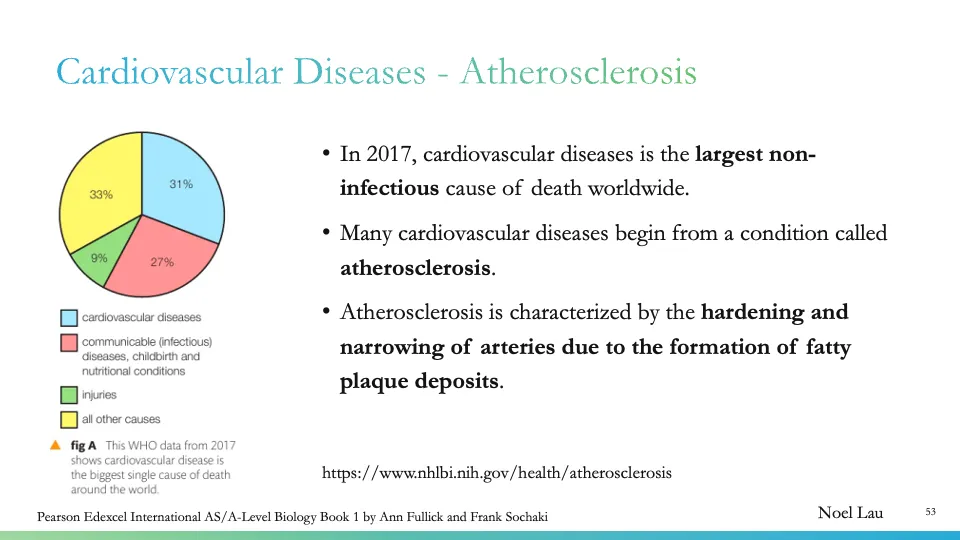
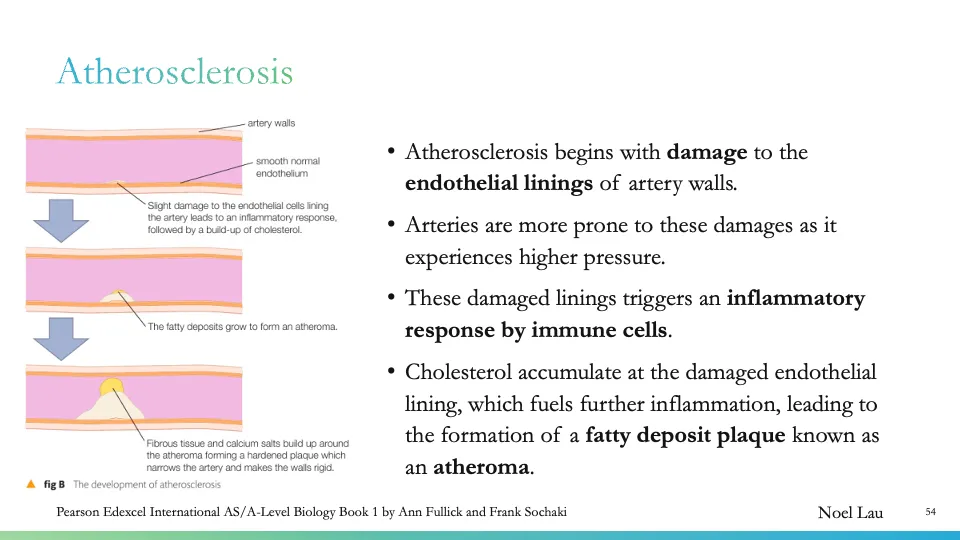
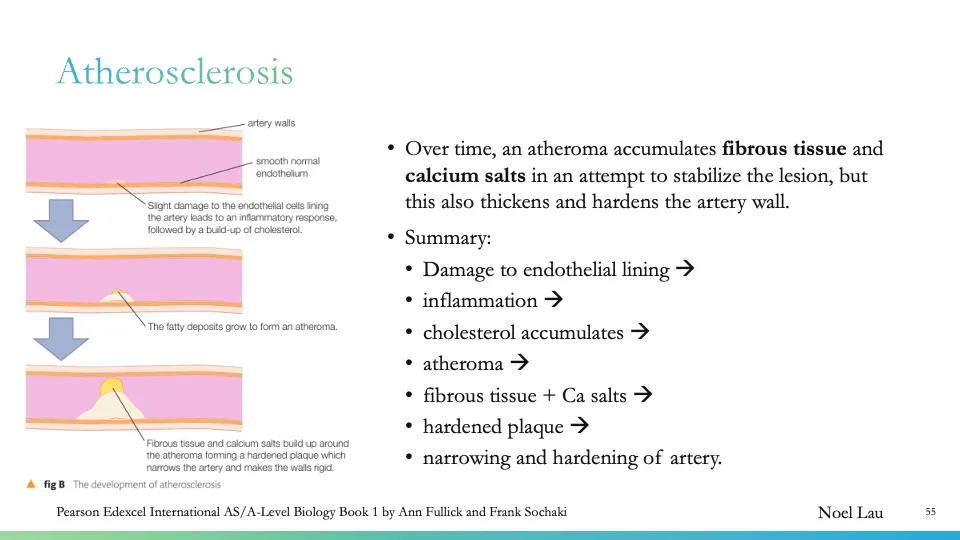
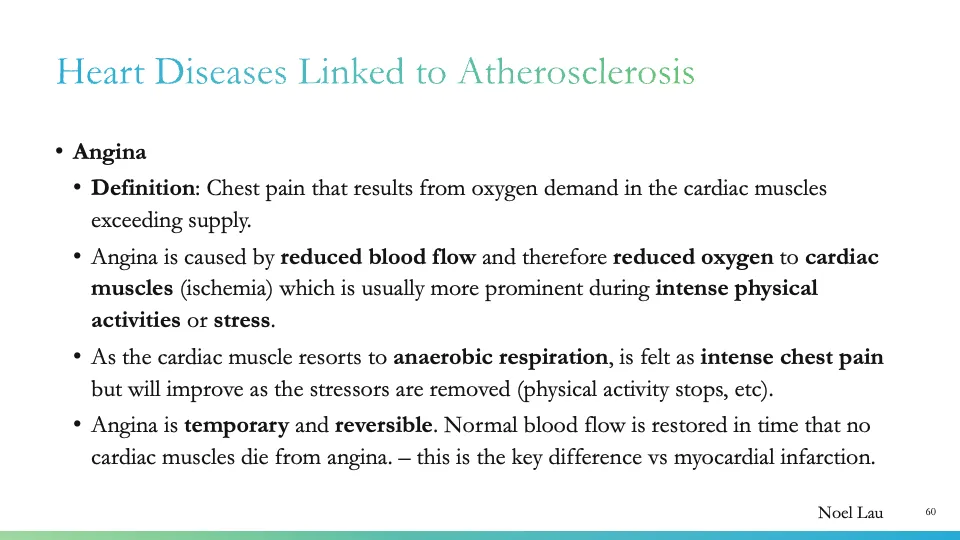
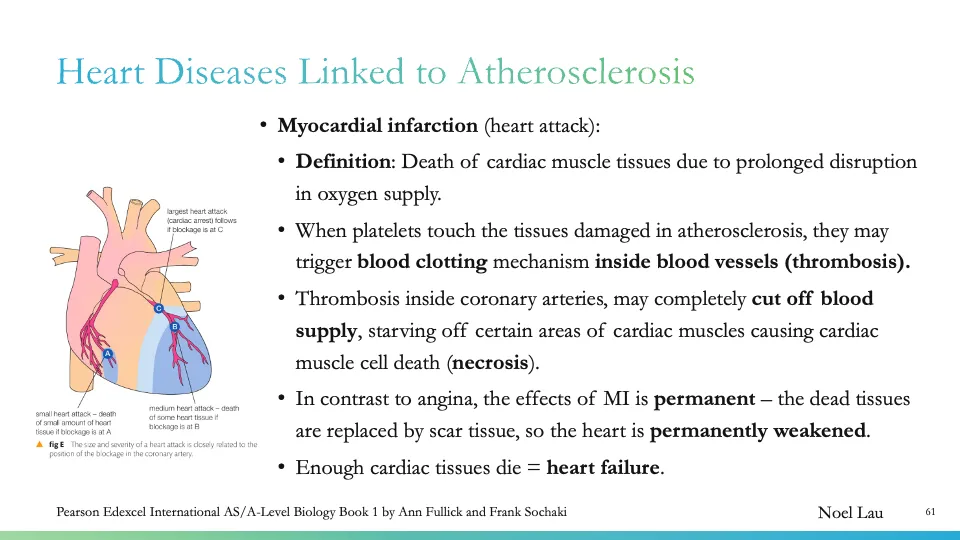
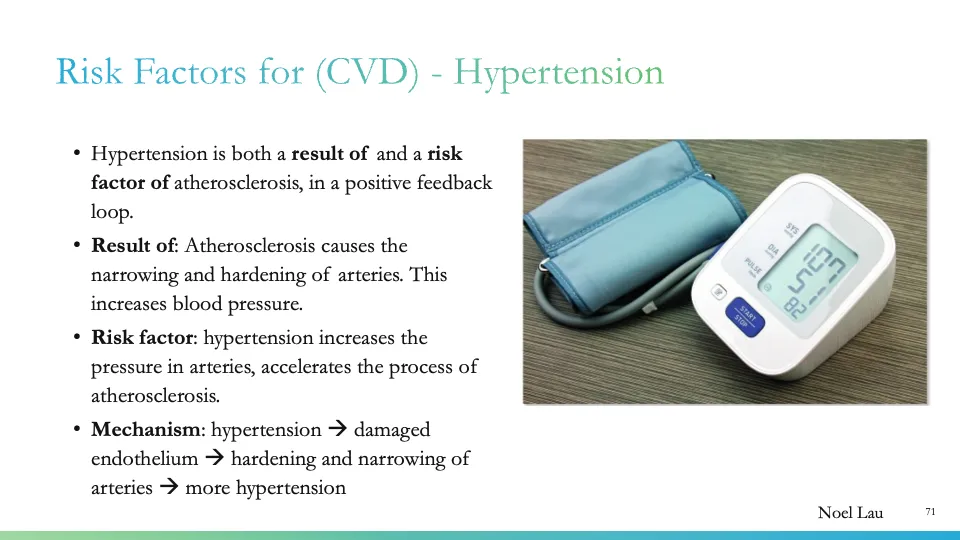
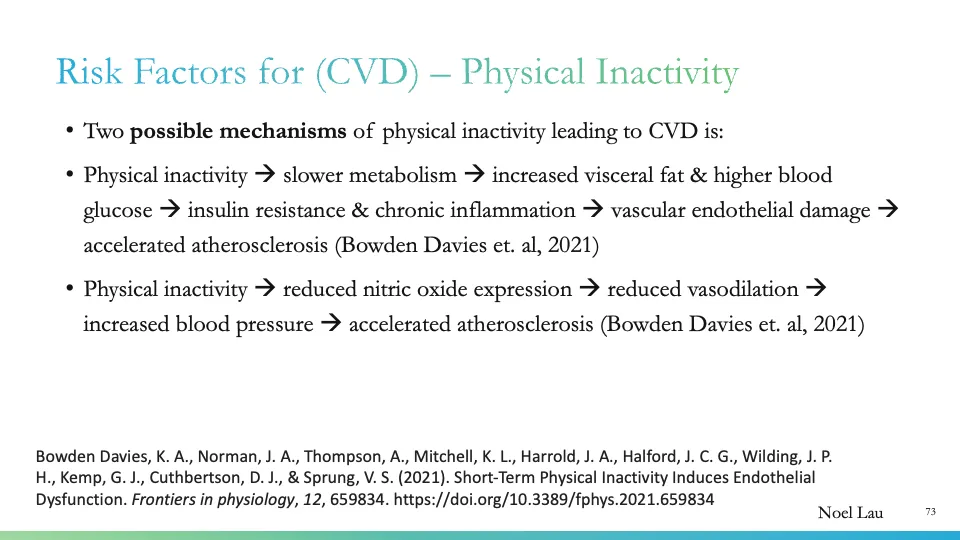
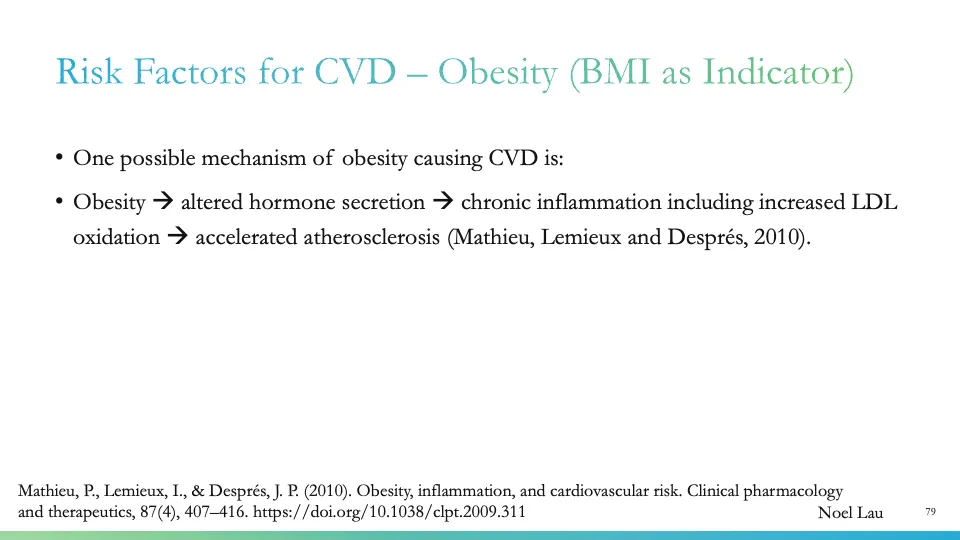
You will also understand how cardiovascular diseases, such as atherosclerosis, develop through processes like endothelial dysfunction, inflammation, plaque formation, and raised blood pressure, as well as the blood clotting process and its role in disease.
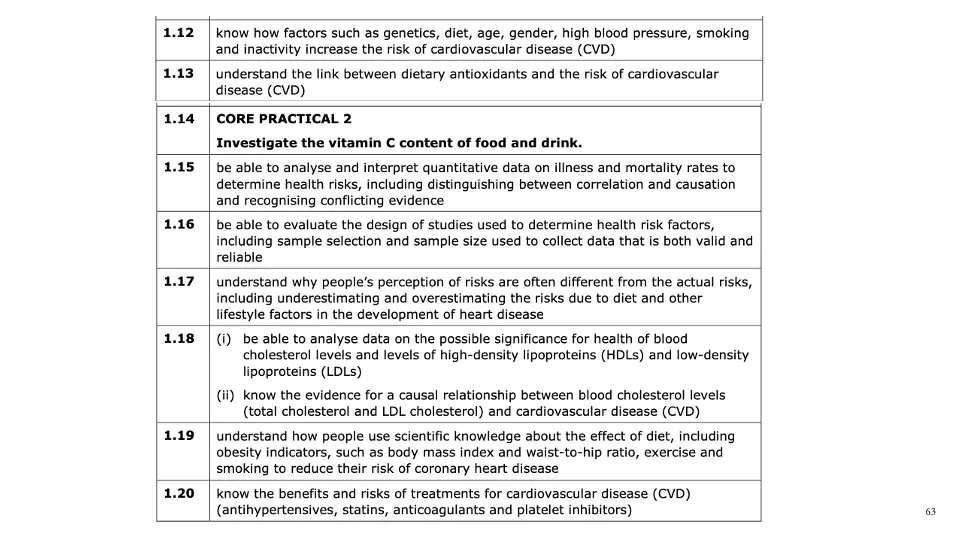
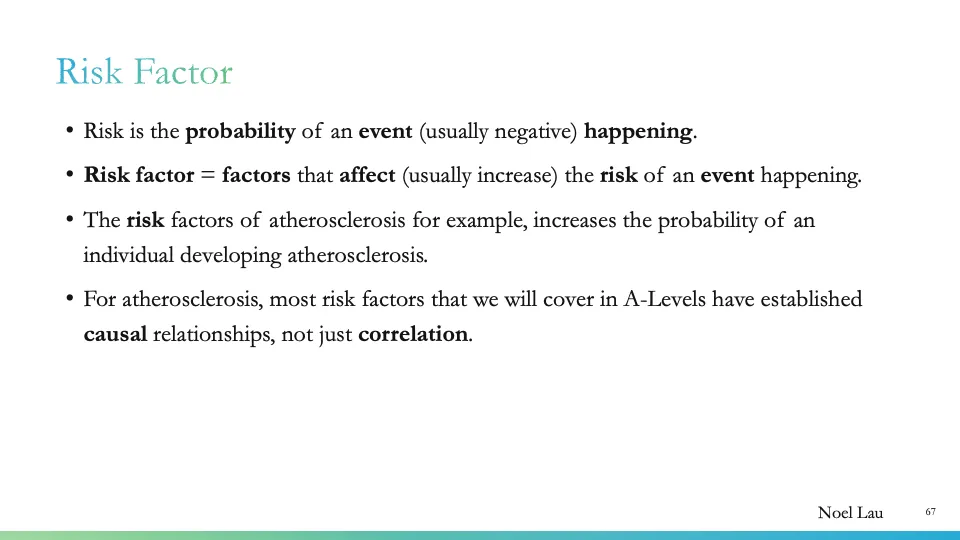
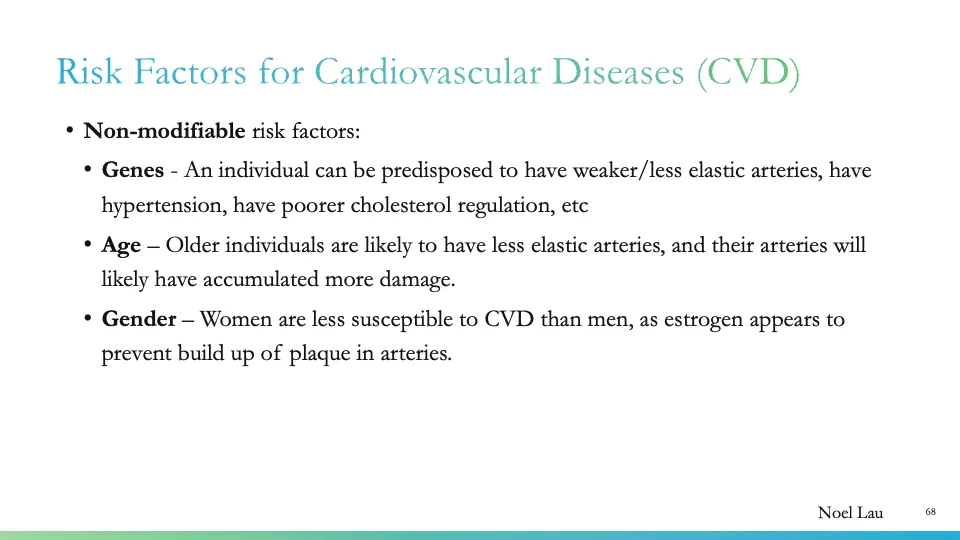
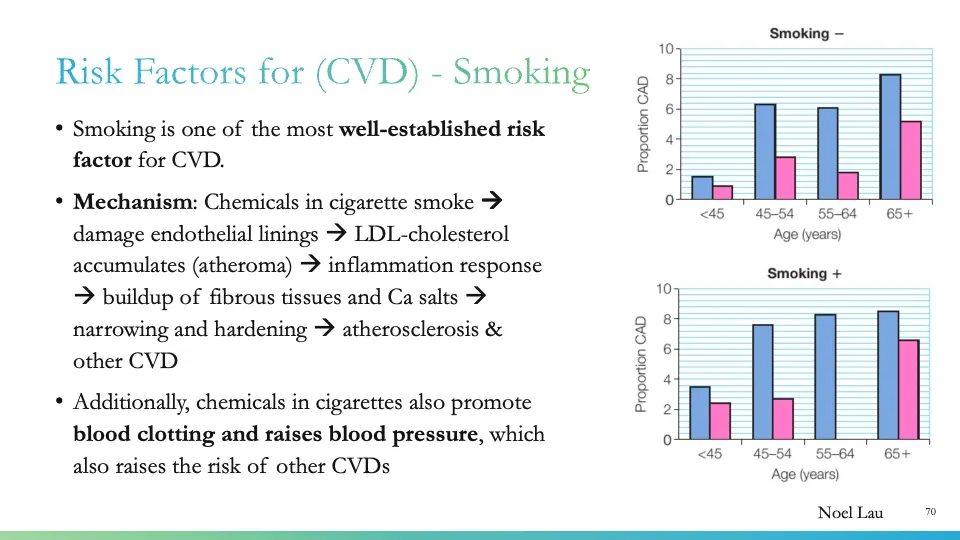
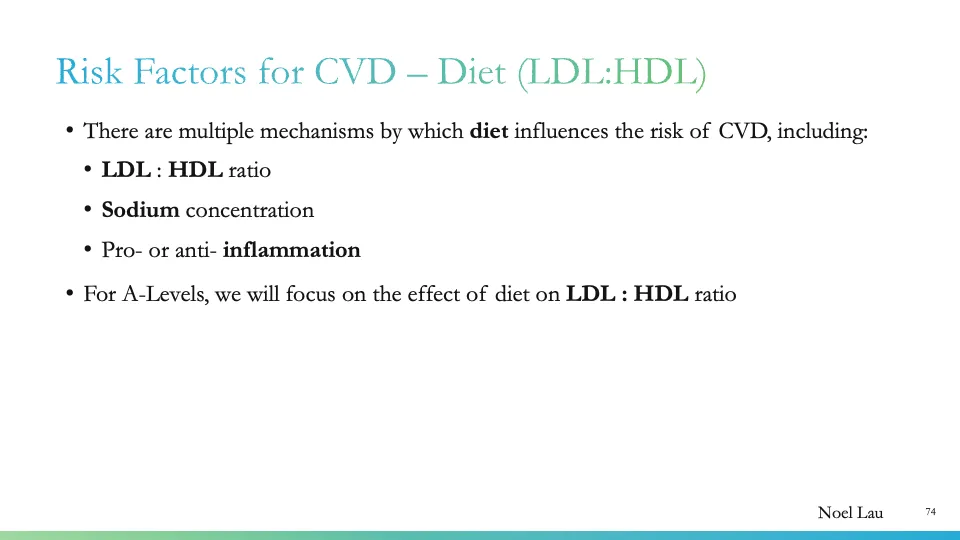
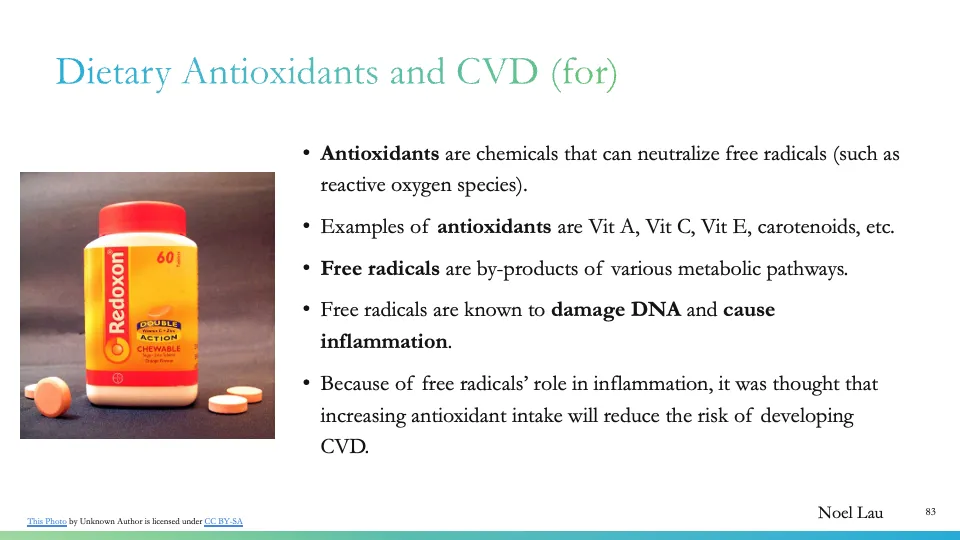
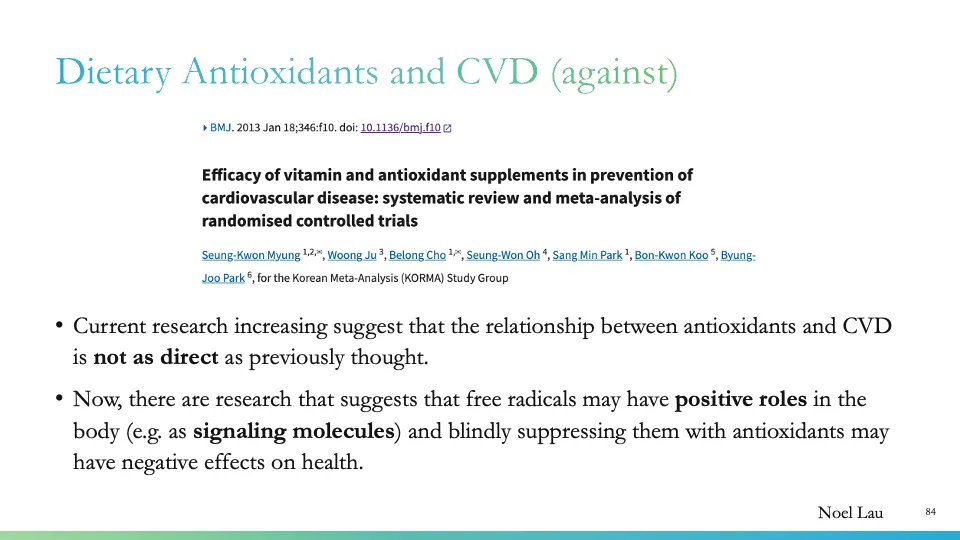
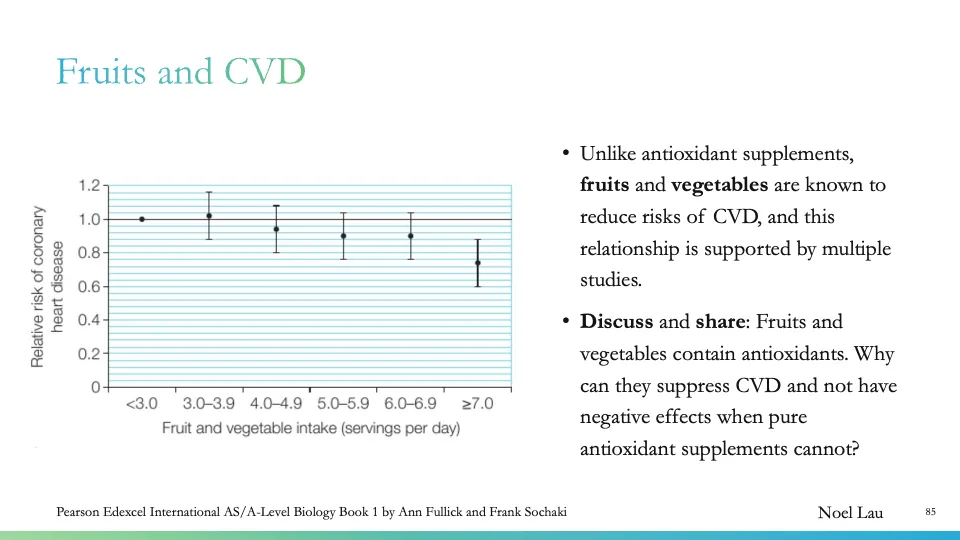
This unit will also cover the factors that increase the risk of cardiovascular disease, including genetics, diet, age, gender, high blood pressure, smoking, and inactivity. We will explore the role of dietary antioxidants,
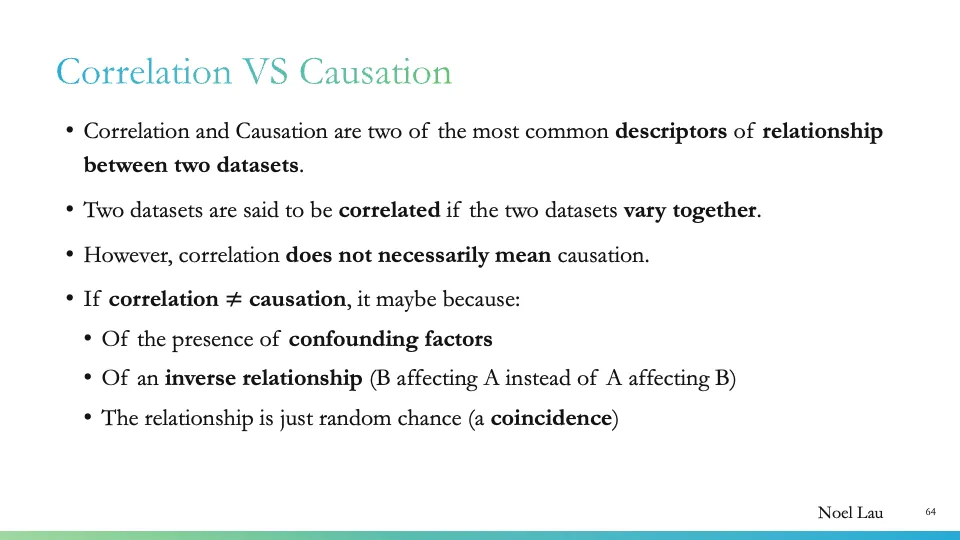
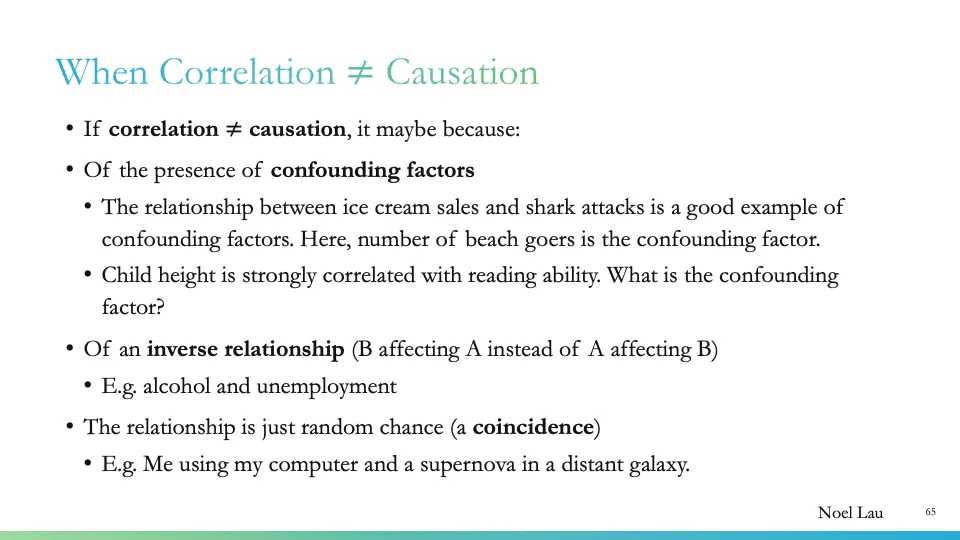
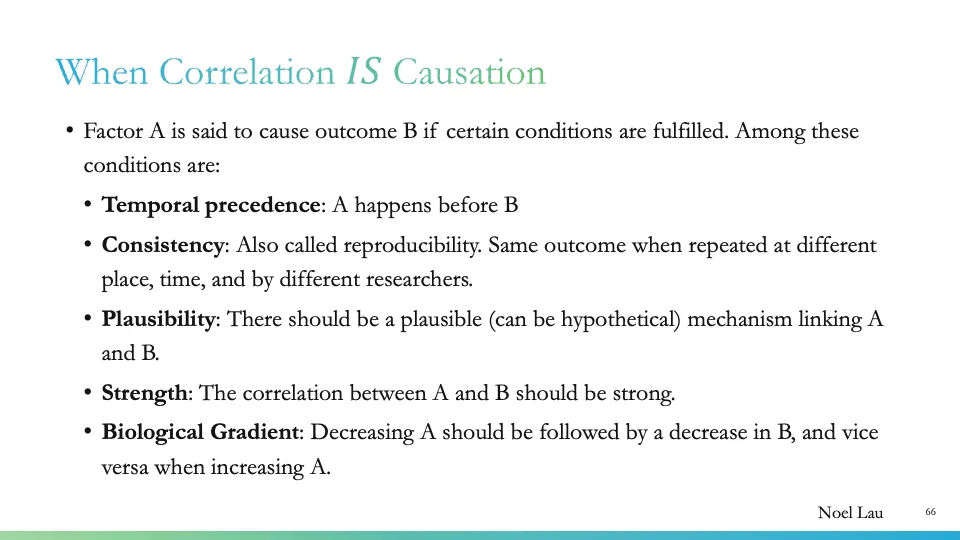
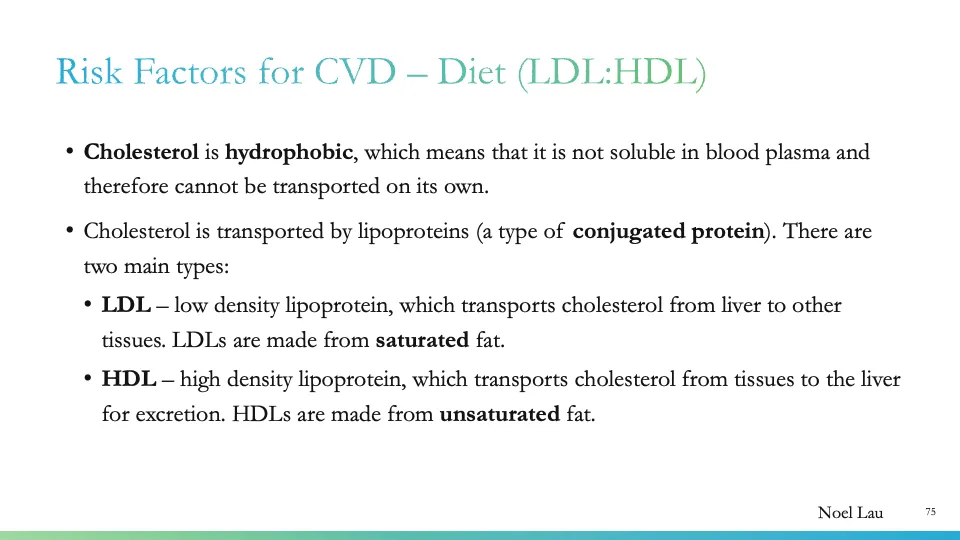
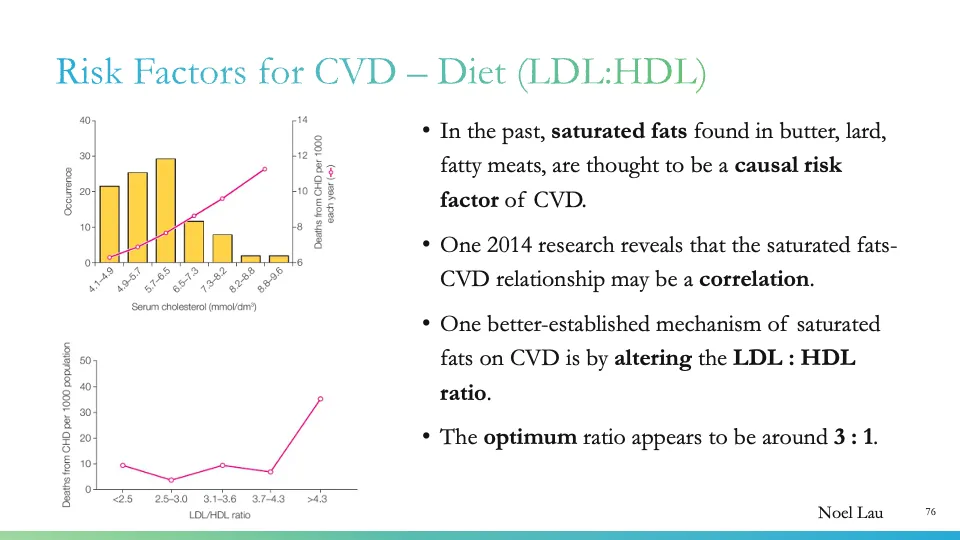
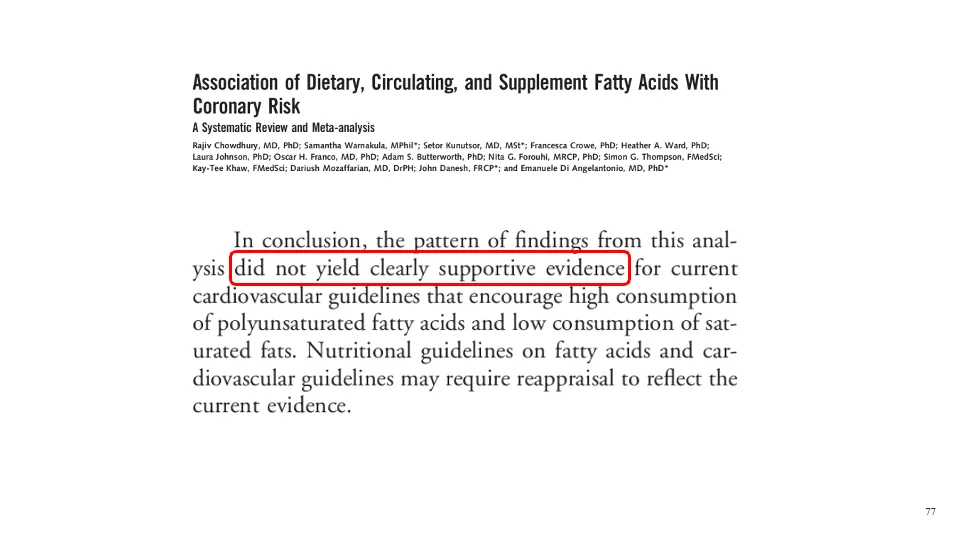
the impact of cholesterol levels and the balance between HDLs and LDLs, and the scientific evidence linking these factors to disease. You will learn how data on illness and mortality rates can be analyzed to assess health risks, differentiate between correlation and causation, and evaluate the design of studies for validity and reliability.
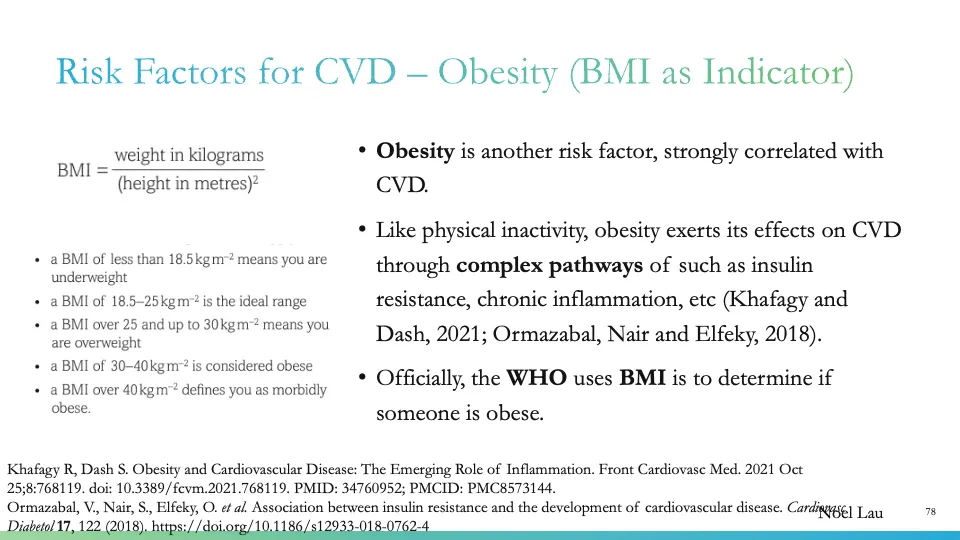
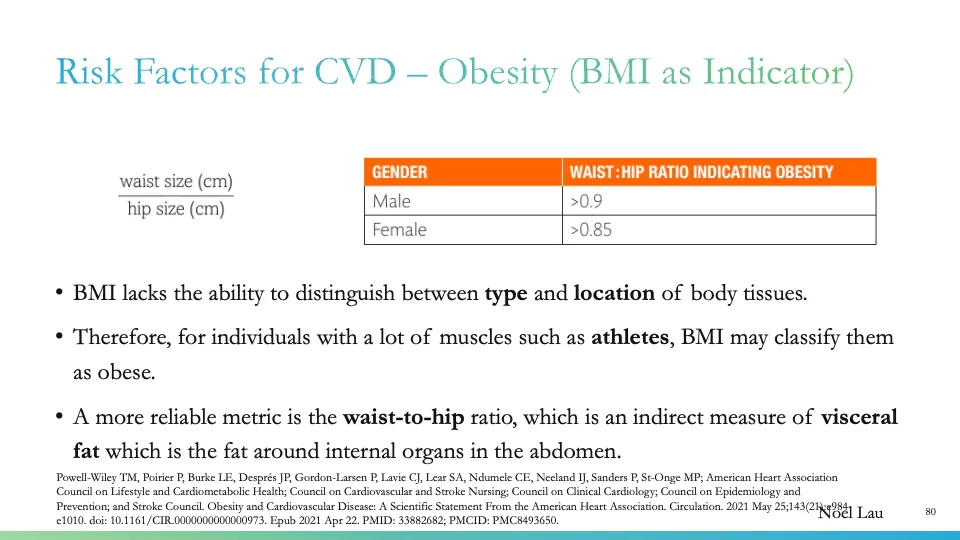
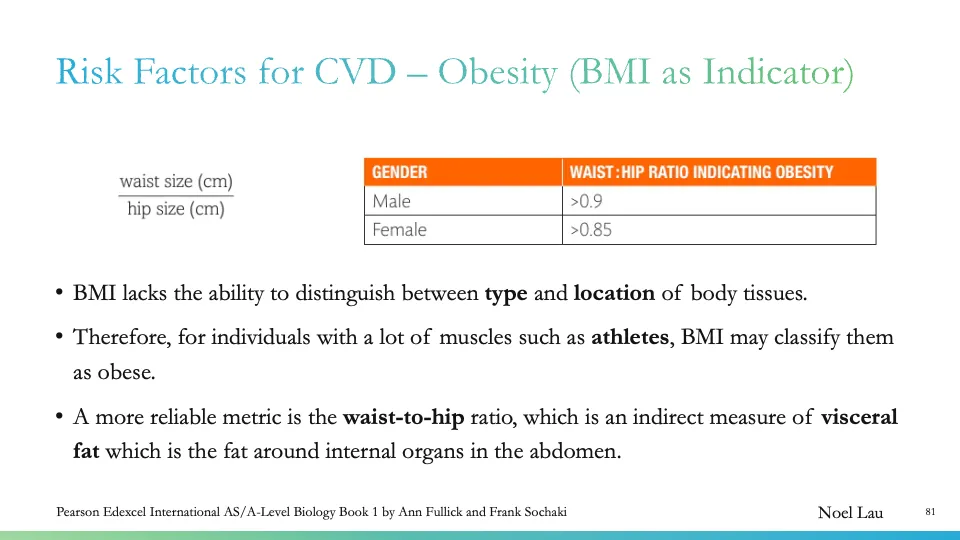
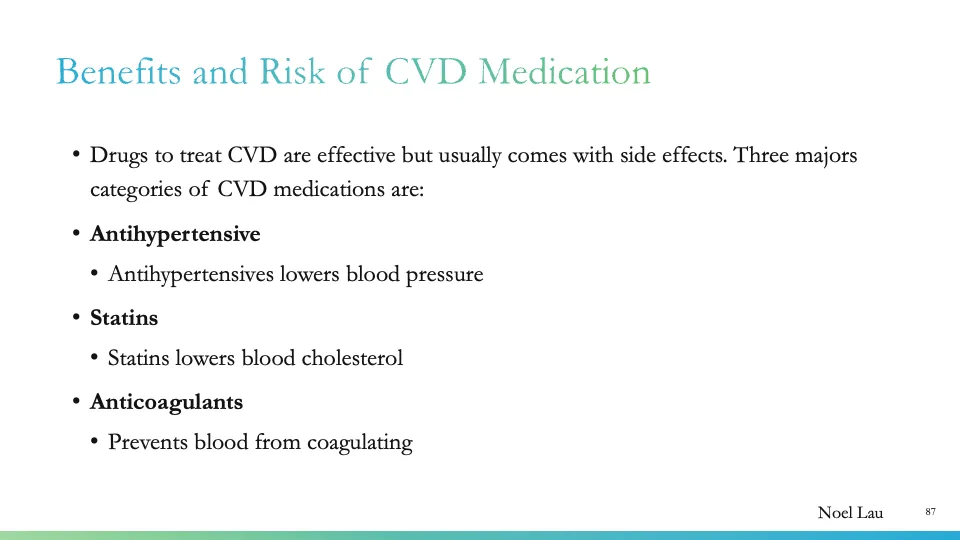
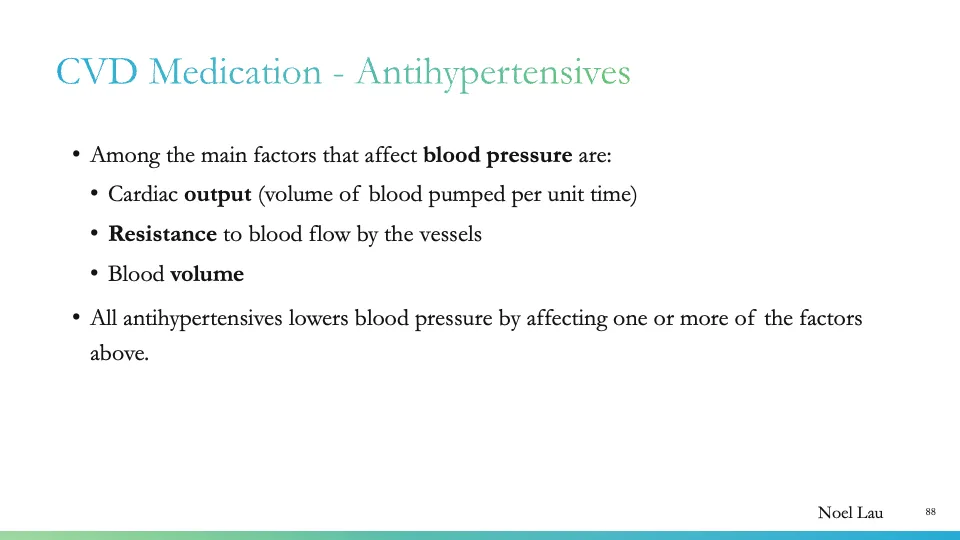
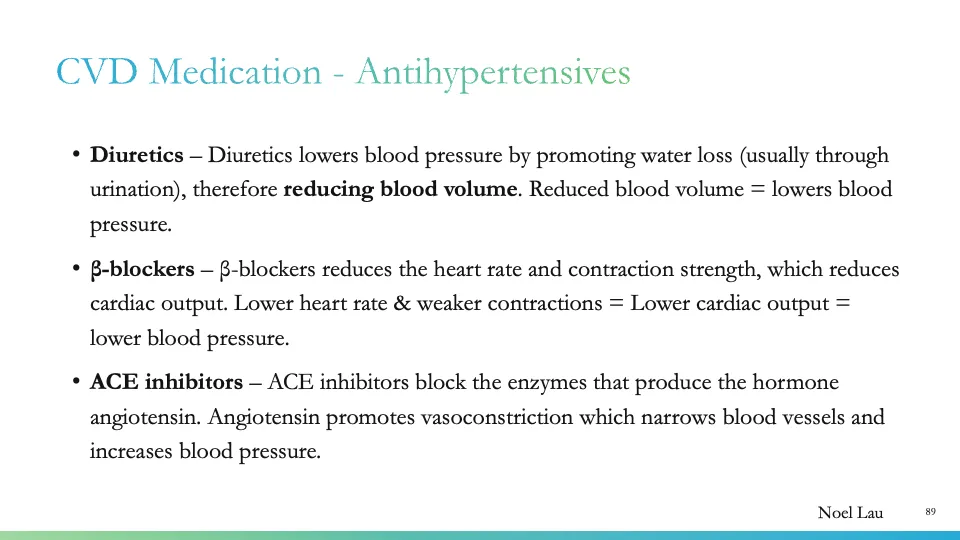
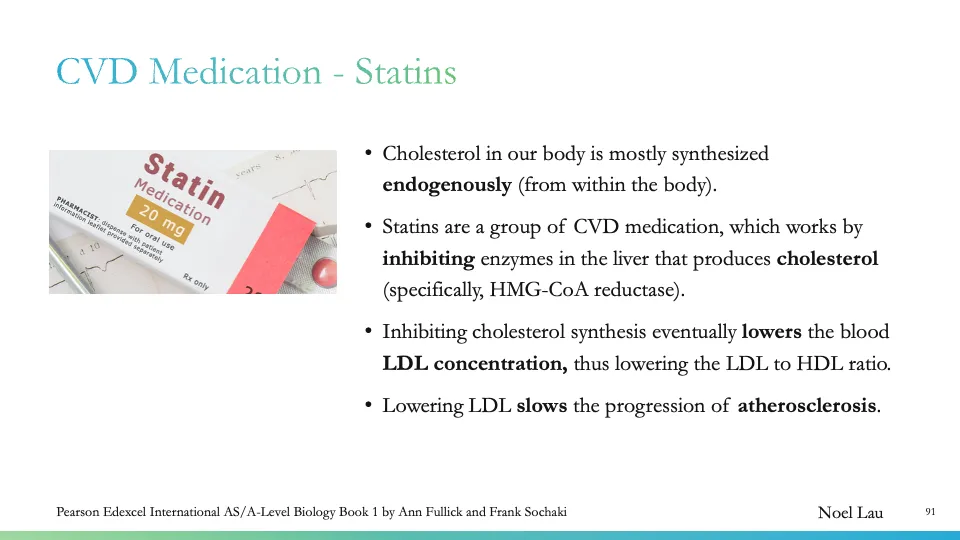
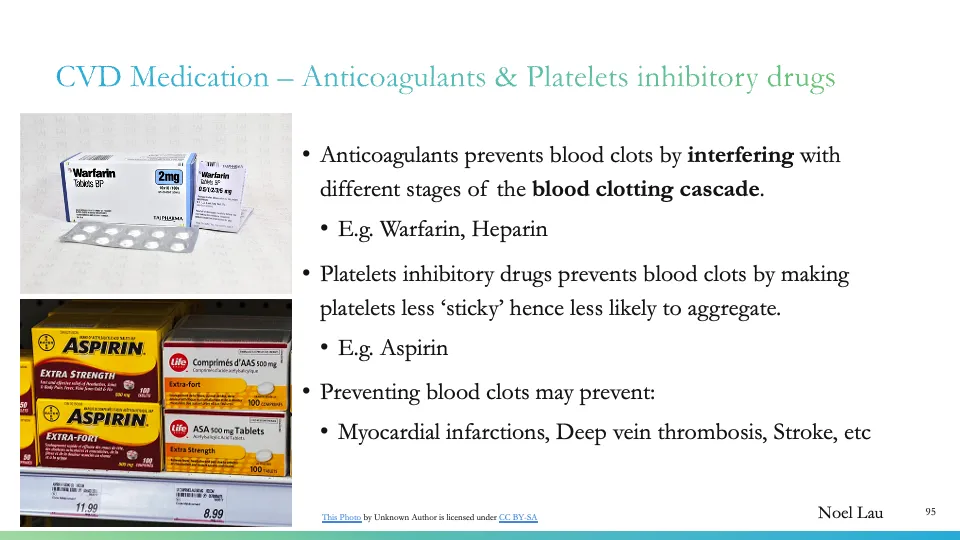
Finally, we will consider how people perceive health risks compared with actual risks, and how knowledge of diet, obesity indicators, exercise, and smoking can be applied to reduce the risk of coronary heart disease. We will also review the benefits and potential risks of common treatments for cardiovascular disease, including antihypertensives, statins, anticoagulants, and platelet inhibitors.
By the end of this unit, you will have a comprehensive understanding of how molecular structures, physiological processes, and lifestyle factors are interconnected in maintaining health and influencing disease.