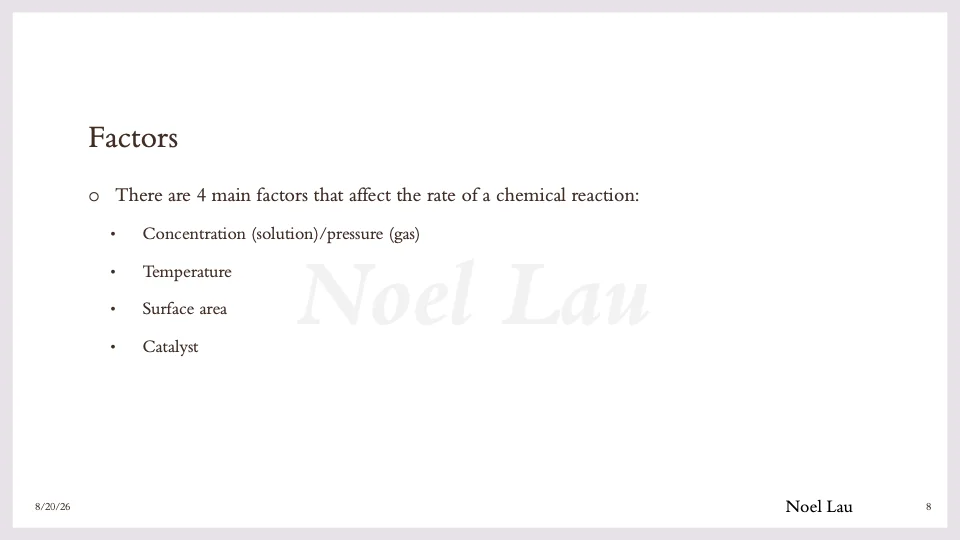
Chapter 8 examines the factors that determine how rapidly chemical reactions proceed and develops the theoretical framework used to explain and predict reaction rates. The treatment integrates qualitative reasoning with the quantitative tools of collision theory and the Boltzmann distribution.
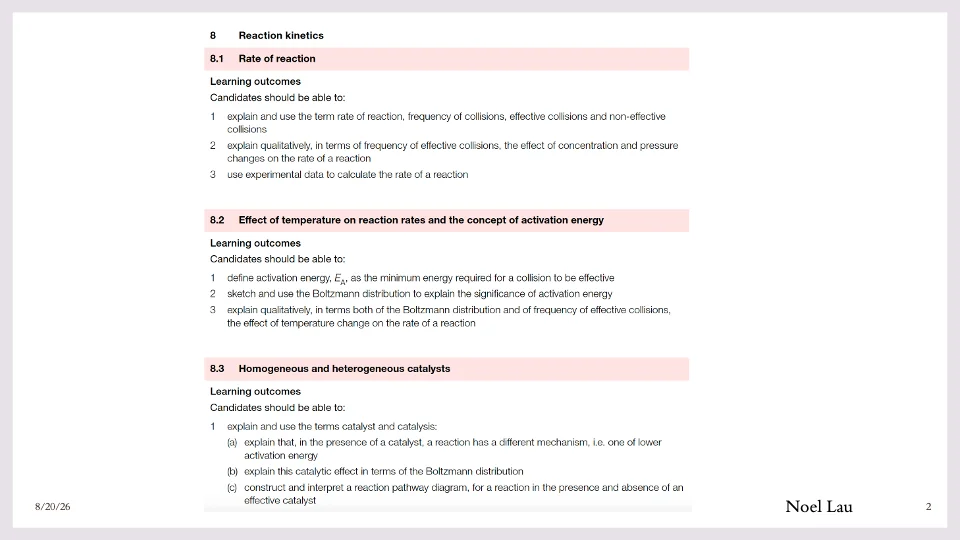
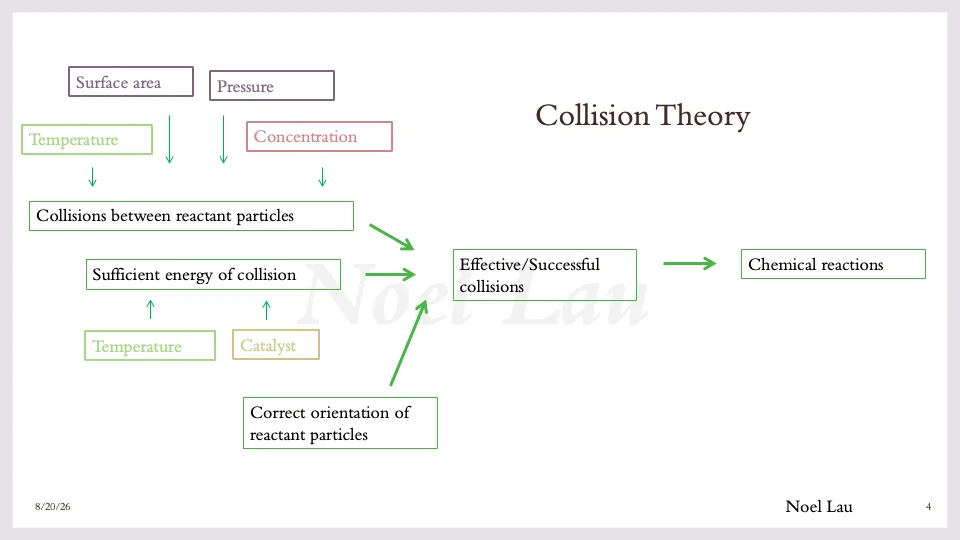
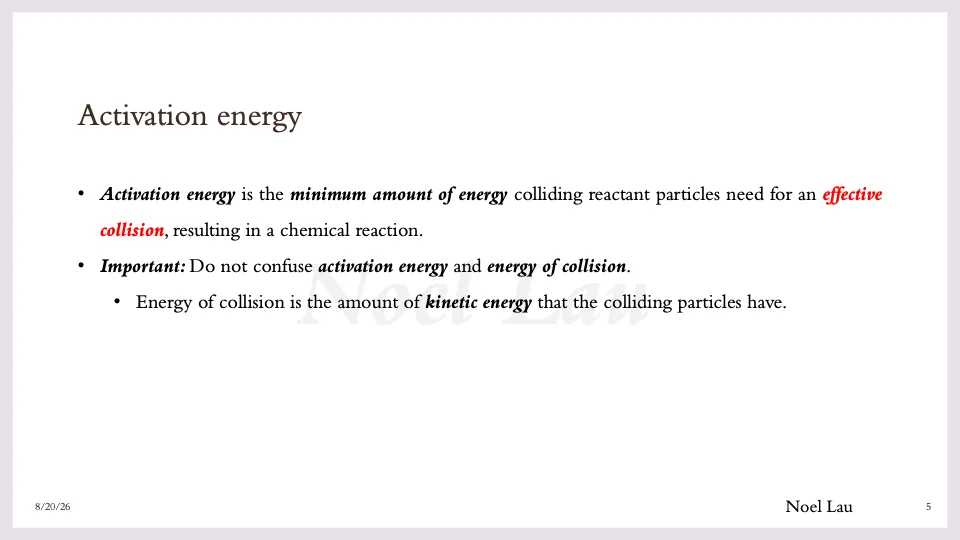
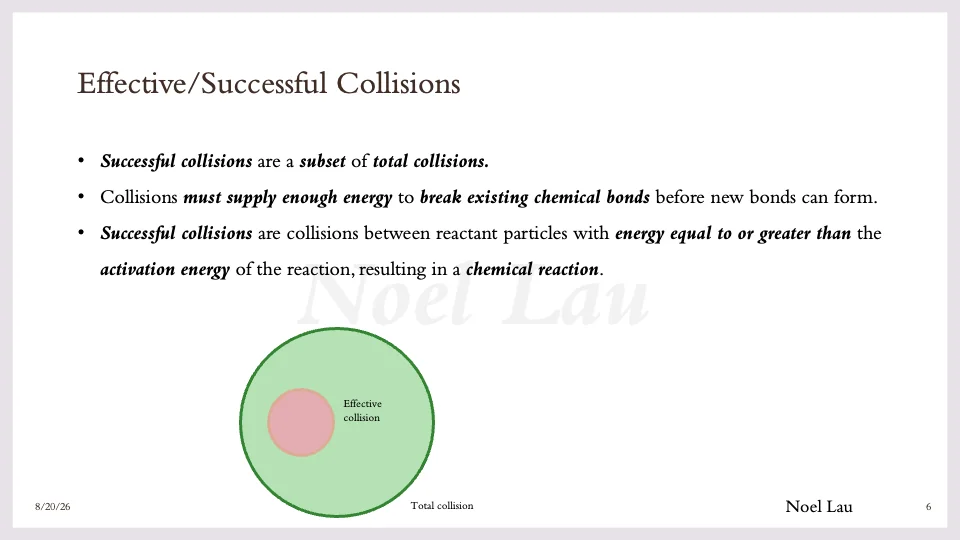
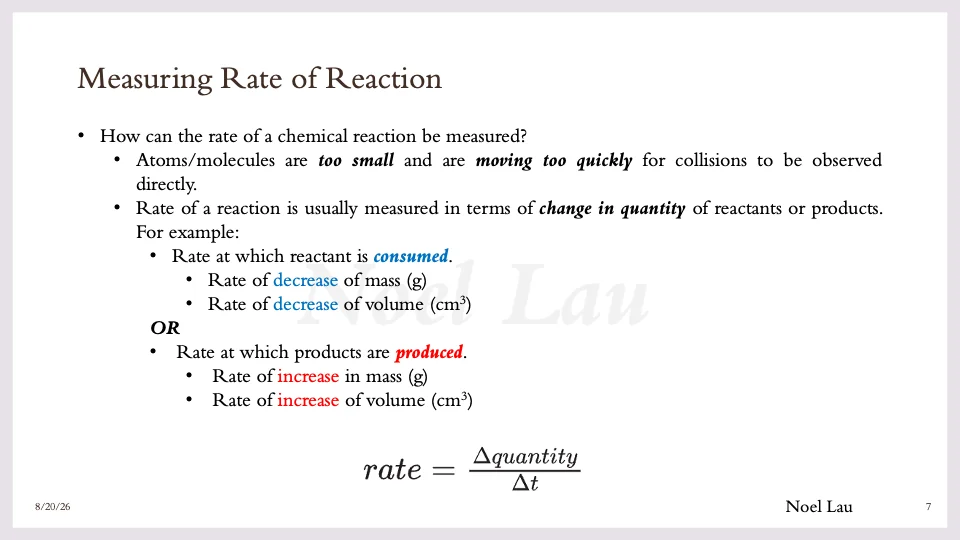
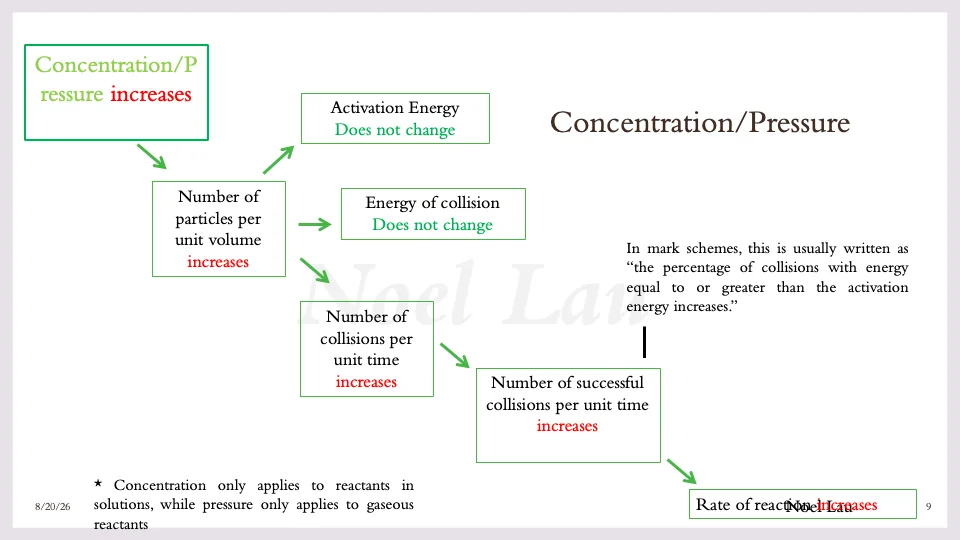
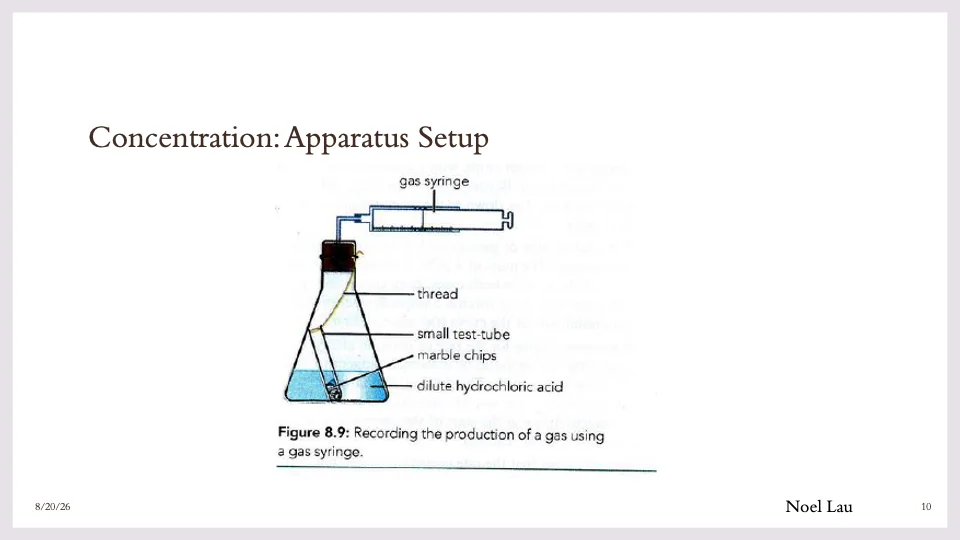
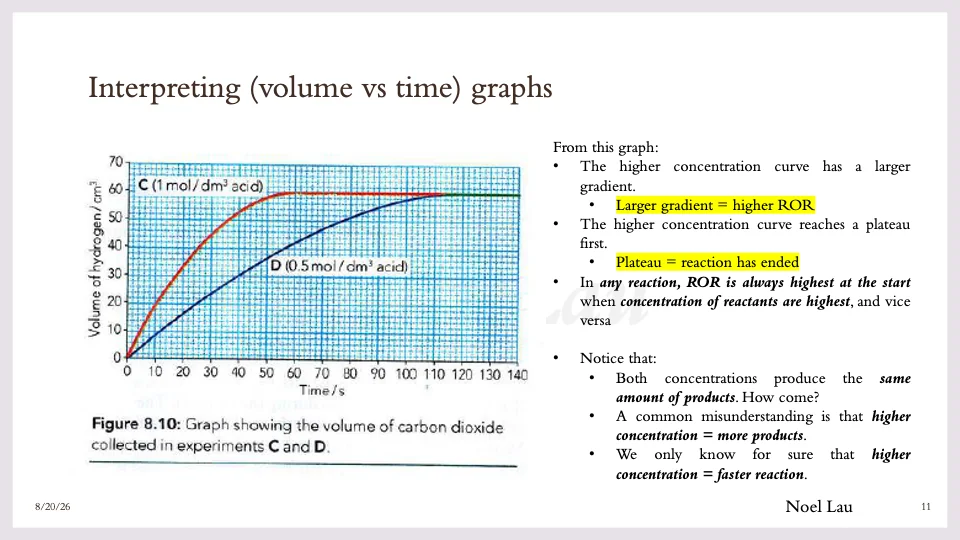
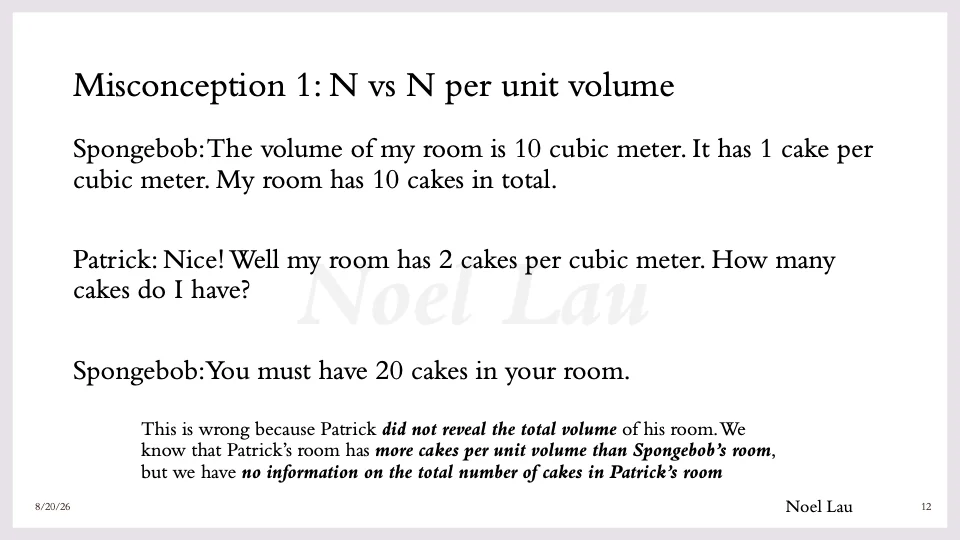
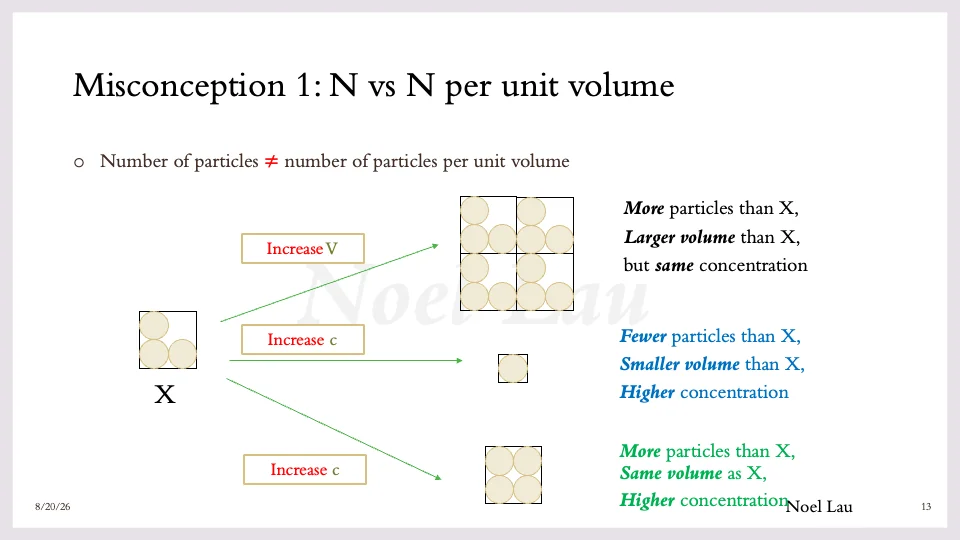
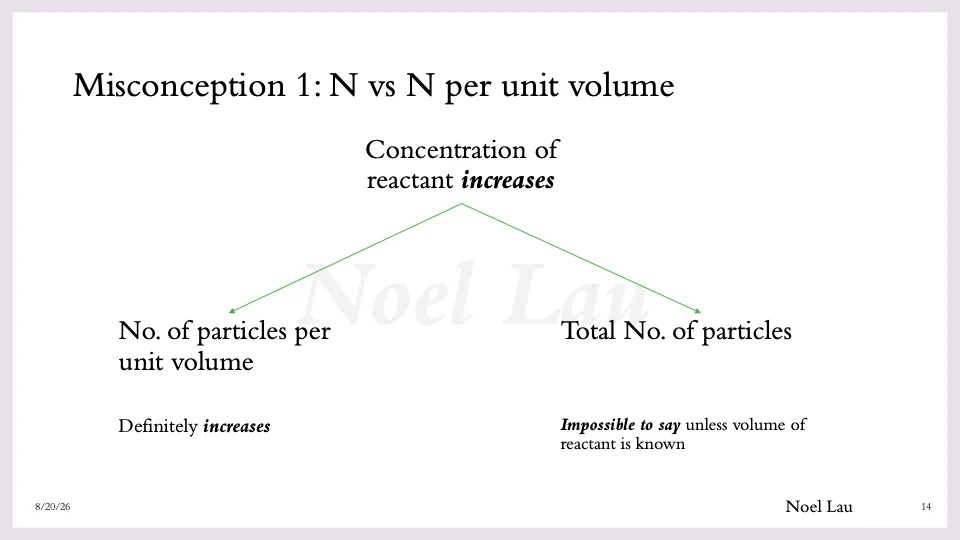
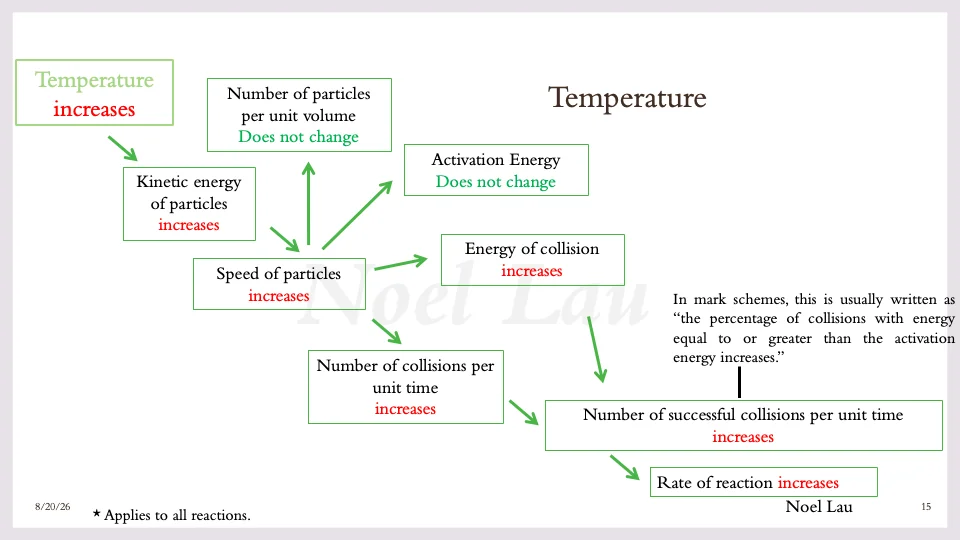
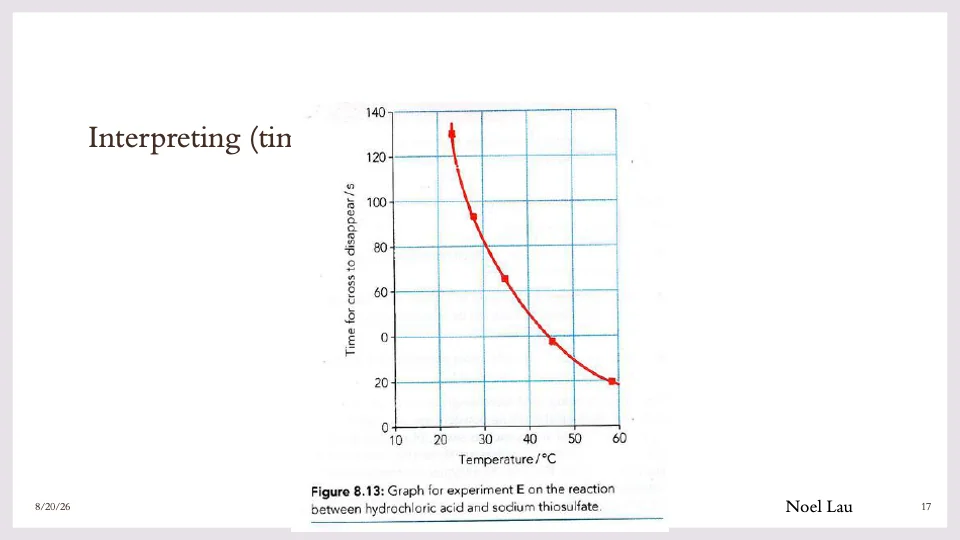
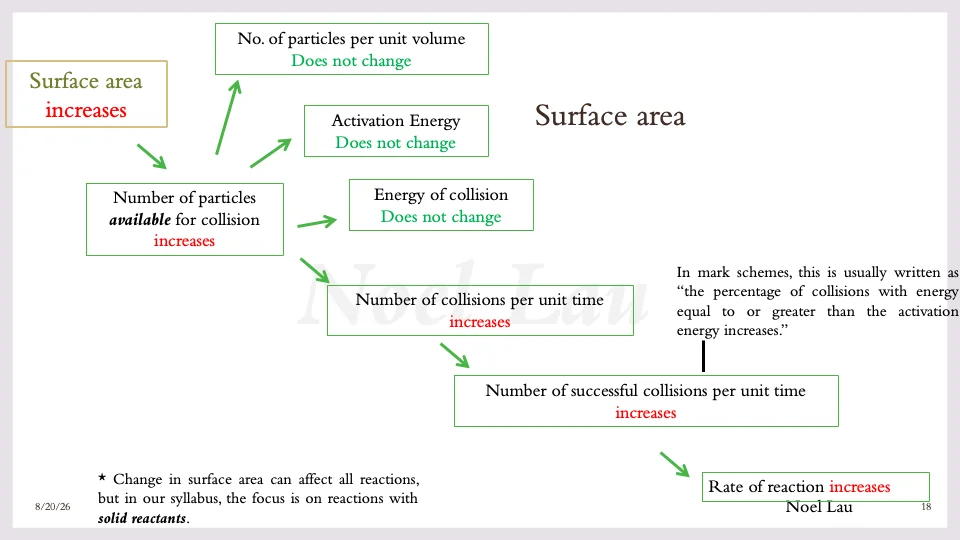
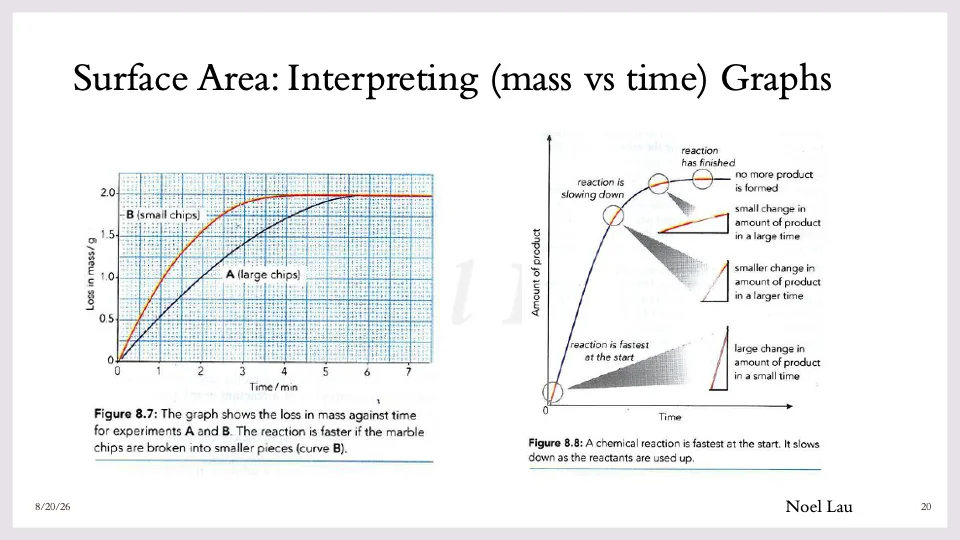
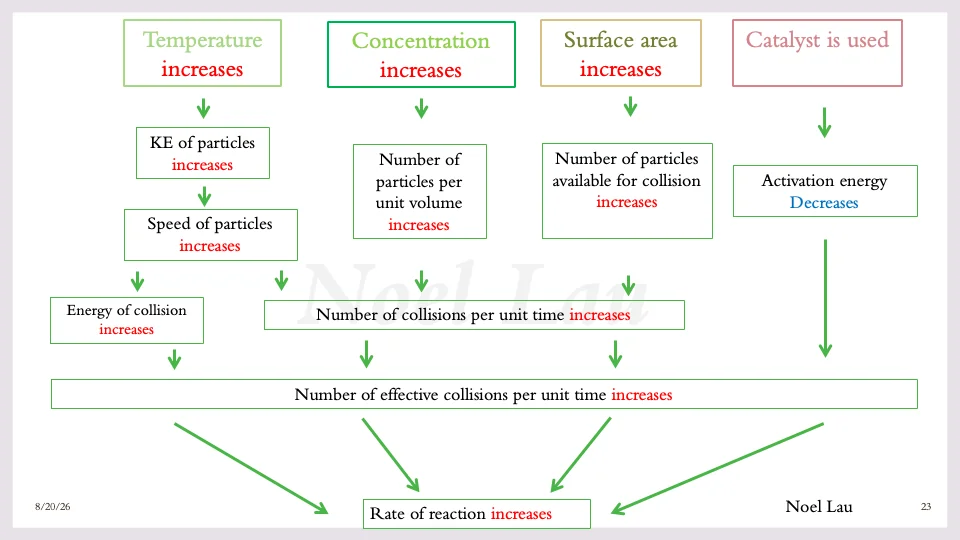
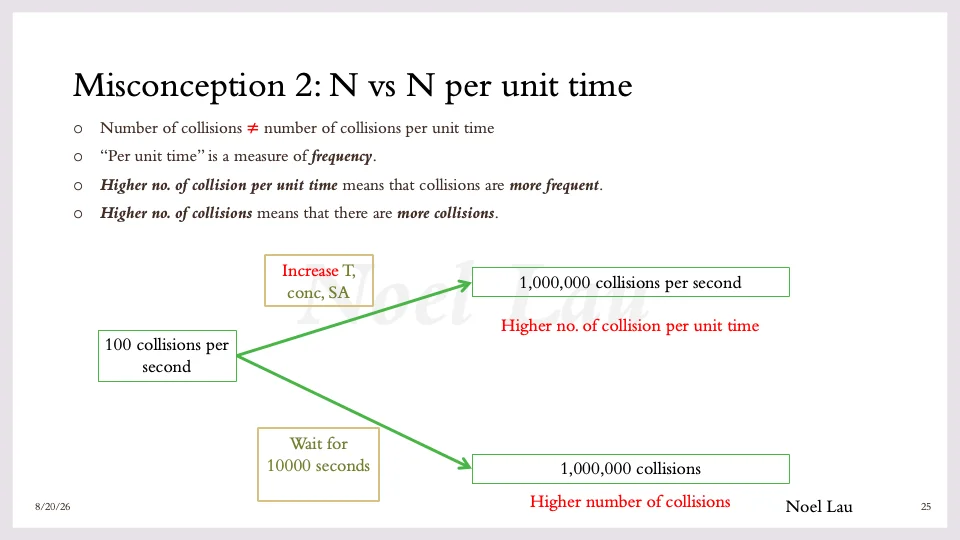
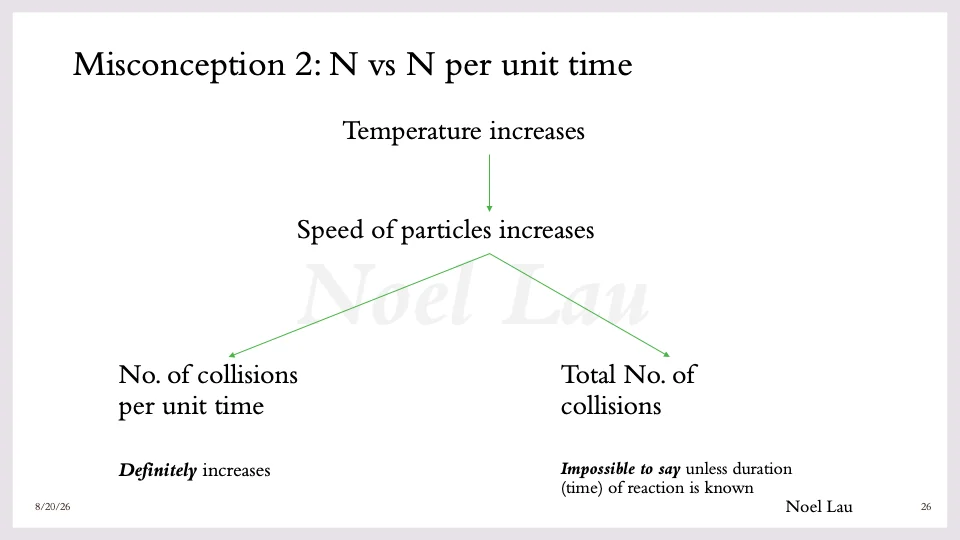
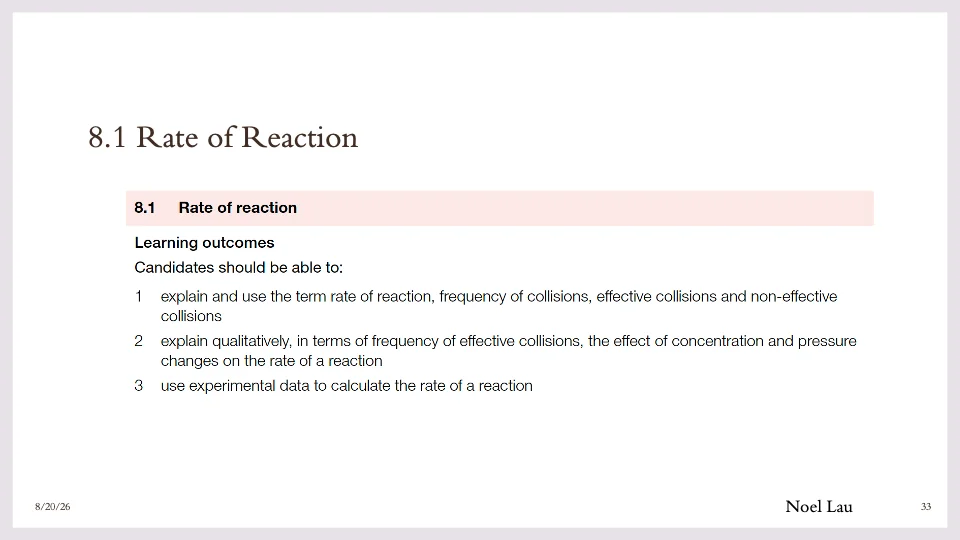
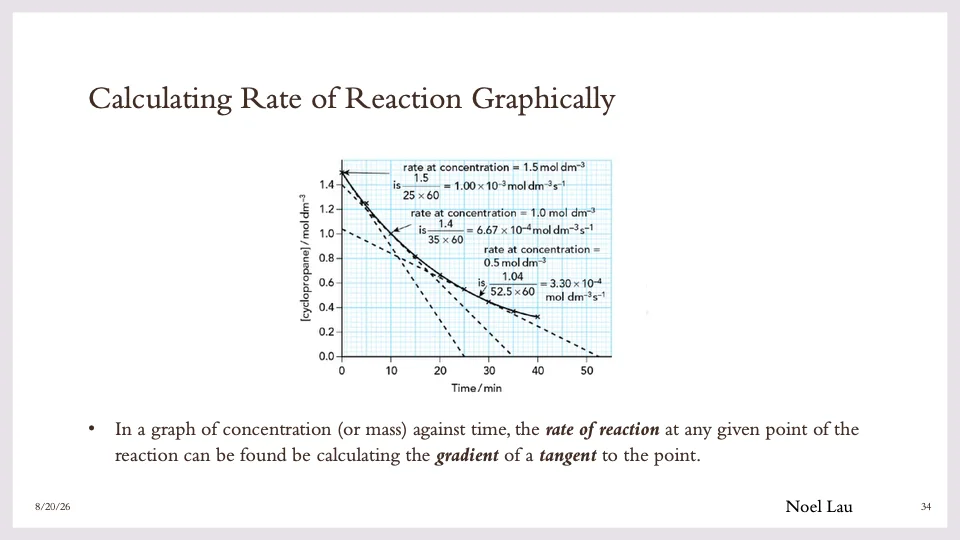
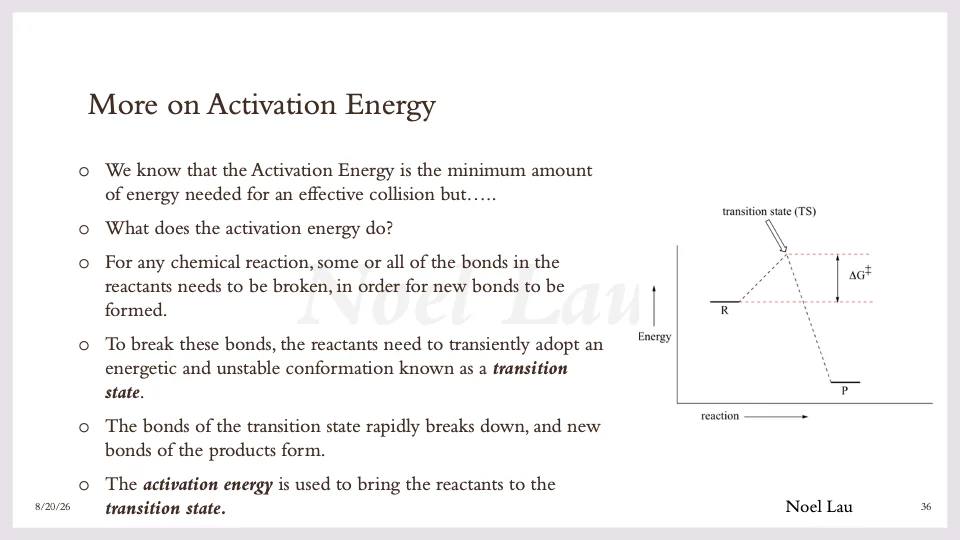
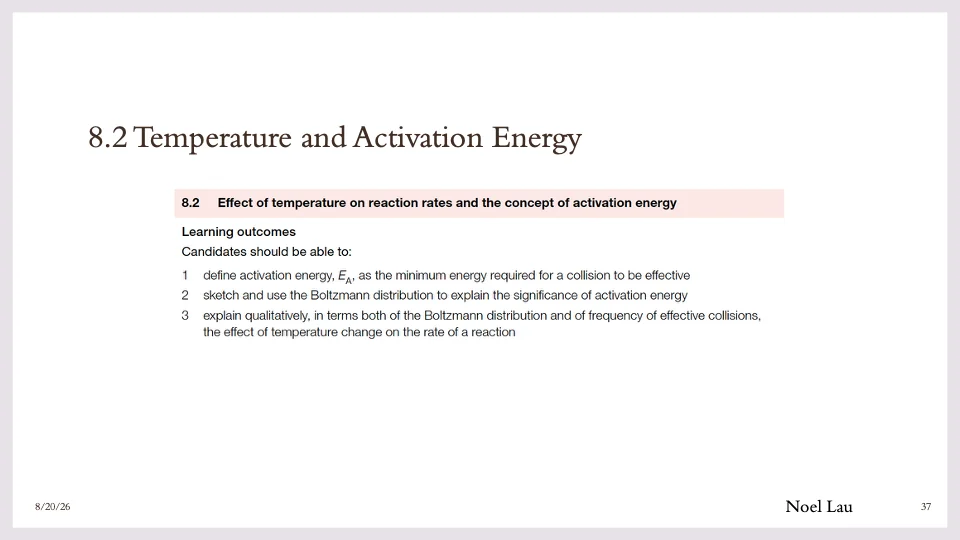
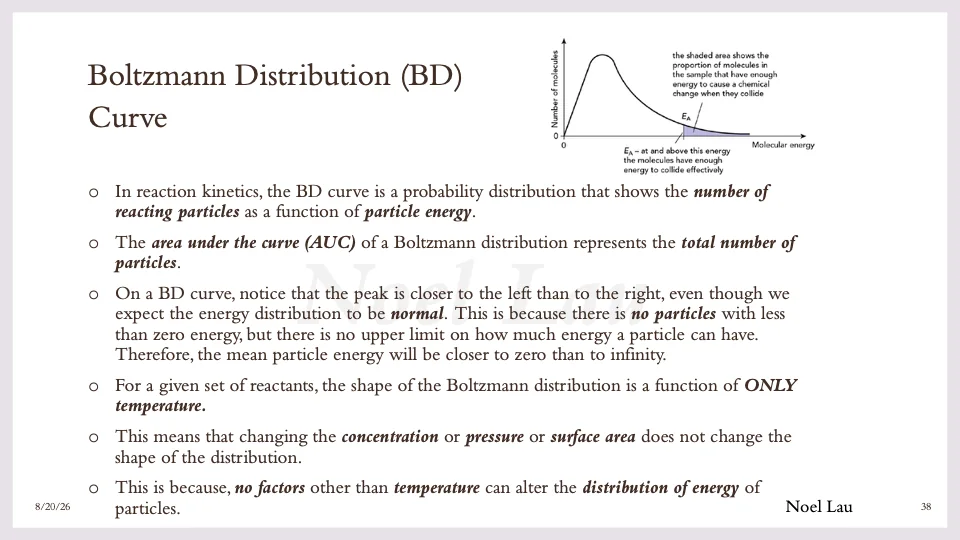
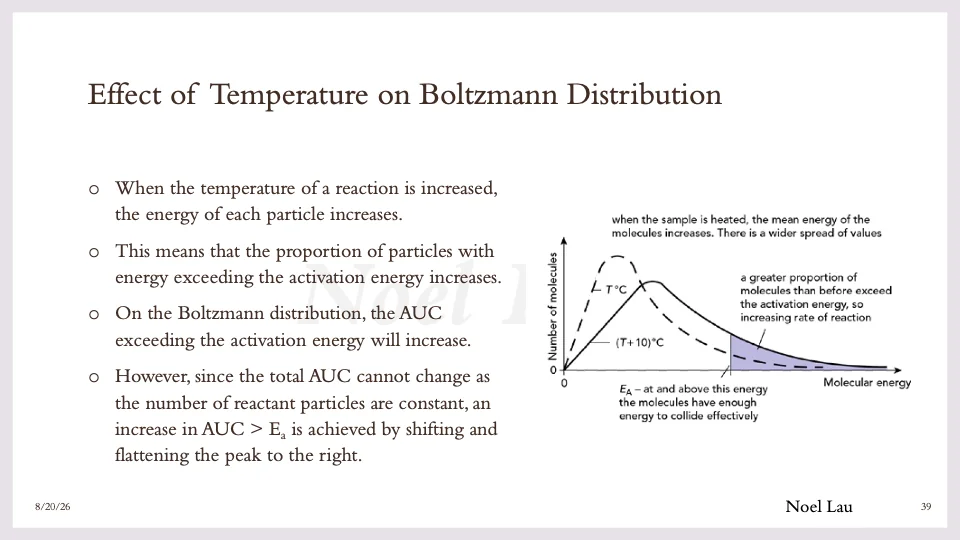
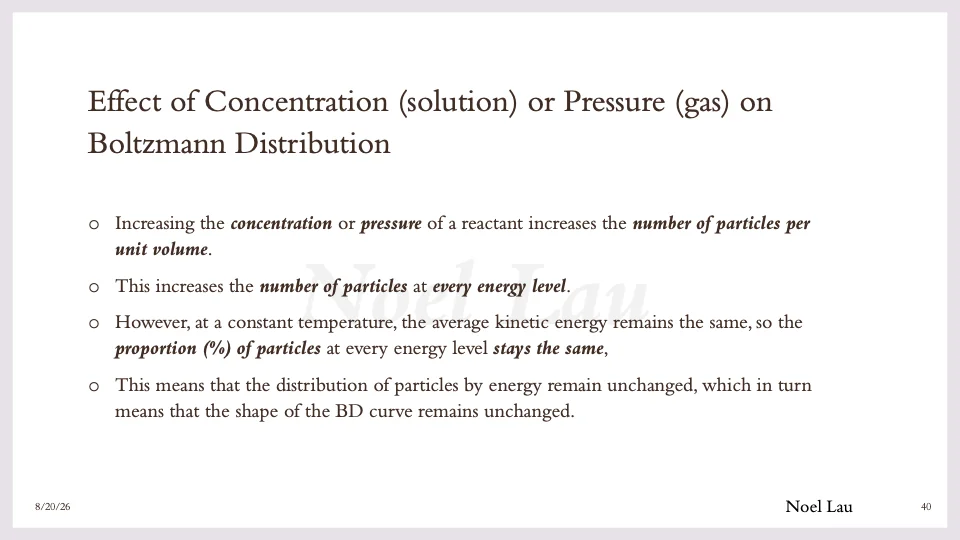
The chapter opens with the concept of rate of reaction and introduces the distinction between effective and non-effective collisions. The effects of concentration and pressure on reaction rate are explained qualitatively in terms of collision frequency, and experimental data are used to calculate rates directly. Activation energy is then defined as the minimum energy required for a collision to be effective, and the Boltzmann distribution is introduced as a statistical description of the energies of molecules in a sample. This distribution is used to explain both the significance of activation energy and the pronounced effect of temperature on reaction rate.
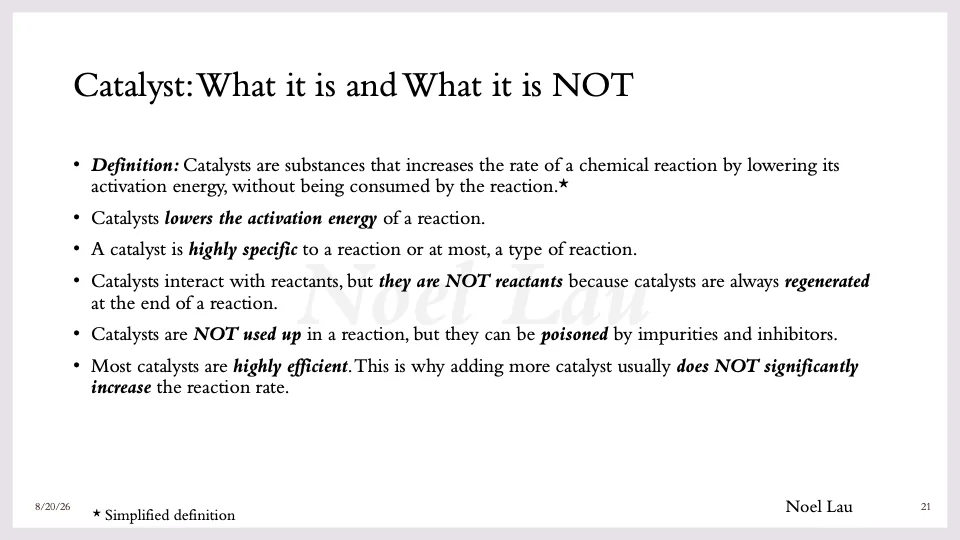
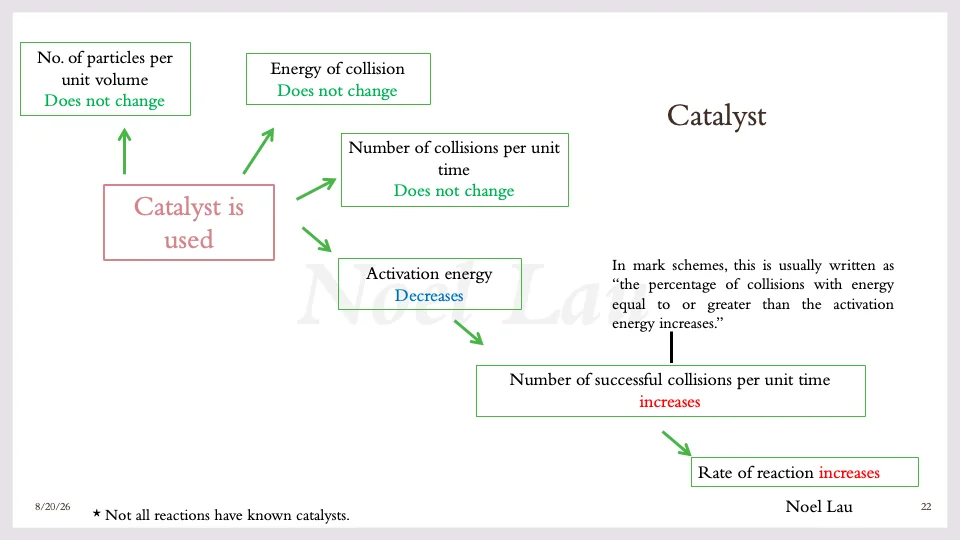
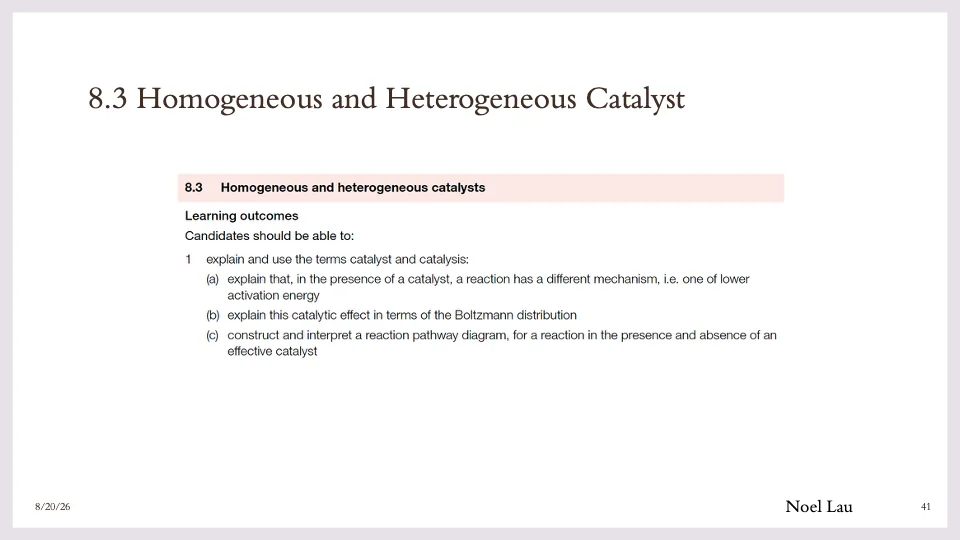
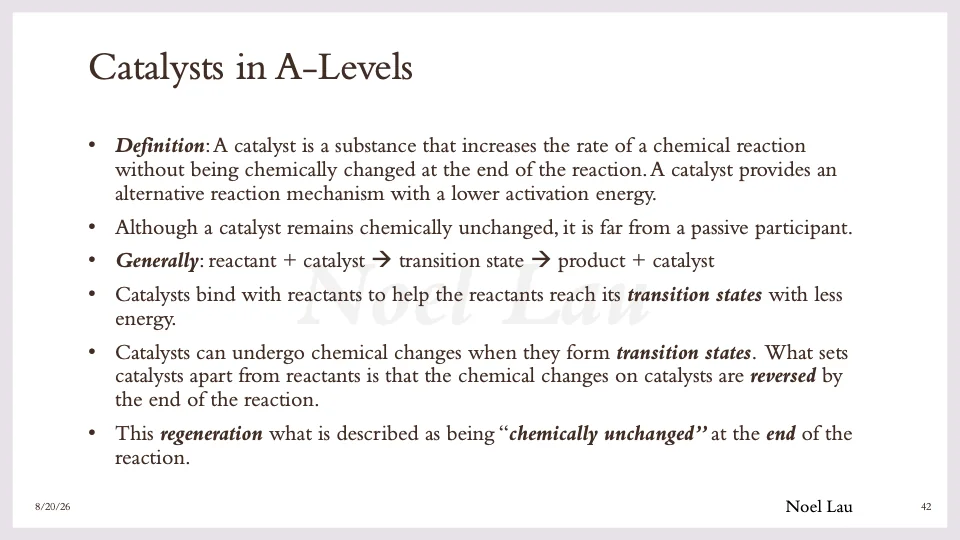
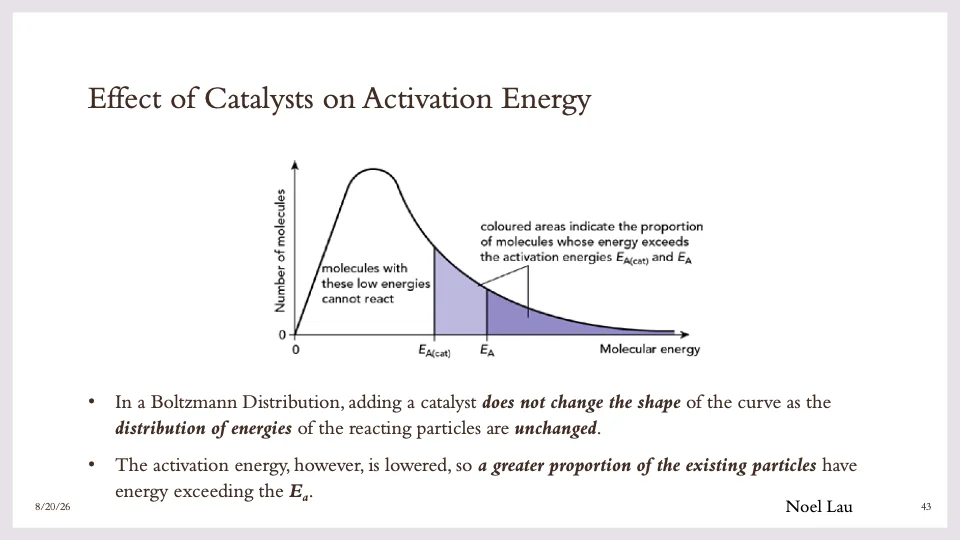
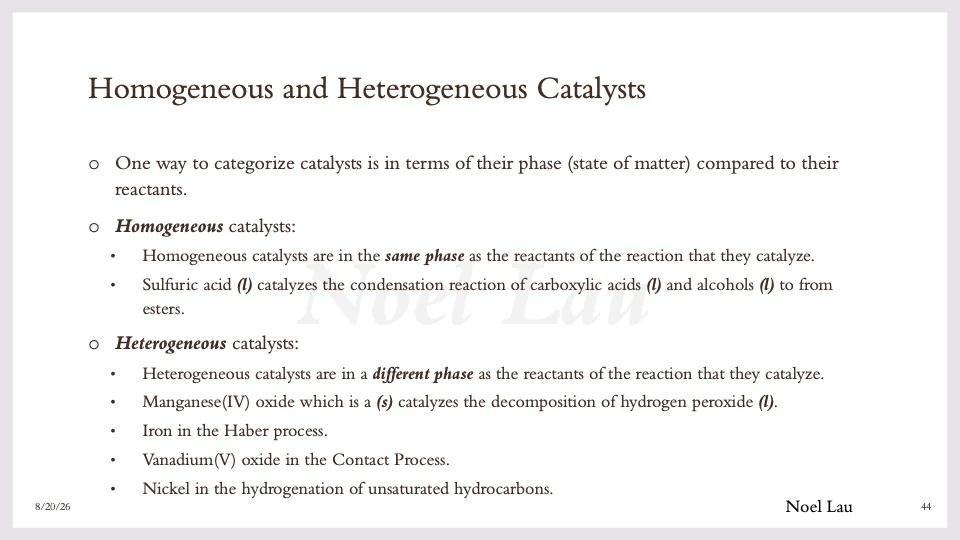
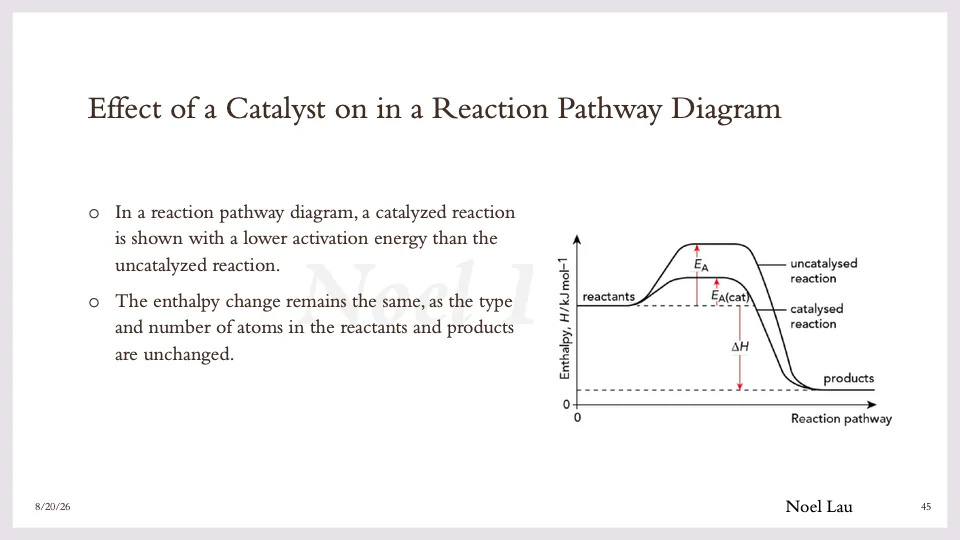
The chapter concludes with an examination of catalysis. Homogeneous and heterogeneous catalysts are distinguished, and the catalytic effect is explained mechanistically in terms of an alternative reaction pathway of lower activation energy. This is represented graphically through reaction pathway diagrams drawn in the presence and absence of a catalyst, and the relationship between catalysis and the Boltzmann distribution is made explicit.