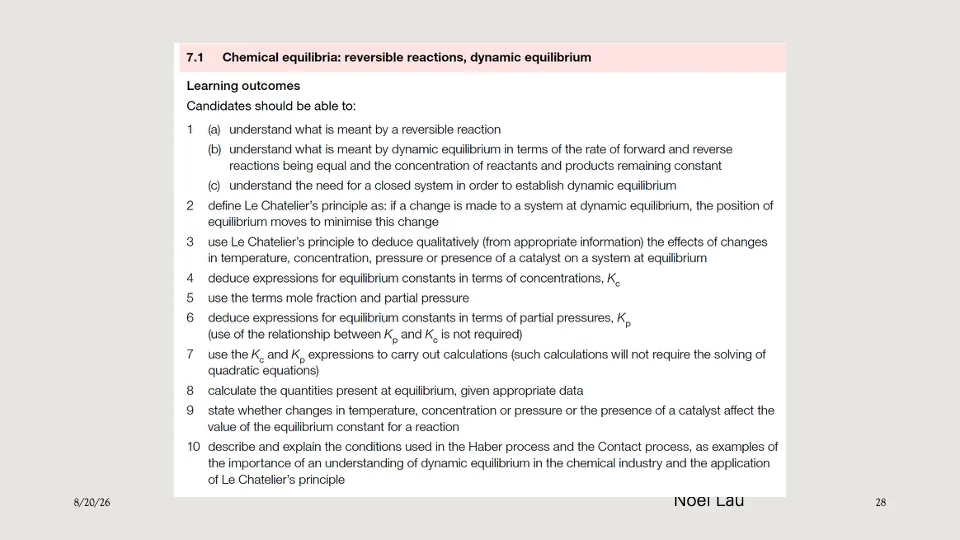
Chapter 7 develops the concept of dynamic equilibrium and provides the quantitative and qualitative tools required to analyse and predict the behaviour of reversible reactions. The treatment spans both the theoretical basis of equilibrium and its application to industrially significant processes.
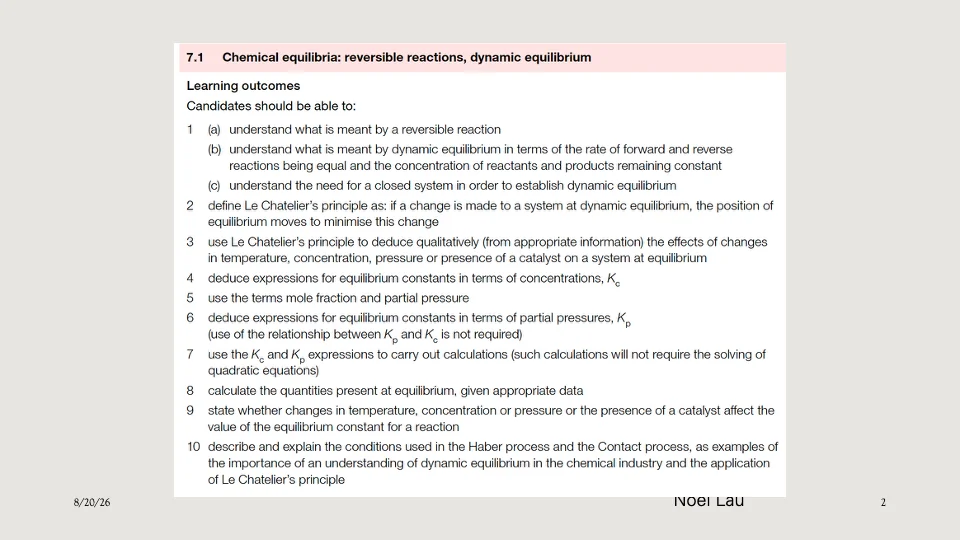
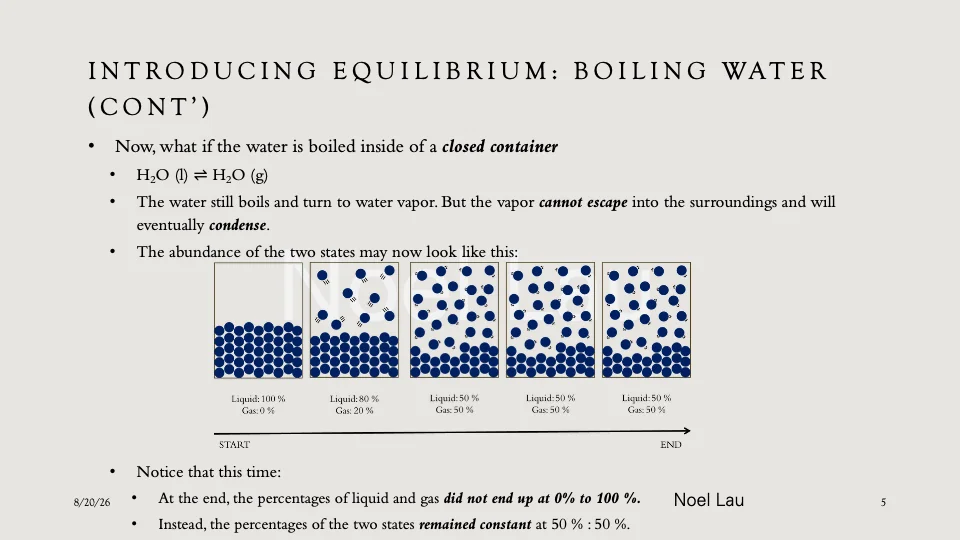
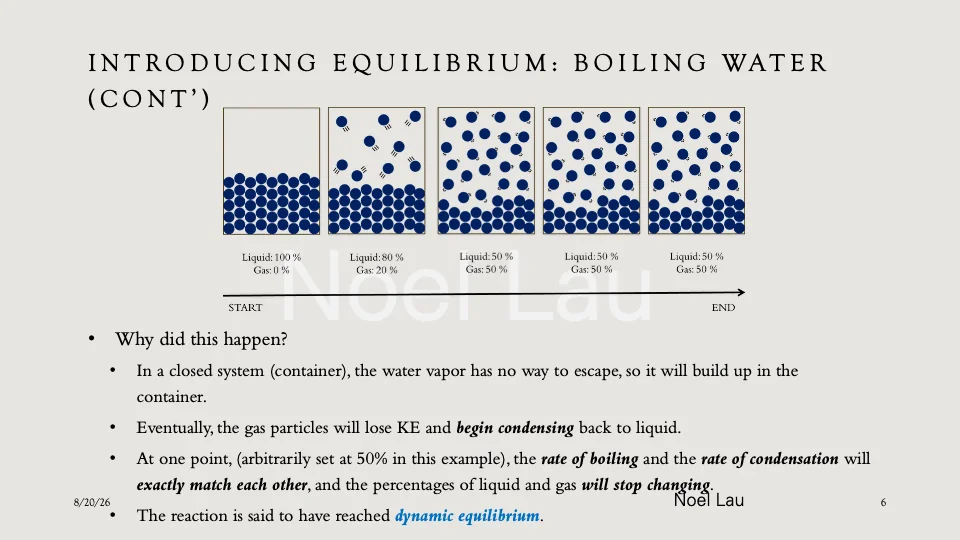
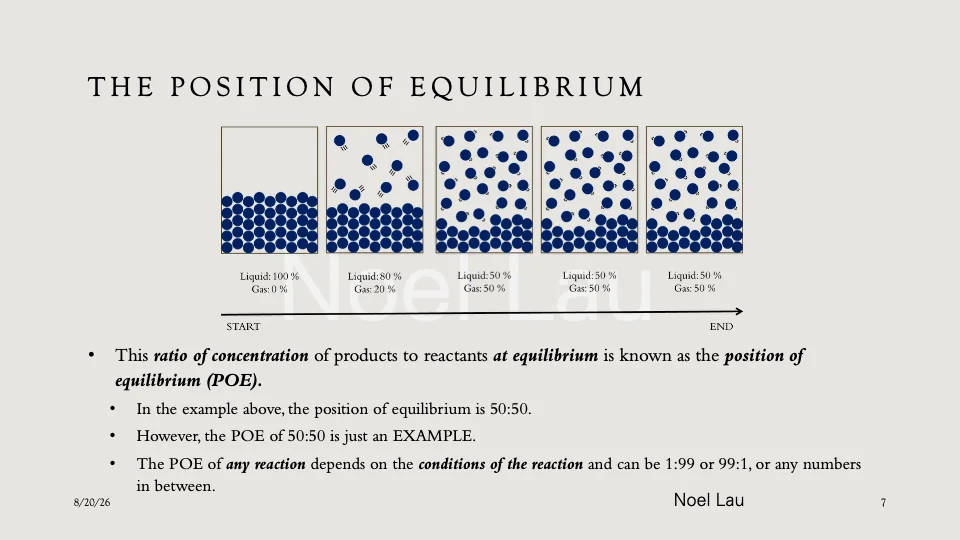
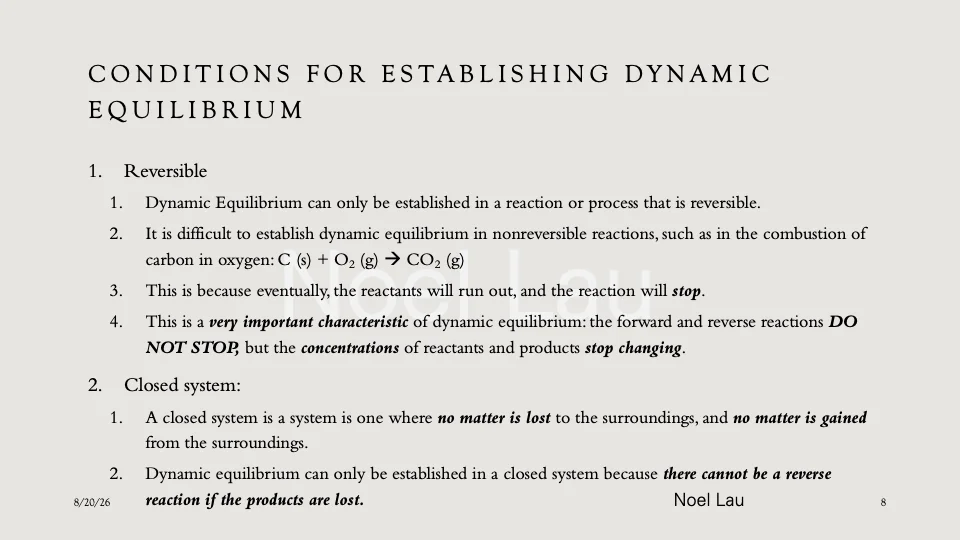
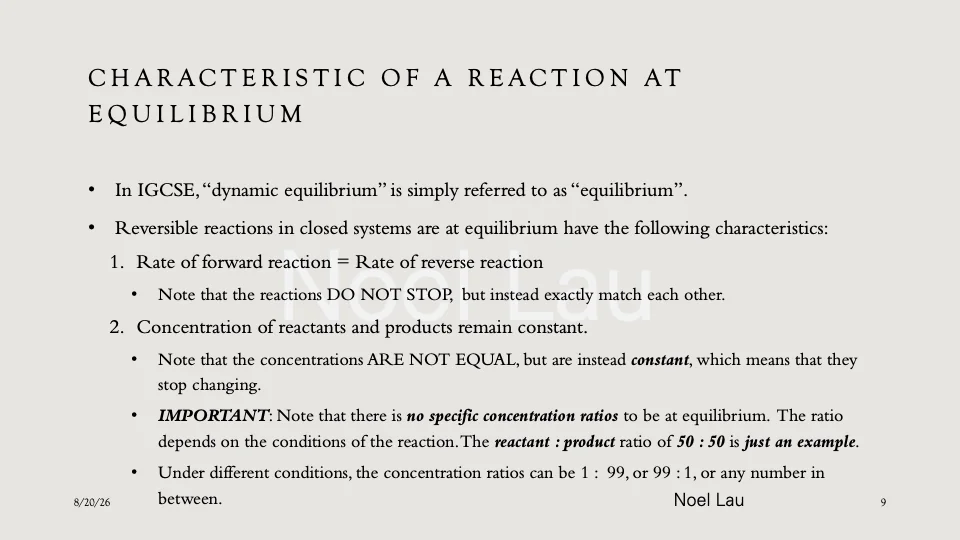
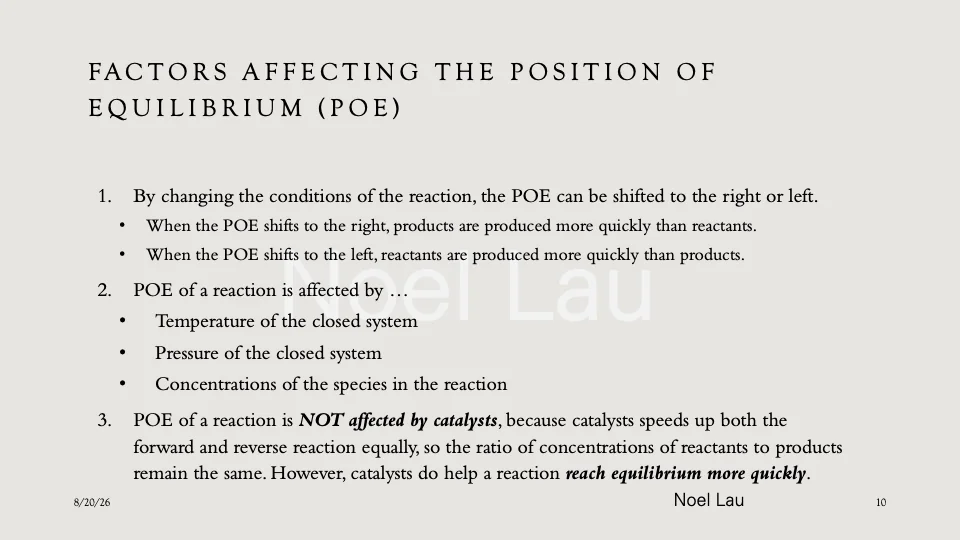
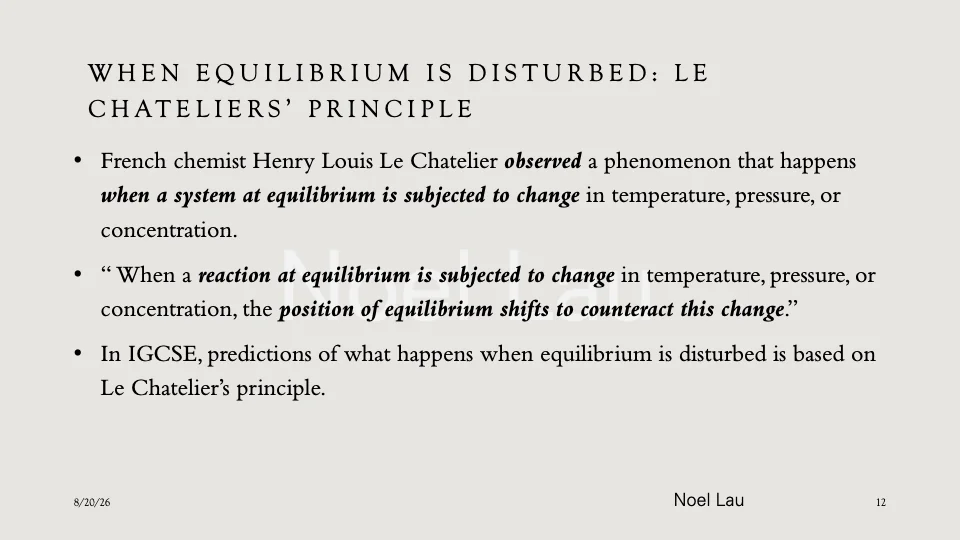
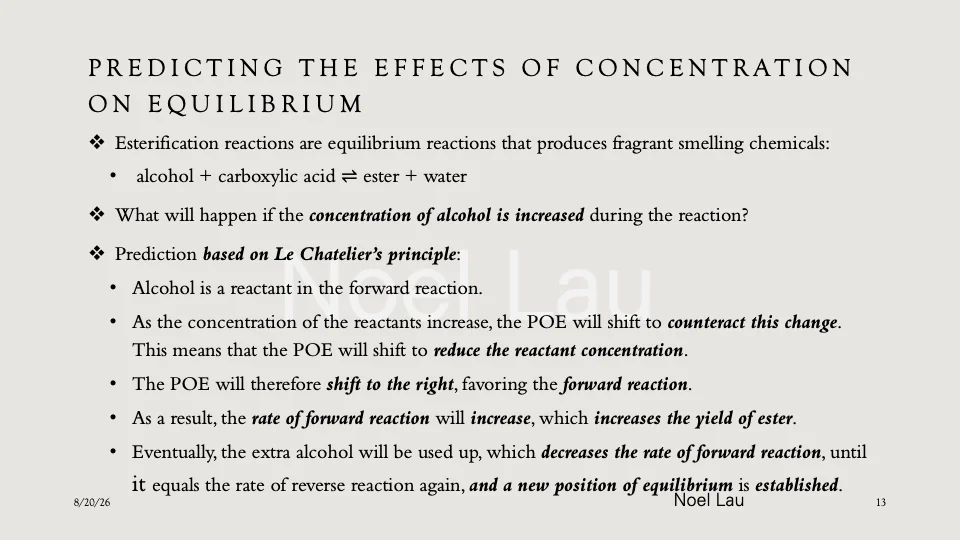
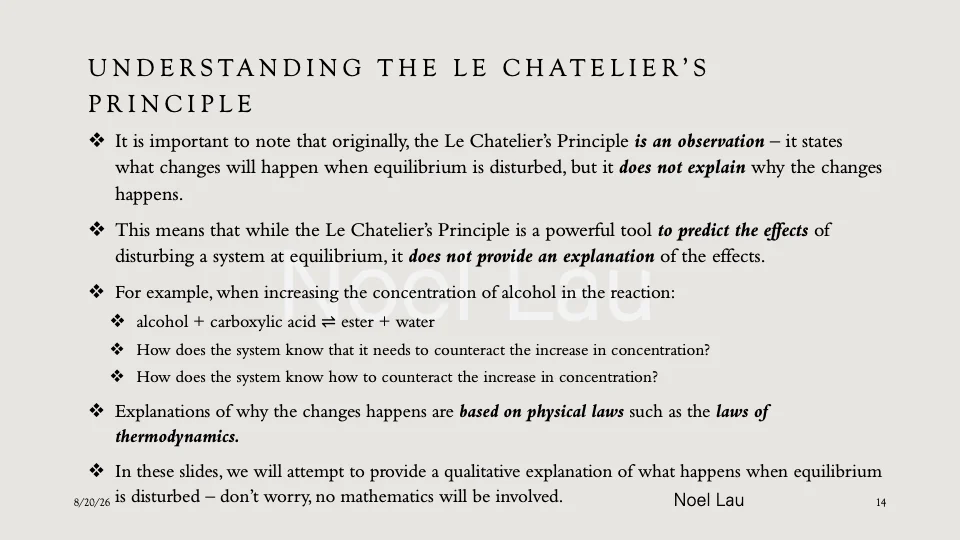
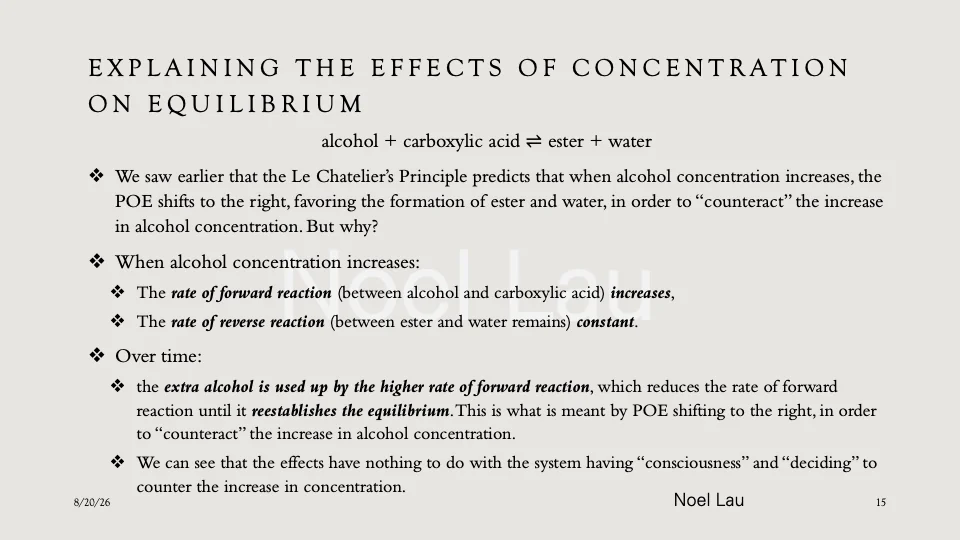
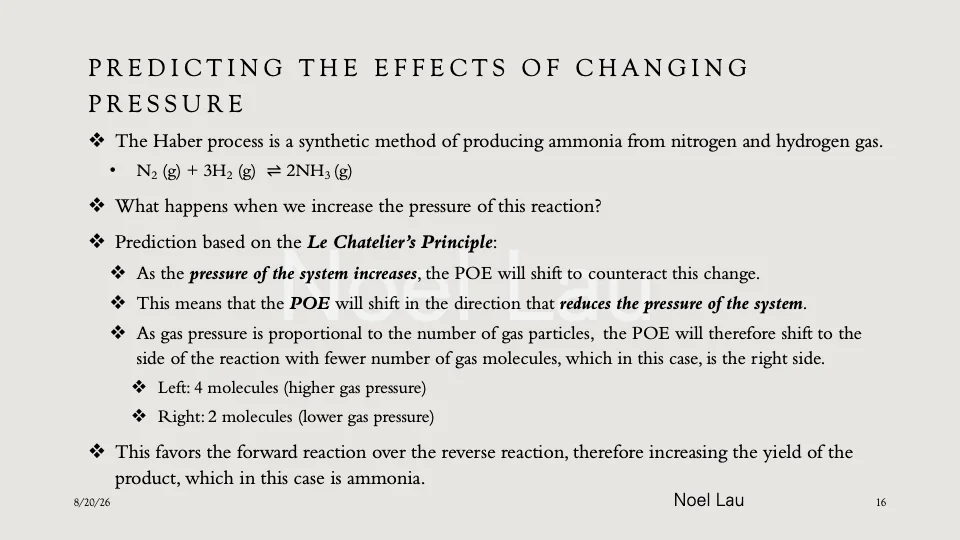
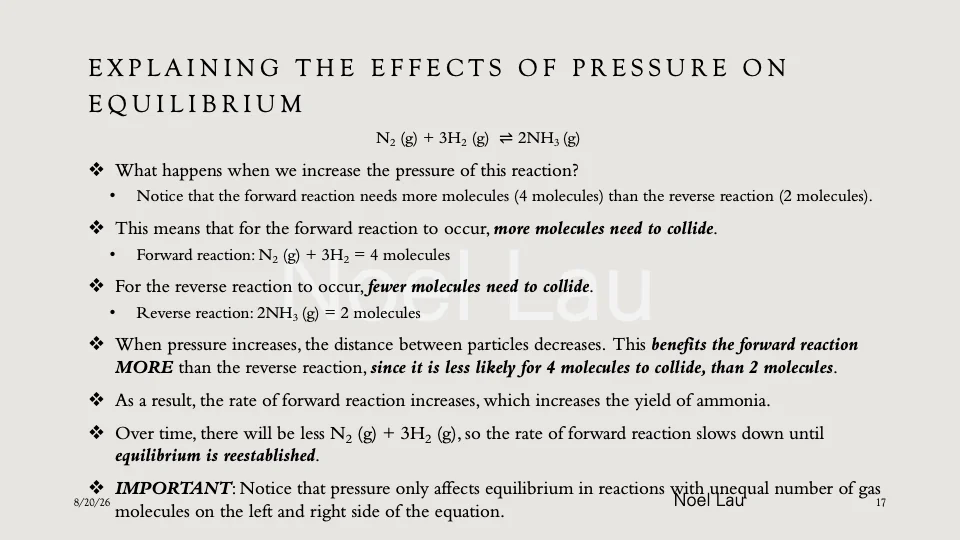
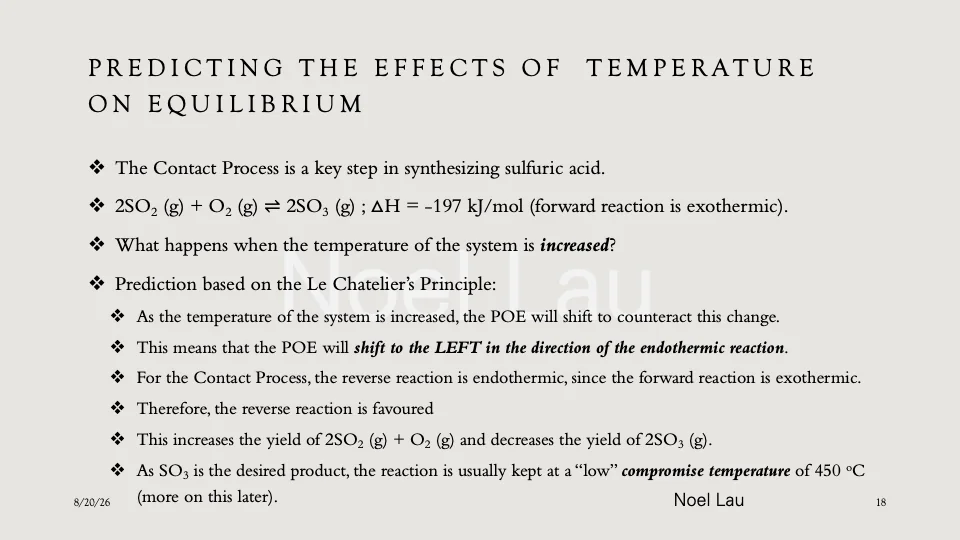
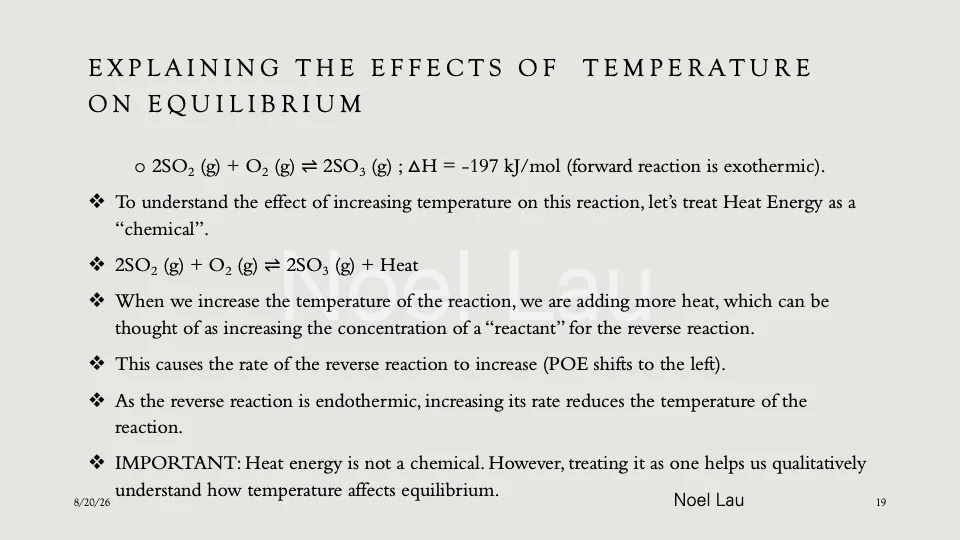
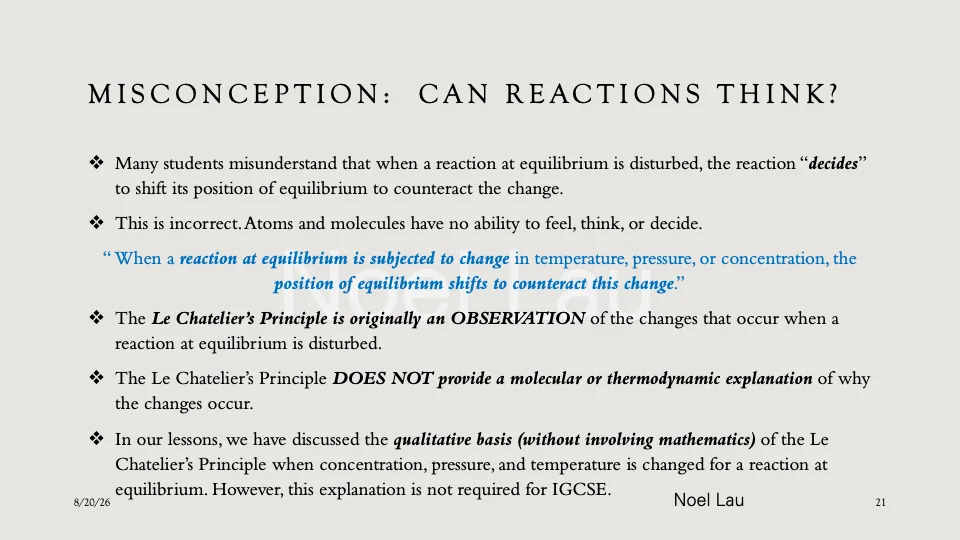
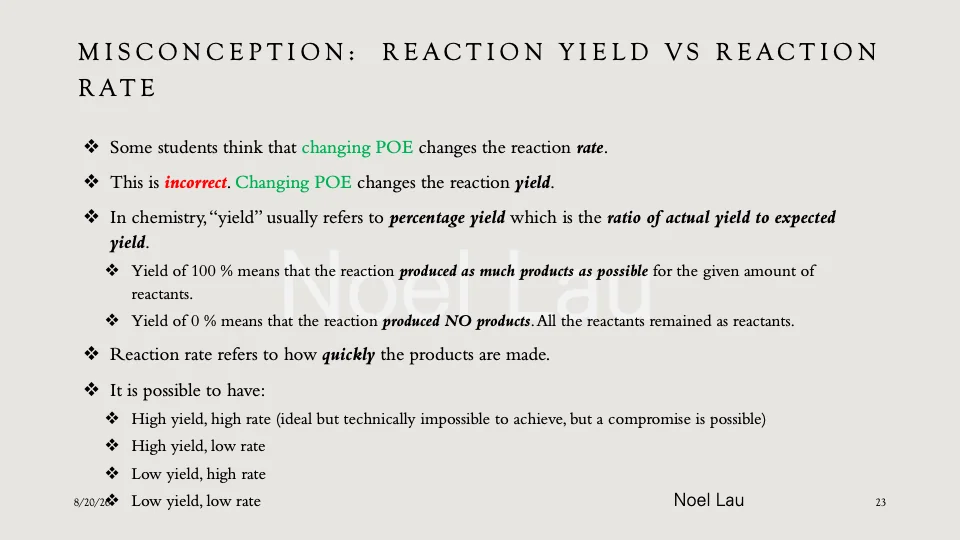
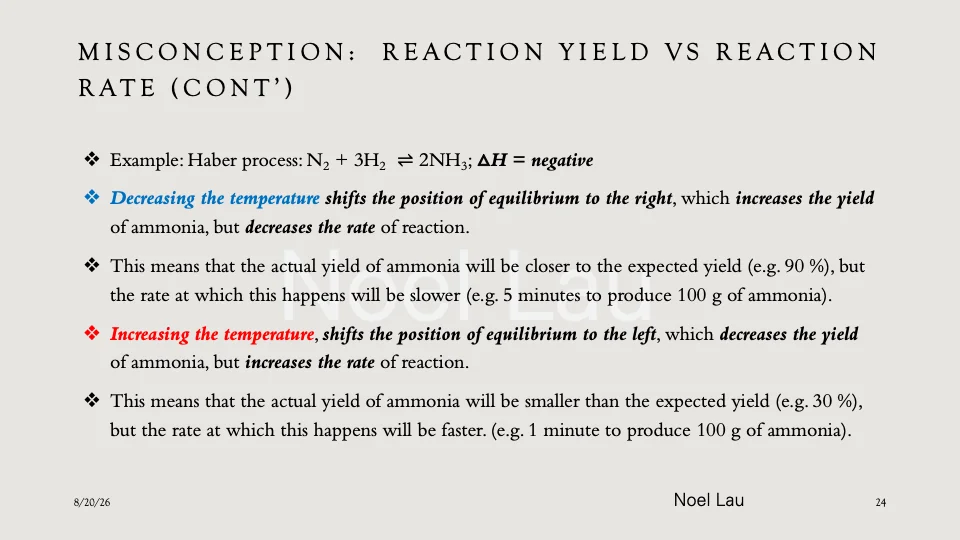
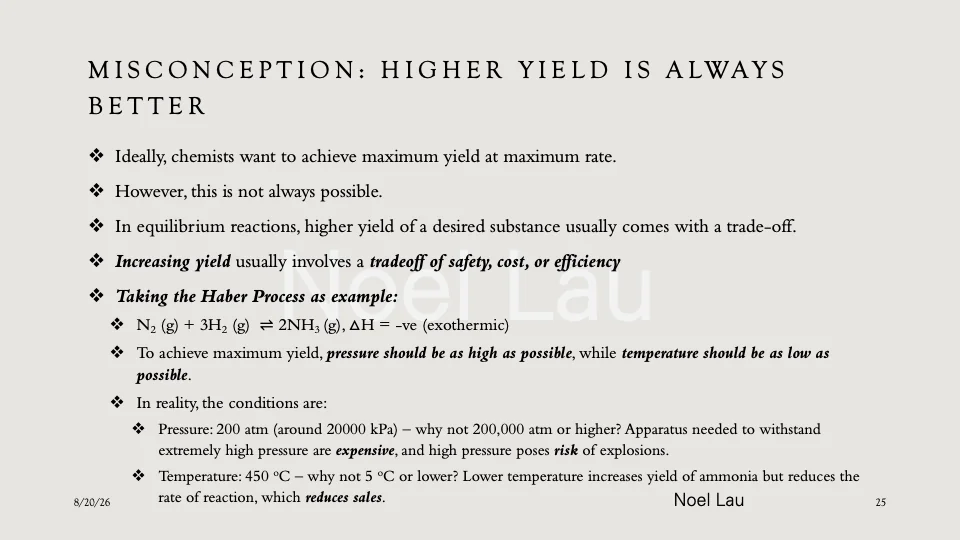
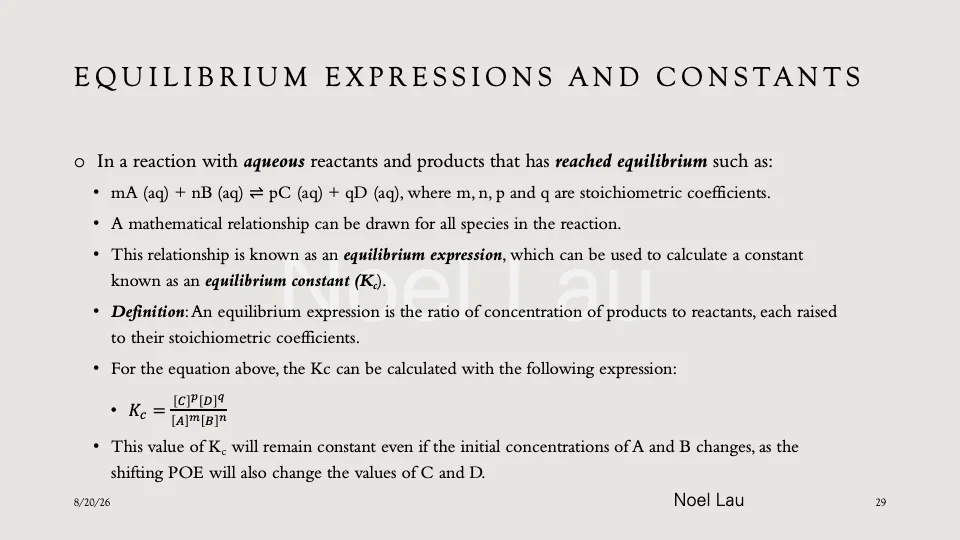
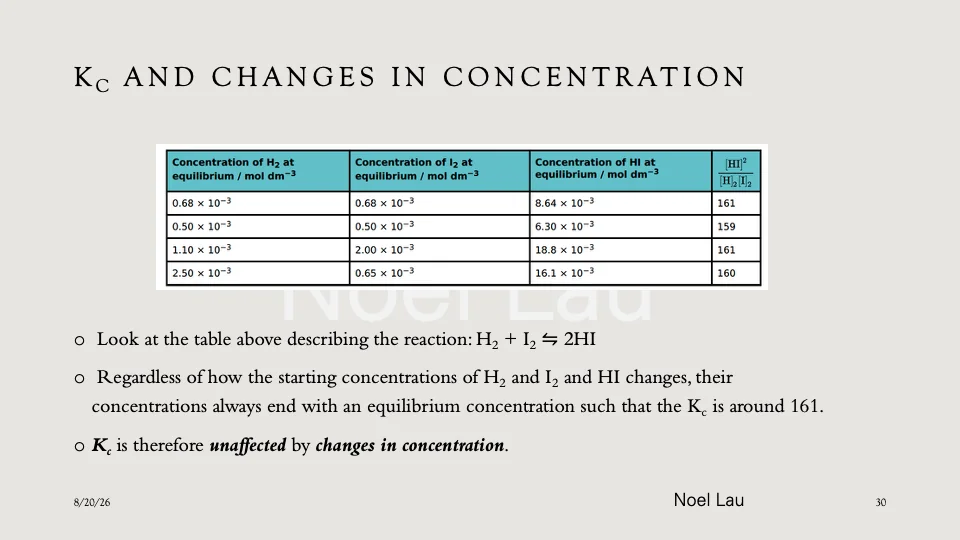
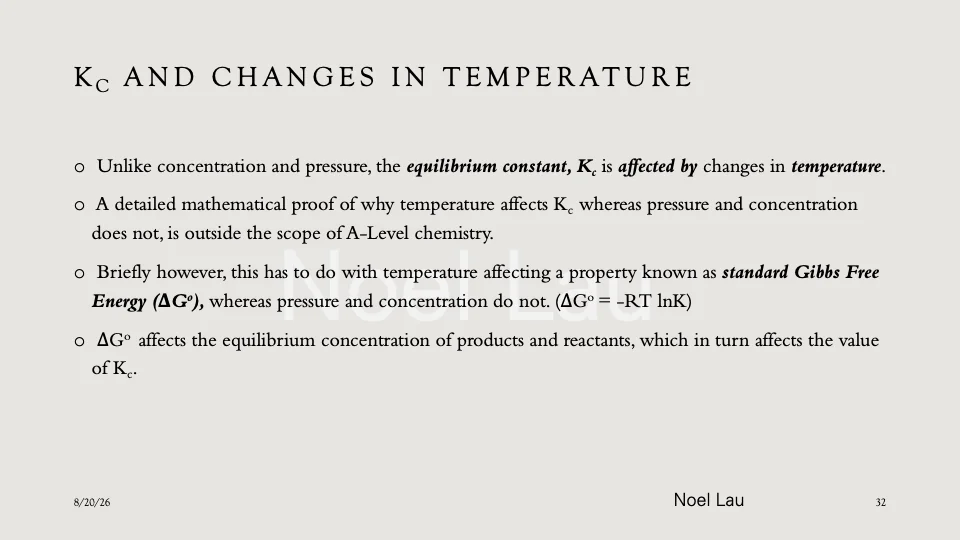
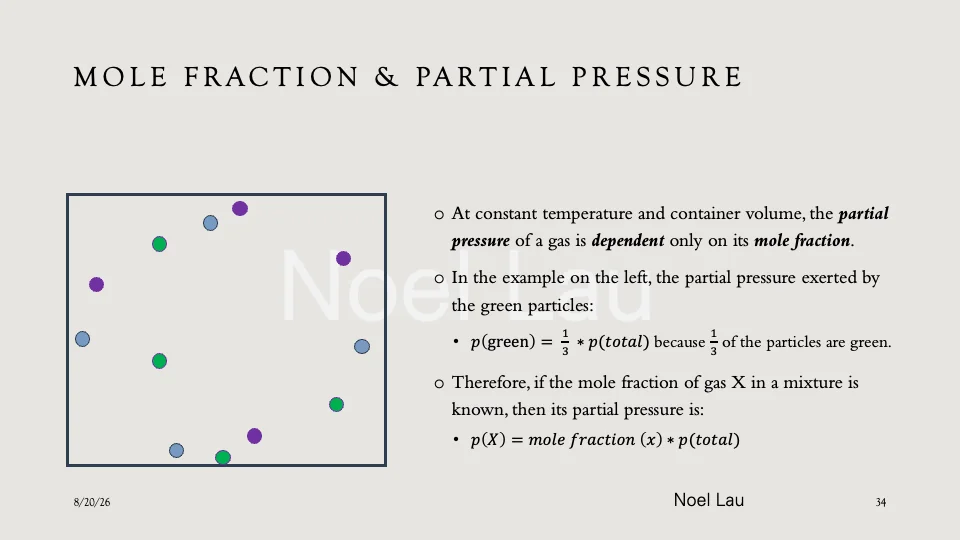
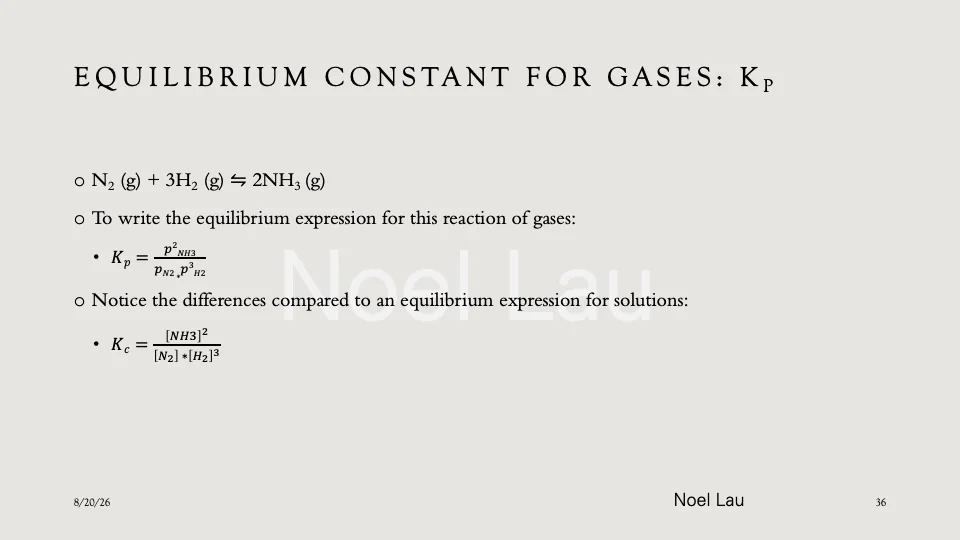
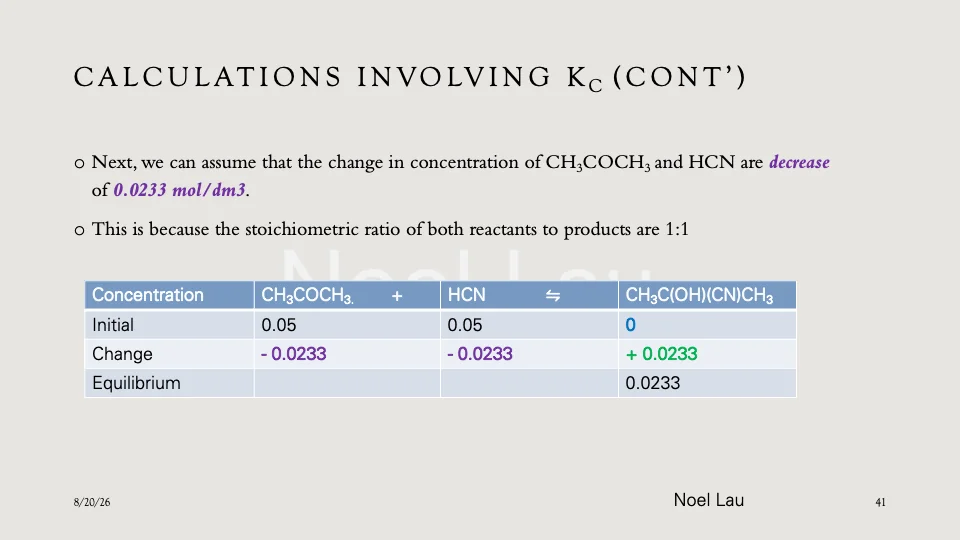
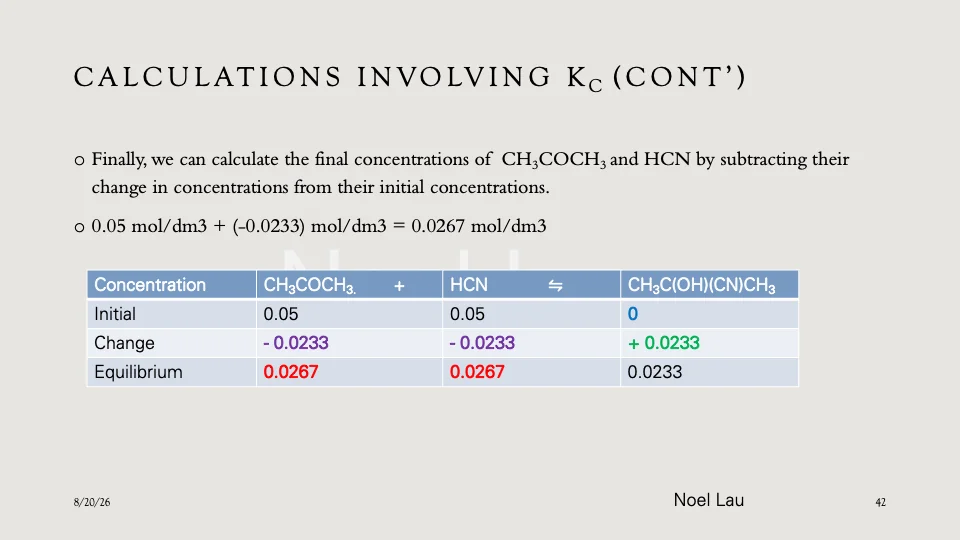
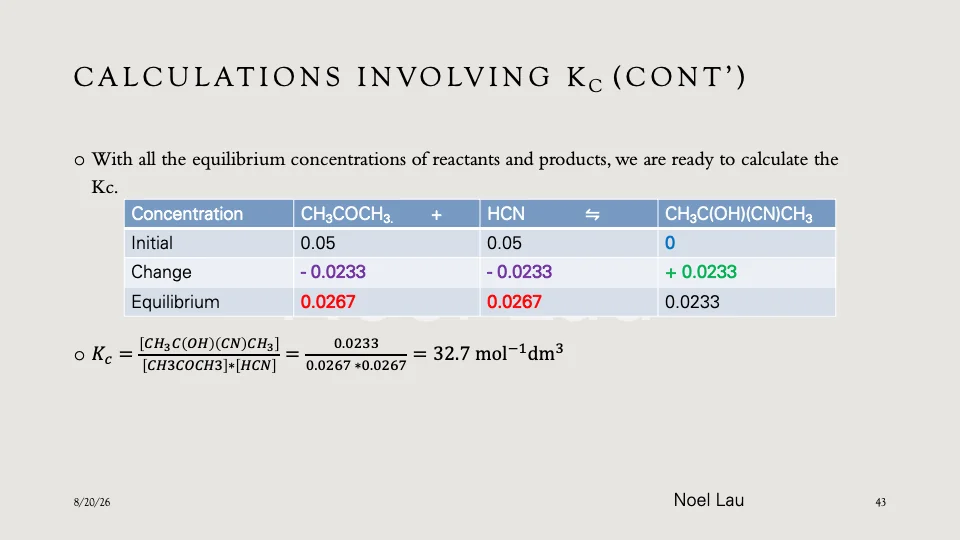
The chapter opens with the nature of reversible reactions and the conditions required to establish dynamic equilibrium in a closed system. Le Chatelier's principle is defined and applied systematically to predict the effects of changes in temperature, concentration, pressure and the presence of a catalyst on the position of equilibrium and on the value of the equilibrium constant. Equilibrium expressions in terms of concentration (Kc) and partial pressure (Kp) are derived and used in calculations, and the quantities present at equilibrium are determined from experimental data. The conditions used in the Haber and Contact processes are examined as industrial illustrations of these principles.
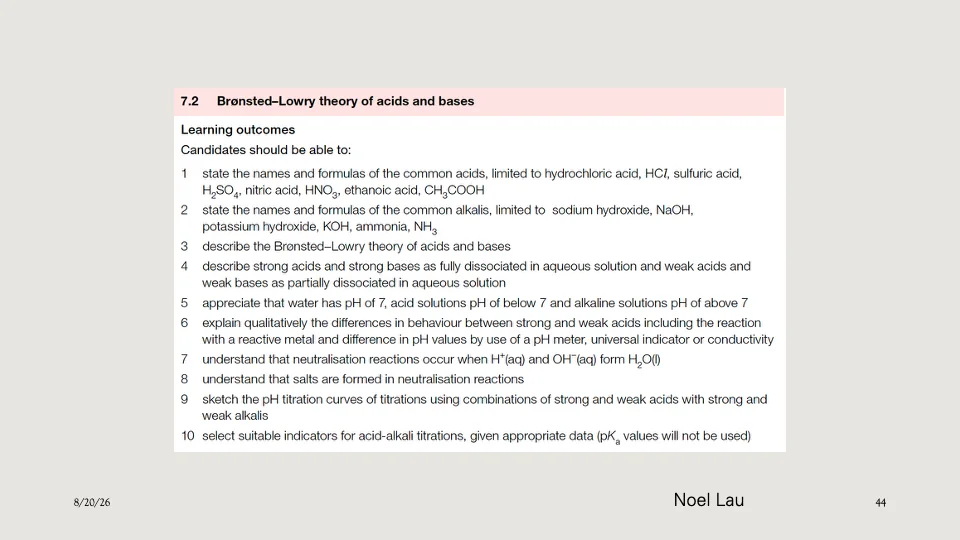
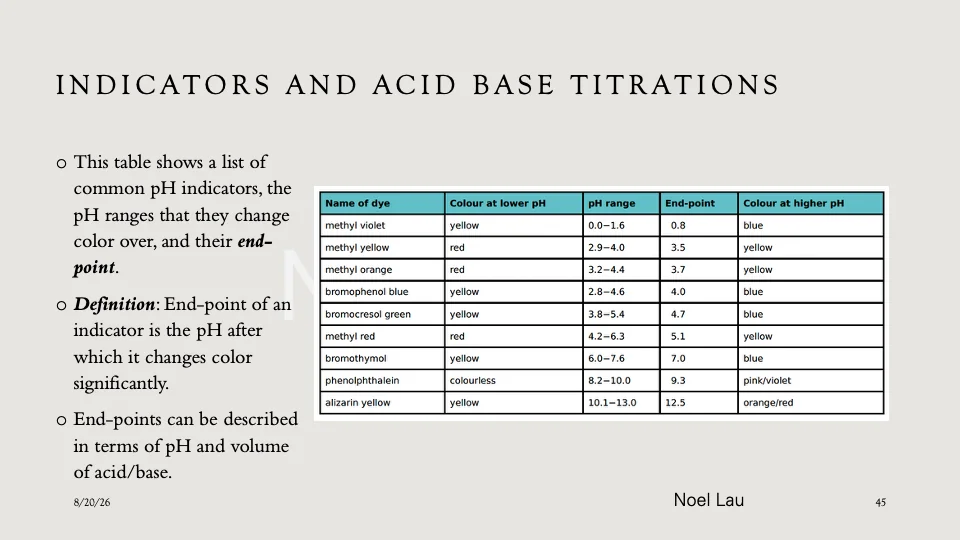
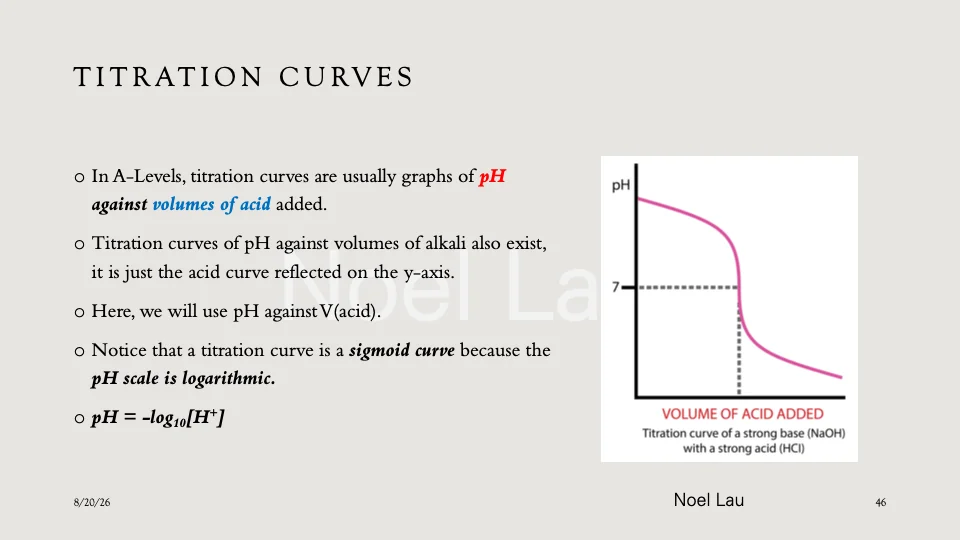
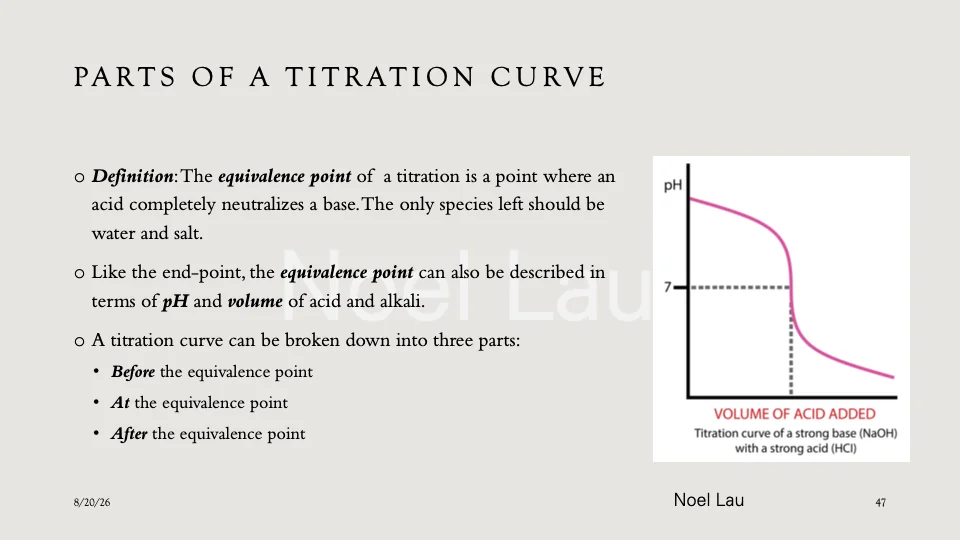
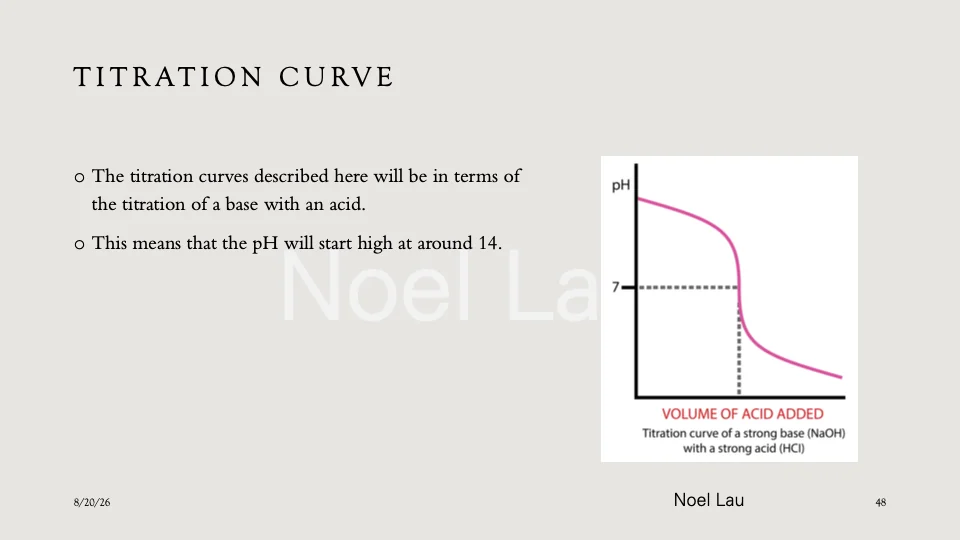
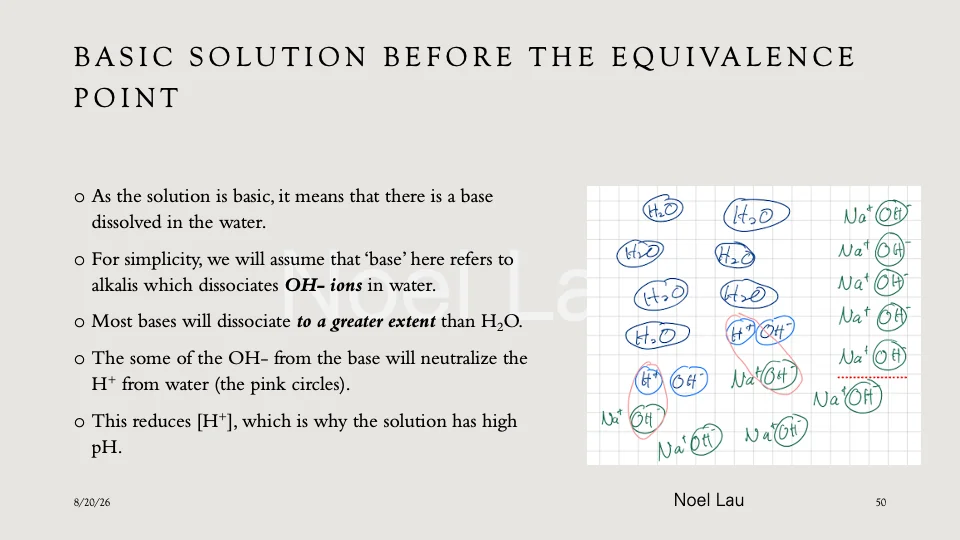
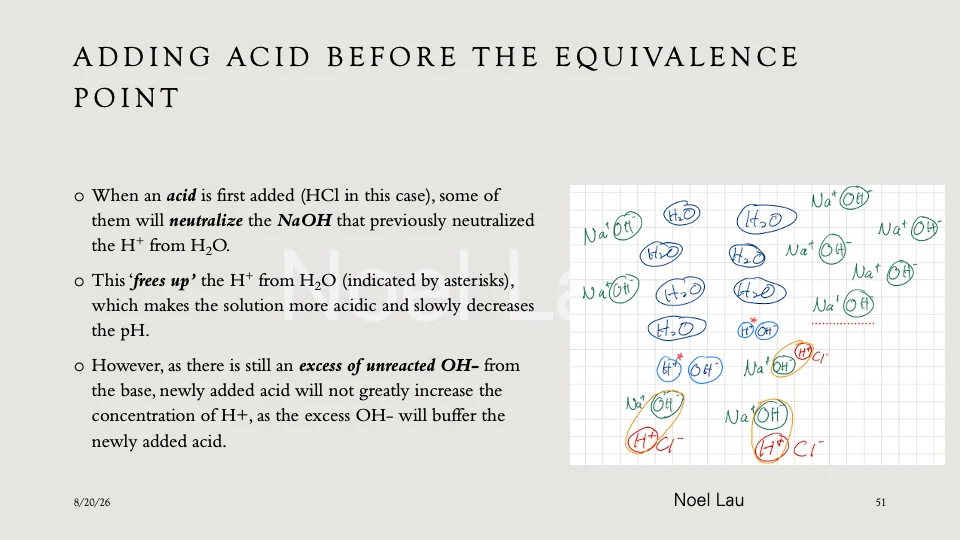
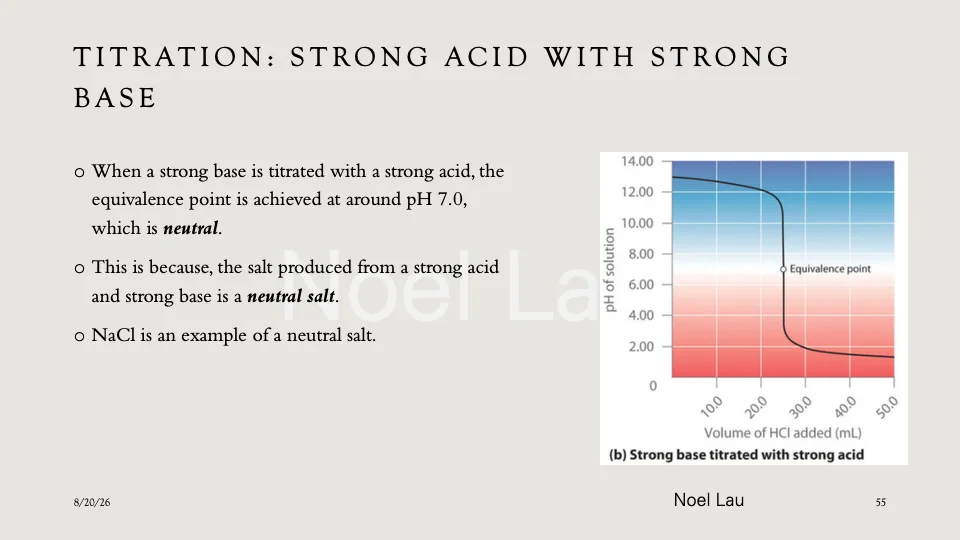
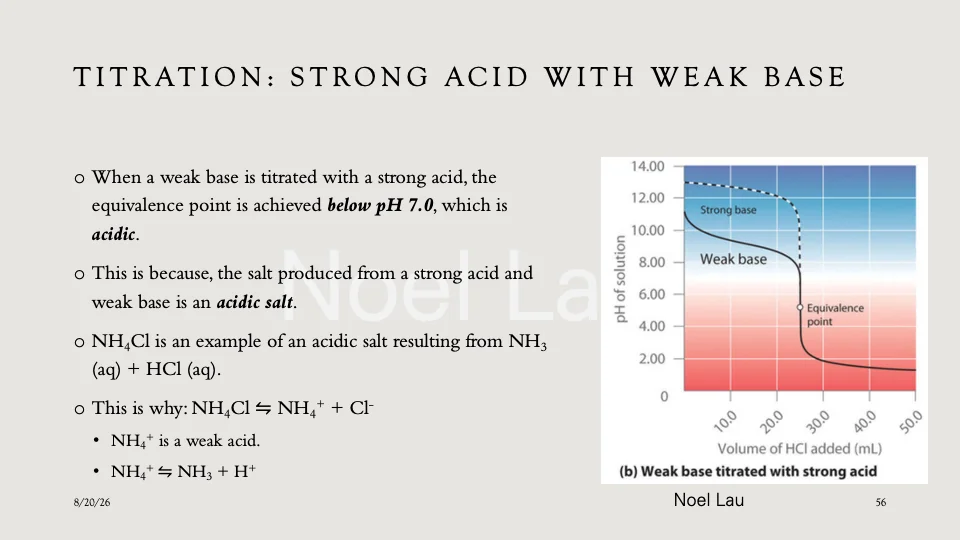
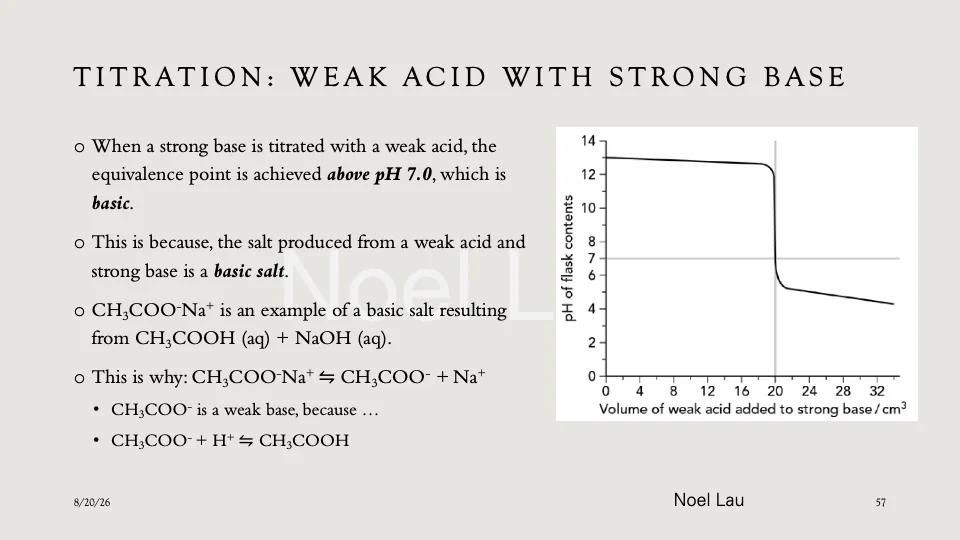
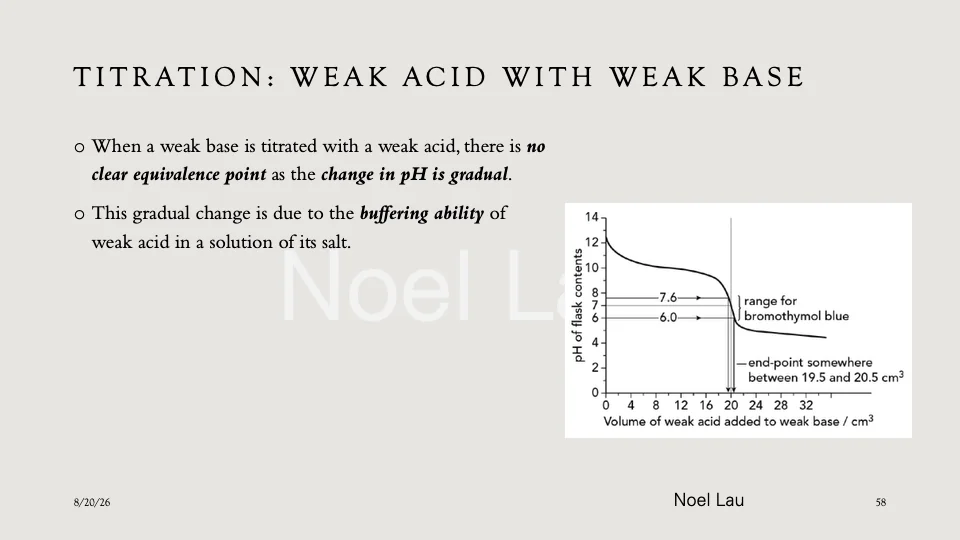
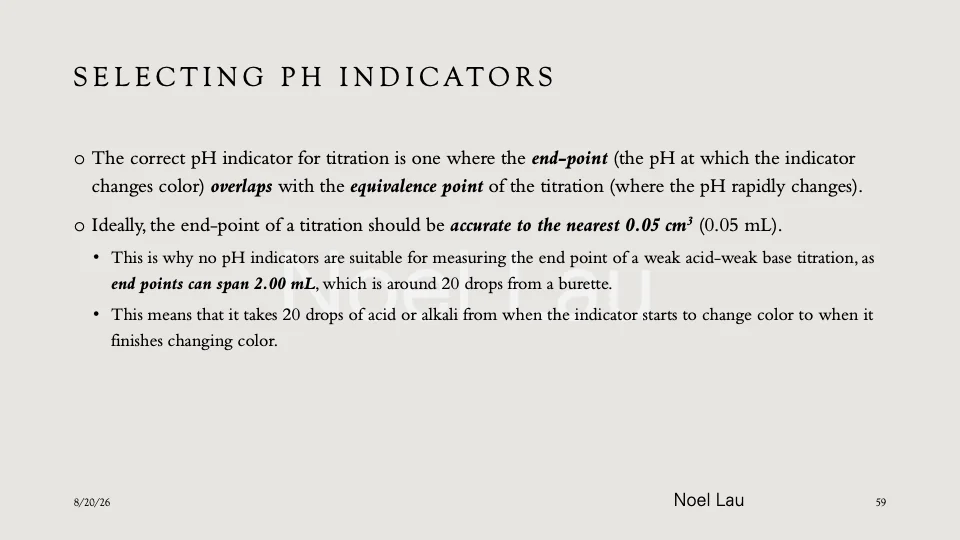
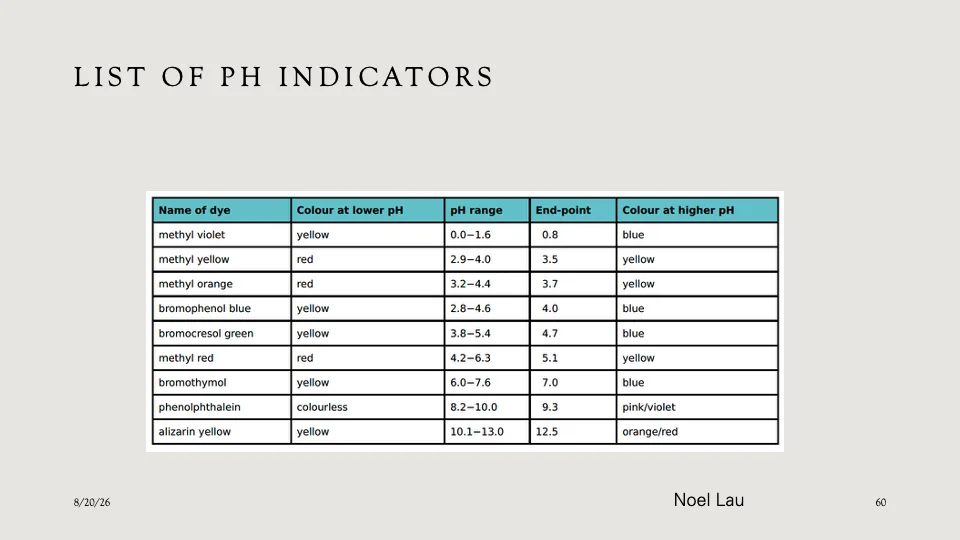
The chapter concludes with an introduction to Bronsted-Lowry acid-base theory. Strong and weak acids and bases are distinguished in terms of their degree of dissociation, and the qualitative differences in their behaviour are examined. pH titration curves for combinations of strong and weak acids and alkalis are sketched and interpreted, and the selection of appropriate indicators from given data is addressed.