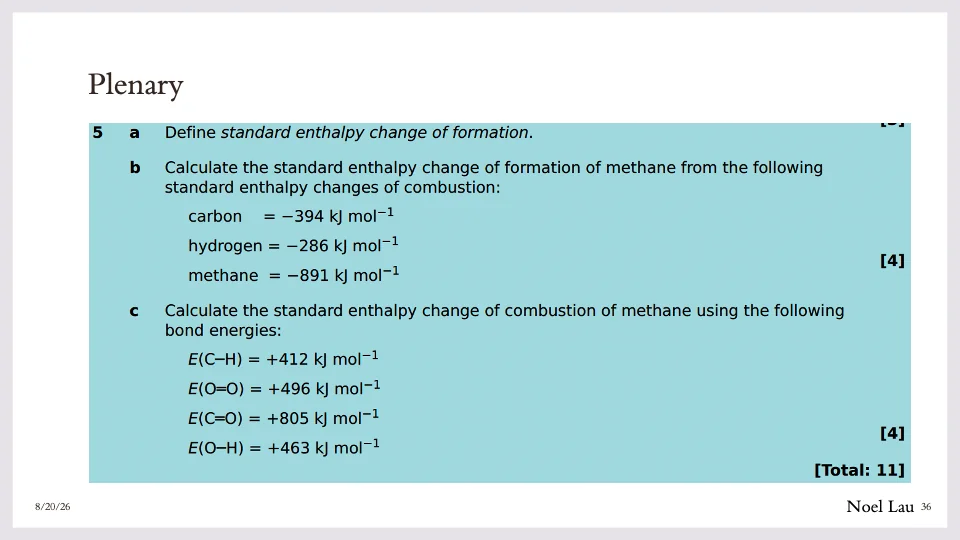
Chapter 5 introduces the thermodynamic principles that govern energy transfer in chemical reactions. The chapter establishes the language and methodology of enthalpimetry, and develops the quantitative tools required to determine enthalpy changes both from experimental measurements and from theoretical energy cycles.
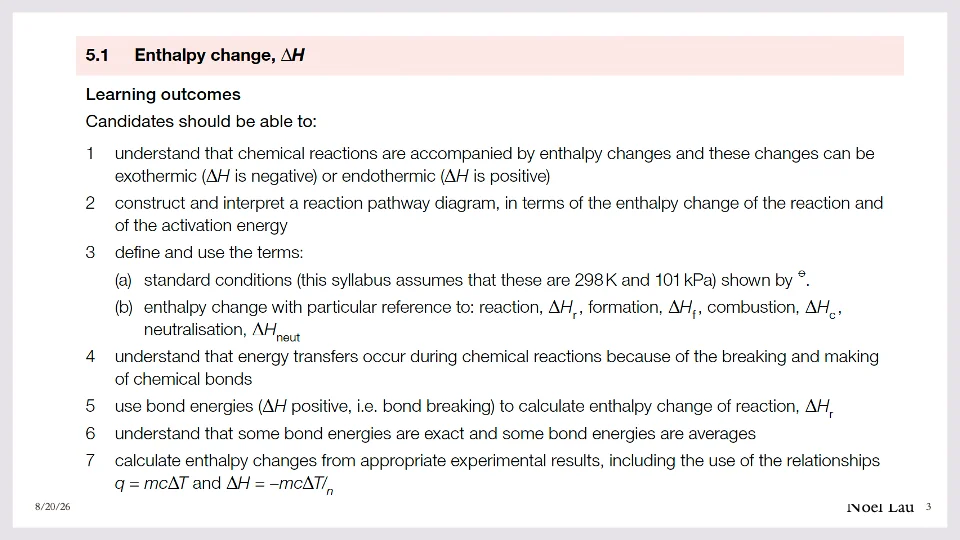
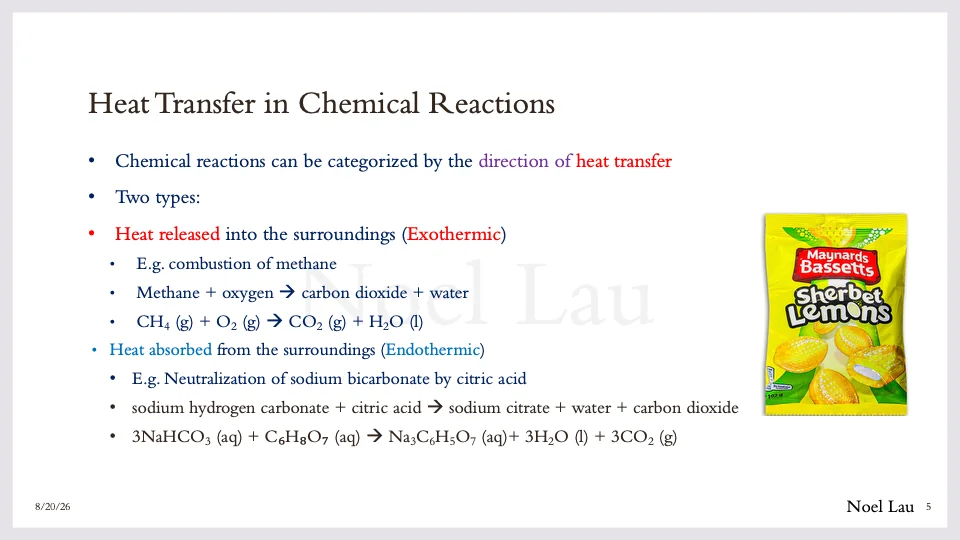
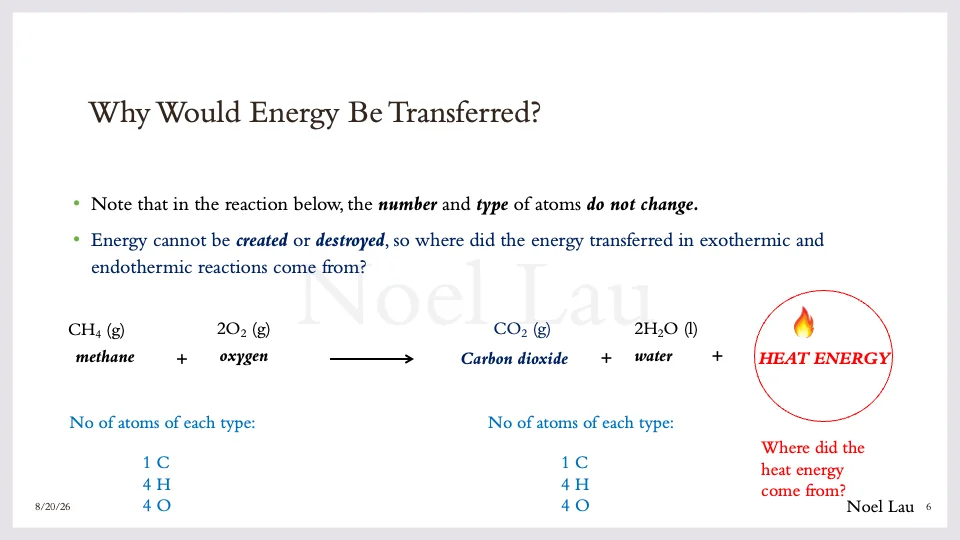
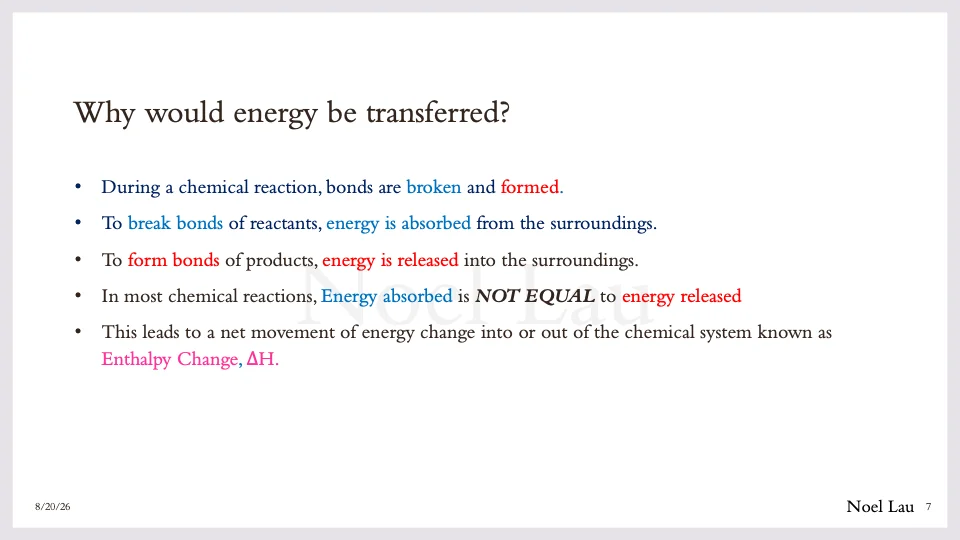
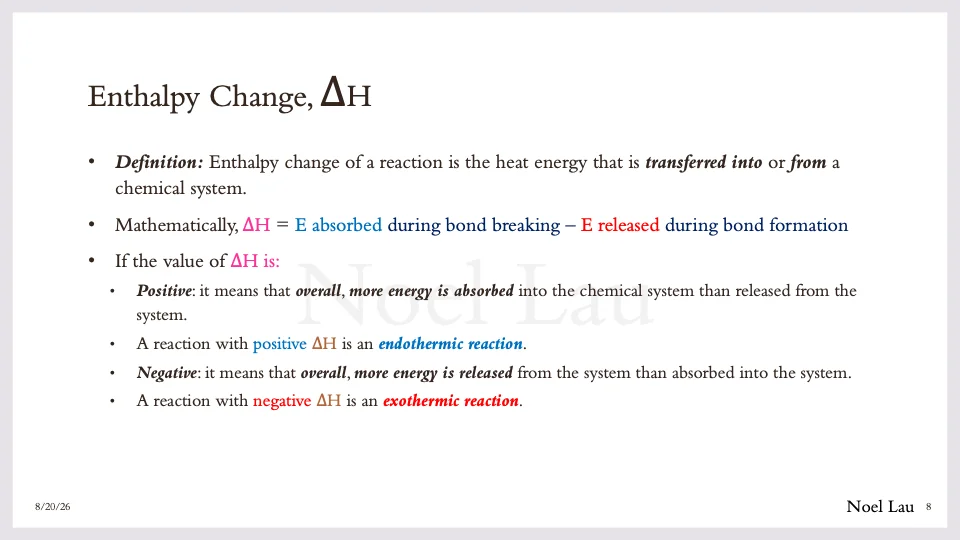
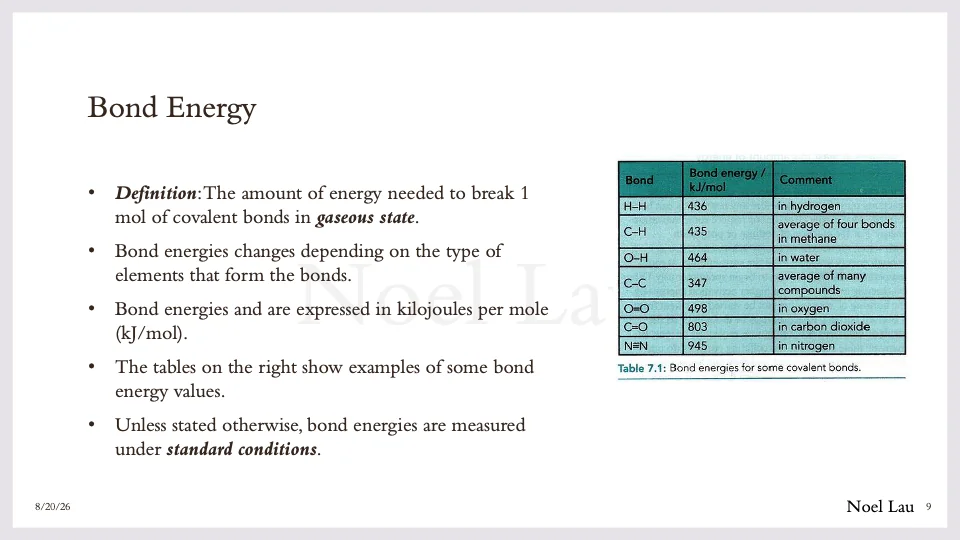
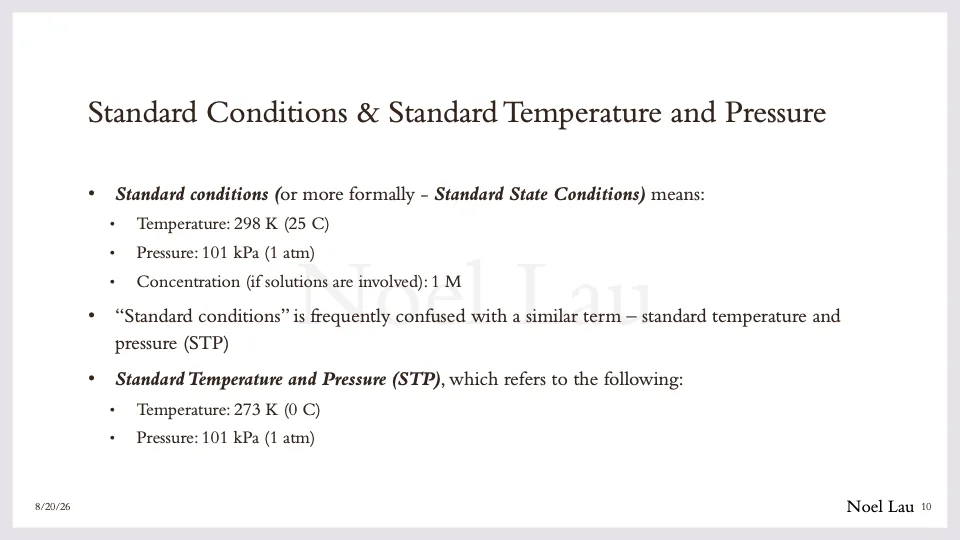
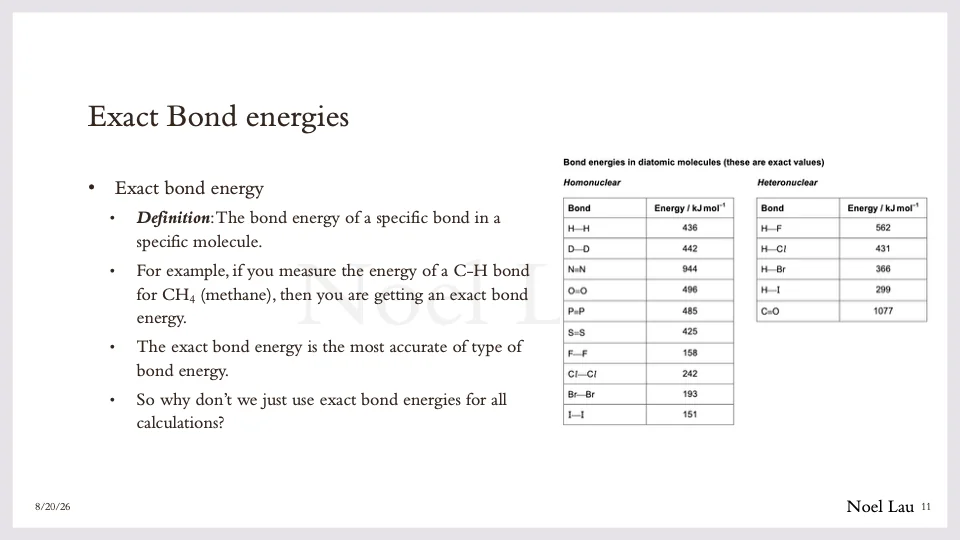
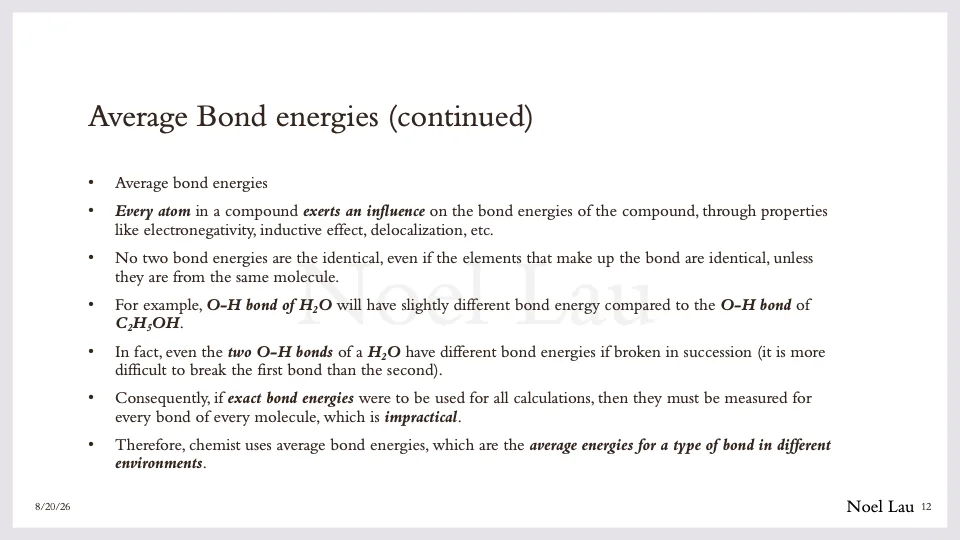
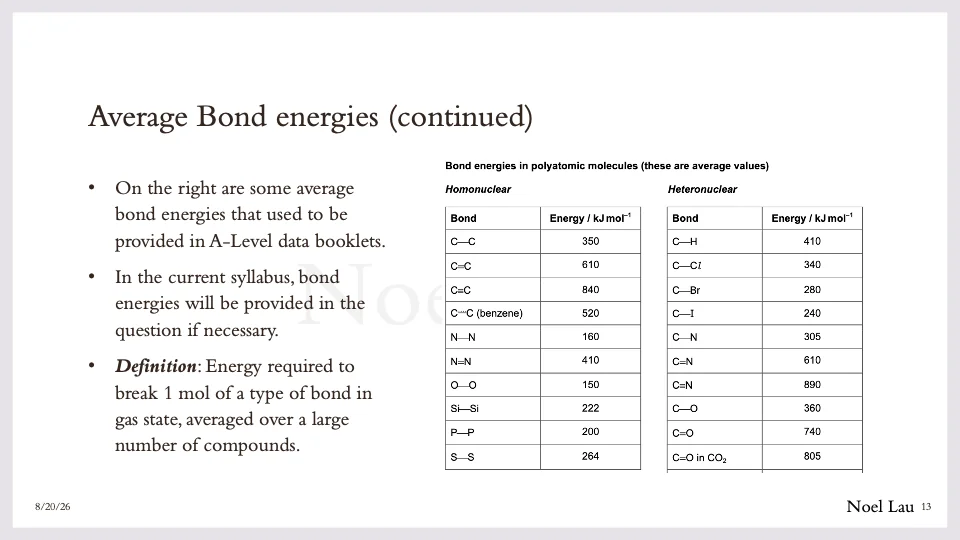
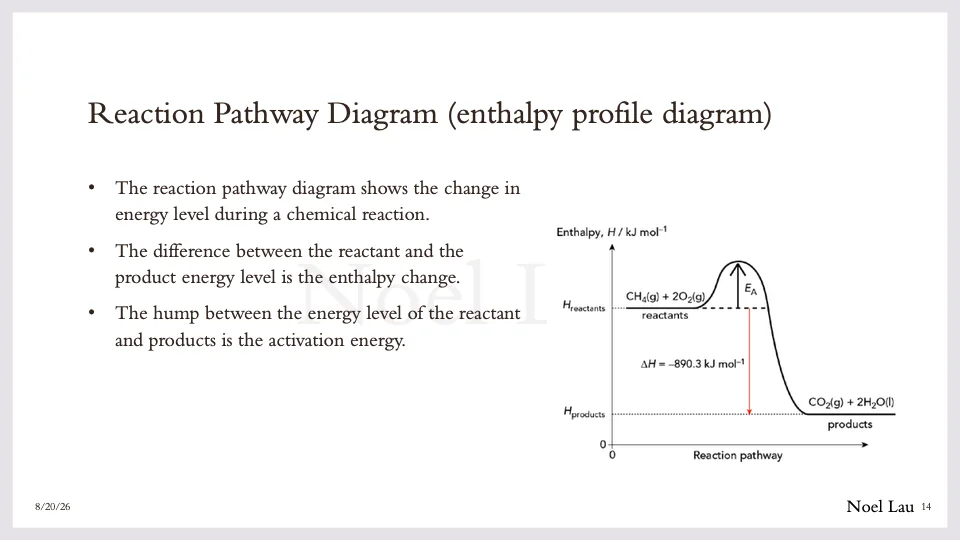
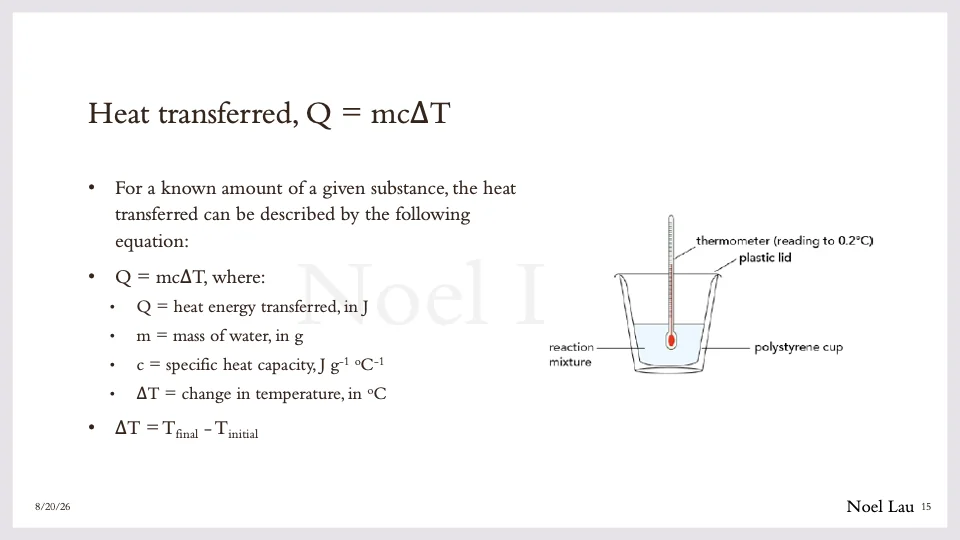
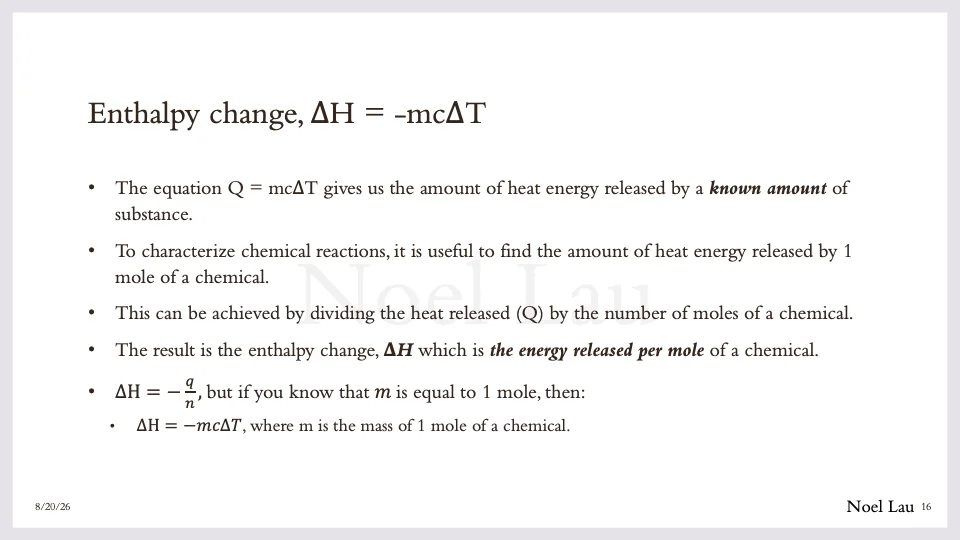
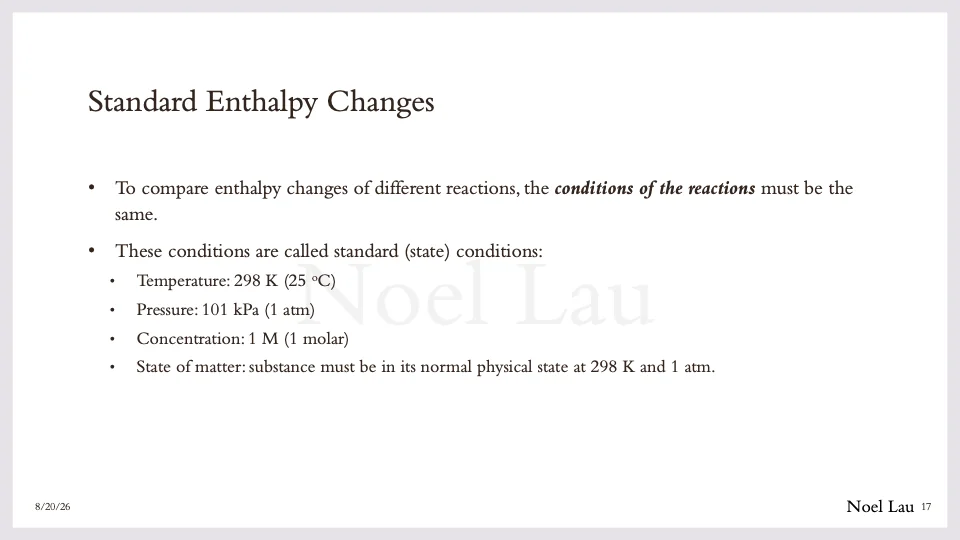
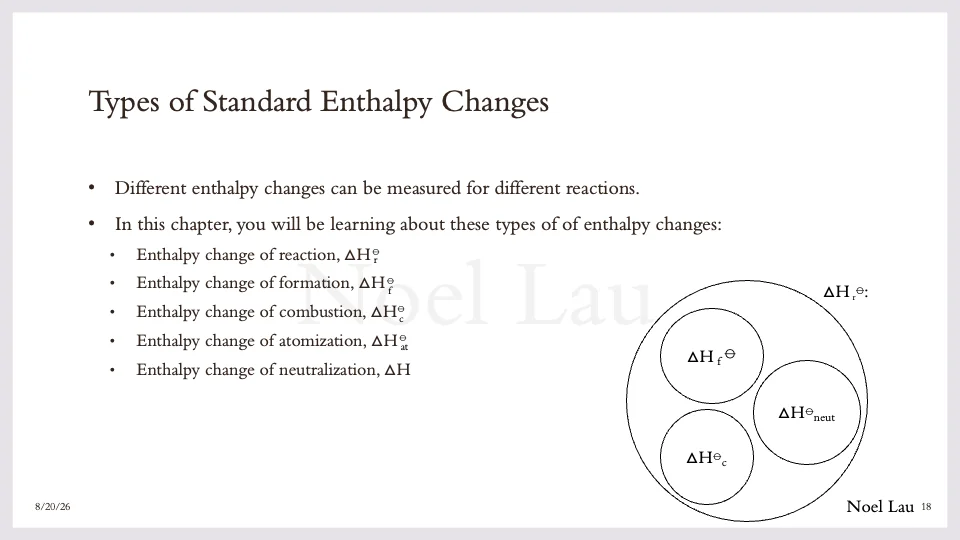
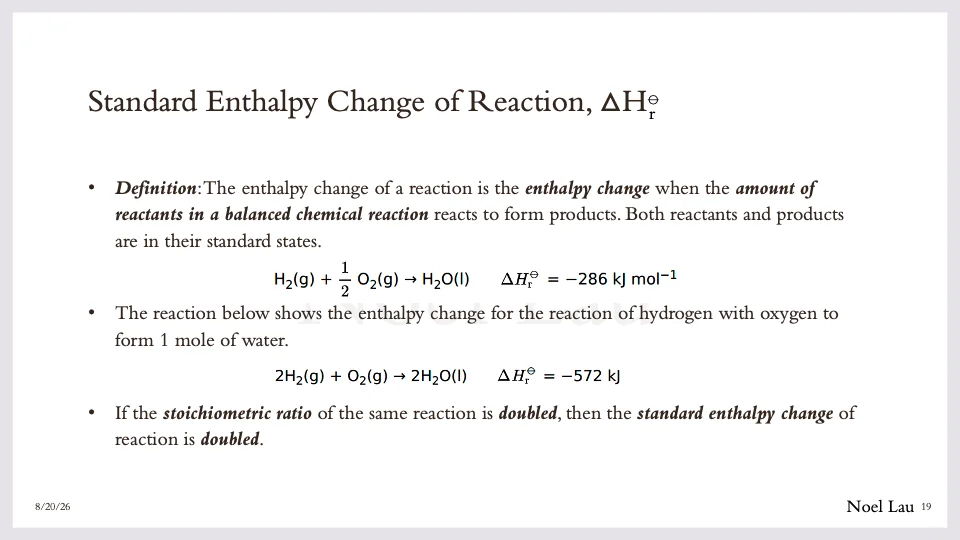
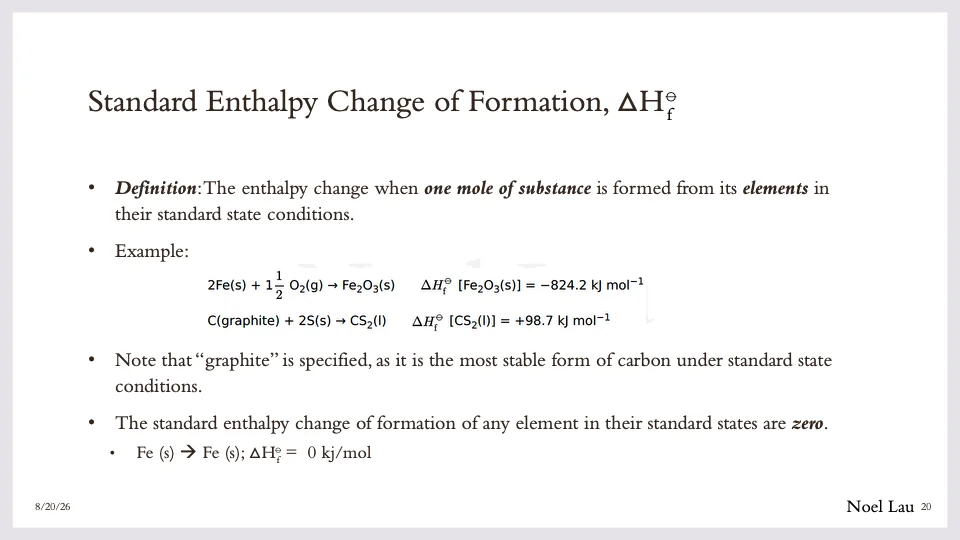
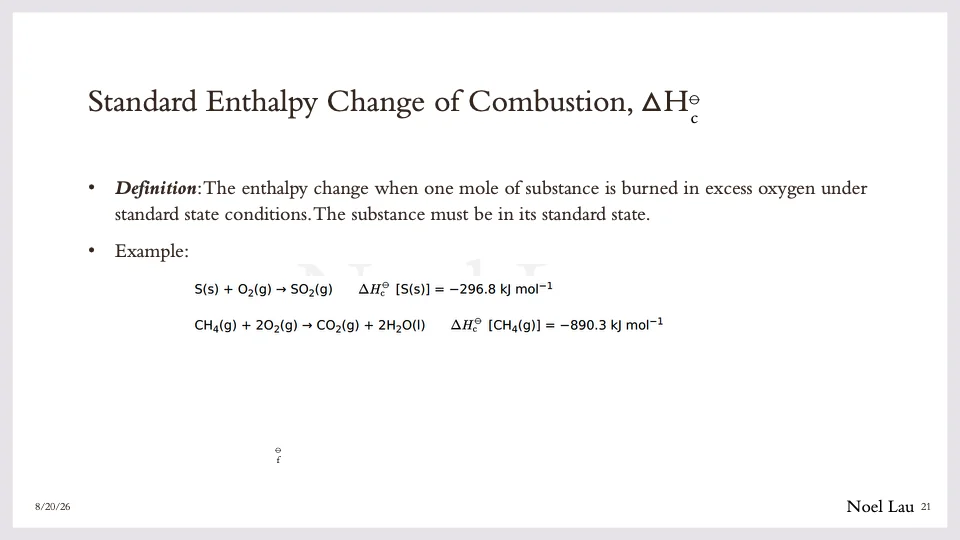
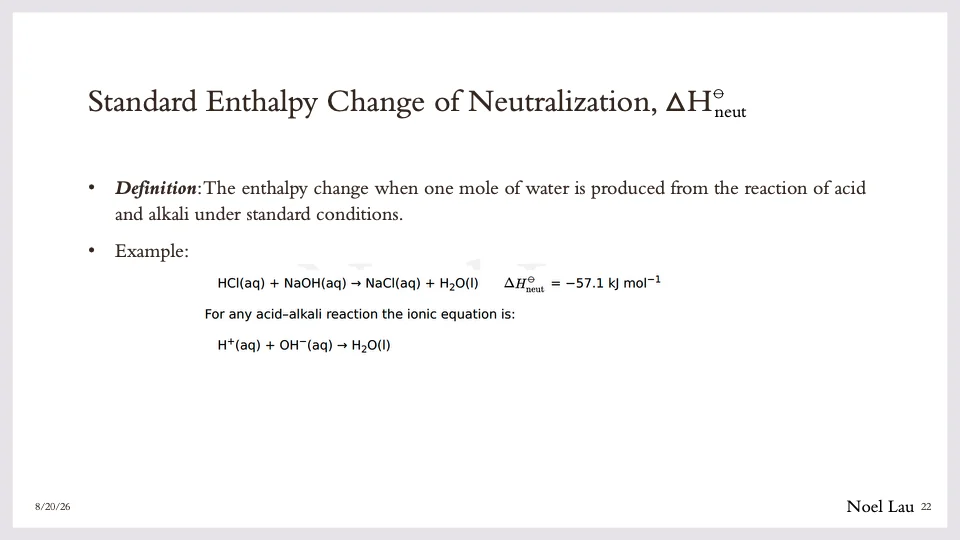
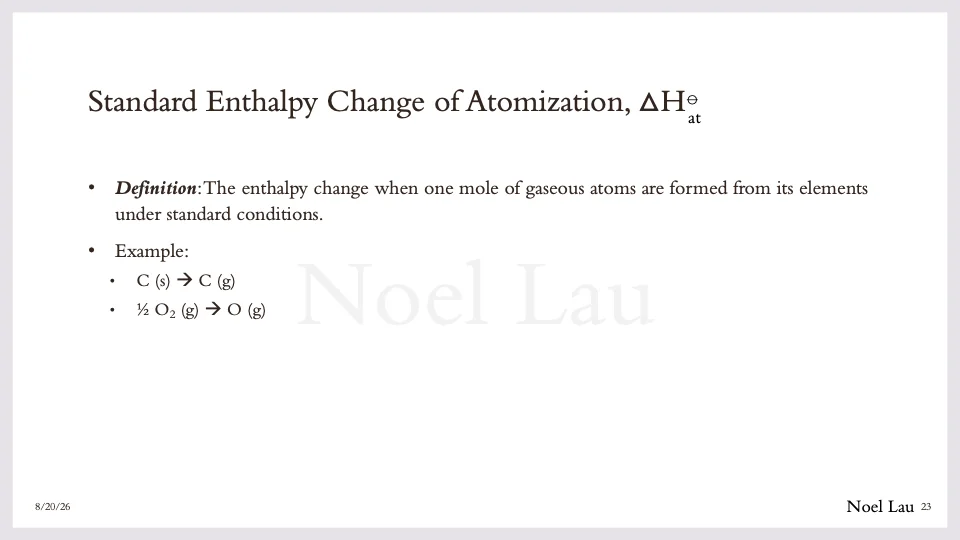
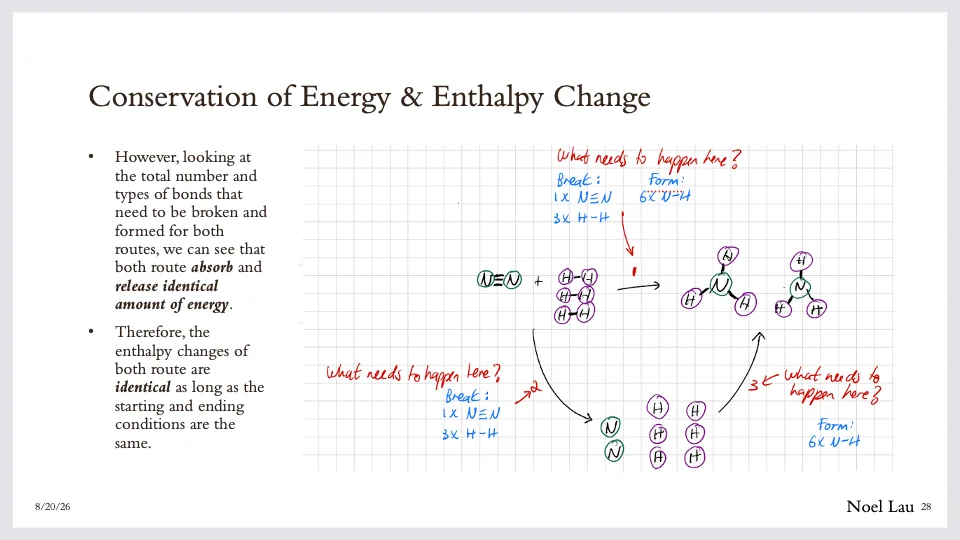
The chapter begins by defining enthalpy change and distinguishing between exothermic and endothermic processes. Standard conditions are defined, and the specific enthalpy changes of reaction, formation, combustion and neutralisation are introduced with precision. The origin of enthalpy changes in the breaking and forming of chemical bonds is discussed, and bond energies are used to calculate enthalpy changes for gaseous reactions, with the distinction between exact and average bond energy values noted. Experimental determination of enthalpy changes using calorimetric data is also covered, with candidates expected to apply the relationships q = mcΔT and ΔH = -mcΔT/n.
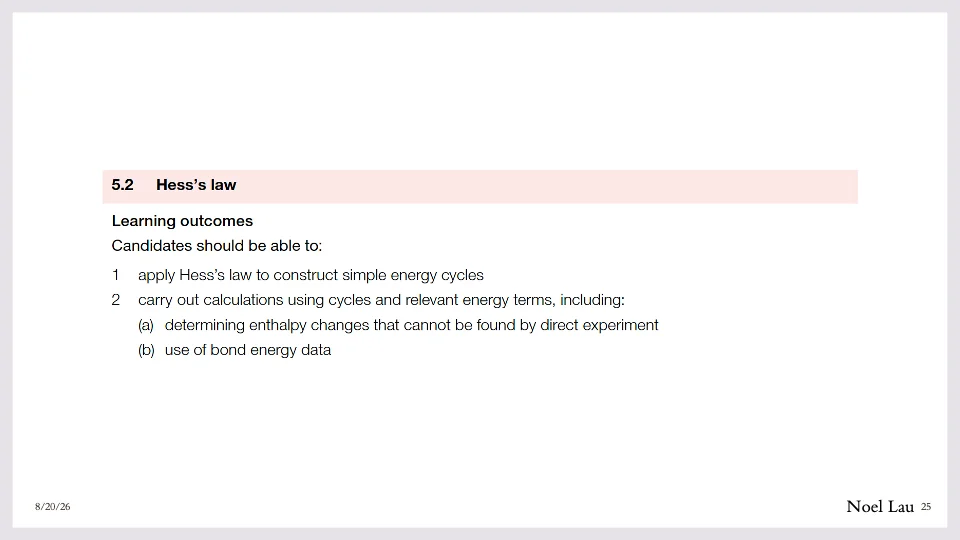
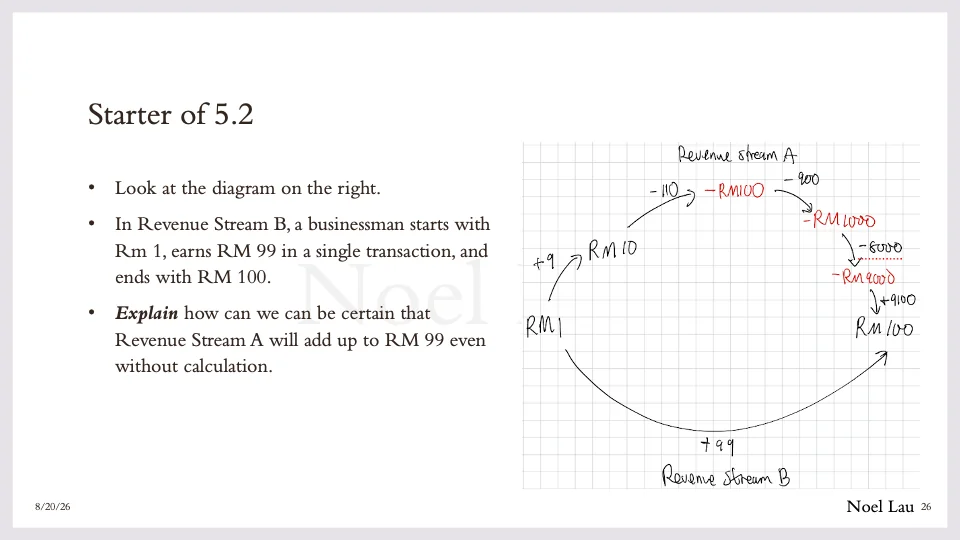
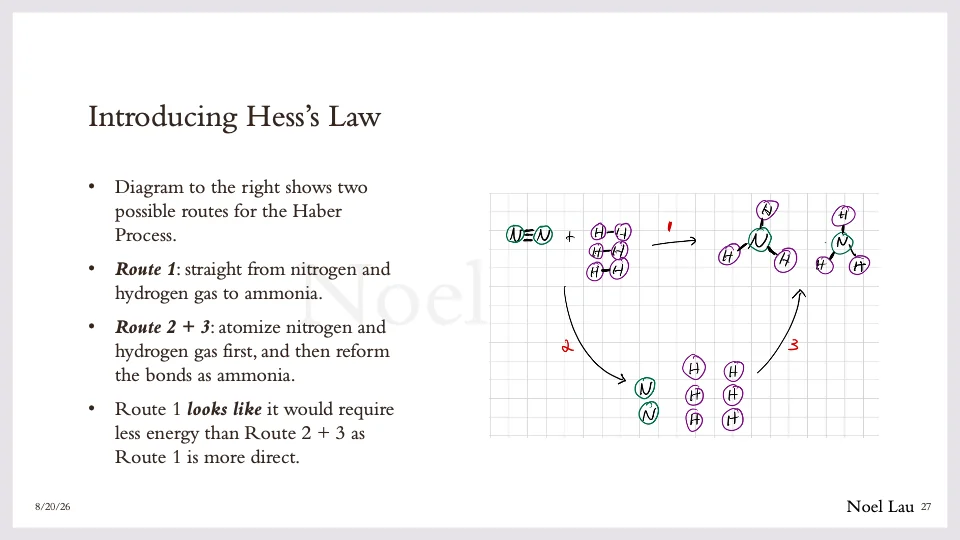
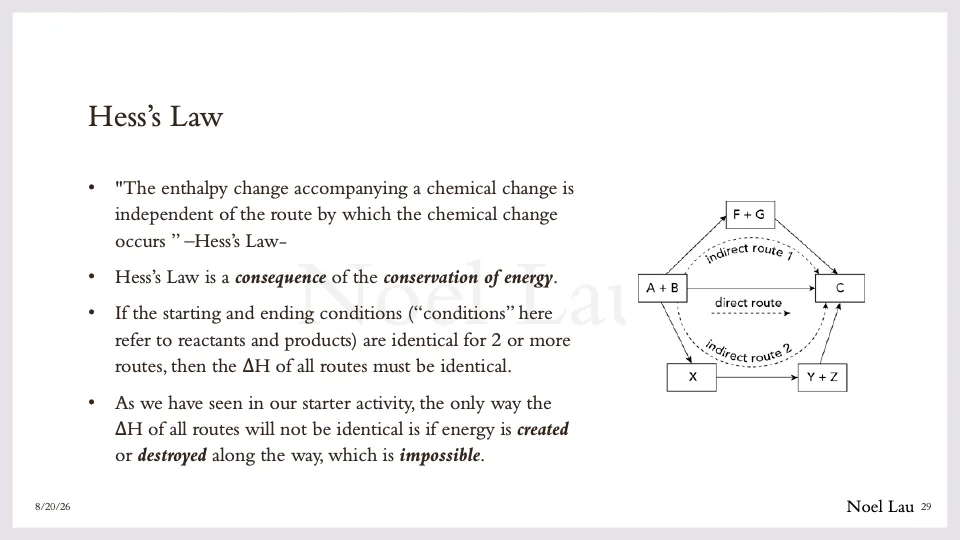
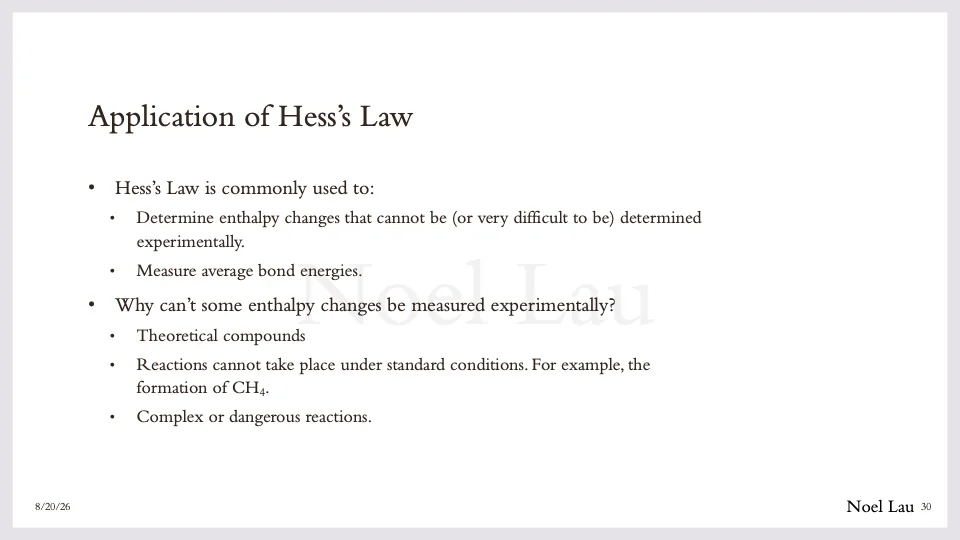
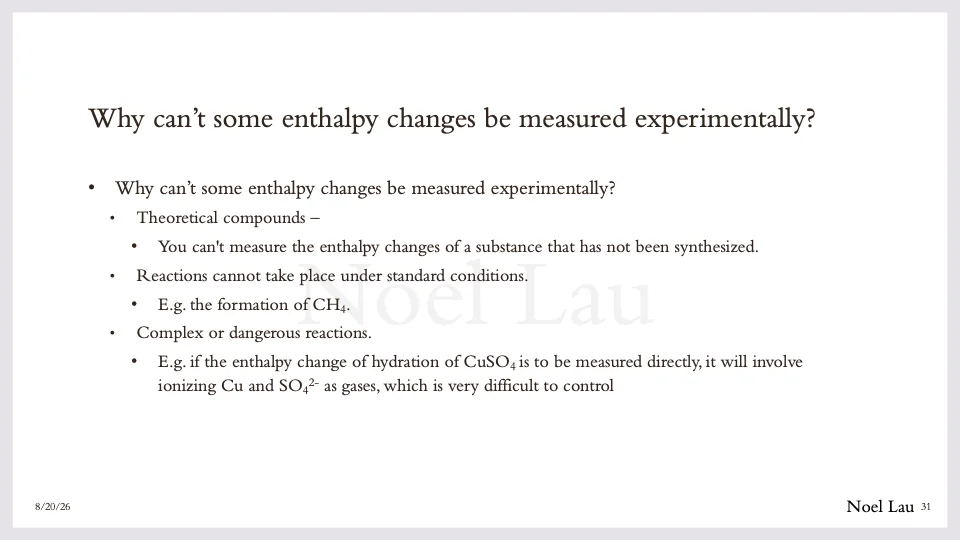
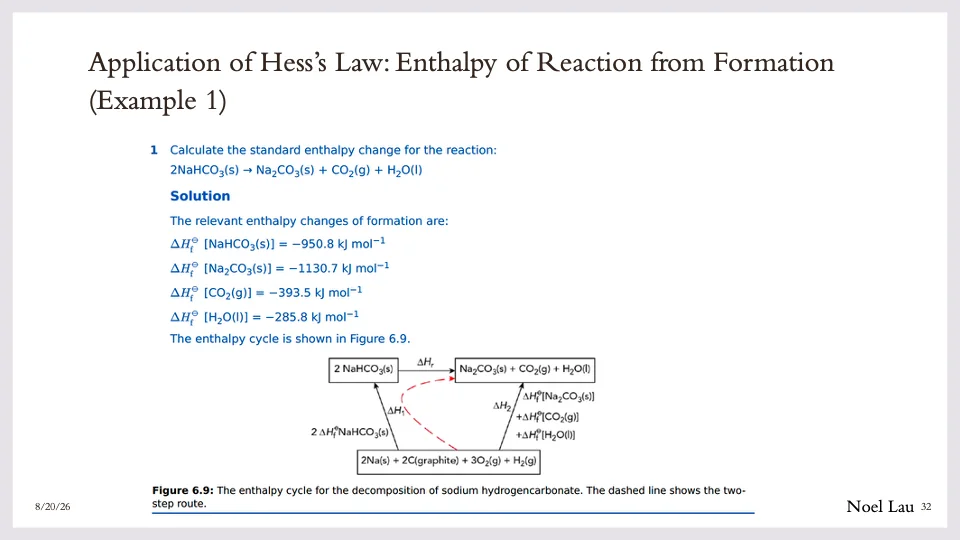
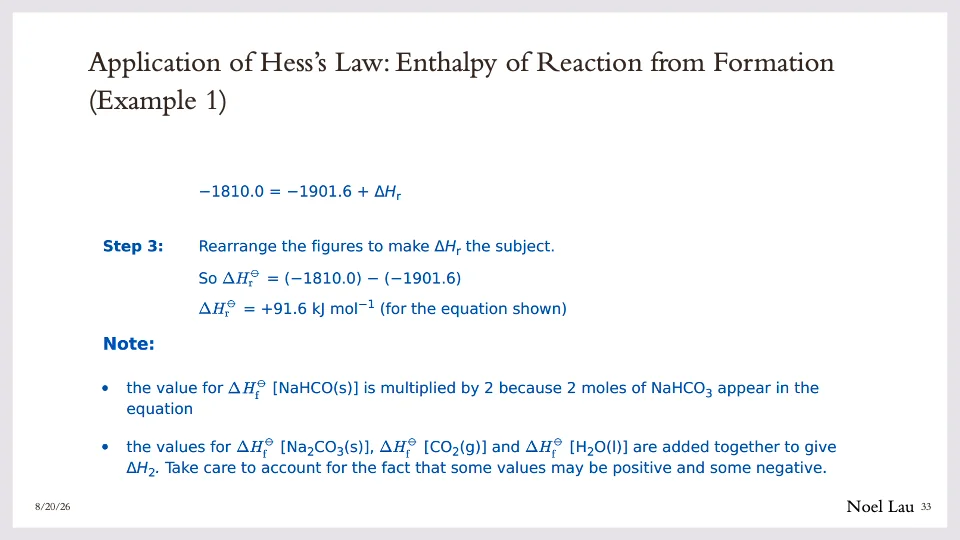
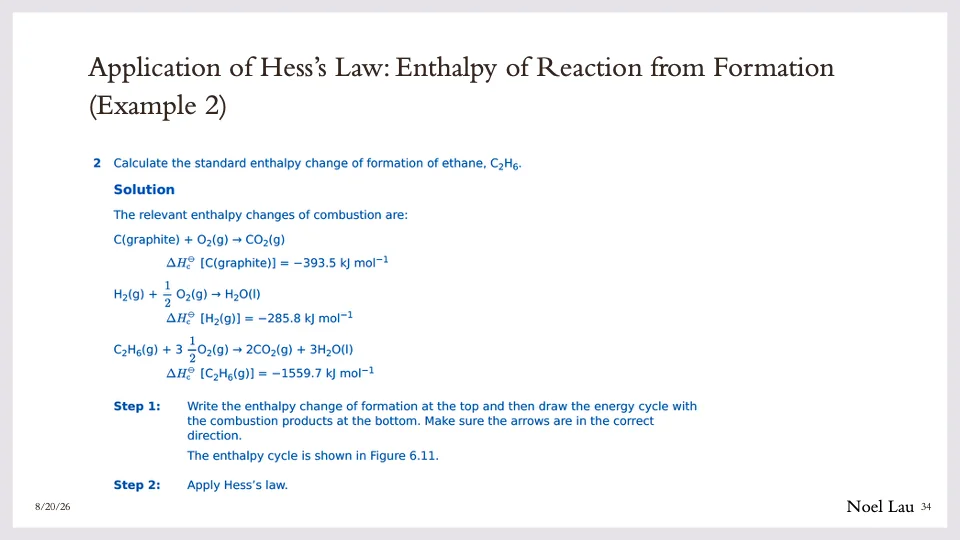
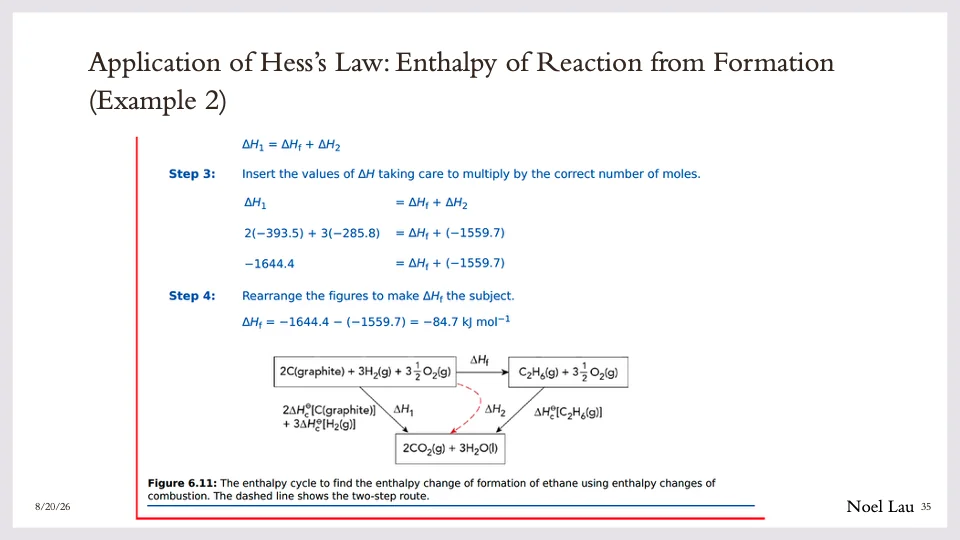
The chapter concludes with Hess's law, which is stated and applied to the construction of energy cycles. These cycles allow the determination of enthalpy changes that cannot be measured directly by experiment, including applications using both standard enthalpies of formation and bond energy data. The ability to construct and calculate from such cycles is a core quantitative skill at this level.