A-Level 29. Introduction to A2 Level Organic Chemistry (9701)
Introduction (29. An Introduction to A Level Organic Chemistry)
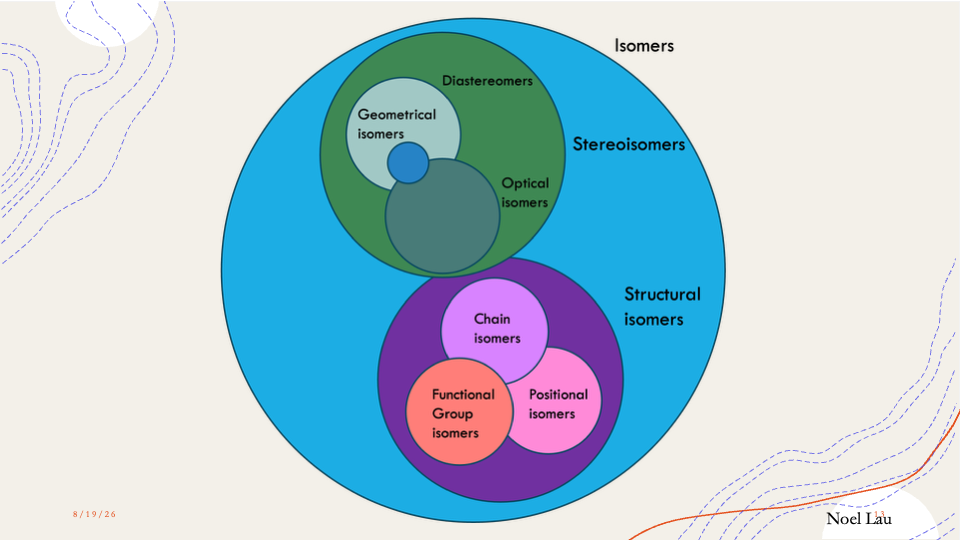
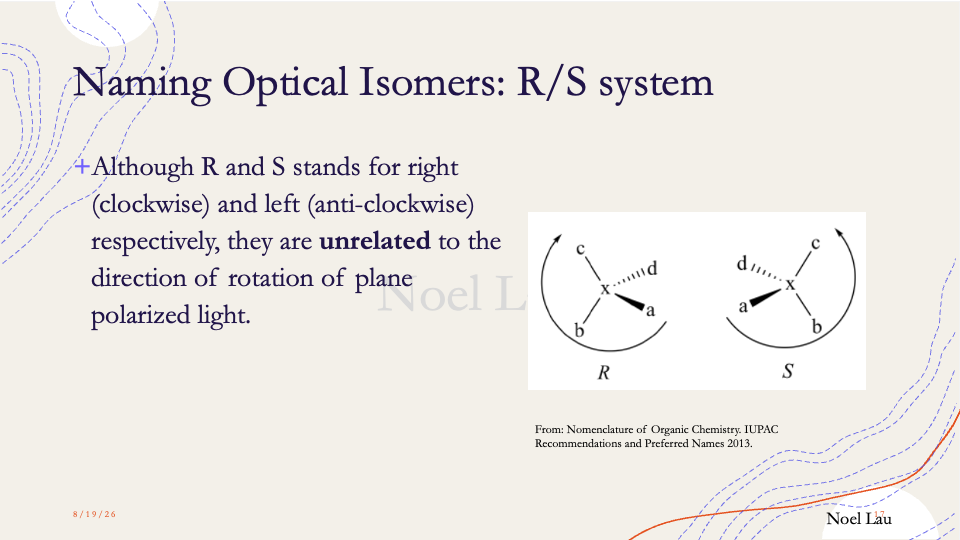
Chapter 29 extends the representational and mechanistic foundations established at AS Level to encompass the additional functional group classes encountered at A Level. The chapter introduces the nomenclature, structural conventions and reaction types that are applied throughout the A Level organic chemistry chapters, and develops the treatment of stereoisomerism to a greater level of sophistication.
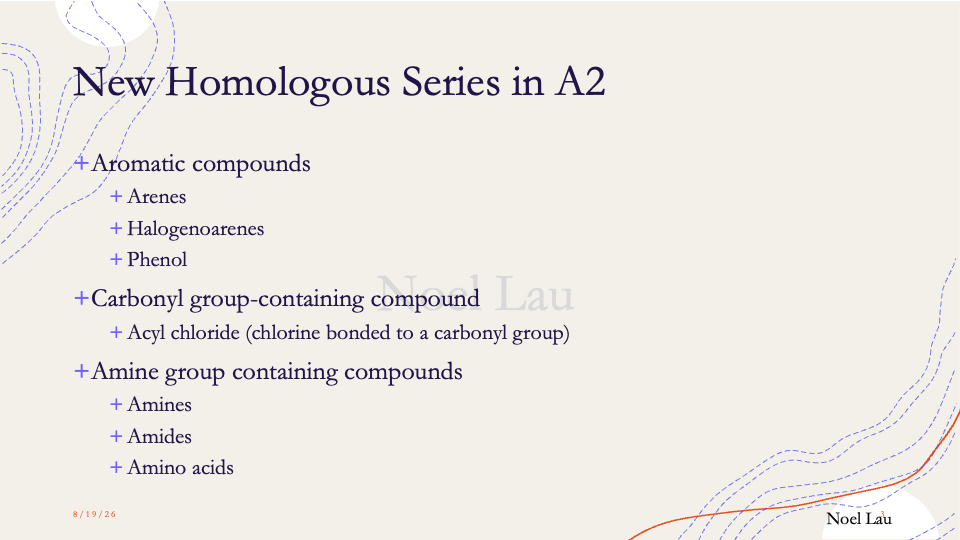
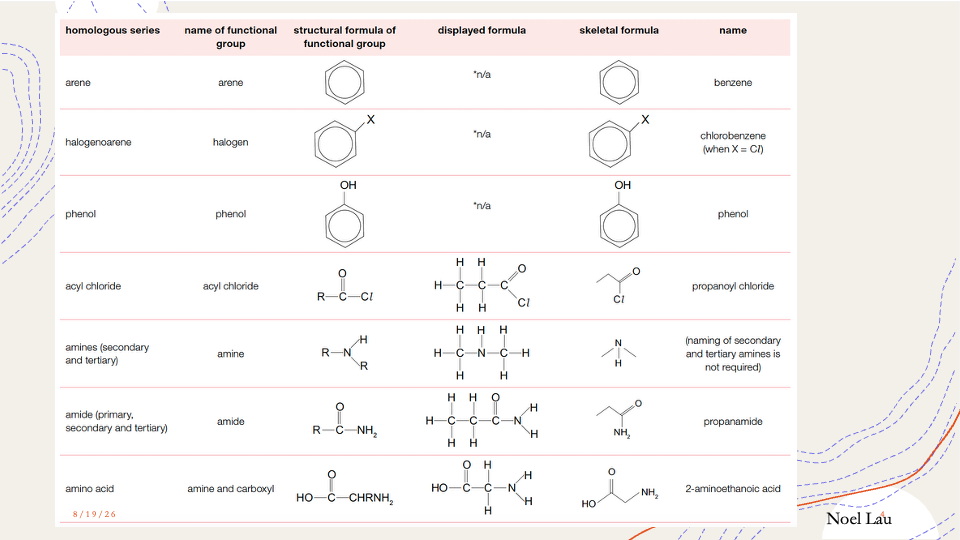
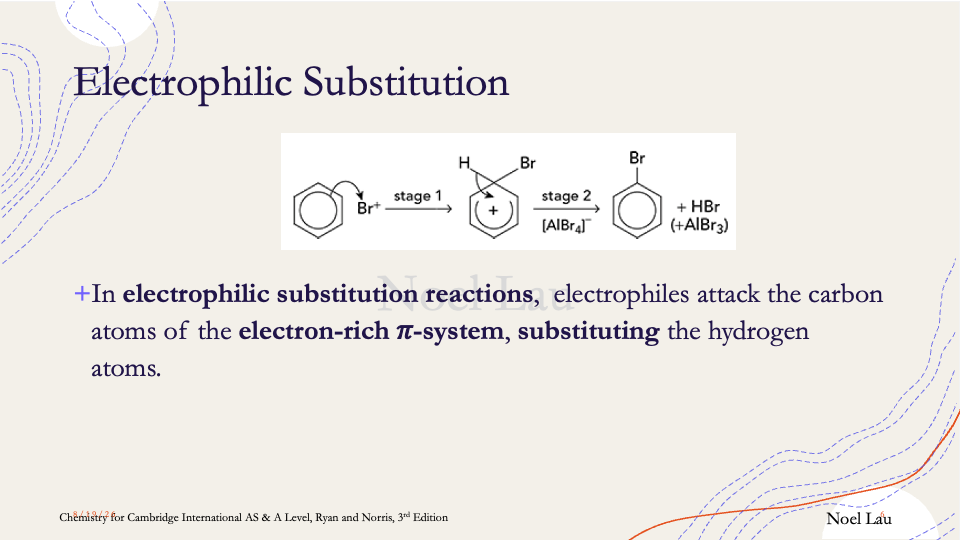
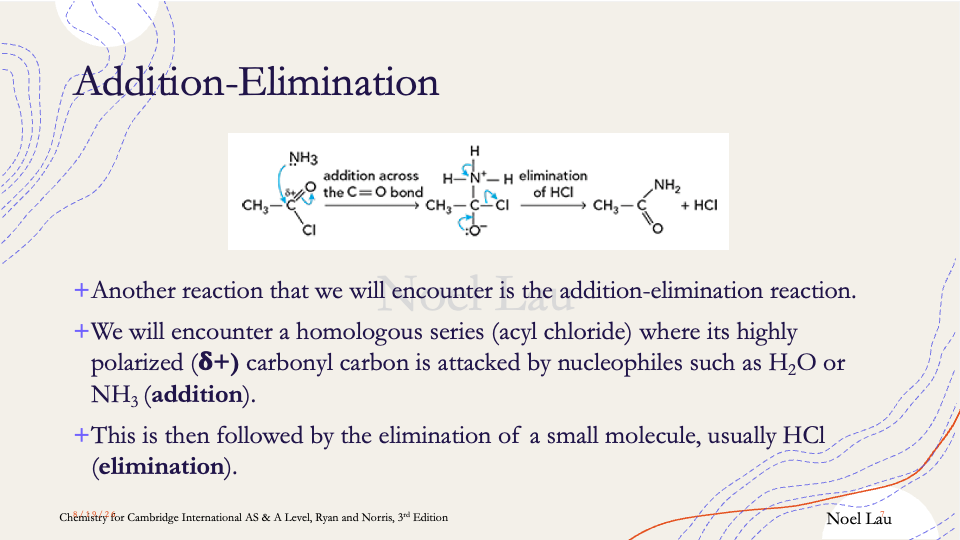
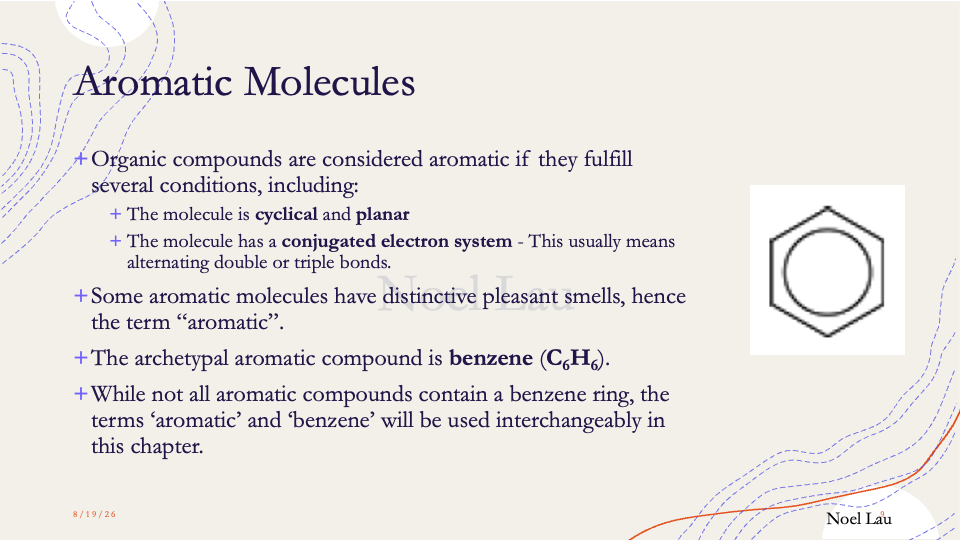
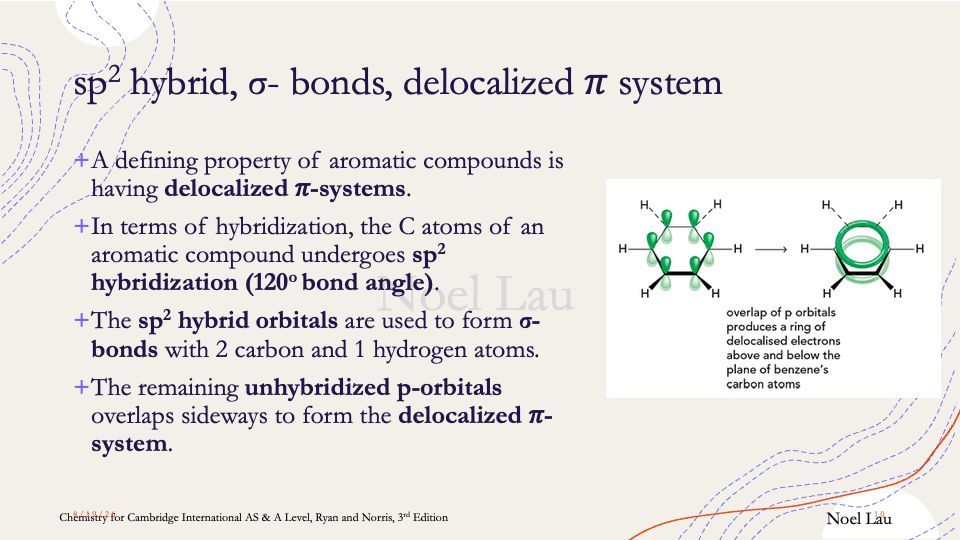
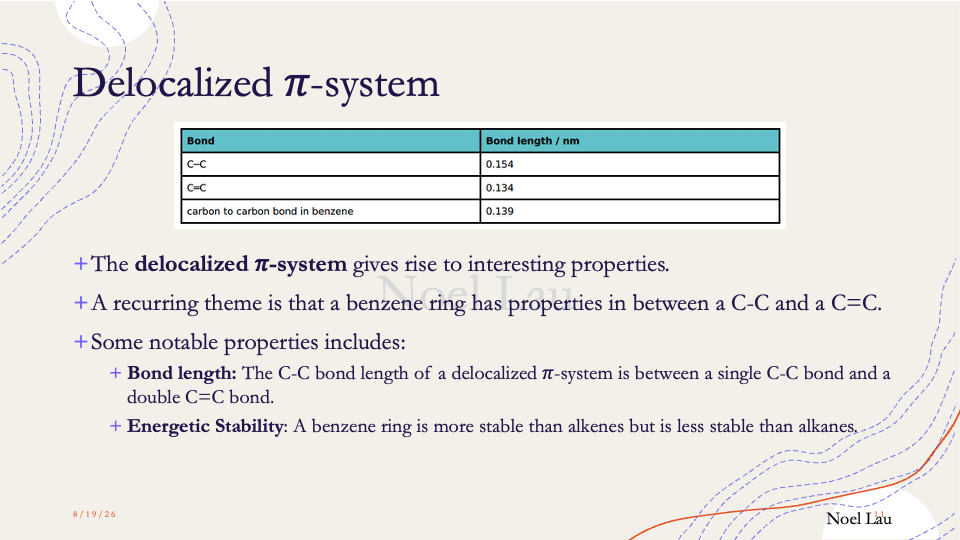
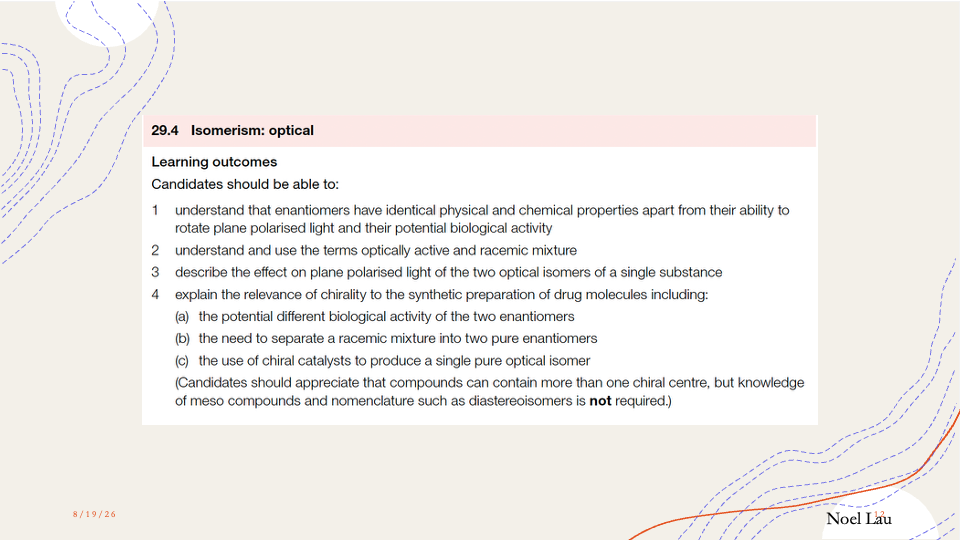
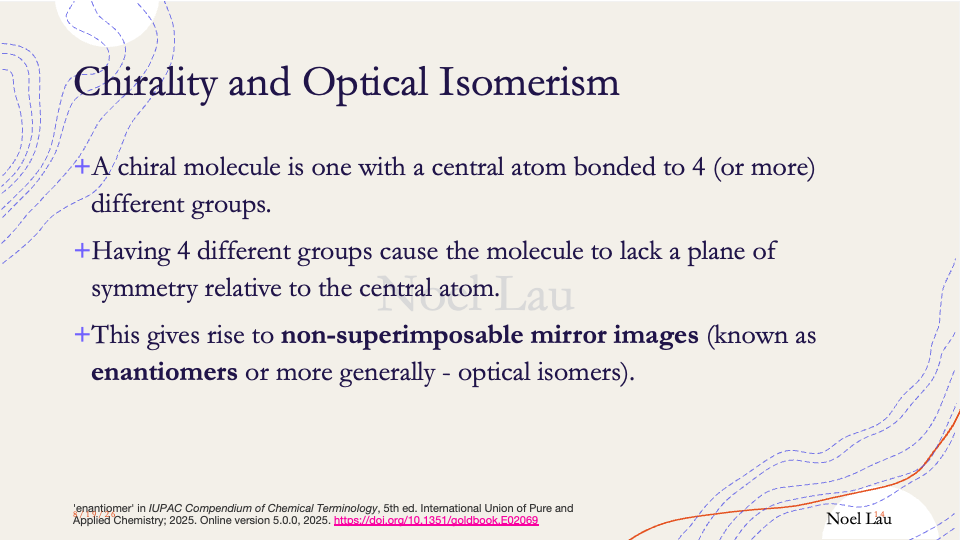
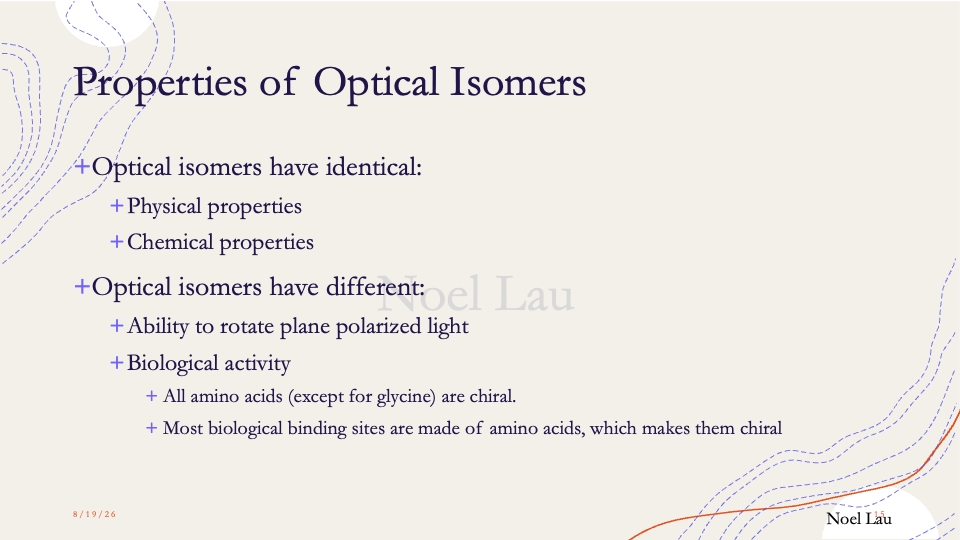
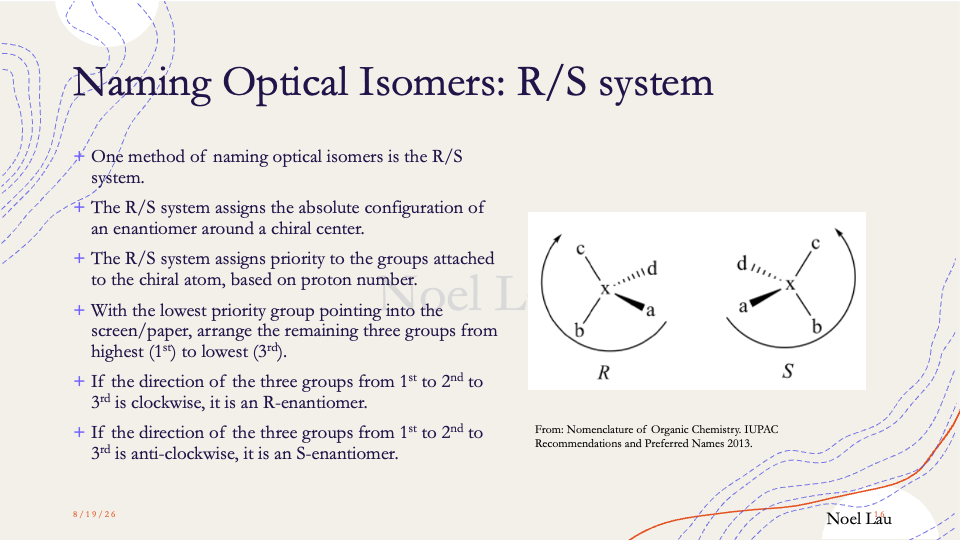
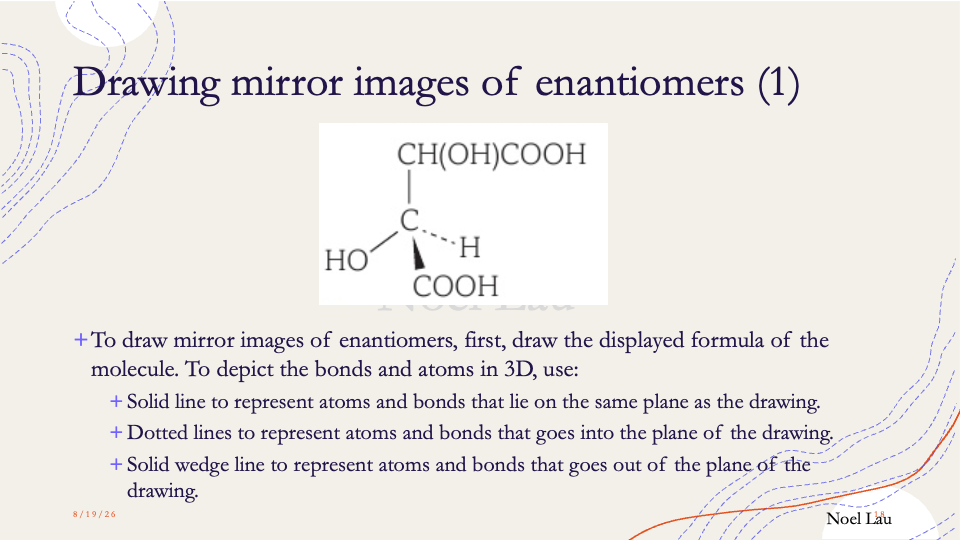
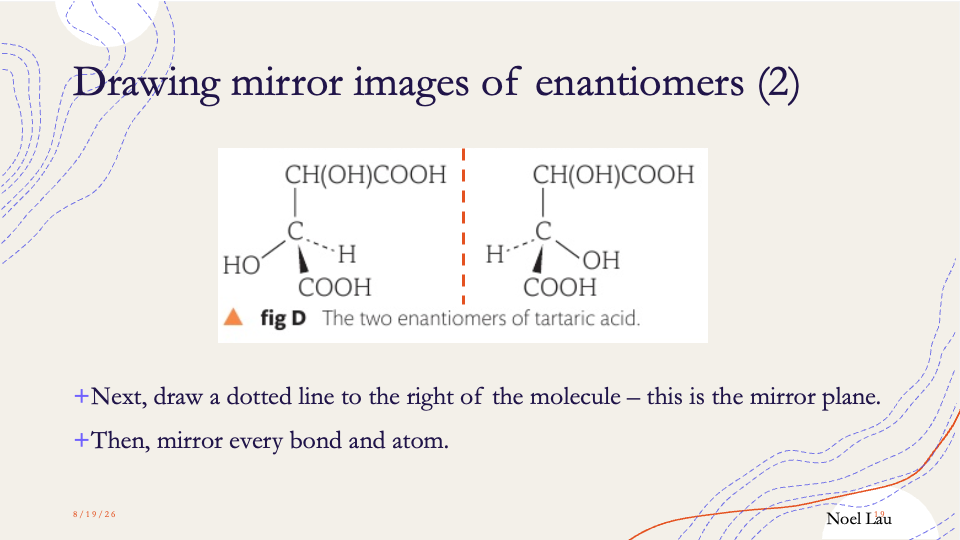
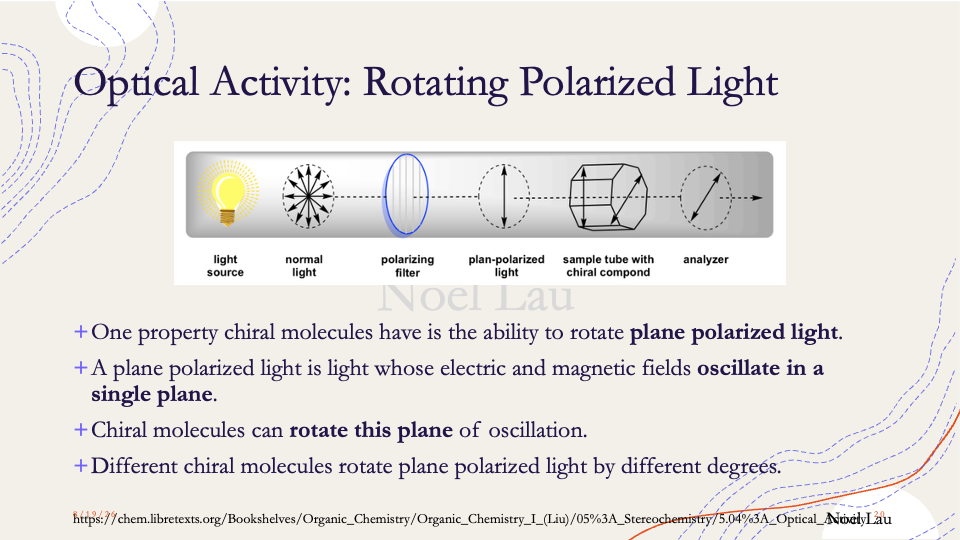
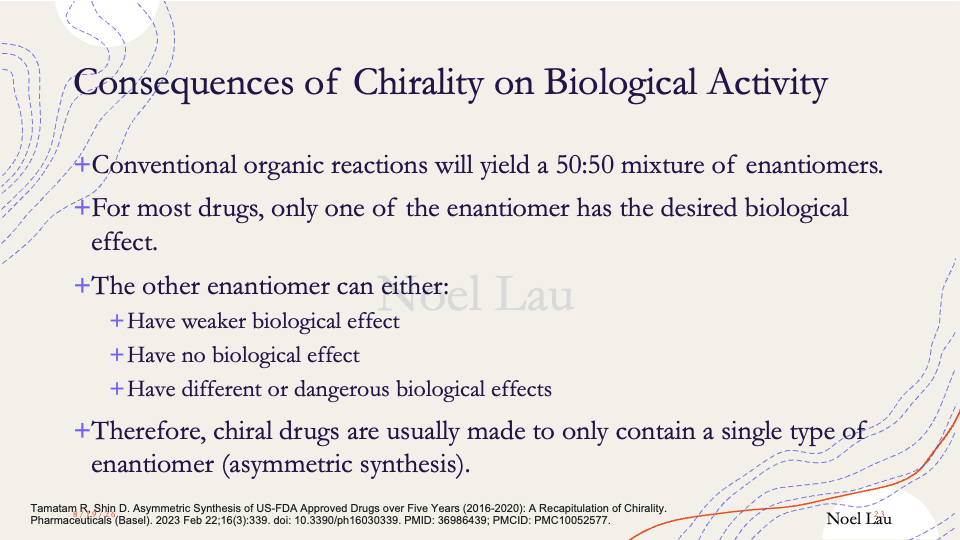
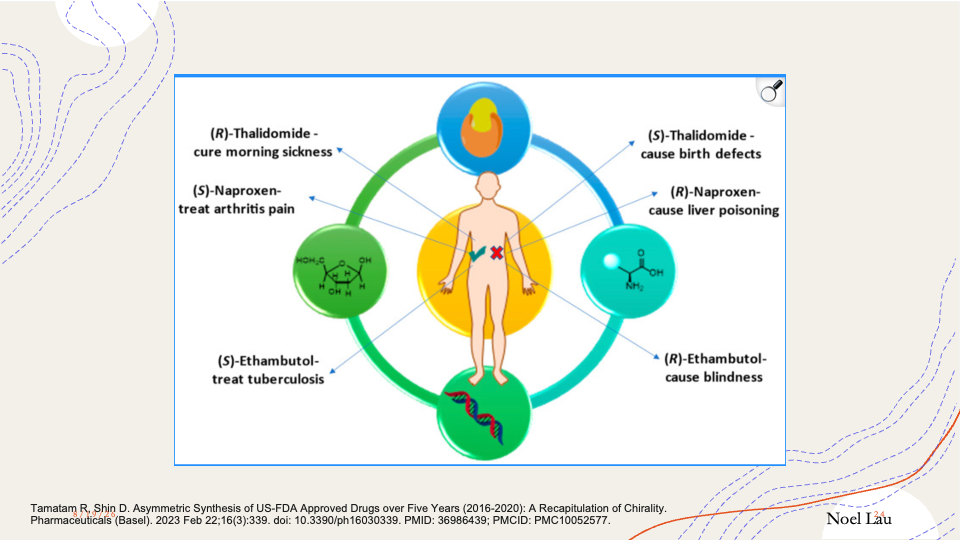
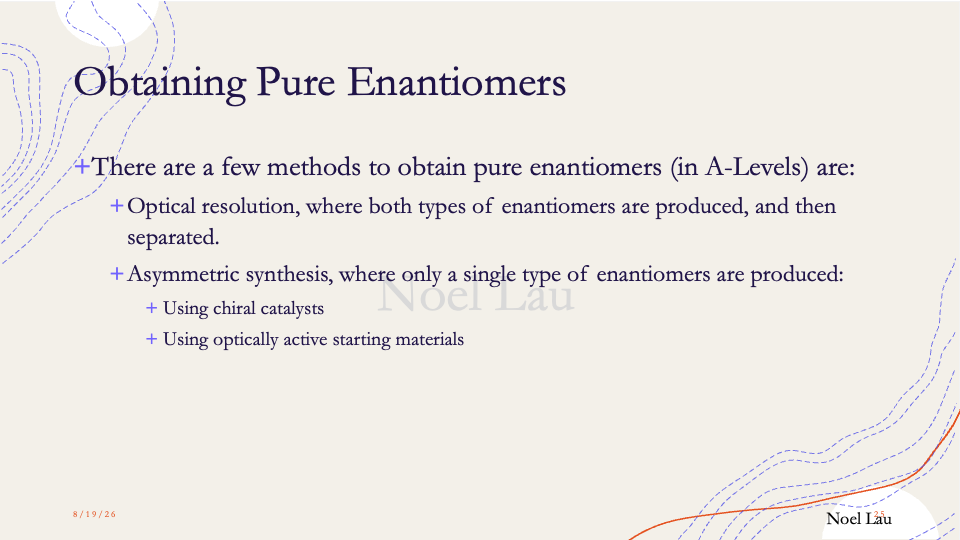
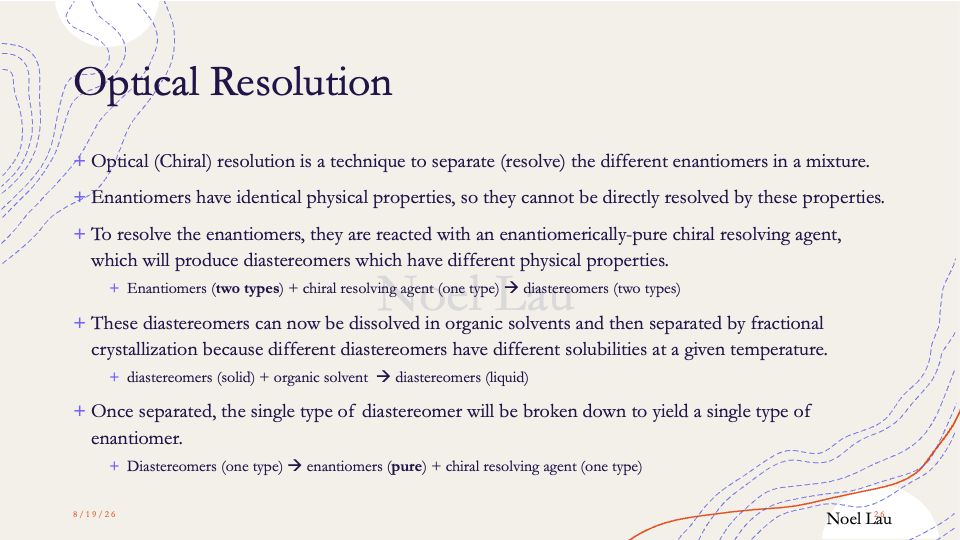
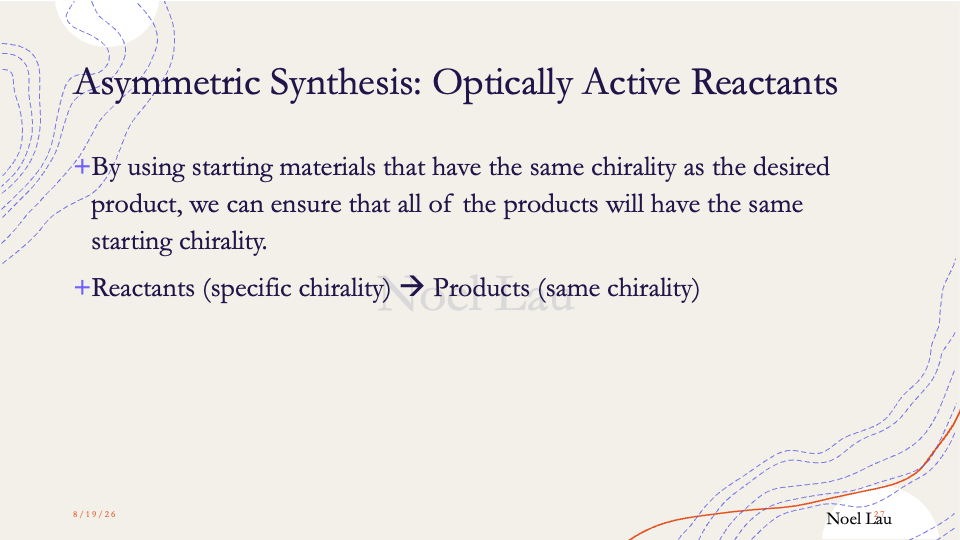
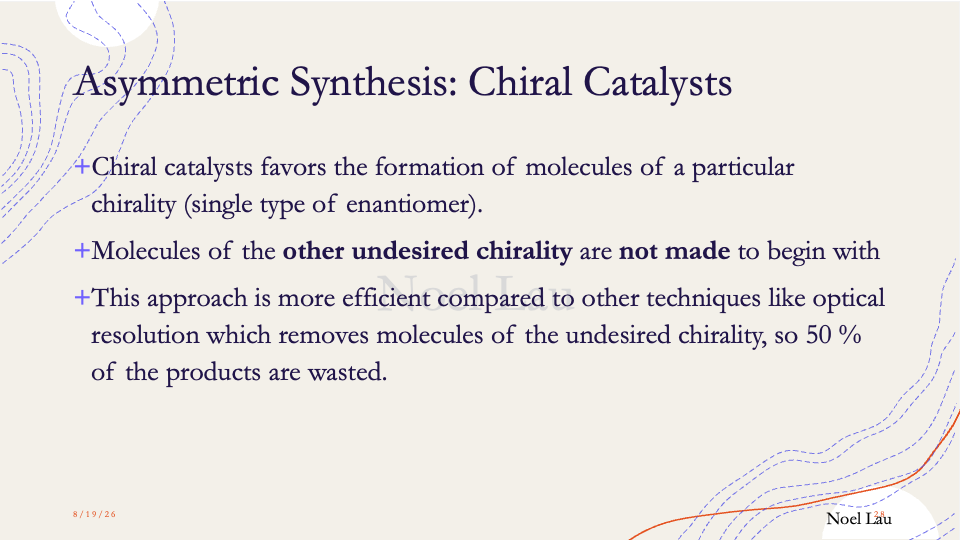
The new homologous series introduced at this level, including arenes, halogenoarenes, phenols, acyl chlorides, secondary and tertiary amines, amides and amino acids, are presented with their functional groups, structural formulas and systematic names. Electrophilic substitution and addition-elimination are introduced as new reaction mechanism types. The shape of benzene is described in terms of sp2 hybridisation and a delocalised pi system, accounting for the preference for substitution over addition. The chapter concludes with a more detailed treatment of optical isomerism, examining the biological significance of chirality in drug molecules, the need to separate racemic mixtures into pure enantiomers, and the use of chiral catalysts to produce a single optical isomer directly.