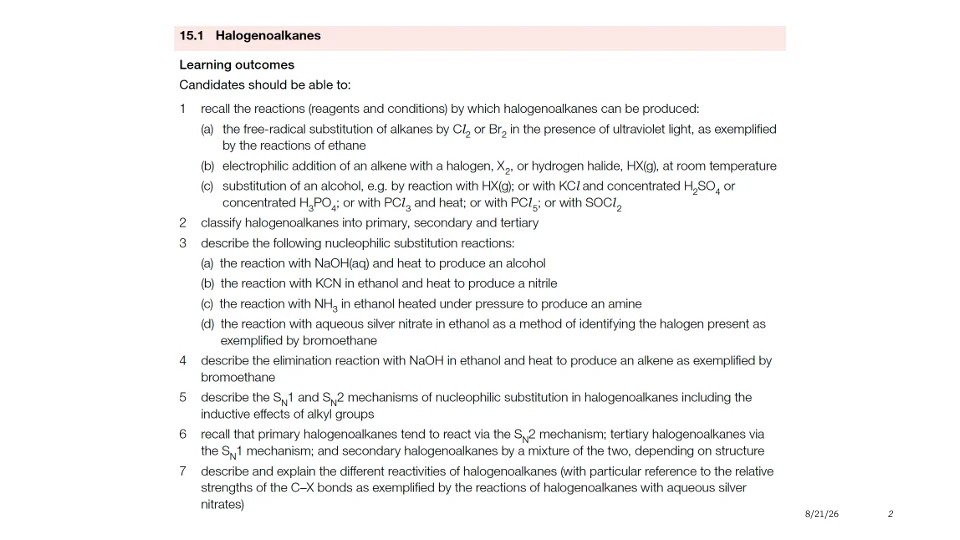
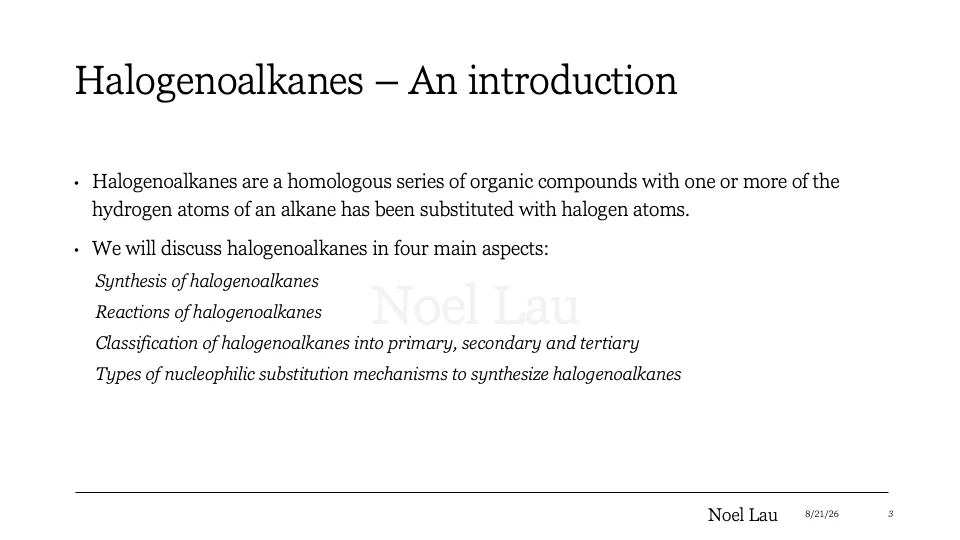
Chapter 15 examines the chemistry of halogenoalkanes, a class of compound whose reactivity is dominated by the polarity of the carbon-halogen bond. The chapter develops both the substitution and elimination reactions of halogenoalkanes and the mechanistic frameworks used to account for them.
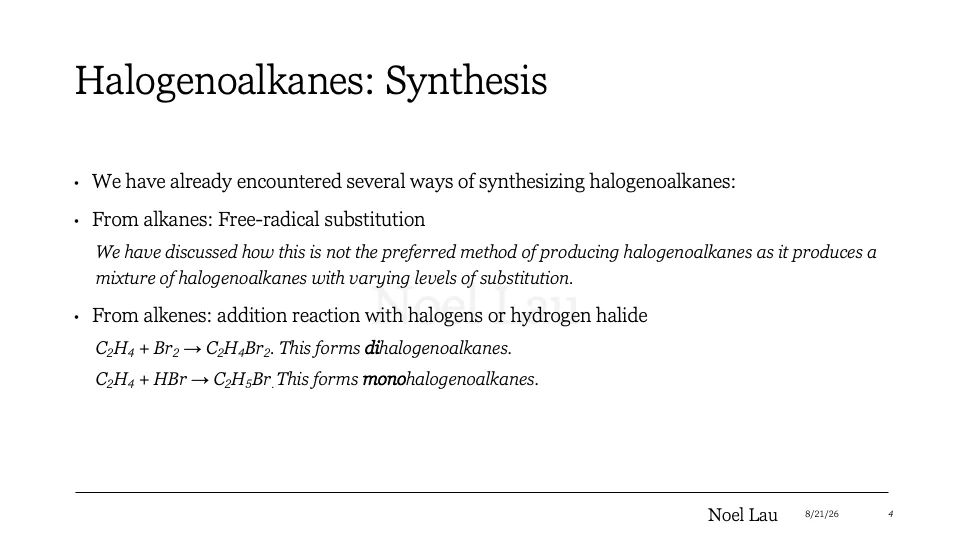
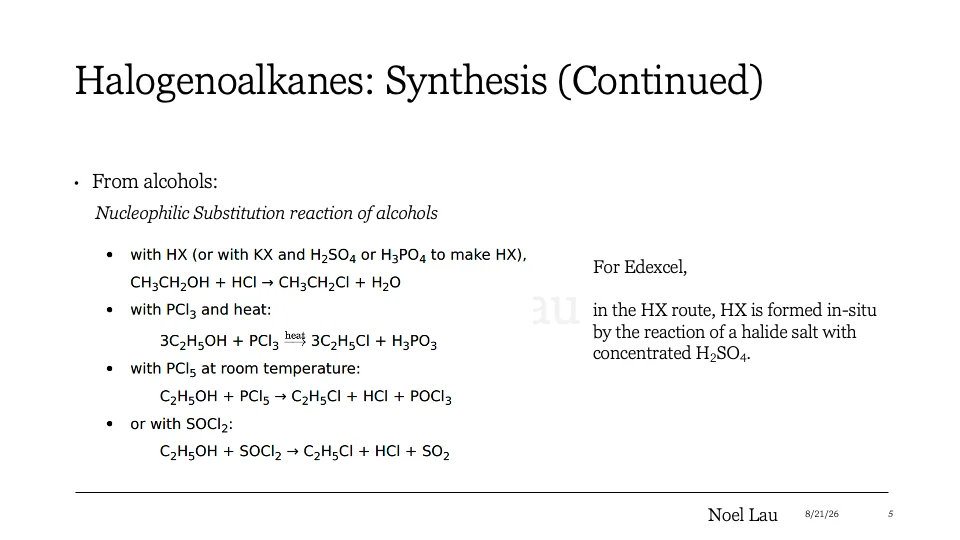
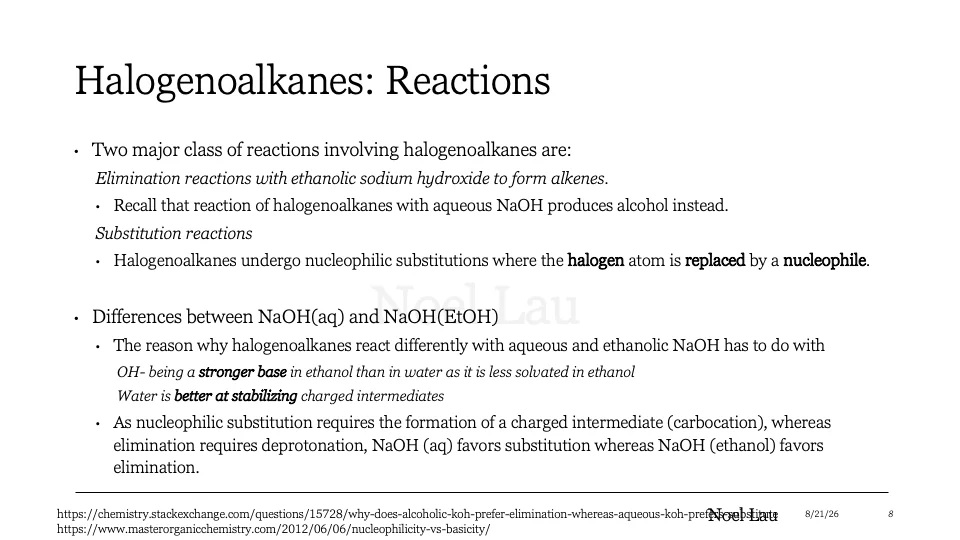
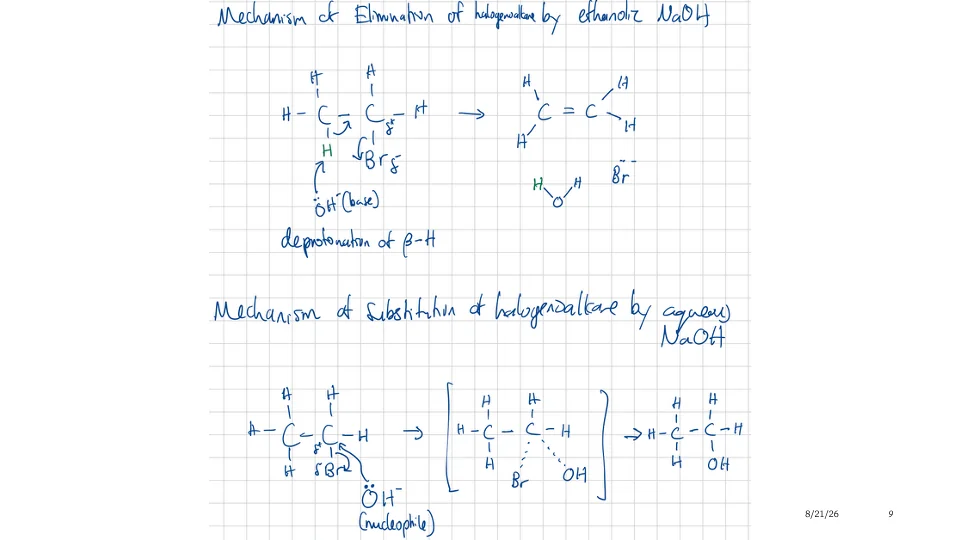
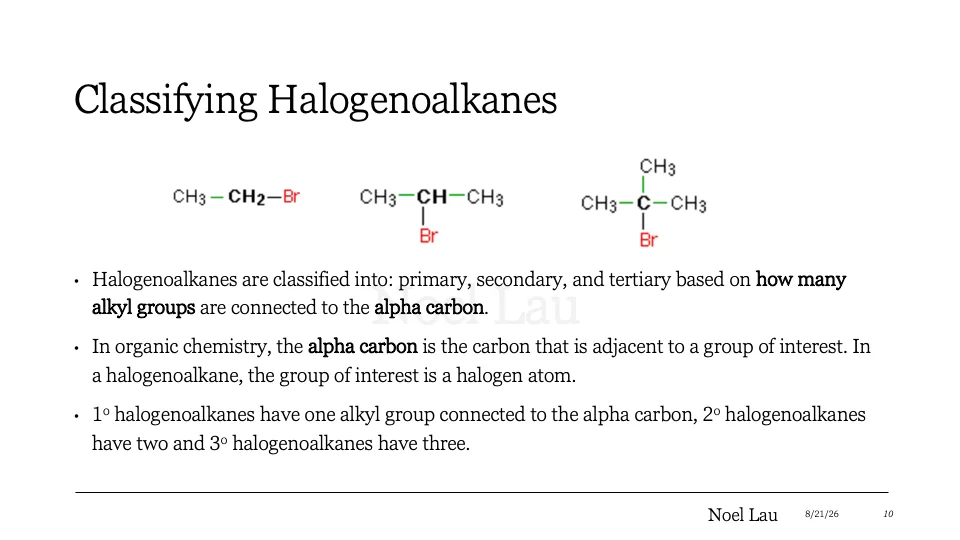
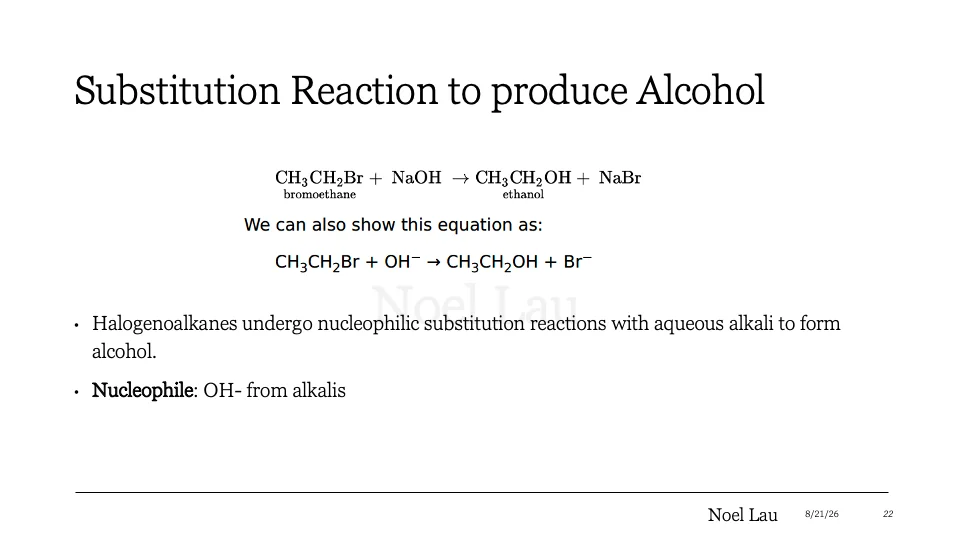
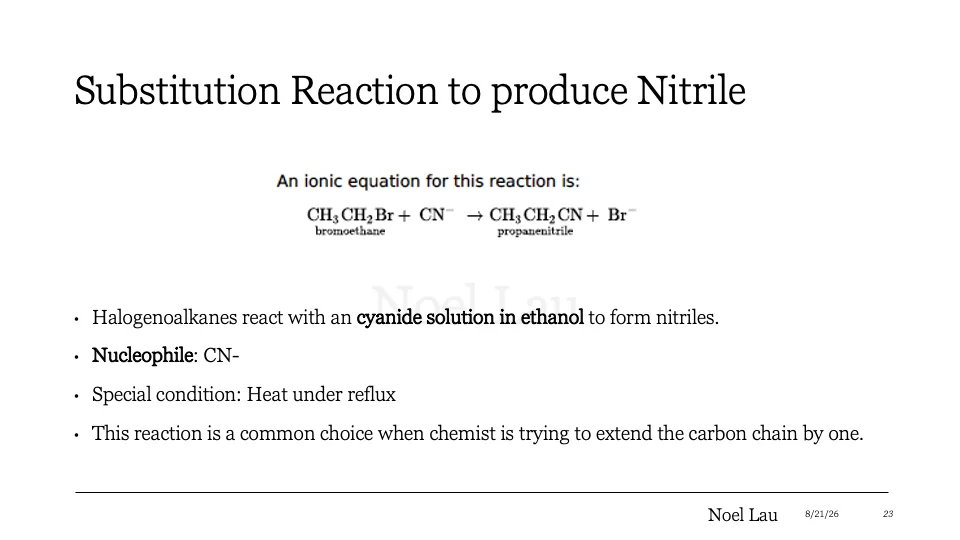
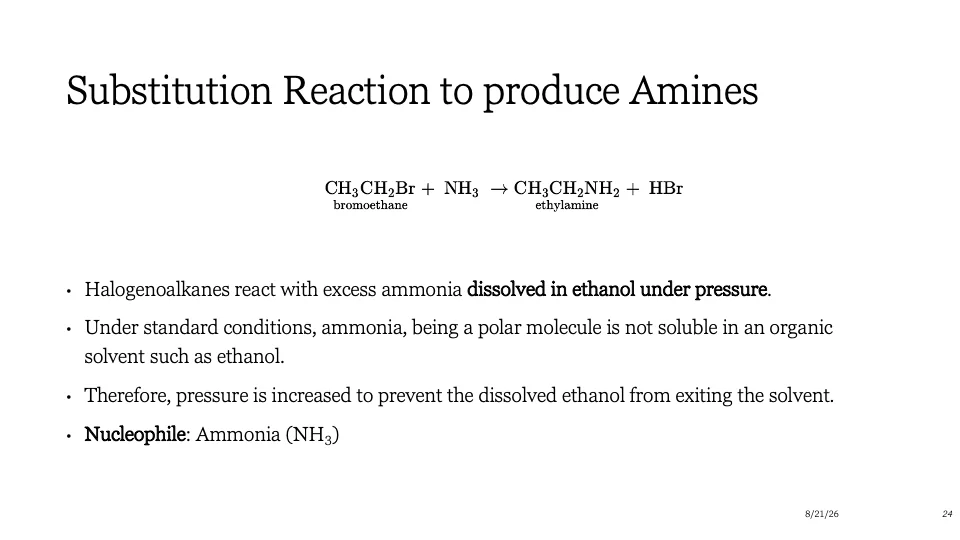
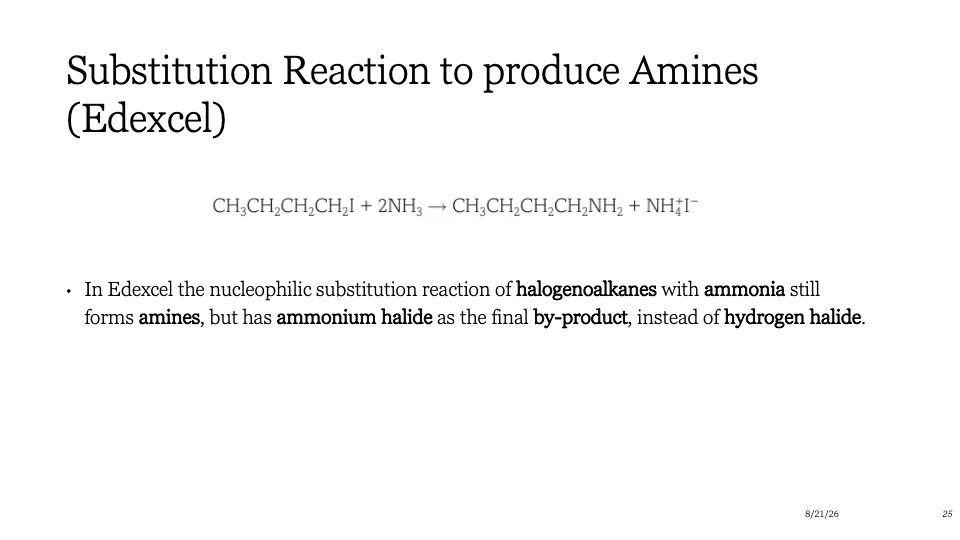
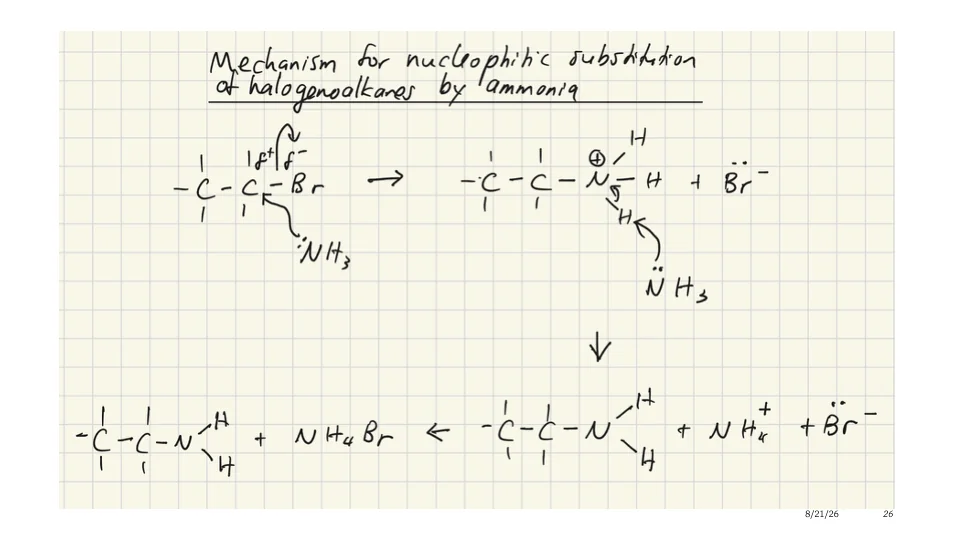
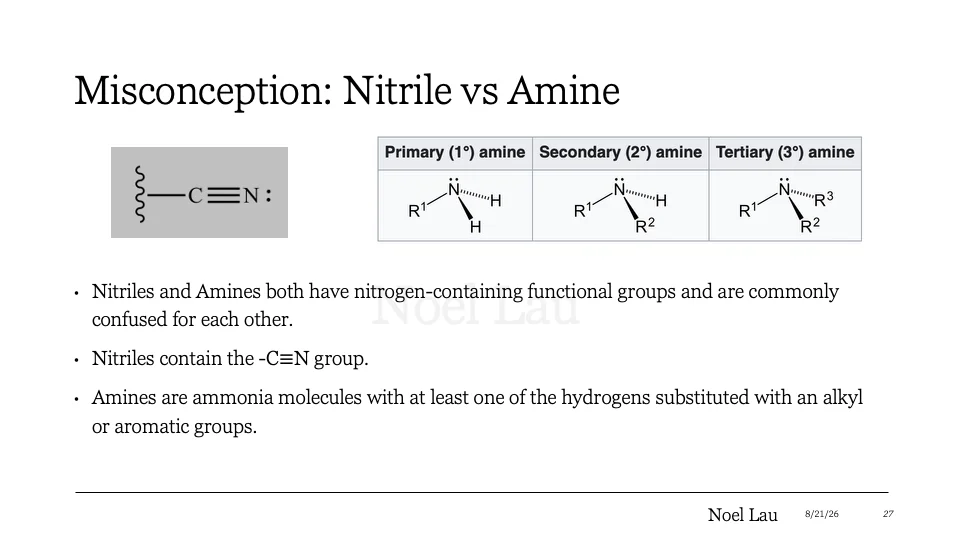
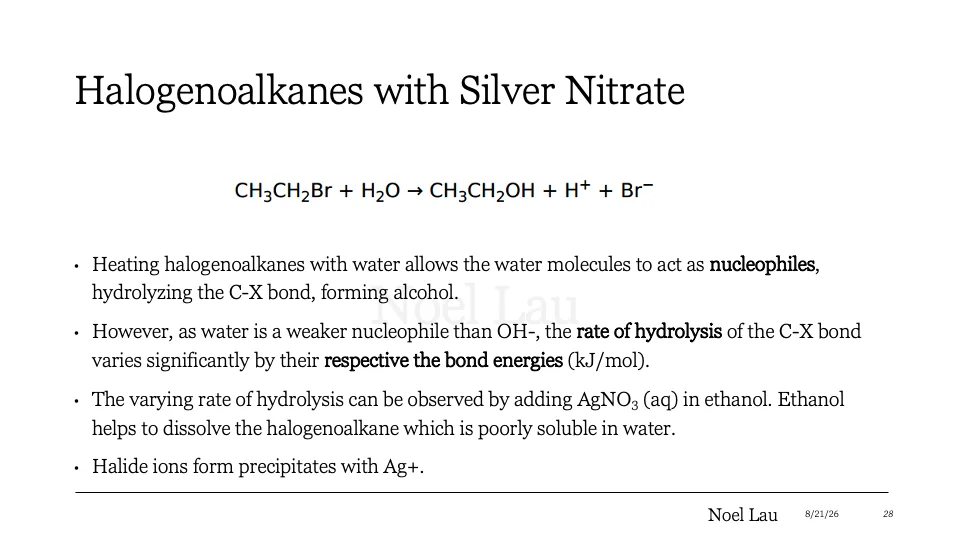
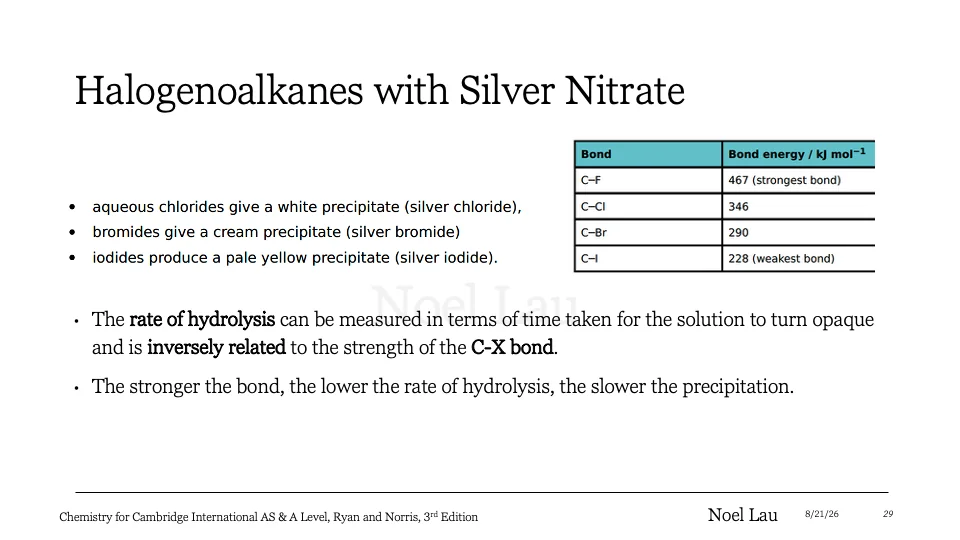
The chapter opens with the classification of halogenoalkanes as primary, secondary or tertiary, and the methods by which they are prepared. Nucleophilic substitution is then treated in detail, covering reactions with aqueous sodium hydroxide, potassium cyanide in ethanol, ammonia in ethanol under pressure, and aqueous silver nitrate in ethanol. The elimination reaction with ethanolic sodium hydroxide to produce an alkene is also described.
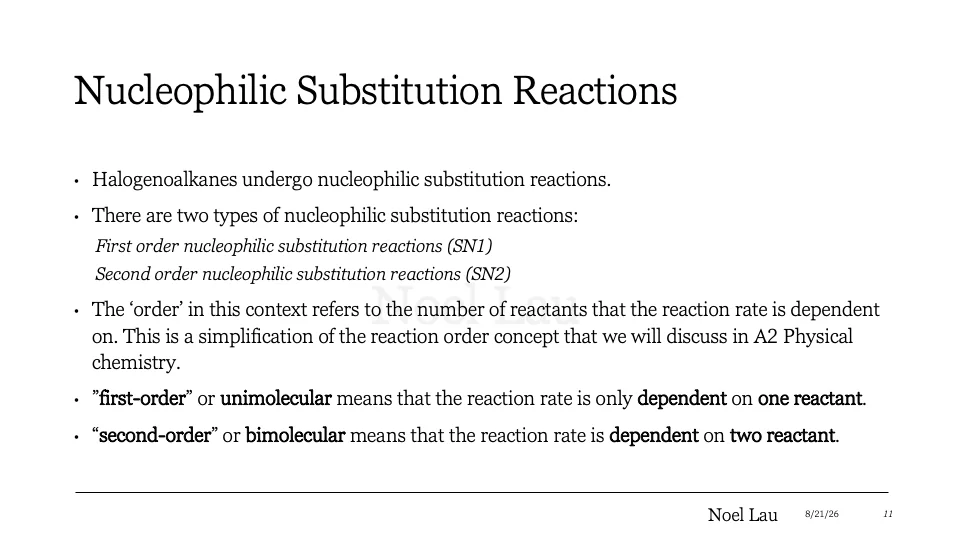
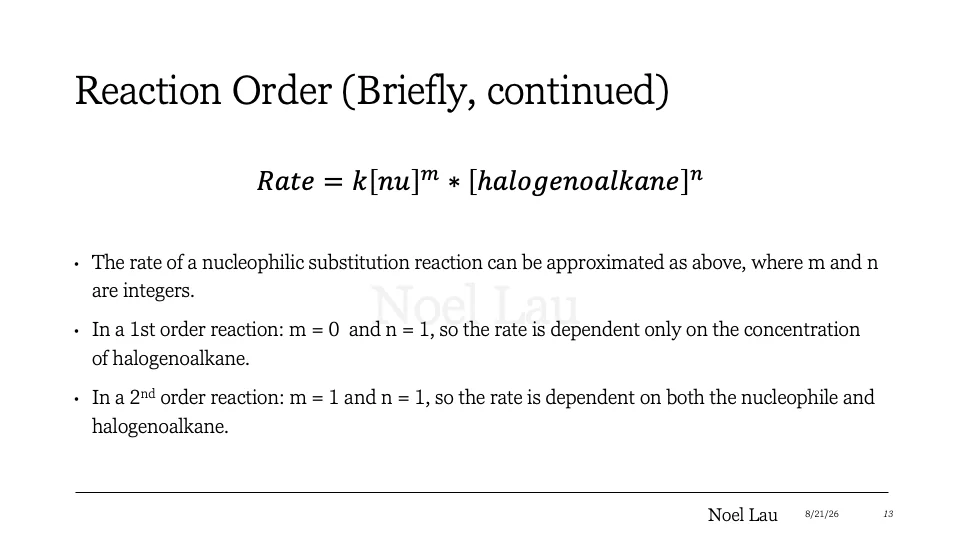
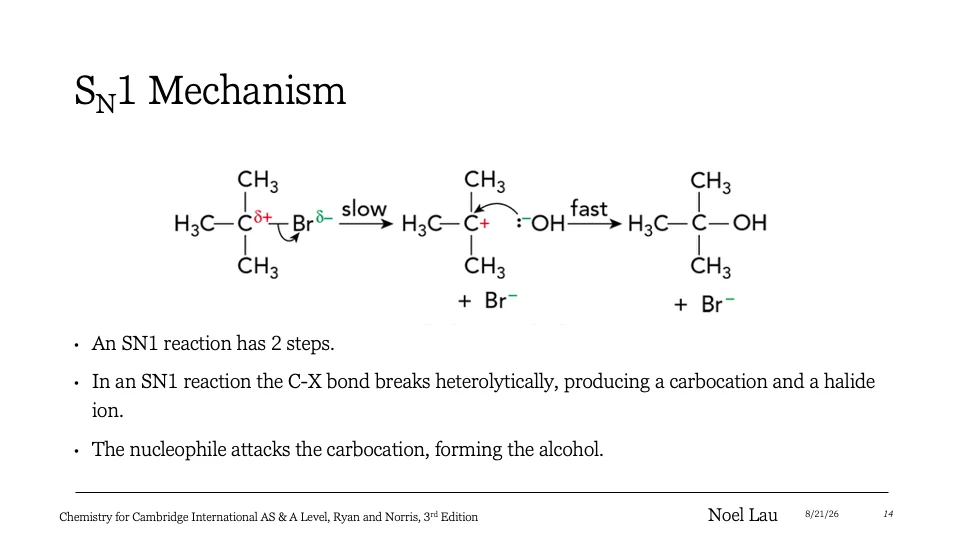
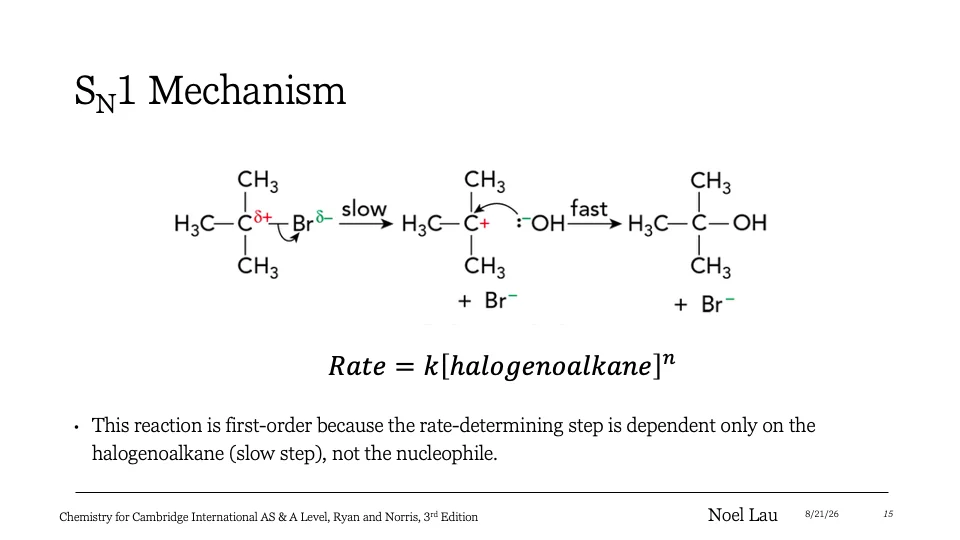
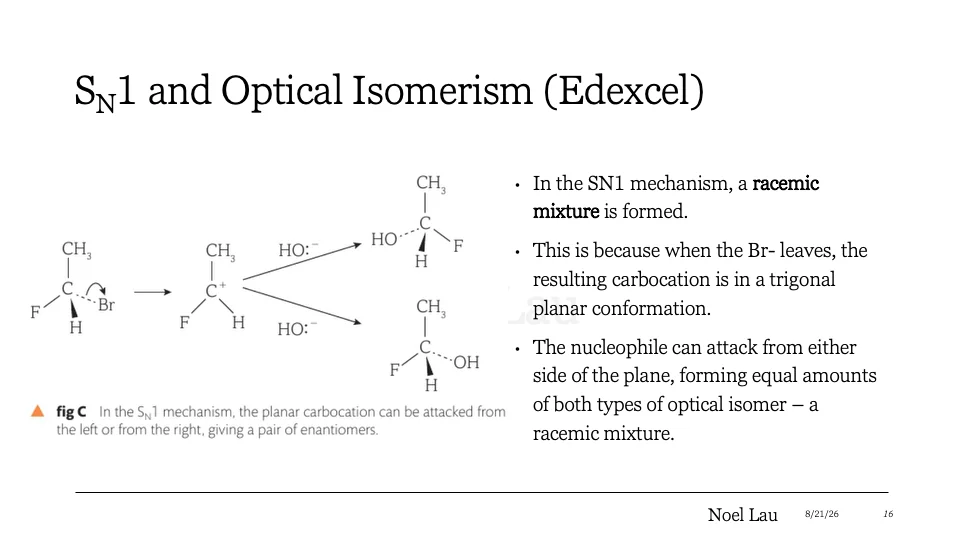
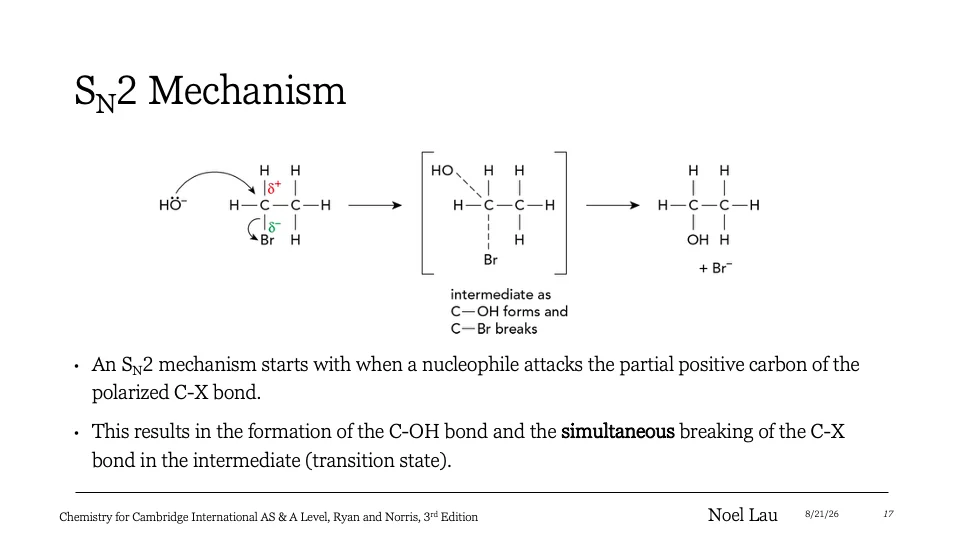
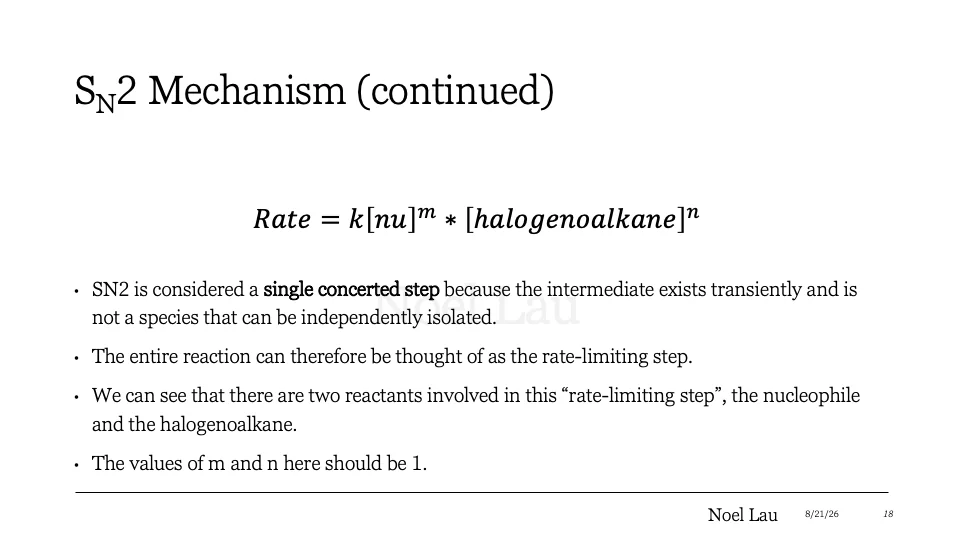
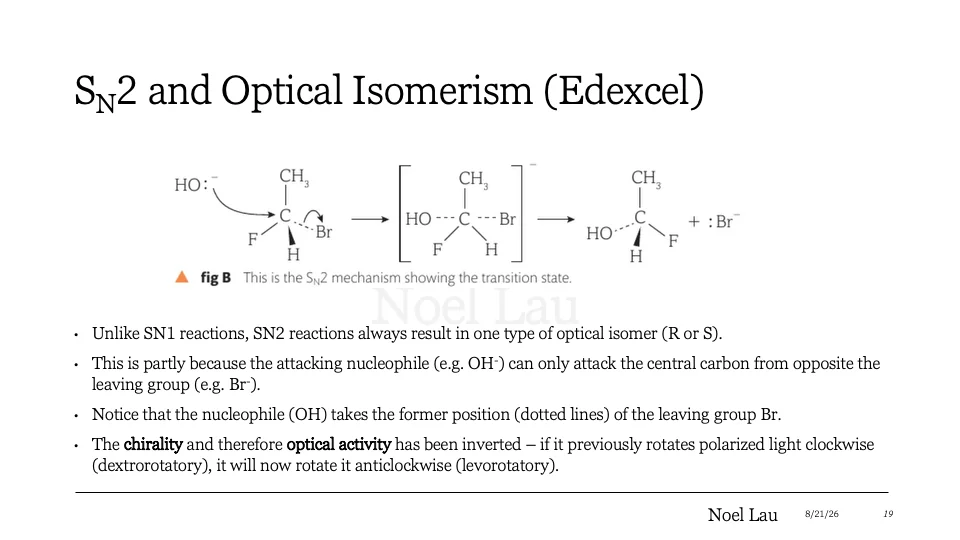
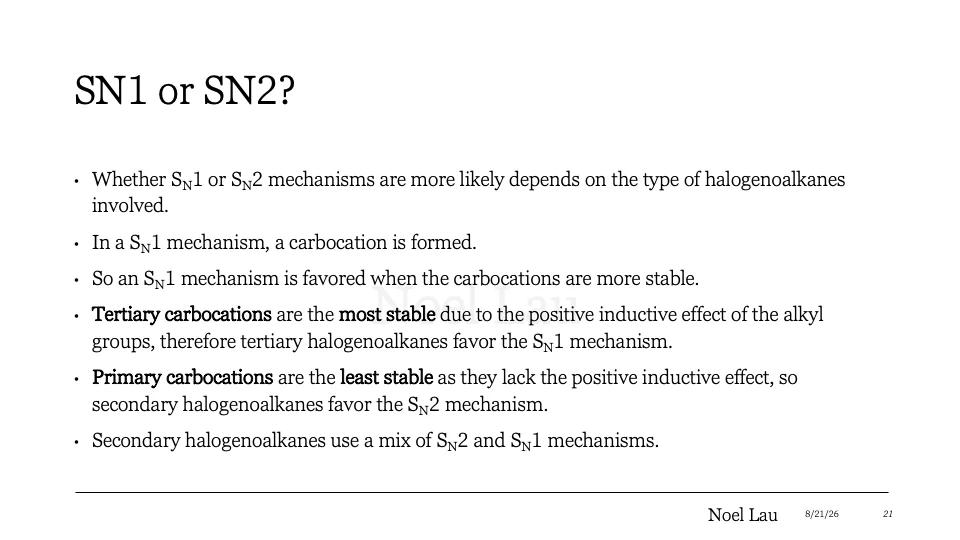
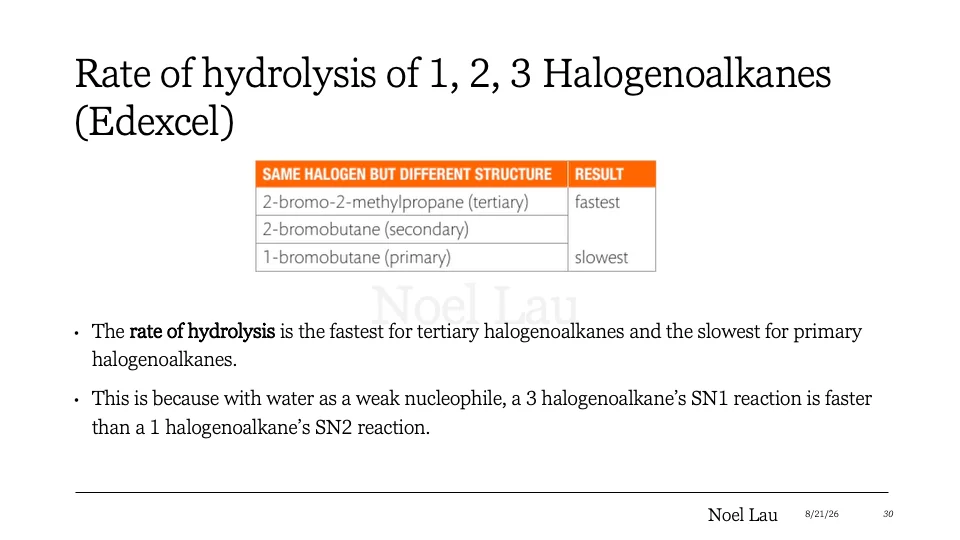
The SN1 and SN2 mechanisms are described and compared, with the preference for each rationalised in terms of the degree of substitution and the inductive effects of alkyl groups. The chapter closes with a comparison of the reactivities of primary, secondary and tertiary halogenoalkanes, accounted for in terms of the relative strengths of the carbon-halogen bond.