A-Level 13. Introduction to AS Organic Chemistry (9701)
Introduction (13. An Introduction to AS Level Organic Chemistry)
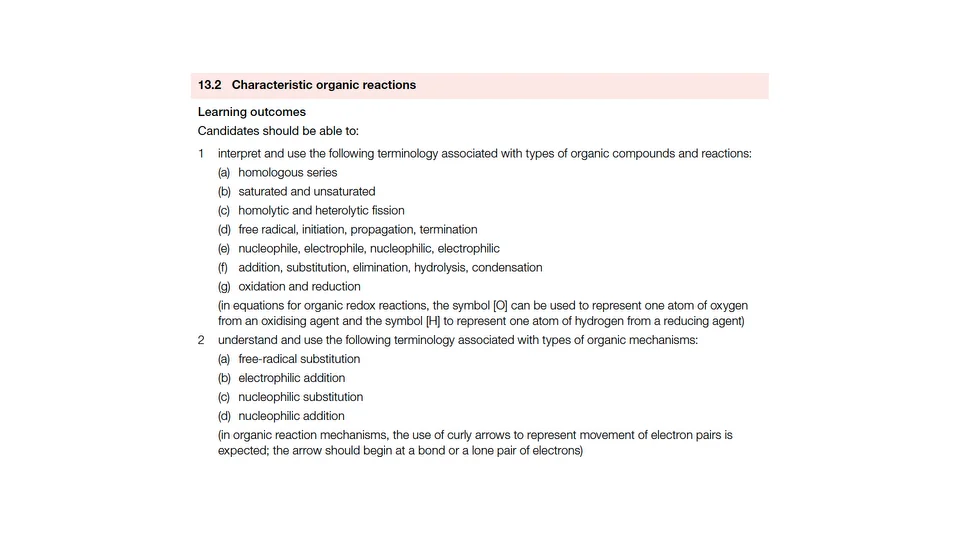
Chapter 13 establishes the conceptual and representational foundations of organic chemistry at AS Level. Rather than focusing on any single class of compound, it develops the language, conventions and mechanistic thinking that are applied consistently throughout the organic chapters that follow.
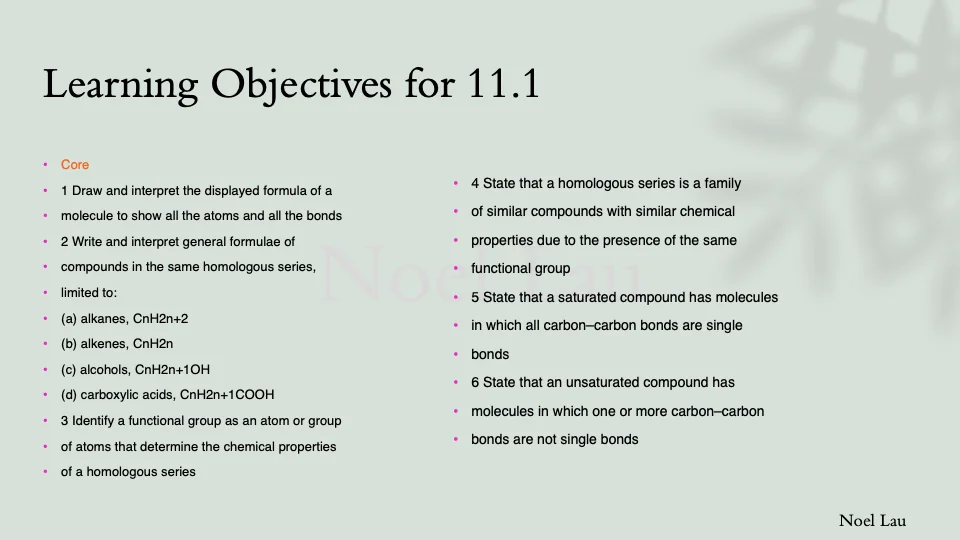
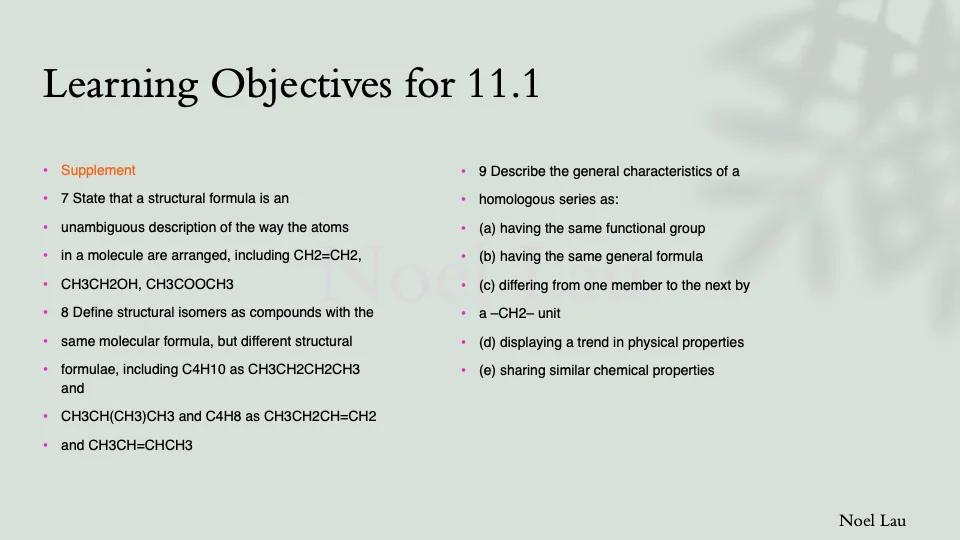
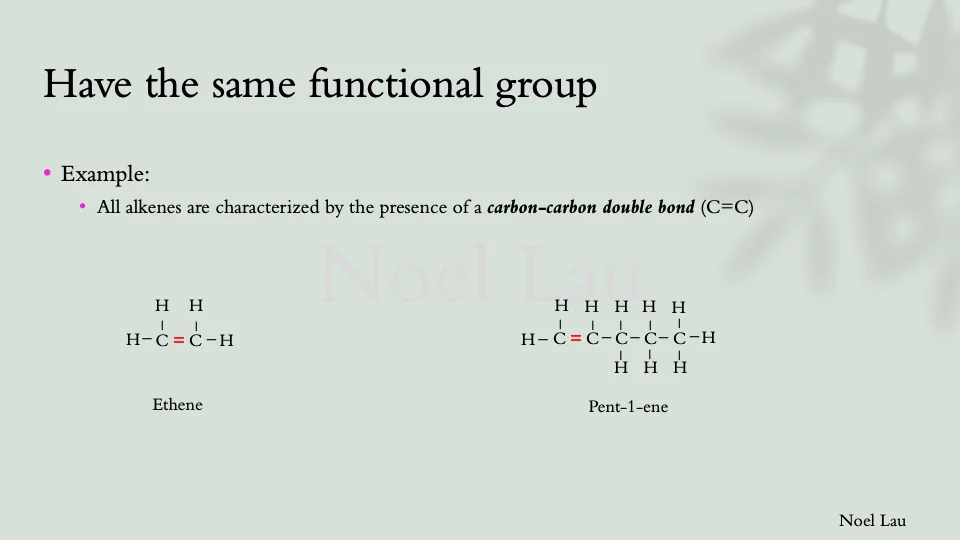
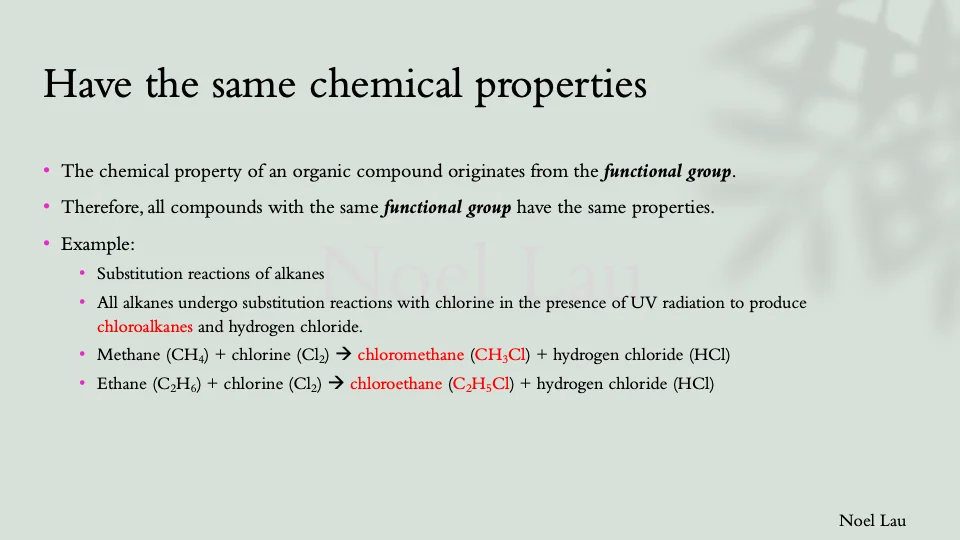
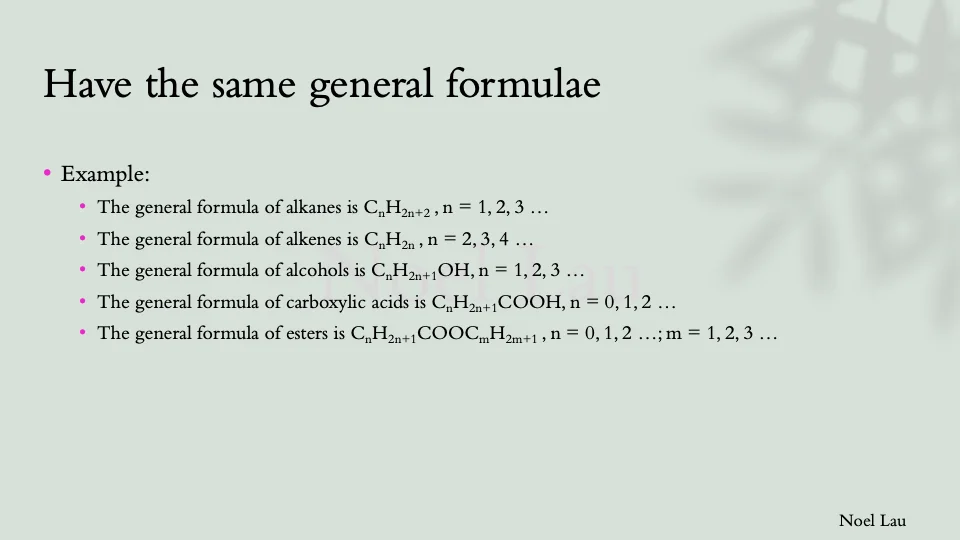
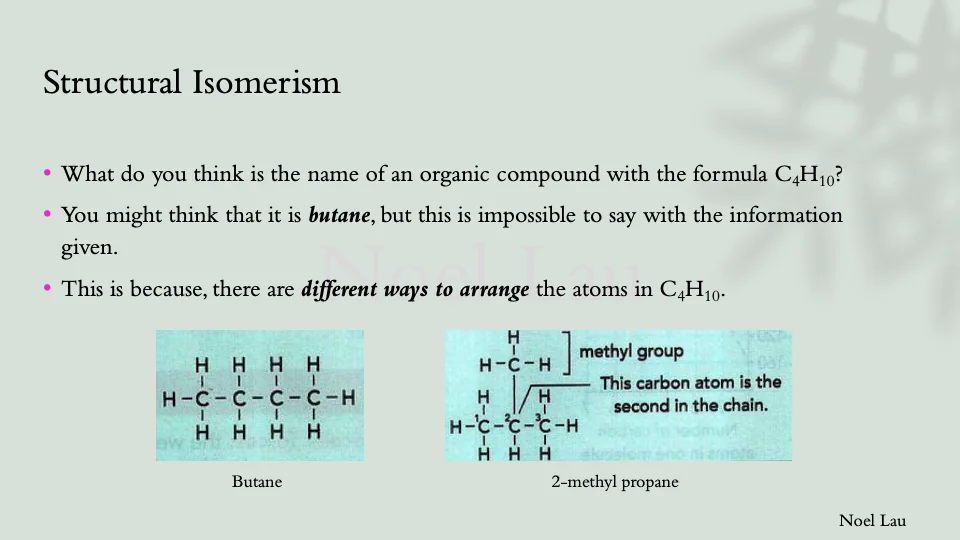
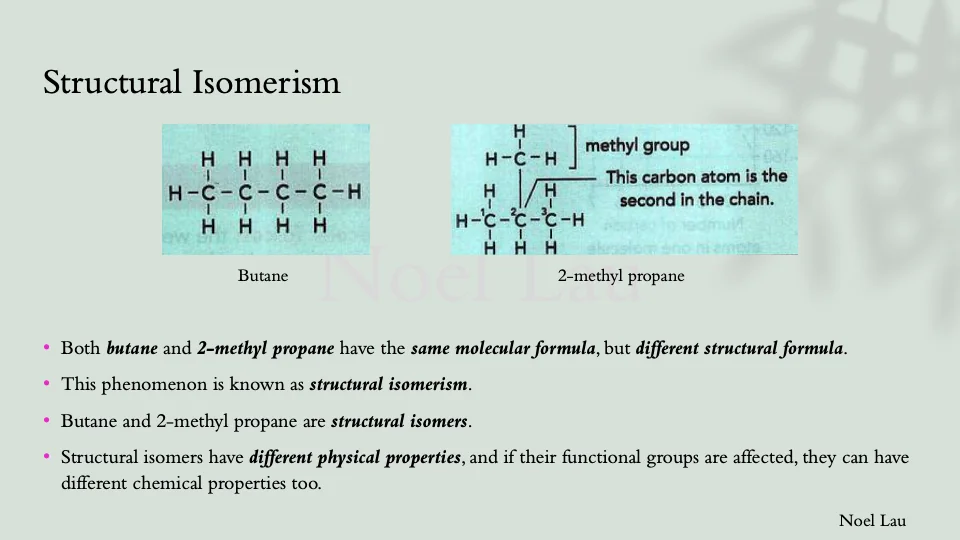
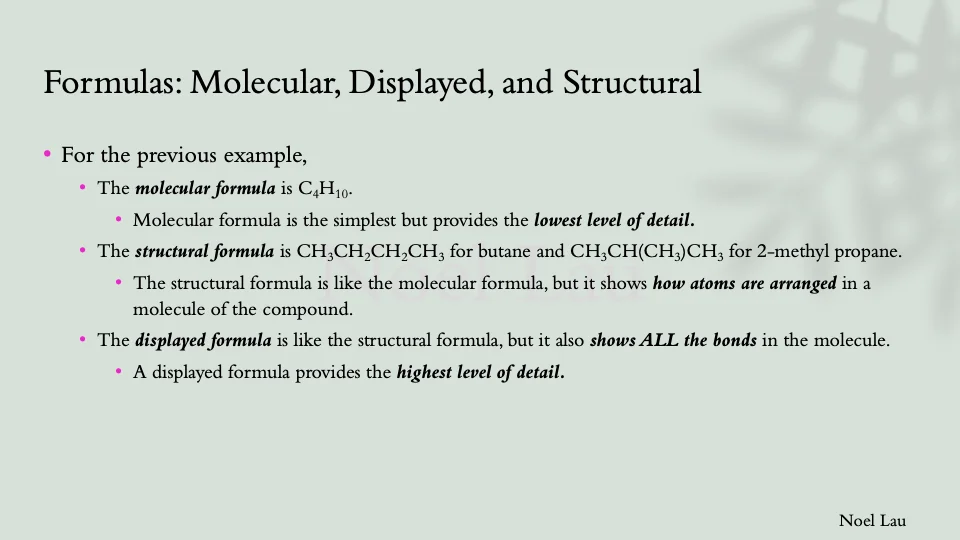
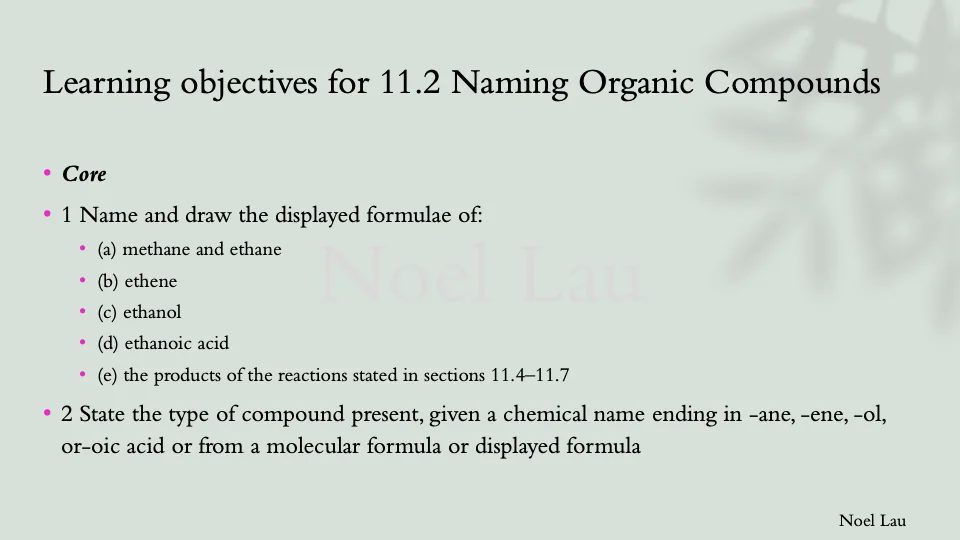
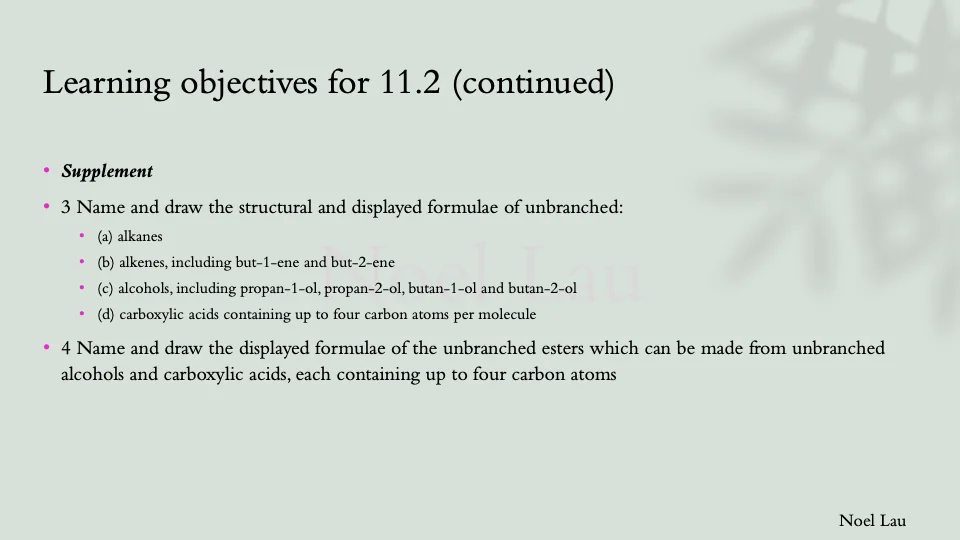
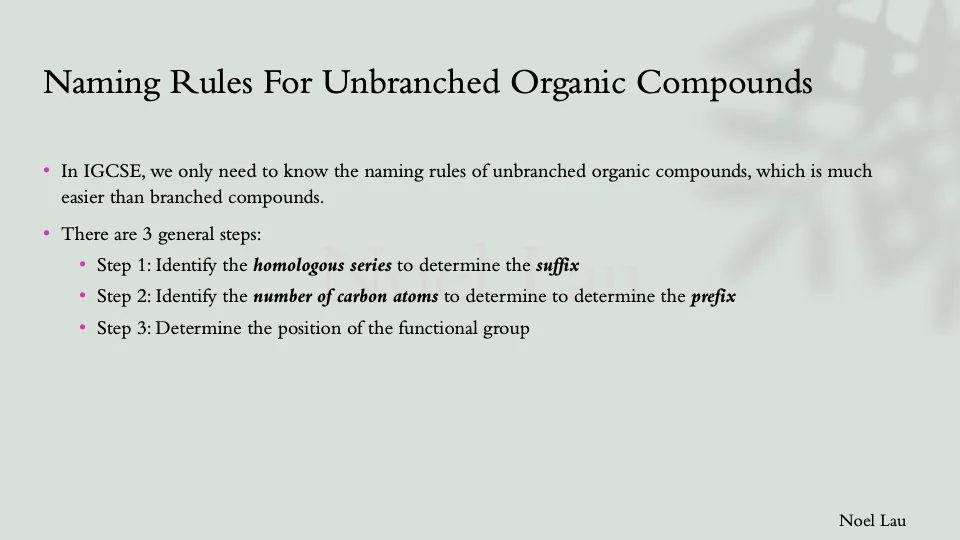
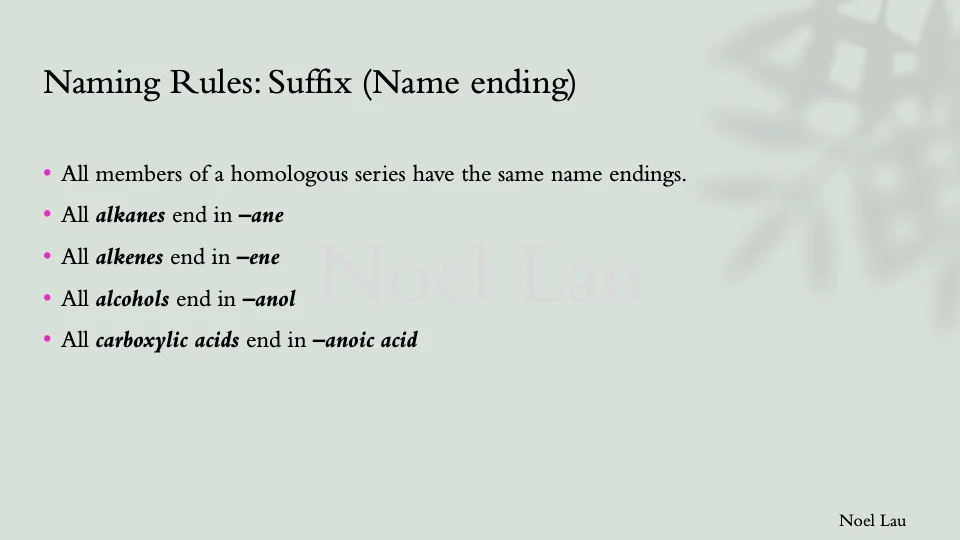
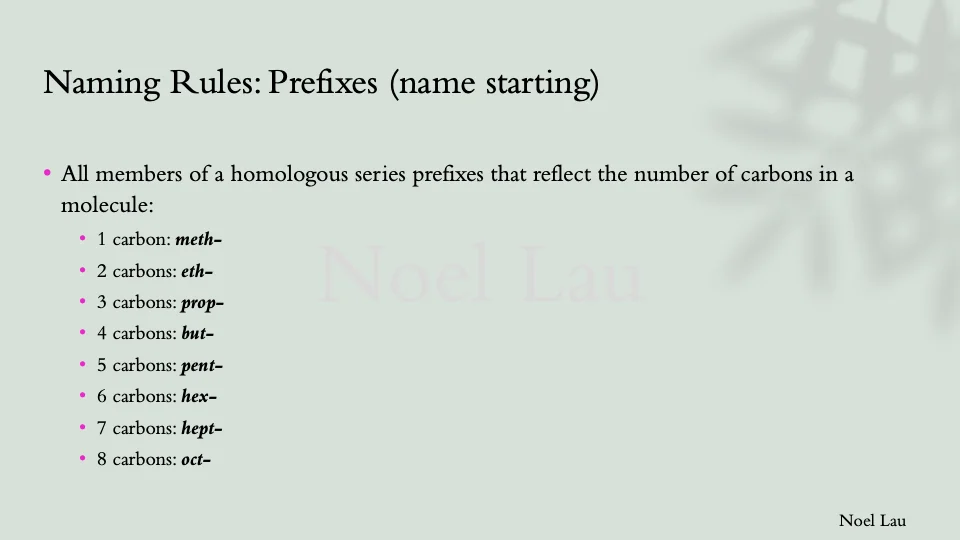
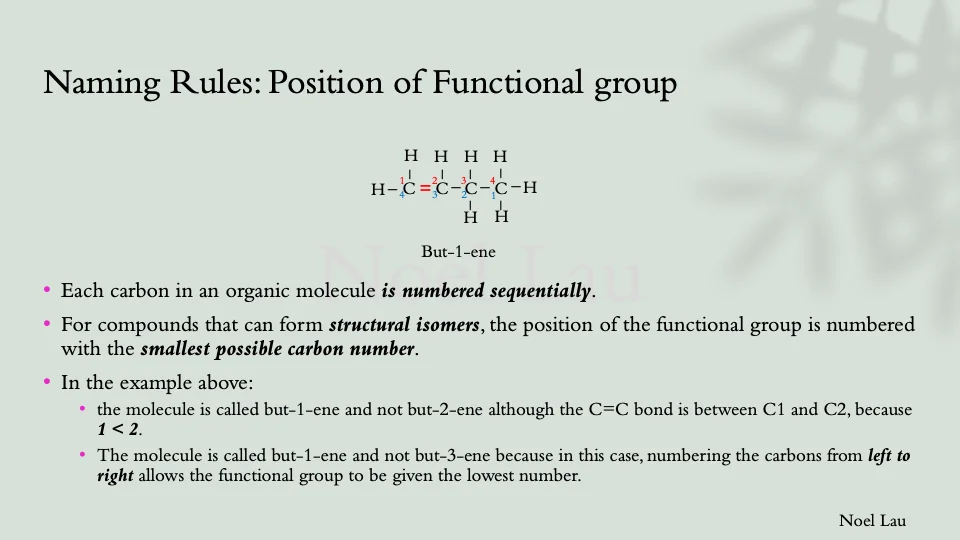
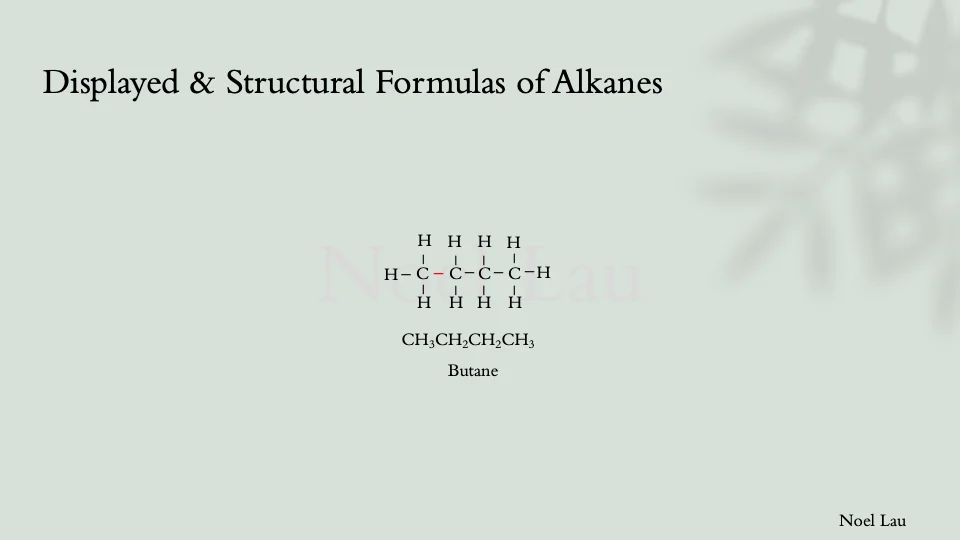
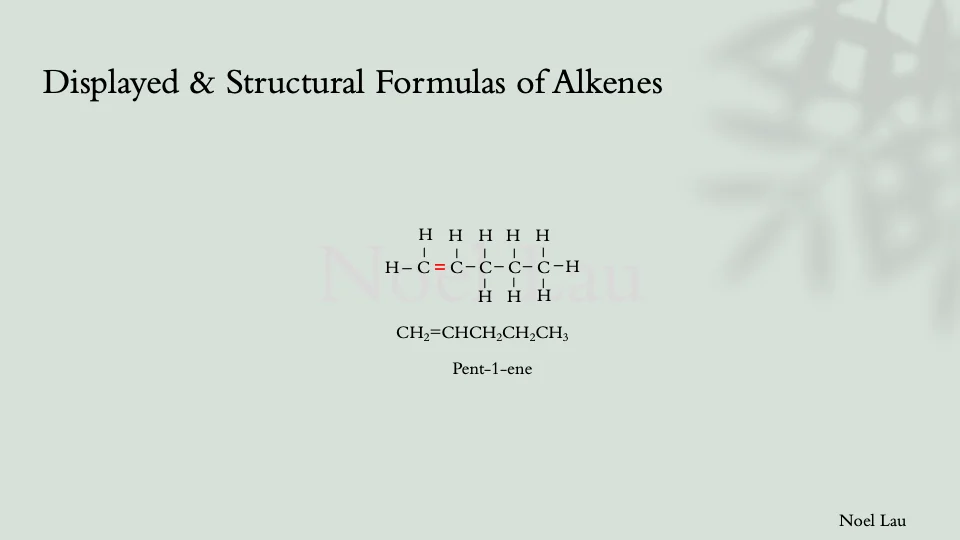
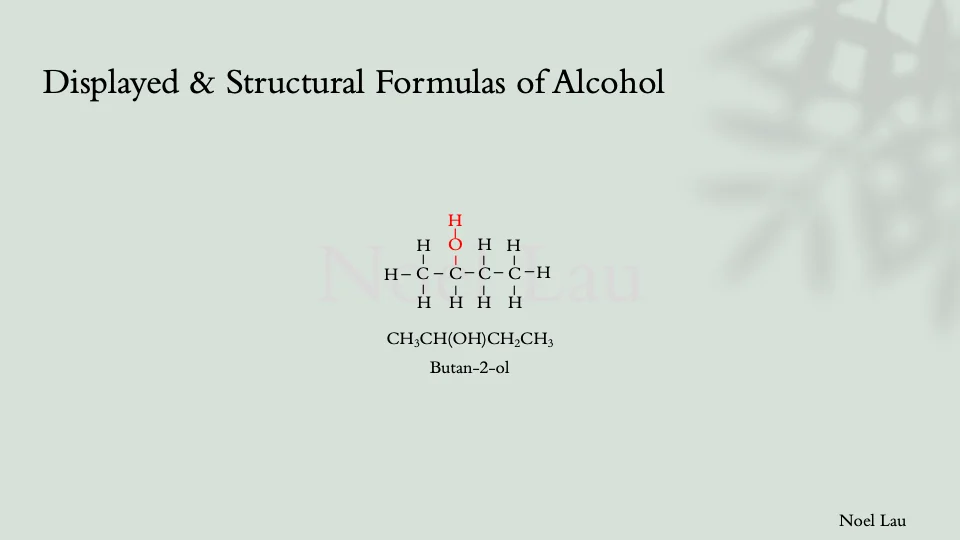
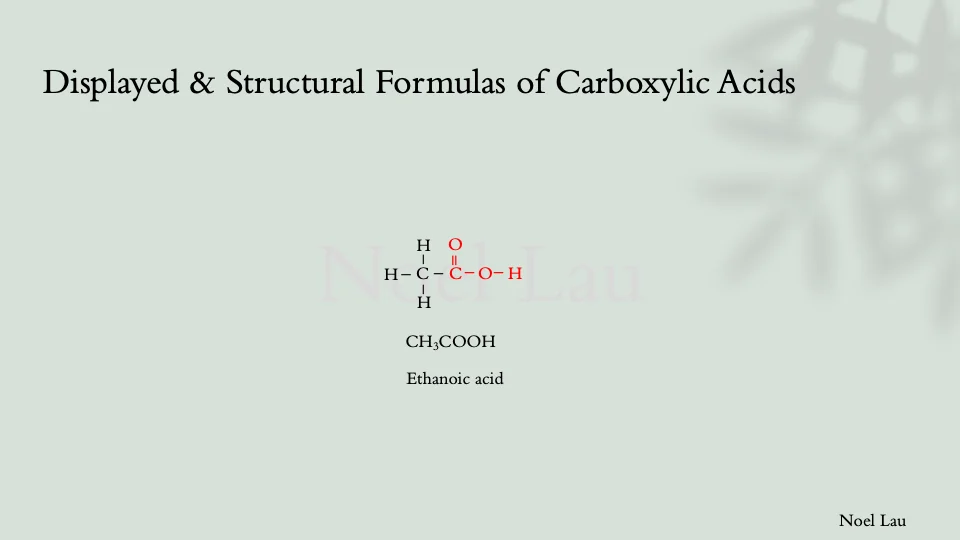
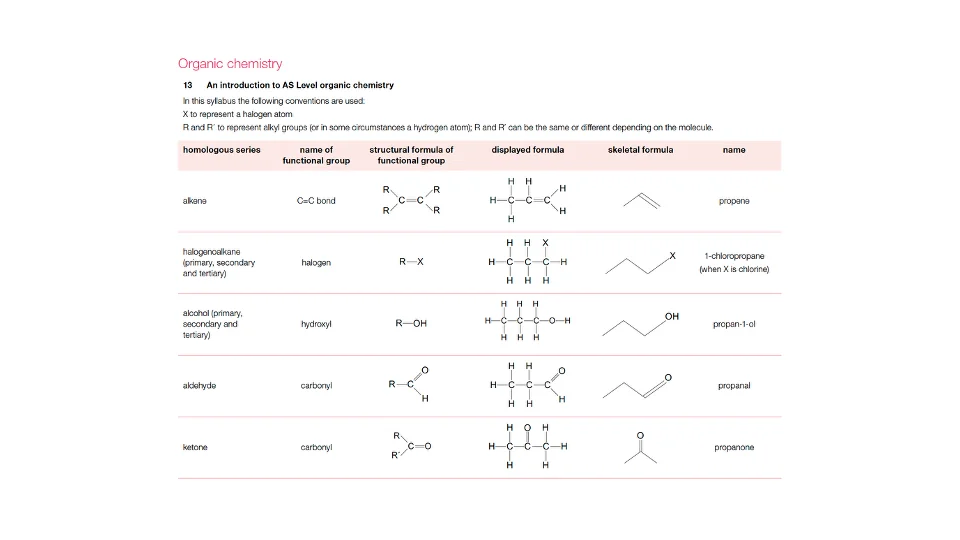
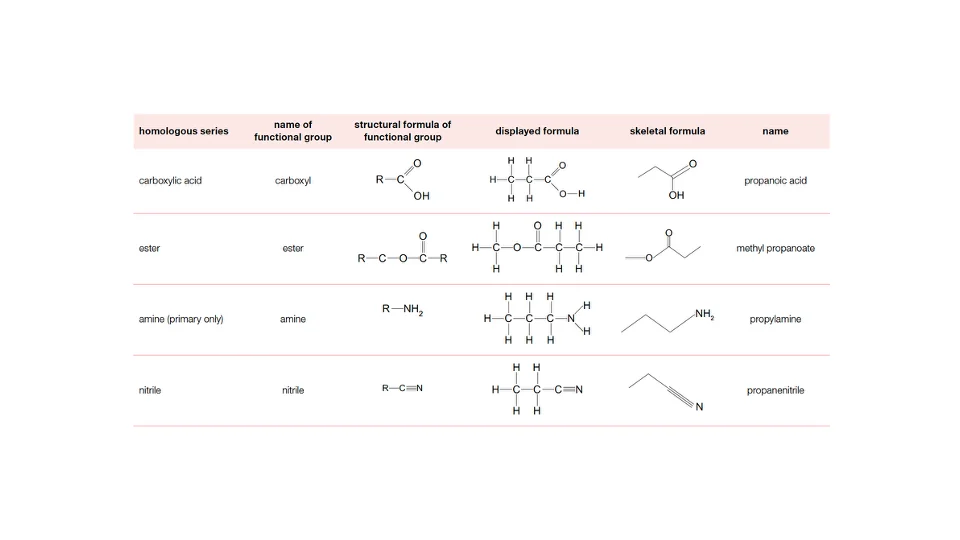
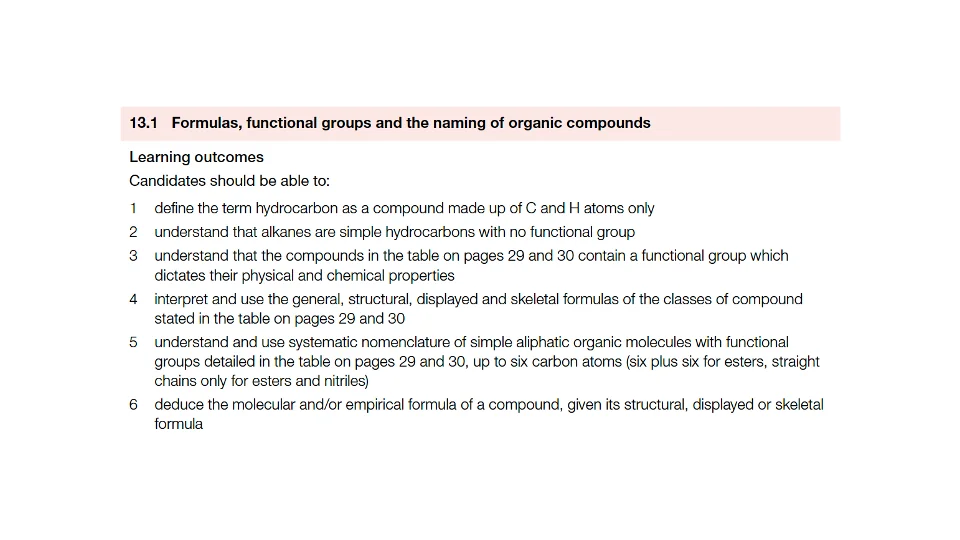
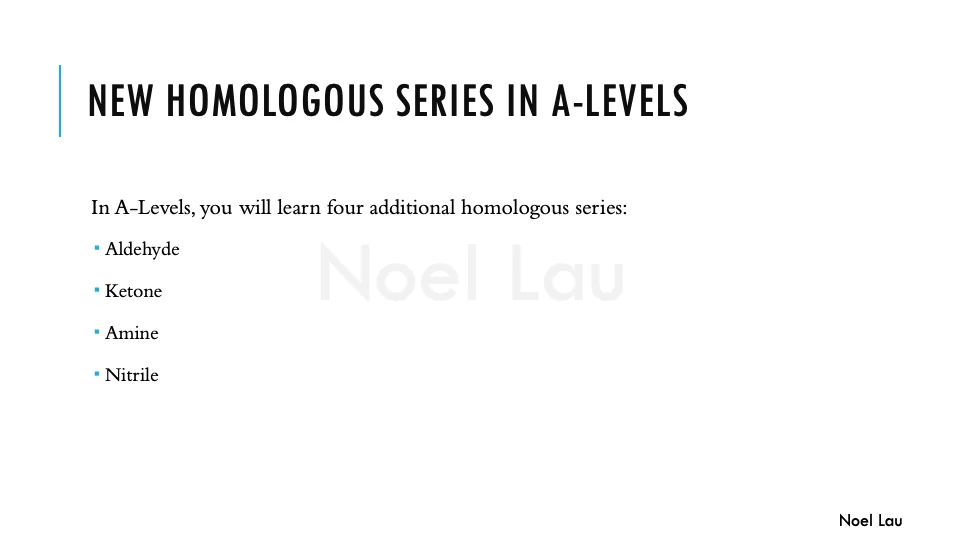
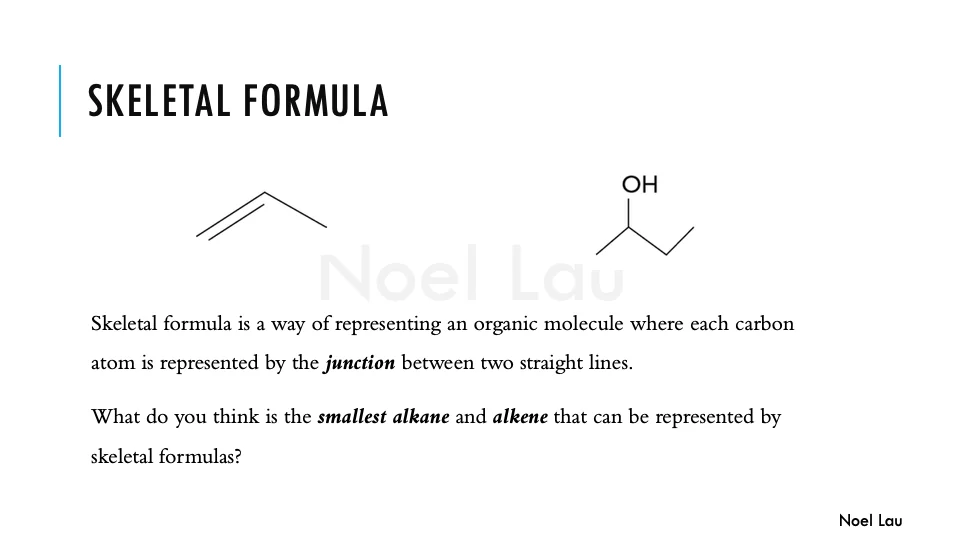
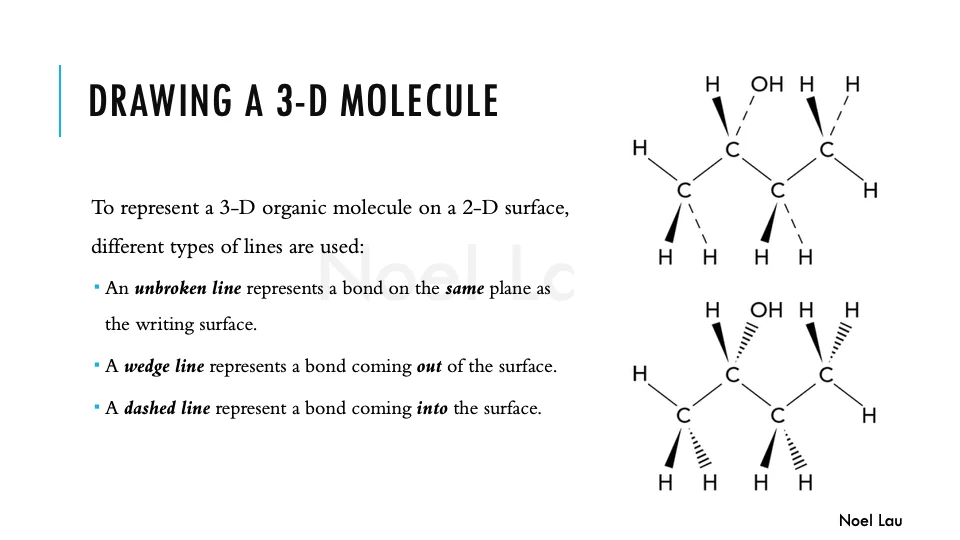
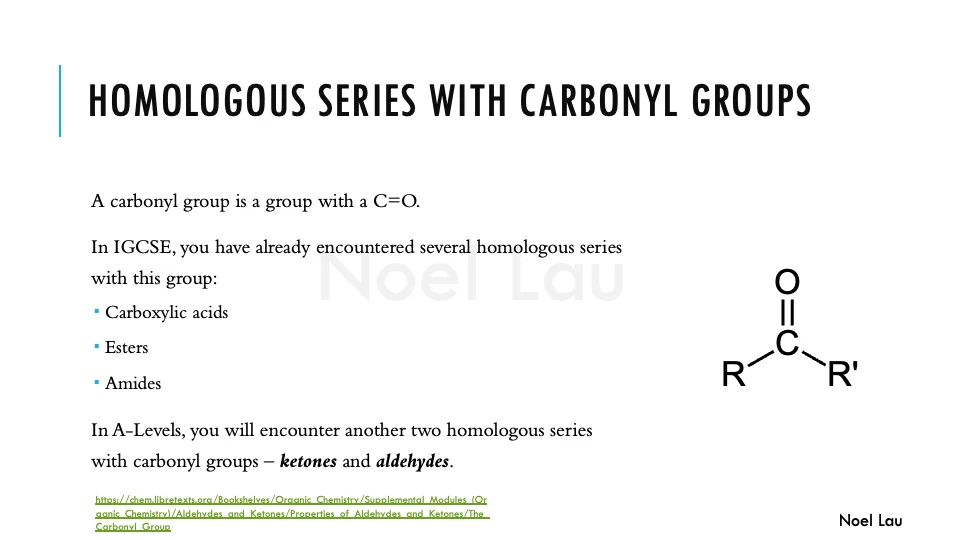
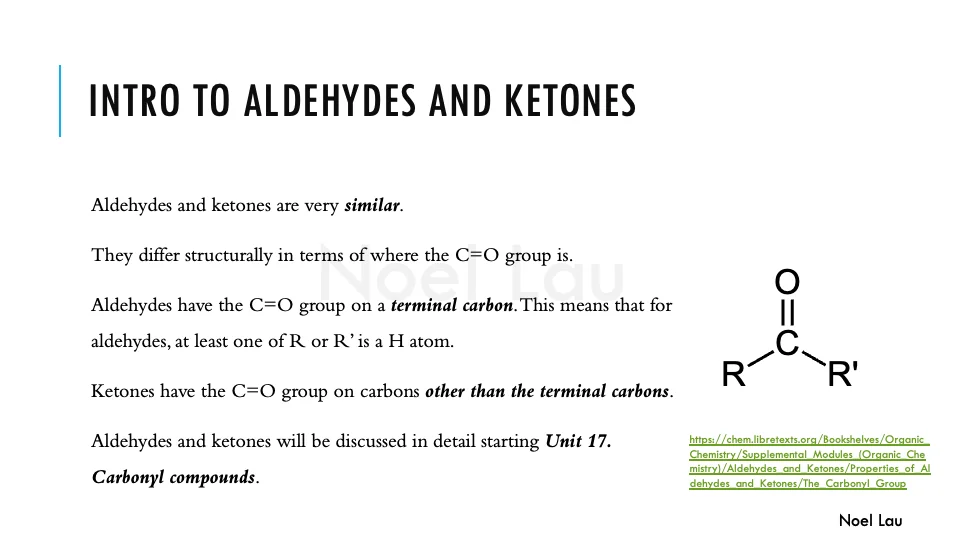
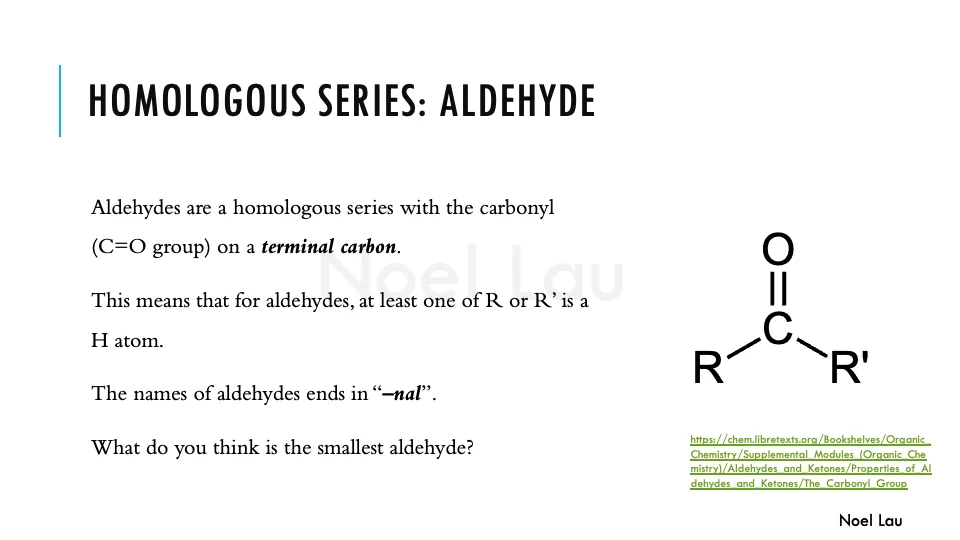
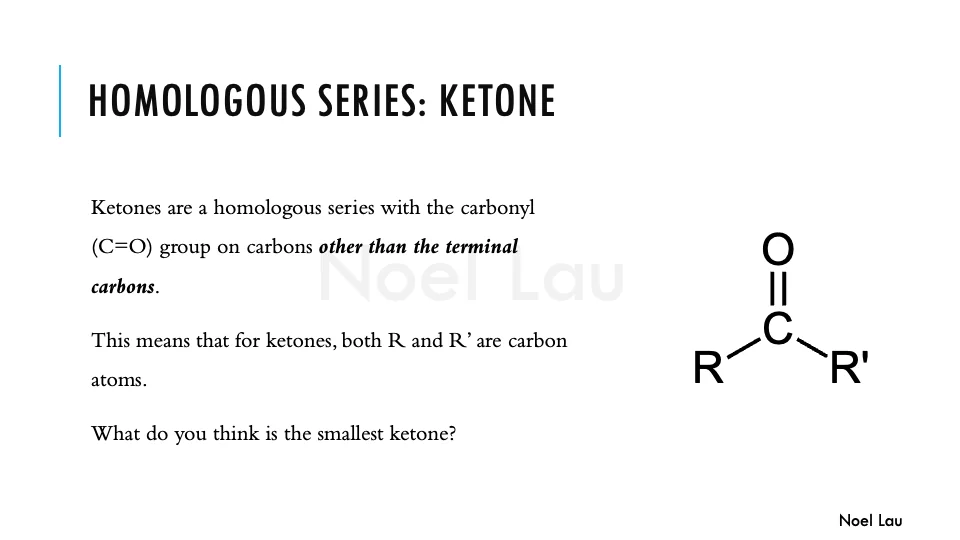
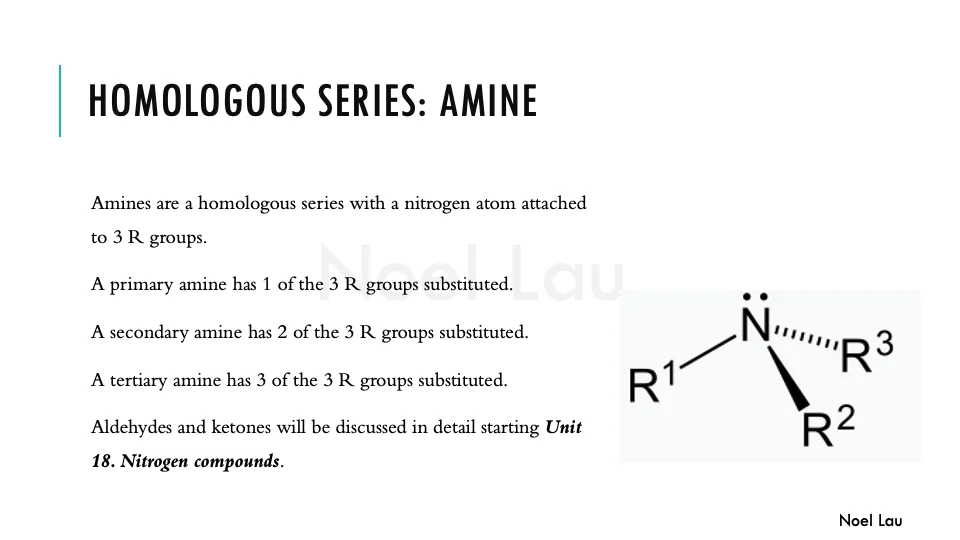
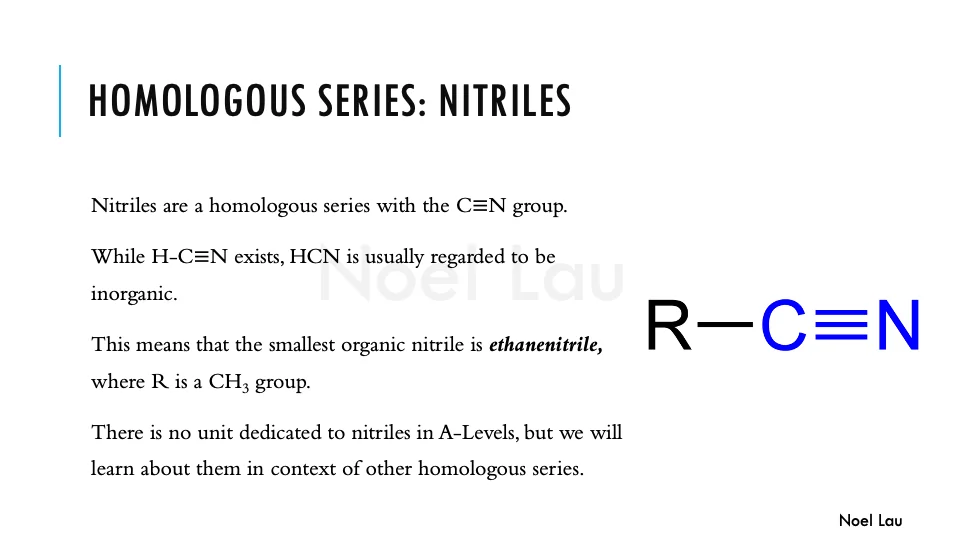
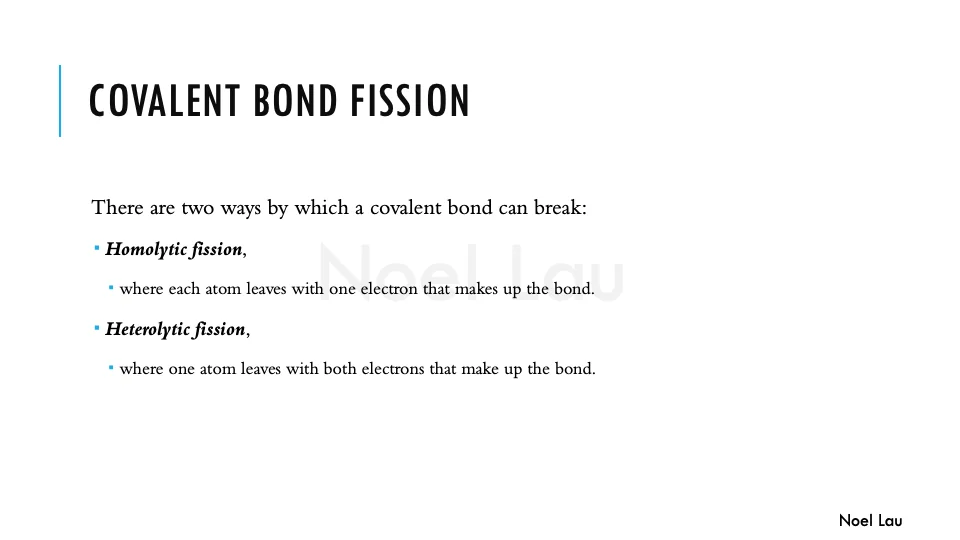
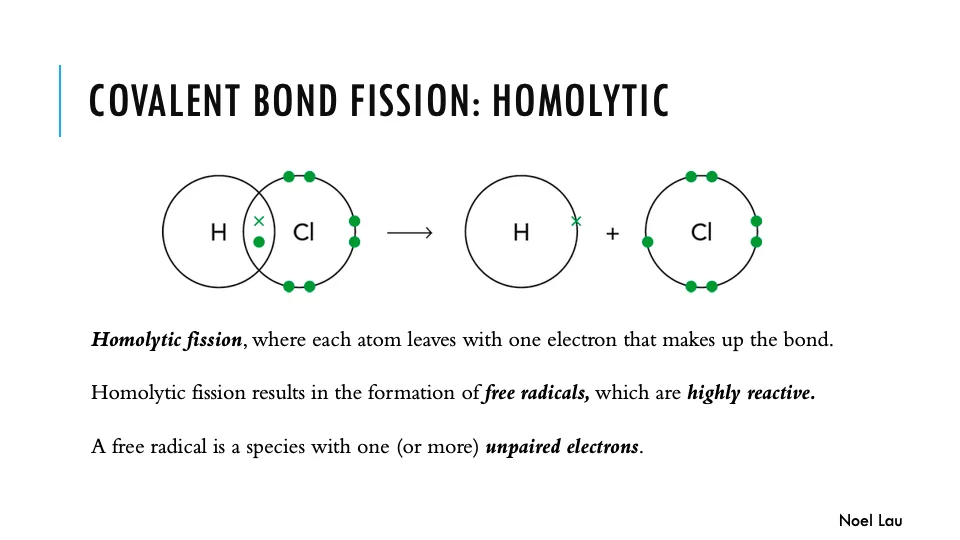
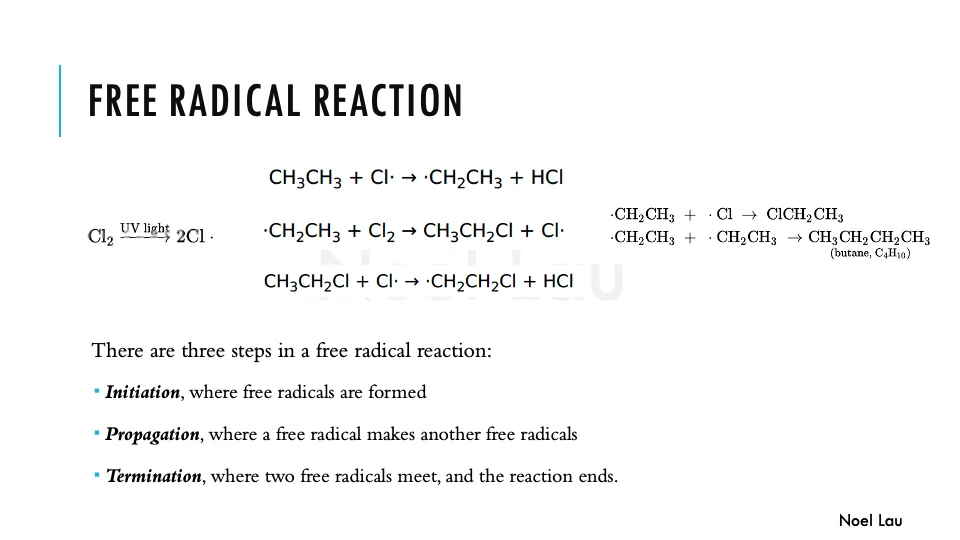
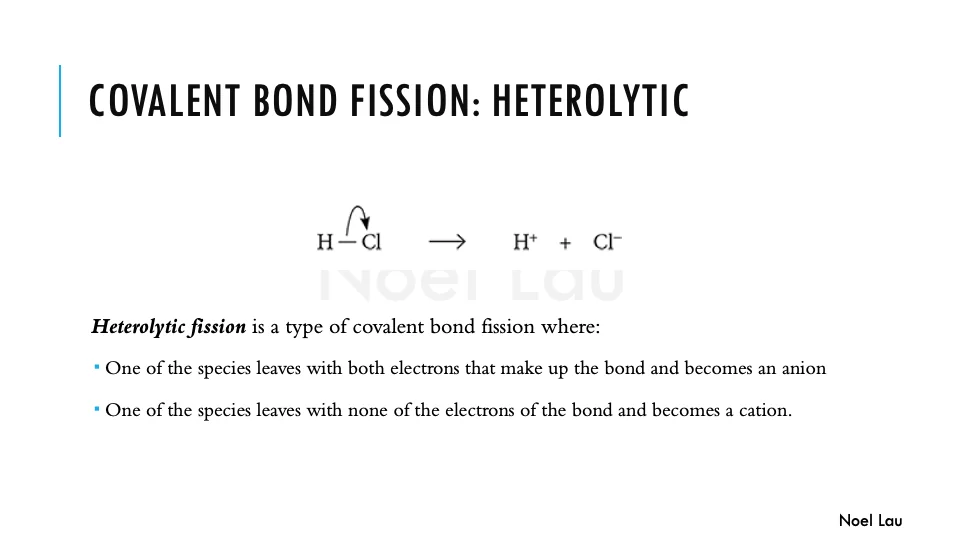
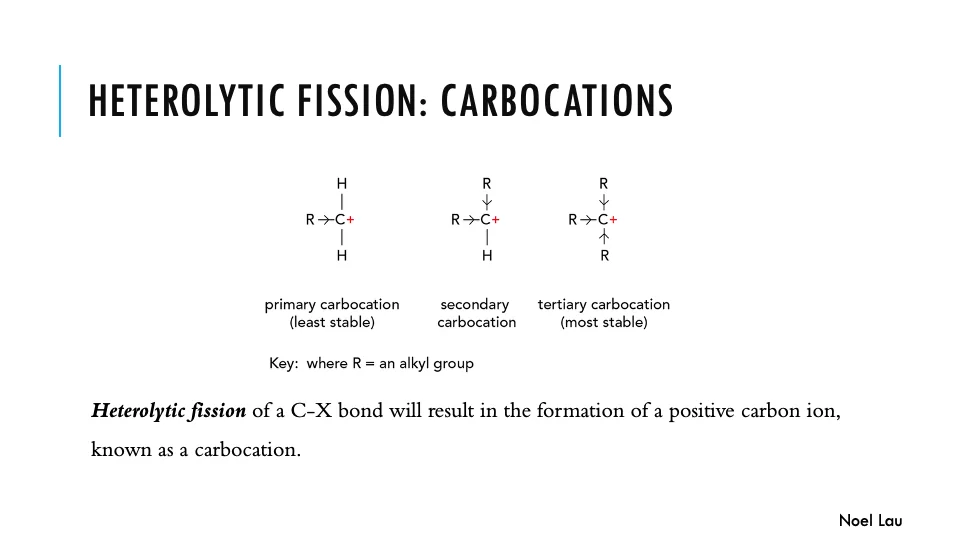
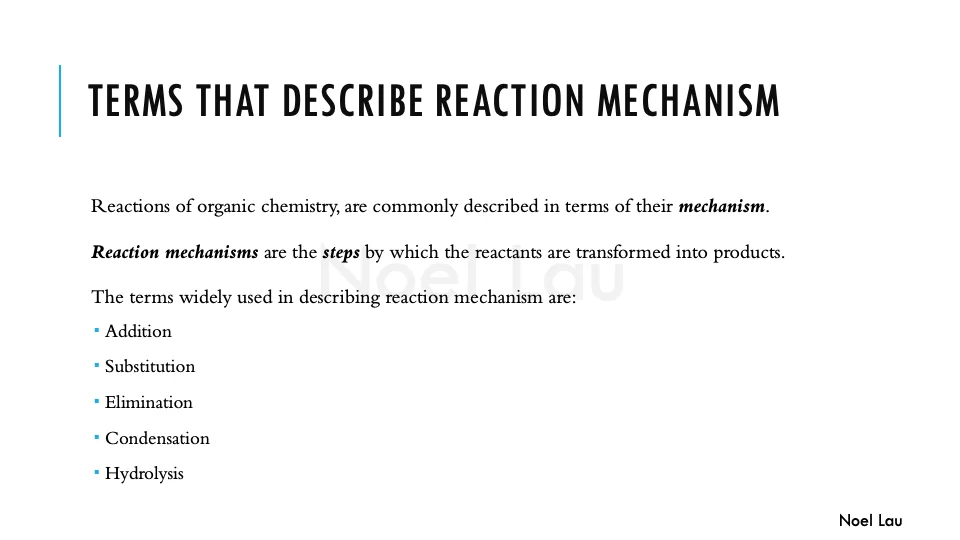
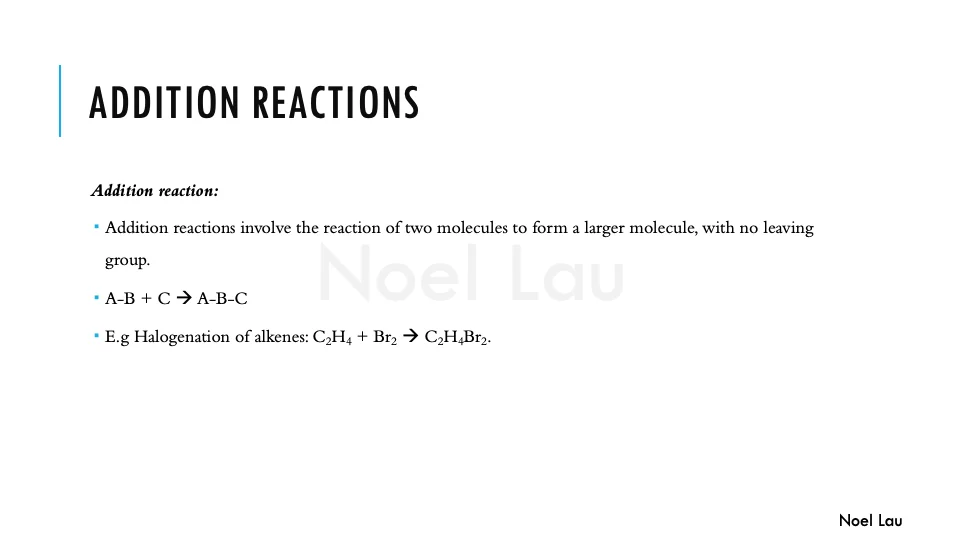
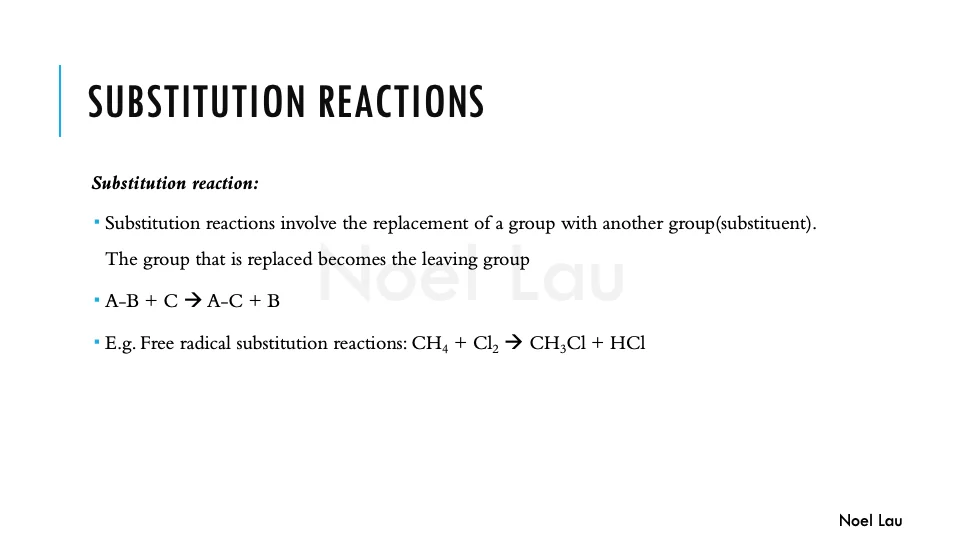
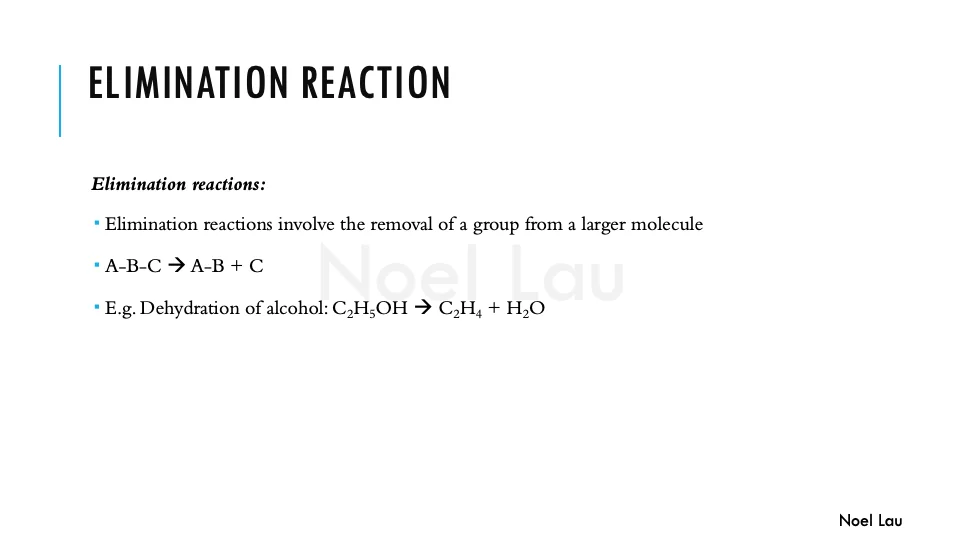
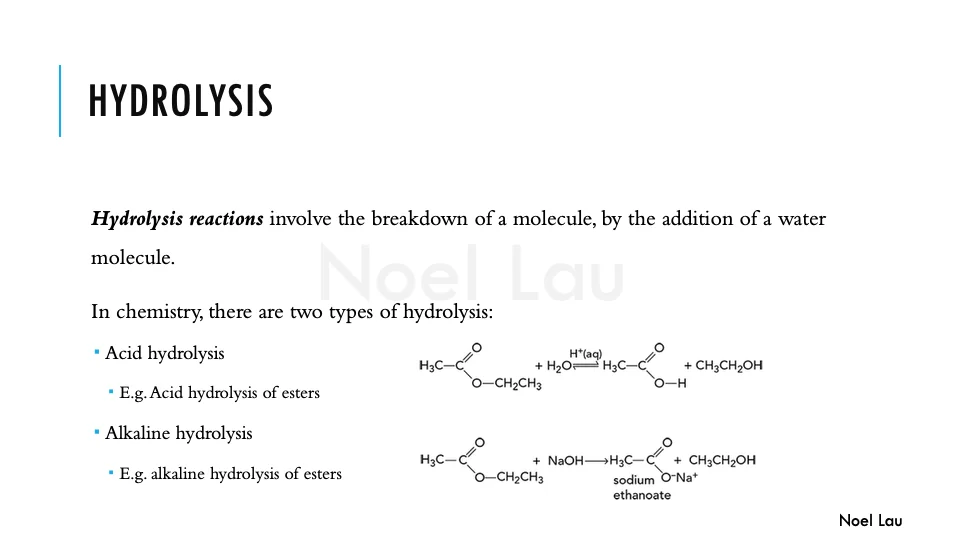
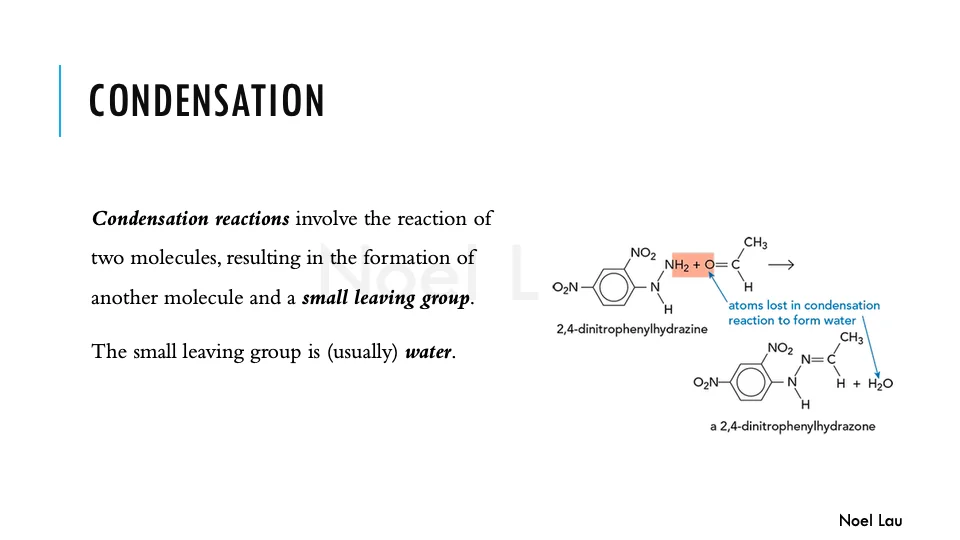
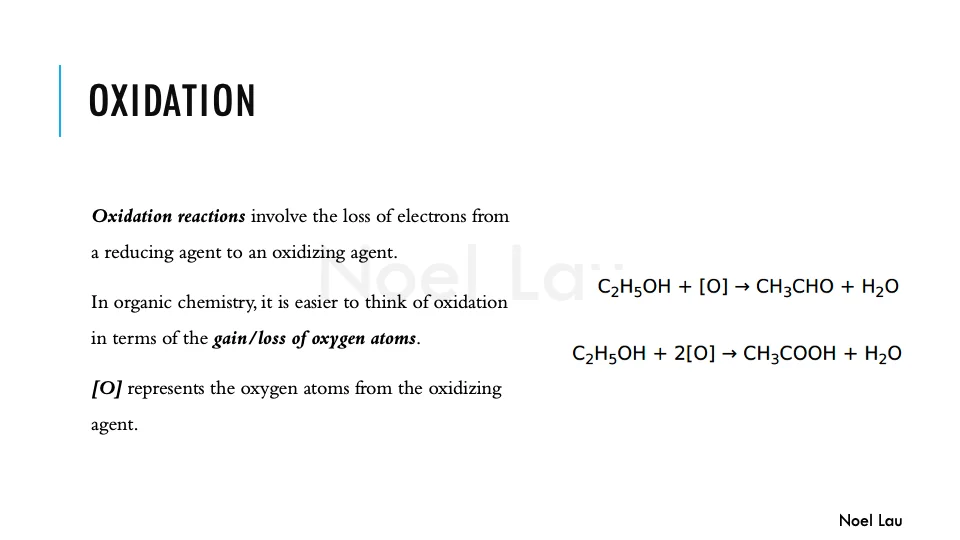
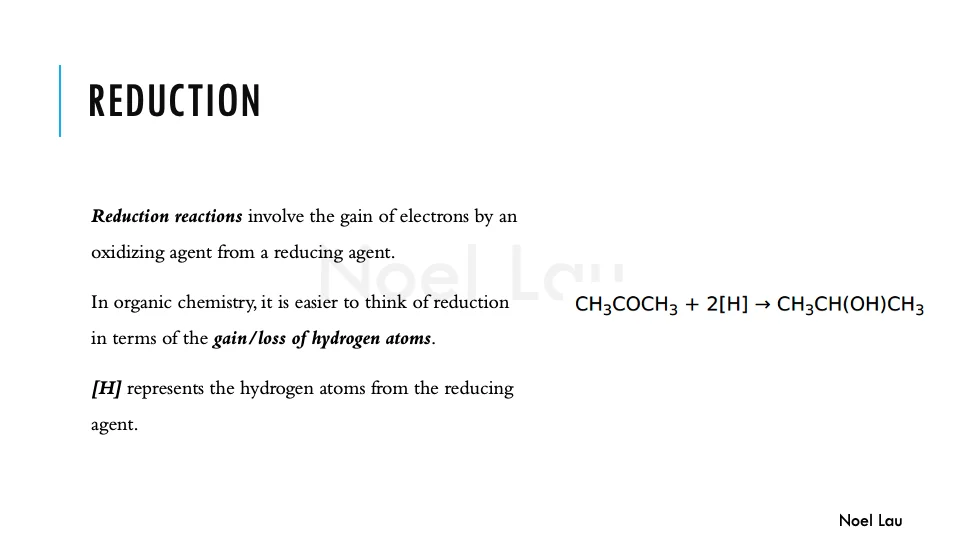
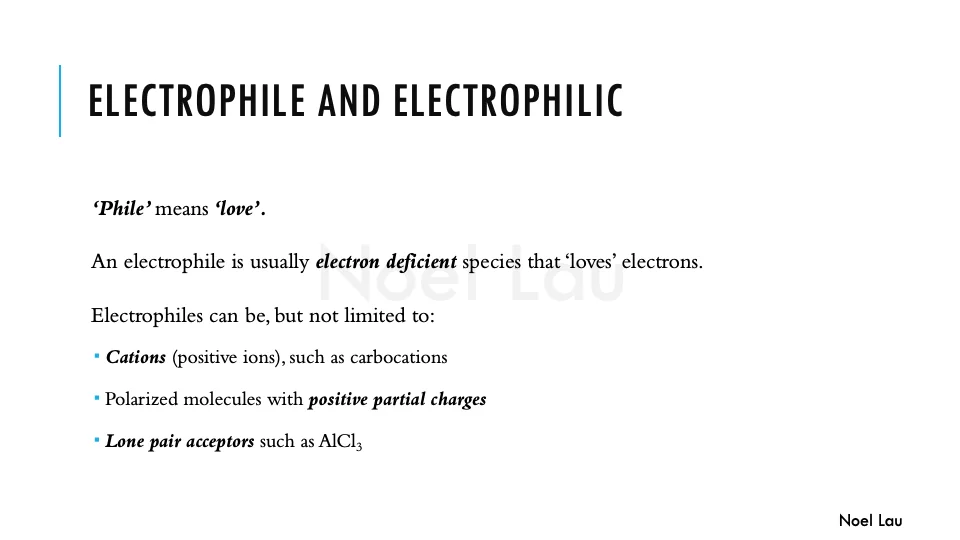
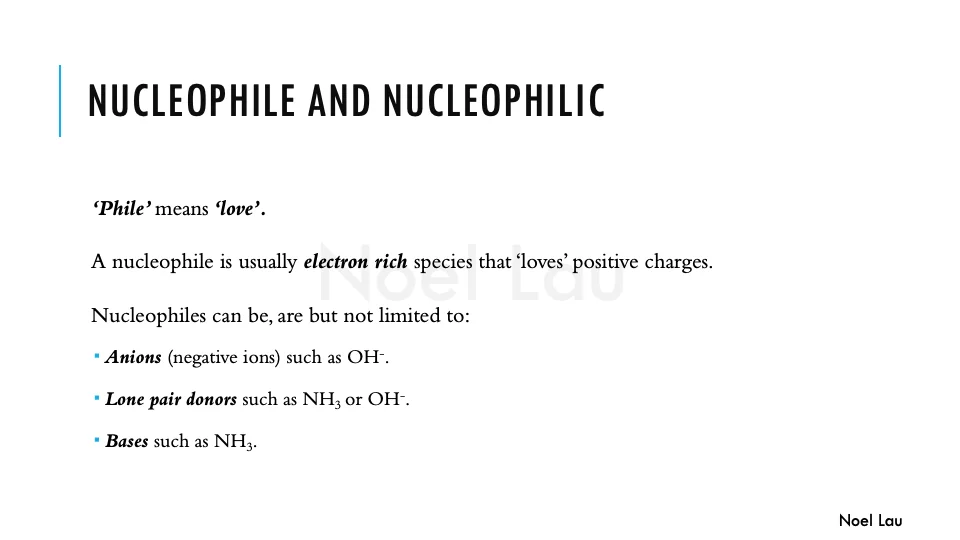
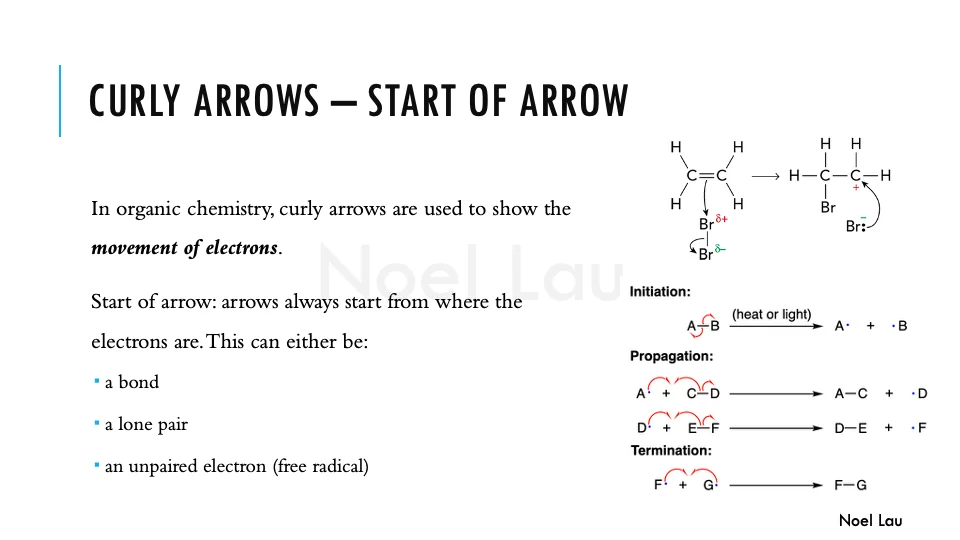
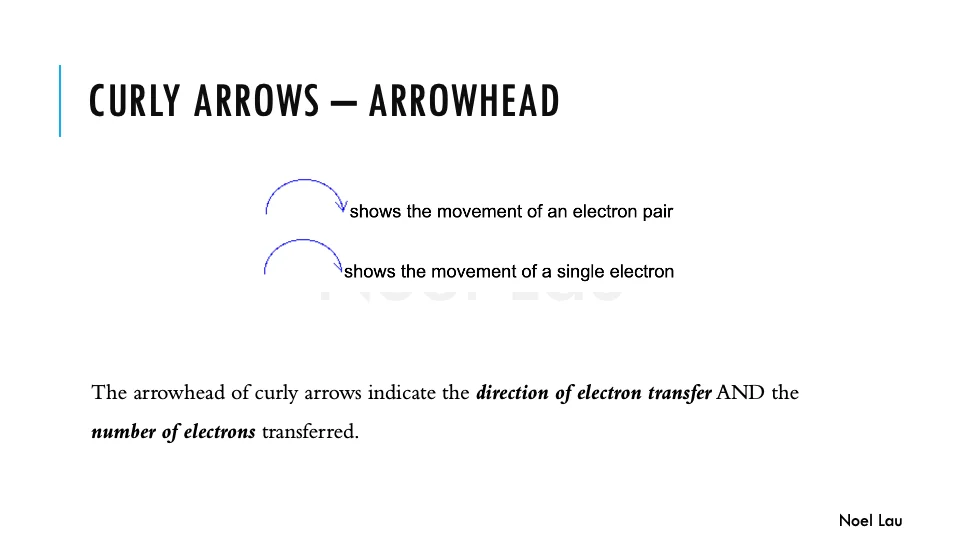
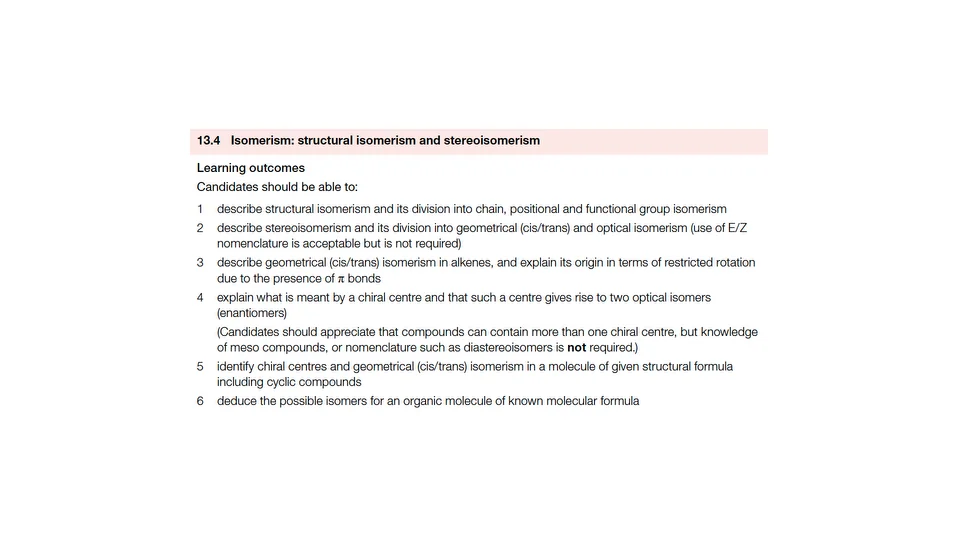
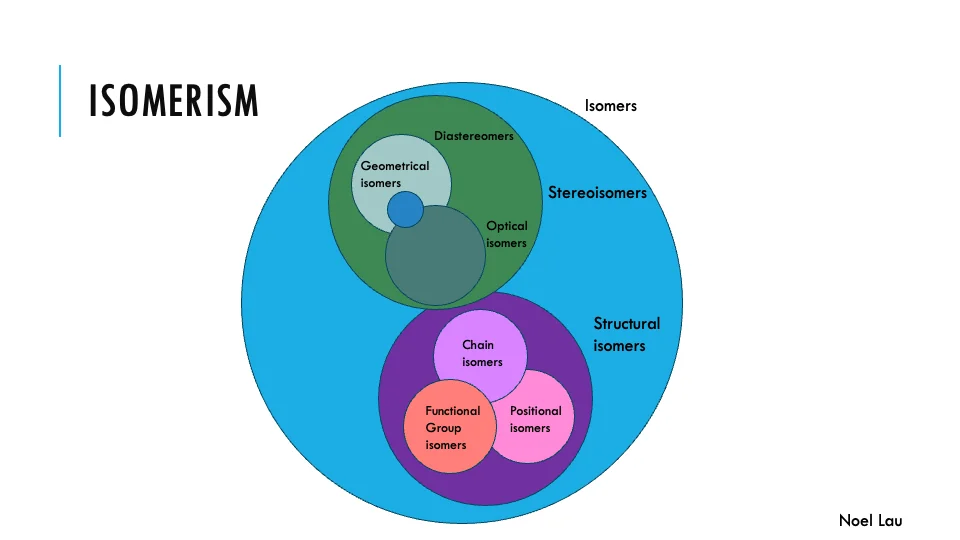
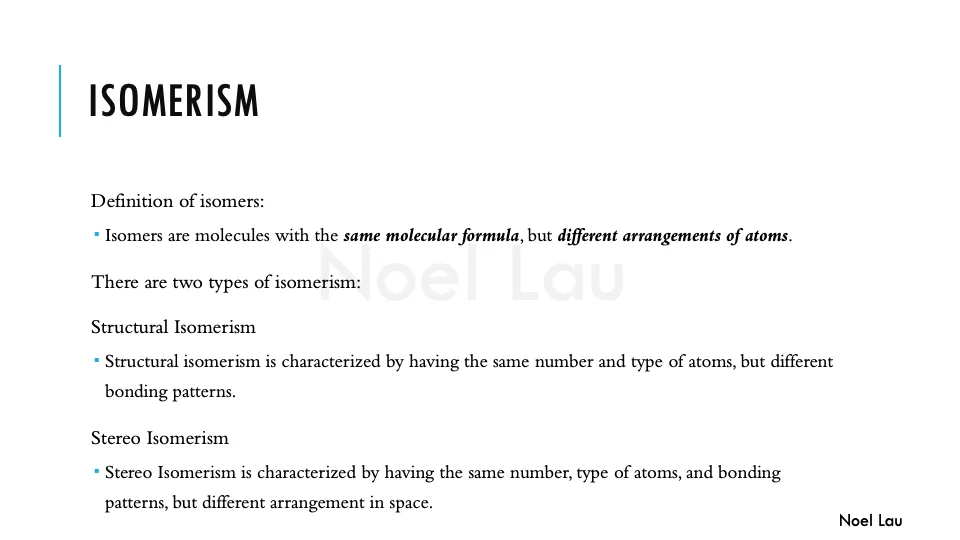
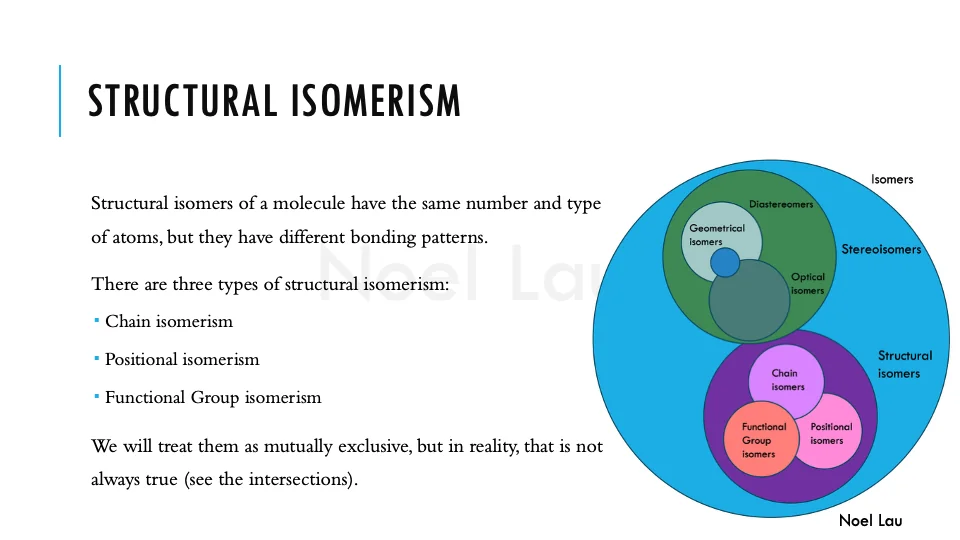
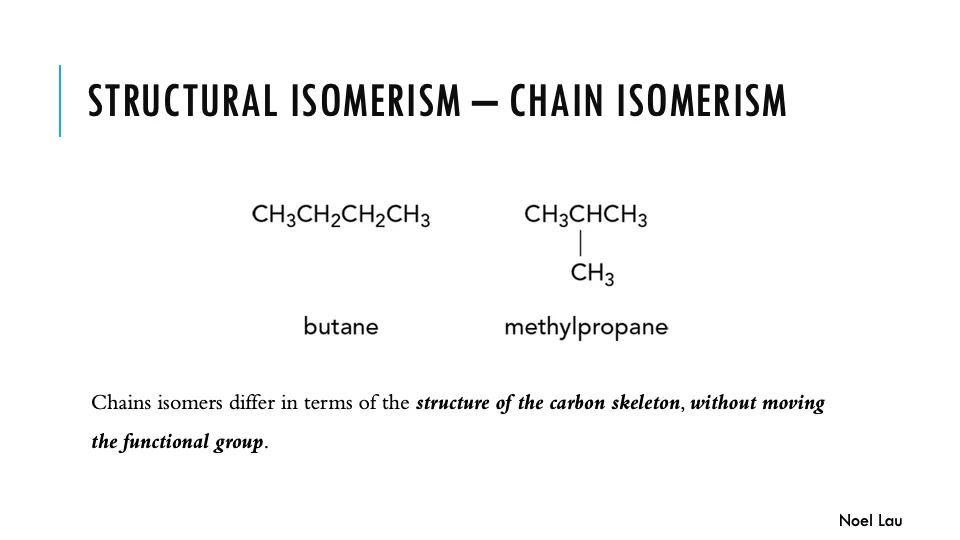
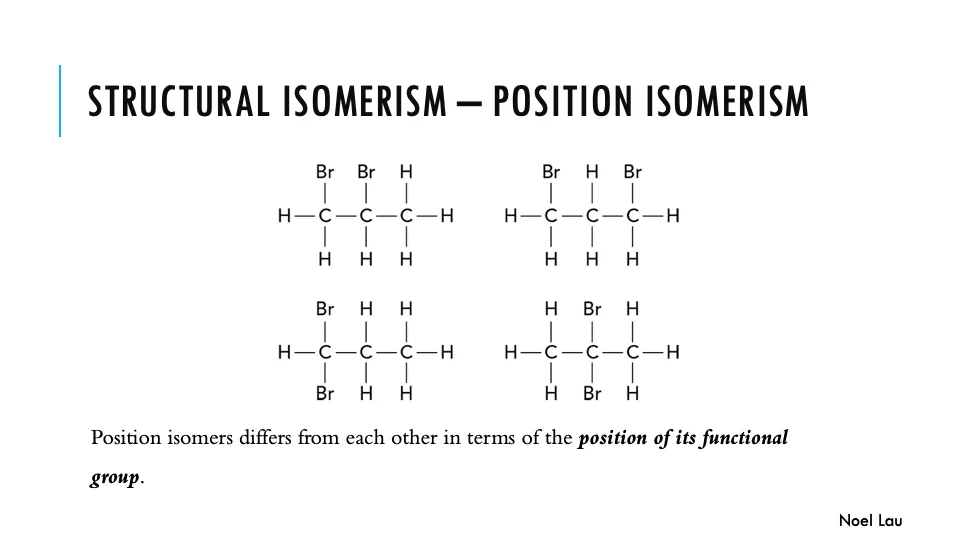
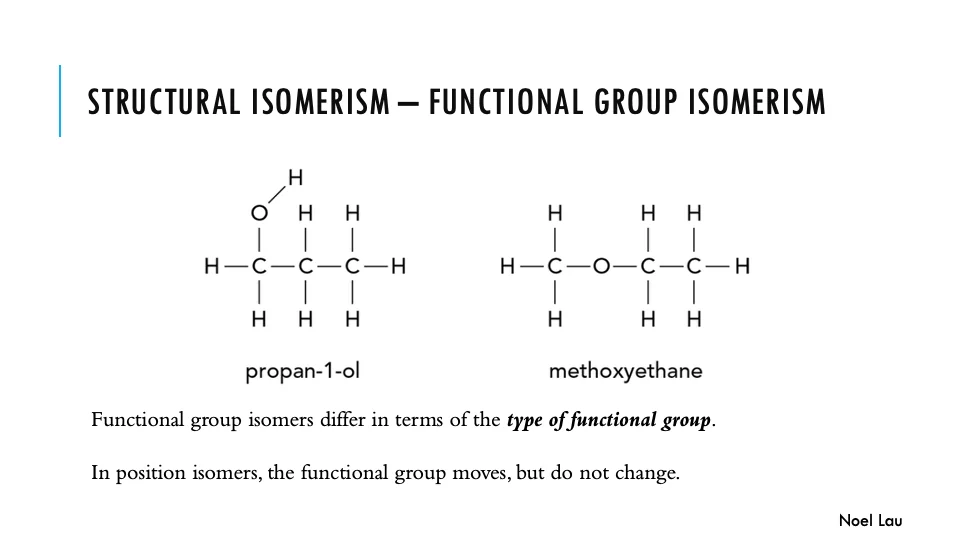
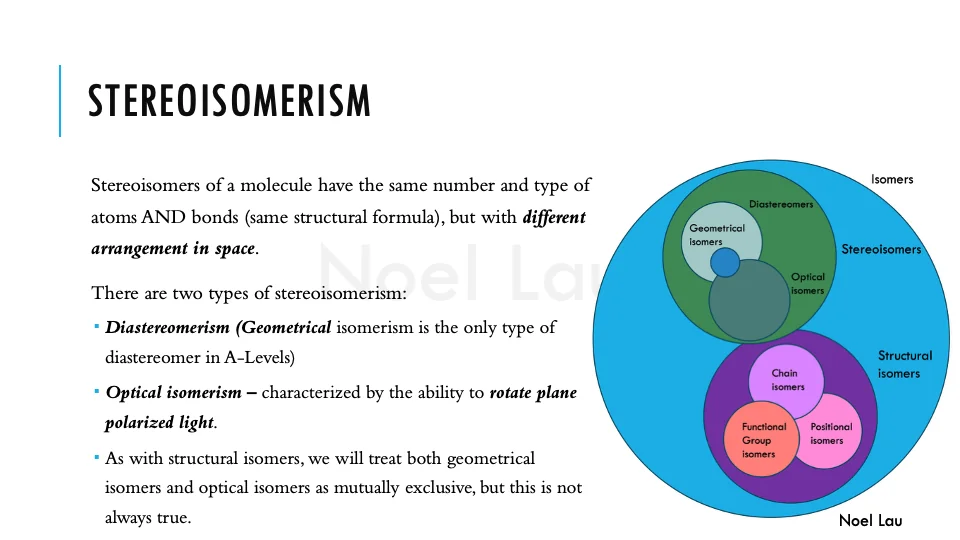
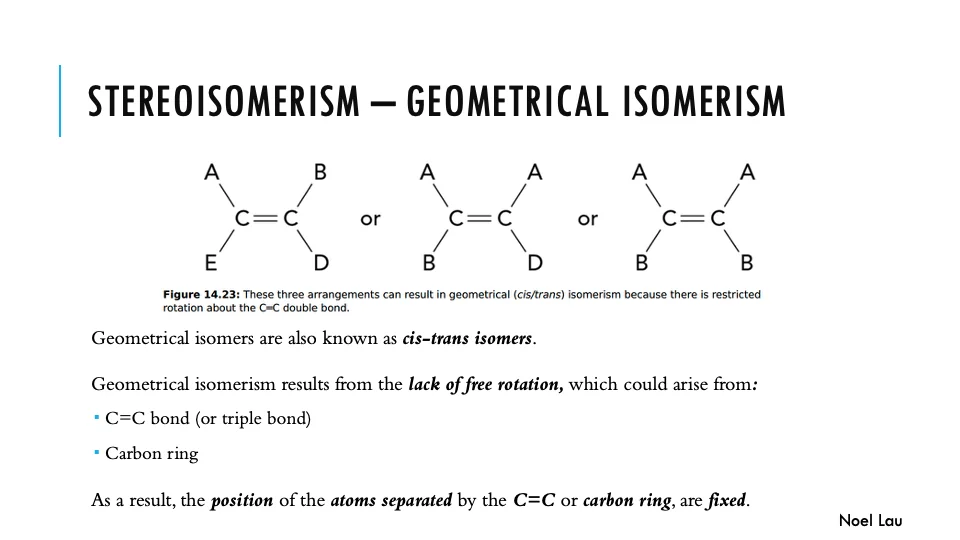
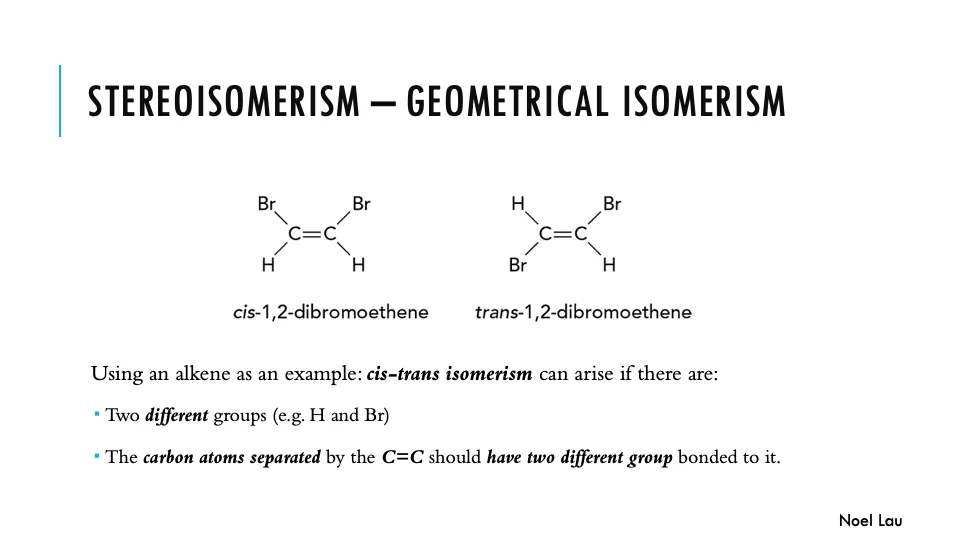
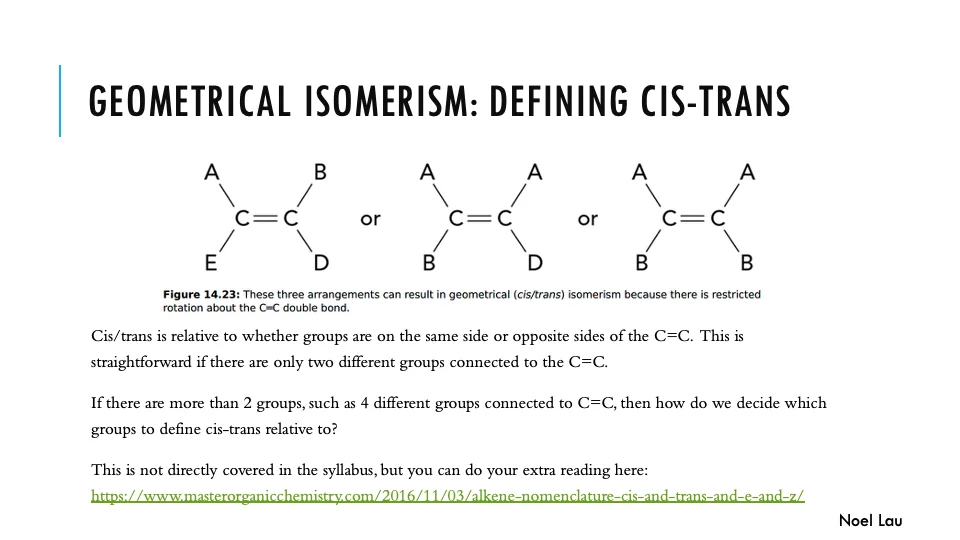
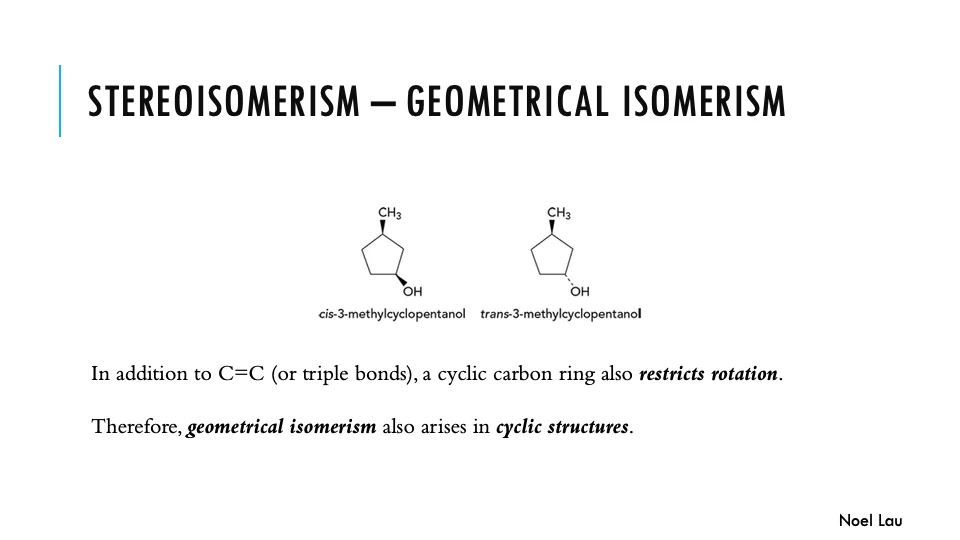
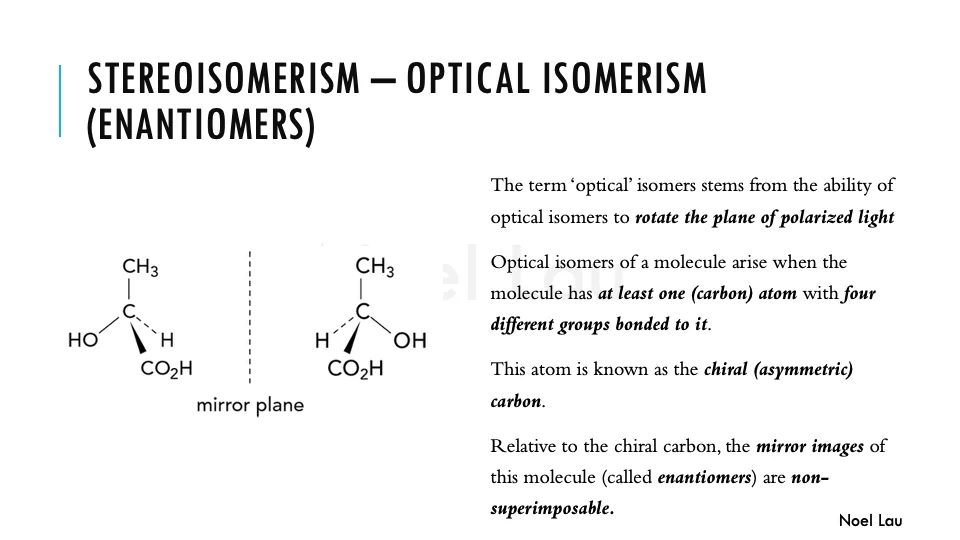
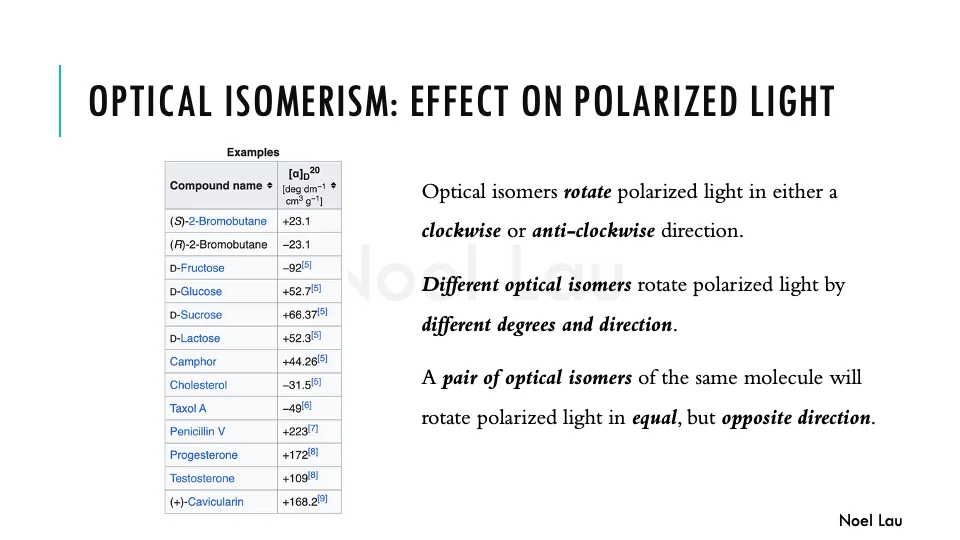
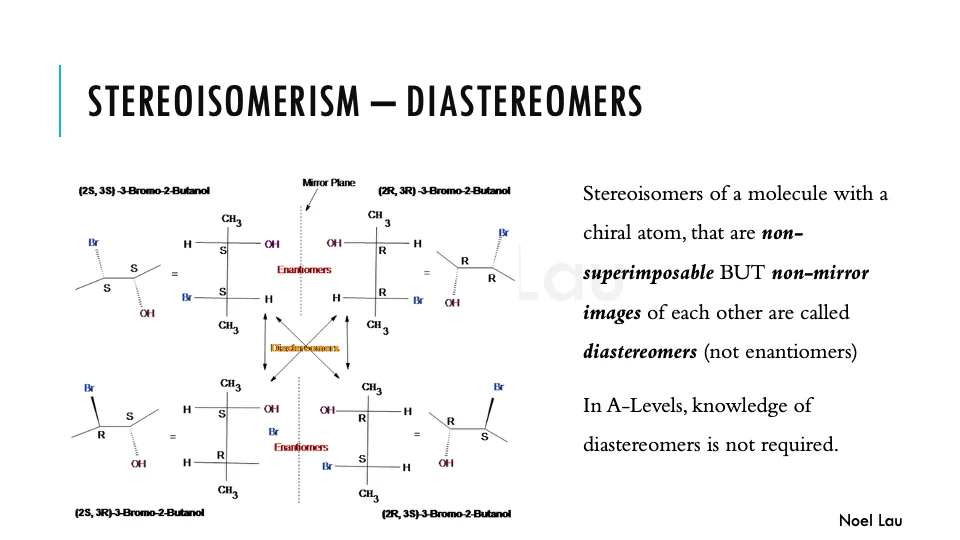
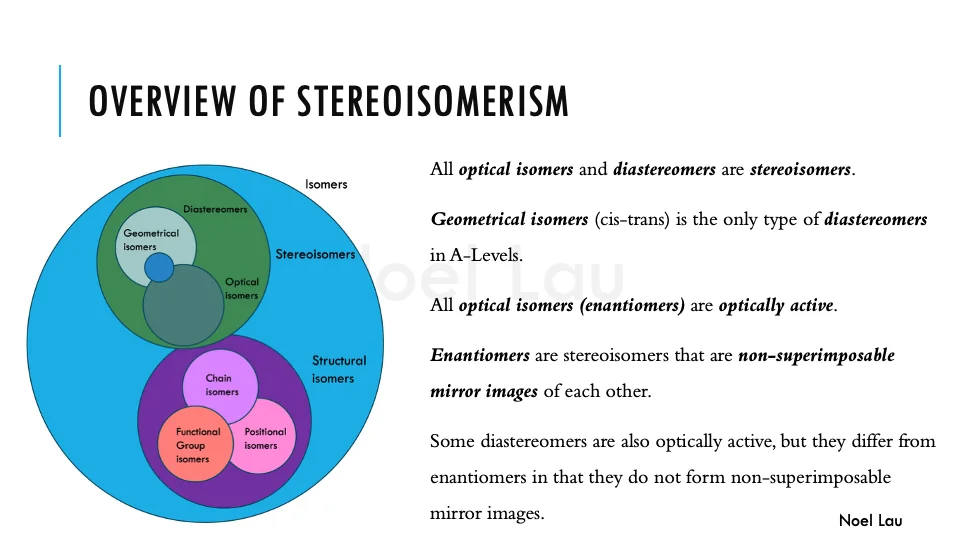
The chapter begins with the nomenclature and structural representation of organic compounds, introducing the functional groups that define each homologous series covered at AS Level. Candidates are expected to interpret and use general, structural, displayed and skeletal formulas, and to apply systematic IUPAC nomenclature to molecules of up to six carbon atoms. The nature of homolytic and heterolytic bond fission is then addressed, leading to the classification of reactive intermediates as free radicals, nucleophiles or electrophiles. The principal reaction types, including addition, substitution, elimination, hydrolysis and condensation, are defined, as are the four key organic mechanisms: free-radical substitution, electrophilic addition, nucleophilic substitution and nucleophilic addition. The chapter concludes with isomerism, covering structural isomerism in its chain, positional and functional group forms, and stereoisomerism in its geometrical and optical forms, including the concept of chirality and the origin of enantiomers at chiral centres.