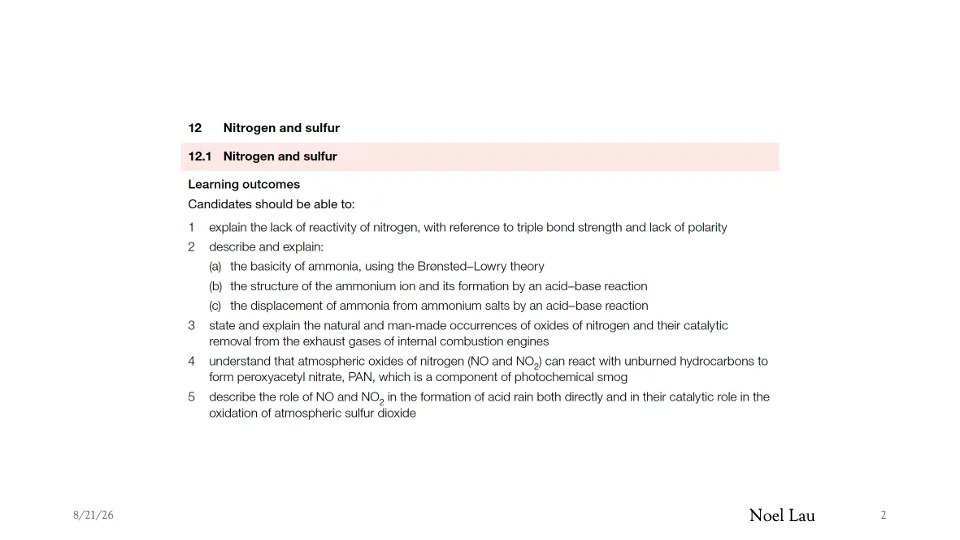
Chapter 12 examines the chemistry of two non-metals of considerable environmental and industrial significance. The chapter connects atomic and bonding concepts developed earlier in the course to the reactivity and environmental impact of nitrogen and sulfur compounds.
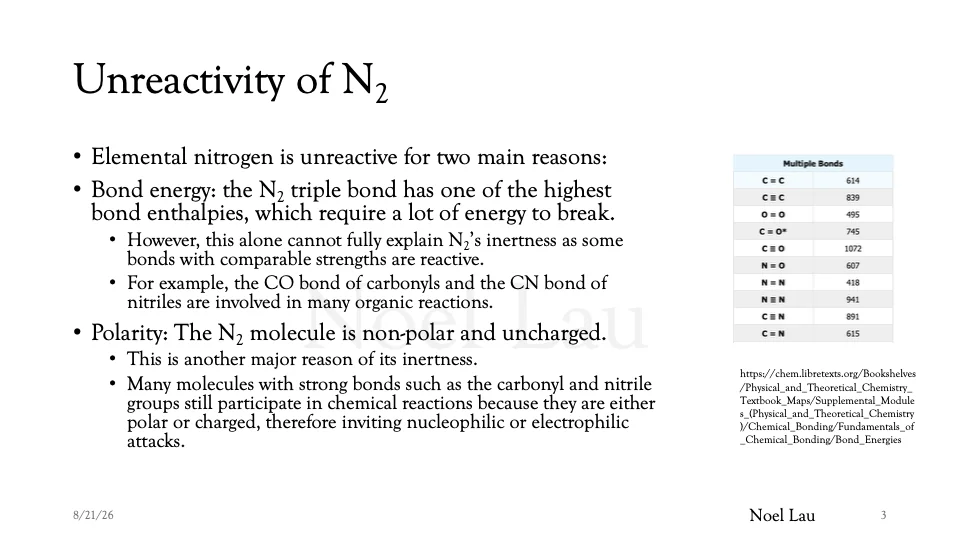
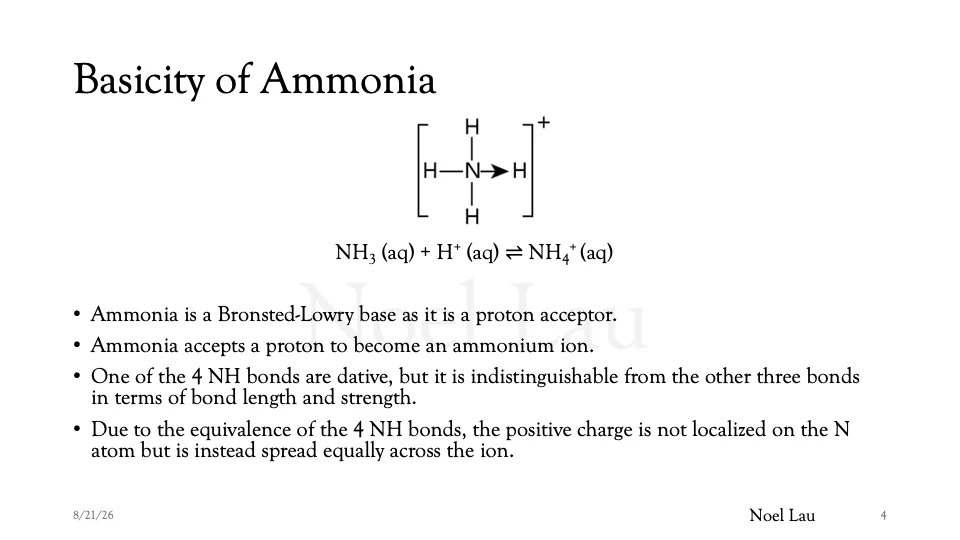
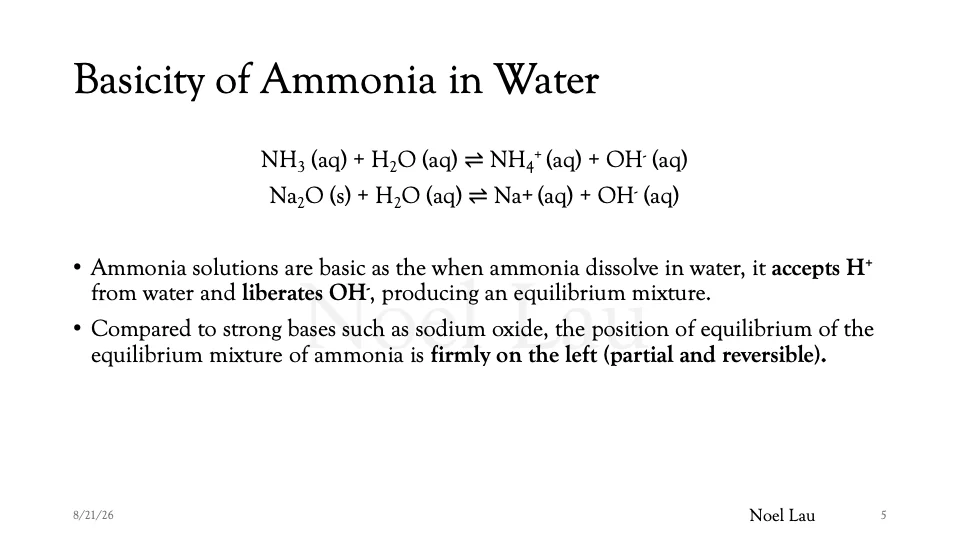
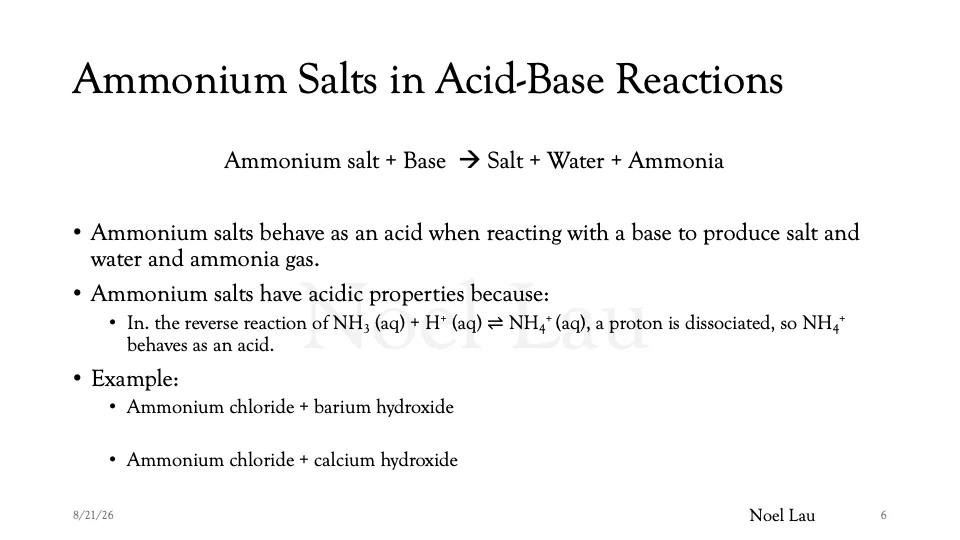
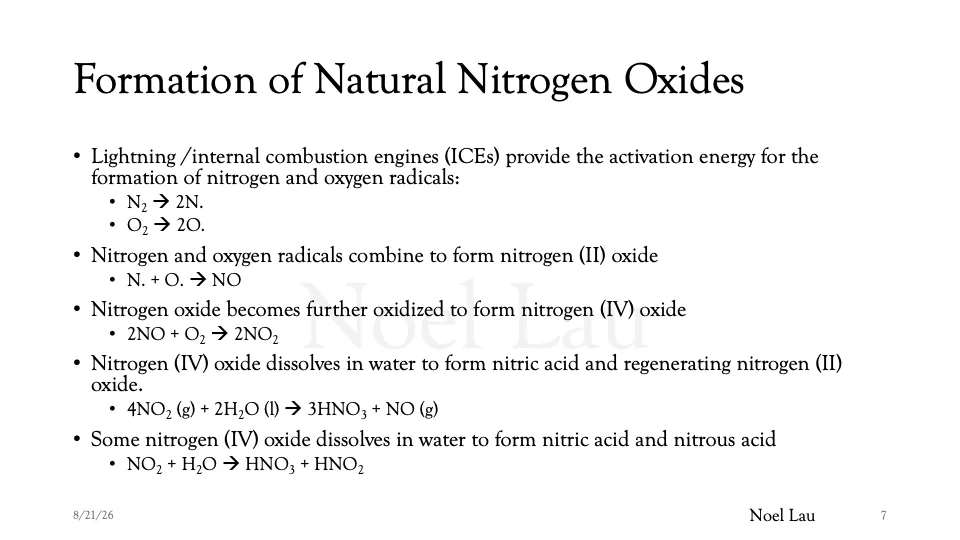
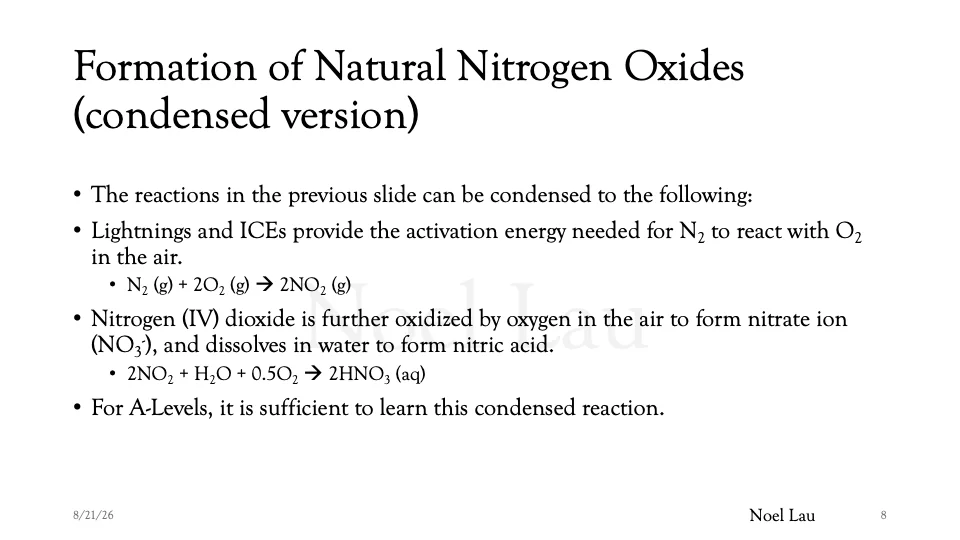
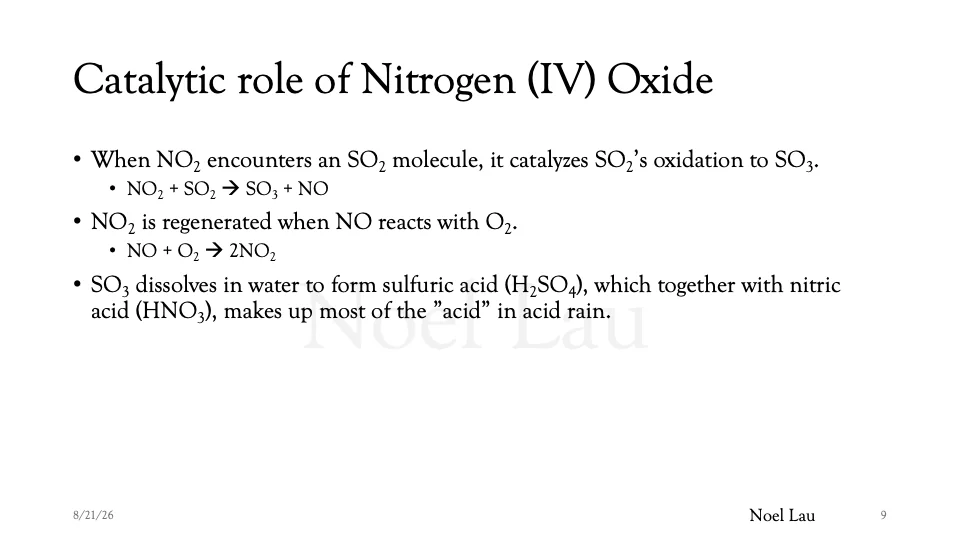
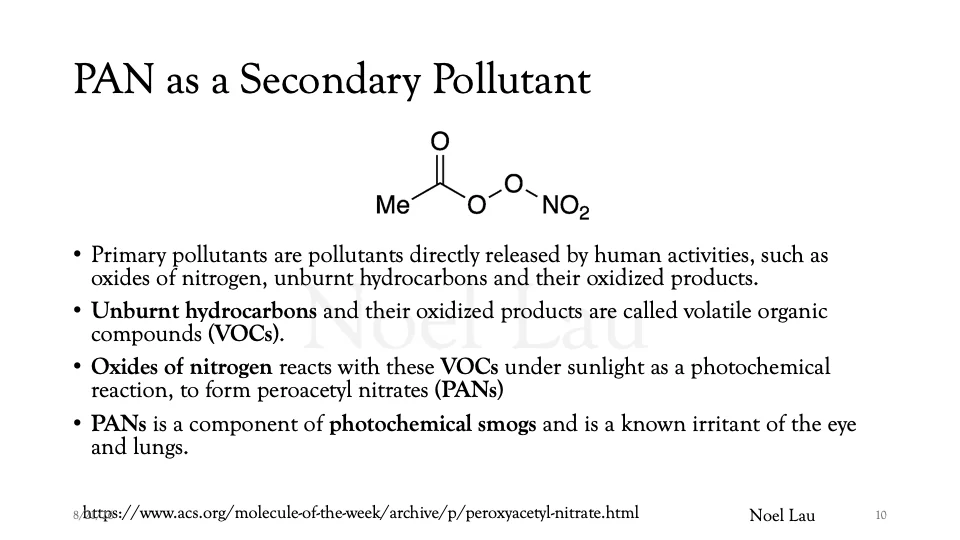
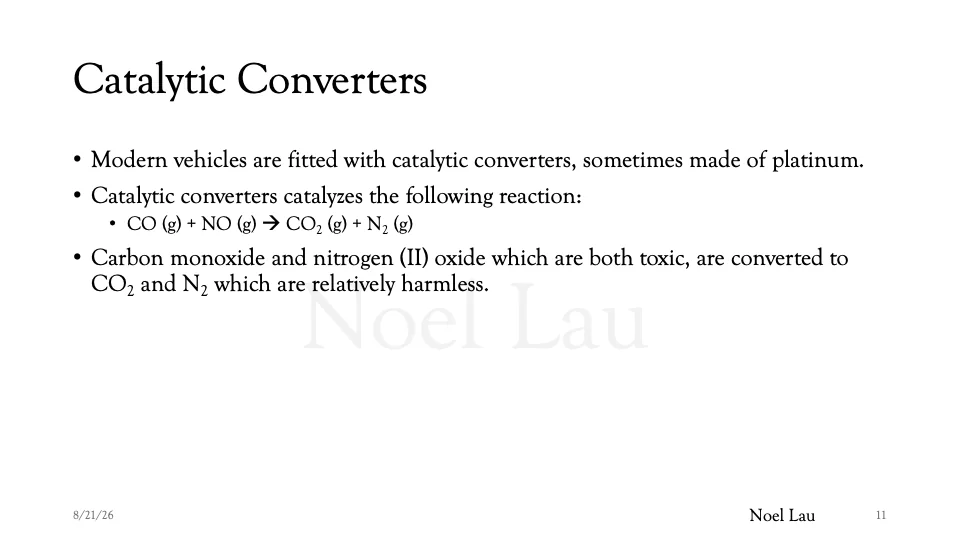
The chapter opens with nitrogen, accounting for its lack of reactivity in terms of the strength of the triple bond and the absence of bond polarity. The chemistry of ammonia is then treated in detail, including its basic character under Bronsted-Lowry theory, the formation and structure of the ammonium ion, and the displacement of ammonia from ammonium salts. The chapter then addresses the oxides of nitrogen, examining their natural and man-made origins, their catalytic removal from vehicle exhaust gases, and their roles in the formation of photochemical smog and acid rain. The catalytic role of nitrogen oxides in the oxidation of atmospheric sulfur dioxide is also covered, connecting the chemistry of both elements within a unified environmental context.